
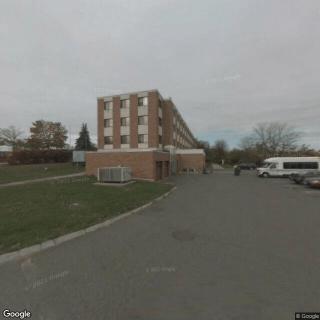
42 Prospect Avenue, West Springfield, MA 01089
For more information about senior living options: (866) 208-4318
Overall Review of Wingate At West Springfield
Pros
 Wingate was the only facility with a bed available when her mother was discharged from the hospital.
- The staff at Wingate know her, providing a sense of familiarity.
- Meetings with the social worker led to issues being corrected.
- The physical and occupational therapy at Wingate is strong, and there are exercise activities.
Cons
 If family members aren’t there every day, the patient tends to get overlooked.
- They had to bring in meals because the patient wouldn’t eat the facility’s food.
- On weekends, the staff is sometimes short-staffed.
- The reviewer wasn’t happy with certain things, though those issues were corrected.
- The menu at Wingate could use some improvement.
Review
Wingate At West Springfield is best suited for families facing a post-acute transition where a bed is urgently needed and a resident benefits from skilled rehabilitation services in a setting where staff familiarity matters. The facility can be the practical choice when hospital discharge hinges on rapid placement, as one reviewer found it to be the only option with an available bed. The real value shows up when staff know the patient and a social worker can advocate and coordinate care through follow-up meetings. This is not a hands-off option; its strength rests on ongoing family engagement and a willingness to stay involved in care planning to ensure issues don’t slip through the cracks.
Alternatives should be considered for residents who demand more consistent staffing across all days or who place a premium on dining quality. If weekend coverage tends to falter or if a robust, cuisine-focused dining program is non-negotiable, other communities may deliver a steadier experience. For families seeking continuous, low-maintenance oversight, or for residents requiring highly specialized care (for example, dementia-specific programming with 24/7 supervision), it is prudent to compare facilities that emphasize uninterrupted staffing and a more comprehensive on-site dining approach. Wingate works best when family involvement can compensate for gaps.
On the upside, Wingate At West Springfield earns its keep with strong rehabilitation options. Physical and occupational therapy are highlighted as reliable, with functional exercise activities that support rebuilding strength and mobility. The presence of a dedicated therapy track and regular exercise opportunities helps residents regain independence more effectively than facilities that skimp on rehab services. The staff’s ability to coordinate care with the resident’s goals, and to adjust plans in collaboration with the family during social work sessions, further reinforces progress. In short, for rehab-focused stays, the structure and expertise here can produce meaningful gains.
That said, there are clear drawbacks that limit the overall experience. Weekend staffing can be uneven, creating situations where the resident’s routine and needs do not receive the same level of attention as on weekdays. Meals also emerge as a concern; the reviewer repeatedly supplemented the resident’s intake, implying that the standard menu does not meet the patient’s preferences or nutritional needs. This is not a small issue, consistent, palatable meals are fundamental to recovery and comfort, and having to bring meals erodes the convenience factor families expect from a post-acute setting. The sense that a resident can be overlooked unless a family member is present is another red flag for longer stays or for residents who rely on predictable daily oversight.
The key question becomes whether the advantages offset the constraints, and for whom. When clinical care, rehab quality, staff familiarity, and proactive problem-solving through social work, is the priority, Wingate’s strengths can outweigh its gaps, provided a family can maintain regular involvement and supplement meals when necessary. The facility’s quick access to a bed and the continuity of relationships with caregivers create a dependable backbone for recovery, which can reduce delays and hospital readmission risk. However, for families seeking a mostly turnkey experience with minimal day-to-day involvement and a dining program that consistently hits nutritional and taste expectations, the cons are hard to ignore.
In the end, Wingate At West Springfield serves as a practical, no-nonsense choice for a post-hospital stay where rehab is central and a bed is essential. It fits best with caregivers who are prepared to monitor care closely, participate in planning, and step in with meals as needed. For anyone who cannot or will not invest that level of involvement, or who requires rigorous weekend staffing and superior dining, alternatives should be explored. A campus tour focused on weekend coverage, dining quality, and therapy engagement will reveal whether this community truly aligns with the resident’s recovery timeline and the family’s ability to support it.
 168 resident community capacity
 Skilled Nursing Facility
 Air-conditioning
 Beauty salon
 Cable or satellite TV
 Computer center
 Dining room
 Fitness room
 Fully furnished
 Gaming room
 Garden
 Housekeeping services
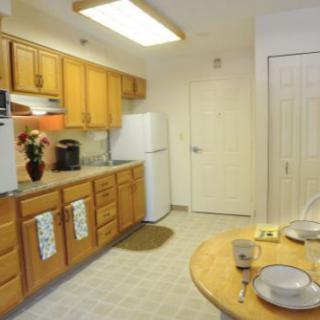
 Kitchenette
 Move-in coordination
 Outdoor space
 Private bathrooms
 Restaurant-style dining
 Small library
 Telephone
 Wellness center
 Wi-Fi/high-speed internet available
 Bradley International (15 miles away)
 Community operated transportation
 12-16 hour nursing
 24-hour call system
 Activities of daily living assistance
 Assistance with bathing
 Assistance with dressing
 Assistance with transfers
 Diabetes diet
 Medication management
 Mental wellness program
 Special dietary restrictions
 Concierge services
 Planned day trips






 Understanding the Full Cost of 24/7 In-Home Care: A Detailed Overview
 Exploring the World of Home Health Nurses: Qualifications, Roles, and Hiring Tips
 Navigating Medicare Coverage for In-Home Care Services