
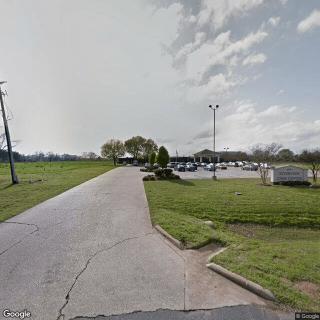
1524 Glen Oaks Place, Shreveport, LA 71103
For more information about senior living options: (866) 208-4318
Overall Review of Southern Oaks Nursing & Rehabilitation Center
Pros
 The staff are nice.
- The administrator is great.
- Southern Oaks is loved by the reviewer.
Cons
 Our loved one died of dehydration
Review
Southern Oaks Nursing & Rehabilitation Center in Shreveport is best suited for families seeking a warm, people-centered environment where staff relationships and administrator accessibility are clearly valued. It is a fit for seniors who respond well to a friendly, talkative care team and appreciate a facility that feels personable and community-oriented. For residents who prioritize daily human connection, attentiveness from front-line caregivers, and a leadership team that appears engaged with the facility’s culture, Southern Oaks can deliver a trustworthy, home-like vibe. The emphasis is on interpersonal warmth and a sense of belonging, rather than being pitched as a clinical powerhouse.
The strongest positives sit with the people. Reviewers repeatedly highlight nice, attentive staff and an administrator who is highly regarded. The presence of a care team that residents and families can rely on day to day translates into predictable routines, compassionate interactions, and a feeling that someone is paying attention to individual needs. For families who want a facility where staff engagement is visible and where the administrator is accessible and invested in the operation, these are meaningful advantages. In practice, that translates to easier communications, smoother daily care, and a sense that the community functions cohesively under clear leadership.
Yet the picture is not without a jarring counterpoint. A single, grave incident, reported as a death from dehydration, casts a long shadow over the overall impression. Dehydration is not a minor lapse; it is a critical red flag about medical oversight, fluid management, and timely response to changing condition. The fact that this event exists in the experiential record means potential families must weigh the warmth of daily interactions against the risk of insufficient medical vigilance. With only three reviews in total, the data set remains small, but the severity of that outcome cannot be dismissed as inconsequential. That tension between strong interpersonal care and a serious safety concern is the defining paradox of this community.
Despite the serious concern, the pros can offset some risk if a prospective resident’s family can leverage the facility’s strengths. The same administrator and staff that convey warmth can be enlisted to implement robust hydration monitoring, proactive communication, and transparent escalation when a resident’s fluid intake drops or health markers shift. A well-led team is precisely the kind that can adopt and enforce stricter protocols, improve training, and ensure consistent staff adherence to care plans. In other words, the strengths create an environment where meaningful improvements are possible, provided there is a clear plan and ongoing accountability.
That said, certain families may want to explore alternatives. For residents with higher medical complexity, restricted fluid management needs, or a history of recurrent dehydration, the risk calculus tilts toward facilities with more explicit safety records and demonstrable nursing oversight. Likewise, families seeking an environment with rigorous clinical acuity, continuous monitoring, or specialized geriatric care programs may find other options more aligned with those priorities. It is prudent to compare staffing ratios, care planning processes, and incident histories at nearby competitors to determine whether hydration risks can be mitigated more effectively elsewhere.
In the end, the decision hinges on balancing human connection with medical safety. Southern Oaks offers a clearly caring, engaged staff and a leadership voice that many families will welcome. If hydration risk is adequately addressed through concrete protocols, regular monitoring, and relentless family-provider communication, the community can be a solid choice for a loved one who thrives on daily rapport and a home-like atmosphere. If not, or if a family cannot sustain close scrutiny of care plans and hydration practices, it is wise to look elsewhere and demand specifics before committing. A thorough on-site visit, direct conversations with frontline caregivers, and a transparent review of care protocols are essential steps to determining fit.
 61 resident community capacity
 Skilled Nursing Facility
 Air-conditioning
 Beauty salon
 Cable or satellite TV
 Computer center
 Dining room
 Fitness room
 Fully furnished
 Gaming room
 Garden
 Housekeeping services
 Kitchenette
 Move-in coordination
 Outdoor space
 Private bathrooms
 Restaurant-style dining
 Small library
 Telephone
 Wellness center
 Wi-Fi/high-speed internet available
 Shreveport Regional (5 miles away)
 Community operated transportation
 12-16 hour nursing
 24-hour call system
 Activities of daily living assistance
 Assistance with bathing
 Assistance with dressing
 Assistance with transfers
 Diabetes diet
 Medication management
 Mental wellness program
 Special dietary restrictions
 Concierge services
 Planned day trips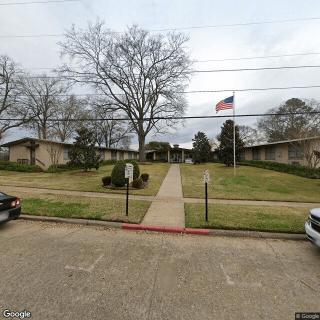



 Recognizing the Journey: Understanding and Navigating Anticipatory Grief
 Encouraging Participation in Adult Day Care: A Guide to Supporting a Hesitant Parent
 Comprehensive Exploration of Living Wills and Other Advance Directives