

3302 Mansfield Rd., Shreveport, LA 71103
To contact a resident: (318) 222-9482
For more information about senior living options: (866) 208-4318
Overall Review of Shreveport Manor Guest Care
Pros
 The staff were described as incredibly friendly.
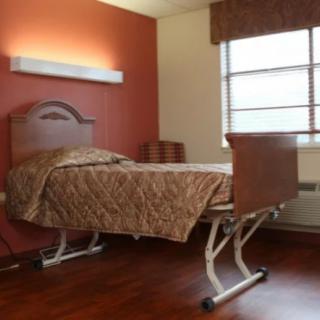
- The building looked clean and had new bedspreads.
- The staff were helpful and responsive, with requests handled quickly.
- The night nurse provided frequent updates.
- The OT and PT staff were super and very encouraging.
- The facility was spotless, and the staff were caring and very kind.
Cons
 The staff is rude and disrespectful.
- Gnats and bugs fly all over residents' dinners.
- Bed rails were never provided despite requests.
- Bugs are everywhere.
- No action was taken for four days after concerns were raised.
- It was an awful place.
- The facility has one of the highest staff turnover rates in the area.
- The reason for the mother’s death remains unknown.
Review
Shreveport Manor Guest Care in Shreveport, LA is best suited for families seeking a no-frills, budget-conscious option where cleanliness is a baseline and some frontline staff show genuine care. The community can work for residents who tolerate variability in staffing and who value a straightforward, modest environment over luxuries. It is not the right fit for those who depend on consistently reliable staffing, rigorous infection control, and consistently responsive administration. With a rating of 2.7 from 14 reviews, the facility presents a clear split: moments of solid, compassionate care coexist with recurrent, unsettling gaps.
Among the recurring positives, several reviewers note a clean building and a basic but workable environment. Tours are described as welcoming, and the facility’s appearance, new bedspreads and general tidiness, contributes to a sense of order that families want. On the care side, some families speak highly of specific staff members and teams: back-office personnel like MYA who handle requests quickly, the night nurse Shanitta who provides regular updates, and, notably, the OT and PT staff who are described as encouraging and effective. Where these staffers show up consistently, residents benefit from dependable rehabilitation-focused support, which is a meaningful upside for people needing therapy to regain independence.
Nevertheless, the negatives are pervasive and hard to overlook. A substantial number of reviews highlight pervasive pest issues, bugs and other nuisances that disrupt meals, rooms, and general comfort. Reports of rude or unresponsive frontline staff on certain shifts clash with the more positive accounts, underscoring a troubling inconsistency in daily care. Critical safety gaps also surface: attempts to obtain bed rails were documented, yet rails were not provided, and liability waivers were wielded in ways that left families anxious about real protective measures. Water flow in bathrooms was described as insufficient, raising concerns about hygiene and basic usability. These elements collectively erode trust and suggest that comfort and safety are not uniformly guaranteed.
Those pros and cons interplay in a way that makes the decision highly situational. When a resident exists on a shift with attentive CNAs, responsive aides, and a coordinated rehab team, care can feel competent and compassionate. Yet the same facility can swing to a less attentive moment where maintenance, infection control, and administrative responsiveness falter. The strongest advantages, cleanliness, approachable rehab staff, and certain individual caregivers, do not fully offset chronic concerns about pests, inconsistent staffing, and communication gaps. For families prioritizing steadiness and predictable quality, the risk of variable experiences weighs heavily against the positives.
Explicitly, families considering alternatives should focus on reliability, safety, and resident dignity. If a loved one requires consistent, 24/7 attentiveness, thorough pest and hygiene management, and a consistently professional administrative team, other options are likely to serve better. Those who value a strong, stable culture of care across all shifts, especially in the evenings and weekends, will want to explore facilities with lower turnover and firmer leadership. Budget constraints aside, this community tends to reward those who can tolerate uneven experiences in exchange for lower costs or closer proximity; others should look for a setting with clearer, unwavering accountability.
For those who proceed with Shreveport Manor, concrete steps are essential to protect the resident’s interests. Request a detailed current care plan with assigned shift coverage, and verify who is responsible for nighttime care. Insist on a documented pest control and maintenance schedule, and closely monitor provisions like bed rails and safety equipment. Ask to speak with the nurse supervisor and the administrator to confirm escalation pathways for concerns. Schedule a trial period if possible, and set up a clear line of communication with a designated point of contact who can provide timely updates. A candid, proactive approach, grounded in specific expectations and measurable protections, will determine whether this community can meet the resident’s needs on a stable, day-to-day basis.
 Skilled Nursing Facility
 Shreveport Regional (4 miles away)

 Understanding Home Health Care: A Comprehensive Guide
 Home Health Care Demystified: A Comprehensive Guide for Families and Caregivers
 Seniors and Modern Transportation: Exploring Uber, Lyft, and Other Ride-Hailing Options