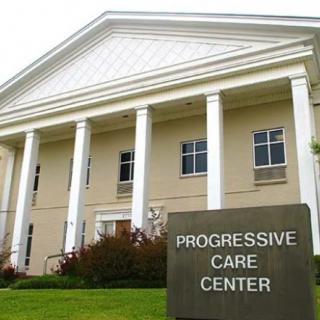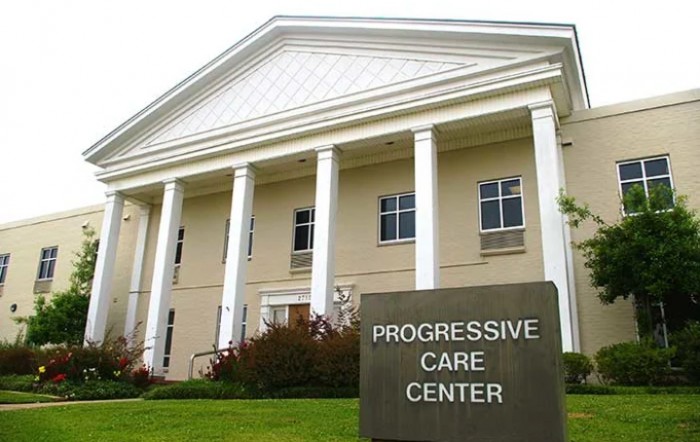

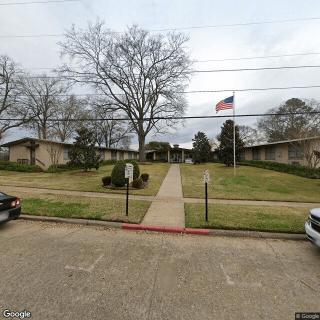
2715 Albert L. Bicknell Drive, Shreveport, LA 71103
For more information about senior living options: (866) 208-4318
Overall Review of Progressive Care Center
Pros
 The patient received awesome care.
- Everyone involved was thoughtful and caring.
- The physical therapists provided care with encouragement and attentiveness.
- The stay felt like a family atmosphere.
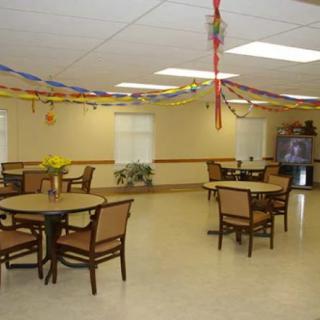
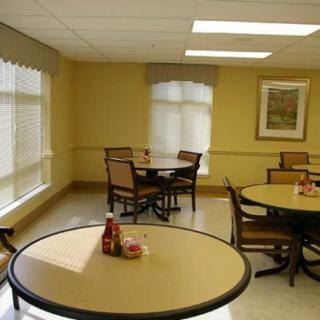
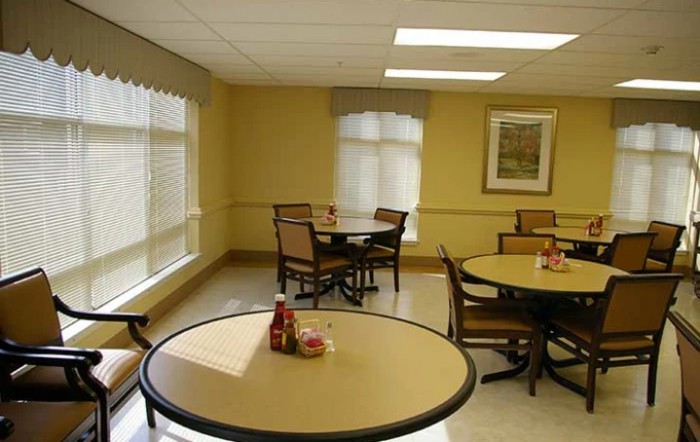
- The meals were great and varied.
- The facility has a caring, helpful, and awesome group of physical therapists.
- The care was outstanding.
- The food was superb.
Cons
 The reviewer states that this facility is not recommended to anyone and should not be chosen for a loved one.
- The workers are very rude and unprofessional; they do not speak to visitors upon entry and provide no explanations when asked about a loved one.
- The aunt received horrible treatment; the staff showed no compassion toward her health condition.
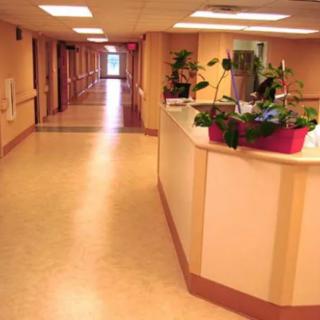
- The room was dirty, with food and trash on the floor, and the aunt was unable to feed herself properly.
- Ice was left by the door and not brought into the room when requested.
- An employee took the aunt's call bell and warned that pressing it again would lead to police involvement.
- The facility does not deserve a star, and the reviewer would choose another facility if given a choice.
Review
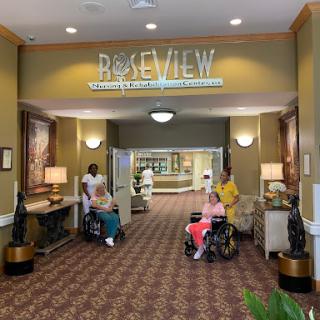
This community in Shreveport is best suited for seniors who are recovering from surgery or a recent injury and who need focused, hands-on physical and occupational therapy as part of a short- to mid-term rehabilitation stay. When rehab goals and a desire for a warm, family-like atmosphere intersect, Progressive Care Center can deliver meaningful gains: thoughtful therapists, a supportive nursing presence, and meals that are repeatedly praised. For families seeking a clearly defined plan of care with frequent progress feedback, this setting often proves effective, especially for those who respond well to a collaborative, energetic therapy team.
Prospective residents who prioritize strong rehabilitation outcomes will want to lean into the positive experiences that recur in many reviews. The standout asset is the rehab staff: therapists and aides who push with gentleness and encouragement, and who help patients regain function after fractures or surgical procedures. Several reviews emphasize a genuine sense of care and personal attention from therapists and nurses, with patients leaving after noticeable improvements. The environment also earns accolades for its warmth and home-like feel, sometimes described as a “family atmosphere,” and for meals that range from “great” to “superb,” making nutrition part of a successful recovery rather than an afterthought.
These strengths, however, do not erase significant caveats that families must weigh carefully. The most consistent cautions concern communication and consistency. Multiple reviewers report that updates and explanations about goals or progress were uneven at best, with some family members feeling left out of important decisions or unsure about how care plans were progressing. This is not merely a minor irritant; in several instances it undercut confidence in the care trajectory, particularly when delays or questions arose about physical therapy milestones and insurance-related expectations. The strongest mix of praise comes with the caveat that not all staff interactions are uniformly positive.
Cleanliness and basic courtesy emerged as equally consequential themes. A number of reviews describe rooms that were not kept up to expectations, with dirt, food, or clutter present, and questions about routine care sometimes answered with reluctance or defensiveness. In one account, a call bell and other basic safeguards were mishandled in ways that caused alarm and discomfort. These experiences sit in tension with the best-possible rehab outcomes, creating a reality in which excellent PT care can be undermined by fragile day-to-day operations. For families pressed by competing priorities, these issues tip the scales toward caution.
The bottom line for decisions hinges on equating needs with realities. If the primary objective is to maximize functional recovery through aggressive, well-supported PT and OT, Progressive Care Center delivers on that front. The therapists are frequently described as capable, motivated, and capable of producing tangible improvements in a relatively short stay. Yet if reliability of communication, transparent goal-setting, and clean, consistently respectful environments are non-negotiables, some alternatives may better fit. The facility can be a strong match for families who can tolerate occasional friction in administrative interactions in exchange for robust rehab momentum and a warm, chef-driven dining experience.
In short, this community represents a practical bet for post-acute rehab where clinical progress and a caring therapy culture matter most. It is less ideal for families who require unwavering, proactive communication and faultless day-to-day operations. Those with the flexibility to engage directly with care teams, ask pointed questions about goals, and insist on regular updates will likely find the strengths outweigh the risks. For others, a careful tour, explicit conversations about care plans, and a close look at housekeeping practices will be essential steps before committing, with the option to compare other local options that foreground communication and consistency.
 131 resident community capacity
 Skilled Nursing Facility
 Air-conditioning
 Beauty salon
 Cable or satellite TV
 Computer center
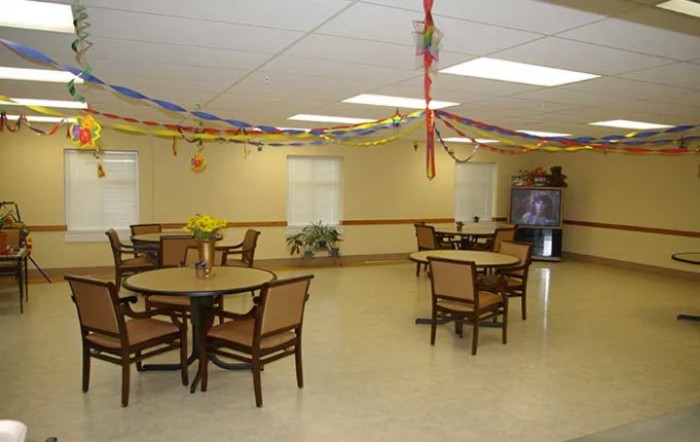
 Dining room
 Fitness room
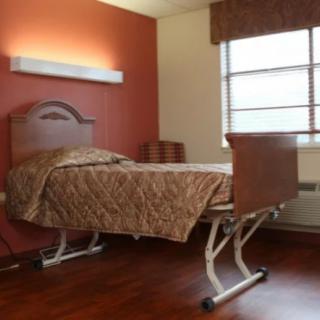
 Fully furnished
 Gaming room
 Garden
 Housekeeping services
 Kitchenette
 Move-in coordination
 Outdoor space
 Private bathrooms
 Restaurant-style dining
 Small library
 Telephone
 Wellness center
 Wi-Fi/high-speed internet available
 Shreveport Regional (4 miles away)
 Community operated transportation
 12-16 hour nursing
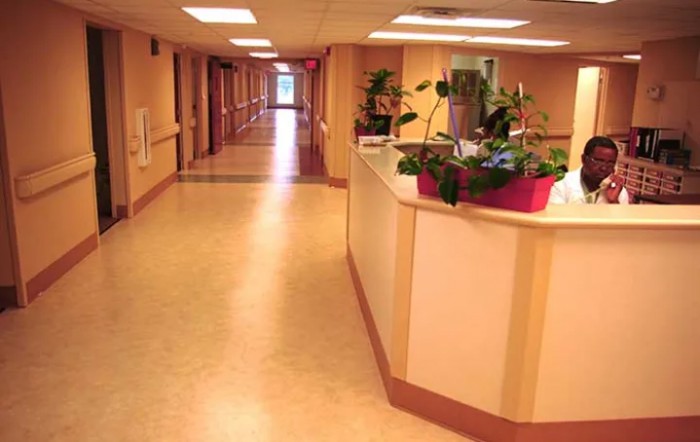
 24-hour call system
 Activities of daily living assistance
 Assistance with bathing
 Assistance with dressing
 Assistance with transfers
 Diabetes diet
 Medication management
 Mental wellness program
 Special dietary restrictions
 Concierge services
 Planned day trips



 Comprehensive Guide to Qualifying for Home Health Care Services
 Powerful Realities of Elder Abuse and the Most Effective Ways to Report It
 Ten Vital Duties of a Senior Caregiver: A Comprehensive Guide