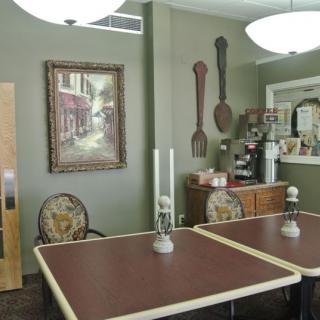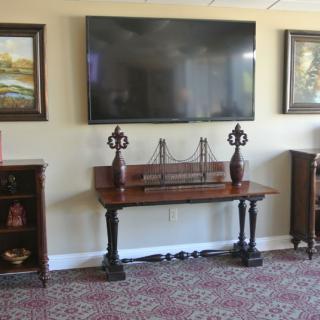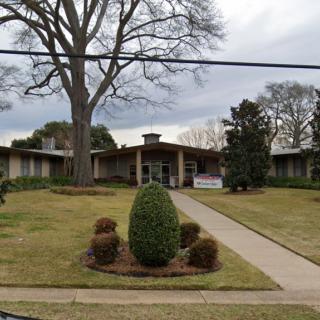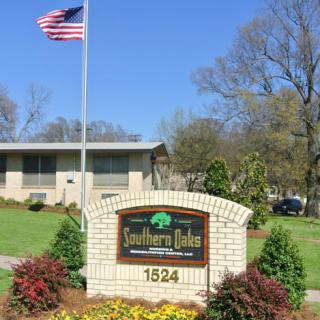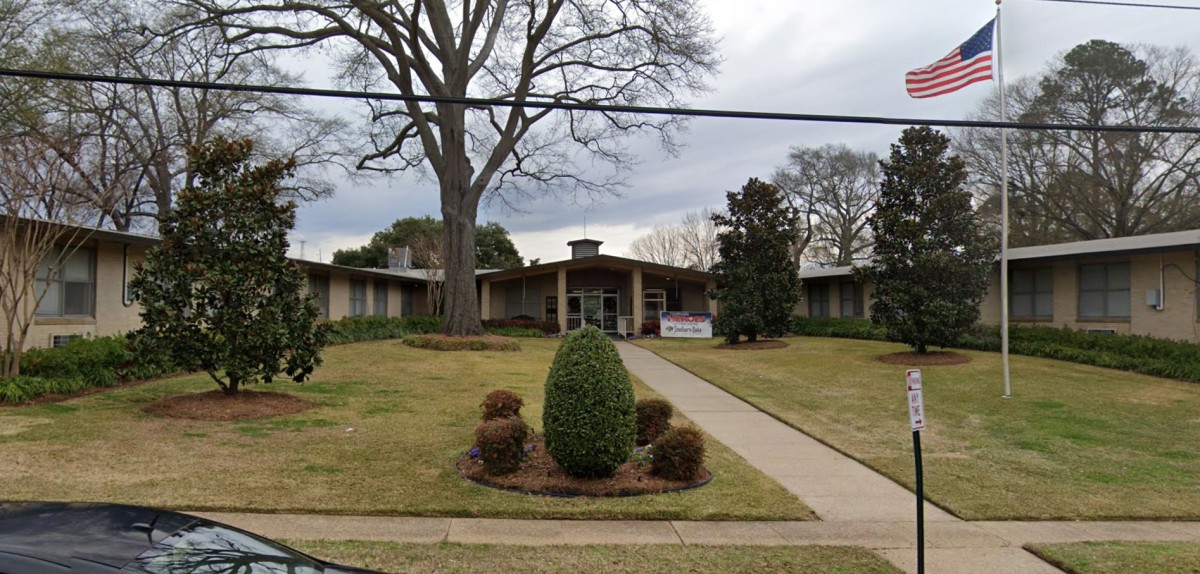
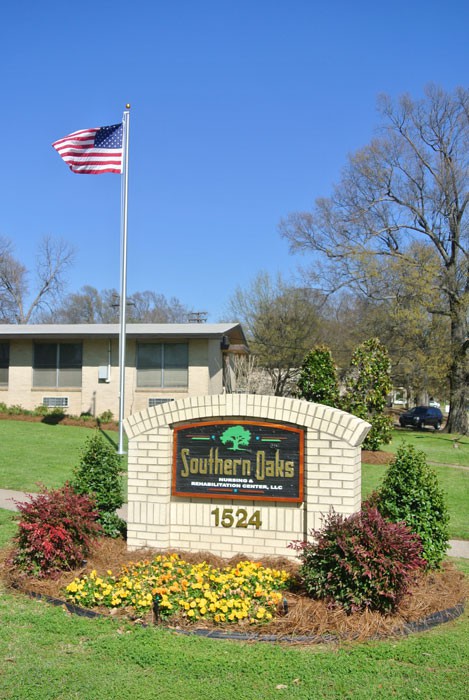
1524 Glen Oak Pl, Shreveport, LA 71103
To contact a resident: (318) 221-0911
For more information about senior living options: (866) 208-4318
Overall Review of Glen Oaks Retirement Home
Pros
 The staff is nice.
- The administrator is great.
- The people, the patients, the staff, and the organizations at Southern Oaks are loved.
Cons
 The loved one died of dehydration.
Review
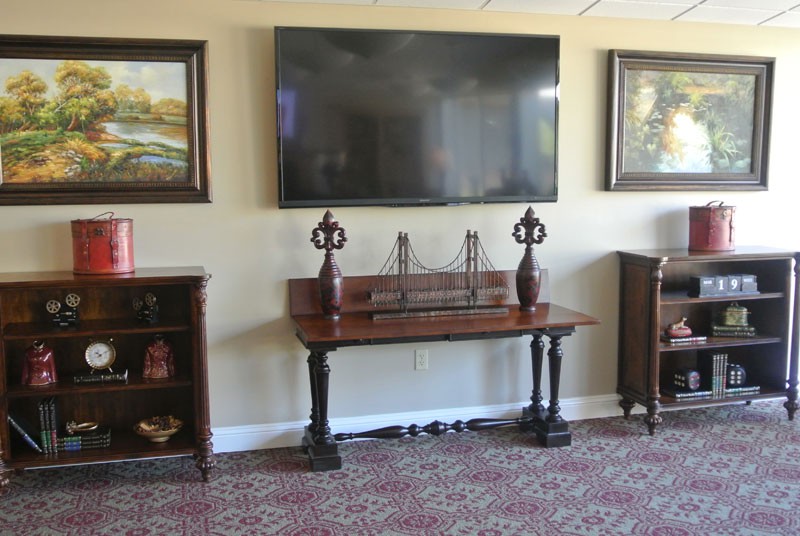
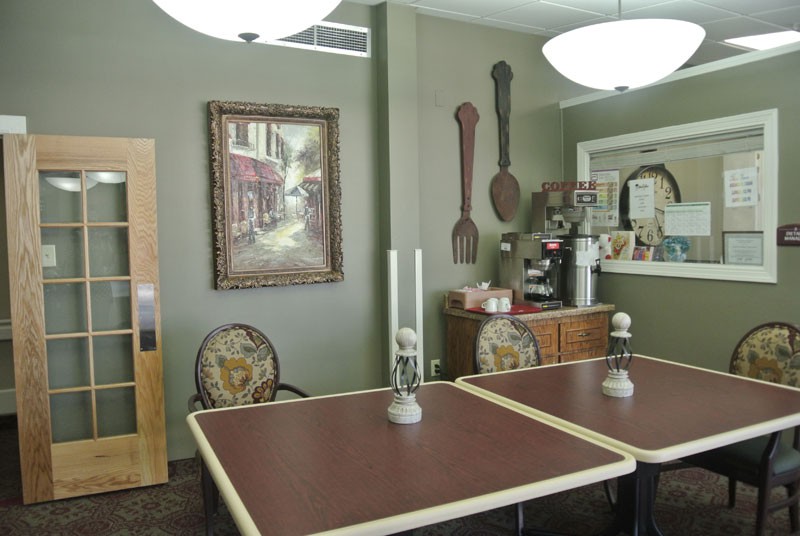
Glen Oaks Retirement Home in Shreveport is best suited for seniors and families who prioritize a warm, relationship-driven care environment and steady, predictable daily routines. The community appears to function as a small, staff-centric setting where caregivers remember residents’ preferences and histories, and where an engaged administrator provides visible leadership. Families seeking a homey atmosphere, regular activities, and reliable interpersonal warmth will find this option comforting. It is not the pick for someone who requires intensive, hospital-level medical oversight around the clock or aggressive risk management to prevent acute events. The balance here favors person-centered attention and everyday familiarity over high-level clinical pace.
Those with complex medical needs, chronic dehydration risks, or conditions demanding constant monitoring may want to consider alternatives. The most serious concern surfaced in a troubling incident: a resident died of dehydration, signaling a potential gap between daily care and medical oversight. Even with strong front-line staff and a capable administrator, a single critical failure can overshadow otherwise favorable impressions. With only three reviews available, consistency of care remains unclear, and prospective residents should seek a broader picture, specifically current staff-to-resident ratios, physician access, and the facility’s hydration and nutrition protocols.
On the plus side, the staff comes across as genuinely nice and approachable, a difference-maker for daily comfort and mood. Compliments about the administrator point to steady, effective leadership that can coordinate care plans, liaise with families, and uphold routines that keep residents engaged. The sense of organization and community is palpable; well-structured activities and predictable schedules help mitigate isolation and preserve dignity. When these elements function well, they compensate for some facility limitations and contribute to a sense that residents are seen and protected, day after day.
Yet the main red flag remains the dehydration tragedy, a stark reminder that warmth and leadership must be matched by rigorous medical oversight. The gap may reflect lapses in hydration monitoring, timely intake reminders, or escalation protocols when dehydration signs appear. Even the strongest staff culture can falter if medical checks are inconsistently applied or if communication between caregivers and clinicians is weak. The administrator’s effectiveness will be tested by how well care plans incorporate hydration targets, ongoing health checks, and rapid response to any decline. Until those systems are demonstrated consistently, the risk remains a real constraint on suitability for some families.
Families evaluating Glen Oaks should demand concrete assurances. Ask about staffing ratios by shift, caregiver training in identifying dehydration and early illness, and how meals, fluids, and routine liquid intake are tracked for each resident. Inquire how medical appointments and on-site nursing support are scheduled, how often physicians see residents, and what escalation steps exist when hydration issues arise. Review incident logs, family communication practices, and the administrator’s role in program oversight. Also consider the resident’s specific needs, mobility, memory care, and the degree to which daily life supports meaningful activity, and compare with other local options to ensure alignment with safety expectations and quality-of-life goals.
Overall, Glen Oaks offers a compassionate, well-led environment with clear advantages in staff warmth and administrative stability. Those who value a people-first atmosphere and predictable routines may find it a very good fit, provided due diligence confirms robust hydration and medical oversight. For families whose loved ones require more aggressive medical monitoring or who cannot tolerate any risk of dehydration, alternatives with deeper clinical support should be pursued. The right choice hinges on confirming that care protocols, escalation procedures, and daily monitoring align with the resident’s health status and family expectations.
 Skilled Nursing Facility
 Shreveport Regional (5 miles away)

 Understanding the Nuances of Palliative Care and Hospice: A Comprehensive Exploration
 Is In-Home Healthcare Tax Deductible? Your Comprehensive Guide
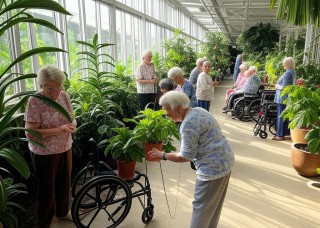 Nurturing Well-Being Through Gardening: A Detailed Guide for Senior Enthusiasts