
Magnolia Manor Nursing And Rehab Center

Save

  • Interior

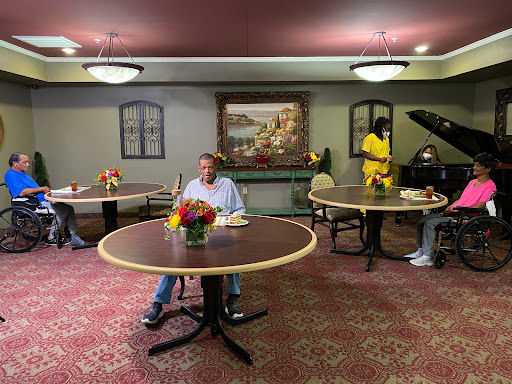
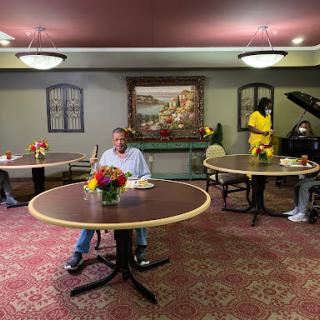
    An indoor dining area where elderly individuals are enjoying their meals while staff members assist.
  • Outdoors

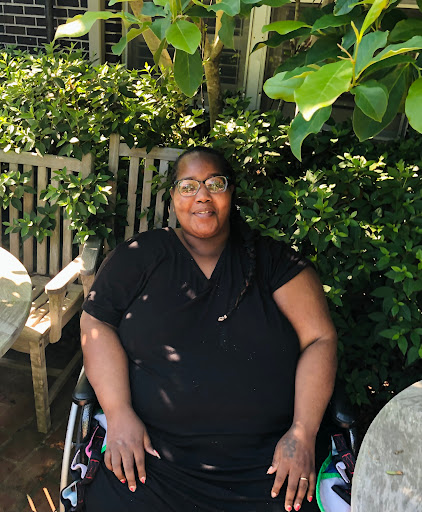
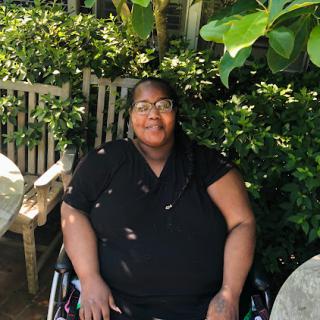
    A smiling individual in a wheelchair enjoys the serene garden atmosphere.
  • Dining

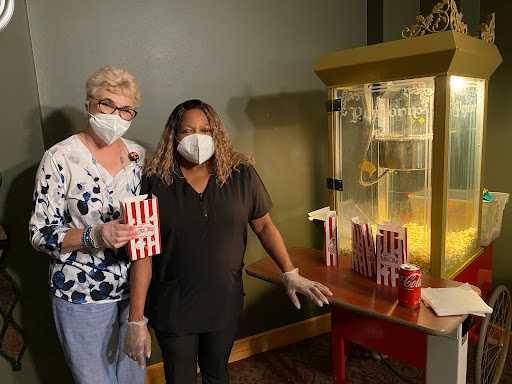
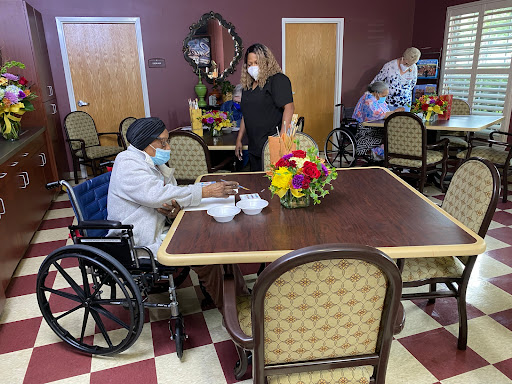
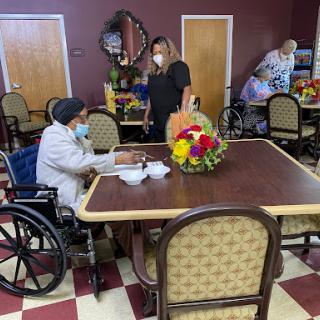
    Residents and staff engaging in a social moment in a care facility's dining area.
  • Lighting

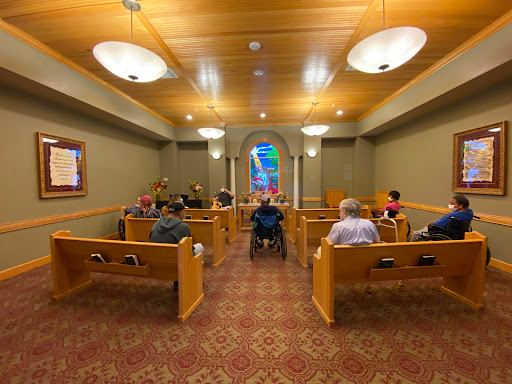
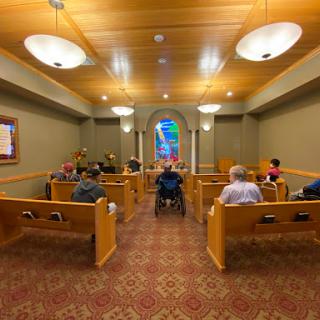
    A serene chapel interior with wooden benches and a stained glass window, where several people are seated in contemplation.
  • Garden

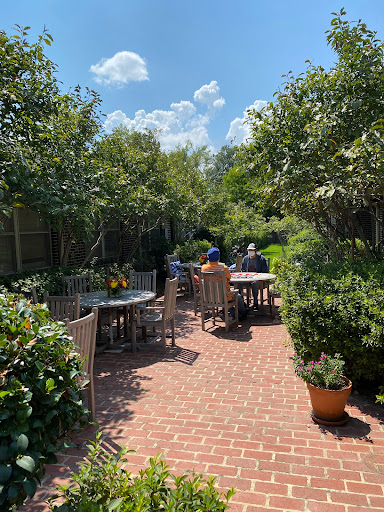
    A serene garden patio filled with greenery, where people are enjoying a sunny day.
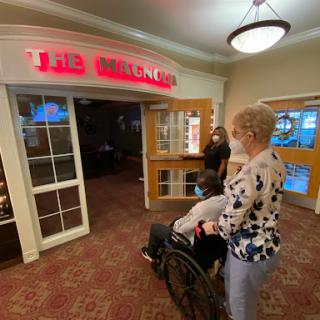
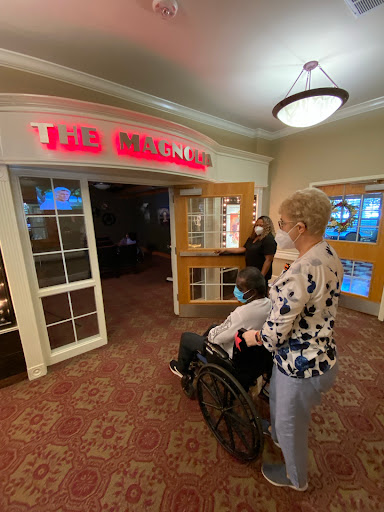
  • Entrance

    A woman assists another person in a wheelchair at the entrance of a restaurant.
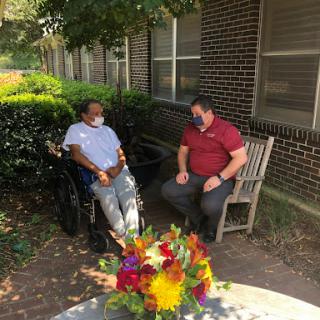
  • Outdoor

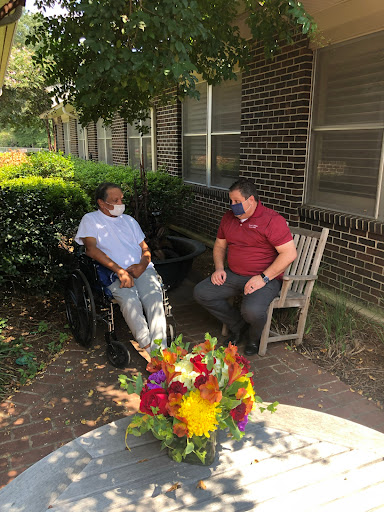
    A meaningful conversation takes place in a serene outdoor setting, surrounded by vibrant flowers.
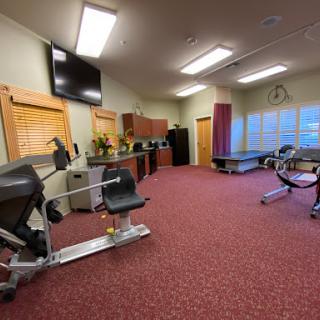
  • Exercise Equipment

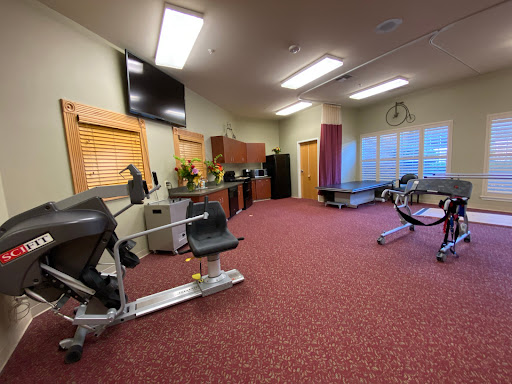
    A well-equipped fitness and rehabilitation room featuring various exercise machines.

Magnolia Manor Nursing And Rehab Center

1411 Claiborne Avenue, Shreveport, LA 71103

For more information about senior living options: (844) 490-3973

2.4 from 15 reviews
5 stars
3
4 stars
0
3 stars
4
2 stars
1
1 stars
7

Skilled Nursing Facility

What level of care are you interested in?

Assisted Living

Memory Care

Independent Living

Skilled Nursing Facility

Continuing Care Retirement Community (CCRC)CCRC

Other


Request a tour at Magnolia Manor Nursing And Rehab Center

    Overall Review of Magnolia Manor Nursing And Rehab Center

    Pros

    • pro The staff at Magnolia Manor is very helpful and professional.
    • pro Kathy Dunlap MDS provides information clearly and in a timely manner.
    • pro The staff is great, and the facility is always well kept and clean.
    • pro All staff members are knowledgeable and willing to assist.
    • pro Magnolia Manor is a loving and caring place that goes to the limit to care for its residents.
    • pro The facility's cleanliness is maintained.

    Cons

    • pro They claim Magnolia Manor does not disclose that private rooms are only available for the first few months, leaving residents to share rooms and raising cleanliness concerns; the private side is reportedly cleaner.
    • pro They allege staff lie, cover themselves, and abuse loved ones, recounting a loved one on life support with unreported wounds and broken bones and mentioning alleged cover-ups and rotation-sheet manipulation.
    • pro They call Magnolia Manor a joke and describe the administrator (Don) as horrible and unprofessional.
    • pro They report poor kitchen/food preparation for special care, lack of teamwork among CNAs/LPNs/RNs, and restrooms that are locked after hours, with advice to remove valuables for safekeeping.
    • pro They describe the staff as extremely slow with no sense of urgency, claiming a relative ended up in ICU due to missed blood sugar checks and insulin administration and an infection from inadequate bathing.
    • pro They criticize the DON for being on her phone and portray administration as focused on appearances or dates rather than resident care.

    Review

    The collection of remarks about Magnolia Manor in Shreveport presents a highly mixed picture. On the one hand, several visitors praise particular staff members for their professionalism, clear communication, and helpfulness. A standout mention goes to Kathy Dunlap, MDS, who is described as providing information that was both clear and timely, with a recommendation that she be sought out for assistance. In the same vein, other reviewers note that the facility is well kept and clean, and they emphasize that many staff members are knowledgeable and willing to assist during visits with relatives. These positive notes suggest that when interactions go smoothly and competent people are involved, Magnolia Manor can feel accessible and supportive to families.

    Yet the broader sentiment across many entries is far more critical. A recurring concern is the disparity between private suites and shared rooms, especially in terms of cleanliness and perceived value. One caregiver recounts that their father has been at Magnolia Manor since February and, by August, was sharing a room despite paying a monthly rate in the neighborhood of 1,200 dollars. The reviewer emphasizes that the problem isn't simply room sharing but that the private side appears cleaner and more pleasant, implying inconsistent standards between sides of the facility. This sense of unequal care environments fuels frustration, with complaints that private rooms are nicer but not clearly communicated as being limited by policy or time.

    Several accounts escalate into serious accusations about neglect and abuse. One reviewer lashes out with a vehement warning against sending a loved one to Magnolia Manor, describing a spectrum of alleged mistreatment and cover-ups. The account asserts that a loved one on life support accrued wounds, deformities, and injuries that were either ignored or concealed, with references to unreported wounds and a supposed "brand new rotation sheet" introduced after review by state investigators and video footage. The language is graphic and charged, portraying a claim of systemic staff failure in wound care and overall accountability, and alleging that those responsible would need to be fired. While these assertions are extreme and clearly come from a single, highly emotional narrative, they contribute a climate of fear and mistrust about resident safety and incident reporting.

    Other reviewers echo concerns about administration and internal communication. One post labels Magnolia Manor "a joke" and singles out an administrator (referred to as Don) for criticism, describing a pattern of cruelty and unprofessionalism in how next-of-kin communications are handled during a residence transition following medical recommendations for skin care. There are mentions of lapses in kitchen and food preparation for residents requiring special diets, inconsistent teamwork among CNAs, LPNs, and RNs, limited access to restrooms for visitors after certain hours, and absent provisions for safeguarding valuables. Taken together, these comments paint a picture of structural and procedural shortcomings that affect daily life and how families experience the facility.

    Not all feedback is negative, however. A portion of the reviews focuses on frontline care that some families observed as competent and timely, with specific praise for how staff engaged with residents during visits and offered assistance. There is also a strong sentiment that Magnolia Manor can be a place of genuine care when conditions align - citing moments of attentive staff, regular contact with family, and a generally orderly environment. One comment even frames Magnolia Manor as a place of commitment to residents' well-being, highlighting a perception of staff going to the limit to care for residents and patients.

    There is also a recurring accusation about responsiveness and urgency among staff. A reviewer describes the on-duty personnel as slow and lacking urgency, citing a serious lapse in blood-sugar management and insulin administration that allegedly contributed to a patient's deterioration and subsequent ICU admission. The same person claims ongoing attempts to address the problem with the director and social services, illustrating a sense that complaints may not be resolved quickly or effectively. Another reviewer expands on the theme of administrative disconnect, suggesting that leadership spends time on personal distractions rather than resident care, which compounds frustrations about the overall experience.

    Despite the intensity of the negative feedback, some entries reiterate a belief in Magnolia Manor's potential when care is well-coordinated and staff are engaged. A few lines acknowledge that when interactions go smoothly - clear communication with families, proper wound care, and a clean environment - the facility can meet or exceed expectations. The final sentiment tends to oscillate between hope for better, safer experiences and caution driven by prior negative episodes, underscoring the complexity of running a long-term care operation where individual experiences can vary dramatically from one day to the next.

    Features

    Housing

    • 98 resident community capacity 98 resident community capacity

    Types of Care

    • Skilled Nursing Facility Skilled Nursing FacilitySkilled Nursing Facilities are crucial for seniors as they provide round-the-clock medical care, rehabilitation services, and assistance with daily activities. These facilities ensure that seniors receive the specialized care they need to maintain their health and well-being as they age.

    Amenities

    • Air-conditioning Air-conditioningAir conditioning is important for seniors as they are more vulnerable to heat-related illnesses and may have underlying health conditions that make it difficult for them to regulate their body temperature. It helps to keep them comfortable, safe, and healthy in hot weather.
    • Beauty salon Beauty salonBeauty salons are important for seniors because they provide a space for them to feel pampered, socialize, and maintain their personal grooming and hygiene. Regular visits to a beauty salon can help boost seniors' self-esteem and overall well-being.
    • Cable or satellite TV Cable or satellite TVCable or satellite TV is important for seniors because it provides entertainment, news, and companionship, helping to combat loneliness and boredom. It also offers a wide range of programming options tailored to different interests and preferences.
    • Computer center Computer centerA computer center is essential for seniors as it provides access to technology, communication tools, and resources that can enhance their daily lives. It allows them to stay connected with loved ones, engage in online activities, and learn new skills, ultimately promoting socialization and mental stimulation.
    • Dining room Dining roomDining rooms are important for seniors as they provide a space for socialization, connection, and nutritious meals. They offer opportunities for residents to bond over shared meals, foster a sense of community, and promote healthy eating habits. Dining rooms also ensure that seniors have access to well-balanced meals tailored to their dietary needs and preferences.
    • Fitness room Fitness roomHaving a fitness room in a senior living community is essential for seniors to stay active, maintain their physical health, and improve their overall well-being. Regular exercise can help prevent falls, reduce the risk of chronic diseases, and promote mental sharpness. It also provides social opportunities for residents to connect with others and enjoy a sense of community.
    • Fully furnished Fully furnishedFully furnished senior living communities are important for seniors because they provide convenience, comfort, and a hassle-free moving experience. Seniors can easily settle into their new living space without the stress of having to buy and move furniture. This allows them to focus on enjoying their new home and community.
    • Gaming room Gaming roomGaming rooms are important for seniors as they provide a fun and engaging environment for socializing, cognitive stimulation, and physical activity. Games can improve memory, problem-solving skills, and overall mental well-being while fostering friendships and reducing feelings of isolation.
    • Garden GardenGardens are important for seniors as they provide a peaceful and therapeutic environment for relaxation, physical activity, and socialization. Being in nature has been shown to reduce stress, improve mood, and promote overall well-being. Gardens also offer opportunities for seniors to engage in gardening activities, which can improve mobility, flexibility, and cognitive function. Additionally, gardens create a sense of community and connection with others who share a passion for plants and outdoor spaces.
    • Housekeeping services Housekeeping servicesHousekeeping services are important for seniors because they help maintain a clean and safe living environment, promote independence, and reduce the risk of accidents or illnesses. Additionally, having assistance with household chores can alleviate physical strain and allow seniors to focus on other aspects of their well-being.
    • Kitchenette KitchenetteKitchenettes are important for seniors living in senior living communities because they provide the convenience and independence of being able to prepare simple meals and snacks in the comfort of their own living space. This can help promote a sense of autonomy and well-being for seniors, allowing them to maintain some level of control over their dietary choices and daily routines.
    • Move-in coordination Move-in coordinationMove-in coordination is important for seniors because it helps ease the transition into their new living environment. It ensures that all logistics, such as packing, organizing movers, and setting up utilities are taken care of, allowing seniors to focus on settling in and adjusting to their new home. Having a smooth move-in process can alleviate stress and anxiety, making the transition smoother and more enjoyable for seniors.
    • Outdoor space Outdoor spaceOutdoor spaces are important for seniors as they provide opportunities for physical activity, social interaction, exposure to natural light and fresh air, and a sense of connection to nature. Having access to outdoor spaces can improve overall well-being and quality of life for older adults living in senior communities.
    • Private bathrooms Private bathroomsPrivate bathrooms are important for seniors in senior living communities because they provide independence, dignity, and comfort. Having a private bathroom allows seniors to maintain their personal hygiene routines without the need for assistance, promoting a sense of autonomy and privacy. Additionally, private bathrooms help prevent the spread of infections and provide a safe and clean environment for seniors to navigate safely.
    • Restaurant-style dining Restaurant-style diningRestaurant-style dining is important for seniors because it allows them to enjoy delicious, nutritious meals in a social and upscale setting. This enhances their dining experience, promotes healthy eating habits, and fosters socialization with fellow residents, ultimately contributing to their overall well-being and quality of life.
    • Small library Small librarySmall libraries are important for seniors as they provide access to a variety of reading materials, including books, newspapers, and magazines. This can help stimulate their minds, keep them engaged, and provide a sense of community through book clubs and other social activities. Additionally, reading has been shown to improve cognitive function and overall mental well-being in older adults.
    • Telephone TelephoneTelephones are important for seniors as they provide a lifeline for communication with loved ones, emergency services, and healthcare providers. They offer a sense of security and independence, enabling seniors to stay connected and access assistance when needed.
    • Wellness center Wellness centerWellness centers are important for seniors because they offer a variety of programs and services that promote physical, mental, and emotional well-being. These centers provide opportunities for exercise, socialization, education, and relaxation, helping seniors maintain their overall health and quality of life.
    • Wi-Fi/high-speed internet available Wi-Fi/high-speed internet availableWi-Fi/high-speed internet is important for seniors to stay connected with loved ones, access online resources, and participate in virtual activities to combat feelings of loneliness and isolation. It also allows them to easily manage healthcare needs, access entertainment, and engage in lifelong learning opportunities.

    Transportation

    • Shreveport Regional (4 miles away) Shreveport Regional (4 miles away)
    • Community operated transportation Community operated transportationCommunity operated transportation is crucial for seniors as it provides them with the means to access essential services, social activities, and medical appointments. It allows seniors to maintain their independence and quality of life by ensuring they can participate in activities outside of their homes. Additionally, community-operated transportation services offer a safe and reliable way for seniors to travel without having to rely on family or friends for assistance.
    • Transportation arrangement Transportation arrangementTransportation arrangements are crucial for seniors as they may face challenges with driving, mobility, or access to public transportation. Having reliable transportation services ensures that seniors can easily attend appointments, social activities, and maintain their independence and quality of life.
    • Transportation arrangement (non-medical) Transportation arrangement (non-medical)Transportation arrangements are essential for seniors as they provide access to essential services, activities, and social interactions outside the home. This service helps maintain independence, mobility, and overall well-being for seniors who may have limited transportation options.
    • Transportation to doctors appointments Transportation to doctors appointmentsTransportation to doctors appointments is crucial for seniors as it ensures they have access to necessary medical care and support, promoting their health and well-being. It allows them to receive timely treatment, monitor existing conditions, and address any new health concerns efficiently. Additionally, transportation services can help seniors maintain their independence and quality of life by enabling them to stay connected with their healthcare providers.

    Care Services

    • 12-16 hour nursing 12-16 hour nursing12-16 hour nursing care is crucial for seniors in order to ensure around-the-clock monitoring, timely medication administration, and prompt response to any health concerns or emergencies. This level of care helps to promote the overall well-being and safety of seniors living in senior living communities.
    • 24-hour call system 24-hour call system24-hour call systems are important for seniors because they provide peace of mind and immediate assistance in case of emergencies. This technology ensures that help is always available, promoting safety and security for elderly individuals living alone or in assisted living facilities.
    • 24-hour supervision 24-hour supervision24-hour supervision is important for seniors to ensure their safety, well-being, and access to immediate assistance in case of emergencies or health issues. This constant support provides peace of mind for both seniors and their loved ones, allowing them to age in place with dignity and security.
    • Activities of daily living assistance Activities of daily living assistanceActivities of daily living assistance are important for seniors because they provide essential support with tasks such as eating, bathing, dressing, and mobility. This assistance helps seniors maintain their independence, dignity, and overall quality of life as they age.
    • Assistance with bathing Assistance with bathingAssistance with bathing is crucial for seniors as it helps maintain personal hygiene, prevents infections, and ensures their overall well-being and comfort. It also provides a sense of dignity and independence for seniors who may struggle with this task on their own.
    • Assistance with dressing Assistance with dressingAssistance with dressing is important for seniors because it helps maintain their independence, promotes personal hygiene, prevents accidents and injuries, and improves overall quality of life. This service ensures that seniors can continue to dress comfortably and confidently, despite any physical limitations they may have.
    • Assistance with transfers Assistance with transfersAssistance with transfers is crucial for seniors as it helps prevent falls and injuries, maintains their independence, and ensures they can safely navigate their living environment. It also provides peace of mind for both seniors and their loved ones.
    • Diabetes diet Diabetes dietA diabetes diet is crucial for seniors as it helps manage blood sugar levels, reduce risks of complications, and improve overall health and well-being. By following a balanced and nutritious diet tailored to their specific needs, seniors can better control their diabetes and enhance their quality of life.
    • Meal preparation and service Meal preparation and serviceMeal preparation and service are crucial for seniors as they may have limited mobility or energy to cook nutritious meals. Having access to healthy and convenient food options can ensure they are getting the proper nutrition needed to maintain their overall health and well-being.
    • Medication management Medication managementMedication management is crucial for seniors to ensure they are taking the right medications at the correct dosages and times. This helps prevent adverse drug interactions, reduces the risk of medication errors, and promotes overall health and well-being. Proactive management also allows for adjustments as needed based on changing health conditions or new prescriptions.
    • Mental wellness program Mental wellness programMental wellness programs are essential for seniors as they promote cognitive stimulation, emotional support, and social engagement. These programs help prevent isolation, depression, and cognitive decline, ultimately enhancing the overall quality of life for older adults.
    • Special dietary restrictions Special dietary restrictionsSpecial dietary restrictions are important for seniors because age-related changes in metabolism and health conditions can make it difficult for their bodies to process certain foods. By following a diet tailored to their specific needs, seniors can maintain their overall health and well-being, manage chronic conditions, and reduce the risk of complications such as malnutrition or food interactions with medications.

    Dining

    • Diabetes diet Diabetes dietA diabetes diet is crucial for seniors as it helps manage blood sugar levels, reduce risks of complications, and improve overall health and well-being. By following a balanced and nutritious diet tailored to their specific needs, seniors can better control their diabetes and enhance their quality of life.
    • Special dietary restrictions Special dietary restrictionsSpecial dietary restrictions are important for seniors because age-related changes in metabolism and health conditions can make it difficult for their bodies to process certain foods. By following a diet tailored to their specific needs, seniors can maintain their overall health and well-being, manage chronic conditions, and reduce the risk of complications such as malnutrition or food interactions with medications.

    Activities

    • Community-sponsored activities Community-sponsored activitiesCommunity-sponsored activities are important for seniors as they provide opportunities for social interaction, mental stimulation, and physical activity. These activities can help improve overall well-being, combat loneliness and isolation, and promote a sense of belonging and purpose among older adults.
    • Concierge services Concierge servicesConcierge services are essential for seniors as they provide assistance with daily tasks and errands, enhance their quality of life by offering convenience and personalized care, and promote a sense of safety and security.
    • Fitness programs Fitness programsFitness programs are crucial for seniors as they help improve strength, flexibility, balance, and overall well-being. Staying active can reduce the risk of chronic diseases, improve mental health, and enhance quality of life in older adults.
    • Planned day trips Planned day tripsPlanned day trips are important for seniors because they offer opportunities for socialization, mental stimulation, and physical activity. They provide a change of scenery and help seniors stay engaged and connected to their community, promoting overall well-being and quality of life.
    • Resident-run activities Resident-run activitiesResident-run activities are important for seniors as they encourage social interaction, creativity, and a sense of autonomy. These activities empower seniors to stay engaged and active in their community while fostering meaningful connections with their peers.
    • Scheduled daily activities Scheduled daily activitiesScheduled daily activities are important for seniors because they provide structure, socialization, mental stimulation, and physical activity. Engaging in regular activities can improve overall well-being and quality of life for seniors living in a community setting.

    Description

    Magnolia Manor Nursing And Rehab Center in Shreveport, LA is a senior living community that offers a wide range of amenities and care services to its residents. The community is designed to provide a comfortable and convenient living environment for seniors who require assistance with daily activities or need specialized care.

    Residents at Magnolia Manor can enjoy the convenience of having a beauty salon on-site, where they can get haircuts, styling, and other grooming services. They also have access to cable or satellite TV for entertainment purposes. The community provides community-operated transportation, making it easy for residents to get around the area.

    For those looking to stay connected, there is a computer center with Wi-Fi/high-speed internet available. Residents can use this facility to browse the internet, send emails, or stay in touch with their loved ones. The dining room offers restaurant-style dining, ensuring that residents have delicious and nutritious meals prepared for them.

    The fitness room is equipped with exercise equipment for seniors who want to stay active and maintain their physical well-being. There is also a fully furnished gaming room where residents can engage in various recreational activities.

    Magnolia Manor features a beautiful garden and outdoor space where residents can relax and enjoy nature. The community provides housekeeping services to ensure that the living spaces are clean and well-maintained.

    Residents have access to private bathrooms for their convenience and privacy. Move-in coordination services are available to assist new residents in transitioning smoothly into their new homes.

    In terms of care services, Magnolia Manor offers 24-hour call systems and supervision to ensure the safety of its residents at all times. Trained staff members are always available to provide assistance with daily activities such as bathing, dressing, and transfers. Medication management is provided to help residents adhere to their prescribed medication schedules.

    The community also emphasizes mental wellness by offering a mental wellness program that promotes emotional well-being among its residents. Special dietary restrictions are accommodated through personalized meal preparation and service.

    Transportation arrangements for non-medical purposes, such as shopping or social outings, are available. The community also provides transportation to doctors' appointments for residents who require medical care.

    Magnolia Manor understands the importance of staying socially engaged and offers a variety of activities for residents. These include concierge services, fitness programs, planned day trips, and resident-run activities. Scheduled daily activities ensure that residents have a range of options to participate in based on their interests.

    The community is conveniently located near cafes, parks, pharmacies, physicians' offices, restaurants, places of worship, theaters, and hospitals. This allows easy access to various amenities and services in the surrounding area.

    Overall, Magnolia Manor Nursing And Rehab Center provides a comfortable and supportive living environment where seniors can receive the care they need while enjoying an array of amenities and engaging in meaningful activities.

    Nearby Places of Interest

    Physicians

    • Anesthesiology Residency - Lsuhsc Shreveport (0.2 miles)
    • Dialysis Center of Shreveport (0.7 miles)
    • Shreveport Endoscopy Center AMC (1.1 miles)
    • Danzell Family Medical Clinic (1.1 miles)
    • Vandermolen, David Ark Lat Ex Fertility and Reproductive Medicine (1.1 miles)
    • Norwood Surgical Specialists (1.2 miles)
    • Arklatex Cardiology (1.3 miles)

    Hospitals

    • LSU Women's & Children's Clinic (0.2 miles)
    • Louisiana State University Hospital (0.3 miles)
    • Willis Knighton Extended Care Center (1.1 miles)
    • Wk Cancer Center Proton (1.2 miles)
    • Wk Refractive Surgery Center (1.2 miles)
    • Promise Hospital of Louisiana (1.4 miles)
    • Doctor's Hospital (1.9 miles)

    Restaurants

    • Julie Anne's Bakery & Cafe (0.7 miles)
    • Herby-K's (1.1 miles)
    • Ki' Mexico (1.4 miles)
    • Strawn's Eat Shop (1.6 miles)
    • Jason's Deli (1.6 miles)
    • Giuseppe's Pastacaffe (1.7 miles)
    • Another Broken Egg Cafe (1.8 miles)

    Pharmacies

    • Walgreens (0.8 miles)
    • Pmo Pharmacy (1.1 miles)
    • Vital Care (1.1 miles)
    • Brookshire's (1.1 miles)
    • Brookshire's (1.7 miles)
    • Super 1 Foods (2 miles)
    • Walgreens (2.5 miles)

    Places of Worship

    • First Baptist Church of Shreveport (1.3 miles)
    • St Joseph Catholic Church (2.5 miles)

    Cafes

    • Lowder Baking Co. (1.4 miles)
    • Fairfield Market & Cafe (2.9 miles)
    • Starbucks (3.4 miles)

    Theaters

    • Strand Theatre (2.3 miles)

    Parks

    • Island Park (3 miles)
    • Cargill Park (4 miles)

    Frequently Asked Questions

    Where is Magnolia Manor Nursing And Rehab Center?
    What photos are available for Magnolia Manor Nursing And Rehab Center in Shreveport, Louisiana?

    Nearby Communities

    Skilled Nursing Facility in Nearby Cities

    Related Resources

    • home health nurseExploring the World of Home Health Nurses: Qualifications, Roles, and Hiring Tips

      Home health nursing is an expanding field where licensed professionals provide specialized medical care in patients' homes, addressing the needs of an aging population through personalized services like assessments and medication management. Effective collaboration with healthcare teams, cultural sensitivity, and quality assurance measures are essential for fostering trust and ensuring positive patient outcomes.

    • does medicare cover home health careNavigating Medicare Coverage for In-Home Care Services

      Medicare covers in-home health care services, which are medical and provided by licensed professionals under a physician's supervision, whereas non-medical personal assistance is generally not covered unless part of a broader skilled care plan. Eligibility for benefits depends on being homebound and needing intermittent skilled services from a Medicare-certified agency, with specific coverage limitations and additional resources available for navigating options.

    • how much does private home care cost per hourIn-Home Care Costs in 2025: A Detailed State-by-State Exploration
      In-home care is increasingly sought after by older adults for maintaining independence, with average private home care rates in 2025 varying by state and service type, reflecting geographical and local labor market influences. As demand rises, families are considering funding options like Medicaid waivers and long-term care insurance to manage costs effectively while ensuring quality care.


    Get Pricing Ask A Question Schedule A Tour Contact Senior Advisor