For more information about senior living options: (866) 208-4318
3.1 from 56 reviews
5 stars
26
4 stars
3
3 stars
2
2 stars
3
1 stars
22
Overall Review of Rehabilitation Center Of Des Moines
differentiator10 reviews mention this
Rehab therapy and communication stand out
Residents describe strong rehabilitation therapy and a team approach to care coordination.
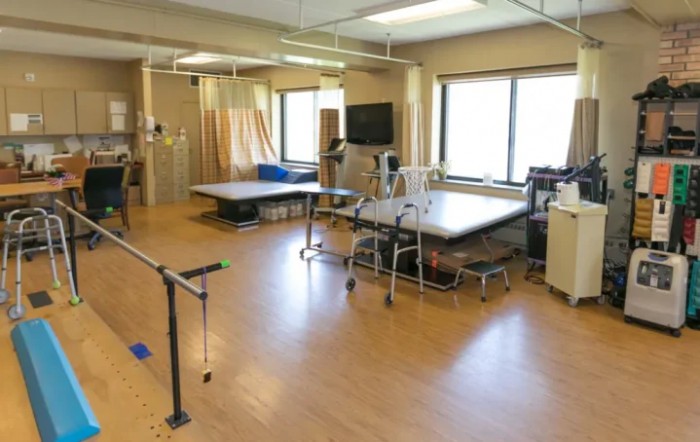
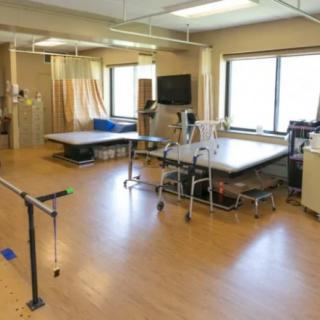
Several reviews highlight the rehabilitation therapy team as knowledgeable and focused on getting patients functioning again. Families also mention regular communication and problem-solving during the rehab stay, and some note improvements they saw after therapy started. A few reviewers specifically call out the therapy gym or rehab department as a standout part of the facility.
common17 reviews mention this
Staff helpfulness is a mixed theme
Many residents and families say staff are attentive and willing to help with questions and concerns.
A sizable group of reviews describe staff members as caring, friendly, and responsive—from admission through discharge. Some reviewers specifically credit individuals by name and say they were willing to address concerns quickly. At the same time, other reviews report staffing or responsiveness problems, so how well day-to-day help works appears inconsistent across experiences.
caveat16 reviews mention this
Facility upkeep and cleanliness raise alarms
Multiple residents and families report ongoing cleanliness issues and unpleasant odors.
Many negative reviews describe the building as dirty or run down, including accounts of bad smells and visible cleanliness problems in rooms or common areas. Several also reference unsafe-feeling conditions tied to elevators and basic upkeep, including claims that fixtures or equipment are not functioning properly. In contrast, a smaller set of positive reviews say the facility is clean and has improved in recent periods, but the most repeated concerns focus on sanitation and overall condition.
caveat13 reviews mention this
Care responsiveness and safety concerns
Some residents report call-light and medication response issues, alongside safety concerns.
A number of reviews allege problems with responsiveness to call lights and medication needs, including situations where help took longer than expected or was inconsistent. Others raise safety concerns related to evacuation planning and disabled access, pointing to elevator limitations as part of their worry. There are also contrasting reviews that describe better care and improvements, but the recurring complaints focus on whether urgent needs were handled reliably.
common2 reviews mention this
Skilled nursing focus and nearby care
It is positioned as a skilled nursing facility with nearby hospitals and physician services.
The facility is identified as a skilled nursing facility, and residents’ experiences are frequently framed around rehabilitation and nursing needs. For practical access to care, several physician and hospital options are listed very close by, which can matter during rehab or recovery. Nearby dining and parks are also within a few miles for visitors who want options beyond the facility.
How we summarize
Counts show how many written reviews mention each theme; a review can touch several themes, and only frequently mentioned themes are displayed.
Features
Housing
74 resident community capacity
Types of Care
Skilled Nursing Facility
Amenities
Air-conditioning
Beauty salon
Cable or satellite TV
Computer center
Dining room
Fitness room
Fully furnished
Gaming room
Garden
Housekeeping services
Kitchenette
Move-in coordination
Outdoor space
Private bathrooms
Restaurant-style dining
Small library
Telephone
Wellness center
Wi-Fi/high-speed internet available
Transportation
Des Moines International (5 miles away)
Community operated transportation
Transportation arrangement
Transportation arrangement (non-medical)
Transportation to doctors appointments
Care Services
12-16 hour nursing
24-hour call system
24-hour supervision
Activities of daily living assistance
Assistance with bathing
Assistance with dressing
Assistance with transfers
Diabetes diet
Meal preparation and service
Medication management
Mental wellness program
Special dietary restrictions
Dining
Diabetes diet
Special dietary restrictions
Activities
Community-sponsored activities
Concierge services
Fitness programs
Planned day trips
Resident-run activities
Scheduled daily activities
Nearby Places of Interest
Physicians
Des Moines Anesthesiologists (0.1 miles)
UnityPoint Health - Iowa Lutheran Hospital Radiology Services (0.1 miles)
Penn Medical Center (0.1 miles)
DMOS Orthopaedic Centers (0.1 miles)
DaVita East Des Moines Dialysis (0.1 miles)
Iowa Health Cardiology (0.1 miles)
Ruan Neurology Clinic (0.7 miles)
Hospitals
Unity Point Health (0.1 miles)
Mercy Medical Center 7 South (0.8 miles)
Mercy Hospital Pediatric Unit (0.8 miles)
Select Specialty Hospital-Des Moines (0.8 miles)
Mercy River Hills Surgery Center (0.8 miles)
UnityPoint Health - Iowa Methodist Medical Center - Emergency Department (1.5 miles)
North 3 - IMMC (1.5 miles)
Restaurants
Heather’s Kitchen (0.8 miles)
Zombie Burger + Drink Lab (0.9 miles)
Tasty Tacos (0.9 miles)
Iowa Taproom (1.1 miles)
Fongs Pizza (1.4 miles)
Court Avenue Restaurant & Brewing Company (1.4 miles)
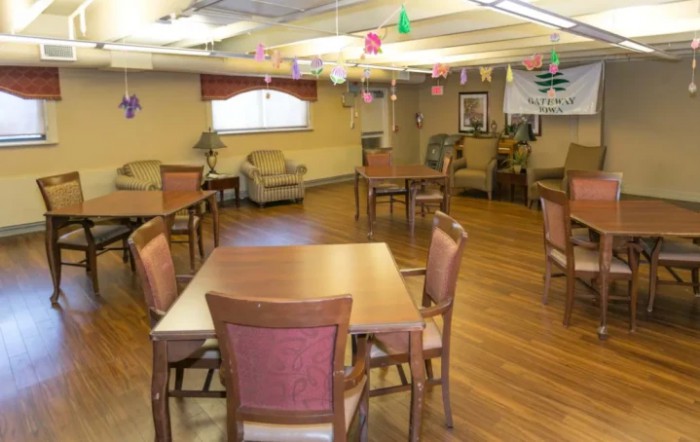
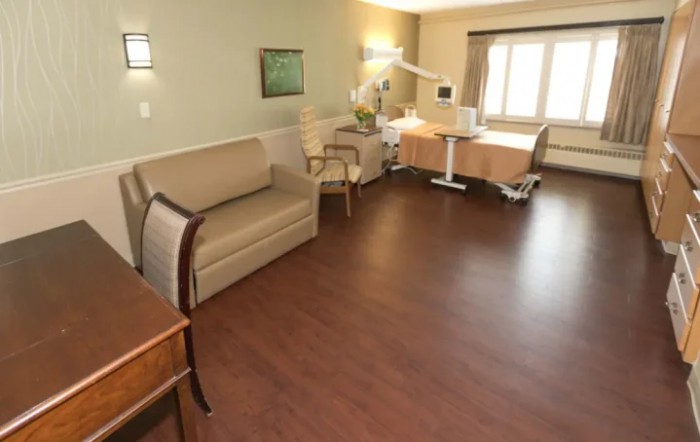
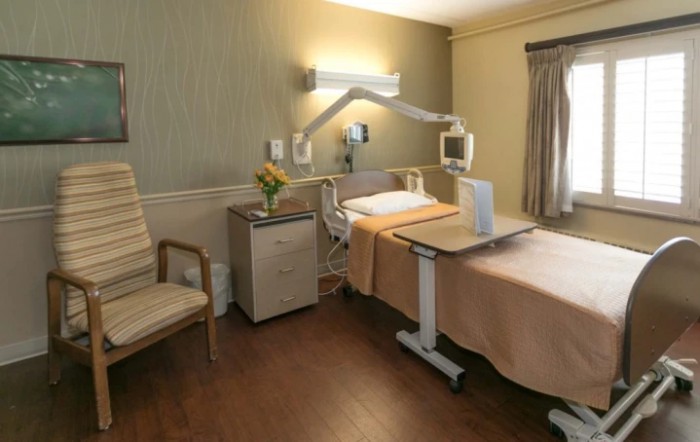
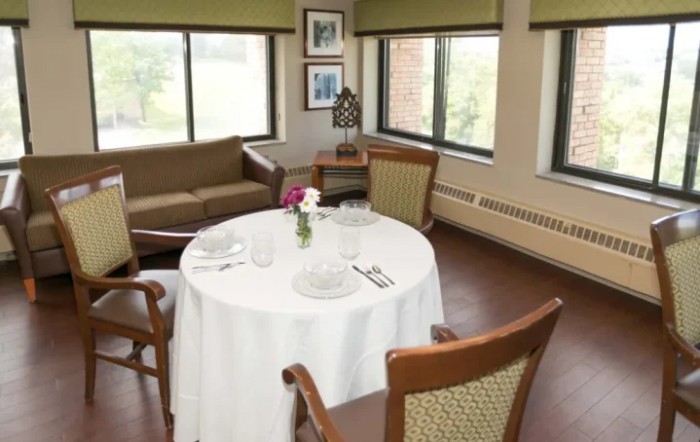
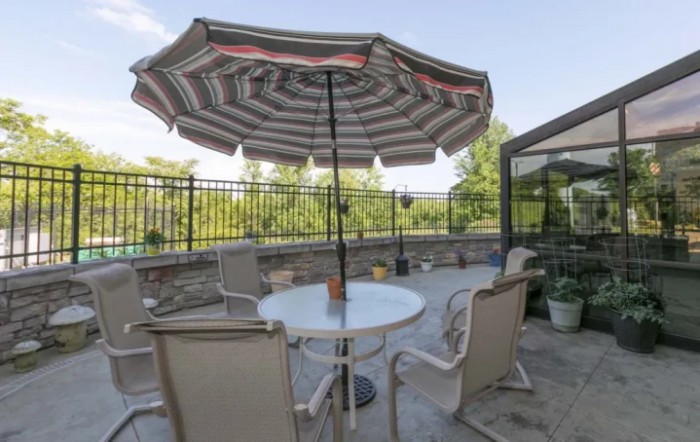
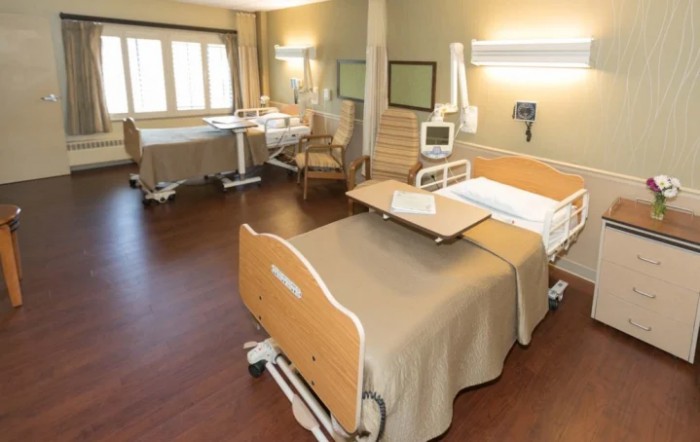
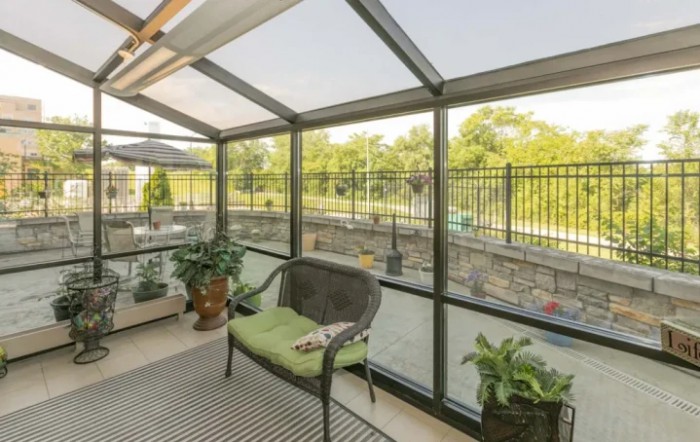
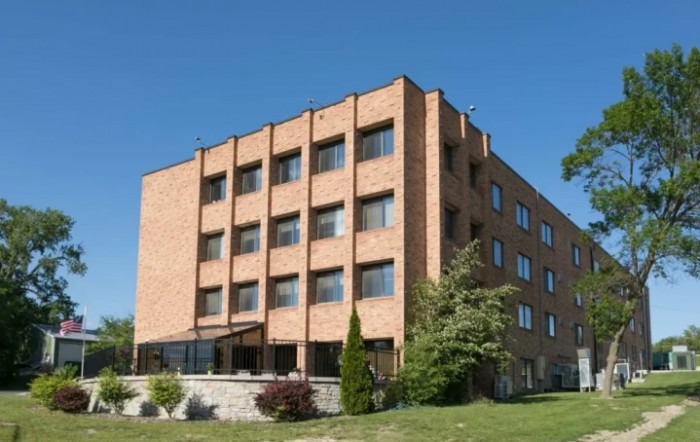
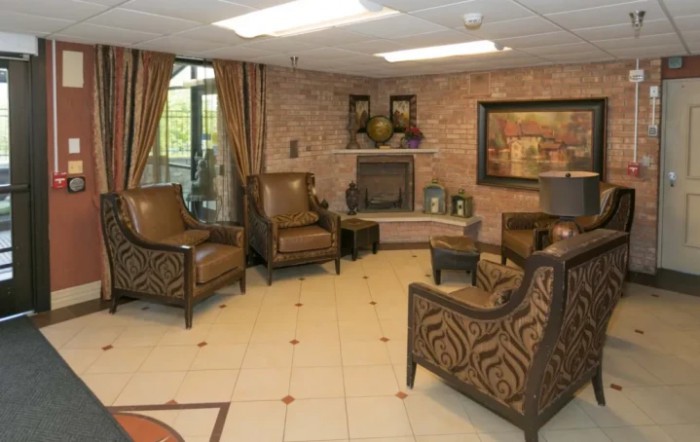
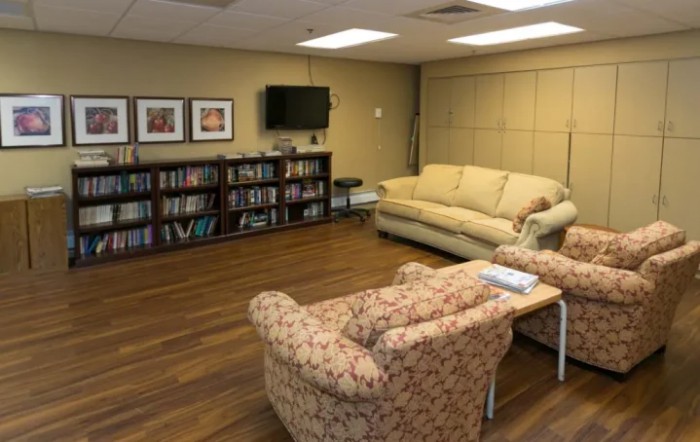
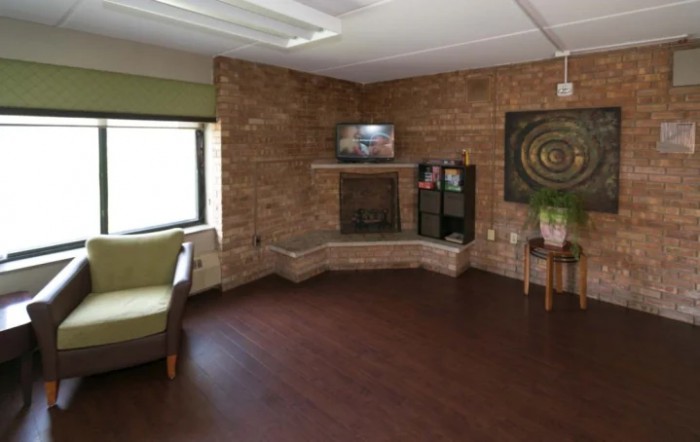
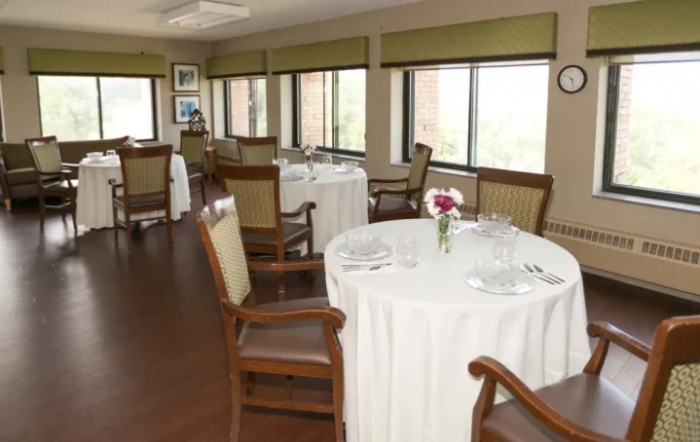
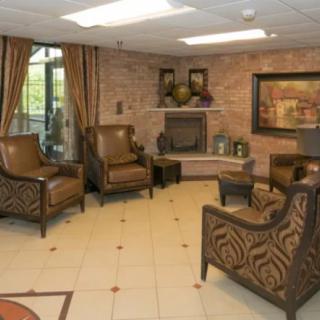
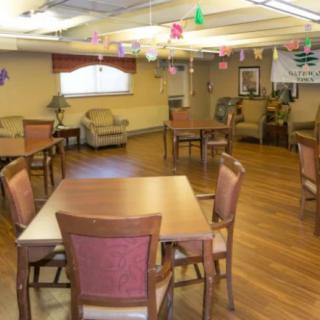
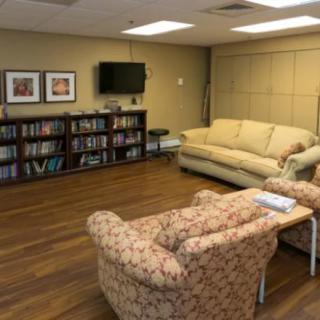
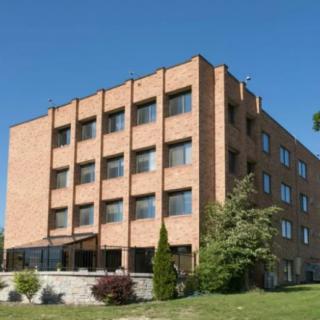
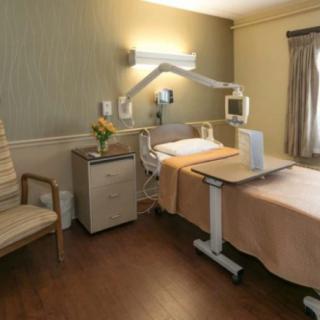
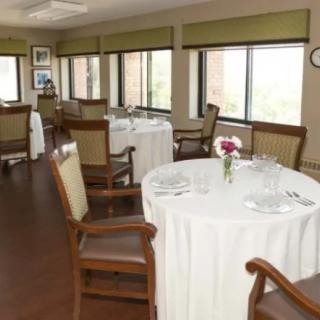
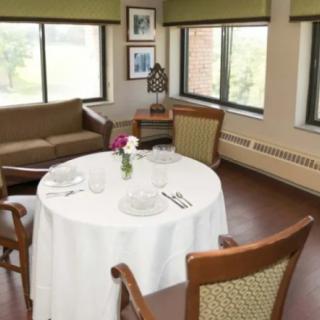
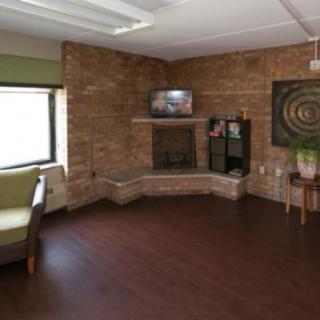
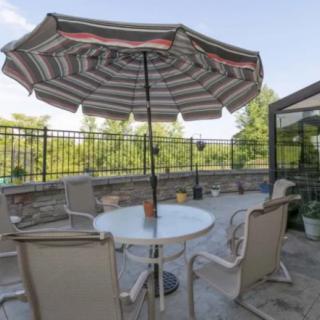
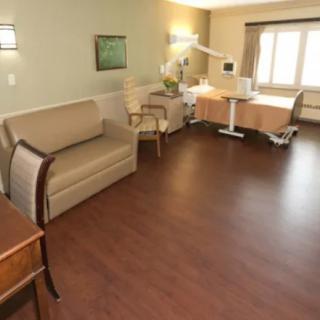
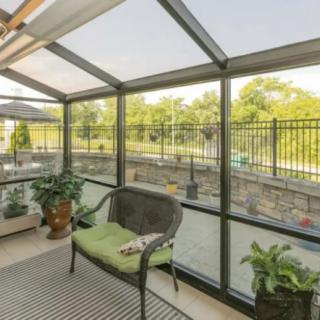
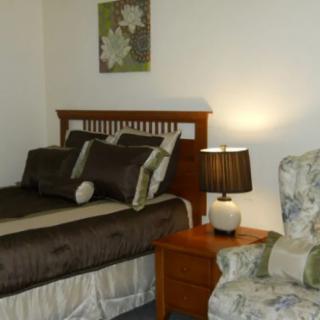
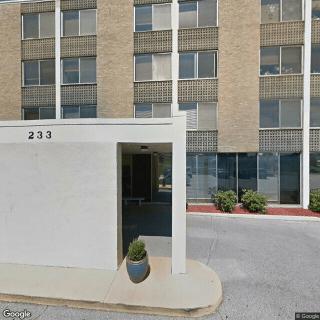
Rehabilitation Center Of Des Moines on seniors.fyi includes 13 photos including images showing interior, seating area, dining, healthcare, windows, decor, living room, television, and more.
Nearby Communities
Iowa Lutheran Hospital
Des Moines, IA
2.6 from 118 reviews
Small, intimate community with comprehensive care and on-site amenities.
Rose Of East Des Moines
Des Moines, IA
4.5 from 20 reviews
$700 to $765 / month
Caring staff, healthy meals, and clean, well-lit apartments.
Arbor Heights At University
Des Moines, IA
3 from 4 reviews
Caring staff with a friendly atmosphere and engaging activities.
Arbor Heights
Des Moines, IA
1 from 1 review
Comprehensive care options (assisted living and skilled nursing) with on-site activities and convenient access to nearby amenities.
Walden Point
Des Moines, IA
3.1 from 11 reviews
$686 to $807 / month
Attractive rooms and a home-like ambiance with on-site amenities.
Prime Towers Apartments and Nursing Home
Des Moines, IA
4.2 from 29 reviews
$700 to $1,100 / month
Affordable independent-living options with on-site activities and easy access to nearby medical resources.
Elsie Mason Manor
Des Moines, IA
4 from 29 reviews
$776 to $3,000 / month
Very affordable pricing relative to Polk County and Iowa averages, with active on-site programs.
Valley View Village
Des Moines, IA
4.3 from 26 reviews
$990 to $1,100 / month
Comprehensive care options across levels with affordable rates and on-site dining.
Karen Acres Health Care Center
Urbandale, IA
4 from 36 reviews
Caring, attentive staff with comfortable private-room accommodations.
Elder abuse affects many older adults worldwide and includes physical, emotional, neglectful, and financial harm, with about one in six individuals over 60 experiencing abuse annually. Prevention and intervention strategies focus on awareness, support for caregivers, and mandatory reporting, while recovery necessitates comprehensive support for both physical and emotional needs.
The guide details ten essential responsibilities of senior caregivers, including personal care, mobility assistance, medication management, and emotional support, while emphasizing the importance of safety, nutrition, and maintaining a safe living environment to enhance seniors' quality of life and independence.
The article highlights nine memory-boosting activities for seniors that enhance cognitive health and social interaction, including puzzles, trivia quizzes, and storytelling, while emphasizing the importance of adapting these activities to individual preferences to maximize enjoyment and engagement. Consistent mental engagement is linked to improved cognitive function and emotional well-being in older adults.
Get PricingAsk A QuestionSchedule A TourContact Senior Advisor
By clicking submit, you agree to our Partner's Terms of Use. You
also consent to receive calls and texts, which may be autodialed, from our Partner. Your consent is not a condition to
using our Partner's service. Please visit our Partner's Privacy Policy for information about their privacy practices.

 74 resident community capacity
 Skilled Nursing Facility
 Air-conditioning
 Beauty salon
 Cable or satellite TV
 Computer center
 Dining room
 Fitness room
 Fully furnished
 Gaming room
 Garden
 Housekeeping services
 Kitchenette
 Move-in coordination
 Outdoor space
 Private bathrooms
 Restaurant-style dining
 Small library
 Telephone
 Wellness center
 Wi-Fi/high-speed internet available
 Des Moines International (5 miles away)
 Community operated transportation
 12-16 hour nursing
 24-hour call system
 Activities of daily living assistance
 Assistance with bathing
 Assistance with dressing
 Assistance with transfers
 Diabetes diet
 Medication management
 Mental wellness program
 Special dietary restrictions
 Concierge services
 Planned day trips
 Small, intimate community with comprehensive care and on-site amenities.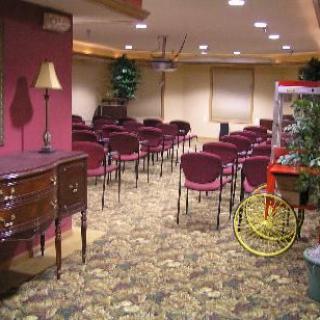

 Powerful Realities of Elder Abuse and the Most Effective Ways to Report It
 Ten Vital Duties of a Senior Caregiver: A Comprehensive Guide
 9 Stimulating Memory Activities for Seniors: Puzzles, Cards, and Much More