
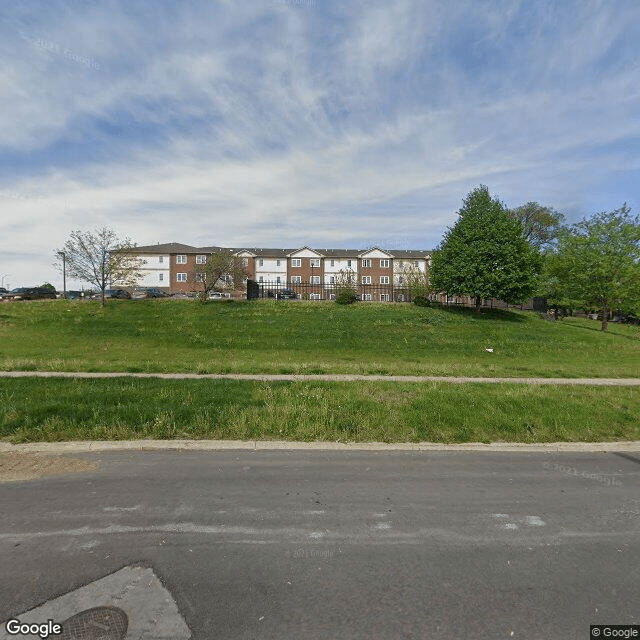
1200 4th St, Des Moines, IA 50314
To contact a resident: (515) 288-9985
For more information about senior living options: (866) 208-4318
Walden Point Costs & Pricing
Walden Point offers competitive pricing for its accommodations, especially when compared to the broader market in Polk County and the state of Iowa. For a one-bedroom apartment, residents at Walden Point pay $686 per month, significantly lower than the county average of $2,528 and the state average of $2,862. This trend continues with two-bedroom units as well; at Walden Point, the cost is $807 per month, while Polk County residents face an average rent of $3,047 and statewide averages reach $3,329. These figures highlight Walden Point's affordability within a context where many other housing options could stretch budgets considerably higher.
| Floor plans | Walden Point | Polk County | Iowa |
|---|---|---|---|
| 1 Bedroom | $686 | $2,528 | $2,863 |
| 2 Bedrooms | $807 | $3,047 | $3,329 |
Assisted Living communities with a similar price nearby
-
About the same
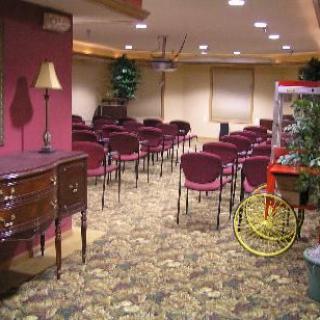
Rose Of East Des Moines
$700 to $765 / month1.3 miles away -
from +$74 / mo
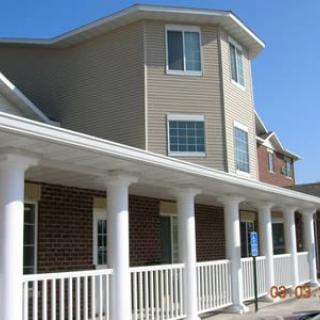
Rose Of Des Moines
$760 to $885 / month1.0 miles away -
from -$116 / mo
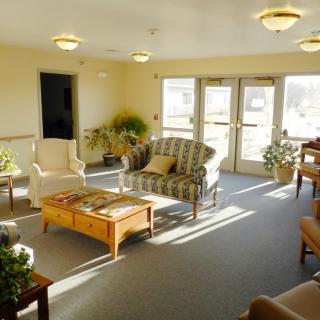
Adel Assisted Living
$570 / month21.2 miles away -
About the same

Carlisle Center For Assisted Living
$700 to $3,771 / month9.9 miles away
Overall Review of Walden Point
Pros
 He likes the people there, and he likes the people that run the place.
- They have activities.
- They have people come in and play music.
- They have a craft room where they can do all sort of stuffs.
- They have an exercise room.
- The staff was good.
- Their price was very attractive.
- The backyard featured many places for seniors to enjoy around the grounds safely.
- It looked like a very nice community with a home-style atmosphere.
- The residents there are content and well cared for.
- The main dining room was comfortable and spacious.
- The residents were offered healthy, home-style cooked meals in a casual restaurant setting.
Cons
 The facility no longer provides assisted living services to residents.
- There were many inconsistencies and the service declined after the first year.
- There was constant staff turnover, and items went missing with no one knowing where they were.
- Money went missing on two occasions.
- The Bright Star staff are untrained and unprofessional.
- The owner won't return phone calls and does not listen to issues about Bright Star staff.
- The food was replaced (from on-site Hy-Vee preparation to meals-on-wheels providers) and described as disgusting.
Review
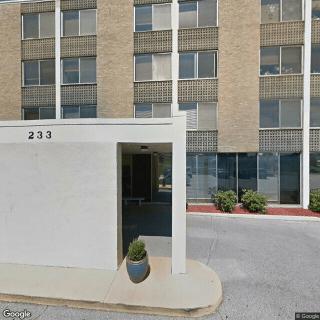
Walden Point in Des Moines is best suited for budget-conscious seniors who want a home-like independent living environment with convenient access to basic health care and on-site social amenities. The appeal rests in affordable rents, generously sized private units, and bright, open common spaces that encourage activity without demanding constant supervision. The campus-like setting includes a small shop, easy access to outdoor areas, and a schedule of activities that can help residents stay engaged. For residents who can manage daily living with minimal on-site medical oversight, this community offers a practical, low-friction option that keeps costs predictable and living spaces comfortable.
However, this is not the place for anyone who needs reliable assisted living services on a day-to-day basis. Crucially, Walden Point has discontinued assisted living operations for residents, a change that fundamentally shifts the level of on-site support available. The reviews highlight a pattern of inconsistency in service, persistent staff turnover, and situations where basic needs or expectations aren’t consistently met. Families should recognize that the absence of formal AL support means ongoing supervision, medication management, and coordinated caregiving may have to be sourced externally, with no guaranteed continuity at the community itself.
The strongest positives lie in the tangible, budget-friendly benefits: spacious private rooms, attractive common areas, and a setting that feels welcoming and safer for social interaction. Residents can benefit from a real sense of community through shared spaces, accessible dining-like environments, and opportunities to participate in crafts, music, and gentle exercise. The on-site atmosphere can be comfortable and personable, and several reviews note amiable administrators and caring staff on the nursing side, though there are caveats about overall staff training and consistency. For families prioritizing cost control and a sociable environment, these factors can meaningfully offset some moodier realities.
Yet the major drawbacks demand careful weighing. The most significant concerns, staff turnover, items going missing, money discrepancies, and a management track record of slow or limited responsiveness, signal red flags about reliability and accountability. Food service has swung between on-site preparation and external providers, with notable dissatisfaction after changes, which underscores how even routine daily routines can become points of stress. The combination of discontinued AL services, reported administrative distance, and mixed quality in front-line caregiving creates a risk profile that rises above what many families want in a long-term living arrangement.
In practical terms, Walden Point can work for a specific slice of need: independence-seeking seniors who want affordable housing and a pleasant, walkable environment with access to health care nearby, provided there is a robust plan for outside caregiver support if needed. For those requiring steady, on-site assisted living, complex medical oversight, predictable meals, and consistent staff accountability, alternatives are likely to offer greater peace of mind. The decision hinges on whether the resident can tolerate a flexible, externally coordinated care model while taking full advantage of the social and physical amenities on-site.
The prudent course is rigorous due diligence before any commitment. Prospective residents should verify the current level of on-site services, insist on a transparent staffing schedule, and request direct documentation about any changes since the AL shift. Speak with current residents and families about meal quality, daily assistance expectations, and how issues are escalated and resolved. Compare Walden Point to nearby communities that maintain full assisted living services with documented stability in staffing and governance. If choosing Walden Point, lock in a clear operational plan, confirm access to home health or external aides, and set concrete expectations for maintenance, security, and financial handling to ensure the decision aligns with long-term care goals.
 Assisted Living
 Activities on-site
 Beautician on-site
 Devotional services off-site
 Indoor common areas
 Outdoor common areas
 Des Moines International (5 miles away)
 Ambulatory care
 Diabetic care
 Meals provided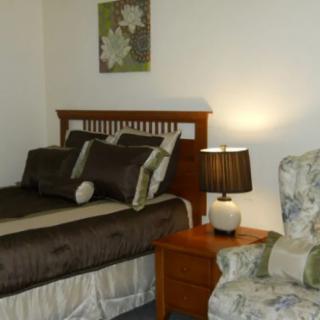


 Vibrant Senior Living: A Comprehensive Guide for Active Older Adults
 When to Transition from Assisted Living to Memory Care: Key Indicators, Steps, and Finding the Right Community
 Assisted Living and Memory Care: Understanding Their Core Differences