
Village Springs Health And Rehabilitation

Save

Village Springs Health And Rehabilitation

1208 North Highway 7, Hot Springs, AR 71909

For more information about senior living options: (844) 490-3973

3.5 from 21 reviews
5 stars
12
4 stars
1
3 stars
0
2 stars
1
1 stars
7

Skilled Nursing Facility

What level of care are you interested in?

Assisted Living

Memory Care

Independent Living

Skilled Nursing Facility

Continuing Care Retirement Community (CCRC)CCRC

Other


Request a tour at Village Springs Health And Rehabilitation

    Overall Review of Village Springs Health And Rehabilitation

    Pros

    • pro It is described as an excellent facility for both short- and long-stay residents, with outstanding nursing and therapy and one of the best dietary programs among skilled nursing facilities.
    • pro The staff is portrayed as truly caring and willing to do anything to keep loved ones happy, healthy, and safe.
    • pro The care provided by aides and nursing staff is reported as high quality, bringing peace of mind to families.
    • pro The facility is noted for compassionate care on the Alzheimer's floor, with praise for the nurses and aides.
    • pro It is recommended as a great place for rehab due to impressive therapy and overall care.
    • pro The environment is described as clean and welcoming, with smiles from both staff and residents.
    • pro Village Springs is depicted as a great facility with kind, compassionate staff; care is evident to visitors and families.
    • pro The nursing staff has over 125 years of combined experience, supported by a compassionate CNA team.
    • pro The facility offers full-time therapists (respiratory, physical, and occupational therapists, plus a speech-language pathologist) to help residents return home.

    Cons

    • pro The facility placed people requiring a hoyer lift on the memory care unit and did not have a hoyer lift for the hallway.
    • pro The facility has gone downhill in the last few months.
    • pro The reviewer warned that anyone considering placing a loved one in their care should proceed with caution.
    • pro The reviewer describes the facility as horrible, reporting things stolen and claiming staff are more concerned with money than residents.
    • pro The facility is severely understaffed and patients wait 30 minutes or more.
    • pro Call lights are not answered promptly.
    • pro Gloves are not used when handling food and beverages.
    • pro Painful wounds, sores, and scrapes are left untreated.
    • pro Residents are treated as tasks rather than individuals.
    • pro A staff member is described as rude, including a PCA named Scarlett.

    Review

    Village Springs Health and Rehab presents a hybrid portrait, with many residents and families praising its strengths while others report serious concerns. Across the reviews, there is a common thread that the facility can be a very good fit for some people, especially those seeking solid therapy, attentive helpers, and a clean, welcoming environment. Several reviewers describe the place as "fun for the whole family," and they credit the nursing and therapy teams for delivering quality care. The dietary program is singled out as particularly strong, with some families feeling that the meals and nutrition support are among the best they've encountered in skilled nursing settings. Cleanliness and a pleasant atmosphere upon arrival are repeatedly noted, and there is frequent emphasis on the staff's compassion and willingness to go the extra mile to keep residents safe, happy, and comfortable.

    A number of reviews highlight the rehab and therapy components as a standout feature. Families commend the full-time team of respiratory, physical, and occupational therapists, along with a speech-language pathologist, who help residents regain function and aim to return home as quickly as possible. Some reviewers describe their loved ones as receiving thorough, patient-centered therapy and note significant improvements that motivated them to recommend Village Springs to others. This positive view is reinforced by those who have had firsthand experience as hospice workers or as family visitors, who observe staff kindness, consistency, and a genuine commitment to quality care that can be seen in daily interactions and routines.

    However, not all experiences line up with the same level of praise. A recurring theme among critical reviews is understaffing, which some families say translates into longer wait times for help, delayed call-light responses, and insufficient attention to plans of care. Several accounts describe residents waiting 30 minutes or more for assistance, and there are vivid complaints about patients being left in uncertain conditions or not receiving timely treatment for wounds or illnesses. One extended narrative conveys deep concern about the level of bedside care, communication from the nursing team, and perceived gaps in empathy and attentiveness. In these reviews, the overall experience shifts from a warm, supportive environment to a sense of fragility around care coordination and daily operations.

    There are also strongly negative anecdotes that color the overall impression. A few reviewers allege theft and privacy violations, and one describes feeling treated like a prisoner rather than a patient, expressing disappointment that money and administrative priorities seem to overshadow patient welfare. These stories use stark language to convey a sense of betrayal and frustration, underscoring the importance of accountability, transparent communication, and reliable security for residents and their families. The emotional weight of these accounts contrasts sharply with the more favorable notes about therapy outcomes and compassionate caregivers, illustrating the spectrum of experiences that families can encounter at Village Springs.

    Within the more favorable narratives, individual stories of outstanding staff and memorable acts of care stand out. Some reviewers recount deeply appreciative moments - nurses and aides who offered thoughtful support on the Alzheimer's floor, compassionate attention from caregivers, and a sense of safety and dignity for their loved ones. A reviewer who has spent considerable time in the facility as a clinical instructor and as a family member emphasizes the building's cleanliness, the visible smiles of staff and residents, and the overall impression of a place that, at its best, feels like a close-knit community dedicated to well-being. These positive testimonials often converge on the theme that Village Springs can be excellent when staff are present, engaged, and well-supported.

    There is also recognition of change over time. One review notes that the facility has undergone several changes and is now rated as a four-star facility, with claims of improved care for residents in Hot Spring and the surrounding area. There's a sense among some readers that leadership transitions and program enhancements have contributed to better outcomes, including stronger nursing staff ratios and a broader team of therapists. Yet even among those who acknowledge improvements, there is a cautionary undertone: the success of Village Springs seems closely tied to staffing levels, management responsiveness, and the day-to-day realities of delivering consistent, individualized care.

    Taken together, the reviews paint a nuanced, sometimes contradictory picture of Village Springs Health and Rehab. For families considering placement, the facility appears capable of delivering high-quality therapy, clean facilities, and genuinely caring staff when conditions are favorable and staffing is sufficient. At other times, concerns about under-staffing, timely response to calls, and administrative attitudes surface clearly, underscoring the importance of careful evaluation, direct questions about staffing patterns, equipment availability (such as hoyer lifts in critical areas), and proactive communication with the care team. For those who prioritize rehab potential and a compassionate environment, Village Springs can be a strong option; for others, it may require additional oversight, frequent visits, and a clear plan to ensure consistent, dignified care for every resident.

    Features

    Housing

    • 120 resident community capacity 120 resident community capacity

    Types of Care

    • Skilled Nursing Facility Skilled Nursing FacilitySkilled Nursing Facilities are crucial for seniors as they provide round-the-clock medical care, rehabilitation services, and assistance with daily activities. These facilities ensure that seniors receive the specialized care they need to maintain their health and well-being as they age.

    Amenities

    • Air-conditioning Air-conditioningAir conditioning is important for seniors as they are more vulnerable to heat-related illnesses and may have underlying health conditions that make it difficult for them to regulate their body temperature. It helps to keep them comfortable, safe, and healthy in hot weather.
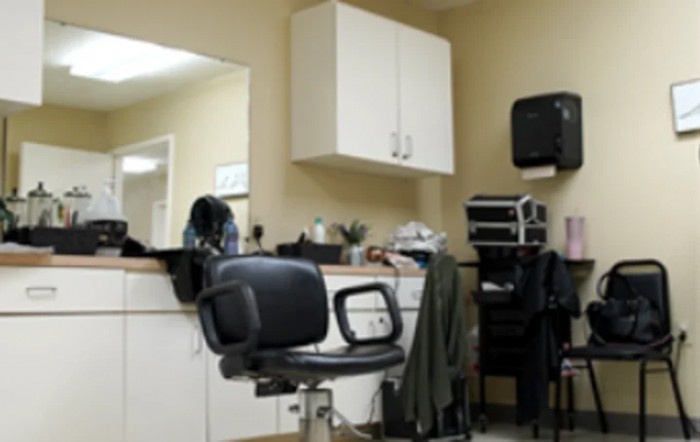
    • Beauty salon Beauty salonBeauty salons are important for seniors because they provide a space for them to feel pampered, socialize, and maintain their personal grooming and hygiene. Regular visits to a beauty salon can help boost seniors' self-esteem and overall well-being.
    • Cable or satellite TV Cable or satellite TVCable or satellite TV is important for seniors because it provides entertainment, news, and companionship, helping to combat loneliness and boredom. It also offers a wide range of programming options tailored to different interests and preferences.
    • Computer center Computer centerA computer center is essential for seniors as it provides access to technology, communication tools, and resources that can enhance their daily lives. It allows them to stay connected with loved ones, engage in online activities, and learn new skills, ultimately promoting socialization and mental stimulation.
    • Dining room Dining roomDining rooms are important for seniors as they provide a space for socialization, connection, and nutritious meals. They offer opportunities for residents to bond over shared meals, foster a sense of community, and promote healthy eating habits. Dining rooms also ensure that seniors have access to well-balanced meals tailored to their dietary needs and preferences.
    • Fitness room Fitness roomHaving a fitness room in a senior living community is essential for seniors to stay active, maintain their physical health, and improve their overall well-being. Regular exercise can help prevent falls, reduce the risk of chronic diseases, and promote mental sharpness. It also provides social opportunities for residents to connect with others and enjoy a sense of community.
    • Fully furnished Fully furnishedFully furnished senior living communities are important for seniors because they provide convenience, comfort, and a hassle-free moving experience. Seniors can easily settle into their new living space without the stress of having to buy and move furniture. This allows them to focus on enjoying their new home and community.
    • Gaming room Gaming roomGaming rooms are important for seniors as they provide a fun and engaging environment for socializing, cognitive stimulation, and physical activity. Games can improve memory, problem-solving skills, and overall mental well-being while fostering friendships and reducing feelings of isolation.
    • Garden GardenGardens are important for seniors as they provide a peaceful and therapeutic environment for relaxation, physical activity, and socialization. Being in nature has been shown to reduce stress, improve mood, and promote overall well-being. Gardens also offer opportunities for seniors to engage in gardening activities, which can improve mobility, flexibility, and cognitive function. Additionally, gardens create a sense of community and connection with others who share a passion for plants and outdoor spaces.
    • Housekeeping services Housekeeping servicesHousekeeping services are important for seniors because they help maintain a clean and safe living environment, promote independence, and reduce the risk of accidents or illnesses. Additionally, having assistance with household chores can alleviate physical strain and allow seniors to focus on other aspects of their well-being.
    • Kitchenette KitchenetteKitchenettes are important for seniors living in senior living communities because they provide the convenience and independence of being able to prepare simple meals and snacks in the comfort of their own living space. This can help promote a sense of autonomy and well-being for seniors, allowing them to maintain some level of control over their dietary choices and daily routines.
    • Move-in coordination Move-in coordinationMove-in coordination is important for seniors because it helps ease the transition into their new living environment. It ensures that all logistics, such as packing, organizing movers, and setting up utilities are taken care of, allowing seniors to focus on settling in and adjusting to their new home. Having a smooth move-in process can alleviate stress and anxiety, making the transition smoother and more enjoyable for seniors.
    • Outdoor space Outdoor spaceOutdoor spaces are important for seniors as they provide opportunities for physical activity, social interaction, exposure to natural light and fresh air, and a sense of connection to nature. Having access to outdoor spaces can improve overall well-being and quality of life for older adults living in senior communities.
    • Private bathrooms Private bathroomsPrivate bathrooms are important for seniors in senior living communities because they provide independence, dignity, and comfort. Having a private bathroom allows seniors to maintain their personal hygiene routines without the need for assistance, promoting a sense of autonomy and privacy. Additionally, private bathrooms help prevent the spread of infections and provide a safe and clean environment for seniors to navigate safely.
    • Restaurant-style dining Restaurant-style diningRestaurant-style dining is important for seniors because it allows them to enjoy delicious, nutritious meals in a social and upscale setting. This enhances their dining experience, promotes healthy eating habits, and fosters socialization with fellow residents, ultimately contributing to their overall well-being and quality of life.
    • Small library Small librarySmall libraries are important for seniors as they provide access to a variety of reading materials, including books, newspapers, and magazines. This can help stimulate their minds, keep them engaged, and provide a sense of community through book clubs and other social activities. Additionally, reading has been shown to improve cognitive function and overall mental well-being in older adults.
    • Telephone TelephoneTelephones are important for seniors as they provide a lifeline for communication with loved ones, emergency services, and healthcare providers. They offer a sense of security and independence, enabling seniors to stay connected and access assistance when needed.
    • Wellness center Wellness centerWellness centers are important for seniors because they offer a variety of programs and services that promote physical, mental, and emotional well-being. These centers provide opportunities for exercise, socialization, education, and relaxation, helping seniors maintain their overall health and quality of life.
    • Wi-Fi/high-speed internet available Wi-Fi/high-speed internet availableWi-Fi/high-speed internet is important for seniors to stay connected with loved ones, access online resources, and participate in virtual activities to combat feelings of loneliness and isolation. It also allows them to easily manage healthcare needs, access entertainment, and engage in lifelong learning opportunities.

    Transportation

    • Community operated transportation Community operated transportationCommunity operated transportation is crucial for seniors as it provides them with the means to access essential services, social activities, and medical appointments. It allows seniors to maintain their independence and quality of life by ensuring they can participate in activities outside of their homes. Additionally, community-operated transportation services offer a safe and reliable way for seniors to travel without having to rely on family or friends for assistance.
    • Transportation arrangement Transportation arrangementTransportation arrangements are crucial for seniors as they may face challenges with driving, mobility, or access to public transportation. Having reliable transportation services ensures that seniors can easily attend appointments, social activities, and maintain their independence and quality of life.
    • Transportation arrangement (non-medical) Transportation arrangement (non-medical)Transportation arrangements are essential for seniors as they provide access to essential services, activities, and social interactions outside the home. This service helps maintain independence, mobility, and overall well-being for seniors who may have limited transportation options.
    • Transportation to doctors appointments Transportation to doctors appointmentsTransportation to doctors appointments is crucial for seniors as it ensures they have access to necessary medical care and support, promoting their health and well-being. It allows them to receive timely treatment, monitor existing conditions, and address any new health concerns efficiently. Additionally, transportation services can help seniors maintain their independence and quality of life by enabling them to stay connected with their healthcare providers.

    Care Services

    • 12-16 hour nursing 12-16 hour nursing12-16 hour nursing care is crucial for seniors in order to ensure around-the-clock monitoring, timely medication administration, and prompt response to any health concerns or emergencies. This level of care helps to promote the overall well-being and safety of seniors living in senior living communities.
    • 24-hour call system 24-hour call system24-hour call systems are important for seniors because they provide peace of mind and immediate assistance in case of emergencies. This technology ensures that help is always available, promoting safety and security for elderly individuals living alone or in assisted living facilities.
    • 24-hour supervision 24-hour supervision24-hour supervision is important for seniors to ensure their safety, well-being, and access to immediate assistance in case of emergencies or health issues. This constant support provides peace of mind for both seniors and their loved ones, allowing them to age in place with dignity and security.
    • Activities of daily living assistance Activities of daily living assistanceActivities of daily living assistance are important for seniors because they provide essential support with tasks such as eating, bathing, dressing, and mobility. This assistance helps seniors maintain their independence, dignity, and overall quality of life as they age.
    • Assistance with bathing Assistance with bathingAssistance with bathing is crucial for seniors as it helps maintain personal hygiene, prevents infections, and ensures their overall well-being and comfort. It also provides a sense of dignity and independence for seniors who may struggle with this task on their own.
    • Assistance with dressing Assistance with dressingAssistance with dressing is important for seniors because it helps maintain their independence, promotes personal hygiene, prevents accidents and injuries, and improves overall quality of life. This service ensures that seniors can continue to dress comfortably and confidently, despite any physical limitations they may have.
    • Assistance with transfers Assistance with transfersAssistance with transfers is crucial for seniors as it helps prevent falls and injuries, maintains their independence, and ensures they can safely navigate their living environment. It also provides peace of mind for both seniors and their loved ones.
    • Diabetes diet Diabetes dietA diabetes diet is crucial for seniors as it helps manage blood sugar levels, reduce risks of complications, and improve overall health and well-being. By following a balanced and nutritious diet tailored to their specific needs, seniors can better control their diabetes and enhance their quality of life.
    • Meal preparation and service Meal preparation and serviceMeal preparation and service are crucial for seniors as they may have limited mobility or energy to cook nutritious meals. Having access to healthy and convenient food options can ensure they are getting the proper nutrition needed to maintain their overall health and well-being.
    • Medication management Medication managementMedication management is crucial for seniors to ensure they are taking the right medications at the correct dosages and times. This helps prevent adverse drug interactions, reduces the risk of medication errors, and promotes overall health and well-being. Proactive management also allows for adjustments as needed based on changing health conditions or new prescriptions.
    • Mental wellness program Mental wellness programMental wellness programs are essential for seniors as they promote cognitive stimulation, emotional support, and social engagement. These programs help prevent isolation, depression, and cognitive decline, ultimately enhancing the overall quality of life for older adults.
    • Special dietary restrictions Special dietary restrictionsSpecial dietary restrictions are important for seniors because age-related changes in metabolism and health conditions can make it difficult for their bodies to process certain foods. By following a diet tailored to their specific needs, seniors can maintain their overall health and well-being, manage chronic conditions, and reduce the risk of complications such as malnutrition or food interactions with medications.

    Dining

    • Diabetes diet Diabetes dietA diabetes diet is crucial for seniors as it helps manage blood sugar levels, reduce risks of complications, and improve overall health and well-being. By following a balanced and nutritious diet tailored to their specific needs, seniors can better control their diabetes and enhance their quality of life.
    • Special dietary restrictions Special dietary restrictionsSpecial dietary restrictions are important for seniors because age-related changes in metabolism and health conditions can make it difficult for their bodies to process certain foods. By following a diet tailored to their specific needs, seniors can maintain their overall health and well-being, manage chronic conditions, and reduce the risk of complications such as malnutrition or food interactions with medications.

    Activities

    • Community-sponsored activities Community-sponsored activitiesCommunity-sponsored activities are important for seniors as they provide opportunities for social interaction, mental stimulation, and physical activity. These activities can help improve overall well-being, combat loneliness and isolation, and promote a sense of belonging and purpose among older adults.
    • Concierge services Concierge servicesConcierge services are essential for seniors as they provide assistance with daily tasks and errands, enhance their quality of life by offering convenience and personalized care, and promote a sense of safety and security.
    • Fitness programs Fitness programsFitness programs are crucial for seniors as they help improve strength, flexibility, balance, and overall well-being. Staying active can reduce the risk of chronic diseases, improve mental health, and enhance quality of life in older adults.
    • Planned day trips Planned day tripsPlanned day trips are important for seniors because they offer opportunities for socialization, mental stimulation, and physical activity. They provide a change of scenery and help seniors stay engaged and connected to their community, promoting overall well-being and quality of life.
    • Resident-run activities Resident-run activitiesResident-run activities are important for seniors as they encourage social interaction, creativity, and a sense of autonomy. These activities empower seniors to stay engaged and active in their community while fostering meaningful connections with their peers.
    • Scheduled daily activities Scheduled daily activitiesScheduled daily activities are important for seniors because they provide structure, socialization, mental stimulation, and physical activity. Engaging in regular activities can improve overall well-being and quality of life for seniors living in a community setting.

    Description

    Village Springs Health And Rehabilitation in Hot Springs, AR is a vibrant and all-inclusive assisted living community that offers a wide range of amenities and care services to ensure the comfort and well-being of its residents.

    For our residents' convenience, we provide a beauty salon where they can receive professional hair styling and grooming services. Our community operated transportation service ensures that residents can easily access nearby locations such as cafes, parks, pharmacies, restaurants, physicians' offices, and places of worship.

    We understand the importance of staying connected in today's digital world, which is why we offer cable or satellite TV, a computer center with Wi-Fi/high-speed internet access throughout the premises. Residents can enjoy delicious meals served restaurant-style in our dining room while accommodating any special dietary restrictions.

    Keeping physically active is crucial for overall health, which is why our community features a fitness room equipped with exercise equipment and offers fitness programs to cater to individual needs. We also have a wellness center where residents can participate in mental wellness programs.

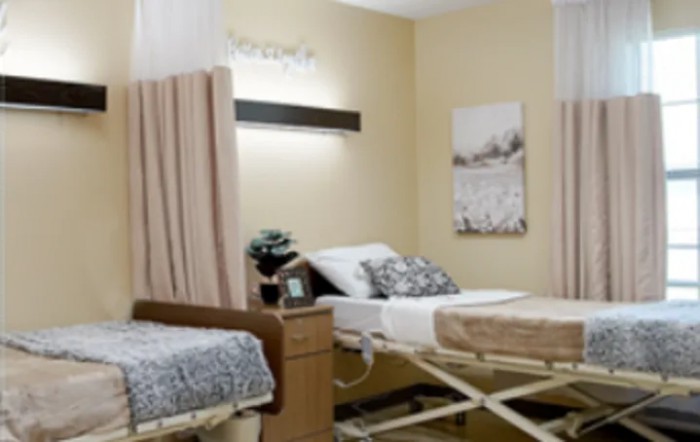
    Our fully furnished apartments come with private bathrooms for utmost privacy and independence. Housekeeping services are provided to ensure that living spaces remain clean and organized at all times. For added convenience, each apartment includes a kitchenette for those who prefer to prepare their own meals.

    Residents will never run out of things to do with our array of recreational facilities including a gaming room, small library, outdoor space with gardens, and scheduled daily activities organized by our dedicated staff members. Planned day trips and resident-run activities are also available for those seeking social interaction and exploration.

    At Village Springs Health And Rehabilitation, the safety and well-being of residents are paramount. We offer 24-hour call system assistance and supervision for immediate support whenever needed. Our trained staff members provide assistance with activities of daily living such as bathing, dressing, transfers if necessary.

    Medication management ensures that medications are taken on time according to prescribed guidelines while specialized diets like diabetes diets and special dietary restrictions are catered for meal preparation and service.

    Whether it's enjoying the amenities, participating in activities, or receiving personalized care services, residents at Village Springs Health And Rehabilitation find comfort and fulfillment in our warm and inviting community.

    Nearby Places of Interest

    Restaurants

    • Bert S Burritos (0.8 miles)
    • Kroc-Coo's Cajun Kitchen (4.5 miles)
    • The Sand Trap (4.5 miles)
    • Sonic Drive-In (4.7 miles)
    • DeSoto Club (4.9 miles)
    • Home Plate Cafe (5.2 miles)
    • Split Rock Grill (5.4 miles)

    Physicians

    • Fountain Lake Family Medicine (2.4 miles)
    • Village Internal Medicine (4.4 miles)
    • Eyecare Specialties (5.7 miles)
    • Changepoint Pregnancy Care and Parenting Resource Center (6.9 miles)
    • Regional Medical Rehab Therapy Clinic (7.4 miles)
    • South Central GI & South Central Endoscopy (7.6 miles)
    • PTCOA - Hot Springs Ambulatory Surgery Center (7.7 miles)

    Places of Worship

    • Starr Fuentes - Intuitive Healer and Spiritual Teacher (3 miles)
    • Divine Interventions (3 miles)
    • Pentecostal Church of God (3.5 miles)
    • Village Christian Church (5.2 miles)
    • The Evangelical Lutheran Good Samaritan (6 miles)
    • Southern Baptist Convention (6.5 miles)
    • First HSV Reality Student Ministries (6.5 miles)

    Pharmacies

    • Fred's Pharmacy (3.7 miles)
    • Health Mart (4.5 miles)
    • Brookshire's (4.6 miles)
    • Medicine Shoppe (4.6 miles)
    • Walgreens (4.7 miles)
    • Walgreens (6.7 miles)
    • National Park Pharmacy (7.2 miles)

    Parks

    • Hot Springs National Park (4.6 miles)
    • Hot Springs National Park CT (6 miles)
    • Hot Springs Central Avenue Historical District (6.1 miles)
    • Bull Bayou Park (6.4 miles)
    • Mid-America Park (8.2 miles)

    Cafes

    • Red Light Roastery (5 miles)
    • Kollective Coffee + Tea (6 miles)
    • Arlington Lobby Cafe (6 miles)
    • Last Chance Lakeside Cafe (6.9 miles)
    • Cafe 1217 (7 miles)
    • Best Cafe & Bar (7 miles)
    • Shipley Do-Nuts (8.1 miles)

    Transportation

    • Memorial Field Airport (HOT) (9.2 miles)
    • Aar Aircraft Services-hot Springs (9.2 miles)

    Frequently Asked Questions

    Where is Village Springs Health And Rehabilitation?
    What photos are available for Village Springs Health And Rehabilitation in Hot Springs, Arkansas?

    Nearby Communities

    Skilled Nursing Facility in Nearby Cities

    Related Resources

    • palliative care at homeExploring Palliative Care in the Home: A Comprehensive Overview

      Palliative care enhances the quality of life for seriously ill patients by providing comprehensive support at home through a multidisciplinary team, addressing various needs and prioritizing comfort over curative treatments. While it offers personalized care and involves family in decision-making, challenges like caregiver stress and logistical issues persist, with growing demand prompting advancements in technology and healthcare policies to improve access.

    • palliative care at homeComprehensive Insights into Palliative Home Care: What It Is and What to Expect

      Palliative home care focuses on improving the quality of life for individuals with serious illnesses by providing comfort, symptom management, and emotional support in their own homes. This approach includes personalized care plans, regular assessments, and resources for family caregivers, all while prioritizing person-centered treatment that aligns with patients' goals.

    • skilled nursing facility vs nursing homeSkilled Nursing Facilities vs. Nursing Homes: Making Sense of the Differences

      Skilled nursing facilities (SNFs) provide high-level medical care and rehabilitation for short-term recovery, typically covered by Medicare after hospitalization, while nursing homes focus on ongoing custodial care for chronic conditions, mainly funded by Medicaid or private payments. The staffing and regulatory structures differ significantly between the two, necessitating clarity for families in choosing appropriate long-term care options.


    Get Pricing Ask A Question Schedule A Tour Contact Senior Advisor