




Good Samaritan Society - Hot Springs Village

Save

  • Interior

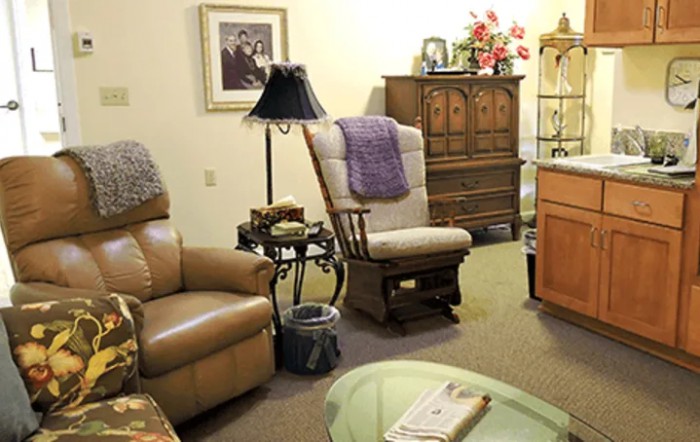
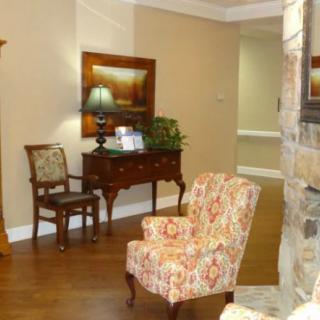
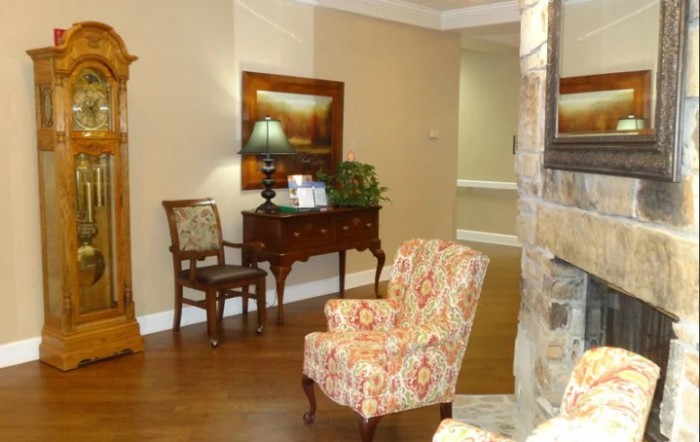
    A cozy living room with a patterned armchair, wooden furniture, a lamp, and decorative elements.
  • Decor

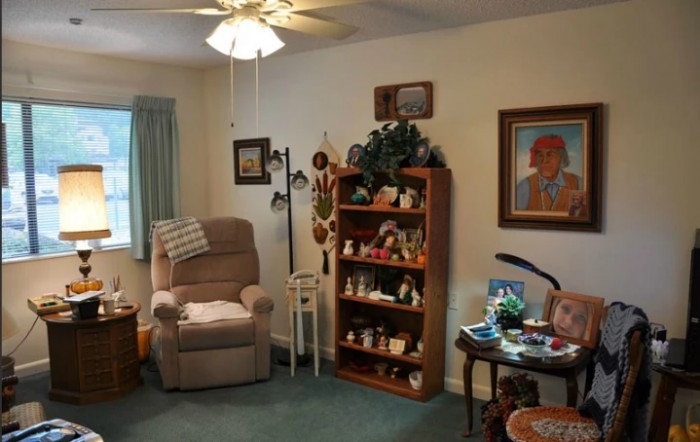
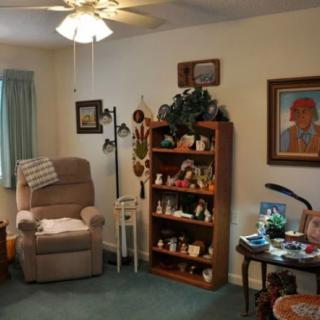
    A cozy living room with an armchair, bookshelf filled with decorations, and a painting on the wall.
  • Living Room

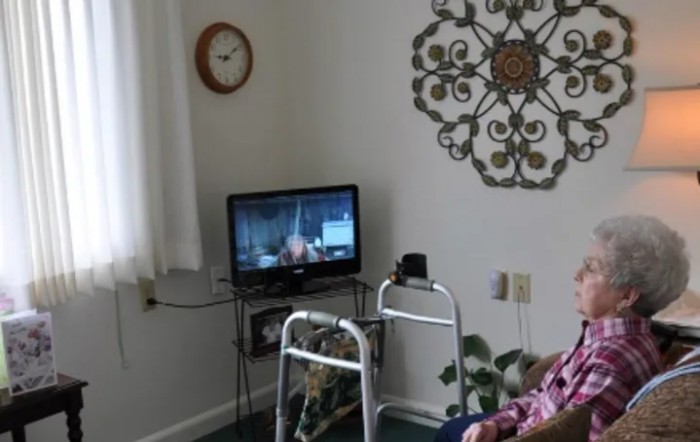
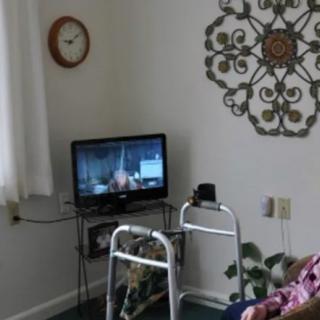
    A cozy living room setting with a television, walker, and decorative wall art.
  • Building

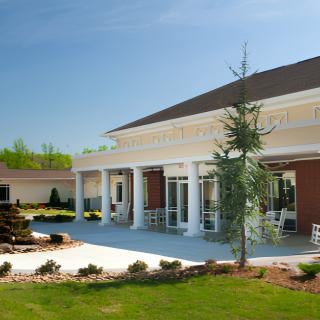
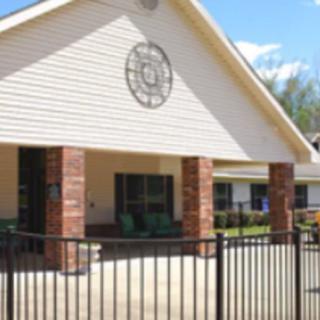
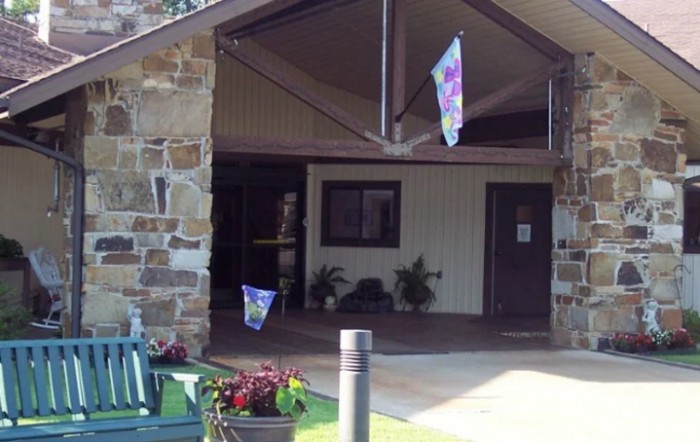
    The entrance of a building with flags, stone walls, and potted plants.
  • Bedroom

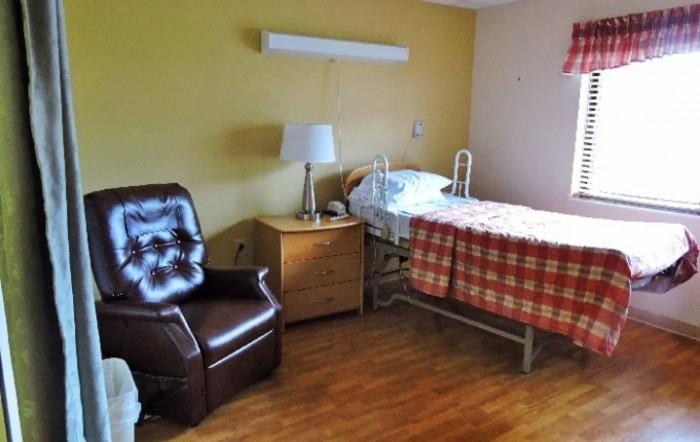
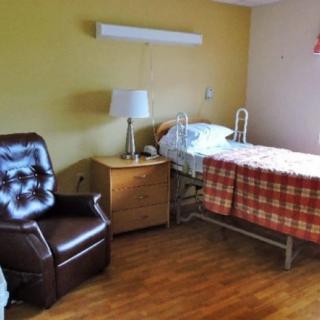
    A nursing home room with a hospital bed, chair, and bedside table.
  • Trees

    A suburban house with a double garage and a well-maintained lawn.
  • Windows

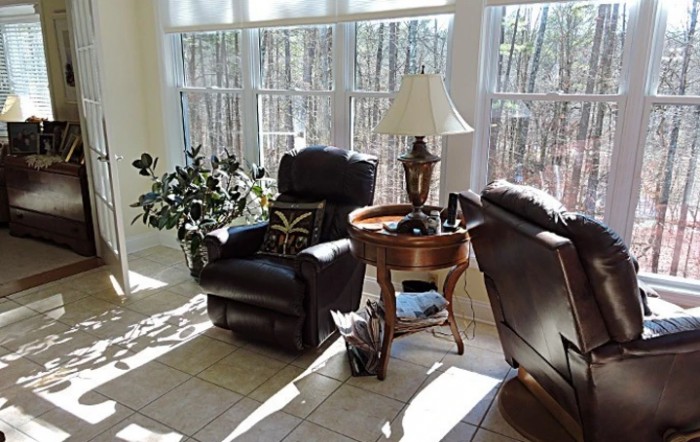
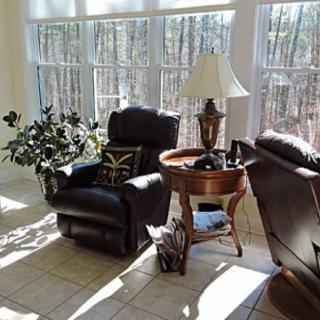
    A cozy living room area with two chairs, a lamp on a side table, and sunlight streaming through large windows.
  • Dining

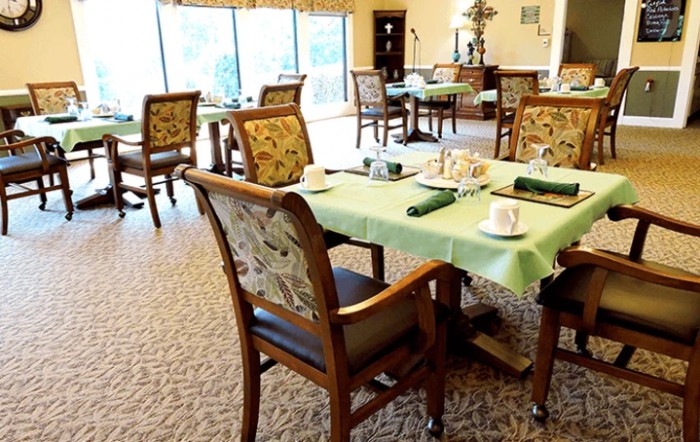
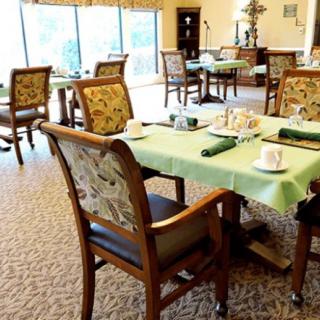
    A cozy dining area with tables set for guests.
  • Landscaping

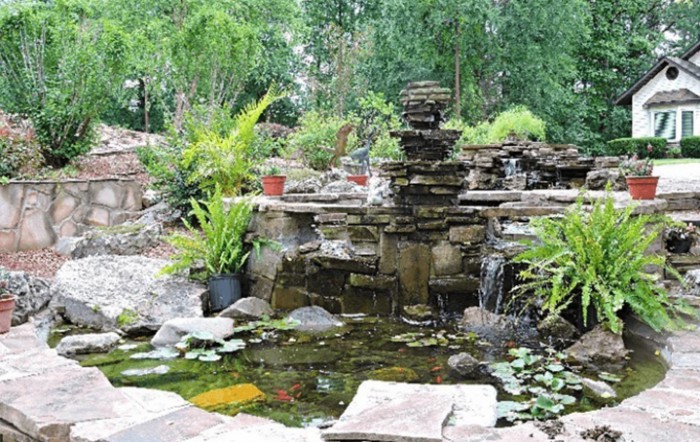
    A serene garden pond with a cascading waterfall surrounded by lush greenery.
  • Kitchen

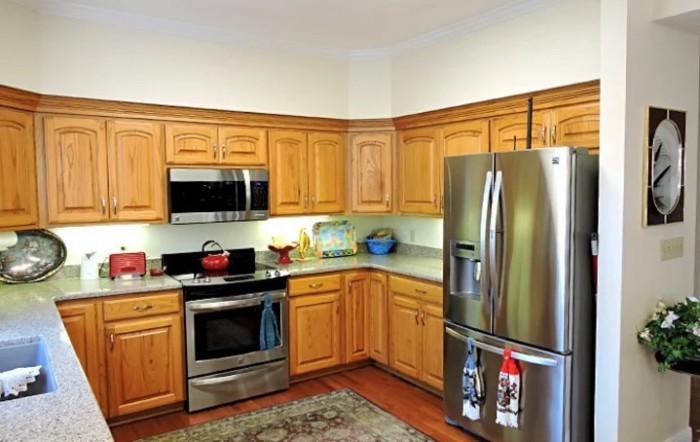
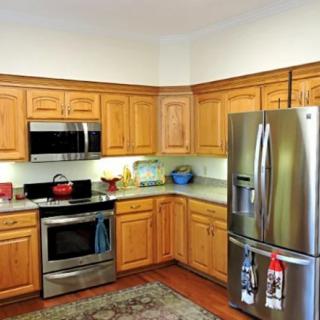
    A traditional kitchen with wooden cabinets and stainless steel appliances.
  • Garden

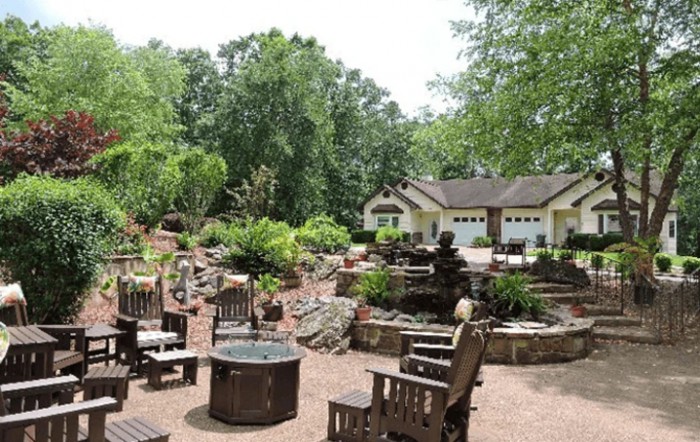
    A tranquil outdoor garden with a seating area and fire pit surrounded by lush greenery.
  • Seating Area

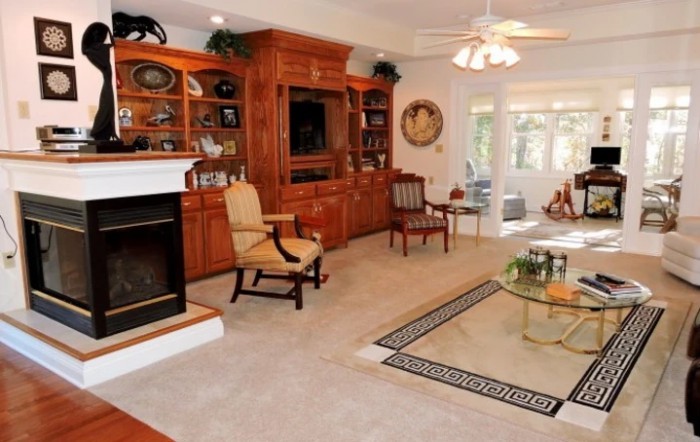
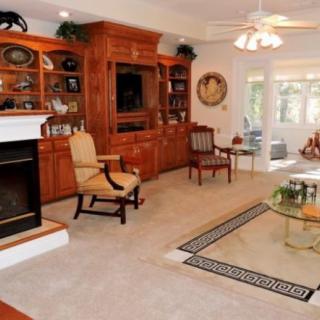
    A cozy living room featuring a fireplace, wooden bookshelves, and comfortable seating.
  • Outdoor

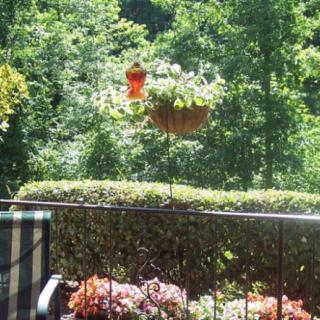
    A scenic view of a balcony garden with vibrant flowers and lush greenery.
  • Patio

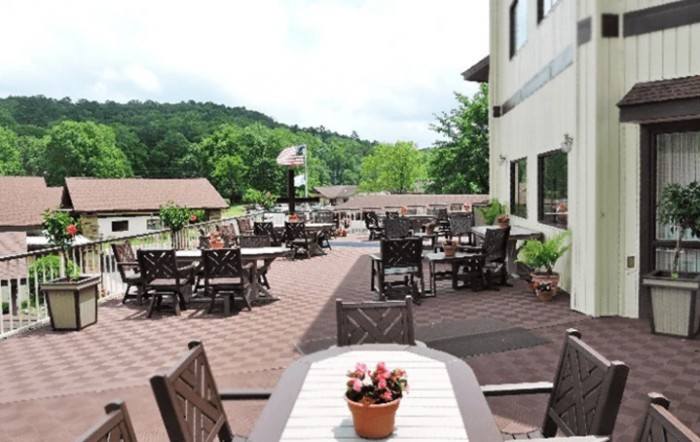
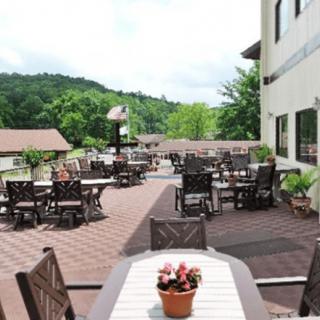
    A spacious outdoor patio with tables and chairs, surrounded by lush greenery and a scenic view.

Good Samaritan Society - Hot Springs Village

Information last verified:

121 Cortez Road, Hot Springs Village, AR 71909

For more information about senior living options: (844) 490-3973

3.9 from 19 reviews
5 stars
11
4 stars
3
3 stars
1
2 stars
0
1 stars
4

Overall Review of Good Samaritan Society - Hot Springs Village

Pros

  • pro The physical therapy manager is extremely helpful and polite, and the facility is described as a great Christian environment.
  • pro The campus is gorgeous and the staff is very professional.
  • pro The Good Samaritan Society offers daily activities and takes residents on outings to places like Walmart and outside concerts.
  • pro The dining area is pleasant, the food is good, and there are multiple dining options.
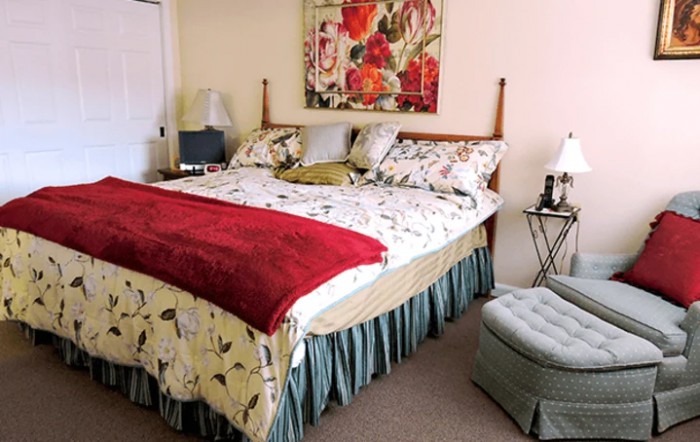
  • pro Rooms are clean and well-sized, with comfortable furnishings such as a bed, TV, and lounging chair.
  • pro The staff are caring and friendly, making residents feel at home.
  • pro Residents engage in fun activities and enjoy social time, including card clubs and coffee.
  • pro The facility is excellent and well-kept, with a welcoming atmosphere.
  • pro The location is convenient for family visits, reinforcing a sense of community.

Cons

  • pro The patient did not receive timely updates from the nursing staff, and calls were not returned.
  • pro The facility billed itself as skilled nursing, but therapy was minimal, leaving the patient mostly in a wheelchair and still in a hospital gown.
  • pro The patient did not receive oral care or bathing and became severely dehydrated, leading to seizures.
  • pro He was sent out after his blood pressure dropped too low to measure.
  • pro The reviewers warn not to send loved ones there, stating the quality of care and staff integrity were severely lacking.
  • pro After corporate ownership, quality and service declined, including poor food and budget cuts such as housekeeping.

Review

This community is best suited for families seeking a appealing, activity-rich campus where a resident can enjoy social events, accessible post-acute rehab, and nearby family involvement. It works well for those who value a pleasant, orderly environment, multiple dining options, and organized outings, with a preference for a campus feel that makes visits easy and frequent. Long-term residents who want daily stimulation, with buses to shopping and concerts, will find the atmosphere and programming compelling. It is especially suitable for someone who can rely on family oversight to ensure consistency in care and who does not require around-the-clock, high-intensity medical attention. When the priority is a strong overall life experience on site, bingo, card rooms, parks, and local trips, this community delivers.

The strongest positives center on the campus experience and social fabric. Several reviewers highlight a peaceful, well-kept setting with welcoming staff during tours and strong engagement among residents. The dining area receives praise for its atmosphere and variety, with multiple daily choices and a chef who delivers well-regarded meals. Activities and transportation programs are a clear plus: weekly Walmart runs, outings to concerts, and opportunities to participate in organized events create a sense of community that can sustain morale and independence. The proximity to home is a real asset for family oversight and frequent visits, which many families rely on to supplement care. In short, the facility can feel like home for residents who thrive on routine, connection, and structured engagement.

However, the most serious red flags revolve around inconsistencies in daily medical and personal care. Some families report dramatic lapses: a resident left in a hospital gown for hours, dehydration leading to seizures, missed oral care and bathing, and delays in call-response that stretch to 15 minutes or more, sometimes extending to hours. Several accounts describe staff as unresponsive, curt, or overwhelmed, with lasting frustration around communication gaps and problem-solving that feels ad hoc. There are louder charges about a broader shift in culture after corporate ownership, including budget cuts that allegedly affect housekeeping and overall quality of care. These threads cannot be dismissed: they point to real risk for residents who need reliable, timely assistance or who require stronger clinical oversight.

Those operating under a hopeful lens will note how the positives can mitigate, though not erase, the drawbacks. The same PT leadership praised in one review, an attentive, helpful manager who communicates well, suggests that skilled therapy can be genuinely effective when properly supported. The presence of a robust activity calendar, accessible transportation to errands and events, and a clearly engaged dining operation contribute to quality of life even amid care challenges. Proximity to family, clean and comfortable rooms, and a warm campus feel can offset inconvenience for residents who are stable enough to participate in programs and who benefit from regular visits. The overall environment remains vibrant, and when staff turnout and accountability align, the gap between expectations and experience narrows considerably.

For families weighing alternatives, this community warrants caution if high-touch, consistently responsive care is non-negotiable. Those with loved ones who require immediate assistance or who have complex medical needs may want to compare other options with stronger track records on call-bell responsiveness, timely hygiene, and routine RN oversight. The budget-cut narrative, especially affecting housekeeping and service levels, should trigger a careful cost-benefit analysis: a lower price or a appealing campus may come with trade-offs in daily attention and consistency. Prospective residents and relatives should consider other campuses in the same area or similar providers with verifiable staffing stability and fewer reported gaps in care, while recognizing that some families have found ways to navigate the system successfully through proactive visitation and direct engagement with administrators.

The practical next steps are straightforward. Schedule a visit with a sharpened checklist focused on care delivery: request specific, recent call-response times by shift, ask about RN availability around the clock, and seek assurances about care plans and documentation. Interview several frontline caregivers and security-positive staff to gauge consistency and morale across shifts. Talk with residents about daily routines, meals, and responsiveness. Review recent state survey results and staffing data, and verify the facility’s approach to housekeeping and maintenance, given firsthand reports of budget-driven declines. Finally, quantify the value of the social and rehab programming against the risk of gaps in medical oversight and response. If the family can provide steady oversight and prioritize social life and rehabilitation potential, this community can be a strong, satisfying choice; if not, it may be wiser to explore alternatives that emphasize higher, more consistent clinical attention and uninterrupted care.

Features

Housing

  • 50 resident community capacity 50 resident community capacity

Types of Care

  • Continuing Care Retirement Community (CCRC) Continuing Care Retirement Community (CCRC)Continuing Care Retirement Communities (CCRCs) are important for seniors because they provide a range of housing options and care services all in one location. This allows seniors to age in place and receive the level of care they need as their health changes, without having to move to a new facility. CCRCs provide a sense of security and peace of mind for seniors and their families, knowing that they will be taken care of no matter what the future holds.
  • Skilled Nursing Facility Skilled Nursing FacilitySkilled Nursing Facilities are crucial for seniors as they provide round-the-clock medical care, rehabilitation services, and assistance with daily activities. These facilities ensure that seniors receive the specialized care they need to maintain their health and well-being as they age.

Amenities

  • Beauty salon Beauty salonBeauty salons are important for seniors because they provide a space for them to feel pampered, socialize, and maintain their personal grooming and hygiene. Regular visits to a beauty salon can help boost seniors' self-esteem and overall well-being.
  • Cable or satellite TV Cable or satellite TVCable or satellite TV is important for seniors because it provides entertainment, news, and companionship, helping to combat loneliness and boredom. It also offers a wide range of programming options tailored to different interests and preferences.
  • Dining room Dining roomDining rooms are important for seniors as they provide a space for socialization, connection, and nutritious meals. They offer opportunities for residents to bond over shared meals, foster a sense of community, and promote healthy eating habits. Dining rooms also ensure that seniors have access to well-balanced meals tailored to their dietary needs and preferences.
  • Fully furnished Fully furnishedFully furnished senior living communities are important for seniors because they provide convenience, comfort, and a hassle-free moving experience. Seniors can easily settle into their new living space without the stress of having to buy and move furniture. This allows them to focus on enjoying their new home and community.
  • Garden GardenGardens are important for seniors as they provide a peaceful and therapeutic environment for relaxation, physical activity, and socialization. Being in nature has been shown to reduce stress, improve mood, and promote overall well-being. Gardens also offer opportunities for seniors to engage in gardening activities, which can improve mobility, flexibility, and cognitive function. Additionally, gardens create a sense of community and connection with others who share a passion for plants and outdoor spaces.
  • Housekeeping services Housekeeping servicesHousekeeping services are important for seniors because they help maintain a clean and safe living environment, promote independence, and reduce the risk of accidents or illnesses. Additionally, having assistance with household chores can alleviate physical strain and allow seniors to focus on other aspects of their well-being.
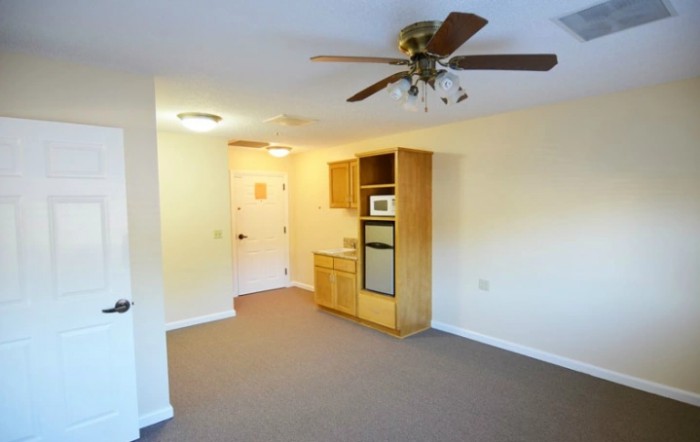
  • Kitchenette KitchenetteKitchenettes are important for seniors living in senior living communities because they provide the convenience and independence of being able to prepare simple meals and snacks in the comfort of their own living space. This can help promote a sense of autonomy and well-being for seniors, allowing them to maintain some level of control over their dietary choices and daily routines.
  • Move-in coordination Move-in coordinationMove-in coordination is important for seniors because it helps ease the transition into their new living environment. It ensures that all logistics, such as packing, organizing movers, and setting up utilities are taken care of, allowing seniors to focus on settling in and adjusting to their new home. Having a smooth move-in process can alleviate stress and anxiety, making the transition smoother and more enjoyable for seniors.
  • Outdoor space Outdoor spaceOutdoor spaces are important for seniors as they provide opportunities for physical activity, social interaction, exposure to natural light and fresh air, and a sense of connection to nature. Having access to outdoor spaces can improve overall well-being and quality of life for older adults living in senior communities.
  • Restaurant-style dining Restaurant-style diningRestaurant-style dining is important for seniors because it allows them to enjoy delicious, nutritious meals in a social and upscale setting. This enhances their dining experience, promotes healthy eating habits, and fosters socialization with fellow residents, ultimately contributing to their overall well-being and quality of life.
  • Small library Small librarySmall libraries are important for seniors as they provide access to a variety of reading materials, including books, newspapers, and magazines. This can help stimulate their minds, keep them engaged, and provide a sense of community through book clubs and other social activities. Additionally, reading has been shown to improve cognitive function and overall mental well-being in older adults.
  • Telephone TelephoneTelephones are important for seniors as they provide a lifeline for communication with loved ones, emergency services, and healthcare providers. They offer a sense of security and independence, enabling seniors to stay connected and access assistance when needed.
  • Wi-Fi/high-speed internet available Wi-Fi/high-speed internet availableWi-Fi/high-speed internet is important for seniors to stay connected with loved ones, access online resources, and participate in virtual activities to combat feelings of loneliness and isolation. It also allows them to easily manage healthcare needs, access entertainment, and engage in lifelong learning opportunities.

Care Services

  • 24-hour call system 24-hour call system24-hour call systems are important for seniors because they provide peace of mind and immediate assistance in case of emergencies. This technology ensures that help is always available, promoting safety and security for elderly individuals living alone or in assisted living facilities.
  • 24-hour supervision 24-hour supervision24-hour supervision is important for seniors to ensure their safety, well-being, and access to immediate assistance in case of emergencies or health issues. This constant support provides peace of mind for both seniors and their loved ones, allowing them to age in place with dignity and security.
  • Activities of daily living assistance Activities of daily living assistanceActivities of daily living assistance are important for seniors because they provide essential support with tasks such as eating, bathing, dressing, and mobility. This assistance helps seniors maintain their independence, dignity, and overall quality of life as they age.
  • Assistance with bathing Assistance with bathingAssistance with bathing is crucial for seniors as it helps maintain personal hygiene, prevents infections, and ensures their overall well-being and comfort. It also provides a sense of dignity and independence for seniors who may struggle with this task on their own.
  • Assistance with dressing Assistance with dressingAssistance with dressing is important for seniors because it helps maintain their independence, promotes personal hygiene, prevents accidents and injuries, and improves overall quality of life. This service ensures that seniors can continue to dress comfortably and confidently, despite any physical limitations they may have.
  • Assistance with transfers Assistance with transfersAssistance with transfers is crucial for seniors as it helps prevent falls and injuries, maintains their independence, and ensures they can safely navigate their living environment. It also provides peace of mind for both seniors and their loved ones.
  • Diabetes diet Diabetes dietA diabetes diet is crucial for seniors as it helps manage blood sugar levels, reduce risks of complications, and improve overall health and well-being. By following a balanced and nutritious diet tailored to their specific needs, seniors can better control their diabetes and enhance their quality of life.
  • Meal preparation and service Meal preparation and serviceMeal preparation and service are crucial for seniors as they may have limited mobility or energy to cook nutritious meals. Having access to healthy and convenient food options can ensure they are getting the proper nutrition needed to maintain their overall health and well-being.
  • Medication management Medication managementMedication management is crucial for seniors to ensure they are taking the right medications at the correct dosages and times. This helps prevent adverse drug interactions, reduces the risk of medication errors, and promotes overall health and well-being. Proactive management also allows for adjustments as needed based on changing health conditions or new prescriptions.
  • Mental wellness program Mental wellness programMental wellness programs are essential for seniors as they promote cognitive stimulation, emotional support, and social engagement. These programs help prevent isolation, depression, and cognitive decline, ultimately enhancing the overall quality of life for older adults.
  • Special dietary restrictions Special dietary restrictionsSpecial dietary restrictions are important for seniors because age-related changes in metabolism and health conditions can make it difficult for their bodies to process certain foods. By following a diet tailored to their specific needs, seniors can maintain their overall health and well-being, manage chronic conditions, and reduce the risk of complications such as malnutrition or food interactions with medications.

Dining

  • Diabetes diet Diabetes dietA diabetes diet is crucial for seniors as it helps manage blood sugar levels, reduce risks of complications, and improve overall health and well-being. By following a balanced and nutritious diet tailored to their specific needs, seniors can better control their diabetes and enhance their quality of life.
  • Special dietary restrictions Special dietary restrictionsSpecial dietary restrictions are important for seniors because age-related changes in metabolism and health conditions can make it difficult for their bodies to process certain foods. By following a diet tailored to their specific needs, seniors can maintain their overall health and well-being, manage chronic conditions, and reduce the risk of complications such as malnutrition or food interactions with medications.

Activities

  • Community-sponsored activities Community-sponsored activitiesCommunity-sponsored activities are important for seniors as they provide opportunities for social interaction, mental stimulation, and physical activity. These activities can help improve overall well-being, combat loneliness and isolation, and promote a sense of belonging and purpose among older adults.
  • Resident-run activities Resident-run activitiesResident-run activities are important for seniors as they encourage social interaction, creativity, and a sense of autonomy. These activities empower seniors to stay engaged and active in their community while fostering meaningful connections with their peers.
  • Scheduled daily activities Scheduled daily activitiesScheduled daily activities are important for seniors because they provide structure, socialization, mental stimulation, and physical activity. Engaging in regular activities can improve overall well-being and quality of life for seniors living in a community setting.

Description

Good Samaritan Society - Hot Springs Village in Hot Springs Village, AR is a skilled nursing facility that offers exceptional care and services to seniors in a comfortable and homelike environment. Our community provides 24-hour supervision and assistance with activities of daily living, such as bathing, dressing, and transfers.

At Good Samaritan Society - Hot Springs Village, residents can enjoy a range of amenities that enhance their quality of life. Each resident has access to cable or satellite TV in their fully furnished accommodation. Our dining room offers restaurant-style dining with delicious and nutritious meals prepared by our skilled staff. Special dietary restrictions are taken into consideration to ensure that each resident's nutritional needs are met.

We understand the importance of mental wellness, which is why we offer a mental wellness program to support our residents' emotional well-being. Medication management services are also provided to ensure that medications are taken correctly and on time.

Our community encourages an active lifestyle by offering scheduled daily activities that cater to various interests. Residents also have the opportunity to participate in resident-run activities, providing an engaging social environment.

Surrounded by picturesque gardens and outdoor spaces, residents can enjoy the natural beauty that Hot Springs Village has to offer. We also provide small library facilities for leisurely reading.

In terms of nearby amenities, there are cafes, pharmacies, physicians, restaurants, and places of worship within close proximity for convenient access to additional services.

Good Samaritan Society - Hot Springs Village is committed to providing compassionate care and creating a welcoming environment where seniors can thrive physically, mentally, and socially.

Nearby Places of Interest

Places of Worship

  • The Evangelical Lutheran Good Samaritan (0.1 miles)
  • Village Christian Church (1.9 miles)
  • First HSV Reality Student Ministries (2 miles)
  • Jessieville Church of God (5.9 miles)
  • Southern Baptist Convention (6.2 miles)
  • Starr Fuentes - Intuitive Healer and Spiritual Teacher (8.4 miles)
  • Divine Interventions (8.4 miles)

Physicians

  • Eyecare Specialties (2.1 miles)
  • Saline Audiology Associates (4.9 miles)
  • Village Internal Medicine (5.4 miles)
  • Fountain Lake Family Medicine (6.6 miles)
  • Changepoint Pregnancy Care and Parenting Resource Center (12.6 miles)
  • Regional Medical Rehab Therapy Clinic (13.2 miles)
  • South Central GI & South Central Endoscopy (13.3 miles)

Restaurants

  • DeSoto Club (4.3 miles)
  • Kroc-Coo's Cajun Kitchen (5.4 miles)
  • The Sand Trap (5.4 miles)
  • Sonic Drive-In (5.6 miles)
  • Bert S Burritos (5.8 miles)
  • The Shack (6 miles)
  • Home Plate Cafe (6.1 miles)

Pharmacies

  • Village Health Mart Drug (4.9 miles)
  • Health Mart (5.4 miles)
  • Medicine Shoppe (5.4 miles)
  • Walgreens (5.5 miles)
  • Brookshire's (5.5 miles)
  • Fred's Pharmacy (6 miles)
  • East Gate Pharmacy (7.2 miles)

Cafes

  • Last Chance Lakeside Cafe (4.9 miles)
  • Red Light Roastery (10.8 miles)
  • Kollective Coffee + Tea (11.8 miles)
  • Arlington Lobby Cafe (11.9 miles)
  • Cafe 1217 (12.7 miles)
  • Best Cafe & Bar (12.9 miles)
  • Shipley Do-Nuts (14 miles)

Parks

  • Hot Springs National Park (10.5 miles)
  • Hot Springs National Park CT (11.8 miles)
  • Hot Springs Central Avenue Historical District (11.9 miles)
  • Bull Bayou Park (12.2 miles)
  • Mid-America Park (14 miles)

Transportation

  • Memorial Field Airport (HOT) (15.1 miles)
  • Aar Aircraft Services-hot Springs (15.1 miles)

Frequently Asked Questions

Where is Good Samaritan Society - Hot Springs Village?
What photos are available for Good Samaritan Society - Hot Springs Village in Hot Springs Village, Arkansas?

Nearby Communities

  • Hot Springs Village

    Hot Springs Village

    Hot Springs Village, AR


    pro Intimate setting with personalized care and comprehensive services (meal prep, medication management) in a small community.

  • Mt. Carmel Community at The Village

    Mt. Carmel Community at The Village

    Hot Springs Village, AR

    4.4 from 44 reviews
    $3,350 to $3,950 / month

    pro Clean, friendly staff, engaging activities, and attractive cottages.

  • Fountain Lake

    Fountain Lake

    Hot Springs Village, AR


    pro Specialized diabetic care in a serene assisted-living setting with on-site activities.

  • Village Springs Health And Rehabilitation

    Village Springs Health And Rehabilitation

    Hot Springs, AR

    3.5 from 21 reviews
     

    pro Comprehensive amenities and around-the-clock supervision.

  • Abundant Life Care Home

    Abundant Life Care Home

    Hot Springs, AR

    5 from 12 reviews
    $3,795 to $4,933 / month

  • Belvedere Nursing And Rehabilitation Center

    Belvedere Nursing And Rehabilitation Center

    Hot Springs, AR

    3.3 from 36 reviews
     

    pro Extensive amenities with 24/7 care and on-site dining/transport

  • Garrett Woods Assisted Living

    Garrett Woods Assisted Living

    Hot Springs, AR

    4.7 from 13 reviews
    $2,400 to $3,500 / month

    pro Friendly staff, beautiful and well-maintained facility with engaging activities.

  • The Crossing at Malvern

    The Crossing at Malvern

    Malvern, AR

    4 from 45 reviews
     

    pro Comprehensive care with on-site dining, transportation, and engaging activities.

  • Mt. Carmel Community

    Mt. Carmel Community

    Benton, AR

    4.8 from 40 reviews
    $3,100 to $4,000 / month

    pro Friendly staff in a home-like setting with strong dining and activities.

Skilled Nursing Facility in Nearby Cities

Related Resources

  • what does the sandwich generation meanUnderstanding the Sandwich Generation: Stress and Responsibilities for Multigenerational Caregivers

    The Sandwich Generation comprises adults managing the dual responsibilities of caring for aging parents and raising children, leading to significant emotional, logistical, and financial challenges. This situation is exacerbated by longer life expectancies and cultural expectations, necessitating effective coping strategies and support resources to alleviate caregiver stress and burnout.

  • assistive devices for elderly8 Essential Assistive Devices for Older Adults

    The article highlights eight essential assistive devices that improve the independence and safety of older adults, addressing issues related to mobility, balance, vision, hearing, and dexterity. It emphasizes the importance of proper selection guided by healthcare professionals to enhance seniors' quality of life while allowing them to age in place.

  • how to pay for nursing homeNavigating the Financial Road to Nursing Home Care: In-Depth Guidance and Resources
    The article offers detailed guidance on the financial complexities of nursing home care, covering costs, payment methods, and alternative funding strategies while emphasizing the importance of proactive planning and legal considerations for individuals and families making care decisions.