Mt. Carmel Community presents a range of monthly costs that reflect its positioning within both Saline County and the broader Arkansas market. For instance, the cost for a two-bedroom suite at Mt. Carmel is $3,100, which exceeds the county's average of $2,781 but falls below the state average of $3,490. Similarly, studio apartments are priced at $3,500 - higher than both Saline County's average of $3,089 and significantly above Arkansas's average rent of $2,863. In contrast, the one-bedroom option stands at $4,000, marking a notable increase over both local ($2,940) and state ($3,322) averages. This pricing structure suggests that while Mt. Carmel Community offers unique value and amenities that may justify its higher costs in some categories, it also indicates potential areas for competitive alignment with nearby offerings in order to attract a wider demographic seeking affordable options without compromising on quality or service.
Floor plans
Mt. Carmel Community
Saline County
Arkansas
2 Bedrooms
$3,100
$2,781
$3,490
Studio
$3,500
$3,089
$2,863
1 Bedroom
$4,000
$2,940
$3,322
Memory care communities with a similar price nearby
Residents and families consistently describe caregivers as attentive, professional, and caring.
Many reviews emphasize staff who are encouraging, helpful, and professional day to day. Several residents and family members also connect that attention to feeling safe and well supported, including help with needs like medication support. A small number of reviews are sharply negative about staffing coverage and how situations were handled, but the broader pattern is that people feel their loved ones are treated with kindness and dignity.
differentiator11 reviews mention this
Food is a frequent highlight
Dining stands out, with residents describing high-quality meals and a restaurant-style experience.
Food comes up repeatedly, from praise of the kitchen and specific meals to comments that residents are well nourished. Multiple reviews describe the dining room experience as nicer than typical, and some mention ordering from a menu or enjoying lunch together. The community also offers restaurant-style dining and meal support options, which aligns with how residents describe the day-to-day dining experience.
common7 reviews mention this
Activities keep residents engaged
Residents describe regular activities that help them stay social and involved.
Several reviews point to a steady schedule of things to do, including bingo, crafts, movies, and group social time. Families also mention planned outings such as shopping trips and lunch outings, along with on-site gathering spaces like reading and TV rooms. The community offers planned day trips and resident-run or scheduled activities, which matches residents’ descriptions of staying engaged.
common8 reviews mention this
Cleanliness and upkeep stand out
Reviews frequently mention a clean facility and well-kept grounds.
Residents and visitors repeatedly describe the building and common areas as clean, spotless, and well maintained. Several also mention practical details like the dining hall being clean and the grounds being cared for. While one review notes the building is not air-conditioned at times, the overall cleanliness feedback remains consistently positive.
How we summarize
Counts show how many written reviews mention each theme; a review can touch several themes, and only frequently mentioned themes are displayed.
Features
Housing
80 resident community capacity
Types of Care
Assisted Living
Independent Living
Memory Care
Amenities
Activities on-site
Air-conditioning
Beauty salon
Cable or satellite TV
Computer center
Devotional services off-site
Dining room
Fitness room
Fully furnished
Gaming room
Garden
Housekeeping services
Indoor common areas
Kitchenette
Move-in coordination
Outdoor space
Private bathrooms
Restaurant-style dining
Small library
Telephone
Wellness center
Wi-Fi/high-speed internet available
Transportation
Adams (20 miles away)
Community operated transportation
Transportation arrangement
Care Services
24-hour call system
24-hour supervision
Activities of daily living assistance
Ambulatory care
Assistance with bathing
Assistance with dressing
Assistance with transfers
Diabetes diet
Diabetic care
Meal preparation and service
Medication management
Mental wellness program
Mild cognitive impairment
Special dietary restrictions
Specialized memory care programming
Dining
Diabetes diet
Meals provided
Special dietary restrictions
Activities
Activities on-site
Community-sponsored activities
Concierge services
Devotional activities offsite
Fitness programs
Planned day trips
Resident-run activities
Scheduled daily activities
Nearby Places of Interest
This part of Benton, Arkansas offers a variety of amenities that cater to seniors looking for convenience and comfort. With several restaurants nearby such as Freddy's Frozen Custard & Steakburgers and Chili's Grill & Bar, seniors can enjoy a meal out without having to travel far. There are also pharmacies like Walgreens and CVS in close proximity for easy access to medication. For healthcare needs, there are reputable physicians like Family Practice Associates and Saline Med-Peds Group, as well as Saline Memorial Hospital for more serious medical attention. Additionally, parks such as Riverside Park Complex Center provide opportunities for leisurely walks or picnics in a peaceful setting. Overall, this area provides a balance of dining options, medical facilities, and outdoor spaces that could make it a suitable choice for senior living.
Mt. Carmel Community presents a range of monthly costs that reflect its positioning within both Saline County and the broader Arkansas market. For instance, the cost for a two-bedroom suite at Mt. Carmel is $3,100, which exceeds the county's average of $2,781 but falls below the state average of $3,490. Similarly, studio apartments are priced at $3,500 - higher than both Saline County's average of $3,089 and significantly above Arkansas's average rent of $2,863. In contrast, the one-bedroom option stands at $4,000, marking a notable increase over both local ($2,940) and state ($3,322) averages. This pricing structure suggests that while Mt. Carmel Community offers unique value and amenities that may justify its higher costs in some categories, it also indicates potential areas for competitive alignment with nearby offerings in order to attract a wider demographic seeking affordable options without compromising on quality or service.
The array of features at Mt. Carmel Community effectively addresses the unique needs of residents with dementia or Alzheimer's disease, ensuring a supportive environment that promotes their wellbeing and independence. With 24-hour supervision, residents receive constant safety monitoring, while assistance with activities of daily living, including bathing, dressing, and transfers, fosters dignity and personal care. The dedicated meal preparation and service cater to nutritional needs, essential for maintaining health. Medication management ensures timely administration of prescribed treatments, enhancing compliance and wellbeing. Additionally, engaging in specialized memory care programming stimulates cognitive function and supports mental wellness through tailored activities designed to enhance quality of life for those experiencing mild cognitive impairment or more advanced stages of dementia. Together, these services create a holistic approach that prioritizes both physical care and mental engagement.
Choosing between assisted living and nursing homes involves evaluating emotional and financial factors, with assisted living offering independence and support for daily activities at a lower cost, while nursing homes provide intensive medical care for individuals with significant health needs. The decision is influenced by personal preferences, health status, cognitive function, and varying Medicaid coverage across states.
The article presents eight strategies for preserving cognitive health and memory in older adults, emphasizing a nutrient-rich diet, regular exercise, intellectually stimulating activities, adequate sleep, social connections, stress management techniques, limiting harmful substances, and regular medical checkups to mitigate age-related memory decline.
Activities of Daily Living (ADLs) are fundamental tasks vital for an individual's independence, particularly in older adults over 85, and include functions like bathing and dressing; assessing ADLs alongside Instrumental Activities of Daily Living (IADLs) helps determine the level of required assistance due to age-related health challenges. Tailored support plans, involving family and community resources, are essential for maintaining dignity and autonomy in assisted living environments.
Get PricingAsk A QuestionSchedule A TourContact Senior Advisor
By clicking submit, you agree to our Partner's Terms of Use. You
also consent to receive calls and texts, which may be autodialed, from our Partner. Your consent is not a condition to
using our Partner's service. Please visit our Partner's Privacy Policy for information about their privacy practices.

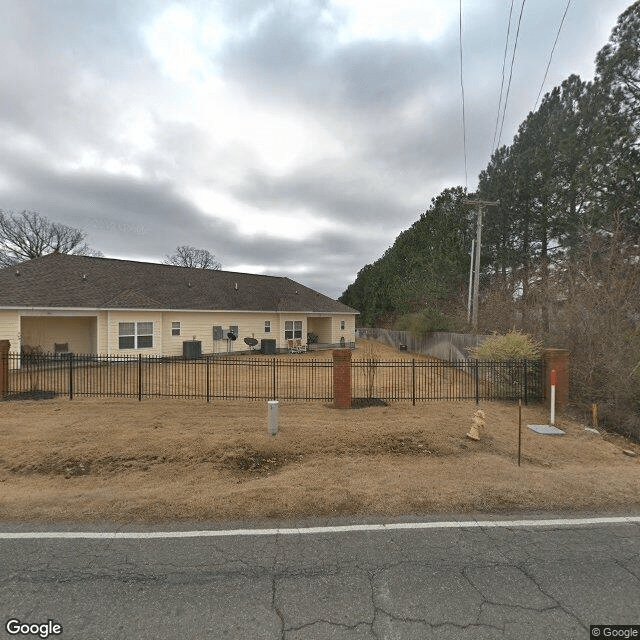
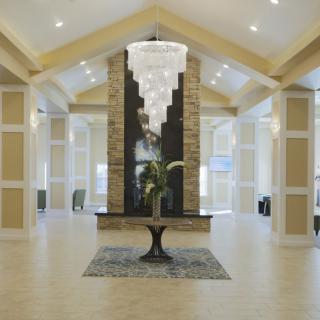
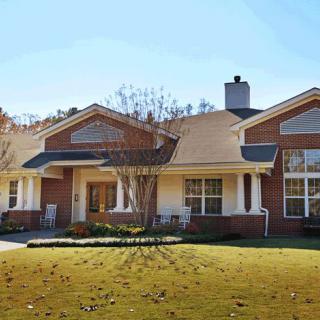
 80 resident community capacity
 Assisted Living
 Independent Living
 Memory Care
 Activities on-site
 Air-conditioning
 Beauty salon
 Cable or satellite TV
 Computer center
 Devotional services off-site
 Dining room
 Fitness room
 Fully furnished
 Gaming room
 Garden
 Housekeeping services
 Indoor common areas
 Kitchenette
 Move-in coordination
 Outdoor space
 Private bathrooms
 Restaurant-style dining
 Small library
 Telephone
 Wellness center
 Wi-Fi/high-speed internet available
 Adams (20 miles away)
 Community operated transportation
 24-hour call system
 Ambulatory care
 Assistance with bathing
 Assistance with dressing
 Assistance with transfers
 Diabetes diet
 Diabetic care
 Medication management
 Mental wellness program
 Special dietary restrictions
 Concierge services
 Planned day trips
 Compassionate, respectful caregivers providing patient-centered support.

 Choosing the Right Senior Care: A Detailed Exploration of Assisted Living and Nursing Homes
 Safeguarding Your Memory Through the Golden Years: Eight Ways to Preserve Cognitive Health
 Comprehensive Insights into Activities of Daily Living (ADLs) and Their Assessment