
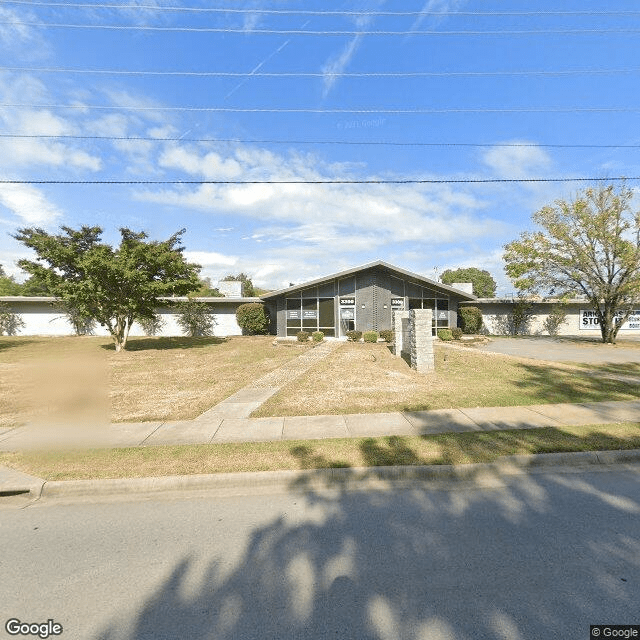
3300 Military Rd, Benton, AR 72015
To contact a resident: (501) 778-8282
For more information about senior living options: (866) 208-4318
Overall Review of Rose Care Ctr
Pros
 The facility is good and clean with air conditioning, and it feels upbeat for patients with lots of laughter.
- The staff from housekeeping to administration seem genuinely caring.
- The entire staff shows a deep respect for residents and their families.
- The facility has a structure that supports helping elders return home.
- It’s a great place to be, with remodeling and new management, and the staff are great with residents.
- It’s a wonderful place to work and live, like one big family.
- Kelli, a CNA, demonstrates love to patients.
Cons
 The facility is described as the most inhumane place for anything living, where patients dwindle rapidly.
 - A patient was beaten by a roommate, indicating severe safety failures in the unit.
- A patient’s elbow infection went untreated for two weeks, leading to ER care and later death in another incident.
- The reviewer was escorted out and banned for reporting medical information, suggesting punitive administration.
- A terminal brain cancer patient was neglected: meds withheld, an unauthorized med given, never bathed, and clothes/bed linens not changed.
- The food is terrible and portions are small, with some meals consisting of soup and crackers.
- Weekend staff are unresponsive; phones are often unanswered.
- The facility is described as dirty and unhygienic, with filth in hallways and even a sock in a patient’s mouth.
- Staff are described as uncaring, with administrators and CNAs performing minimal care.
- The facility appears to prioritize beds and money over patient well-being, leading to unsafe conditions and repeated patient discharges.
Review
Rose Care Center in Benton is best for families that prioritize a warm, home-like atmosphere and a facility that has been refreshed with remodels and newer management, paired with caregivers who can project genuine kindness when they are present. For residents who thrive on social interaction and a culture that feels like “one big family,” this community can offer moments of comfort and connection, reinforced by reports of caring staff and long-tenured team members. The hopeful picture centers on positivity, improved spaces, and the sense that staff truly want residents to feel respected and valued. That said, this appeal must be weighed against persistent concerns about safety, consistency, and care quality that circulate in several accounts.
Those who should seriously consider alternatives are families unable to tolerate recurring claims of neglect, safety lapses, and poor communication. Multiple reviews describe damaged hygiene, unsafe conditions, and failed responses to medical needs or family concerns. Instances of bed-bound neglect, unaddressed infections, missed medications, and interruptions in basic care point to systemic gaps rather than isolated incidents. When a facility is perceived to mishandle care, restrict visitation, or discipline families for speaking up, the risk-to-benefit calculus shifts decisively toward options with stronger safeguards, clearer accountability, and demonstrated, ongoing reliability.
The strongest pros at Rose Care Center, an upbeat, social environment, and the sense that some staff genuinely care, do not adequately offset the weight of the major cons. Positive experiences emphasize compassionate interactions and a supportive atmosphere in certain wings or shifts. Yet those benefits are uneven and often contradicted by stark reports of filth, inadequate hygiene, and dangerous resident-to-resident interactions. The juxtaposition of “great with my grandmother” moments against chronic concerns about med errors, delayed care, and HIPAA-related incidents creates a volatile picture: warmth without dependable safety and oversight falls short for anyone evaluating long-term placement.
Risk in the facility is concentrated in care consistency, safety protocols, and communication. References to withheld medications, unattended medical needs, and a history of transfers or confrontations between residents signal potential for harm if not aggressively managed. Weekend staffing gaps and unresponsiveness further undermine reliability, while reports of poor meal quality and limited activity options suggest a broader quality-of-life issue. For families, this combination means there is real potential for escalation in medical and safety concerns, with the added burden of navigating a complex relationship with administration when issues are raised.
Practical steps define the due-diligence path: arrange visits during multiple shifts to observe how staff interact with residents, especially during mealtimes and med passes; request to see the latest incident and quality improvement logs; speak with the director of nursing and the administrator about how complaints are handled and tracked; verify staffing levels and turnover; audit the meal program and activity calendar; and ask for references from current residents’ families who have recently navigated a transition in care needs. A transparent facility will welcome these checks and provide current, concrete data rather than generic assurances.
Bottom line: Rose Care Center offers a superficially inviting, refreshed setting with caring staff and a family-like vibe, but the balance tilts toward caution due to serious, widely reported safety and care quality concerns. For families who can maintain rigorous oversight, demand prompt, clear communication, and insist on consistent, high-quality medical care, the place can work. For those prioritizing dependable safety, hygiene, and responsive, issue-resolving care, exploring stronger alternatives is strongly advised. The decision should hinge on risk tolerance, willingness to engage as active advocates, and the ability to secure a stabilization plan that guarantees consistent, professional care every day.
 Skilled Nursing Facility
 Adams (21 miles away)






 Home Health Care Aides: Understanding Their Role and Supporting Your Family
 Urinary Tract Infections in Older Adults: Comprehensive Insights on Symptoms, Treatment, and Prevention
 California's Form 602A: An In-Depth Examination of Senior Care Assessment