
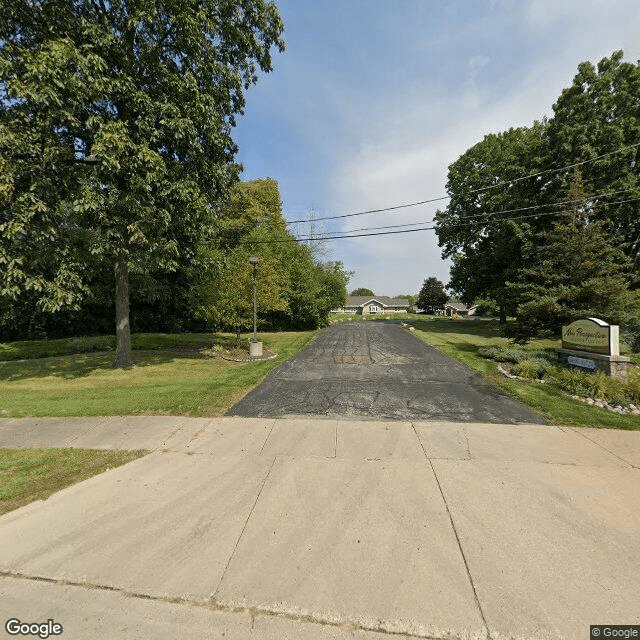
16690-16720 W. Greenfield Ave., Brookfield, WI 53005
To contact a resident: (262) 821-1821
For more information about senior living options: (866) 208-4318
Lighthouse of Brookfield Costs & Pricing
Lighthouse of Brookfield offers competitive pricing for its accommodations compared to both Waukesha County and the broader Wisconsin market. For semi-private rooms, residents will find a monthly cost of $3,675, which is notably lower than the county average of $4,369 and slightly below the state average of $3,977. Private rooms at Lighthouse are priced at $3,980, offering a more affordable alternative to Waukesha County's average of $4,205 and Wisconsin's average of $4,339. Similarly, their studio apartments also mirror this trend with a monthly fee of $3,980 - again undercutting both county and state averages of $4,225 and $3,999 respectively. These thoughtful pricing structures position Lighthouse of Brookfield as an attractive option for those seeking quality care without compromising budgetary considerations.
| Floor plans | Lighthouse of Brookfield | Waukesha County | Wisconsin |
|---|---|---|---|
| Semi-Private | $3,675 | $4,369 | $3,977 |
| Private | $3,980 | $4,205 | $4,339 |
| Studio | $3,980 | $4,225 | $3,999 |
Memory care communities with a similar price nearby
-
from -$175 / mo
Dolphin Manor
$3,500 / month19.1 miles away -
from -$575 / mo
Serenity Villa
$3,100 to $5,500 / month22.5 miles away -
from -$525 / mo
Home Share North Shore House
$3,150 / month13.8 miles away -
from -$585 / mo
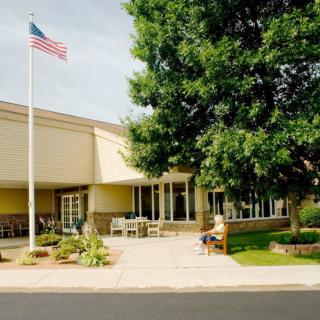
Wellington Place at Hartford
$3,090 to $4,020 / month24.1 miles away -
from +$375 / mo
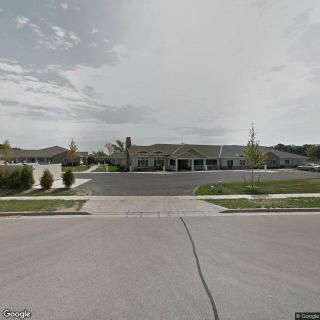
Waterford Senior Living
$4,050 to $5,450 / month18.2 miles away
Overall Review of Lighthouse of Brookfield
Pros
 He was treated with respect and compassion.
- The staff are very friendly and have the skills needed to assist elderly people with advanced dementia.
- Ellen is the head nurse; she is extremely knowledgeable and experienced to ensure that a loved one will be taken care of.
- The family is grateful that New Perspective made Dad's final days peaceful.
- Most of the caregivers were amazing.
- The caregivers work tirelessly every day to keep residents clean, dressed, fed, and exercised.
Cons
 The management leaves much to be desired.
- The facility has gone downhill over the past three years.
- Two caregivers are expected to care for 15 residents with big behavior problems, while handling meals, dressing, cleaning, and medications.
- There has not been an onsite regular nurse for several months.
- There is no recreation director; residents are simply kept in the day room, fed, and returned to bed.
- The staff are overworked and under-supported.
- The main number is unhelpful, and the director never returns calls.
- Family members of deceased residents are not allowed to visit, which is very upsetting.
Review
Lighthouse of Brookfield is best suited for families seeking intimate, dementia-focused care delivered by frontline staff who genuinely respond with kindness and attentiveness. The strongest asset here is the caregiving team’s compassion and competence on day-to-day tasks, especially for residents with advanced dementia. Families that value a warm, personal approach from caregivers, someone who can provide respectful help with daily routines and who knows their loved one’s needs, may feel secure in the hands-on care at the bedside. That said, this strength does not compensate for broader operating gaps that color the overall experience.
Those considering alternatives should weigh the need for stable leadership, reliable nursing oversight, and an active, well-supported programming calendar. If a family requires predictable governance, transparent communication from a consistent administrator, and regular nursing presence on site, this community may fall short. The absence of a stable on-site nurse for months, combined with minimal administrative support and a dwindling activities program, makes it hard to sustain confidence that care will remain well-coordinated over time. For families prioritizing structured programming, proactive management, and clearlines of accountability, other options are likely to be more reliable.
The most meaningful positives, caregivers who are kind, patient, and capable with dementia, do offset some of the facility’s most troubling gaps, but only to a point. The staff’s ability to treat residents with dignity and provide compassionate daily care creates moments of safety and comfort that families notice and appreciate. Ellen, the head nurse highlighted in one account, embodies the expertise that can reassure families about medical stability and proper attention to evolving needs. Yet these individual strengths cannot fully compensate for systemic issues: inconsistent nurse coverage, a high pace of work for the remaining staff, and the looming risk that essential services may lag because supervision and resources are stretched too thin.
Where the negatives most clearly land is in staffing reality and administrative responsiveness. Two caregivers for up to 15 residents with behavioral challenges, carrying out cooking, cleaning, dressing, toileting, medication administration, and activities, is a strain that inevitably affects both quality and safety. The absence of a dedicated recreation director and a seriously constrained activities program leaves residents with fewer opportunities to stay engaged, healthy, and socially connected. Even more concerning are practical governance problems: an intermittent on-site nurse, one overnight caregiver covering a full 12-hour shift, and a main office that is hard to reach or slow to respond. The combination of these factors erodes trust and complicates family coordination around hospice, care planning, and updates.
In evaluating this community, prospective families should prioritize specific, firsthand assurances. Request a current staffing roster with roles and shifts, verify the presence (or absence) of a nurse on site and the hours, and ask for a recent survey or state inspection summary. Schedule conversations with current residents or their families to gauge daily life beyond the weeklong impression. Probe how hospice care is coordinated, how care plans are reviewed, and how family input is integrated into decision-making. Demand clarity on visitation policies for families after a resident’s passing, and examine the facility’s commitment to rebuilding programming and administrative engagement.
Bottom line: Lighthouse of Brookfield can be a strong match for families who place a premium on compassionate, hands-on dementia care and are willing to navigate significant management and staffing gaps. For families that require reliable administrative leadership, consistent nursing presence, and an engaging, well-supported activity program, alternatives are likely to offer a more predictable and comprehensive experience. The decision hinges on whether the immediate, personal care provided by frontline staff outweighs the cumulative impact of limited nursing coverage, reduced programming, and tense administrative responsiveness. If those latter elements feel unacceptable, it is prudent to explore other options that promise steadier oversight and richer resident engagement.
 Board and Care Home
 Memory Care
 Private
 General Mitchell International (12 miles away)
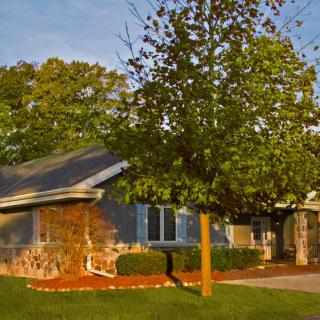

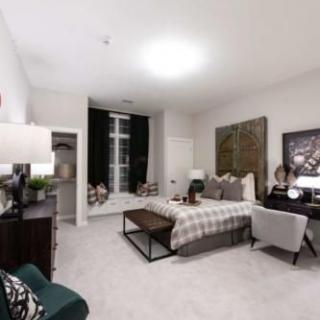
 A Detailed Exploration of Assisted Living Medicaid Waivers Across the United States
 Exploring the Contrasts Between Assisted Living and Skilled Nursing
 Vibrant Senior Living: A Comprehensive Guide for Active Older Adults