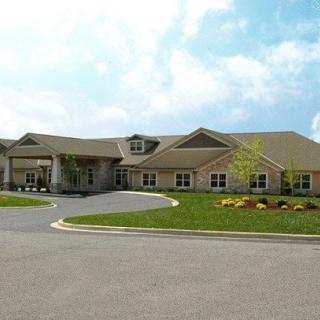
2900 S Moorland Rd, New Berlin, WI 53151
To contact a resident: (262) 784-9550
For more information about senior living options: (866) 208-4318
Robins Landing at New Berlin Costs & Pricing
Robins Landing at New Berlin offers studio accommodations at a monthly rate of $4,500, positioning itself as a premium option within the context of both Waukesha County and the broader state of Wisconsin. In comparison, the average monthly cost for similar studio arrangements in Waukesha County is approximately $4,225, while statewide rates hover around $3,999. This suggests that Robins Landing provides an elevated experience or additional amenities that may justify its higher price point. For prospective residents considering their options, it's important to weigh the unique offerings and community atmosphere at Robins Landing alongside these comparative costs in order to make an informed decision about long-term living arrangements.
| Floor plans | Robins Landing at New Berlin | Waukesha County | Wisconsin |
|---|---|---|---|
| Studio | $4,500 | $4,225 | $3,999 |
Memory care communities with a similar price nearby
-
from -$450 / mo
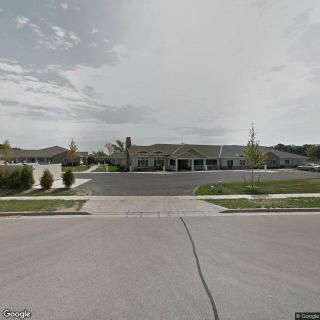
Waterford Senior Living
$4,050 to $5,450 / month16.7 miles away -
from -$500 / mo
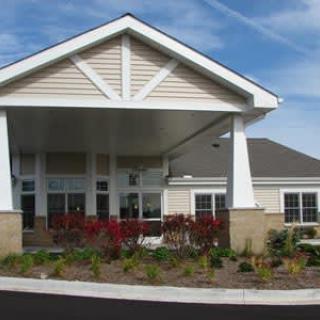
Ellens Home Germantown
$4,000 / month16.0 miles away -
from -$500 / mo
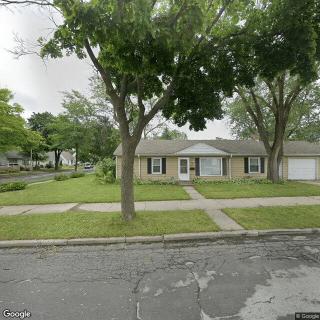
Complete Home Health Care
$4,000 / month10.9 miles away -
from +$313 / mo
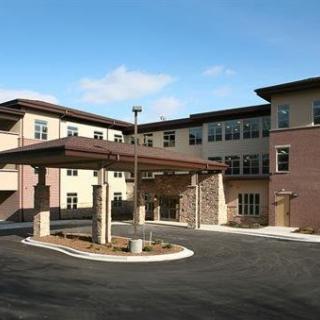
Oak Park Place Of Wauwatosa
$4,813 to $5,649 / month4.9 miles away -
from +$790 / mo
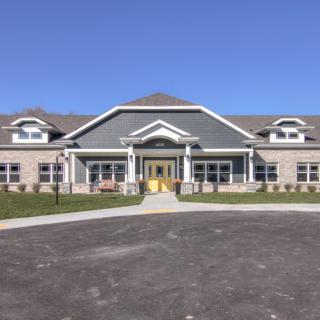
Azura Assisted Living and Memory Care of Brookfield
$5,290 to $7,470 / month6.9 miles away
Overall Review of Robins Landing at New Berlin
Pros
 The staff are very helpful and answer all questions during tours.
- The building is very clean and the staff are friendly.
- The care at Applewood New Berlin is great.
- The facility provides attentive and responsive care, with staff going above and beyond.
- Families would definitely recommend this community to loved ones.
- Applewood has wonderful people and a welcoming atmosphere.
- Applewood staff have taken excellent care of residents for years.
Cons
 They failed to pay the HVAC repair invoices for both locations.
- They have stiffed others as well.
- They do not take care of the people who work for them, so would they take care of loved ones?
- The Robins Landing facility did not smell good.
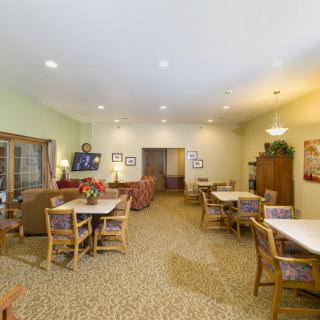
- The meals looked icky.
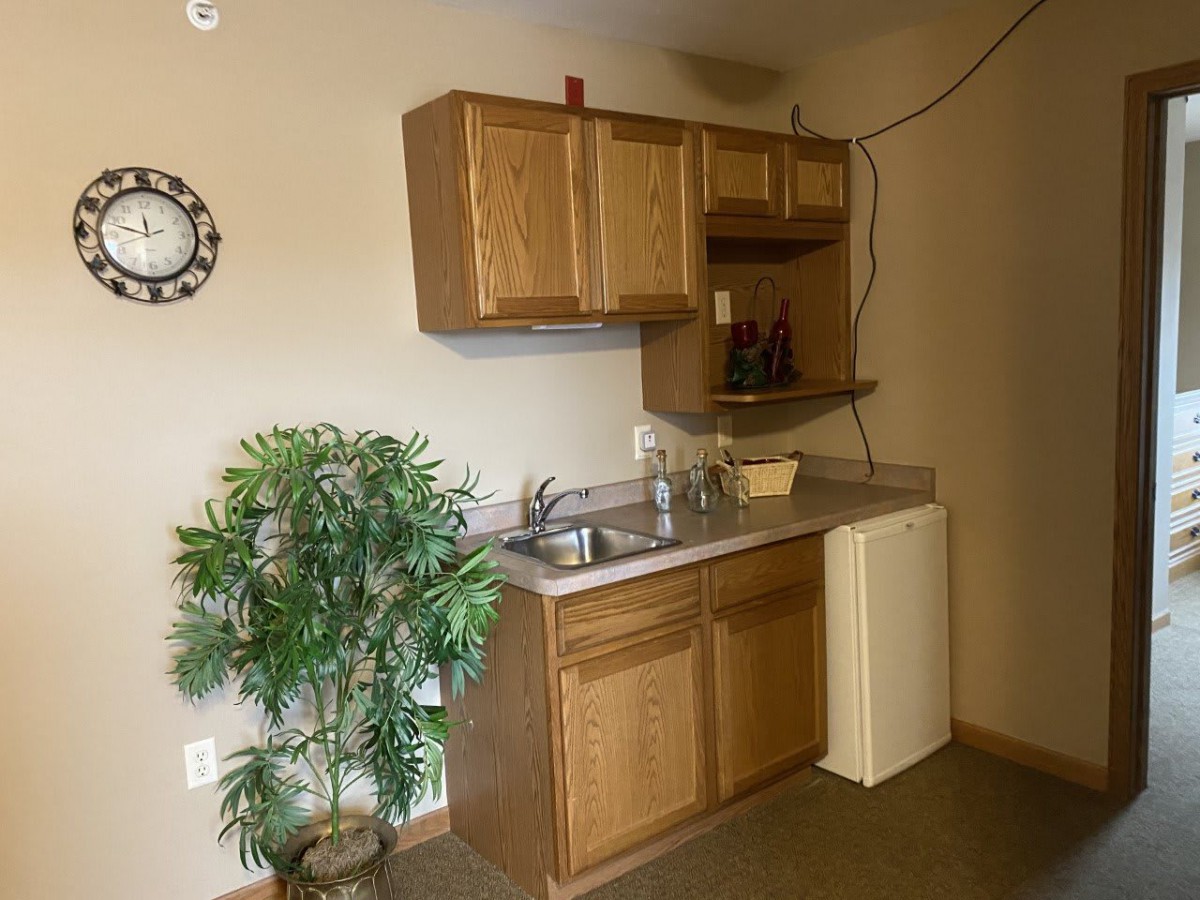
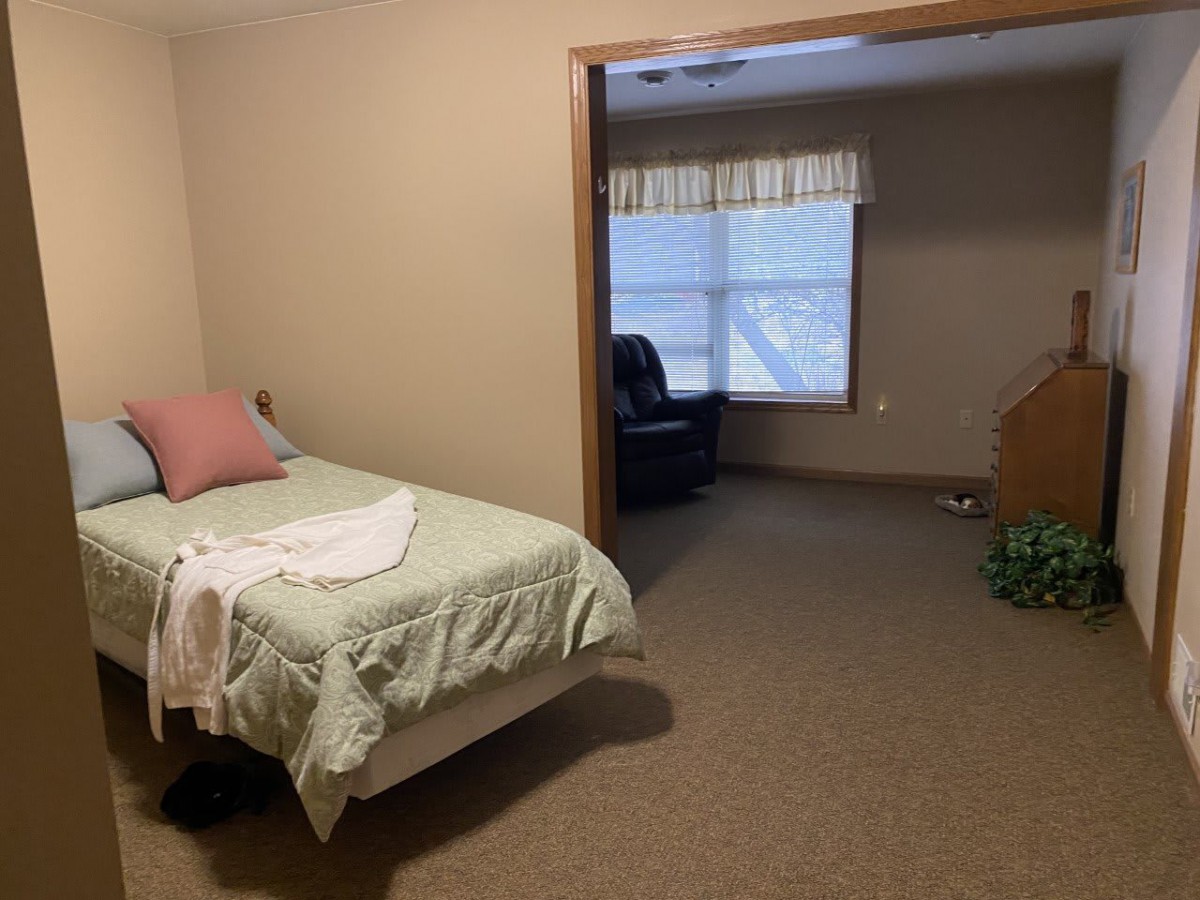
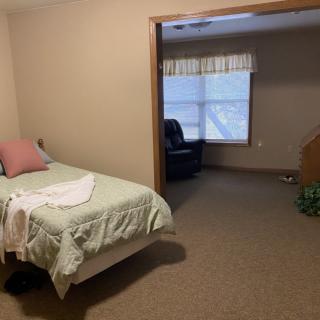
- The rooms were small and outdated.
- The community needs a lot of work.
- The meals often arrived cold for residents.
Review
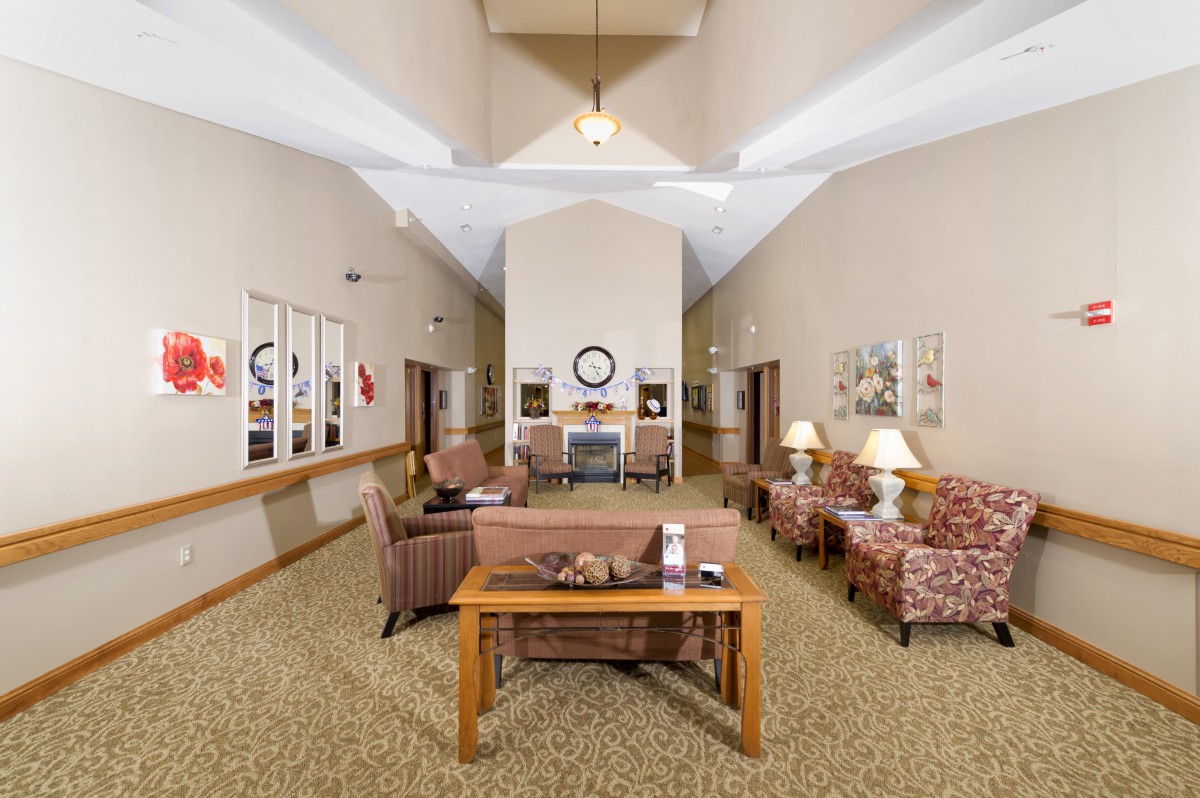
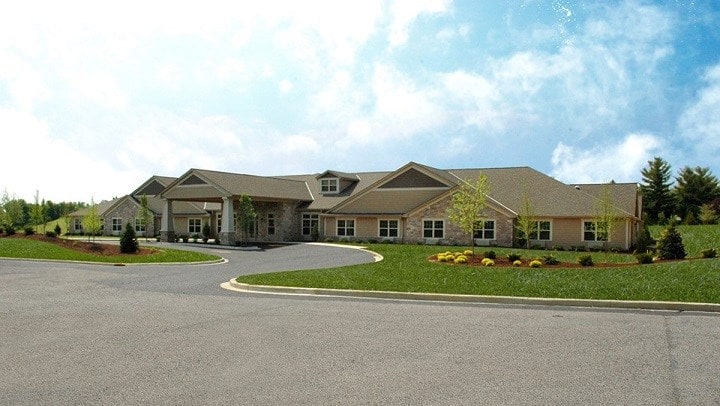
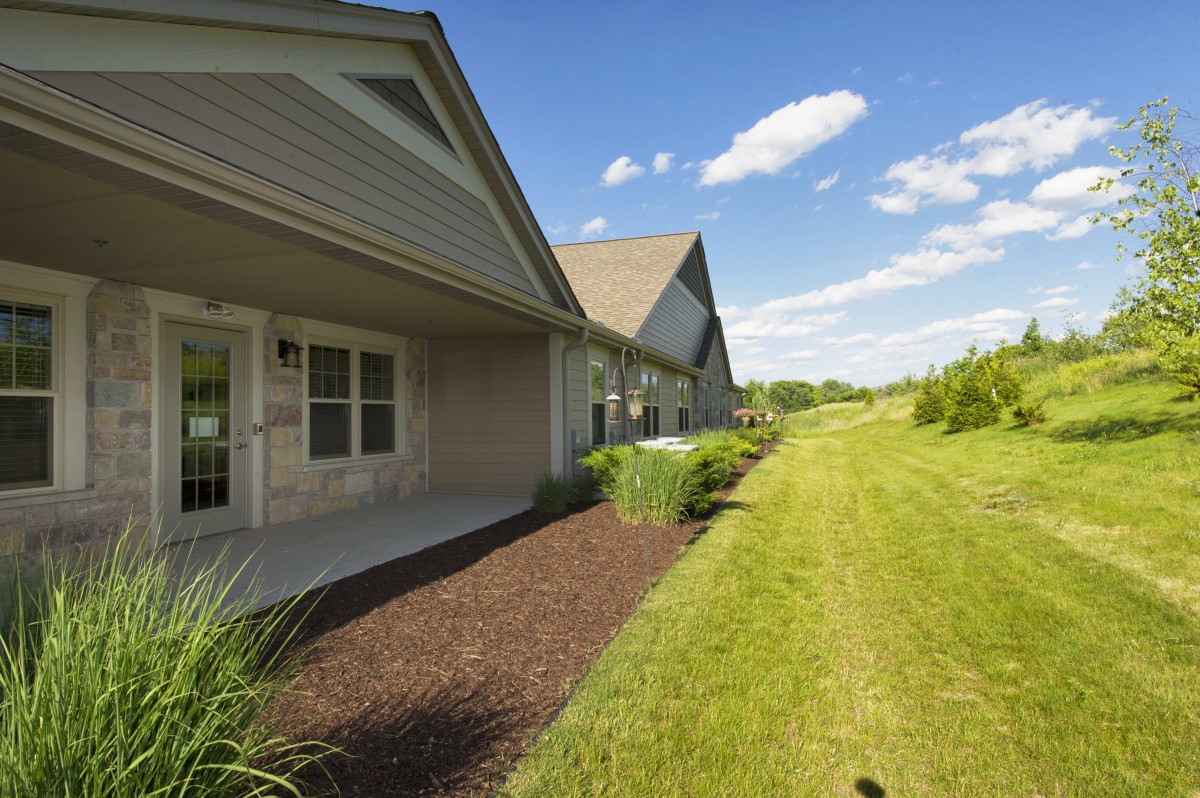
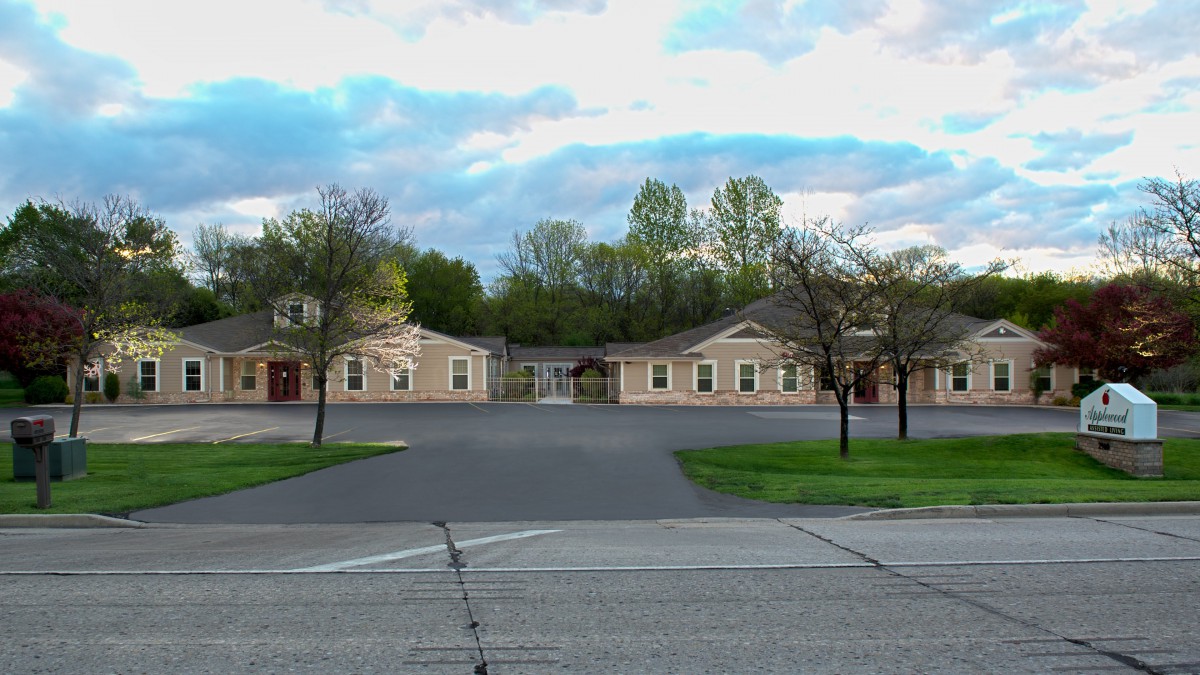
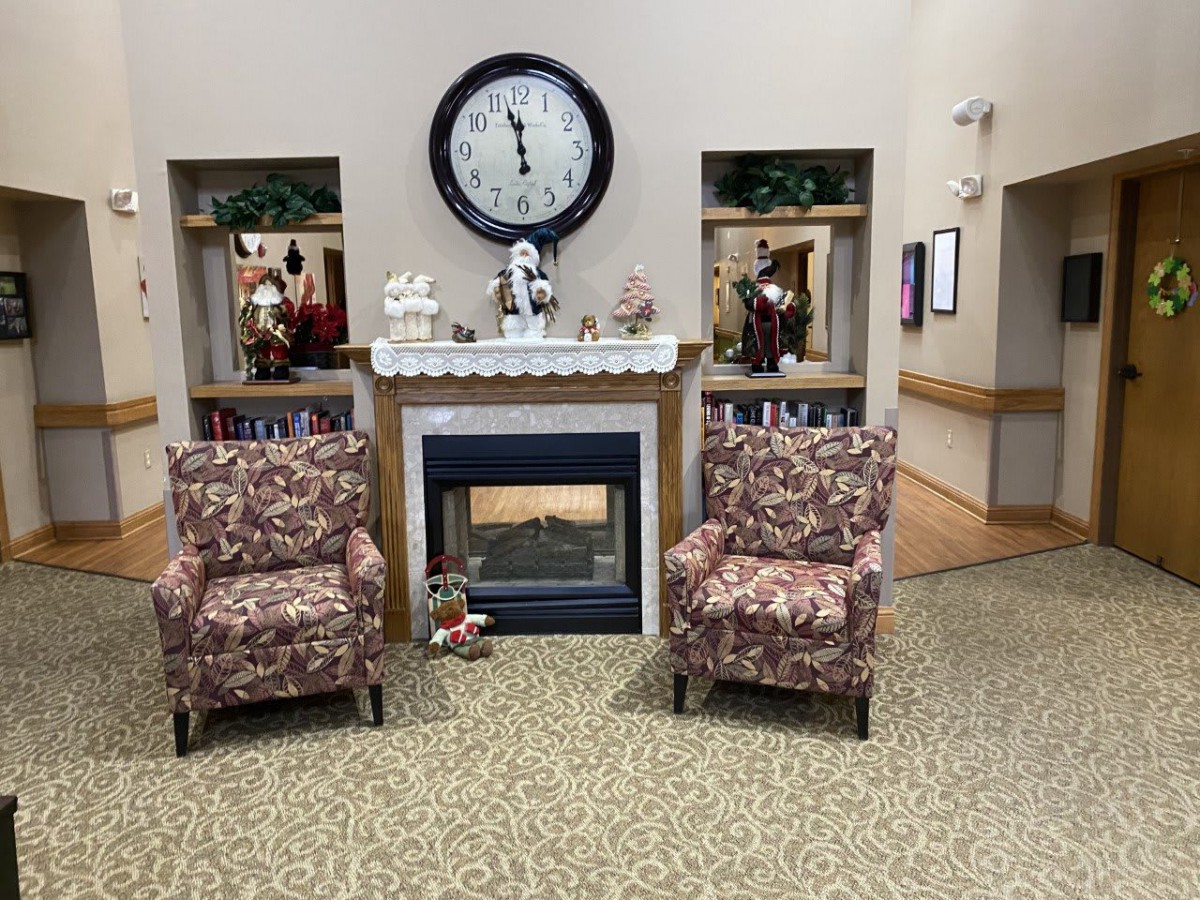
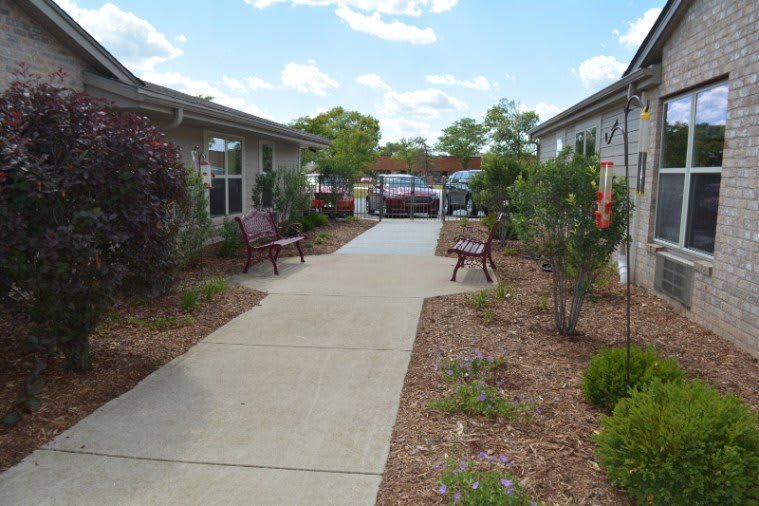
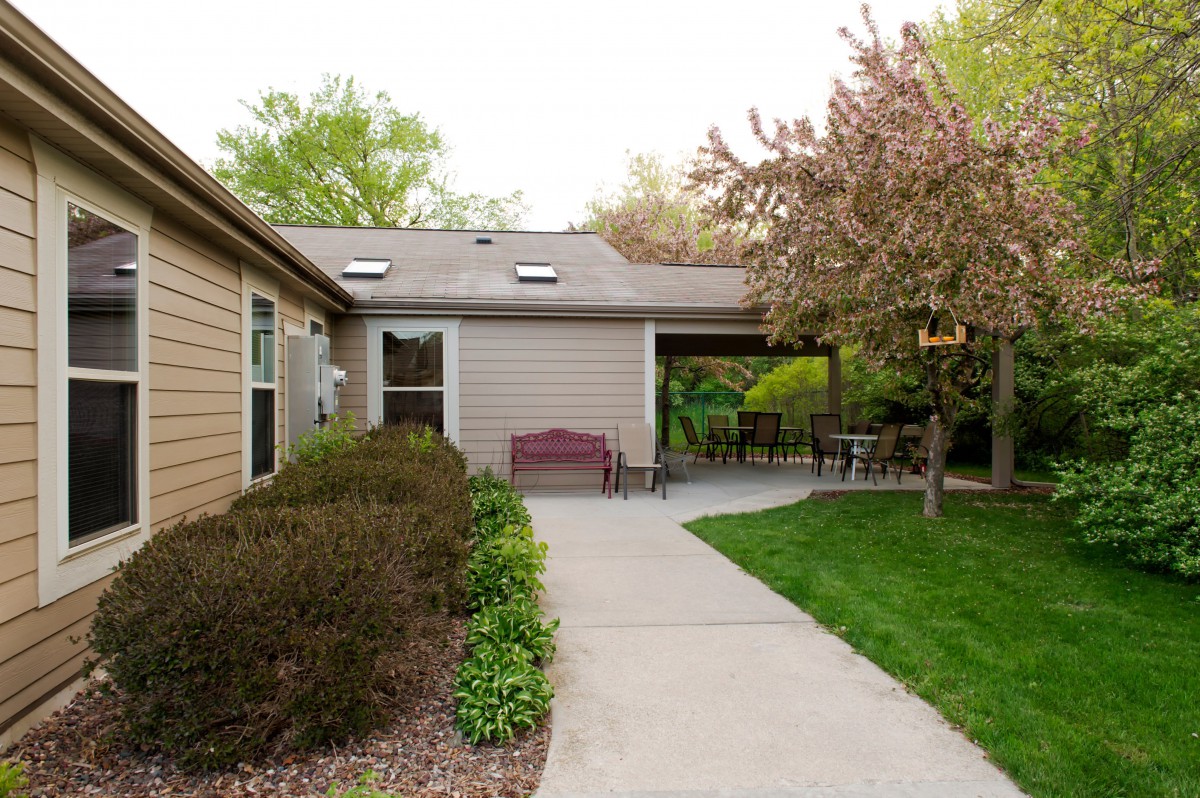
Robins Landing at New Berlin is best suited for seniors and their families who prize a warm, service-oriented caregiving culture over glossy, modern amenities. The reviews consistently highlight friendly nurses and attentive staff, a clean environment, and approachable management in recent years. The core value here is daily reassurance: residents feel seen, helped, and supported by people who show up consistently. That emotional and practical foundation can be a strong fit for someone who wants dependable companionship, predictable routines, and a community where staff know residents’ names and preferences. Prospective residents should, however, temper expectations about aesthetics and latest-fitness-room features, since the building itself shows its age and the rooms tend to be smaller and dated.
That said, Robins Landing may not be the best choice for families who demand the absolute polish of a newer community or who require top-of-the-line dining and on-site beauty services. Those who cannot tolerate an older facility with limited space, or who view marketing visuals as a reliable predictor of day-to-day reality, should seriously consider alternatives. The reviews also flag concerns about transparency and reliability in other areas, which can be a nontrivial factor for families balancing trust, cost, and long-term stability. If a high level of operational polish, consistent dining quality, and visible investments in renovations are non-negotiable, it’s prudent to compare additional options before committing.
The positive elements, notably the staff’s warmth and the sense of a welcoming, people-centered culture, do offset several of the more challenging drawbacks, but only to a point. New leadership appointments, including a new manager, activities director, and cook, signal potential improvements in daily life and programming. When meetings with marketing staff lead to clear guidance and timely follow-through, the move process itself can feel smoother, which adds a practical advantage for families navigating transition. Still, the core trade-off remains: care quality and personal attention are real strengths, while the physical plant and dining continuity carry unresolved risks that can influence long-term satisfaction.
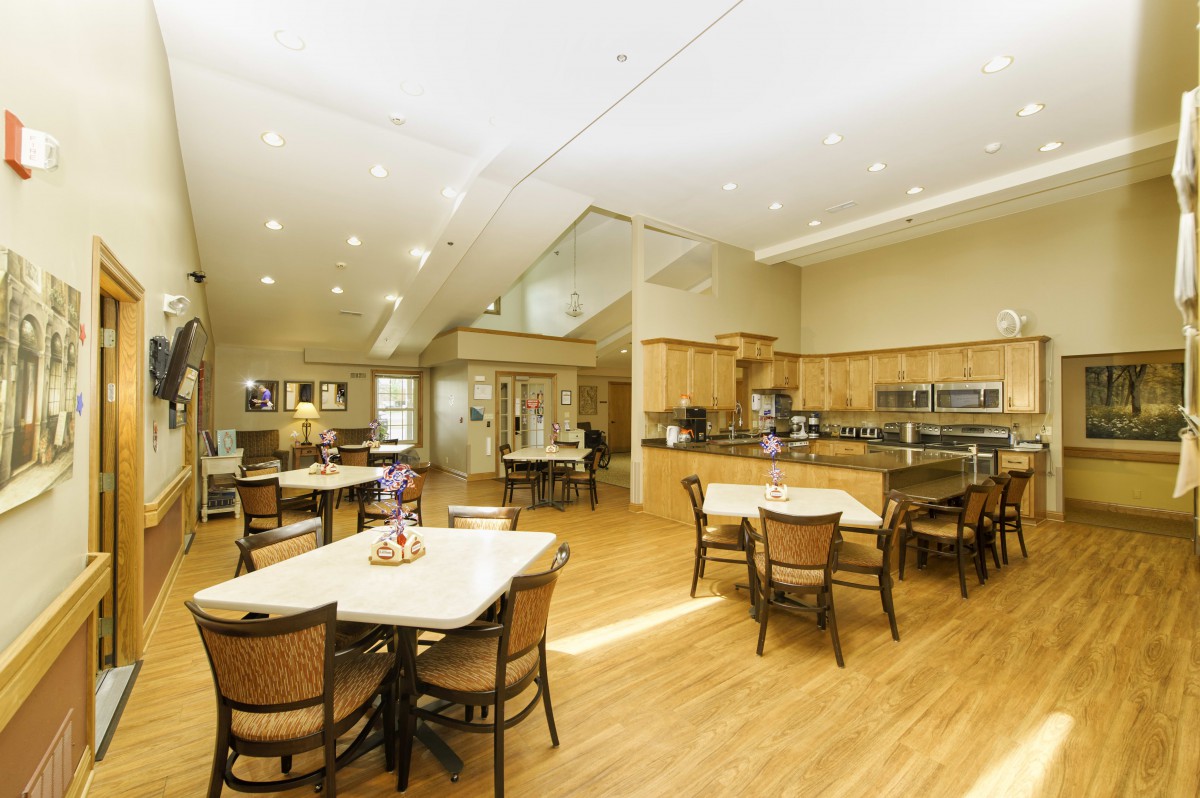
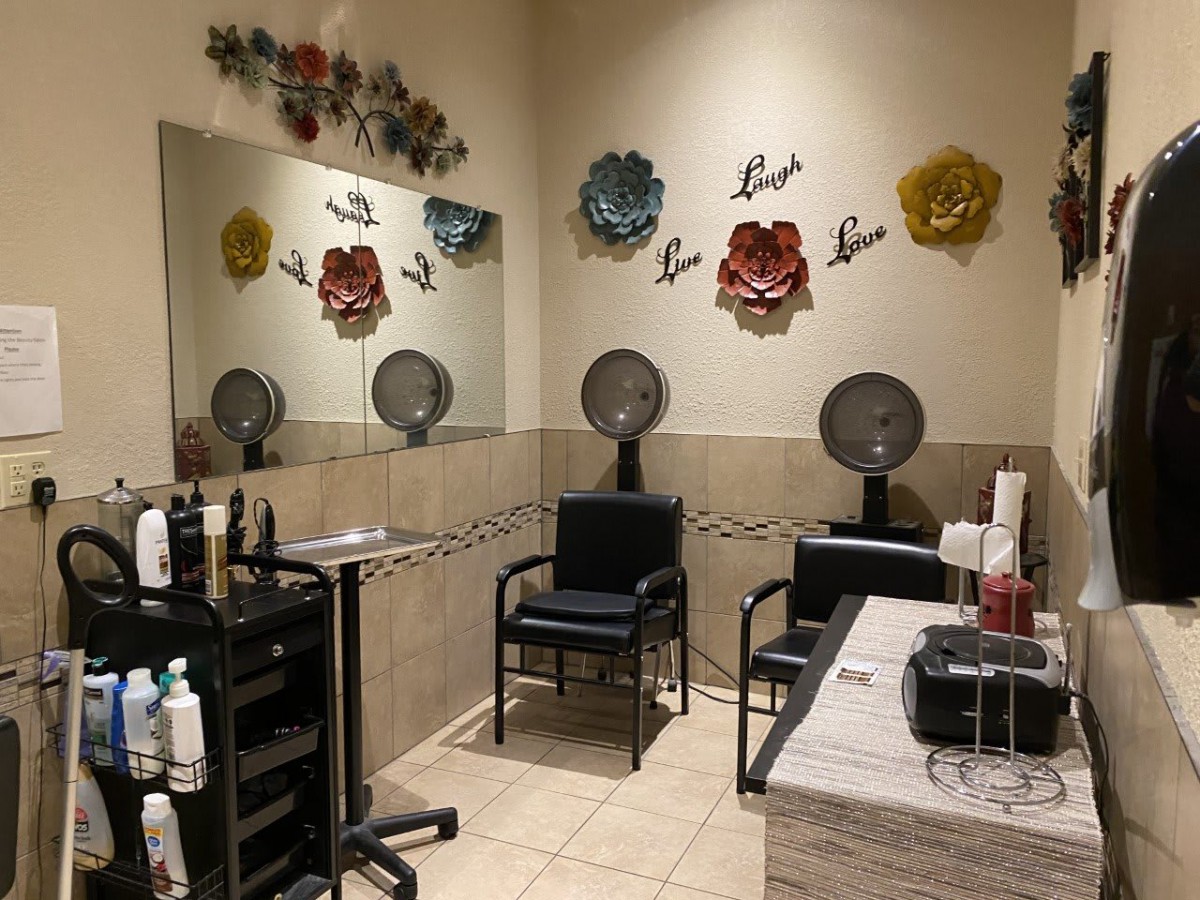
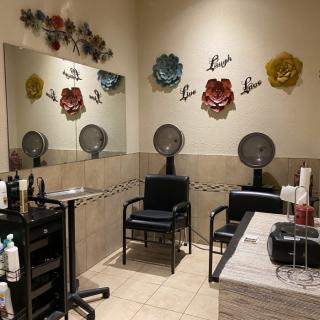
The most significant cons center on daily lived experience. Odors or a less-than-pleasant ambience, meals that have in the past run cold or uniform in quality, and rooms that feel cramped or dated can erode day-to-day comfort. The absence of a consistent in-house beautician reduces opportunities for grooming and personal care that many residents enjoy. Even more disconcerting are reports of misrepresented marketing visuals and a frank concern about financial practices, such as unpaid vendor invoices. These financial and reputational red flags are meaningful: they touch on sustainability, reliability, and the trust families place in a community’s ability to honor commitments over time. When meals, ambience, and ancillary services don’t meet expectations, the benefit of caring staff may not fully compensate.
For families seriously evaluating Robins Landing, a practical tour plan makes a critical difference. Ask for a current, restaurant-standard meal sample and a kitchen walkthrough to understand how meals are prepared, heated, and plated. Request a detailed explanation of how beautician services are scheduled or whether external partners provide tiaras, perms, or regular styling, along with a realistic view of wait times and accessibility. Probe administrator responsiveness and financial governance: request up-to-date references, a transparent overview of vendor relationships, and a copy of the most recent service contracts. Demand a clear renovation or capital-improvement plan to understand how the aging infrastructure will be addressed in the next year or two. A candid conversation about staffing ratios and turnover also clarifies whether the warmth observed in tours is a consistent standard.
In the end, Robins Landing can still be the right choice for a family that values dependable, personable caregiving and is prepared to live with an older building and some persistent service gaps. It’s a community where kindness from nurses and daily routines can translate into meaningful quality of life. However, for those who prioritize modern design, consistently exceptional dining, comprehensive beauty services, and ironclad financial transparency, alternatives deserve serious consideration. The best path is a comparative, methodical assessment: visit multiple communities, scrutinize actual mealtime quality, verify service contracts, and weigh the degree to which staff warmth and program offerings compensate for the facility’s age and the reported reliability concerns.
 Assisted Living
 Memory Care
 Cats allowed
 Dogs allowed
 Activities off-site
 Air-conditioning
 Beautician on-site
 Cable or satellite TV
 Devotional services off-site
 Ground floor units
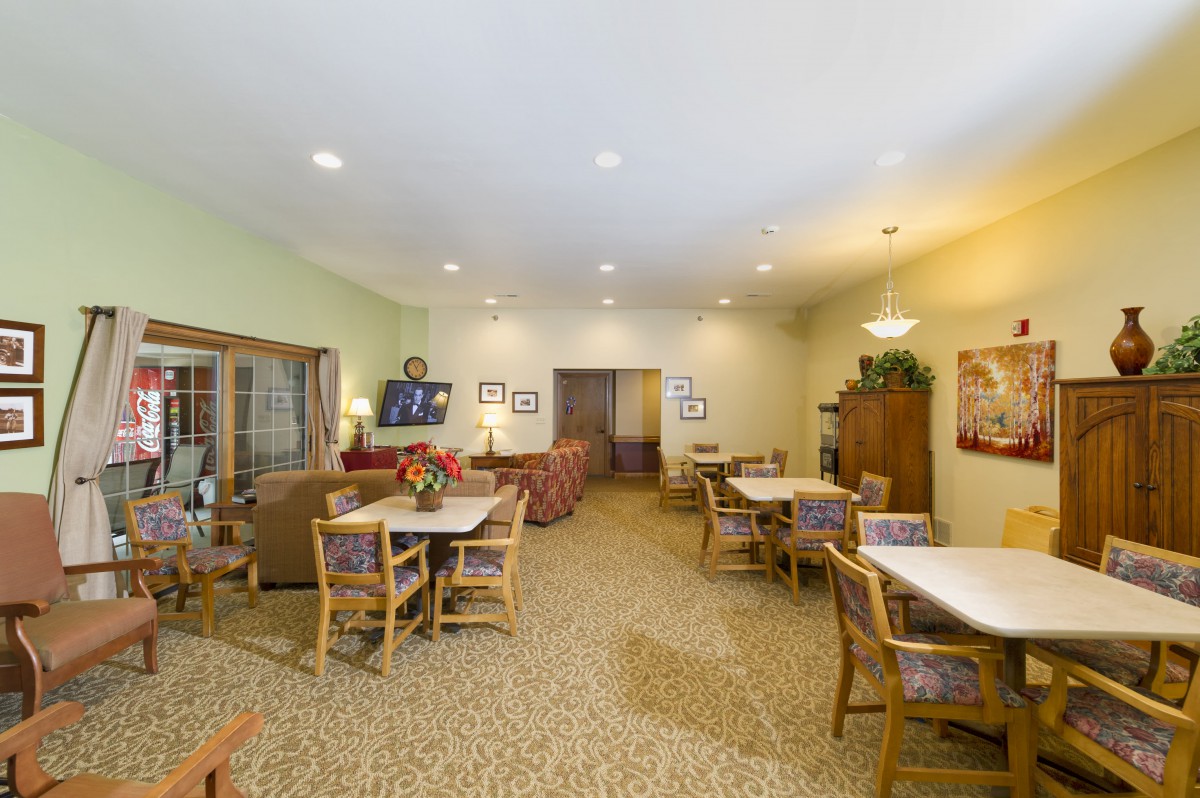
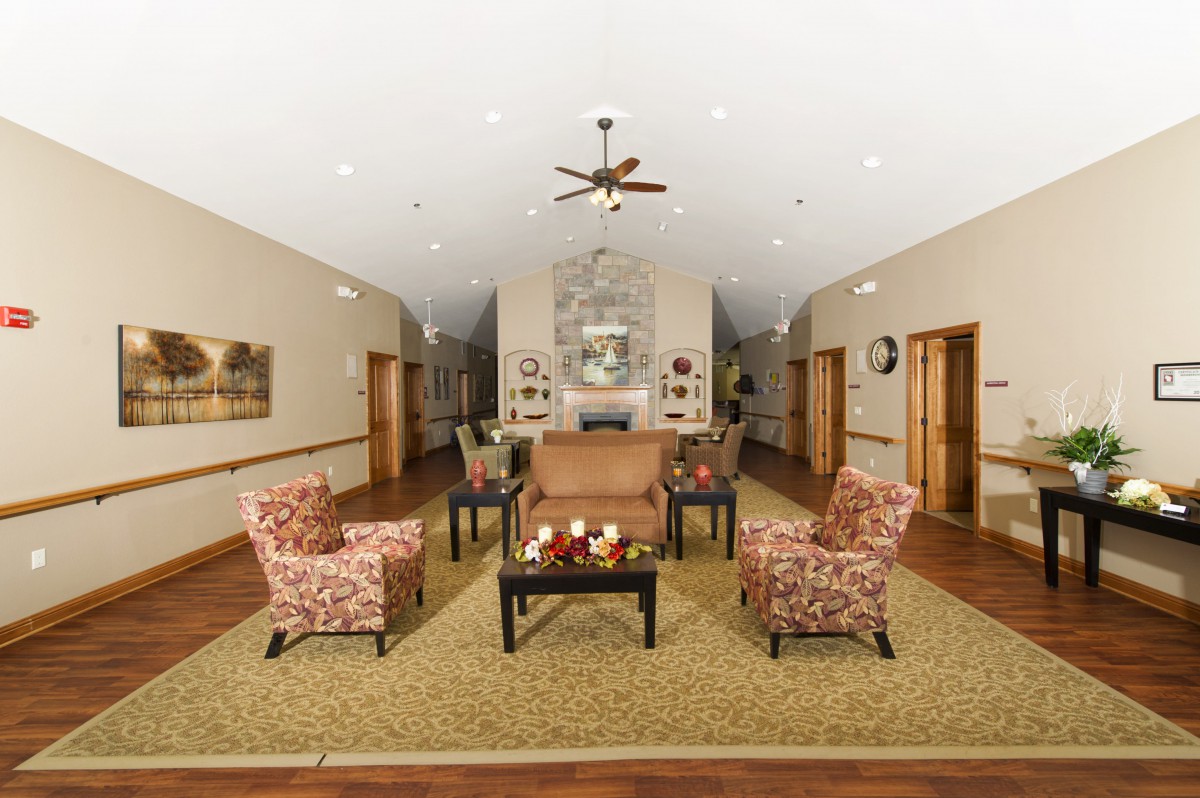
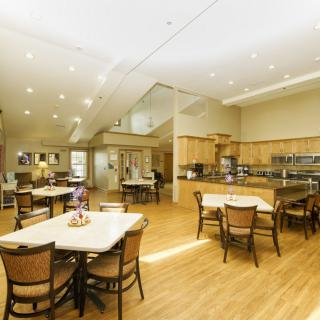
 Indoor common areas
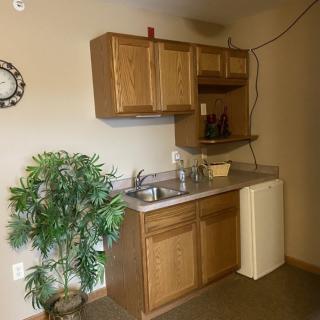
 Kitchenette
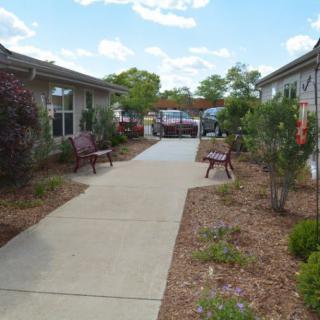
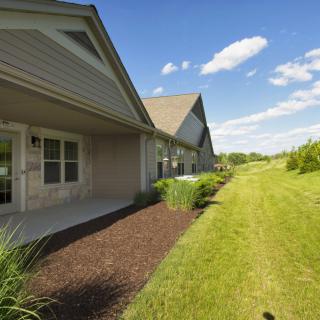
 Outdoor common areas
 Respite or short term stays offered
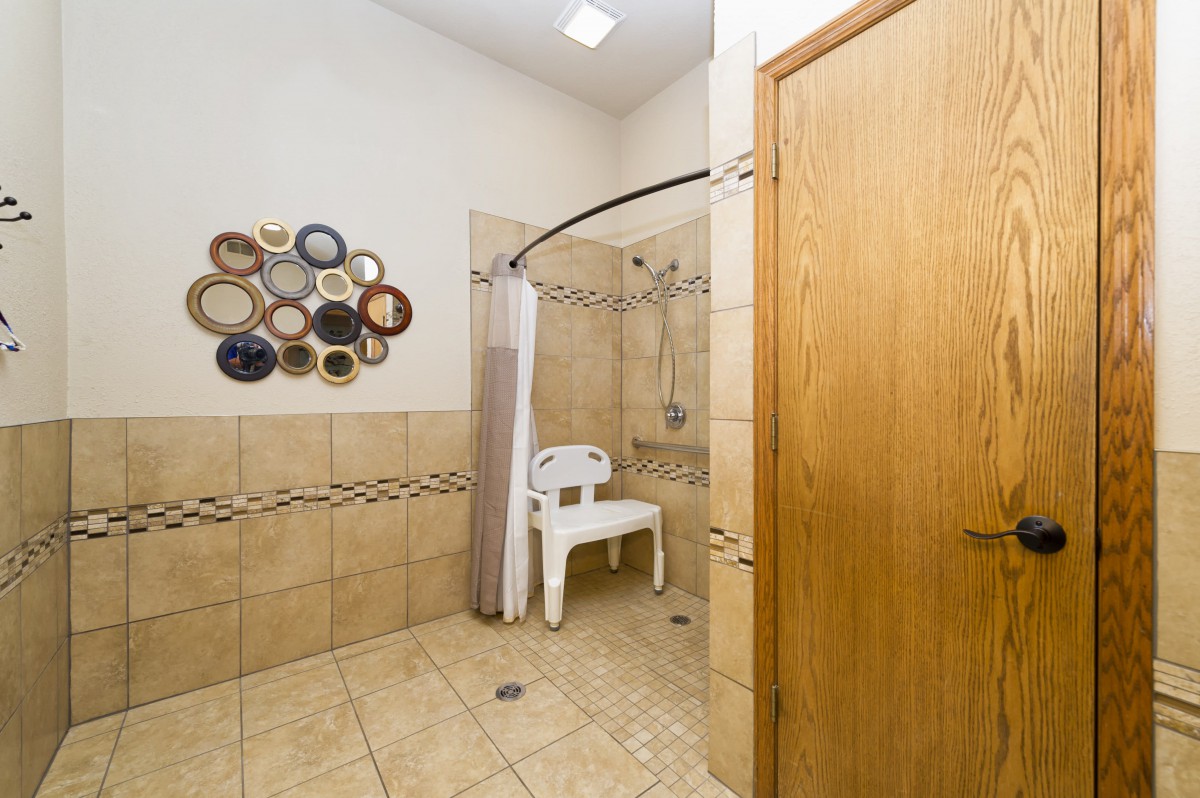
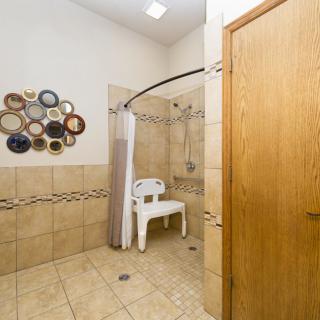
 Wheelchair accessible showers
 Wi-Fi/high-speed internet available
 General Mitchell International (11 miles away)
 Ambulatory care
 Diabetic care
 Incontinence care
 Medication management
 Guest meals
 Art classes
 Catholic services
 Educational speakers / life long learning
 Happy hour
 Live dance or theater performances
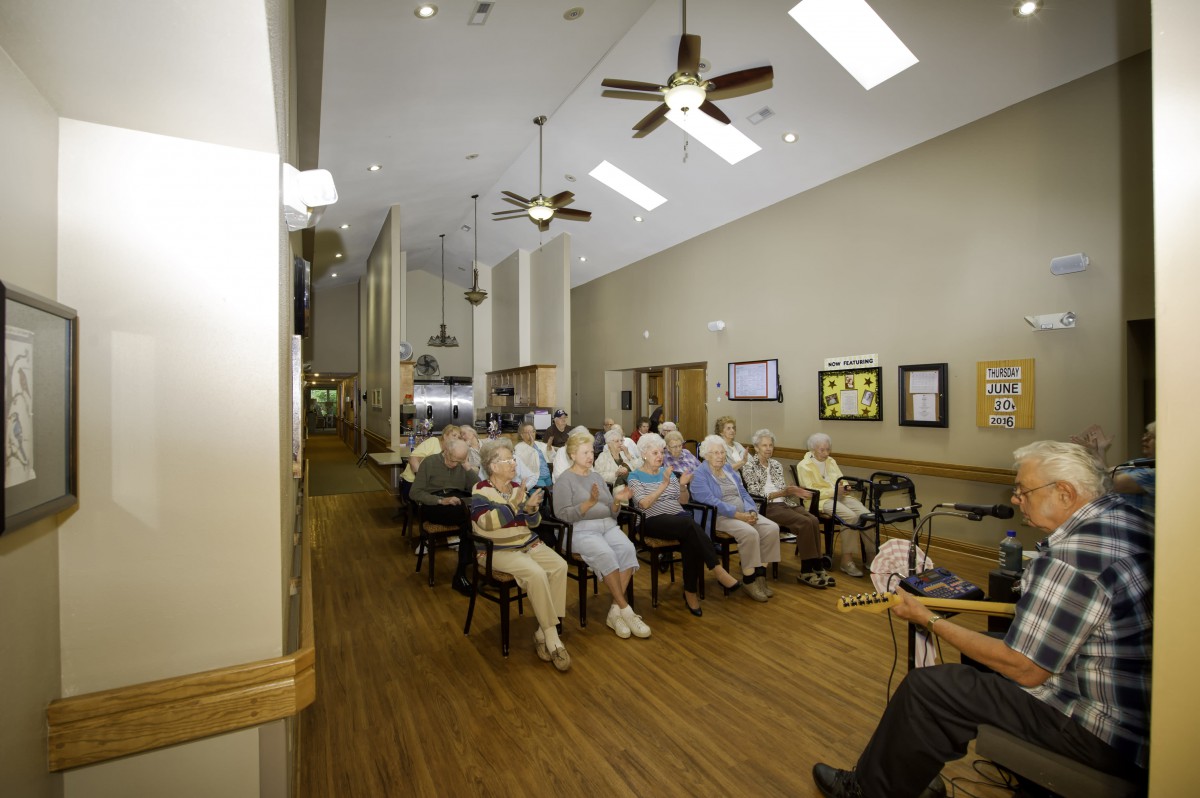
 Live musical performances

 Comprehending Evening Confusion in Dementia: Causes, Manifestations, and Support
 Delirium and Dementia: Unraveling the Key Differences
 Are Dementia and Alzheimer's Disease Lethal? A Comprehensive Exploration