Waterford Senior Living offers a range of accommodation options with monthly costs that reflect its distinguished services and amenities. For a one-bedroom unit, residents can expect to pay $4,050, which is notably higher than the average prices in Waukesha County at $2,752 and the statewide average of $3,412. Those opting for a two-bedroom suite will find a similar trend, with Waterford's rate of $4,750 exceeding both county and state figures of $2,524 and $3,111 respectively. The studio option is priced at $5,450 - considerably above the county's average of $4,225 and Wisconsin's average of $3,999. This pricing structure reflects Waterford Senior Living's commitment to providing exceptional care and a vibrant community atmosphere tailored to seniors seeking comfort and quality living.
Floor plans
Waterford Senior Living
Waukesha County
Wisconsin
1 Bedroom
$4,050
$2,752
$3,412
2 Bedrooms
$4,750
$2,524
$3,111
Studio
$5,450
$4,225
$3,999
Memory care communities with a similar price nearby
Residents describe staff as attentive, caring, and responsive.
Multiple reviews say the staff pays close attention to residents’ needs and provides hands-on help. Families also mention frequent updates, clear answers to questions, and assistance during transitions, especially when a loved one moves into assisted living or memory care. Several reviewers also comment on how professional and available staff feel during day-to-day concerns and visits.
common18 reviews mention this
Clean, well-kept facility stands out
Cleanliness and upkeep are recurring themes in reviews.
Residents and visitors repeatedly describe the building and grounds as clean, immaculate, and well-kept. Some reviewers point to specific details like a well-maintained central courtyard or a generally attractive environment for day-to-day living. Even where other experiences were mixed, reviewers frequently return to the idea that the community looks cared for.
common12 reviews mention this
Activities and social programming feel active
Reviews highlight lots of activities and social time options.
Several reviews mention that residents have access to programs, outings, and varied activities, including readings, exercises, and games. Families describe memory care residents participating in structured social and movement activities, and tours where engagement looked active during the day. One reviewer notes they would like more activity options for their specific needs, but the overall theme is that there is regular programming.
caveat7 reviews mention this
Dining quality is inconsistent
Dining receives mixed feedback from residents and families.
Some reviewers say the food is enjoyable, with comments like “loves the meals” or that food is good. Others report major frustration with meal quality—describing food as poor, not aligned with senior dietary needs, and leading residents to throw food away. Across these reviews, the main point is that dining experiences are not consistently meeting expectations.
caveat2 reviews mention this
Pricing can be higher, depending on fit
Pricing is a concern for some families, even when others feel it’s competitive.
One review calls the community very pricey, while another says overall prices are competitive with other senior care options in the area. Based on the listed price ranges, studio, one-bedroom, and two-bedroom units are positioned above county averages across unit types, with a smaller gap for studios than for larger layouts.
How we summarize
Counts show how many written reviews mention each theme; a review can touch several themes, and only frequently mentioned themes are displayed.
Features
Housing
1-bedroom apartments
2-bedroom apartments
Studio apartments
Types of Care
Assisted Living
Memory Care
Pets
Cats allowed
Amenities
Activities off-site
Activities on-site
Air-conditioning
Bath tubs
Beautician on-site
Cable or satellite TV
Devotional services on-site
Garden
Ground floor units
Guasts at mealtime
Guest parking
Handicap accessible
Housekeeping services
Indoor common areas
Kitchenette
Laundry
Outdoor common areas
Overnight guests
Party space
Private cleaning services
Resident parking
Respite or short term stays offered
Security gate
Spa
TV room
Wheelchair accessible showers
Wi-Fi/high-speed internet available
Transportation
General Mitchell International (20 miles away)
Care Services
Ambulatory care
Diabetic care
Hospice care
Incontinence care
Medication management
Physical therapy
Psychiatric care
Dining
Guest meals
Low / no sodium
Meals provided
No Sugar
Restaurant style dining
Room service
Activities
Activities off-site
Art classes
Arts and crafts
Book club
Catholic services
Cooking classes
Cooking club
Day trips and outings
Devotional activities on-site
Educational speakers / life long learning
Fitness programs
Games
Gardening club
Happy hour
Karaoke
Live musical performances
Live well programs
Other religious services
Religious services
Stories
Visiting chaplain or priest
Nearby Places of Interest
This part of Waterford, Wisconsin offers a convenient and diverse range of amenities for seniors looking to settle in the area. With various dining options such as Doc's on the Fox, Burger King, and McDonald's all within a short distance, you can enjoy delicious meals without having to travel far. Additionally, there are pharmacies like Walgreens and Aurora Pharmacy nearby for easy access to medication and health supplies. For medical care, there are reputable physicians like Eye Care Center of Waterford and Aurora Health Center in close proximity. If you enjoy spending time outdoors, the nearby parks like Fischer County Park and Bushnell Park provide peaceful settings for relaxation or exercise. Transportation options include Burlington Municipal Airport and the East Troy Electric Railroad Depot & Museum for potential travel opportunities. Overall, this area offers a well-rounded mix of amenities that cater to the needs and interests of senior residents.
Restaurants
Doc's on the Fox (0.5 miles)
Burger King (0.5 miles)
McDonald's (0.5 miles)
Crossover Cantina & Eatery (1.4 miles)
Taco Bell (4.5 miles)
Wendy's (4.5 miles)
Dover Inn (5 miles)
Pharmacies
Walgreens (0.5 miles)
Aurora Pharmacy (0.6 miles)
Pharmacy Station (0.7 miles)
H2O Health Solutions (1.9 miles)
Walmart Pharmacy (4.7 miles)
Walgreens (6.3 miles)
Pharmacy Station (6.9 miles)
Physicians
Eye Care Center of Waterford (0.5 miles)
Aurora Health Center (0.6 miles)
Advanced Pain Management (5.7 miles)
Wisconsin Pain Management Sc (5.7 miles)
Dahlgren Md Burlington (6.8 miles)
Dankle Jon MD (7.2 miles)
Aurora Health Care (7.2 miles)
Cafes
Cafe 36 (0.5 miles)
Starbucks (5.7 miles)
The Coffee House at Chestnut & Pine (6.6 miles)
Starbucks Mukwonago (8.8 miles)
2894 On Main (10.3 miles)
Vintage Grounds (11 miles)
Starbucks (12 miles)
Hospitals
Lakeview Specialty Hospital & Rehabilitation Center (2.5 miles)
Memorial Hospital of Burlington (7.2 miles)
D N Greenwald Center (8.2 miles)
Linden Grove (9.7 miles)
Eagle's Wing Free Clinic (9.9 miles)
Places of Worship
English Settlement United Methodist Church (3.2 miles)
Burlington United Methodist Church (7.8 miles)
St Leonard Catholic Church & School Muskego (10.5 miles)
Parks
Fischer County Park (5.8 miles)
Bushnell Park (6.4 miles)
Idle Isle Park (11.7 miles)
Mukwonago Dog Park (12 miles)
Schmidt Park (12.8 miles)
Transportation
Burlington Municipal Airport (BUU) (6.7 miles)
East Troy Electric Railroad Depot & Museum (10.3 miles)
Waterford Senior Living offers a range of accommodation options with monthly costs that reflect its distinguished services and amenities. For a one-bedroom unit, residents can expect to pay $4,050, which is notably higher than the average prices in Waukesha County at $2,752 and the statewide average of $3,412. Those opting for a two-bedroom suite will find a similar trend, with Waterford's rate of $4,750 exceeding both county and state figures of $2,524 and $3,111 respectively. The studio option is priced at $5,450 - considerably above the county's average of $4,225 and Wisconsin's average of $3,999. This pricing structure reflects Waterford Senior Living's commitment to providing exceptional care and a vibrant community atmosphere tailored to seniors seeking comfort and quality living.
Waterford Senior Living's incontinence care is designed to promote dignity and comfort for residents, ensuring that individuals feel supported and respected throughout their daily routines. This essential service alleviates stress related to potential accidents, allowing residents to focus on social engagement and cognitive activities that are beneficial for their well-being. Medication management is another critical feature, as it ensures that residents receive the correct doses of prescribed medications at the right times, thereby minimizing confusion and enhancing overall health outcomes. By keeping track of medication schedules, caregivers can help reduce anxiety associated with memory loss while supporting compliance with treatment plans. Additionally, physical therapy plays a vital role in maintaining mobility and physical health, which can significantly impact cognitive function and quality of life. Customized therapy programs not only assist residents in staying physically active but also encourage social interaction and mental stimulation through engaging exercises tailored to each individual's capabilities, ultimately fostering a supportive environment conducive to improved memory care.
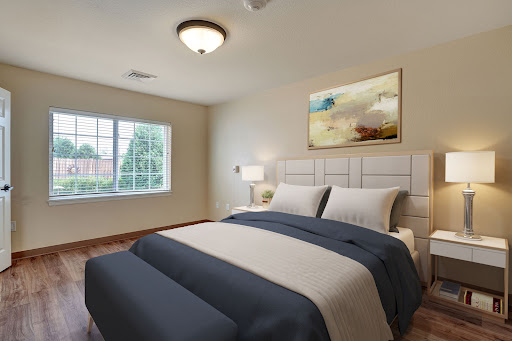
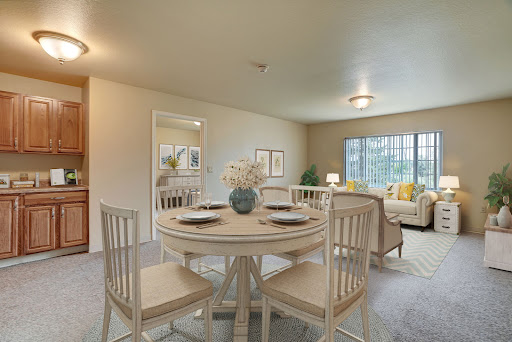
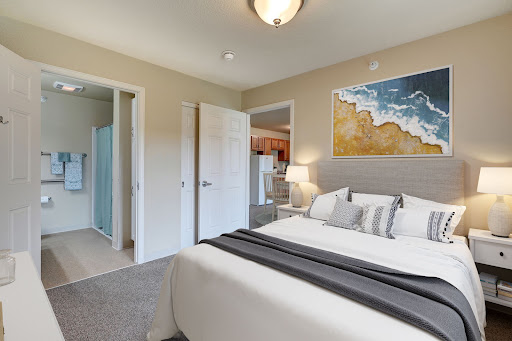
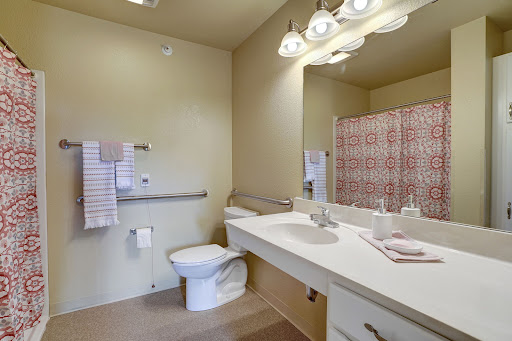
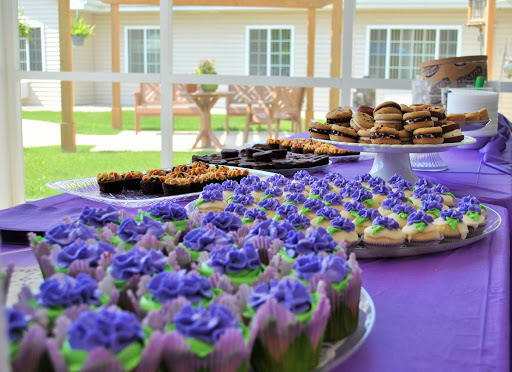
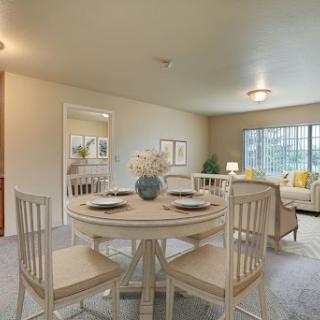
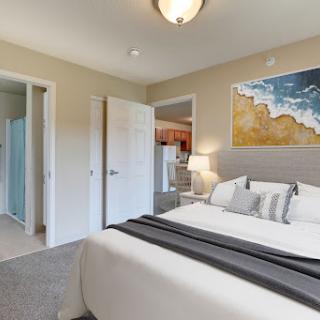
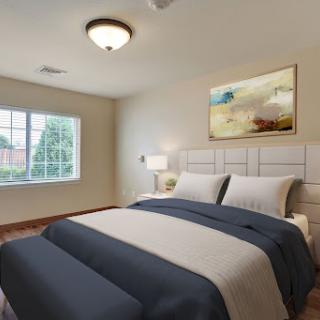
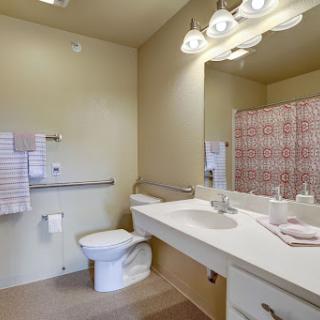
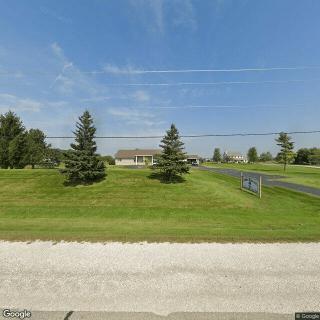
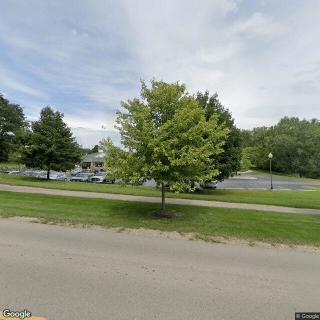
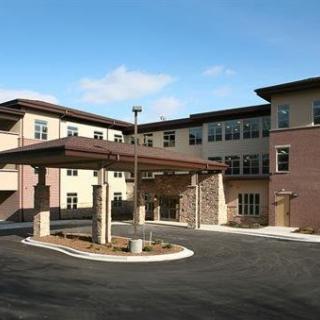
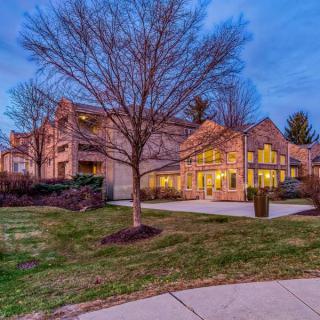
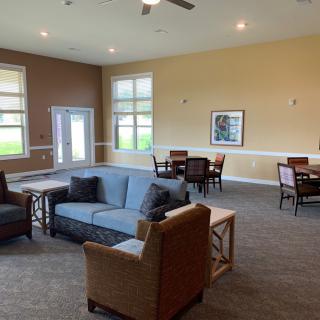
Waterford Senior Living on seniors.fyi includes 9 photos including images showing decor, bedroom, bathroom, interior, artwork, gardening, outdoors, table and chairs, and more.
Nearby Communities
Waterford Memory Care (Community Based Residential Facility)
Waterford, WI
4.2 from 9 reviews
Clean, well-maintained facility with friendly staff and engaging activities.
Elizabeth III
Waterford, WI
4.9 from 107 reviews
Comprehensive care (24-hour supervision, ADL assistance, medication management) in a fully furnished setting with meals and outdoor spaces.
Elizabeth IV
Waterford, WI
4.5 from 104 reviews
Fully furnished assisted living with 24-hour supervision and comprehensive care services.
Hil Fox Mead Group Home
Waterford, WI
5 from 12 reviews
Small, intimate 8-bed group home with personalized care and comprehensive services (24-hour supervision, ADL assistance, meals, medication coordination, and medical transport).
Dolphin House, LLC
Waterford, WI
3.6 from 7 reviews
$3,500 / month
Clean, home-like environment with a small resident group and flexible visiting hours.
Waterford Place Assisted Living & Memory Care
Waterford, WI
4.3 from 57 reviews
$2,850 to $3,780 / month
Attentive staff and quality memory care with engaging activities.
Oak Park Place Burlington
Burlington, WI
4.8 from 120 reviews
Caring, attentive staff in a clean, welcoming setting with engaging activities and good dining.
Oak Ridge Care Center
Union Grove, WI
3.4 from 42 reviews
Clean facility with caring staff and good communication with families.
Woodview Senior Apartments
Muskegon, WI
5 from 7 reviews
$725 to $850 / month
Friendly, patient local residents create a welcoming, cozy community.
The article highlights eight indicators that a loved one with dementia may require specialized memory care, emphasizing the emotional and logistical challenges families encounter in this decision. It discusses signs such as difficulties with daily tasks, safety concerns, and caregiver burnout, suggesting that memory care facilities can provide the necessary support and structured environments for those experiencing cognitive decline.
Dementia, primarily caused by Alzheimer's disease but also linked to other conditions, leads to cognitive decline impacting memory and daily functioning, with individuals experiencing varied awareness of their impairments. Despite memory loss, emotional connections persist, enabling responses to familiar stimuli, highlighting the need for caregivers to provide compassionate support that recognizes both limitations and retained emotional depth.
The article presents five subtle indicators of dementia, such as memory lapses and mood swings, to help families assess cognitive decline in loved ones. It emphasizes early detection, open communication, and seeking professional help while providing practical support steps.
Dining, Natural Light, Table And Chairs, and Home Interior
Windows
Bathroom
Lighting
Garden
Outdoor
Outdoors and Gardening
Nature
Additional Photos
Get PricingAsk A QuestionSchedule A TourContact Senior Advisor
By clicking submit, you agree to our Partner's Terms of Use. You
also consent to receive calls and texts, which may be autodialed, from our Partner. Your consent is not a condition to
using our Partner's service. Please visit our Partner's Privacy Policy for information about their privacy practices.









 1-bedroom apartments
 Assisted Living
 Memory Care
 Cats allowed
 Activities off-site
 Air-conditioning
 Bath tubs
 Beautician on-site
 Cable or satellite TV
 Devotional services on-site
 Garden
 Ground floor units
 Guasts at mealtime
 Guest parking
 Handicap accessible
 Housekeeping services
 Indoor common areas
 Kitchenette
 Laundry
 Outdoor common areas
 Overnight guests
 Party space
 Respite or short term stays offered
 Security gate
 Spa
Spa Wheelchair accessible showers
 Wi-Fi/high-speed internet available
 General Mitchell International (20 miles away)
 Ambulatory care
 Diabetic care
 Hospice care
 Incontinence care
 Medication management
 Physical therapy
 Psychiatric care
 Guest meals
 Art classes
 Book club
 Catholic services
 Cooking classes
 Day trips and outings
 Educational speakers / life long learning
 Fitness programs
 Games
Games Happy hour
 Karaoke
 Live musical performances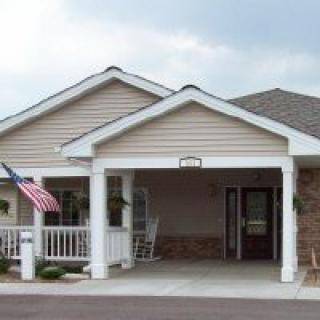
 Clean, well-maintained facility with friendly staff and engaging activities.

 8 Important Indicators That Memory Care May Be Necessary
 Delving into the Inner World of Dementia: Insights into Thoughts and Awareness
 Five Subtle Dementia Indicators to Observe: An In-Depth Guide to Understanding “Does My Mom Have Dementia?”