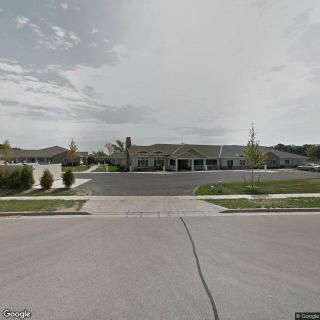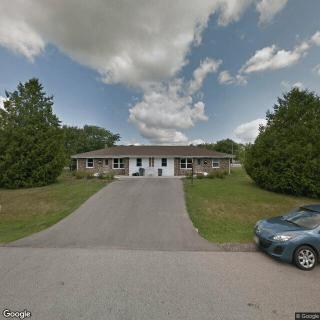
Waterford Memory Care (Community Based Residential Facility) in Waterford, WI

Save
Waterford Memory Care (Community Based Residential Facility)

Waterford Memory Care (Community Based Residential Facility) in Waterford, WI

301 South Sixth Street, Waterford, WI 53185

For more information about senior living options: (844) 490-3973

4.2 from 9 reviews
5 stars
5
4 stars
1
3 stars
3
2 stars
0
1 stars
0

Assisted Living Board and Care Home Memory Care

Overall Review of Waterford Memory Care (Community Based Residential Facility)

Pros

  • pro Waterford Senior Living was clean, very well staffed, and offered a wide range of activities and high?quality amenities for residents.
  • pro The facility was chosen for its cleanliness, friendly staff, and residents who appeared happy and engaged, with strong COVID safety precautions.
  • pro It was well laid out, with good rooms, pleasant views, and a peaceful setting.
  • pro There was an on-site Dollar Store that residents appreciated, along with diverse activities.
  • pro The building features a large activity room, a piano, visiting singers, and a hair salon.
  • pro The staff are caring and kind, with professional management delivering excellent care.
  • pro The center park setting adds charm, with games and flowers.

Cons

  • pro The meals are of very poor quality and not edible for senior diets, with tough meat, excessive rice/pasta fillers, cucumbers served often, and meals that are sometimes under- or overcooked.
  • pro The rooms are bare and small, with no available two-bedroom options that have doors.
  • pro There are not enough activities for residents who want to go out or stay engaged.
  • pro There is little crossover between memory care and the assisted living facilities.
  • pro The facility is very pricey, making it affordable only for those who can pay.

Review

This Waterford campus is best suited for families seeking a clean, well-staffed memory-care environment in a peaceful, pedestrian-friendly setting, where residents can participate in a steady rhythm of supervised activities and under-the-roof conveniences. It works well for memory-care residents who benefit from a contained, activity-rich atmosphere, strong daily structure, and on-site amenities that support personal care and social engagement. Those prioritizing a larger living space, many two-bedroom options, or deeper integration between separate living wings will want to consider alternatives. The price point also matters: families on tight budgets or aiming for top-tier dining and variety may find other communities more aligned with those expectations.

Pros are consistently pointed to as the backbone of the Waterford experience. The campus is repeatedly described as clean and well maintained, with staff who are plentiful and attentive, yielding a sense of safety and daily reliability for residents. The activity calendar is robust, with a variety of programming, visitors, and in-house offerings that foster engagement rather than isolation. Residents enjoy tangible perks such as on-site hair services, an inviting center gathering space, a garden with light cultivation activities, a piano in the common area, and occasional live or semi-structured programming that makes the day feel purposeful. The environment, layout, and neighborhood setting - centered around a tranquil park-like interior - also contribute to a comfortable, lived-in feel that families often report as a key positive.

Yet, there are clear drawbacks that families must weigh against those strengths. A recurring concern is the quality and appeal of meals, with several reviewers describing food as not meeting senior-diet expectations, sometimes under- or overcooked and lacking in variety. This can erode appetite and lead to wasted meals, which compounds cost considerations in a setting that already carries a premium price. Room sizes and configurations emerge as another notable limitation: several accounts describe interiors as small or sparsely furnished, with particular frustration around the absence of two-bedroom options or rooms with doors for more private, caregiver-assisted living. And while the campus excels at staffing, there is a palpable sense that memory-care programming operates somewhat separately from assisted living, limiting cross-over activities or shared spaces that might enhance meaningful interaction for residents who drift between programs.

These positives do not vanish simply because the drawbacks exist; they instead shape a calculus for decision-making. Cleanliness and dependable staffing provide a solid foundation that makes the higher price easier to justify for families who value consistent care and predictable routines. The depth of daily engagement - combined with the on-site conveniences like a garden, salon, and social programming - helps residents stay mentally and socially active, which in turn can offset some dissatisfaction with dining or room size. In short, the beneficial elements create a high-quality baseline of care and everyday life, but they do not fully erase the friction created by limited dining variety, modest accommodations, and the sense of program silos between memory care and assisted living.

Families should consider alternatives if simplicity, space, or price are non-negotiables. For those who want more generous living quarters, or two-bedroom suites with doors, the current Waterford offering may feel restrictive. If a dining program that consistently delivers senior-appropriate cuisine is a priority, exploring other communities with more developed kitchen and menu options is prudent. Similarly, households needing tighter integration between memory care and general assisted living - where activities and staff rotate seamlessly across levels - may find the cross-program experience at Waterford less cohesive than desired. In these cases, comparing multiple facilities that balance memory-care specialization with more expansive room configurations and broader dining choices is wise.

For a practical, informed decision, start with a targeted tour that emphasizes the resident experience beyond the brochure. Ask specific questions about room options, including the availability of two-bedroom layouts and doors on rooms; request sample menus and recent dietary feedback from residents; review the activity calendar for memory-care-specific programming and opportunities for cross-age engagement; and verify the staff-to-resident ratios during peak times. Cultural and spiritual offerings, such as chapels and quiet spaces, are meaningful to many families and should be weighed alongside practical considerations. Above all, observe interactions between staff and residents, assess how memory-care residents participate in activities, and gauge whether the environment feels genuinely responsive to changing needs. This approach yields a candid, practical recommendation tailored to both the resident's preferences and the family's budget.

Features

Housing

  • 6 resident community capacity 6 resident community capacity
  • 1-bedroom apartments 1-bedroom apartments1-bedroom apartments are important for seniors because they provide a sense of independence, privacy, and autonomy while still offering the necessary space for comfortable living. These apartments allow seniors to maintain their own personal space and lifestyle preferences in a supportive community setting.
  • 2-bedroom apartments 2-bedroom apartments2-bedroom apartments are important for seniors because they provide extra space for guests, hobbies, and caregivers, as well as potential for additional income through roommates or rental.
  • Studio apartments Studio apartmentsStudio apartments are important for seniors because they offer a smaller, more manageable living space that is easier to navigate and maintain as physical abilities decline. Additionally, studio apartments provide seniors with independence and privacy while still being part of a community that offers support and social opportunities.

Types of Care

  • Assisted Living Assisted LivingAssisted living facilities provide crucial support and care for seniors who may need help with daily tasks such as medication management, bathing, and meal preparation. These communities offer a safe and comfortable environment where seniors can maintain their independence while receiving the assistance they need to thrive in their golden years.
  • Board and Care Home Board and Care HomeBoard and care homes provide a smaller, more intimate setting for seniors who require assistance with daily tasks but do not need the level of care offered by a nursing home. They offer personalized care, meals, and social activities in a homelike environment, ensuring that seniors receive individualized attention and support in their golden years.
  • Memory Care Memory CareMemory care is crucial for seniors as it provides specialized support and services for individuals with dementia or Alzheimer's disease. These programs offer a safe and secure environment where residents receive personalized care, cognitive stimulation, and help with daily activities. Memory care helps seniors maintain their independence, quality of life, and dignity while also providing peace of mind for their families.

Amenities

  • Beautician on-site Beautician on-siteHaving a beautician on-site at a senior living community is important for seniors as it allows them to easily access grooming and personal care services, boosting their self-esteem and overall well-being. It also provides convenience and helps seniors maintain their sense of independence and personal style.
  • Cable or satellite TV Cable or satellite TVCable or satellite TV is important for seniors because it provides entertainment, news, and companionship, helping to combat loneliness and boredom. It also offers a wide range of programming options tailored to different interests and preferences.
  • Dining room Dining roomDining rooms are important for seniors as they provide a space for socialization, connection, and nutritious meals. They offer opportunities for residents to bond over shared meals, foster a sense of community, and promote healthy eating habits. Dining rooms also ensure that seniors have access to well-balanced meals tailored to their dietary needs and preferences.
  • Fully furnished Fully furnishedFully furnished senior living communities are important for seniors because they provide convenience, comfort, and a hassle-free moving experience. Seniors can easily settle into their new living space without the stress of having to buy and move furniture. This allows them to focus on enjoying their new home and community.
  • Garden GardenGardens are important for seniors as they provide a peaceful and therapeutic environment for relaxation, physical activity, and socialization. Being in nature has been shown to reduce stress, improve mood, and promote overall well-being. Gardens also offer opportunities for seniors to engage in gardening activities, which can improve mobility, flexibility, and cognitive function. Additionally, gardens create a sense of community and connection with others who share a passion for plants and outdoor spaces.
  • Guasts at mealtime Guasts at mealtime"Guests at mealtime" offer seniors the opportunity for social interaction, companionship, and a sense of community during meals, which can help combat feelings of loneliness and isolation commonly experienced in senior living environments. It can also enhance their overall dining experience and improve their mental and emotional well-being.
  • Guest parking Guest parkingGuest parking is important for seniors because it allows their friends and family members to visit them easily and safely. Having convenient parking options can help combat feelings of isolation and loneliness, promote regular social interaction, and improve overall mental and emotional well-being for seniors in senior living communities.
  • Housekeeping services Housekeeping servicesHousekeeping services are important for seniors because they help maintain a clean and safe living environment, promote independence, and reduce the risk of accidents or illnesses. Additionally, having assistance with household chores can alleviate physical strain and allow seniors to focus on other aspects of their well-being.
  • Laundry LaundryLaundry services are important for seniors as they may have difficulty with physical tasks such as bending, lifting, or carrying heavy loads. Having access to laundry services can help seniors maintain personal hygiene, cleanliness, and independence in their daily lives.
  • Move-in coordination Move-in coordinationMove-in coordination is important for seniors because it helps ease the transition into their new living environment. It ensures that all logistics, such as packing, organizing movers, and setting up utilities are taken care of, allowing seniors to focus on settling in and adjusting to their new home. Having a smooth move-in process can alleviate stress and anxiety, making the transition smoother and more enjoyable for seniors.
  • Outdoor space Outdoor spaceOutdoor spaces are important for seniors as they provide opportunities for physical activity, social interaction, exposure to natural light and fresh air, and a sense of connection to nature. Having access to outdoor spaces can improve overall well-being and quality of life for older adults living in senior communities.
  • Overnight guests Overnight guestsOvernight guests provide companionship, social engagement, and emotional support for seniors in senior living communities. They can help reduce feelings of loneliness, isolation, and boredom, while also promoting mental well-being and overall quality of life. Additionally, overnight guests can offer a sense of familiarity and comfort for seniors who may be transitioning into a new living environment.
  • Party space Party spaceHaving access to party space is important for seniors as it provides opportunities for socialization, connection, and enjoyment. These spaces allow seniors to celebrate special occasions, host gatherings with friends and family, and participate in community events, enhancing their overall well-being and quality of life.
  • Private cleaning services Private cleaning servicesPrivate cleaning services are important for seniors because they provide a safe and healthy living environment, maintain independence, and alleviate the physical strain of household chores. These services ensure that seniors can remain in their own homes longer and enjoy a higher quality of life.
  • Resident parking Resident parkingResident parking is crucial for seniors in a senior living community as it provides convenience, accessibility, and safety for residents who may have limited mobility or rely on personal vehicles for transportation. Having designated parking spaces ensures that seniors can easily access their homes without having to walk long distances or navigate crowded parking lots, ultimately enhancing their overall quality of life and sense of independence.
  • Security gate Security gateSecurity gates provide an added layer of protection and peace of mind for seniors living in a community. They help prevent unauthorized entry, deter potential intruders, and create a sense of security for residents. This extra security measure can make seniors feel safe and secure in their living environment.
  • Spa SpaSpas are important for seniors because they provide relaxation, stress relief, and therapeutic benefits which can improve their overall well-being and quality of life. Additionally, spa treatments such as massages, hydrotherapy, and aromatherapy can help alleviate common age-related ailments such as arthritis, joint pain, and circulation issues. Seniors deserve to enjoy a pampering experience that promotes physical and emotional wellness.
  • TV room TV roomTV rooms are important for seniors in senior living communities because they provide a space for social interaction, entertainment, and relaxation. Watching TV can help reduce feelings of loneliness and boredom, and create a sense of community among residents. Additionally, TV rooms offer a break from daily routines and can be a source of comfort and familiarity for seniors.
  • Telephone TelephoneTelephones are important for seniors as they provide a lifeline for communication with loved ones, emergency services, and healthcare providers. They offer a sense of security and independence, enabling seniors to stay connected and access assistance when needed.
  • Wi-Fi/high-speed internet available Wi-Fi/high-speed internet availableWi-Fi/high-speed internet is important for seniors to stay connected with loved ones, access online resources, and participate in virtual activities to combat feelings of loneliness and isolation. It also allows them to easily manage healthcare needs, access entertainment, and engage in lifelong learning opportunities.

Transportation

  • General Mitchell International (20 miles away) General Mitchell International (20 miles away)

Care Services

  • 24-hour supervision 24-hour supervision24-hour supervision is important for seniors to ensure their safety, well-being, and access to immediate assistance in case of emergencies or health issues. This constant support provides peace of mind for both seniors and their loved ones, allowing them to age in place with dignity and security.
  • Activities of daily living assistance Activities of daily living assistanceActivities of daily living assistance are important for seniors because they provide essential support with tasks such as eating, bathing, dressing, and mobility. This assistance helps seniors maintain their independence, dignity, and overall quality of life as they age.
  • Assistance with bathing Assistance with bathingAssistance with bathing is crucial for seniors as it helps maintain personal hygiene, prevents infections, and ensures their overall well-being and comfort. It also provides a sense of dignity and independence for seniors who may struggle with this task on their own.
  • Assistance with dressing Assistance with dressingAssistance with dressing is important for seniors because it helps maintain their independence, promotes personal hygiene, prevents accidents and injuries, and improves overall quality of life. This service ensures that seniors can continue to dress comfortably and confidently, despite any physical limitations they may have.
  • Assistance with transfers Assistance with transfersAssistance with transfers is crucial for seniors as it helps prevent falls and injuries, maintains their independence, and ensures they can safely navigate their living environment. It also provides peace of mind for both seniors and their loved ones.
  • Coordination with health care providers Coordination with health care providersCoordination with health care providers is crucial for seniors to ensure proper medical care, medication management, and overall well-being. This collaboration helps prevent overlapping treatments, track progress more effectively, and provide comprehensive support tailored to individual needs.
  • Dementia waiver Dementia waiverDementia waivers are essential for seniors as they provide critical protections and accommodations for those experiencing cognitive decline. These waivers ensure individuals with dementia receive appropriate care, support, and resources to maintain their quality of life and dignity as they navigate the challenges of this progressive condition.
  • Diabetes diet Diabetes dietA diabetes diet is crucial for seniors as it helps manage blood sugar levels, reduce risks of complications, and improve overall health and well-being. By following a balanced and nutritious diet tailored to their specific needs, seniors can better control their diabetes and enhance their quality of life.
  • Hospice care Hospice careHospice care is important for seniors as it provides specialized end-of-life support, pain management, and emotional comfort for both the senior and their loved ones. It allows seniors to maintain dignity, receive personalized care, and spend their remaining time in a peaceful and comfortable environment.
  • Hospice waiver Hospice waiverHospice waivers are important for seniors because they allow individuals to receive specialized end-of-life care and support at home or in a hospice facility. This waiver ensures that seniors can access the necessary resources and services to maintain comfort and dignity during their final days.
  • Meal preparation and service Meal preparation and serviceMeal preparation and service are crucial for seniors as they may have limited mobility or energy to cook nutritious meals. Having access to healthy and convenient food options can ensure they are getting the proper nutrition needed to maintain their overall health and well-being.
  • Medication management Medication managementMedication management is crucial for seniors to ensure they are taking the right medications at the correct dosages and times. This helps prevent adverse drug interactions, reduces the risk of medication errors, and promotes overall health and well-being. Proactive management also allows for adjustments as needed based on changing health conditions or new prescriptions.
  • Mental wellness program Mental wellness programMental wellness programs are essential for seniors as they promote cognitive stimulation, emotional support, and social engagement. These programs help prevent isolation, depression, and cognitive decline, ultimately enhancing the overall quality of life for older adults.
  • Mild cognitive impairment Mild cognitive impairment"Mild cognitive impairment" is important for seniors because it is an early stage of cognitive decline that can potentially progress to more severe conditions such as dementia. Recognizing and addressing mild cognitive impairment can help seniors receive appropriate care and support to maintain their quality of life and independence for as long as possible.
  • Physical therapy Physical therapyPhysical therapy is essential for seniors to maintain and improve their mobility, strength, and overall quality of life. It helps reduce pain, prevent falls, and enhance independence in daily activities. By promoting movement and function, physical therapy can help seniors stay active, healthy, and engaged in their communities.
  • Psychiatric care Psychiatric carePsychiatric care is important for seniors as they may experience mental health issues such as depression, anxiety, or dementia. Proper diagnosis and treatment can improve quality of life, cognitive function, and overall well-being in older adults.
  • Special dietary restrictions Special dietary restrictionsSpecial dietary restrictions are important for seniors because age-related changes in metabolism and health conditions can make it difficult for their bodies to process certain foods. By following a diet tailored to their specific needs, seniors can maintain their overall health and well-being, manage chronic conditions, and reduce the risk of complications such as malnutrition or food interactions with medications.
  • Specialized memory care programming Specialized memory care programmingSpecialized memory care programming is crucial for seniors with cognitive impairments such as dementia or Alzheimer's disease. These programs provide a safe and supportive environment tailored to the unique needs of individuals with memory loss, helping them maintain their independence, dignity, and quality of life.
  • Transportation arrangement (medical) Transportation arrangement (medical)Transportation arrangements for medical purposes are essential for seniors as they may have difficulty driving themselves to appointments or accessing public transportation. Having reliable and safe transportation options ensures that seniors can receive timely medical care and maintain their health and well-being.
  • Transportation to doctors appointments Transportation to doctors appointmentsTransportation to doctors' appointments is crucial for seniors as it ensures they have access to necessary medical care and support for their health needs. Without reliable transportation, seniors may struggle to attend important appointments, leading to potential delays in treatment and health complications. Providing transportation services helps seniors maintain their overall well-being and quality of life.

Dining

  • Diabetes diet Diabetes dietA diabetes diet is crucial for seniors as it helps manage blood sugar levels, reduce risks of complications, and improve overall health and well-being. By following a balanced and nutritious diet tailored to their specific needs, seniors can better control their diabetes and enhance their quality of life.
  • Special dietary restrictions Special dietary restrictionsSpecial dietary restrictions are important for seniors because age-related changes in metabolism and health conditions can make it difficult for their bodies to process certain foods. By following a diet tailored to their specific needs, seniors can maintain their overall health and well-being, manage chronic conditions, and reduce the risk of complications such as malnutrition or food interactions with medications.

Activities

  • Activities off-site Activities off-siteActivities off-site are crucial for seniors as they provide opportunities for socialization, mental stimulation, and physical activity outside of their usual routine. This helps combat feelings of isolation and boredom, promotes overall well-being, and allows seniors to remain engaged in the community.
  • Arts and crafts Arts and craftsEngaging in arts and crafts activities provides seniors with a creative outlet, promotes cognitive function, enhances dexterity and fine motor skills, fosters social interaction, and boosts overall well-being and mental health.
  • Book club Book clubBook clubs are important for seniors because they provide socialization, intellectual stimulation, and a sense of community. They offer the opportunity to engage in meaningful discussions, share perspectives, and connect with others who share a love of reading. Book clubs can also help seniors stay mentally active and combat feelings of loneliness or isolation.
  • Community-sponsored activities Community-sponsored activitiesCommunity-sponsored activities are important for seniors as they provide opportunities for social interaction, mental stimulation, and physical activity. These activities can help improve overall well-being, combat loneliness and isolation, and promote a sense of belonging and purpose among older adults.
  • Cooking club Cooking clubCooking clubs are important for seniors as they provide social interaction, mental stimulation, and the opportunity to learn new recipes and cooking techniques. These clubs also promote healthy eating habits and can improve overall well-being and quality of life for seniors.
  • Educational speakers / life long learning Educational speakers / life long learningEducational speakers and lifelong learning opportunities are crucial for seniors as they provide mental stimulation, promote social engagement, and contribute to overall well-being. Continuous learning helps seniors stay mentally sharp, build new skills, and maintain a sense of purpose and fulfillment in their lives. It also allows them to stay connected to the world around them and fosters a sense of community within senior living facilities.
  • Fitness programs Fitness programsFitness programs are crucial for seniors as they help improve strength, flexibility, balance, and overall well-being. Staying active can reduce the risk of chronic diseases, improve mental health, and enhance quality of life in older adults.
  • Games GamesGames are an essential part of senior living as they help promote cognitive function, social interaction, and overall well-being. Playing games can improve memory, concentration, and decision-making skills while also providing a fun and engaging way to connect with others. Seniors who participate in games regularly tend to experience higher levels of satisfaction and happiness in their daily lives.
  • Gardening club Gardening clubGardening clubs are important for seniors because they provide a sense of community, promote physical activity and mental well-being, and offer opportunities for socialization and connection with nature. Gardening can also improve cognitive function and overall quality of life for seniors.
  • Live musical performances Live musical performancesLive musical performances can provide seniors with a sense of joy, nostalgia, and connection. Music has the power to evoke emotions and memories, improve mood and cognitive function, and foster social interaction among seniors. It can also serve as a form of therapy and stress relief for older adults, making it an important activity to include in senior living communities.
  • Religious services Religious servicesReligious services provide seniors with a sense of community, support, and spiritual fulfillment, which can improve their overall well-being and mental health. It also offers them opportunities for socialization and connection with others who share their beliefs.
  • Scheduled daily activities Scheduled daily activitiesScheduled daily activities are important for seniors because they provide structure, socialization, mental stimulation, and physical activity. Engaging in regular activities can improve overall well-being and quality of life for seniors living in a community setting.
  • Stories StoriesStories are important for seniors because they provide a sense of connection, stimulate memory and cognitive function, and offer entertainment and emotional engagement. Sharing stories can foster social interaction and create a sense of community among seniors, enhancing their overall well-being and quality of life.

Description

Waterford Memory Care is a community-based residential facility located in Waterford, WI. Our facility offers comfortable and spacious 2-bedroom and studio apartments for individuals in need of memory care.

At Waterford Memory Care, we provide a range of care services including board and care home options, as well as specialized memory care for those with dementia or mild cognitive impairment. Our dedicated staff assists with activities of daily living, such as bathing, dressing, and transfers, ensuring the comfort and safety of our residents. We also offer coordination with healthcare providers and medication management to support their overall health.

Residents at Waterford Memory Care enjoy a variety of amenities to enhance their living experience. Cable or satellite TV is available in all apartments, and our dining room provides delicious meals prepared according to individual dietary restrictions. The community is fully furnished and features a beautiful garden for residents to relax in. Additionally, we offer housekeeping services to keep the common areas clean and laundry facilities for added convenience.

We prioritize the social needs and mental wellness of our residents by providing various activities tailored to their interests. They can participate in arts and crafts sessions, join book clubs or cooking clubs, attend educational speakers or fitness programs, engage in games or gardening club activities. We also organize live musical performances and religious services on-site for spiritual enrichment.

Waterford Memory Care is conveniently located near several amenities including cafes, pharmacies, physicians' offices, restaurants, places of worship, and hospitals. Transportation arrangements can be made for medical appointments as needed.

To ensure the safety of our residents, our community is equipped with security gates and resident parking spaces. Overnight guests are welcome, and there is ample guest parking available as well.

In addition to the above amenities listed above like spa facilities connected with Gymnasium ,wi-fi connections,private cleaning service making this community more suitable. We aim to provide a supportive environment where individuals can live comfortably while receiving exceptional memory care services at Waterford Memory Care.

Nearby Places of Interest

Restaurants

  • Burger King (0.4 miles)
  • Doc's on the Fox (0.6 miles)
  • McDonald's (0.6 miles)
  • Crossover Cantina & Eatery (1.5 miles)
  • Taco Bell (4.4 miles)
  • Wendy's (4.4 miles)
  • Dover Inn (5 miles)

Pharmacies

  • Walgreens (0.5 miles)
  • Aurora Pharmacy (0.7 miles)
  • Pharmacy Station (0.8 miles)
  • H2O Health Solutions (2 miles)
  • Walmart Pharmacy (4.6 miles)
  • Walgreens (6.2 miles)
  • Pharmacy Station (6.8 miles)

Cafes

  • Cafe 36 (0.5 miles)
  • Starbucks (5.6 miles)
  • The Coffee House at Chestnut & Pine (6.5 miles)
  • Starbucks Mukwonago (8.9 miles)
  • 2894 On Main (10.3 miles)
  • Vintage Grounds (11.2 miles)
  • Starbucks (12.1 miles)

Physicians

  • Eye Care Center of Waterford (0.6 miles)
  • Aurora Health Center (0.7 miles)
  • Advanced Pain Management (5.6 miles)
  • Wisconsin Pain Management Sc (5.6 miles)
  • Dahlgren Md Burlington (6.7 miles)
  • Dankle Jon MD (7.1 miles)
  • Aurora Health Care (7.1 miles)

Hospitals

  • Lakeview Specialty Hospital & Rehabilitation Center (2.4 miles)
  • Memorial Hospital of Burlington (7.1 miles)
  • D N Greenwald Center (8.3 miles)
  • Linden Grove (9.8 miles)
  • Eagle's Wing Free Clinic (10 miles)

Places of Worship

  • English Settlement United Methodist Church (3.1 miles)
  • Burlington United Methodist Church (7.7 miles)
  • St Leonard Catholic Church & School Muskego (10.6 miles)

Parks

  • Fischer County Park (5.6 miles)
  • Bushnell Park (6.3 miles)
  • Idle Isle Park (11.8 miles)
  • Mukwonago Dog Park (12.1 miles)
  • Schmidt Park (12.9 miles)

Transportation

  • Burlington Municipal Airport (BUU) (6.6 miles)
  • East Troy Electric Railroad Depot & Museum (10.3 miles)

Frequently Asked Questions

What floor plans and room types does Waterford Memory Care (Community Based Residential Facility) offer?
Where is Waterford Memory Care (Community Based Residential Facility)?
Does Waterford Memory Care (Community Based Residential Facility) provide care for residents with dementia or Alzheimer's disease?

Nearby Communities

  • Waterford Senior Living

    Waterford Senior Living

    Waterford, WI

    4.8 from 60 reviews
    $4,050 to $5,450 / month

    pro Attentive staff and a clean, activity-rich community.

  • Elizabeth III

    Elizabeth III

    Waterford, WI


    pro Comprehensive care (24-hour supervision, ADL assistance, medication management) in a fully furnished setting with meals and outdoor spaces.

  • Elizabeth IV

    Elizabeth IV

    Waterford, WI


    pro Fully furnished assisted living with 24-hour supervision and comprehensive care services.

  • Hil Fox Mead Group Home

    Hil Fox Mead Group Home

    Waterford, WI


    pro Small, intimate 8-bed group home with personalized care and comprehensive services (24-hour supervision, ADL assistance, meals, medication coordination, and medical transport).

  • Dolphin House,  LLC

    Dolphin House, LLC

    Waterford, WI

    3.6 from 7 reviews
    $3,500 / month

    pro Clean, home-like environment with a small resident group and flexible visiting hours.

  • Dolphin House B

    Dolphin House B

    Burlington, WI

    4.7 from 14 reviews
    $5,500 / month

    pro Clean, well-maintained environment with friendly, attentive staff, engaging activities, and a lovely garden.

  • Oak Park Place Burlington

    Oak Park Place Burlington

    Burlington, WI

    4.8 from 111 reviews
     

    pro Caring, attentive staff in a clean, welcoming setting with engaging activities and good dining.

  • Oak Ridge Care Center

    Oak Ridge Care Center

    Union Grove, WI

    3.4 from 42 reviews
     

    pro Clean facility with caring staff and good communication with families.

  • Woodview Senior Apartments

    Woodview Senior Apartments

    Muskegon, WI

    5 from 7 reviews
    $725 to $850 / month

    pro Friendly, patient local residents create a welcoming, cozy community.

Related Resources

  • dementia and angerWhen Dementia Sparks Anger and Aggression: Understanding the Connection and Ways to Cope

    Dementia leads to cognitive impairment and can cause emotional and behavioral changes, including aggression that arises from frustration, confusion, or fear. Effective coping strategies for caregivers include understanding dementia's nature, recognizing triggers, using empathetic communication, and employing non-pharmacological interventions like music and art therapy.

  • dementia behaviorsDementia Behaviors: In-Depth Understanding and Effective Coping Strategies

    Dementia causes cognitive decline and challenging behaviors that caregivers must manage, necessitating an understanding of the neurological basis of these issues. Effective strategies and self-care for caregivers can enhance support for those with dementia and improve their daily lives.

  • does my mom have dementia quiz5 Early Indicators of Dementia and What You Can Do
    The content outlines five key early indicators of dementia, including significant memory loss and confusion about time and place, while emphasizing the need for professional evaluation and emotional support for both individuals showing symptoms and their caregivers. It encourages family members to monitor these signs closely and use online quizzes for initial awareness.