Applewood Of New Berlin

2900 South Moorland Road, New Berlin, WI 53151

For more information about senior living options: (844) 490-3973

4 from 4 reviews
5 stars
3
4 stars
0
3 stars
0
2 stars
0
1 stars
1

Assisted Living Memory Care

What level of care are you interested in?

Assisted Living

Memory Care

Independent Living

Skilled Nursing Facility

Continuing Care Retirement Community (CCRC)CCRC

Other


Request a tour at Applewood Of New Berlin

    Overall Review of Applewood Of New Berlin

    Pros

    • pro The reviewer loves their services.
    • pro The services are commendable in the reviewer's view.
    • pro The staff's management of the reviewer's dad is commendable.

    Cons

    • pro Applewood exhibited a total lack of communication, with the Executive Director and Health Nurse not returning calls in a timely manner.
    • pro The facility failed to communicate with the family during COVID restrictions, preventing necessary discussions about the parents' care.
    • pro The mother's end-of-life care was mishandled, with CNAs unable to recognize she was dying and a failure to call in Hospice.
    • pro The staff failed to contact the family, leaving them unable to be with their mother during her last hours.
    • pro Overall, Applewood of New Berlin was described as mismanaged with inattentive staff, poor communication, and inadequate nursing care.
    • pro The reviewer called the experience unacceptable and unforgivable, suggesting there are far better assisted living facilities.

    Review

    Applewood of New Berlin, an assisted living facility, has elicited two starkly different experiences from people who have interacted with it. One accounts for a period in mid-2020 during hospice care for aging parents and paints a troubling picture of communication breakdown, staff attentiveness, and end-of-life care. The other comes from a separate reviewer who speaks very positively about how the staff handles care for a father who is described as sensitive. Together, the two voices illustrate a wide range of experiences at the same facility, depending on circumstances, staff, and perhaps the specific time.

    In the negative account, the author details what they describe as a chronic lapse in communication. They state that the Executive Director and a Health Nurse did not return calls in a timely manner, and in some instances did not return calls at all. The complainant notes that they could not enter the facility because of COVID restrictions, which made it imperative to discuss their parents' care over the phone, but those discussions did not take place as needed. The failure to maintain contact and provide timely information during a critical period created substantial distress for the family, who were unable to stay informed about their loved ones' situation.

    A particularly painful aspect of the narrative concerns end-of-life care. The reviewer claims that, when the mother was at the end of life, the CNAs could not recognize that she was dying. They were later told that she had stopped eating for three days, stopped talking, and only slept. The reviewer asserts that Hospice was not called as they should have been, and that the family was not contacted, which meant they could not be with their mother during her final hours. The language used - calling the situation "UNFORGIVABLE" and describing the staff as inattentive with poor nursing skills - emphasizes the depth of disappointment and hurt felt by the family. The overall verdict is that Applewood of New Berlin was mismanaged in a way that reflected poorly on its communication and nursing capability.

    The reviewer does not stop at airing grievances; they explicitly contrast their experience with a warning to others. They urge prospective residents to do their research, arguing that there are far better assisted living facilities available and implying that the loved ones of future residents deserve better care than what their family received at Applewood of New Berlin. The closing sentiment is one of strong disappointment, signaling a belief that the facility failed in fundamental ways during a vulnerable time.

    On a separate note, a second review offers a markedly different perspective. The reviewer writes, "I just love their services; my dad is very much sensitive. The way they are managing my dad its really commendable." This statement, though brief, conveys deep satisfaction with the care provided. The language suggests that the reviewer perceives the staff as attentive and responsive to their father's sensitivity, and they describe the management of their dad's needs as worthy of commendation. In contrast to the earlier account, this experience emphasizes effective care and supportive, attentive handling of a resident who requires careful consideration of his emotional and physical state.

    Together, these two accounts illustrate that experiences at Applewood of New Berlin can diverge dramatically. One story centers on severe communication failures, perceived neglect during end-of-life care, and a sense that the facility did not meet basic standards for timely updates or hospice coordination. The other highlights a positive experience in which care was managed smoothly and praised by a family that felt their loved one's needs were understood and respected. The juxtaposition raises questions about consistency in care, the impact of staffing, and how external factors like COVID restrictions may influence communication and access.

    For families evaluating Applewood of New Berlin, the takeaway is nuanced. It is clear that high-quality, attentive care is possible, as one reviewer describes, but there are equally strong indications that serious lapses can occur under different circumstances. Prospective residents and their families may want to inquire about current staffing levels, communication protocols, and how hospice coordination is handled, especially during times when visitation is restricted. Speaking with multiple families and requesting updated examples of end-of-life care, caregiver communication, and responsiveness could provide a fuller picture of what to expect.

    Ultimately, the two reviews reflect a broad spectrum of experiences at Applewood of New Berlin. Some families feel they receive compassionate, well-managed care, particularly for residents who may be sensitive or require careful handling. Others report significant shortcomings in communication, responsiveness, and end-of-life care that deeply affect their loved ones and their ability to be present during critical moments. In both cases, the facility's role is central, and the quality of daily interactions, timely information, and coordination with hospice services appears to be decisive in shaping family perceptions and satisfaction.

    Features

    Housing

    • 44 resident community capacity 44 resident community capacity

    Types of Care

    • Assisted Living Assisted LivingAssisted living facilities provide crucial support and care for seniors who may need help with daily tasks such as medication management, bathing, and meal preparation. These communities offer a safe and comfortable environment where seniors can maintain their independence while receiving the assistance they need to thrive in their golden years.
    • Memory Care Memory CareMemory care is crucial for seniors as it provides specialized support and services for individuals with dementia or Alzheimer's disease. These programs offer a safe and secure environment where residents receive personalized care, cognitive stimulation, and help with daily activities. Memory care helps seniors maintain their independence, quality of life, and dignity while also providing peace of mind for their families.

    Amenities

    • Beauty salon Beauty salonBeauty salons are important for seniors because they provide a space for them to feel pampered, socialize, and maintain their personal grooming and hygiene. Regular visits to a beauty salon can help boost seniors' self-esteem and overall well-being.
    • Cable or satellite TV Cable or satellite TVCable or satellite TV is important for seniors because it provides entertainment, news, and companionship, helping to combat loneliness and boredom. It also offers a wide range of programming options tailored to different interests and preferences.
    • Dining room Dining roomDining rooms are important for seniors as they provide a space for socialization, connection, and nutritious meals. They offer opportunities for residents to bond over shared meals, foster a sense of community, and promote healthy eating habits. Dining rooms also ensure that seniors have access to well-balanced meals tailored to their dietary needs and preferences.
    • Fully furnished Fully furnishedFully furnished senior living communities are important for seniors because they provide convenience, comfort, and a hassle-free moving experience. Seniors can easily settle into their new living space without the stress of having to buy and move furniture. This allows them to focus on enjoying their new home and community.
    • Garden GardenGardens are important for seniors as they provide a peaceful and therapeutic environment for relaxation, physical activity, and socialization. Being in nature has been shown to reduce stress, improve mood, and promote overall well-being. Gardens also offer opportunities for seniors to engage in gardening activities, which can improve mobility, flexibility, and cognitive function. Additionally, gardens create a sense of community and connection with others who share a passion for plants and outdoor spaces.
    • Housekeeping services Housekeeping servicesHousekeeping services are important for seniors because they help maintain a clean and safe living environment, promote independence, and reduce the risk of accidents or illnesses. Additionally, having assistance with household chores can alleviate physical strain and allow seniors to focus on other aspects of their well-being.
    • Kitchenette KitchenetteKitchenettes are important for seniors living in senior living communities because they provide the convenience and independence of being able to prepare simple meals and snacks in the comfort of their own living space. This can help promote a sense of autonomy and well-being for seniors, allowing them to maintain some level of control over their dietary choices and daily routines.
    • Move-in coordination Move-in coordinationMove-in coordination is important for seniors because it helps ease the transition into their new living environment. It ensures that all logistics, such as packing, organizing movers, and setting up utilities are taken care of, allowing seniors to focus on settling in and adjusting to their new home. Having a smooth move-in process can alleviate stress and anxiety, making the transition smoother and more enjoyable for seniors.
    • Outdoor space Outdoor spaceOutdoor spaces are important for seniors as they provide opportunities for physical activity, social interaction, exposure to natural light and fresh air, and a sense of connection to nature. Having access to outdoor spaces can improve overall well-being and quality of life for older adults living in senior communities.
    • Restaurant-style dining Restaurant-style diningRestaurant-style dining is important for seniors because it allows them to enjoy delicious, nutritious meals in a social and upscale setting. This enhances their dining experience, promotes healthy eating habits, and fosters socialization with fellow residents, ultimately contributing to their overall well-being and quality of life.
    • Small library Small librarySmall libraries are important for seniors as they provide access to a variety of reading materials, including books, newspapers, and magazines. This can help stimulate their minds, keep them engaged, and provide a sense of community through book clubs and other social activities. Additionally, reading has been shown to improve cognitive function and overall mental well-being in older adults.
    • Telephone TelephoneTelephones are important for seniors as they provide a lifeline for communication with loved ones, emergency services, and healthcare providers. They offer a sense of security and independence, enabling seniors to stay connected and access assistance when needed.
    • Wi-Fi/high-speed internet available Wi-Fi/high-speed internet availableWi-Fi/high-speed internet is important for seniors to stay connected with loved ones, access online resources, and participate in virtual activities to combat feelings of loneliness and isolation. It also allows them to easily manage healthcare needs, access entertainment, and engage in lifelong learning opportunities.

    Transportation

    • General Mitchell International (11 miles away) General Mitchell International (11 miles away)

    Care Services

    • 24-hour call system 24-hour call system24-hour call systems are important for seniors because they provide peace of mind and immediate assistance in case of emergencies. This technology ensures that help is always available, promoting safety and security for elderly individuals living alone or in assisted living facilities.
    • 24-hour supervision 24-hour supervision24-hour supervision is important for seniors to ensure their safety, well-being, and access to immediate assistance in case of emergencies or health issues. This constant support provides peace of mind for both seniors and their loved ones, allowing them to age in place with dignity and security.
    • Activities of daily living assistance Activities of daily living assistanceActivities of daily living assistance are important for seniors because they provide essential support with tasks such as eating, bathing, dressing, and mobility. This assistance helps seniors maintain their independence, dignity, and overall quality of life as they age.
    • Assistance with bathing Assistance with bathingAssistance with bathing is crucial for seniors as it helps maintain personal hygiene, prevents infections, and ensures their overall well-being and comfort. It also provides a sense of dignity and independence for seniors who may struggle with this task on their own.
    • Assistance with dressing Assistance with dressingAssistance with dressing is important for seniors because it helps maintain their independence, promotes personal hygiene, prevents accidents and injuries, and improves overall quality of life. This service ensures that seniors can continue to dress comfortably and confidently, despite any physical limitations they may have.
    • Assistance with transfers Assistance with transfersAssistance with transfers is crucial for seniors as it helps prevent falls and injuries, maintains their independence, and ensures they can safely navigate their living environment. It also provides peace of mind for both seniors and their loved ones.
    • Diabetes diet Diabetes dietA diabetes diet is crucial for seniors as it helps manage blood sugar levels, reduce risks of complications, and improve overall health and well-being. By following a balanced and nutritious diet tailored to their specific needs, seniors can better control their diabetes and enhance their quality of life.
    • Meal preparation and service Meal preparation and serviceMeal preparation and service are crucial for seniors as they may have limited mobility or energy to cook nutritious meals. Having access to healthy and convenient food options can ensure they are getting the proper nutrition needed to maintain their overall health and well-being.
    • Medication management Medication managementMedication management is crucial for seniors to ensure they are taking the right medications at the correct dosages and times. This helps prevent adverse drug interactions, reduces the risk of medication errors, and promotes overall health and well-being. Proactive management also allows for adjustments as needed based on changing health conditions or new prescriptions.
    • Mental wellness program Mental wellness programMental wellness programs are essential for seniors as they promote cognitive stimulation, emotional support, and social engagement. These programs help prevent isolation, depression, and cognitive decline, ultimately enhancing the overall quality of life for older adults.
    • Mild cognitive impairment Mild cognitive impairment"Mild cognitive impairment" is important for seniors because it is an early stage of cognitive decline that can potentially progress to more severe conditions such as dementia. Recognizing and addressing mild cognitive impairment can help seniors receive appropriate care and support to maintain their quality of life and independence for as long as possible.
    • Special dietary restrictions Special dietary restrictionsSpecial dietary restrictions are important for seniors because age-related changes in metabolism and health conditions can make it difficult for their bodies to process certain foods. By following a diet tailored to their specific needs, seniors can maintain their overall health and well-being, manage chronic conditions, and reduce the risk of complications such as malnutrition or food interactions with medications.
    • Specialized memory care programming Specialized memory care programmingSpecialized memory care programming is crucial for seniors with cognitive impairments such as dementia or Alzheimer's disease. These programs provide a safe and supportive environment tailored to the unique needs of individuals with memory loss, helping them maintain their independence, dignity, and quality of life.

    Dining

    • Diabetes diet Diabetes dietA diabetes diet is crucial for seniors as it helps manage blood sugar levels, reduce risks of complications, and improve overall health and well-being. By following a balanced and nutritious diet tailored to their specific needs, seniors can better control their diabetes and enhance their quality of life.
    • Special dietary restrictions Special dietary restrictionsSpecial dietary restrictions are important for seniors because age-related changes in metabolism and health conditions can make it difficult for their bodies to process certain foods. By following a diet tailored to their specific needs, seniors can maintain their overall health and well-being, manage chronic conditions, and reduce the risk of complications such as malnutrition or food interactions with medications.

    Activities

    • Community-sponsored activities Community-sponsored activitiesCommunity-sponsored activities are important for seniors as they provide opportunities for social interaction, mental stimulation, and physical activity. These activities can help improve overall well-being, combat loneliness and isolation, and promote a sense of belonging and purpose among older adults.
    • Resident-run activities Resident-run activitiesResident-run activities are important for seniors as they encourage social interaction, creativity, and a sense of autonomy. These activities empower seniors to stay engaged and active in their community while fostering meaningful connections with their peers.
    • Scheduled daily activities Scheduled daily activitiesScheduled daily activities are important for seniors because they provide structure, socialization, mental stimulation, and physical activity. Engaging in regular activities can improve overall well-being and quality of life for seniors living in a community setting.

    Description

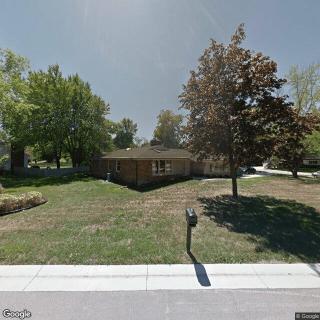
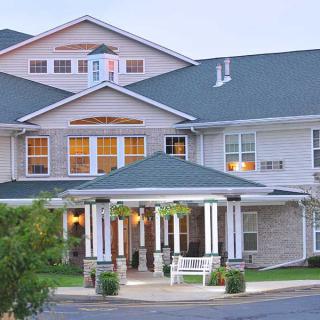
    Applewood of New Berlin is an assisted living community located in New Berlin, WI. Our dedicated staff provide Memory Care services for individuals with memory impairment conditions.

    Our residents enjoy a comfortable and fully furnished living environment with amenities such as cable or satellite TV, Wi-Fi/high-speed internet, and telephone services. We have a spacious dining room where delicious meals are served restaurant-style to accommodate special dietary restrictions.

    We prioritize the well-being of our residents by offering 24-hour supervision and assistance with activities of daily living such as bathing, dressing, and transfers. Our team also ensures medication management and provides specialized memory care programming for those with mild cognitive impairment. We offer a mental wellness program to support the emotional health of our residents.

    Applewood of New Berlin has various communal spaces including a garden and outdoor area where residents can relax and enjoy nature. For those who love reading, we have a small library available. We also offer move-in coordination services to make the transition into our community as smooth as possible.

    Nearby our community, there are plenty of options for entertainment and amenities. Residents can explore cafes, parks, pharmacies, theaters, restaurants, and hospitals in close proximity to Applewood of New Berlin.

    At Applewood of New Berlin, we strive to provide personalized care in a warm and welcoming atmosphere. We encourage resident engagement through resident-run activities and scheduled daily activities to promote socialization and well-being.

    Nearby Places of Interest

    Parks

    • The Big Backyard (0.4 miles)
    • Greenfield Park (2.3 miles)
    • Dousman Stage Coach Inn Museum (3.6 miles)
    • Elm Grove Village Park (4.1 miles)
    • Idle Isle Park (5 miles)
    • Schmidt Park (5 miles)
    • Wil-O-Way Underwood Park (5.4 miles)

    Restaurants

    • Culver's (0.8 miles)
    • Armeli's Restaurant & Pizzeria (1.5 miles)
    • Champps Americana (1.9 miles)
    • Cooper's Hawk Winery & Restaurant (2.7 miles)
    • Chick-Fil-A (2.8 miles)
    • Brass Monkey (2.9 miles)
    • Taco Bell (3 miles)

    Physicians

    • New Berlin Family Practice Clinic (0.9 miles)
    • Aurora Advanced Healthcare (0.9 miles)
    • Prohealth Care Medical Centers (1.1 miles)
    • New Berlin Clinic-Children's Wisconsin (2.4 miles)
    • Lincoln Avenue Clinic (2.9 miles)
    • Oklahoma Pediatrics-Children's Wisconsin (3.4 miles)
    • Maplewood Center (4.4 miles)

    Pharmacies

    • Walgreens (1.2 miles)
    • Walgreens (1.8 miles)
    • Pick 'n Save Pharmacy (1.8 miles)
    • Walgreens (3 miles)
    • Walgreens (3.1 miles)
    • CVS Pharmacy (3.1 miles)
    • CVS Pharmacy (3.1 miles)

    Cafes

    • Panera Bread (2.5 miles)
    • Starbucks (3.5 miles)
    • The Gingerbread House (4.3 miles)
    • Starbucks (4.7 miles)
    • Starbucks (5 miles)
    • Starbucks (5.4 miles)
    • Starbucks (5.5 miles)

    Hospitals

    • Rogers Memorial Hospital (2.9 miles)
    • Surgicenter - Children's Wisconsin (3.4 miles)
    • Froedtert Pavilion (5.5 miles)

    Theaters

    • Ridge Cinema New Berlin, Wi (2.9 miles)
    • Silverspot Cinema - The Corners of Brookfield (4.1 miles)

    Places of Worship

    • Honey Creek Church (5.6 miles)

    Frequently Asked Questions

    Where is Applewood Of New Berlin?
    Does Applewood Of New Berlin provide care for residents with dementia or Alzheimer's disease?

    Nearby Communities

    Related Resources

    • does medicaid pay for assisted livingUnderstanding Medicaid Coverage for Assisted Living: A Comprehensive Guide

      The guide outlines the complexities of Medicaid coverage for assisted living, highlighting significant state-to-state variations, limited coverage often restricted to personal care services, and the existence of specialized waivers for certain needs like memory care. It advises families to consult local Medicaid offices for options while emphasizing the importance of understanding state-specific regulations and facility policies.

    • does medicaid pay for assisted livingHow and When Medicaid May Cover Assisted Living Costs

      Medicaid coverage for assisted living varies by state and is primarily available to low-income individuals, with eligibility dependent on strict income and asset limits. Some states offer HCBS waivers for specific services in assisted living, but families must generally cover room and board costs, and should verify facility acceptance of Medicaid while considering potential waiting lists.

    • assisted living waiver programA Detailed Exploration of Assisted Living Medicaid Waivers Across the United States

      Medicaid waivers for assisted living services provide vital support for seniors and individuals with disabilities in need of long-term care, with varying state-specific eligibility criteria and benefits. These waivers cover personal care and case management but often do not fully cover room and board, leading to waiting lists for many applicants.


    Get Pricing Ask A Question Schedule A Tour Contact Senior Advisor