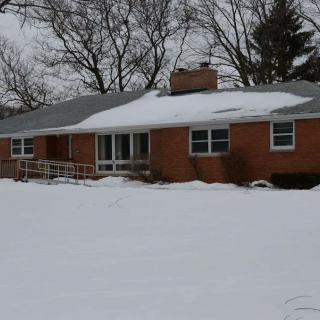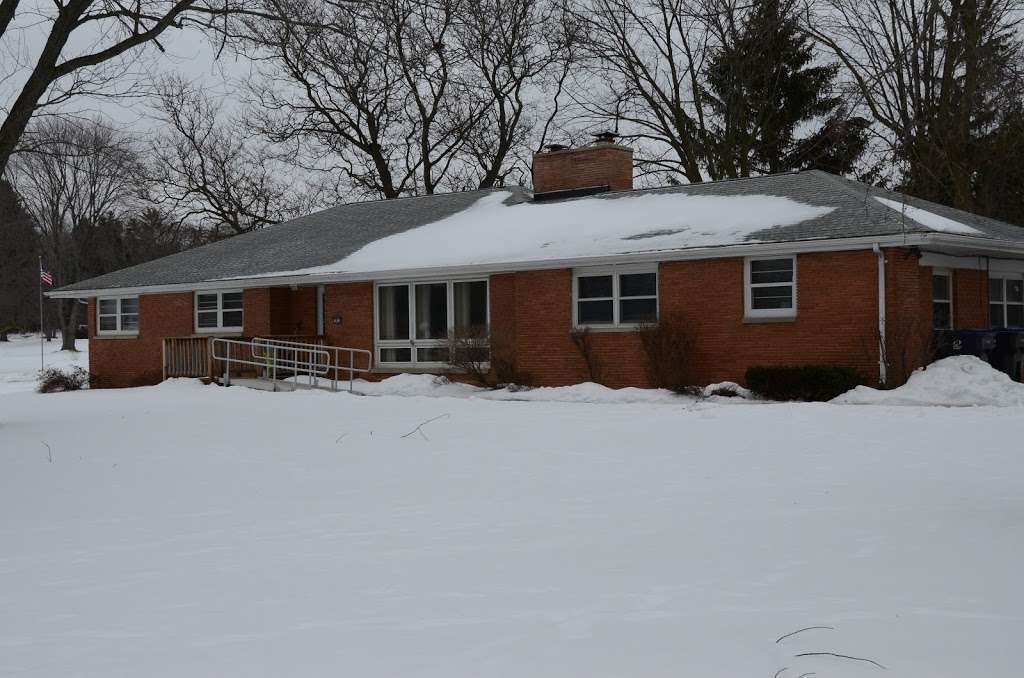
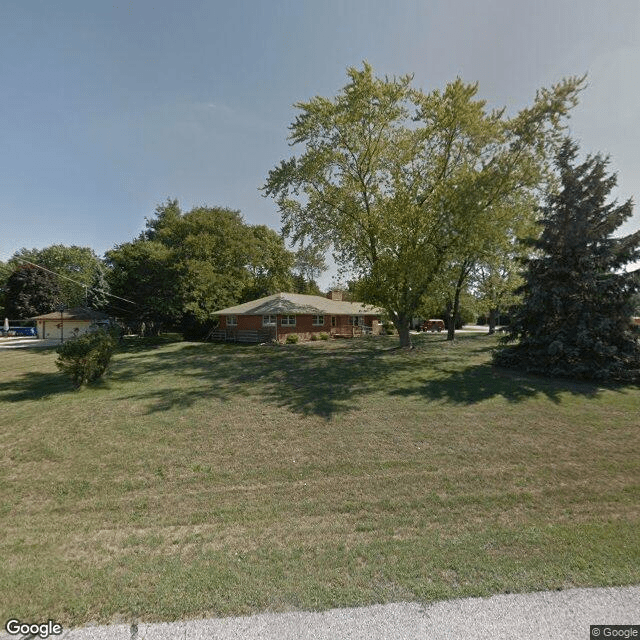
15831 W Santa Rosa Blvd, New Berlin, WI 53151
To contact a resident: (262) 782-5777
For more information about senior living options: (866) 208-4318
CLE - Rainbow Terrace Costs & Pricing
At CLE - Rainbow Terrace, the monthly costs for accommodation reflect a more affordable option compared to both Waukesha County and the broader state of Wisconsin. For instance, residents can choose a semi-private room at $3,025, which significantly undercuts the county average of $4,369 and the state's average of $3,977. Likewise, a private room is available for $3,125 at Rainbow Terrace, again presenting substantial savings when compared to Waukesha County's average rate of $4,205 and Wisconsin's statewide average of $4,339. This pricing structure not only highlights CLE - Rainbow Terrace's commitment to providing quality care at competitive rates but also positions it as an attractive choice for individuals seeking value in senior living options.
| Floor plans | CLE - Rainbow Terrace | Waukesha County | Wisconsin |
|---|---|---|---|
| Semi-Private | $3,025 | $4,369 | $3,977 |
| Private | $3,125 | $4,205 | $4,339 |
Senior living communities with a similar price nearby
-
from +$475 / mo
Dolphin Manor
$3,500 / month16.5 miles away -
About the same
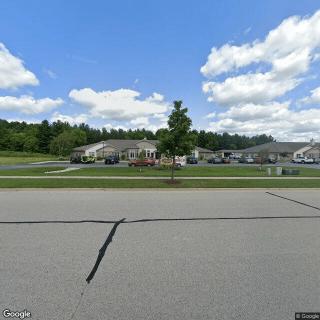
Serenity Villa
$3,100 to $5,500 / month25.0 miles away -
from -$225 / mo
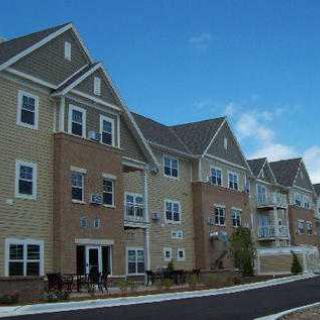
Deerwood Crossing Senior Residence
$2,800 to $3,200 / month14.7 miles away -
from +$125 / mo
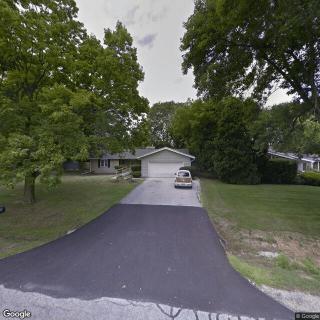
Home Share North Shore House
$3,150 / month15.2 miles away -
from +$475 / mo

Open Arms 20 III
$3,500 to $4,000 / month22.9 miles away
Overall Review of CLE - Rainbow Terrace
Pros
 The staff provides very good support and meals.
- The facility offers very good staff support and meals.
Cons
 The facility is not wheelchair accessible.
- The facility lacks an emergency response system.
Review
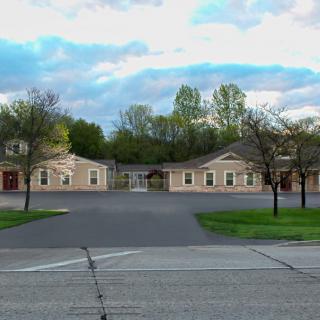
Rainbow Terrace in New Berlin is best suited for seniors who are largely mobile, do not require wheelchair access, and are comfortable with a shared bathroom setup. The community's strongest selling point is the steady, attentive staff paired with solid meal service, which translates into reliable day-to-day support and predictable nutrition. Families seeking a quieter, companionship-rich environment where caregiving tasks are well-handled will find this setting reassuring. This is not a facility built around private apartment living or specialized accessibility; it targets residents who can navigate the layout without wheelchairs and who place a premium on dependable staff and consistent meals over private accommodations.
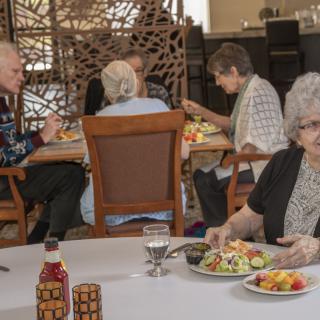
The standout positives here are clear and meaningful. Noted in multiple conversations is staff support that feels genuinely responsive and meals that land well on a daily basis. For residents who value regular human contact, help with routine tasks, and a menu that emphasizes dependable dining experiences, Rainbow Terrace can deliver a comforting, low-stress routine. The consistency of care reduces anxiety for families who cannot be present around the clock, and it contributes to a stable environment where daily expectations are straightforward. In short, the operational heart of the community, its people and food, works well, and that is not a minor advantage.
However, the design and safety infrastructure present tangible barriers. Not wheelchair accessible means residents with mobility challenges will encounter real friction in getting around, transferring, or accessing spaces designed without ramps or elevators in mind. Group bathrooms further complicate daily living for anyone who values privacy or who requires assistance with personal care. These architectural and fixture choices can pin a resident to a more dependent daily routine than some families are prepared to accept, even if daily staff support is strong. In practical terms, accessibility and privacy trade off heavily against the otherwise solid caregiving foundation.
Another significant limitation is the absence of an on-site emergency response system. The reviews consistently flag that Rainbow Terrace lacks a facility-wide emergency call mechanism, which raises questions about timely help during a fall or acute medical need. For families, this translates into a real safety calculus: the peace of mind that comes with a pendant or room-call system and 24/7 nurse availability is not present in this facility. Potential residents who prioritize immediate assistance as a non-negotiable feature will want to verify whether alternative safety measures exist, such as portable call systems, enhanced staff coverage, or other contingency plans, and compare them against communities that include built-in alerts.
Taken together, the pros and cons create a clear decision framework. The strong staff culture and reliable meals are meaningful assets that can support a comfortable, social daily rhythm, especially for residents who can maintain independence in most aspects of mobility and personal care. Yet the lack of wheelchair access and private bathrooms represents a real diminished experience for those needing more private, accessible living arrangements. Coupled with the absence of a facility-wide emergency response system, Rainbow Terrace may prove too limiting for anyone with mobility constraints or for families who demand robust safety features as a baseline. Alternatives with accessible design and integrated emergency signaling should be considered for those prioritizing safety and privacy.
For families weighing options, a practical next step is a focused tour that probes three areas: first, verify the extent of accessibility within common areas and any rooms or apartments that could accommodate mobility aids; second, inspect bathroom configurations and availability of private facilities or easy-access options; third, confirm what on-site safety measures exist beyond a traditional emergency system, such as wearable pendants, responsive staff protocols, or other rapid-response plans. In parallel, compare cost, schedule, and activity calendars with nearby communities that offer private baths and guaranteed personal emergency systems. The bottom line is decisiveness: Rainbow Terrace delivers dependable staffing and meals, but its footprint and safety features signal alternatives should be prioritized for anyone whose needs extend beyond the current design.
 Board and Care Home
 Activities off-site
 Beautician on-site
 Devotional services on-site
 Indoor common areas
 Outdoor common areas
 Private
 Respite or short term stays offered
 General Mitchell International (11 miles away)
 Diabetic care
 High acuity care
 Incontinence care
 Medication management
 Meals provided


 Top Cars for Senior Drivers and Essential Safety Innovations
 A Closer Look at Private Pay Home Care
 Comprehensive Approaches for Arthritis: A Detailed Guide to Symptoms, Causes, and Care