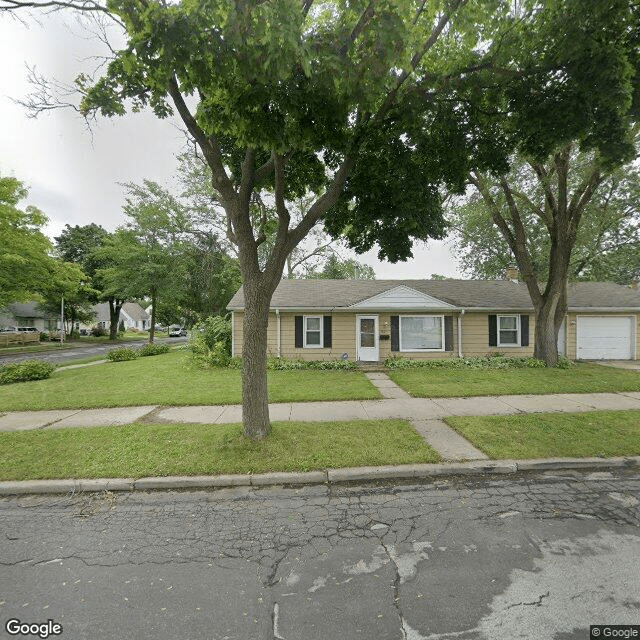
Complete Home Health Care

Save
Complete Home Health Care

Complete Home Health Care

5801 West Carmen Avenue, Milwaukee, WI 53218

For more information about senior living options: (844) 490-3973

3 from 2 reviews
Assisted Living Board and Care Home Memory Care

Complete Home Health Care Costs & Pricing

Complete Home Health Care offers competitive pricing, with costs for a private room set at $4,000 per month. This aligns favorably when compared to Milwaukee County's average of $4,513 and the broader Wisconsin state average of $4,339. For those considering a studio option, Complete Home Health Care also maintains its rate at $4,000, which is slightly above Milwaukee County's average of $3,841 but remains close to the state average of $3,999. Overall, Complete Home Health Care presents an appealing option for residents seeking quality care in a familiar environment while remaining mindful of budget constraints relative to regional averages.

Floor plansComplete Home Health CareMilwaukee CountyWisconsin
Private$4,000$4,513$4,339
Studio$4,000$3,841$3,999

Overall Review of Complete Home Health Care

Cons

  • pro The staff is very unorganized and unprofessional.
  • pro The staff are rude.
  • pro The evaluator who comes out to assess patients is not a nurse and does nothing but says "OK" without documenting anything.
  • pro They lack basic tools, such as a laptop and a blood pressure cuff, hindering proper care.
  • pro They delay releasing patients for months, act childish, and leave PCWs unpaid, making the service unreliable.

Review

The experience described is one of throwback disorganization and persistent dissatisfaction that colors every aspect of the facility's operation. The writer paints a picture of a place where structure is scarce, plans are vague, and follow-through is almost nonexistent. The overall impression is that the environment itself is chaotic, making even the simplest steps feel like uphill battles. The sense conveyed is not just of a rough day or a bad incident, but of a consistent pattern that undermines confidence in the entire system.

A key thread in the account is the behavior of the staff, which is characterized as rude and unprofessional. The reviewer singles out the personnel as the main problem, saying that interactions feel dismissive and unsatisfactory. The impression is that staff do not engage with patients in a respectful or helpful manner, and there is a recurring sense of frustration that there is little accountability or warmth in their responses. The relationship between the patient and the staff is described as strained and unproductive, leaving the patient feeling unheard and devalued.

Central to the critique is the nurse who is described as "not a nurse." The reviewer recounts that this person comes out to evaluate patients but does nothing meaningful in return. The repeated phrase "OK OK OK" and the insistence that nothing be written down convey a troubling lack of documentation and diligence. The absence of basic tools - "Don't have a laptop. Don't have a blood pressure cup" - is highlighted as emblematic of a larger failure to provide even minimal standards of care and record-keeping. In short, the evaluation process is portrayed as perfunctory at best, with no tangible value added to the patient's care or safety.

The narrative then shifts to a dispute over discharge, painting a picture of immaturity and resistance to progress. The reviewer says staff "act like children," pouting rather than working toward practical solutions. They claim to have communicated for months that they would be moving on, yet the release was not granted for a defined period, stretching into two months. This delay is not framed as a minor administrative hiccup but as a sustained obstacle that prolongs the patient's experience and undermines any sense of forward momentum. The feeling is that the system is slow to respond and resistant to timely, patient-centered decisions.

A particularly troubling element concerns financial and employment implications tied to the delay. The reviewer mentions that "my PCW is not going to get paid," with the additional emphasis that months were spent in limbo. The implication is not only about patient care but also about the livelihoods of those providing care, suggesting systemic inefficiencies that ripple outward to affect staff compensation and stability. This detail underscores how the hold-up extends beyond inconvenience, touching real-world consequences for people who rely on timely administrative processes to perform their duties and receive proper remuneration.

Taken together, the account communicates a deeply frustrating, unreliable service experience. The patient emphasizes dependence on care and a resulting realization that "you can not depend on nobody" when engaging with this operation. The concluding sentiment is blunt: this is not a professional business. The combination of disorganization, unprofessional conduct, inadequate tools and documentation, delayed discharge, and financial uncertainty for care workers all contribute to a perception of a facility that does not meet basic standards of professionalism or patient-centered care. The overall impression is that improvements would need to address culture, processes, and accountability across multiple levels to restore trust.

Features

Housing

  • 4 resident community capacity 4 resident community capacity

Types of Care

  • Assisted Living Assisted LivingAssisted living facilities provide crucial support and care for seniors who may need help with daily tasks such as medication management, bathing, and meal preparation. These communities offer a safe and comfortable environment where seniors can maintain their independence while receiving the assistance they need to thrive in their golden years.
  • Board and Care Home Board and Care HomeBoard and care homes provide a smaller, more intimate setting for seniors who require assistance with daily tasks but do not need the level of care offered by a nursing home. They offer personalized care, meals, and social activities in a homelike environment, ensuring that seniors receive individualized attention and support in their golden years.
  • Memory Care Memory CareMemory care is crucial for seniors as it provides specialized support and services for individuals with dementia or Alzheimer's disease. These programs offer a safe and secure environment where residents receive personalized care, cognitive stimulation, and help with daily activities. Memory care helps seniors maintain their independence, quality of life, and dignity while also providing peace of mind for their families.

Amenities

  • Cable or satellite TV Cable or satellite TVCable or satellite TV is important for seniors because it provides entertainment, news, and companionship, helping to combat loneliness and boredom. It also offers a wide range of programming options tailored to different interests and preferences.
  • Dining room Dining roomDining rooms are important for seniors as they provide a space for socialization, connection, and nutritious meals. They offer opportunities for residents to bond over shared meals, foster a sense of community, and promote healthy eating habits. Dining rooms also ensure that seniors have access to well-balanced meals tailored to their dietary needs and preferences.
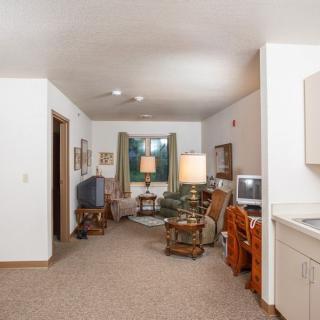
  • Fully furnished Fully furnishedFully furnished senior living communities are important for seniors because they provide convenience, comfort, and a hassle-free moving experience. Seniors can easily settle into their new living space without the stress of having to buy and move furniture. This allows them to focus on enjoying their new home and community.
  • Garden GardenGardens are important for seniors as they provide a peaceful and therapeutic environment for relaxation, physical activity, and socialization. Being in nature has been shown to reduce stress, improve mood, and promote overall well-being. Gardens also offer opportunities for seniors to engage in gardening activities, which can improve mobility, flexibility, and cognitive function. Additionally, gardens create a sense of community and connection with others who share a passion for plants and outdoor spaces.
  • Housekeeping services Housekeeping servicesHousekeeping services are important for seniors because they help maintain a clean and safe living environment, promote independence, and reduce the risk of accidents or illnesses. Additionally, having assistance with household chores can alleviate physical strain and allow seniors to focus on other aspects of their well-being.
  • Move-in coordination Move-in coordinationMove-in coordination is important for seniors because it helps ease the transition into their new living environment. It ensures that all logistics, such as packing, organizing movers, and setting up utilities are taken care of, allowing seniors to focus on settling in and adjusting to their new home. Having a smooth move-in process can alleviate stress and anxiety, making the transition smoother and more enjoyable for seniors.
  • Outdoor space Outdoor spaceOutdoor spaces are important for seniors as they provide opportunities for physical activity, social interaction, exposure to natural light and fresh air, and a sense of connection to nature. Having access to outdoor spaces can improve overall well-being and quality of life for older adults living in senior communities.
  • Private PrivatePrivacy is important for seniors as it allows them to maintain their independence, dignity, and sense of control over their own lives. It also gives them the space and freedom to relax, reflect, and engage in activities that bring them joy and fulfillment. Creating private spaces within senior living facilities is crucial for promoting overall well-being and quality of life.
  • Telephone TelephoneTelephones are important for seniors as they provide a lifeline for communication with loved ones, emergency services, and healthcare providers. They offer a sense of security and independence, enabling seniors to stay connected and access assistance when needed.
  • Wi-Fi/high-speed internet available Wi-Fi/high-speed internet availableWi-Fi/high-speed internet is important for seniors to stay connected with loved ones, access online resources, and participate in virtual activities to combat feelings of loneliness and isolation. It also allows them to easily manage healthcare needs, access entertainment, and engage in lifelong learning opportunities.

Transportation

  • General Mitchell International (13 miles away) General Mitchell International (13 miles away)

Care Services

  • 24-hour supervision 24-hour supervision24-hour supervision is important for seniors to ensure their safety, well-being, and access to immediate assistance in case of emergencies or health issues. This constant support provides peace of mind for both seniors and their loved ones, allowing them to age in place with dignity and security.
  • Activities of daily living assistance Activities of daily living assistanceActivities of daily living assistance are important for seniors because they provide essential support with tasks such as eating, bathing, dressing, and mobility. This assistance helps seniors maintain their independence, dignity, and overall quality of life as they age.
  • Assistance with bathing Assistance with bathingAssistance with bathing is crucial for seniors as it helps maintain personal hygiene, prevents infections, and ensures their overall well-being and comfort. It also provides a sense of dignity and independence for seniors who may struggle with this task on their own.
  • Assistance with dressing Assistance with dressingAssistance with dressing is important for seniors because it helps maintain their independence, promotes personal hygiene, prevents accidents and injuries, and improves overall quality of life. This service ensures that seniors can continue to dress comfortably and confidently, despite any physical limitations they may have.
  • Assistance with transfers Assistance with transfersAssistance with transfers is crucial for seniors as it helps prevent falls and injuries, maintains their independence, and ensures they can safely navigate their living environment. It also provides peace of mind for both seniors and their loved ones.
  • Coordination with health care providers Coordination with health care providersCoordination with health care providers is crucial for seniors to ensure proper medical care, medication management, and overall well-being. This collaboration helps prevent overlapping treatments, track progress more effectively, and provide comprehensive support tailored to individual needs.
  • Dementia waiver Dementia waiverDementia waivers are essential for seniors as they provide critical protections and accommodations for those experiencing cognitive decline. These waivers ensure individuals with dementia receive appropriate care, support, and resources to maintain their quality of life and dignity as they navigate the challenges of this progressive condition.
  • Diabetes diet Diabetes dietA diabetes diet is crucial for seniors as it helps manage blood sugar levels, reduce risks of complications, and improve overall health and well-being. By following a balanced and nutritious diet tailored to their specific needs, seniors can better control their diabetes and enhance their quality of life.
  • Hospice waiver Hospice waiverHospice waivers are important for seniors because they allow individuals to receive specialized end-of-life care and support at home or in a hospice facility. This waiver ensures that seniors can access the necessary resources and services to maintain comfort and dignity during their final days.
  • Meal preparation and service Meal preparation and serviceMeal preparation and service are crucial for seniors as they may have limited mobility or energy to cook nutritious meals. Having access to healthy and convenient food options can ensure they are getting the proper nutrition needed to maintain their overall health and well-being.
  • Medication management Medication managementMedication management is crucial for seniors to ensure they are taking the right medications at the correct dosages and times. This helps prevent adverse drug interactions, reduces the risk of medication errors, and promotes overall health and well-being. Proactive management also allows for adjustments as needed based on changing health conditions or new prescriptions.
  • Mental wellness program Mental wellness programMental wellness programs are essential for seniors as they promote cognitive stimulation, emotional support, and social engagement. These programs help prevent isolation, depression, and cognitive decline, ultimately enhancing the overall quality of life for older adults.
  • Mild cognitive impairment Mild cognitive impairment"Mild cognitive impairment" is important for seniors because it is an early stage of cognitive decline that can potentially progress to more severe conditions such as dementia. Recognizing and addressing mild cognitive impairment can help seniors receive appropriate care and support to maintain their quality of life and independence for as long as possible.
  • Special dietary restrictions Special dietary restrictionsSpecial dietary restrictions are important for seniors because age-related changes in metabolism and health conditions can make it difficult for their bodies to process certain foods. By following a diet tailored to their specific needs, seniors can maintain their overall health and well-being, manage chronic conditions, and reduce the risk of complications such as malnutrition or food interactions with medications.
  • Specialized memory care programming Specialized memory care programmingSpecialized memory care programming is crucial for seniors with cognitive impairments such as dementia or Alzheimer's disease. These programs provide a safe and supportive environment tailored to the unique needs of individuals with memory loss, helping them maintain their independence, dignity, and quality of life.
  • Transportation arrangement (medical) Transportation arrangement (medical)Transportation arrangements for medical purposes are essential for seniors as they may have difficulty driving themselves to appointments or accessing public transportation. Having reliable and safe transportation options ensures that seniors can receive timely medical care and maintain their health and well-being.
  • Transportation to doctors appointments Transportation to doctors appointmentsTransportation to doctors' appointments is crucial for seniors as it ensures they have access to necessary medical care and support for their health needs. Without reliable transportation, seniors may struggle to attend important appointments, leading to potential delays in treatment and health complications. Providing transportation services helps seniors maintain their overall well-being and quality of life.

Dining

  • Diabetes diet Diabetes dietA diabetes diet is crucial for seniors as it helps manage blood sugar levels, reduce risks of complications, and improve overall health and well-being. By following a balanced and nutritious diet tailored to their specific needs, seniors can better control their diabetes and enhance their quality of life.
  • Special dietary restrictions Special dietary restrictionsSpecial dietary restrictions are important for seniors because age-related changes in metabolism and health conditions can make it difficult for their bodies to process certain foods. By following a diet tailored to their specific needs, seniors can maintain their overall health and well-being, manage chronic conditions, and reduce the risk of complications such as malnutrition or food interactions with medications.

Activities

  • Community-sponsored activities Community-sponsored activitiesCommunity-sponsored activities are important for seniors as they provide opportunities for social interaction, mental stimulation, and physical activity. These activities can help improve overall well-being, combat loneliness and isolation, and promote a sense of belonging and purpose among older adults.
  • Scheduled daily activities Scheduled daily activitiesScheduled daily activities are important for seniors because they provide structure, socialization, mental stimulation, and physical activity. Engaging in regular activities can improve overall well-being and quality of life for seniors living in a community setting.

Description

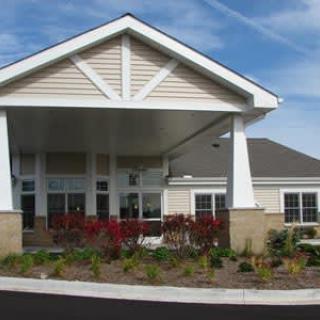
This complete home health care community in Milwaukee, WI offers a variety of care options, including board and care homes and memory care. The community provides residents with a range of amenities, such as a dining room, fully furnished living spaces, a garden for outdoor enjoyment, and housekeeping services to maintain cleanliness. Move-in coordination is available to ensure a smooth transition for new residents. Additionally, residents have access to private phone lines and Wi-Fi/high-speed internet for convenient communication and connectivity.

The care services provided at this community include assistance with activities of daily living, such as bathing, dressing, and transfers. Coordination with healthcare providers is available to ensure comprehensive medical care. The community also offers specialized support for individuals with dementia or mild cognitive impairment through the Dementia waiver program. Residents with specific dietary needs can benefit from the diabetes diet option or special dietary restrictions service.

The community provides medication management services to assist residents in maintaining their medication schedules. Mental wellness programs are available to promote emotional well-being among residents. In addition to these services, the community also offers hospice waiver support for individuals in need of end-of-life care.

Meal preparation and service are provided by the community's staff, ensuring that residents receive nutritious meals tailored to their individual needs. Transportation arrangements for medical appointments are available for added convenience and ease of access to healthcare services.

Residents can enjoy scheduled daily activities designed to engage and entertain them within the community. Furthermore, there are two nearby cafes where residents can socialize or grab a cup of coffee. Nature enthusiasts will appreciate having four parks in close proximity for outdoor recreation opportunities. Pharmacies are conveniently located nearby for easy access to medications, while three physicians' offices provide quick access to primary healthcare needs. There are also numerous restaurants nearby offering a variety of dining options for residents. A transportation service is available nearby should there be additional transportation needs within the local area.

Overall, this assisted living community offers comprehensive care services combined with various amenities, ensuring that residents receive the support they need while enjoying a comfortable and engaging living environment.

Nearby Places of Interest

This neighborhood in Milwaukee, Wisconsin, offers a variety of amenities that cater to seniors looking for a comfortable and convenient living environment. With several places of worship nearby, including Redemption Lutheran Church and Northwest Baptist Church, residents can maintain their spiritual practices. The area also features a selection of pharmacies such as Walgreens and CVS for easy access to medications and healthcare products. For dining options, there are familiar choices like McDonald's, KFC, and Papa John's Pizza, ensuring seniors have convenient meal options. In terms of healthcare services, there are reputable providers like Wheaton Franciscan Medical Group and Froedtert Hospital within a few miles for any medical needs. Additionally, the neighborhood boasts multiple parks like Algonquin Park and Hoyt Park where seniors can enjoy outdoor activities and leisurely strolls. Overall, this area offers a blend of essential services and recreational opportunities that make it a suitable choice for senior living in Milwaukee.

Places of Worship

  • Redemption Lutheran Church (0.6 miles)
  • Northwest Baptist Church (2.8 miles)
  • Honey Creek Church (6.1 miles)

Restaurants

  • Shark's Fish & Chicken (0.7 miles)
  • McDonald's (2 miles)
  • McDonald's (2.3 miles)
  • KFC (2.4 miles)
  • Checkers (2.5 miles)
  • The Brick Pub & Grill (2.7 miles)
  • Papa John's Pizza (2.9 miles)

Pharmacies

  • Walgreens (1.4 miles)
  • CVS Pharmacy (1.9 miles)
  • Walgreens (2.2 miles)
  • Walgreens (2.3 miles)
  • Walgreens (2.3 miles)
  • Walgreens (2.5 miles)
  • Walgreens (2.7 miles)

Transportation

  • U-Haul Moving & Storage (1.8 miles)

Cafes

  • Starbucks (2 miles)
  • Starbucks (3.8 miles)
  • Starbucks (5.1 miles)
  • Starbucks (6.2 miles)

Physicians

  • Aurora Nephrology (2.5 miles)
  • Rheumatic Disease Center (4 miles)
  • Aurora Advanced Healthcare (4.4 miles)
  • Wheaton Franciscan Medical Group (5.5 miles)
  • Froedtert Hospital (6 miles)
  • Froedtert Clinical Cancer Center (6 miles)
  • Aurora Health Center (6.3 miles)

Parks

  • Algonquin Park (2.7 miles)
  • Brown Deer Park (3.1 miles)
  • A C Hanson Park (4.3 miles)
  • Estabrook Park (4.3 miles)
  • Hoyt Park (5.1 miles)
  • Kern Park (5.3 miles)
  • Wil-O-Way Underwood Park (5.5 miles)

Hospitals

  • Wheaton Franciscan - St. Joseph Campus (3.3 miles)
  • Ambulatory EEG Recordings (3.7 miles)
  • Rogers Memorial Hospital (4.6 miles)
  • Aurora Psychiatric Hospital (5.4 miles)
  • Froedtert Pavilion (5.9 miles)
  • Aurora Sinai Medical Center (6.2 miles)

Frequently Asked Questions

How much does it cost to live at Complete Home Health Care in Milwaukee, WI?
Where is Complete Home Health Care?
Does Complete Home Health Care provide care for residents with dementia or Alzheimer's disease?

Nearby Communities

Related Resources

  • dementia paranoiaDementia, Paranoia, and Caregiver Guidance: Understanding the Connection

    Dementia encompasses progressive neurological disorders that impair cognitive functions and can lead to paranoia due to cognitive decline and emotional changes. The article discusses the triggers of paranoia in dementia, caregiver strategies for managing it, and the importance of distinguishing between dementia-related paranoia and other psychiatric conditions.

  • memory care activitiesEngaging Memory Care Activities That Enhance Quality of Life

    Memory care activities are essential for improving the quality of life of seniors with cognitive impairments, as they stimulate cognitive function, promote well-being, and encourage social interaction through tailored strategies. These activities combine structured exercises with spontaneous tasks, sensory engagement, physical workouts, creative pursuits, and intergenerational interactions to enhance emotional connection and a sense of purpose.

  • when to move from assisted living to memory careWhen to Transition from Assisted Living to Memory Care: Key Indicators, Steps, and Finding the Right Community

    Transitioning from assisted living to memory care is driven by an individual's cognitive decline and specific needs, requiring careful evaluation of indicators like increased confusion and wandering. The process involves consulting medical professionals, researching suitable communities, considering financial and legal aspects, and ensuring effective communication for personalized care plans.