Laurel Oaks Senior Living offers competitive pricing compared to both Milwaukee County and the broader state of Wisconsin, making it an attractive option for seniors seeking quality care. For instance, a studio at Laurel Oaks is available for $1,595 per month, significantly lower than the county average of $3,841 and the state average of $3,999. The one-bedroom unit is priced at $1,705, which also stands in stark contrast to the local and state averages of $3,057 and $3,412 respectively. Even for a two-bedroom accommodation at Laurel Oaks, priced at $2,795, residents enjoy a more affordable alternative compared to Milwaukee County's typical cost of $2,654 and Wisconsin's broader average of $3,111. These figures reflect not only cost savings but also a commitment to providing value in senior living options within the community.
Floor plans
Laurel Oaks Senior Living
Milwaukee County
Wisconsin
Studio
$1,595
$3,841
$3,999
1 Bedroom
$1,705
$3,057
$3,412
2 Bedrooms
$2,795
$2,654
$3,111
Overall Review of Laurel Oaks Senior Living
common
Staff support feels responsive
Residents and families repeatedly describe staff as attentive and responsive.
Many reviewers describe the staff as friendly and helpful, with quick responses when something is needed. Several also highlight communication and updates, including making it easier to coordinate visits and assistance. A number of families say they feel peace of mind because care staff follow up and keep them informed, including around medical or daily needs.
common
Activities keep residents engaged
The community offers a steady mix of activities for day-to-day engagement.
Reviews frequently mention regular activities and programs, including group activities and outings. Several residents and families describe opportunities to stay active and socialize, such as classes, clubs, and community events. Some reviewers also note individual limitations that affect participation, but the activity calendar itself still comes up often as a reason people feel connected.
caveat
Dining is a mixed experience
Food gets praise for quality but also brings recurring complaints.
Some reviewers say the meals are delicious and a standout part of life at the community. Others describe issues with dining consistency, including food being unappealing at times and challenges with cutting food. A few families also mention dietary concerns like sodium preferences and diabetes-related needs, plus occasional frustration when meals don’t match their expectations.
common
Clean, well-kept spaces matter
Multiple reviews emphasize the facility is clean and well maintained.
Cleanliness comes up again and again, with reviewers describing bright, tidy common areas and apartments that feel well kept. Several also mention renovations and the overall condition of the building, reinforcing that the community presents itself as maintained. A small number of comments suggest temporary concerns (like construction mess or access challenges during outages), but most feedback stays positive about upkeep.
caveat
Cost is a standout tradeoff
Pricing is frequently discussed as either affordable for the budget or simply too high.
Some reviewers say the finances worked out well and that the community felt like a good fit for their budget. Others explicitly call the community expensive for elderly residents, and a few say it was outside their financial bracket. Overall, cost appears to be a common decision factor rather than a background detail, with people either recommending it because it matches their numbers or cautioning that it may not for everyone.
caveat
Transportation can disappoint
Residents’ ability to get out and about seems dependent on transportation reliability.
Several reviews mention vans or transportation to appointments and activities, suggesting it can be part of daily life. At the same time, a reviewer describes transportation not working and residents not being able to go out as expected. Where transportation matters most to families, these mixed accounts stand out as a recurring point to clarify.
How we summarize
We summarize when many written reviews mention each theme; a review can touch several themes, and only frequently mentioned themes are displayed.
Features
Housing
85 resident community capacity
1-bedroom apartments
2-bedroom apartments
Studio apartments
Types of Care
Assisted Living
Independent Living
Amenities
Activities off-site
Activities on-site
Air-conditioning
Beautician on-site
Beauty salon
Cable or satellite TV
Computer center
Devotional services off-site
Devotional services on-site
Dining room
Family overnight stay rooms
Financial aid
Financing advice
Fitness room
Full kitchen
Fully furnished
Gaming room
Garden
Ground floor units
Guasts at mealtime
Guest parking
Home sale assistance
Housekeeping services
Indoor common areas
Kitchenette
Laundry
Move-in coordination
Outdoor common areas
Outdoor patio
Outdoor space
Party space
Private bathrooms
Resident parking
Respite or short term stays offered
Restaurant-style dining
Small library
TV room
Telephone
VA Benefits Consultation
Wellness center
Wheelchair accessible showers
Wi-Fi/high-speed internet available
Transportation
General Mitchell International (13 miles away)
Community operated transportation
Transportation & parking
Transportation arrangement
Transportation arrangement (non-medical)
Transportation to doctors appointments
Care Services
12-16 hour nursing
24-hour call system
24-hour supervision
Activities of daily living assistance
Ambulatory care
Assistance with bathing
Assistance with dressing
Assistance with transfers
Coordination with health care providers
Dementia waiver
Diabetes diet
Diabetic care
Hospice care
Hospice waiver
Incontinence care
Meal preparation and service
Medication management
Mental wellness program
Physical therapy
Respite program
Special dietary restrictions
Specialized memory care programming
Transportation arrangement (medical)
Transportation to doctors appointments
Dining
Diabetes diet
Gluten-free
Guest meals
Low / no sodium
Meals provided
No Sugar
Professional chef
Restaurant style dining
Special dietary restrictions
Activities
Activities off-site
Art classes
Arts and crafts
Book club
Catholic services
Community-sponsored activities
Concierge services
Cooking classes
Day trips and outings
Devotional activities offsite
Devotional activities on-site
Fitness programs
Games
Happy hour
Jewish services
Live dance or theater performances
Live musical performances
Planned day trips
Protestant services
Religious services
Resident-run activities
Scheduled daily activities
Stretching classes
Wii bowling
Yoga / chair yoga
Languages Spoken
English
Videos
Nearby Places of Interest
Restaurants
The Brick Pub & Grill (0.1 miles)
The Cheesecake Factory (1 miles)
Culver’s (1 miles)
Kopp's Frozen Custard (1.3 miles)
McDonald's (1.7 miles)
KFC (1.8 miles)
Estabrook Beer Garden (2.5 miles)
Cafes
Starbucks (1.2 miles)
Starbucks (3.8 miles)
Colectivo Lakefront (5.8 miles)
Panera Bread (6.3 miles)
Starbucks (6.4 miles)
Starbucks (6.8 miles)
Pharmacies
Walgreens (1.3 miles)
CVS Pharmacy (1.6 miles)
Walgreens (1.7 miles)
CVS Pharmacy (2.2 miles)
Walgreens (3.1 miles)
CVS Pharmacy (3.1 miles)
Walgreens (3.5 miles)
Physicians
Rheumatic Disease Center (1.4 miles)
Aurora Nephrology (1.5 miles)
Premier Vision (5.8 miles)
Mequon Clinical Associates (6.7 miles)
Estetika Skin & Laser Specialists (6.8 miles)
Parks
Brown Deer Park (2.2 miles)
Estabrook Park (2.6 miles)
Algonquin Park (3 miles)
Kern Park (3.7 miles)
Atwater Park (4.1 miles)
A C Hanson Park (4.7 miles)
Red Arrow Park (6.2 miles)
Transportation
U-Haul Moving & Storage (2.9 miles)
Milwaukee Intermodal Station (6.7 miles)
Places of Worship
Redemption Lutheran Church (3.4 miles)
Northwest Baptist Church (5.4 miles)
Hospitals
Rogers Memorial Hospital (4.3 miles)
Wheaton Franciscan - St. Joseph Campus (4.5 miles)
Laurel Oaks Senior Living offers competitive pricing compared to both Milwaukee County and the broader state of Wisconsin, making it an attractive option for seniors seeking quality care. For instance, a studio at Laurel Oaks is available for $1,595 per month, significantly lower than the county average of $3,841 and the state average of $3,999. The one-bedroom unit is priced at $1,705, which also stands in stark contrast to the local and state averages of $3,057 and $3,412 respectively. Even for a two-bedroom accommodation at Laurel Oaks, priced at $2,795, residents enjoy a more affordable alternative compared to Milwaukee County's typical cost of $2,654 and Wisconsin's broader average of $3,111. These figures reflect not only cost savings but also a commitment to providing value in senior living options within the community.
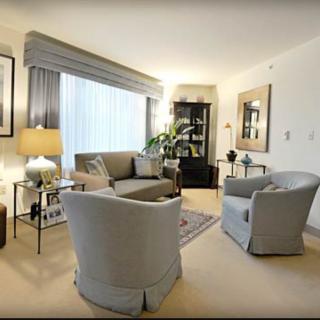
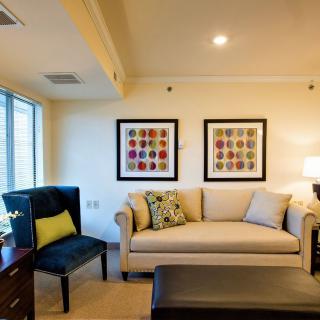
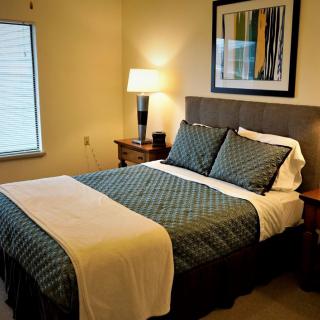
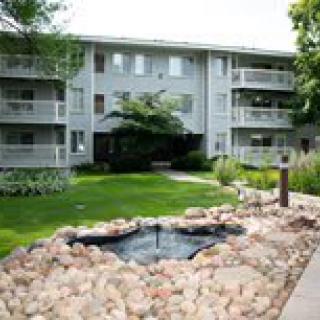
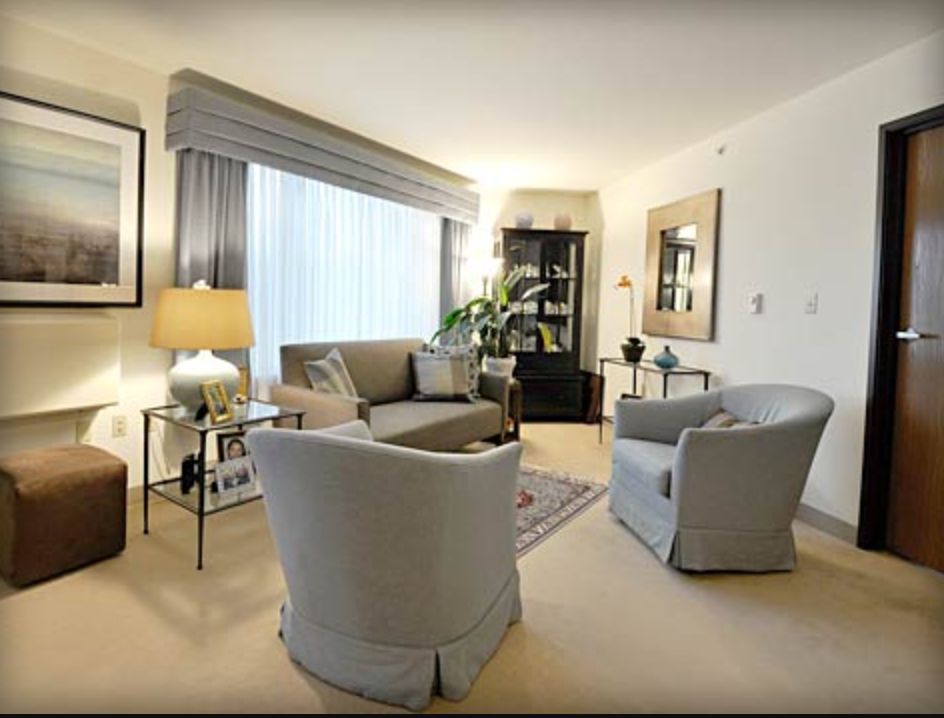
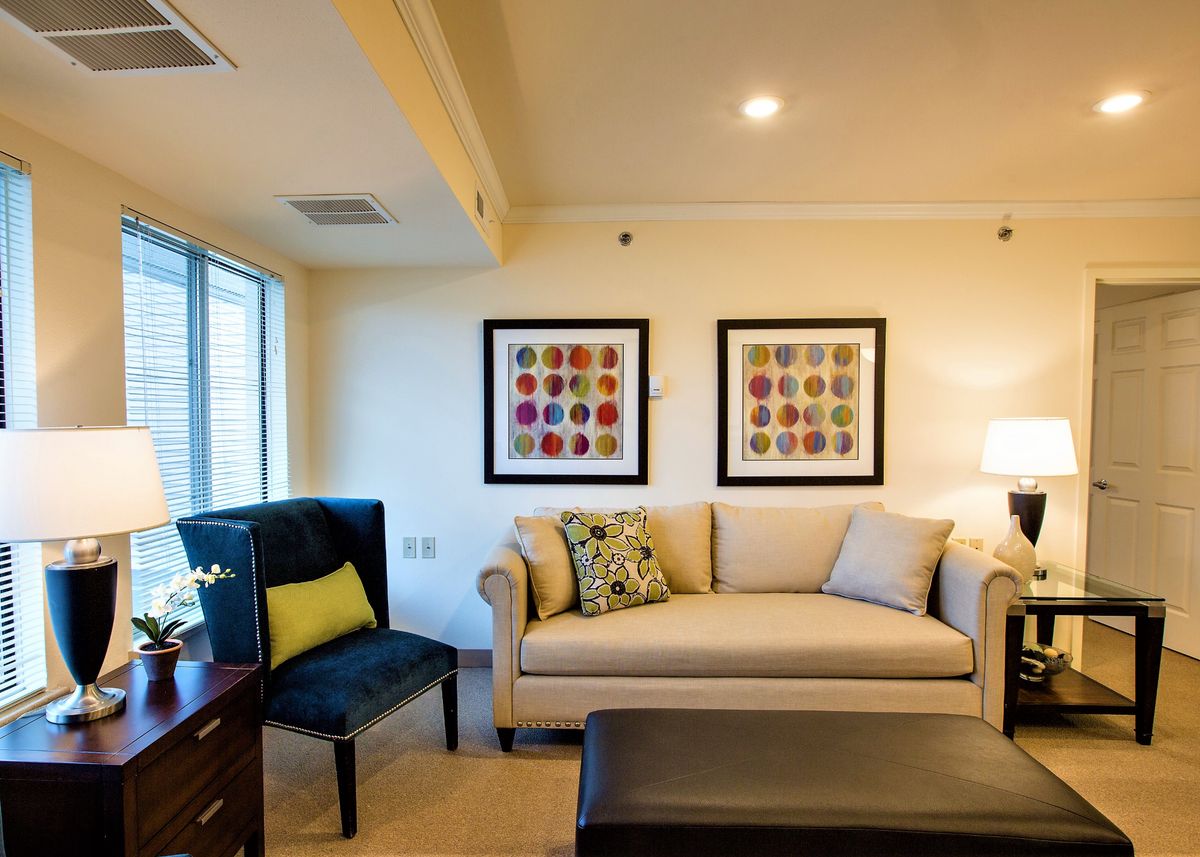
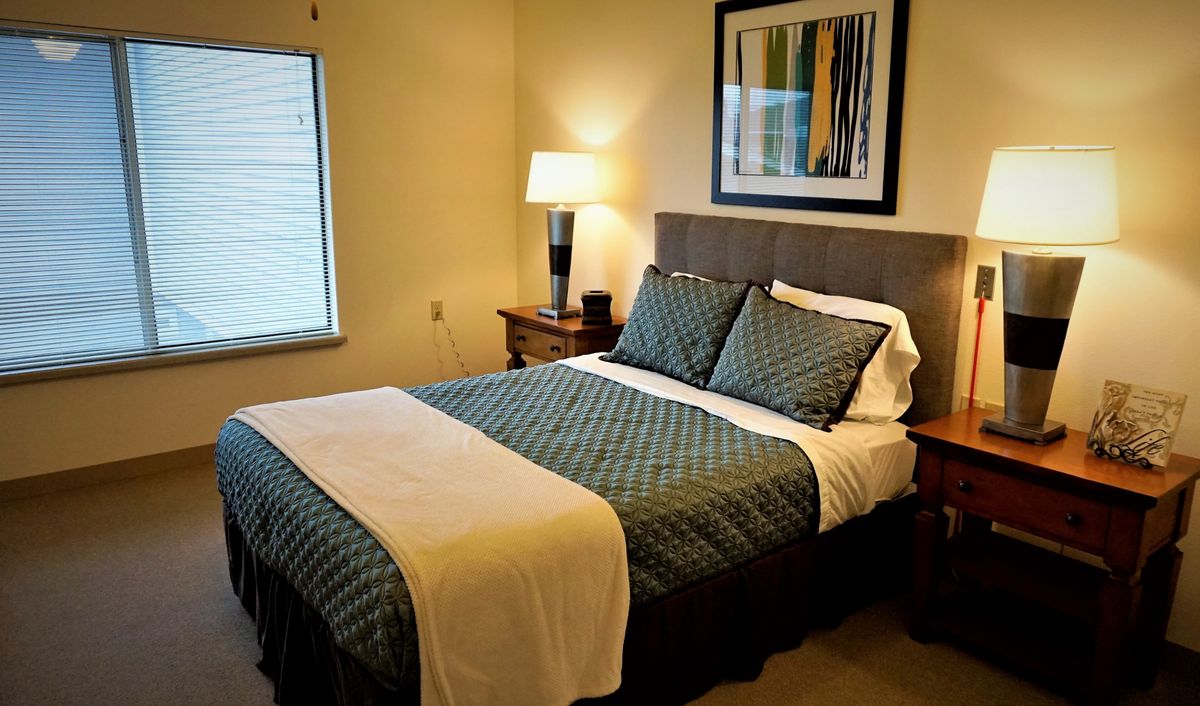
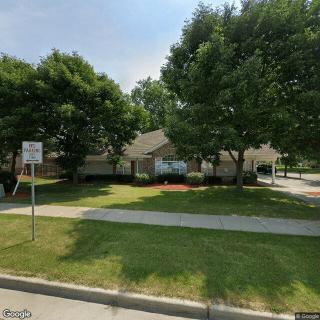
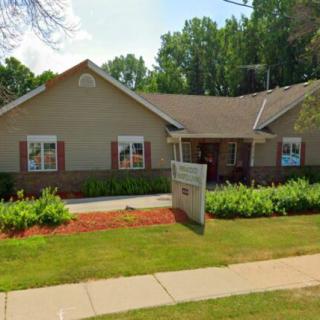
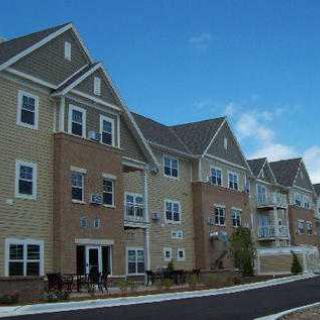
Laurel Oaks Senior Living on seniors.fyi includes 5 photos including images showing interior, landscaping, living room, decor, bedroom, windows, apartment building, exterior, and more.
Nearby Communities
Dycora Transitional Health - Milwaukee
Glendale, WI
2.3 from 6 reviews
$6,606 to $7,394 / month
Extensive on-site amenities and broad care services.
Hearts to Home
Glendale, WI
4 from 4 reviews
Extensive nearby amenities including parks, pharmacies, physicians and hospitals, restaurants, and places of worship.
Parkwood Assisted Living Green House
Milwaukee, WI
3 from 5 reviews
Fully furnished facility with dedicated memory care programming and 24-hour supervision.
Parkwood Green House
Glendale, WI
3.4 from 8 reviews
$3,900 to $4,500 / month
Friendly, attentive staff in a well-kept memory-care-focused community.
Parkwood Assisted Living Mill House
Milwaukee, WI
3 from 5 reviews
$3,520 / month
Specialized memory care with 24-hour supervision in a small, intimate setting.
Parkwood Mill House
Glendale, WI
3 from 5 reviews
$3,900 to $4,500 / month
Specialized memory care with trained staff and engaging activities.
Azura Assisted Living and Memory Care of Fox Point
Fox Point, WI
4.8 from 80 reviews
$6,800 to $7,410 / month
Loving, attentive staff and a warm, homey memory-care atmosphere with engaging daily activities.
Deerwood Crossing Senior Residence
Brown Deer, WI
4.7 from 13 reviews
$2,800 to $3,200 / month
Good value with multiple care levels and a modern, peaceful setting with abundant on-site amenities.
Algonquin Manor
Brown Deer, WI
2.2 from 13 reviews
$850 to $995 / month
Friendly staff (e.g., Cathryn) and attentive maintenance; active social events.
The VA Aid and Attendance benefit provides financial support to veterans needing assistance with daily living due to medical conditions or disabilities, augmenting standard VA pensions for services like in-home care. Eligibility is based on service duration, wartime status, income, and medical needs, with a detailed application process required to access funds for caregiving and home modifications.
Senior move management services assist older adults in the relocation process by providing emotional support and organizational help, addressing unique challenges like downsizing and moving from long-term homes. These specialists collaborate with real estate agents and manage logistics, making the transition smoother for seniors and their families.
The article examines senior housing options, detailing the distinctions between independent living and assisted living, along with the emerging "independent assisted living" model that blends both approaches. It highlights the importance of assessing individual needs, preferences, and financial factors in making informed decisions about suitable living arrangements for seniors.
Landscaping, Exterior, Apartment Building, and Pond
Artwork
Plant and Rug
Get PricingAsk A QuestionSchedule A TourContact Senior Advisor
By clicking submit, you agree to our Partner's Terms of Use. You
also consent to receive calls and texts, which may be autodialed, from our Partner. Your consent is not a condition to
using our Partner's service. Please visit our Partner's Privacy Policy for information about their privacy practices.





 85 resident community capacity
 1-bedroom apartments
 Assisted Living
 Independent Living
 Activities off-site
 Air-conditioning
 Beautician on-site
 Cable or satellite TV
 Computer center
 Devotional services off-site
 Dining room
 Family overnight stay rooms
 Financial aid
 Fitness room
 Full kitchen
 Fully furnished
 Gaming room
 Garden
 Ground floor units
 Guest parking
 Housekeeping services
 Indoor common areas
 Laundry
 Move-in coordination
 Outdoor common areas
 Outdoor patio
 Party space
 Private bathrooms
 Respite or short term stays offered
 Restaurant-style dining
 Small library
 Telephone
 Wellness center
 Wheelchair accessible showers
 Wi-Fi/high-speed internet available
 General Mitchell International (13 miles away)
 Community operated transportation
 12-16 hour nursing
 24-hour call system
 Ambulatory care
 Assistance with bathing
 Assistance with dressing
 Assistance with transfers
 Dementia waiver
 Diabetes diet
 Diabetic care
 Hospice care
 Incontinence care
 Medication management
 Mental wellness program
 Physical therapy
 Special dietary restrictions
 Transportation arrangement (medical)
 Art classes
 Book club
 Catholic services
 Concierge services
 Cooking classes
 Day trips and outings
 Games
Games Happy hour
 Jewish services
 Live dance or theater performances
 Live musical performances
 Wii bowling
 English
 Extensive on-site amenities and broad care services.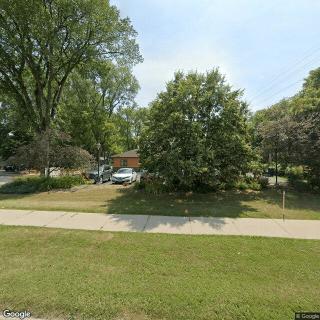

 An Extensive Exploration of the VA Aid and Attendance Benefit
 Senior Transition Services: Understanding Their Role, Cost, and Importance
 Exploring the Path to Senior Living: A Comprehensive Look at Independent Living and Assisted Living