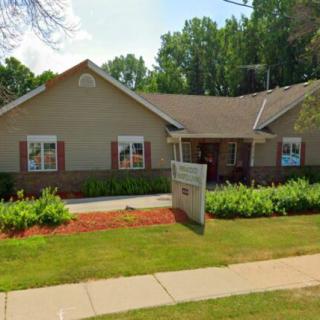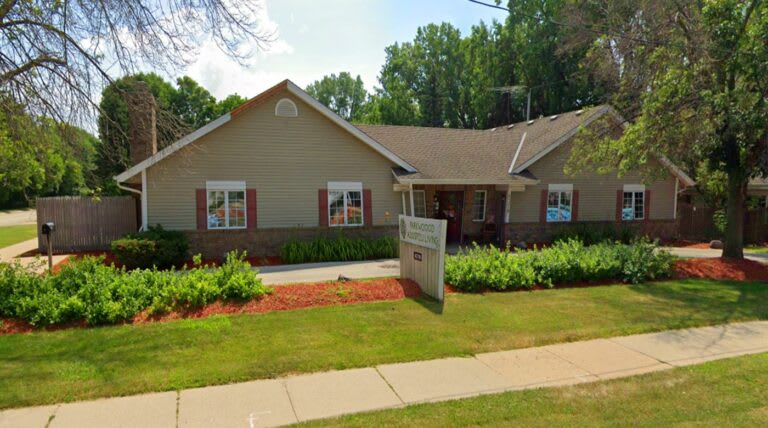
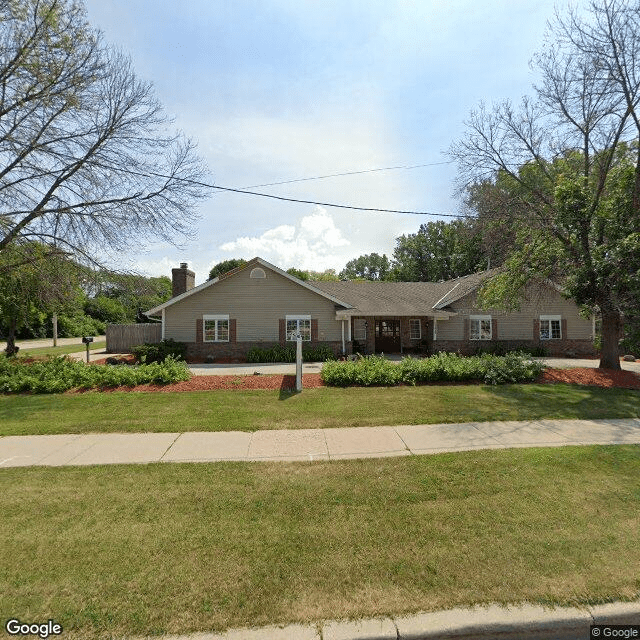
6378 N Green Bay Ave, Glendale, WI 53209
To contact a resident: (414) 940-5175
For more information about senior living options: (866) 208-4318
Parkwood Mill House Costs & Pricing
At Parkwood Mill House, the pricing structure for accommodations reflects a competitive yet distinctly higher cost compared to Milwaukee County and the wider state of Wisconsin. For semi-private rooms, residents will find the monthly fee set at $3,900, which is notably lower than the county average of $4,341 but slightly above the state average of $3,977. In contrast, studio apartments carry a premium price tag of $4,500 - this figure stands out significantly against Milwaukee County's average of $3,841 and Wisconsin's overall average of $3,999. This pricing indicates that while Parkwood Mill House offers appealing amenities and services that may justify its costs, potential residents should carefully consider how these rates align with their budgets and needs relative to other options in the area.
| Floor plans | Parkwood Mill House | Milwaukee County | Wisconsin |
|---|---|---|---|
| Semi-Private | $3,900 | $4,341 | $3,977 |
| Studio | $4,500 | $3,841 | $3,999 |
Memory care communities with a similar price nearby
-
from +$300 / mo

River Way Place
$4,200 / month23.4 miles away -
from -$750 / mo
Home Share North Shore House
$3,150 / month1.5 miles away -
About the same
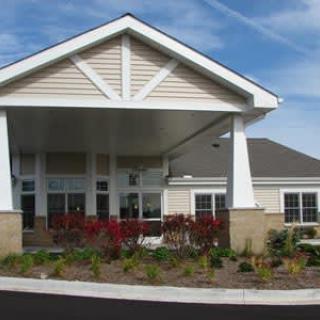
Ellens Home Germantown
$4,000 / month11.0 miles away -
About the same
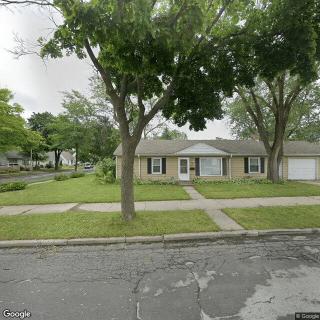
Complete Home Health Care
$4,000 / month2.8 miles away -
from -$605 / mo
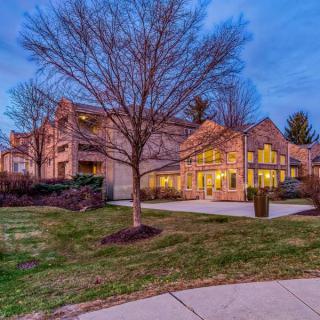
Harbour Village
$3,295 to $7,012 / month13.1 miles away
Overall Review of Parkwood Mill House
Pros
 The reviewer is relieved that their dad has been removed from the facility.
Cons
 The staff do not communicate well between shifts and rarely interact with residents beyond feeding them and giving medication.
- There is no leadership, so staff do whatever they want.
- There are no activities for residents; they sit around, smoke cigarettes, and watch television.
- There are no crafts, no games, and nothing to do for the residents.
- Breakfast is served late on many days, and the meals are not appetizing.
- The facility smells strongly of cigarette smoke in the hallways, and laundry and daily care tasks are not properly handled.
- This is not a place to send a loved one; families should keep looking.
Review
Parkwood Mill House in Glendale, WI is best suited for residents who are largely independent and able to navigate daily needs with limited on-site oversight, while families are prepared to take an active role in coordinating care. The space and location may appeal to those choosing a straightforward, low-maintenance setting, but the community is not a fit for seniors who rely on steady caregiving, meaningful social programming, and consistent leadership. Feedback consistently highlights a lack of leadership and minimal staff interaction beyond essential tasks like feeding residents and dispensing medications, signaling that this community works best for those who can manage with scarce structured support.
Those who prioritize reliable communication between shifts, structured activities, and a clean, engaging environment should look elsewhere. The odor of cigarette smoke in hallways and the apparent absence of regular resident engagement raise red flags for anyone sensitive to smoke or seeking a vibrant daily routine. Prospective residents or families should demand clear leadership, predictable schedules, and a documented activity calendar. If smoking policies remain lax and odor control is not actively managed, the experience is unlikely to meet expectations for long-term living.
Neither a robust menu nor lively day programs appear to be part of the Parkwood Mill House experience. The strongest concerns center on leadership gaps, poor communication between shifts, and a caregiving pattern that seems limited to basic tasks rather than proactive encouragement of hygiene, mobility, or social interaction. Observations from family feedback describe late breakfasts, unappetizing meals, and insufficient assistance with daily needs such as laundry and toiletries. In this light, any potential advantages are overwhelmed by the daily realities of a stagnant routine and inconsistent care, making the overall value questionable for most families.
Family decision-makers should visit with a pointed checklist: request a candid briefing from the administrator, a sit-down with direct-care supervisors, and a live view of how staff interact with residents during meals and activities. Confirm staffing levels and whether shifts communicate handoffs clearly. Review an actual activity calendar, observe whether residents are engaged or simply watched, and sample meals to judge quality. Inspect laundry practices and room housekeeping, and verify that basic supplies (tissue, soap, toiletries) are restocked. Finally, confirm smoking policies and indoor air quality, and inspect odor and cleanliness around resident rooms.
Decision criteria should prioritize consistent leadership, proactive engagement, and meaningful daily routines. If these are non-negotiable, Parkwood Mill House should be passed in favor of alternatives with verifiable staff accountability and active programming. If external oversight and supplemental care are planned, such as a family member or private caregiver overseeing care, with the Glendale-area convenience as a secondary factor, then a cautious, tightly monitored arrangement might be possible, but only after thorough verification of care logs, treatment plans, and resident satisfaction.
Bottom line: Parkwood Mill House presents significant, well-documented quality concerns that typically outweigh any conveniences of location. Families should pursue other Glendale options first and treat this community as a last-resort choice, validated by a structured tour, careful questions, and a clear plan for ongoing oversight. Use a practical, no-nonsense checklist during visits, demand evidence of leadership and activity programming, and observe real-time staff-resident interactions. When reliable care, dignity-preserving routines, and a welcoming social environment are priorities, Parkwood Mill House should not be the default choice.
 Assisted Living
 Memory Care
 Activities on-site
 Devotional services off-site
 Indoor common areas
 General Mitchell International (13 miles away)
 Ambulatory care
 Meals provided
 Nourishing the Mind: Essential Dietary Approaches for Dementia
 Understanding Dementia Behaviors: Practical Insights and Strategies for Caregivers
 When Dementia Sparks Anger and Aggression: Understanding the Connection and Ways to Cope