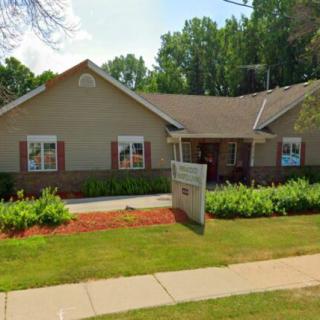
Parkwood Assisted Living Green House

6370 North Green Bay Avenue, Milwaukee, WI 53209

For more information about senior living options: (844) 490-3973

3 from 5 reviews
5 stars
2
4 stars
0
3 stars
1
2 stars
0
1 stars
2

Assisted Living Board and Care Home Memory Care

Overall Review of Parkwood Assisted Living Green House

Pros

  • pro No positive statements were found in the provided review.

Cons

  • pro The staff do not communicate well between shifts and rarely interact with residents beyond feeding and medicating them.
  • pro There is no leadership, so the staff do whatever they want.
  • pro There are no activities offered; residents sit around, smoke, and watch television.
  • pro Residents have no activities to look forward to and no one provides positive engagement regularly.
  • pro The staff do not encourage residents to bathe or participate in any physical activity.
  • pro There are no crafts or games; there is nothing for residents to do.
  • pro Breakfast is served late on most days, forcing family members to bring food.
  • pro The food is not appetizing, with dinners sometimes consisting of Banquet pot pies and other minimal options.
  • pro On the last day, the facility smelled terrible, and the resident was dirty with laundry left in a basket.
  • pro Laundry is not properly organized or put away for those who need help.
  • pro Staff do not consistently provide basic supplies (e.g., tissues) and daily needs checks are not reliable.
  • pro The place is not suitable for a loved one; it is strongly advised to keep looking.

Review

After pulling my dad out of that facility, I feel a stubborn relief mixed with a mounting concern about what I witnessed daily. The experience left me with a lasting impression of neglect masquerading as routine care. What stood out most was a chronic breakdown in communication, a void of leadership, and a sense that the place ran more on inertia than on any real system designed to support vulnerable residents. It wasn't just a few isolated incidents; it was a pattern that colored every shift and every interaction, shaping my dad's days in ways that felt avoidable and preventable.

The way information moved - or didn't move - between shifts was alarming. Staff members rarely communicated with each other, and I almost never saw anyone engage with residents beyond the basic tasks of feeding and medication administration. There appeared to be no clear leadership or handoff process, which meant changes in routines or updates about my dad's condition were easily missed. It felt like every shift started from scratch, with no one taking responsibility for keeping track of what had been done, what needed attention, or what the next steps should be. In such an environment, detail and continuity slip away, and families are left guessing about their loved ones' day-to-day status.

The overall atmosphere was devoid of meaningful activity or social engagement. There were no structured programs, no planned activities, and no consistent effort to invite residents into something that could lift their day or spark a little joy. Instead of a lively, supportive environment, it often seemed like a waiting room where people sat around, smoked, and watched television. The staff didn't appear to be encouraging residents to move beyond passive routines - there was little if any push to take a shower, participate in physical activity, or engage in anything even mildly stimulating. The absence of a positive, proactive approach to daily life for the residents was palpable and disheartening.

Care routines reflected the same troubling apathy. There was an undeniable lack of encouragement for basic self-care and mobility. No crafts, no games, no organized activities - nothing that suggested residents had anything to look forward to beyond the next meal. The environment felt discouraging rather than empowering, and the neglect was easy to miss if you weren't looking closely. It wasn't just about busy hands not being kept busy; it was about a broader neglect of the residents' need for purpose, companionship, and dignity in their daily lives.

Food and meal timing added another layer of disappointment. Breakfast was served late on many days, which forced my dad to call for food or for me to bring something in. The meals themselves were unappetizing, and there were days when I saw items like small-brand pot pies being served for dinner. On my dad's last day, the lunch consisted of a hot dog, half an orange, chips, and cookies - hardly a balanced or appealing plate for someone who needed regular, nourishing meals. The inconsistency and poor quality of food underscored a broader neglect of residents' basic comfort and care.

Air quality and personal care concerns compounded the frustration. Residents were allowed to smoke outside, but the odor lingered inside the hallways, affecting everyone who spent time there. On my dad's final day, the place smelled terrible, and he seemed dirty, with a laundry basket overflowing nearby. The laundry process itself was inconsistent; clothes were not always put away for residents who needed that kind of assistance, and I found myself repeatedly having to request basic supplies like tissue for the bathroom. It felt as if even the most fundamental daily needs were being overlooked, despite assurances that staff checked for residents' needs daily.

After two years of watching, I came away with a strong conviction: this is not a place I would want for anyone I care about. The combination of poor communication, absent leadership, lack of engagement, subpar meals, and cleaning and care deficiencies created an environment that felt unsafe and heartbreaking. If I could offer any guidance to others, it would be to look for facilities where there is clear accountability, consistent interaction with residents, robust activity programming, nutritious and timely meals, and a genuinely clean, well-maintained living space. My experience was devastating, and I wish others could avoid it by recognizing these warning signs early.

Ultimately, the lessons from my dad's situation are simple but essential: prioritize facilities that demonstrate strong leadership and reliable communication, offer meaningful daily activities, ensure timely and appetizing meals, and maintain a clean, odor-controlled environment. These elements aren't luxuries; they're basic standards of care that make a real difference in the well-being and dignity of residents. If you're evaluating places for a loved one, take a careful, critical look at how those standards are being met and how consistently they're upheld day after day.

Features

Housing

  • 12 resident community capacity 12 resident community capacity

Types of Care

  • Assisted Living Assisted LivingAssisted living facilities provide crucial support and care for seniors who may need help with daily tasks such as medication management, bathing, and meal preparation. These communities offer a safe and comfortable environment where seniors can maintain their independence while receiving the assistance they need to thrive in their golden years.
  • Board and Care Home Board and Care HomeBoard and care homes provide a smaller, more intimate setting for seniors who require assistance with daily tasks but do not need the level of care offered by a nursing home. They offer personalized care, meals, and social activities in a homelike environment, ensuring that seniors receive individualized attention and support in their golden years.
  • Memory Care Memory CareMemory care is crucial for seniors as it provides specialized support and services for individuals with dementia or Alzheimer's disease. These programs offer a safe and secure environment where residents receive personalized care, cognitive stimulation, and help with daily activities. Memory care helps seniors maintain their independence, quality of life, and dignity while also providing peace of mind for their families.

Amenities

  • Cable or satellite TV Cable or satellite TVCable or satellite TV is important for seniors because it provides entertainment, news, and companionship, helping to combat loneliness and boredom. It also offers a wide range of programming options tailored to different interests and preferences.
  • Dining room Dining roomDining rooms are important for seniors as they provide a space for socialization, connection, and nutritious meals. They offer opportunities for residents to bond over shared meals, foster a sense of community, and promote healthy eating habits. Dining rooms also ensure that seniors have access to well-balanced meals tailored to their dietary needs and preferences.
  • Fully furnished Fully furnishedFully furnished senior living communities are important for seniors because they provide convenience, comfort, and a hassle-free moving experience. Seniors can easily settle into their new living space without the stress of having to buy and move furniture. This allows them to focus on enjoying their new home and community.
  • Garden GardenGardens are important for seniors as they provide a peaceful and therapeutic environment for relaxation, physical activity, and socialization. Being in nature has been shown to reduce stress, improve mood, and promote overall well-being. Gardens also offer opportunities for seniors to engage in gardening activities, which can improve mobility, flexibility, and cognitive function. Additionally, gardens create a sense of community and connection with others who share a passion for plants and outdoor spaces.
  • Housekeeping services Housekeeping servicesHousekeeping services are important for seniors because they help maintain a clean and safe living environment, promote independence, and reduce the risk of accidents or illnesses. Additionally, having assistance with household chores can alleviate physical strain and allow seniors to focus on other aspects of their well-being.
  • Move-in coordination Move-in coordinationMove-in coordination is important for seniors because it helps ease the transition into their new living environment. It ensures that all logistics, such as packing, organizing movers, and setting up utilities are taken care of, allowing seniors to focus on settling in and adjusting to their new home. Having a smooth move-in process can alleviate stress and anxiety, making the transition smoother and more enjoyable for seniors.
  • Outdoor space Outdoor spaceOutdoor spaces are important for seniors as they provide opportunities for physical activity, social interaction, exposure to natural light and fresh air, and a sense of connection to nature. Having access to outdoor spaces can improve overall well-being and quality of life for older adults living in senior communities.
  • Telephone TelephoneTelephones are important for seniors as they provide a lifeline for communication with loved ones, emergency services, and healthcare providers. They offer a sense of security and independence, enabling seniors to stay connected and access assistance when needed.
  • Wi-Fi/high-speed internet available Wi-Fi/high-speed internet availableWi-Fi/high-speed internet is important for seniors to stay connected with loved ones, access online resources, and participate in virtual activities to combat feelings of loneliness and isolation. It also allows them to easily manage healthcare needs, access entertainment, and engage in lifelong learning opportunities.

Transportation

  • General Mitchell International (13 miles away) General Mitchell International (13 miles away)

Care Services

  • 24-hour supervision 24-hour supervision24-hour supervision is important for seniors to ensure their safety, well-being, and access to immediate assistance in case of emergencies or health issues. This constant support provides peace of mind for both seniors and their loved ones, allowing them to age in place with dignity and security.
  • Activities of daily living assistance Activities of daily living assistanceActivities of daily living assistance are important for seniors because they provide essential support with tasks such as eating, bathing, dressing, and mobility. This assistance helps seniors maintain their independence, dignity, and overall quality of life as they age.
  • Assistance with bathing Assistance with bathingAssistance with bathing is crucial for seniors as it helps maintain personal hygiene, prevents infections, and ensures their overall well-being and comfort. It also provides a sense of dignity and independence for seniors who may struggle with this task on their own.
  • Assistance with dressing Assistance with dressingAssistance with dressing is important for seniors because it helps maintain their independence, promotes personal hygiene, prevents accidents and injuries, and improves overall quality of life. This service ensures that seniors can continue to dress comfortably and confidently, despite any physical limitations they may have.
  • Assistance with transfers Assistance with transfersAssistance with transfers is crucial for seniors as it helps prevent falls and injuries, maintains their independence, and ensures they can safely navigate their living environment. It also provides peace of mind for both seniors and their loved ones.
  • Coordination with health care providers Coordination with health care providersCoordination with health care providers is crucial for seniors to ensure proper medical care, medication management, and overall well-being. This collaboration helps prevent overlapping treatments, track progress more effectively, and provide comprehensive support tailored to individual needs.
  • Dementia waiver Dementia waiverDementia waivers are essential for seniors as they provide critical protections and accommodations for those experiencing cognitive decline. These waivers ensure individuals with dementia receive appropriate care, support, and resources to maintain their quality of life and dignity as they navigate the challenges of this progressive condition.
  • Diabetes diet Diabetes dietA diabetes diet is crucial for seniors as it helps manage blood sugar levels, reduce risks of complications, and improve overall health and well-being. By following a balanced and nutritious diet tailored to their specific needs, seniors can better control their diabetes and enhance their quality of life.
  • Hospice waiver Hospice waiverHospice waivers are important for seniors because they allow individuals to receive specialized end-of-life care and support at home or in a hospice facility. This waiver ensures that seniors can access the necessary resources and services to maintain comfort and dignity during their final days.
  • Meal preparation and service Meal preparation and serviceMeal preparation and service are crucial for seniors as they may have limited mobility or energy to cook nutritious meals. Having access to healthy and convenient food options can ensure they are getting the proper nutrition needed to maintain their overall health and well-being.
  • Medication management Medication managementMedication management is crucial for seniors to ensure they are taking the right medications at the correct dosages and times. This helps prevent adverse drug interactions, reduces the risk of medication errors, and promotes overall health and well-being. Proactive management also allows for adjustments as needed based on changing health conditions or new prescriptions.
  • Mental wellness program Mental wellness programMental wellness programs are essential for seniors as they promote cognitive stimulation, emotional support, and social engagement. These programs help prevent isolation, depression, and cognitive decline, ultimately enhancing the overall quality of life for older adults.
  • Mild cognitive impairment Mild cognitive impairment"Mild cognitive impairment" is important for seniors because it is an early stage of cognitive decline that can potentially progress to more severe conditions such as dementia. Recognizing and addressing mild cognitive impairment can help seniors receive appropriate care and support to maintain their quality of life and independence for as long as possible.
  • Special dietary restrictions Special dietary restrictionsSpecial dietary restrictions are important for seniors because age-related changes in metabolism and health conditions can make it difficult for their bodies to process certain foods. By following a diet tailored to their specific needs, seniors can maintain their overall health and well-being, manage chronic conditions, and reduce the risk of complications such as malnutrition or food interactions with medications.
  • Specialized memory care programming Specialized memory care programmingSpecialized memory care programming is crucial for seniors with cognitive impairments such as dementia or Alzheimer's disease. These programs provide a safe and supportive environment tailored to the unique needs of individuals with memory loss, helping them maintain their independence, dignity, and quality of life.
  • Transportation arrangement (medical) Transportation arrangement (medical)Transportation arrangements for medical purposes are essential for seniors as they may have difficulty driving themselves to appointments or accessing public transportation. Having reliable and safe transportation options ensures that seniors can receive timely medical care and maintain their health and well-being.
  • Transportation to doctors appointments Transportation to doctors appointmentsTransportation to doctors' appointments is crucial for seniors as it ensures they have access to necessary medical care and support for their health needs. Without reliable transportation, seniors may struggle to attend important appointments, leading to potential delays in treatment and health complications. Providing transportation services helps seniors maintain their overall well-being and quality of life.

Dining

  • Diabetes diet Diabetes dietA diabetes diet is crucial for seniors as it helps manage blood sugar levels, reduce risks of complications, and improve overall health and well-being. By following a balanced and nutritious diet tailored to their specific needs, seniors can better control their diabetes and enhance their quality of life.
  • Special dietary restrictions Special dietary restrictionsSpecial dietary restrictions are important for seniors because age-related changes in metabolism and health conditions can make it difficult for their bodies to process certain foods. By following a diet tailored to their specific needs, seniors can maintain their overall health and well-being, manage chronic conditions, and reduce the risk of complications such as malnutrition or food interactions with medications.

Activities

  • Community-sponsored activities Community-sponsored activitiesCommunity-sponsored activities are important for seniors as they provide opportunities for social interaction, mental stimulation, and physical activity. These activities can help improve overall well-being, combat loneliness and isolation, and promote a sense of belonging and purpose among older adults.
  • Scheduled daily activities Scheduled daily activitiesScheduled daily activities are important for seniors because they provide structure, socialization, mental stimulation, and physical activity. Engaging in regular activities can improve overall well-being and quality of life for seniors living in a community setting.

Description

Parkwood Assisted Living Green House in Milwaukee, WI offers a nurturing and supportive environment for seniors in need of board and care home or memory care services. Our fully furnished facility ensures residents feel comfortable and at home, while our dedicated staff provides assistance with daily living activities such as bathing, dressing, and transfers. We coordinate with healthcare providers to ensure comprehensive care for our residents, including those with dementia or mild cognitive impairment.

At Parkwood Assisted Living Green House, we prioritize the mental wellness of our residents through specialized memory care programming and a mental wellness program. Our staff also assists with medication management and follows special dietary restrictions, including diabetes-specific diets. Meal preparation and service are provided to cater to individual needs.

Residents can enjoy our beautiful garden and outdoor space for relaxation or socializing. Additionally, they have access to amenities such as a dining room, telephone, Wi-Fi/high-speed internet, housekeeping services, and move-in coordination for a seamless transition.

Our community is conveniently located near various amenities including cafes, parks, pharmacies, physicians' offices, restaurants, places of worship, transportation options (including medical transportation), and hospitals. Scheduled daily activities keep residents engaged and entertained.

At Parkwood Assisted Living Green House in Milwaukee, WI, we strive to create a warm and welcoming environment where seniors can receive personalized care while enjoying their independence.

Nearby Places of Interest

This area of Milwaukee, Wisconsin offers a variety of dining options ranging from casual pub fare at The Brick Pub & Grill to frozen custard at Kopp's and fast food options like McDonald's and KFC. For those who prefer cafes, there are multiple Starbucks locations nearby as well as the popular Colectivo Lakefront. In terms of healthcare, there are several physicians' offices and pharmacies within a short distance, providing convenient access to medical care. The area also boasts several parks for outdoor recreation, such as Brown Deer Park and Estabrook Park. For transportation needs, U-Haul Moving & Storage is available nearby. Places of worship like Redemption Lutheran Church and Northwest Baptist Church cater to spiritual needs, while hospitals like Rogers Memorial Hospital and Wheaton Franciscan - St. Joseph Campus ensure that quality healthcare is easily accessible. Overall, this neighborhood offers a mix of amenities that would make it a comfortable and convenient location for seniors looking to settle down in Milwaukee.

Restaurants

  • The Brick Pub & Grill (0 miles)
  • The Cheesecake Factory (1.1 miles)
  • Culver’s (1.1 miles)
  • Kopp's Frozen Custard (1.5 miles)
  • McDonald's (1.6 miles)
  • KFC (1.7 miles)
  • Estabrook Beer Garden (2.6 miles)

Cafes

  • Starbucks (1.1 miles)
  • Starbucks (3.7 miles)
  • Colectivo Lakefront (5.9 miles)
  • Panera Bread (6.2 miles)
  • Starbucks (6.3 miles)
  • Starbucks (6.8 miles)

Physicians

  • Aurora Nephrology (1.3 miles)
  • Rheumatic Disease Center (1.3 miles)
  • Premier Vision (5.6 miles)
  • Mequon Clinical Associates (6.5 miles)
  • Estetika Skin & Laser Specialists (6.6 miles)
  • Aurora Advanced Healthcare (7 miles)

Pharmacies

  • Walgreens (1.4 miles)
  • Walgreens (1.6 miles)
  • CVS Pharmacy (1.7 miles)
  • CVS Pharmacy (2.3 miles)
  • Walgreens (3 miles)
  • CVS Pharmacy (3 miles)
  • Walgreens (3.7 miles)

Parks

  • Brown Deer Park (2.1 miles)
  • Estabrook Park (2.7 miles)
  • Algonquin Park (2.9 miles)
  • Kern Park (3.9 miles)
  • Atwater Park (4.2 miles)
  • A C Hanson Park (4.5 miles)
  • Red Arrow Park (6.3 miles)

Transportation

  • U-Haul Moving & Storage (2.8 miles)
  • Milwaukee Intermodal Station (6.8 miles)

Places of Worship

  • Redemption Lutheran Church (3.4 miles)
  • Northwest Baptist Church (5.5 miles)

Hospitals

  • Rogers Memorial Hospital (4.2 miles)
  • Wheaton Franciscan - St. Joseph Campus (4.6 miles)
  • Ambulatory EEG Recordings (6 miles)
  • Aurora Sinai Medical Center (6.3 miles)

Theaters

  • North Shore Cinema Mequon, Wi (6.8 miles)

Frequently Asked Questions

Where is Parkwood Assisted Living Green House?
Does Parkwood Assisted Living Green House provide care for residents with dementia or Alzheimer's disease?

Nearby Communities

Related Resources

  • list of drugs linked to dementiaMedications Associated with Dementia Risk: A Comprehensive Overview

    The article examines the link between certain medications and increased dementia risk, particularly in older adults, emphasizing that long-term or high-dose use of anticholinergics, benzodiazepines, and other drug classes can exacerbate cognitive impairment. It calls for careful medication evaluation and shared decision-making to mitigate these risks while managing treatment efficacy.

  • power of attorney for elderly parentGuiding Your Journey: Understanding Power of Attorney for Elderly Parents

    The article emphasizes the significance of establishing a power of attorney for elderly parents to enable an agent to make decisions on their behalf regarding health and finances, especially during cognitive or physical decline. It outlines various types of power of attorney, the importance of consulting legal professionals, and the responsibilities and challenges faced by agents, while also discussing alternatives and common misconceptions.

  • caregiver support group22 Remarkable Caregiver Support Groups Available Online and In-Person

    Caregiver support groups are crucial for providing emotional and practical assistance to those caring for loved ones, offering resources, coping strategies, and a sense of community through various organizations and platforms. These groups help alleviate isolation and burnout while addressing the unique challenges faced by caregivers of individuals with specific conditions.