
5005 W Bradley Road, Brown Deer, WI 53223
To contact a resident: (414) 357-7100
For more information about senior living options: (866) 208-4318
Algonquin Manor Costs & Pricing
At Algonquin Manor, the cost of living is notably more affordable compared to both Milwaukee County and the broader state of Wisconsin. For a one-bedroom unit, residents pay $850 per month, a significant savings when contrasted with the county average of $3,057 and the state average of $3,412. Similarly, the two-bedroom option at Algonquin Manor is priced at $995, which remains competitive against Milwaukee County's rate of $2,654 and Wisconsin's average of $3,111. These pricing advantages make Algonquin Manor an attractive choice for individuals or families seeking quality housing without breaking the bank.
| Floor plans | Algonquin Manor | Milwaukee County | Wisconsin |
|---|---|---|---|
| 1 Bedroom | $850 | $3,057 | $3,412 |
| 2 Bedrooms | $995 | $2,654 | $3,111 |
Senior living communities with a similar price nearby
-
from -$114 / mo
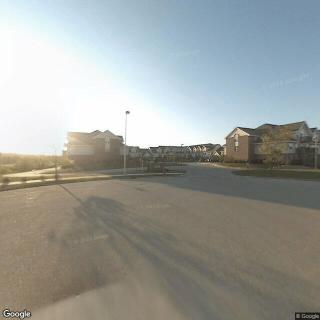
Quail Pointe
$736 to $893 / month14.7 miles away -
from -$73 / mo
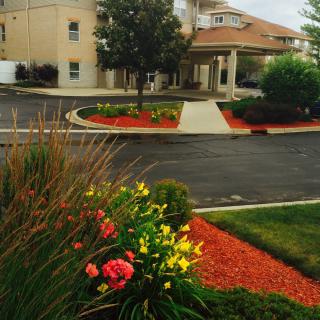
Brenwood Park
$777 to $932 / month18.9 miles away -
About the same

Hawthorne Terrace Apartments
$860 to $1,220 / month8.6 miles away -
from +$145 / mo
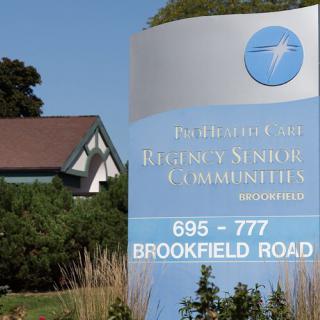
Regency Brookfield
$995 to $3,845 / month12.2 miles away -
from -$100 / mo
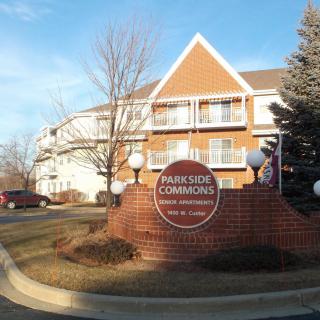
Parkside Commons Senior Apartments
$750 to $850 / month4.0 miles away
Overall Review of Algonquin Manor
Pros
 The place is lovely to live, and the manager, Ms. Neisha, is wonderful.
 - The neighborhood is quiet and peaceful.
- Cathryn runs the place and has a friendly disposition.
- Nick, the maintenance person, is attentive and accommodating.
- Cathryn's openness and friendliness contribute to a welcoming community.
Cons
 There are a ton of problems in this building that haven’t been fixed.
- Meetings are held where nothing gets done.
- No one can locate the owners of the building, and residents want to sue over mold and health hazards.
- There is mold in the closets and other health hazards.
- There is mold in the windows for the second year, and sounds in the walls like water dripping.
- They let anybody move in, leading to a roach infestation and safety concerns.
- Too many non-residents live there, and residents don’t feel safe in their own homes.
- It’s not truly smoke-free, with ongoing cigarette smells.
- With each new management, residents experience money being stolen and excuses.
- Peggy is rude and lacks respect, and does not know how to talk to people.
Review
Algonquin Manor in Brown Deer is best suited for seniors who want a small, quiet neighborhood setting and can accept uneven upkeep in exchange for on-site attentiveness and occasional social moments. The property can feel homey when staff are accessible, and reviewers highlight a few individuals who shape the experience: a manager described as open and friendly, along with a maintenance person who responds promptly to requests. For families prioritizing social touches, such as picnics and birthday celebrations, and a community where neighbors know each other, Algonquin Manor can deliver a warm, low-key rhythm, especially if care needs are not extreme and stability in leadership is present.
Yet there is a stark caveat: the conditions cited by residents point to persistent safety and cleanliness problems that can overwhelm the positives. Reports describe mold in closets and windows, lingering moisture sounds in walls, and a roach infestation tied to lax entry controls. The management landscape is portrayed as unsettled, with frequent leadership changes and allegations that funds are not handled transparently. For anyone who cannot tolerate potential mold exposure, pest issues, and ongoing questions about governance, alternatives are likely to offer more consistent quality and accountability.
Still, the strongest selling points center on interpersonal warmth and a quiet setting. When leadership and staff are stable, residents recount meaningful social moments and responsive maintenance, names like Neisha, Cathryn, and Nick surface as drivers of a positive day-to-day experience. The ability to organize small events and receive timely help with basic needs can meaningfully improve daily life for those who value personal contact with caregivers and a calm, neighborly environment over more institutional surroundings. These threads show the community can deliver comfort and companionship when operations run smoothly.
However, the main drawbacks require careful risk assessment. The ongoing moisture and mold concerns, windows that required medical documentation to prompt action, and a general sense of insecurity due to questions about who should be residing in the building create persistent health and safety considerations. The smell of cigarette smoke in a building billed as smoke-free undermines trust in policy enforcement, and administrative complaints about financial practices or communication gaps compound concerns for families planning long-term residency. These factors tend to tip the scales againstAlgonquin Manor for residents with high cleanliness standards and rigorous safety expectations.
Experience across reviews is clearly polarized, underscoring a reality: Algonquin Manor can feel like two different communities depending on who is in charge and which unit is observed. Positive interactions with some staff contrast sharply with negative encounters with others, producing a mixed reputation that makes consistency essential for new residents. Prospective movers should gather perspectives from multiple current residents and not rely on a single favorable anecdote or a glossy portrayal.
To decide, pursue a structured, truth-seeking visit: inspect for signs of moisture or mold, test responsiveness to service requests, and review actual maintenance tickets and dates. Ask pointed questions about ownership clarity, financial practices, and the steps taken when concerns arise. Verify the smoke policy is reliably enforced, and assess whether the level of social engagement aligns with personal preferences and care needs. If steadiness in governance and a pest-free, clean environment are non-negotiable, this community should be weighed against alternatives in Brown Deer and the broader Milwaukee area with stronger track records. If the priority is a warm, personable on-site team and a quiet, neighborly vibe, Algonquin Manor can still fit, provided expectations are calibrated to the documented realities.
 Active Adult Communities (55+)
 Cats allowed
 Dogs allowed
 Activities off-site
 Air-conditioning
 Bath tubs
 Beautician on-site
 Devotional services off-site
 Full kitchen
 Ground floor units
 Indoor common areas
 Outdoor common areas
 Wheelchair accessible showers
 Wi-Fi/high-speed internet available
 General Mitchell International (15 miles away)
 BBQs or picnics
 Bible study group
 Birthday parties
 Cards / pinochle club
 Day trips and outings
 Live musical performances

 Highly Beneficial Low-Impact Exercises for Senior Living Residents
 Is In-Home Healthcare Tax Deductible? Your Comprehensive Guide
 Nurturing Well-Being Through Gardening: A Detailed Guide for Senior Enthusiasts