

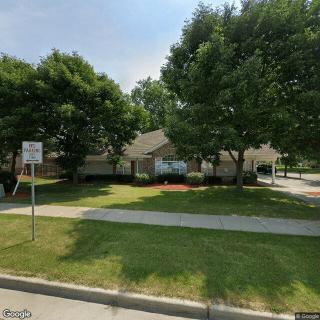
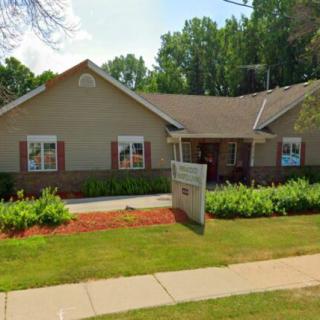
6340 N. Green Bay Ave., Glendale, WI 53209
To contact a resident: (414) 352-9040
For more information about senior living options: (866) 208-4318
Overall Review of Hearts to Home
Pros
 Hearts to Home is highly regarded for compassionate and professional care.
- The caregivers are described as angelic and truly amazing.
- The office staff consistently demonstrates a can-do attitude.
- Hearts to Home exceeds expectations in every possible way.
- The 24-hour care is excellent, respectful, dignified, professional, and compassionate.
- Their care enhances and sustains the lives of elderly parents, while giving families confidence and peace of mind.
Cons
 Most of the caregivers could not speak English, and only two of them were decent.
- All of the auntā€™s good jewelry was stolen, except for a couple of pieces.
Review
Hearts to Home in Glendale, WI is best suited for families seeking deeply personal, in-home, around-the-clock caregiving for a loved one who wants to stay at home. The service shines when the objective is consistent, compassionate support delivered where the client is most comfortable, backed by an organized office that coordinates scheduling, backups, and care plans. Families report a culture where caregivers arrive with genuine care, and administrators push to exceed expectations rather than settle for anything less than excellent. This is not a facility; it is a home-care operation designed to provide 24/7 coverage with dignified, respectful assistance for daily living and emotional support. The emphasis is squarely on continuity and quality of life.
Those who should consider alternatives are families needing formal medical nursing oversight, a fully facility-based environment, or a roster of bilingual staff with ironclad security protocols. If English fluency matters for daily communication or if the risk of loss or misplacement of valuables is a non-starter, evaluating other providers or a different model may be prudent. Similarly, if the elder requires frequent skilled medical interventions, or if a spouse needs a more predictable, facility-style routine with built-in supervision, a licensed assisted-living setting may deliver greater peace of mind.
On the plus side, Hearts to Home earns high marks for compassionate caregivers who deliver respectful, dignified, and professional 24-hour care. Clients consistently benefit from a team willing to go the extra mile, with office staff described as practical problem-solvers who adopt a can-do attitude. The testimonials suggest care that not only meets basic needs but enhances quality of life, allowing families to maintain their own routines while knowing a loved one is well supported around the clock. These strengths create a strong offset to typical in-home-care concerns, because the continuity of caregivers and proactive management reduce the friction families feel when schedules shift or a backup is needed.
Yet, no provider is free from risk. The one-star experience highlights a critical reminder that in-home care requires vigilance around language alignment and security. If the care team lacks English fluency, miscommunications can occur, and without rigorous supervision, the possibility of valuables being misplaced or stolen cannot be dismissed. The best defense is a structured intake that matches clients with compatible staff, clear inventory and valuables policies, and ongoing oversight from a dedicated care manager who can reconcile any issues quickly. In the Hearts to Home model, that defense is strongest when the office leadership maintains tight control of scheduling, caregiver pairing, and rapid escalation when concerns arise.
Despite the caveats, the practical outcomes evident in the positive reviews are substantial. Families report not only that their loved ones are well cared for, but that caregiving arrangements enable parents to remain engaged in daily life and allow relatives to maintain their own routines and independence. The 24/7 framework means there is always a supervisor somewhere who can respond to changes in condition or mood, which translates into steadier days for seniors and less caregiver turnover friction for families. For many, this translates into meaningful extensions of comfort, dignity, and independence at home, which can be more valuable than the occasional risk that comes with in-home care.
For families seriously evaluating Hearts to Home, the practical next steps are clear: arrange a candid intake focused on caregiver qualifications, language capabilities, and supervision structure; insist on meeting the care team and a dedicated care manager; request a written policy on valuables and incident reporting; and discuss a short trial period to observe fit and responsiveness. Ask for references from current clients and a transparent plan for back-up caregivers during vacations or illnesses. If the answer checks those boxes and the tone remains confident and focused on quality care, Hearts to Home can be a powerful ally for preserving home, independence, and dignity in elder years. If not, alternatives that emphasize bilingual staffing, stronger medical nursing coverage, or facility-based oversight should be pursued with the same discerning eye.
 General Mitchell International (13 miles away)



 Nurturing Our Loved Ones: A Daughter's Journey in Caring for Her Mother
 Nurturing Our Elders: Linda's Journey of Supporting Her Mother
 A Comprehensive Exploration of Common Misunderstandings about Powers of Attorney