
1616 West Bender Road, Glendale, WI 53209
For more information about senior living options: (866) 208-4318
Dycora Transitional Health - Milwaukee Costs & Pricing
Dycora Transitional Health in Milwaukee presents a range of costs for its services that reflect the quality of care provided. For a semi-private room, residents can expect to pay $6,606 per month, which is significantly higher than the Milwaukee County average of $4,341 and considerably above the state average of $3,977. When opting for a private room, the monthly cost rises to $7,394, again exceeding both local and state figures - Milwaukee County's average stands at $4,513 while Wisconsin's average is $4,339. These costs suggest that Dycora offers specialized services or amenities that justify the premium compared to regional market standards.
| Floor plans | Dycora Transitional Health - Milwaukee | Milwaukee County | Wisconsin |
|---|---|---|---|
| Semi-Private | $6,606 | $4,341 | $3,977 |
| Private | $7,394 | $4,513 | $4,339 |
Skilled Nursing Facilities with a similar price nearby
-
About the same
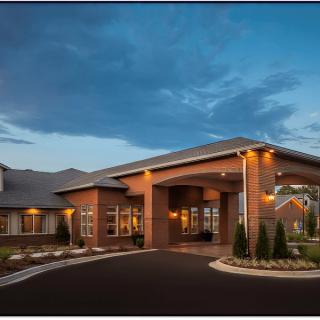
Lakewood Transitional Assisted Living and Memory Care
$6,500 to $7,600 / month10.2 miles away -
from -$308 / mo
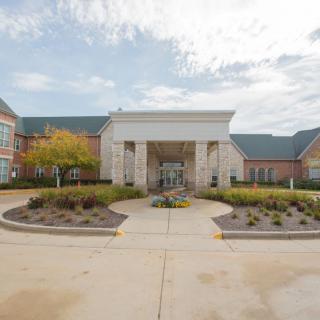
Newcastle Place, a CCRC
$6,298 to $8,724 / month8.1 miles away -
from -$1141 / mo

Lutheran Home Adult Day Services
$5,465 to $6,315 / month6.1 miles away -
from -$814 / mo
Dycora Transitional Health - Glendale
$5,792 / month0.8 miles away -
from -$456 / mo
Maple Ridge
$6,150 / month13.3 miles away
Overall Review of Dycora Transitional Health - Milwaukee
Pros
 The place is wonderful.
- From arrival to departure, everyone is very nice.
- The front desk receptionist is amazing, the sweetest, and truly cares about residents.
- The front desk receptionist is the best and does great work.
- The aides are great with residents and really make their days happier.
- Everyone there seems to be happy, and that shows.
- It was a very nice time.
Cons
 The reviewer says the facility feels like a Freddy Kruger movie and notes there isn’t enough staff to properly care for residents.
- The reviewer would not recommend family members bring their loved ones here.
- The service is horrible, with patients ill for weeks, malnutrition and electrolyte issues, and call lights left unanswered by staff.
- The facility fails to provide timely help and leaves loved ones unattended, even during toileting and bedtime.
- Meals are not nutritious and lack vegetables, with repetitive offerings.
- Families are told to contact doctors to adjust medications, which the reviewer views as improper and the facility’s neglect.
- The reviewer believes the rehab center should be shut down and assigns it no stars due to substandard care and untrained staff.
- There is no reliable way to contact nurses (no voicemail), making communication with doctors unacceptable.
Review
This community is best suited for families seeking a straightforward, transitional option for a loved one with modest medical needs and a preference for warm, responsive front-desk service and aides who genuinely care. The strongest value comes from daily interactions: a front-desk team that leaves a positive first impression, and aides who can brighten a resident’s day with small, attentive gestures. In practical terms, it works best for short stays or rehab where the goal is to stabilize comfort and mood while ongoing medical oversight is not assumed to be flawless. When a family can stay engaged, communicate concerns, and act as a second care layer, this facility can perform its supportive, homey function.
On the other hand, those with higher acuity or strict medical regimens should consider alternatives. The reviews echo red flags for residents who require reliable call-light responses, frequent monitoring, or timely interventions. Several accounts describe delays in care, missed meals, and unaddressed symptoms that progressed to hospital visits. For families needing consistent, proactive oversight, or residents with complex nutrition and hydration needs, this facility may fall short. The risk is tangible: documented care gaps and deteriorations suggest that safer options exist with stronger staffing, clearer accountability, and more predictable routines.
Pros are real but situational. The most consistent praise centers on people: a front-desk professional who embodies warmth and approachability, and aides who deliver compassionate, day-to-day support. When staff are present and engaged, residents report better mood and more reliable assistance with routine tasks. The environment can feel upbeat and welcoming, which matters for morale during a transition. In short, kindness shows up here; it just does not always arrive on every shift.
Cons are systemic enough to overshadow the positives. The most troubling issues revolve around staffing gaps and delayed responses: call lights unanswered, meals late or lacking nutrition, and basic tasks such as laundry and hygiene left incomplete. Medical management is repeatedly questioned: family members often must advocate for medication changes, concerns about malnutrition and electrolyte imbalances arise, and hospital transfers have occurred. Communication with nurses and physicians appears fragmented, with mixed expectations about who coordinates the care plan. The dining program itself seems limited, with recurring reports of repetitive menus and insufficient vegetables.
Those who insist on this option must acknowledge that the bright, caring moments only go so far against the pattern of care gaps. The warmth and stable aides partially offset emotional strain and can help during a brief rehab, but the gravity of the safety and medical concerns cannot be ignored. In practical terms, a favorable day-to-day vibe cannot compensate for inconsistent nursing presence, unreliable call responses, and erratic routines that jeopardize health. For families prioritizing safety, accountability, and reliable medical oversight, the offsets are insufficient.
Practical next steps are essential. Prospective residents should request the current staffing plan, visit during peak hours, and insist on meeting with the director of nursing to understand call-light triage, medication authorization, and escalation processes. Review meal plans and nutrition guidelines, and ask for recent dietary notes. Inquire about transfer patterns and safeguards to prevent crises. Compare with nearby facilities that demonstrate stronger safety records, clearer communication, and more consistent daily routines. If choosing this community, insist on close family oversight from day one and define escalation channels; otherwise, safer alternatives offer more predictable risk management and peace of mind.
 121 resident community capacity
 Skilled Nursing Facility
 Air-conditioning
 Beauty salon
 Cable or satellite TV
 Computer center
 Dining room
 Fitness room
 Fully furnished
 Gaming room
 Garden
 Housekeeping services
 Kitchenette
 Move-in coordination
 Outdoor space
 Private
 Private bathrooms
 Restaurant-style dining
 Small library
 Telephone
 Wellness center
 Wi-Fi/high-speed internet available
 General Mitchell International (13 miles away)
 Community operated transportation
 12-16 hour nursing
 24-hour call system
 Activities of daily living assistance
 Assistance with bathing
 Assistance with dressing
 Assistance with transfers
 Diabetes diet
 Medication management
 Mental wellness program
 Special dietary restrictions
 Concierge services
 Planned day trips

 Effective Strategies for Keeping Seniors' Minds Active: A Deep Dive into Brain Games and Apps
 In-Depth Look at the VA Aid and Attendance Program
 Nurturing Our Loved Ones: A Daughter's Journey in Caring for Her Mother