
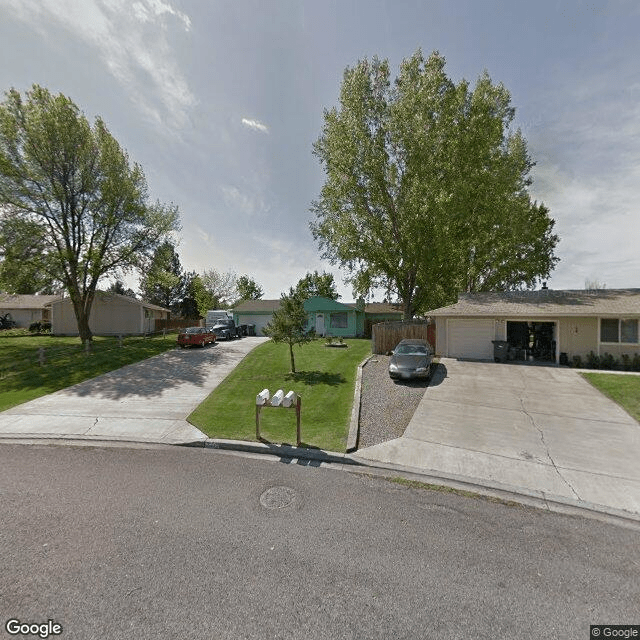
3231 W. 13th Ave., Kennewick, WA 99338
To contact a resident: (509) 531-4766
For more information about senior living options: (866) 208-4318
The Rose Cottage Costs & Pricing
The Rose Cottage offers competitive pricing for its accommodations, reflecting a commitment to affordability and quality care. For semi-private rooms, residents can expect a monthly cost of $3,000, which is notably lower than the average rates in Benton County at $3,824 and the state rate of $4,267. Private room options at The Rose Cottage range from $3,400 to $4,500, providing flexibility depending on specific needs and preferences. This range positions them favorably compared to Benton County's average of $3,913 and Washington's statewide average of $4,772. Overall, The Rose Cottage stands out as an appealing choice for those seeking a nurturing environment without compromising their budget.
| Floor plans | The Rose Cottage | Benton County | Washington |
|---|---|---|---|
| Semi-Private | $3,000 | $3,824 | $4,272 |
| Private | $3,400 to $4,500 | $3,913 | $4,774 |
Memory care communities with a similar price nearby
-
About the same
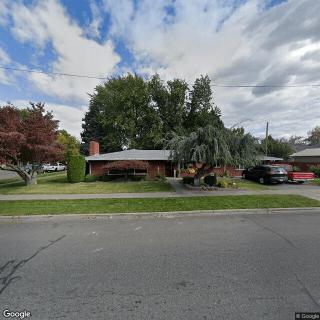
Abundance of Life AFH
$3,000 / month4.2 miles away -
from +$500 / mo

Careing Hands Adult Family Home
$3,500 to $5,000 / month3.6 miles away -
from -$500 / mo
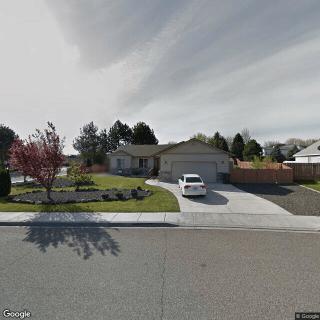
Leslie Canyon AFH
$2,500 to $3,000 / month5.3 miles away -
from +$500 / mo
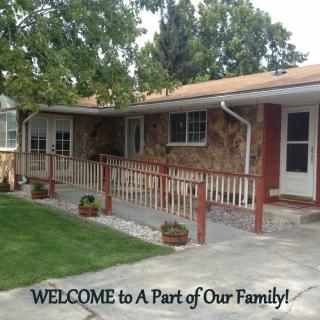
A Part of Our Family
$3,500 / month0.6 miles away -
About the same

Guardian Angel Homes
$3,075 to $3,675 / month8.6 miles away
Overall Review of The Rose Cottage
Pros
 They seem to be really tuned in to what my loved one needs.
- Alma the owner goes out of her way to tend to the needs of the tenant.
- Rose Cottage rates right up there with the more expensive ones.
Cons
 The review is full of lies and jealousy from a family member.
- Sarah Hankel is a fake person.
- There are staff members who think they can predict who can live or die.
- The reviewer believes the facility neglects what needs to be done for the patients who live there and should be checked up on.
- The lack of privacy in a large common room forces families to feel like they are bothering others.
Review
The Rose Cottage is best suited for seniors who want a warm, home‑like, owner‑operated environment in Kennewick. It works well for residents who value highly personalized attention from a small care team and who are comfortable with a social, community‑minded setting rather than a sterile, clinical atmosphere. The owner, Alma, is repeatedly described as going out of her way to tend to individual needs, suggesting a hands‑on leadership style and a culture that treats residents as people rather than room numbers. Families drawn to this option typically seek transparent, approachable management and a level of daily responsiveness that bigger facilities often promise but do not always deliver. The setting also appeals to those who want good value: care that feels upscale without the sticker shock of higher‑end chain communities, and a home base that prioritizes comfort and routine over rigid medical specialization.
Those who may want alternatives include seniors who require strict privacy for family conversations or who demand comprehensive, on‑site clinical oversight. The communal common room for visits can feel exposing, and residents’ families may wish for quiet, private space to talk without other residents present. Staffing shifts and turnover can create perceived gaps in oversight, especially during transitions from one caregiver team to another. For residents needing robust memory‑care resources, 24/7 nursing presence, or highly structured medical management, larger facilities with formal programs may deliver more consistent reassurance. In short, The Rose Cottage suits personal touch and homelike living, but may fall short for families prioritizing intensive clinical security and private, distraction‑free interactions.
On balance, the strongest pros center on individualized attention and value. The owner’s direct involvement tends to translate into quicker problem resolution, attentive daily care, and ongoing calibration of routines to fit each resident. Reviewers consistently note that Alma and her small team tune care to what a resident needs, rather than applying a rigid, one‑size‑fits‑all plan. The facility’s pricing sits toward the higher end of local options, yet it essentially mirrors what more upscale facilities charge, delivering a comparable service level without the corporate overhead. Residents often adjust well to the home atmosphere, and family members report appreciable warmth, reliability, and a sense of partnership in care. In short, The Rose Cottage delivers a compelling combination of personal touch and perceived dignity that resonates with many families.
However, a cautionary tale appears in one pointed account describing a period of staffing changes perceived as neglect: a resident became seriously ill with limited intervention, culminating in a hospital trip. That review is contested by another family member, who argues it is biased, but the episode underscores a real risk: continuity of care hinges on stable staffing and vigilant supervision. Related concerns include the lack of private space for conversations, which can leave family members feeling they are intruding when visiting or communicating with a loved one. While these issues are not universal, they are plausible in a small, owner‑run setting and warrant explicit clarification before committing.
Taken together, the positives tend to offset these concerns for many families. The combination of owner involvement, responsive care, and strong perceived value creates a reassuring baseline that outshines the potential privacy friction and the risk of uneven oversight. The small scale supports more tailored activity planning and quicker adjustments to changing needs, while the rating history suggests a general satisfaction level that rivals pricier peers. The key is to verify staffing consistency, ensure clear lines of accountability, and confirm that emergency procedures and medication administration practices meet expectations. When those assurances are in place, The Rose Cottage represents a prudent compromise between intimate, hands‑on care and practical, budget‑mensible living.
Families evaluating The Rose Cottage should focus on three actions: observe the physical layout and request a private space for meaningful conversations; meet directly with the care manager and the owner to review daily schedules, care plans, and incident reporting; and ask for current references and a transparent staffing calendar. Inquire about how medications are managed, how hospital transfers are coordinated, and how family updates are communicated. If possible, arrange a short trial stay to assess continuity of care and responsiveness across staff shifts. With due diligence, The Rose Cottage can deliver a comforting, personalized living environment, provided expectations are aligned with the realities of a small, owner‑run operation.
 Board and Care Home
 Memory Care
 Cats allowed
 Dogs allowed
 Activities on-site
 Bath tubs
 Beautician on-site
 Indoor common areas
 Outdoor common areas
 Private
 Respite or short term stays offered
 Tri-Cities (5 miles away)
 Diabetic care
 High acuity care
 Incontinence care
 Medication management
 Kosher



 When Dementia Sparks Anger and Aggression: Understanding the Connection and Ways to Cope
 Dementia Behaviors: In-Depth Understanding and Effective Coping Strategies
 5 Early Indicators of Dementia and What You Can Do