For more information about senior living options: (866) 208-4318
3.1 from 41 reviews
5 stars
17
4 stars
3
3 stars
1
2 stars
8
1 stars
12
Windsong at Southridge Costs & Pricing
Windsong at Southridge offers studio accommodations at a monthly rate of $7,000, which notably exceeds both the average costs in Benton County and across Washington state, where prices are approximately $4,174 and $4,126 respectively. This higher cost reflects not only the quality of care and services provided by Windsong but also its specialized environment tailored for residents seeking enhanced support. While it may represent a significant investment compared to local benchmarks, many families find value in the comprehensive amenities and personalized care that justify this premium pricing within the broader context of senior living options.
Floor plans
Windsong at Southridge
Benton County
Washington
Studio
$7,000
$4,174
$4,128
Memory care communities with a similar price nearby
Residents and families frequently point to Montessori-based memory care as a defining approach.
Several reviews describe Montessori-inspired programming and care as something that helps residents stay engaged and active. One reviewer also frames Montessori as a key reason their family member has been happier and more willing to participate in daily activities. On the other hand, at least one review questions whether Montessori is used consistently beyond what families see during tours.
common5 reviews mention this
Activities keep residents engaged
Reviews repeatedly describe a steady level of resident engagement through activities and social time.
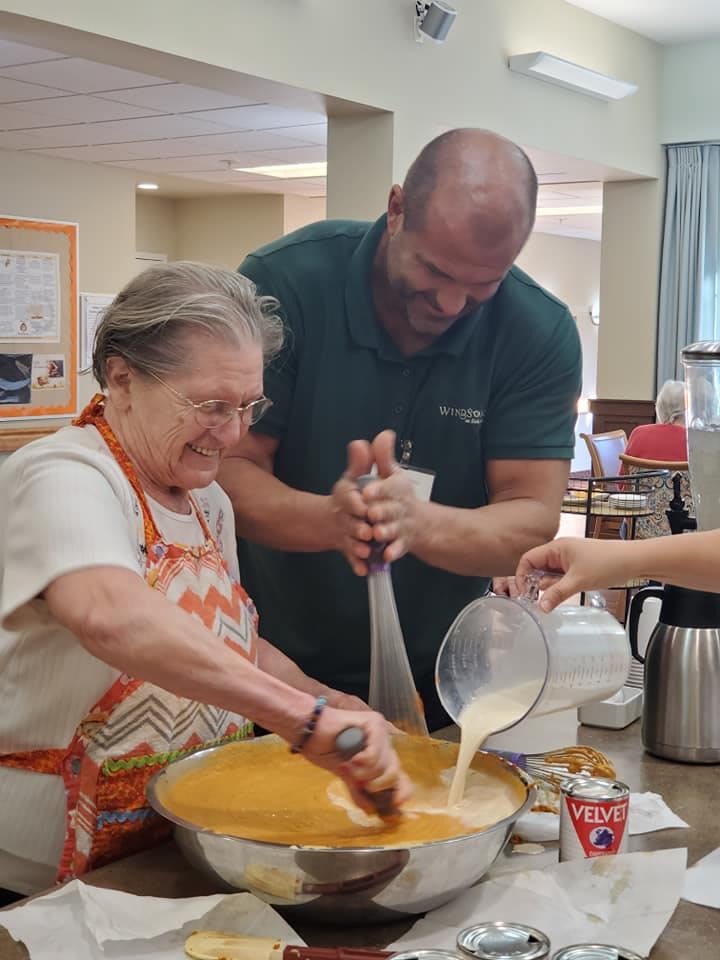
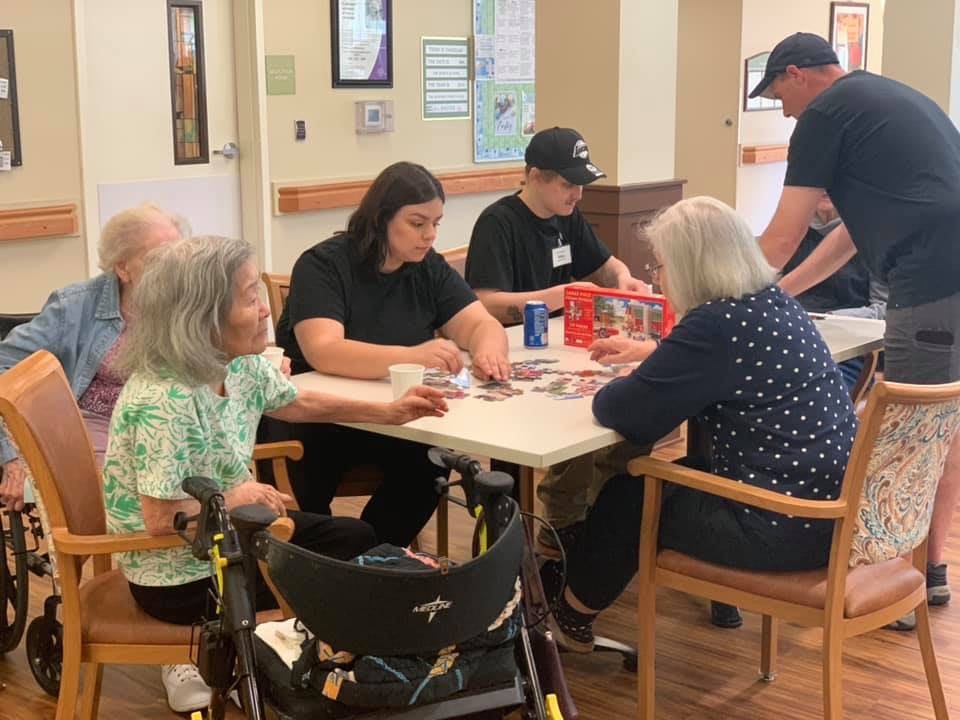
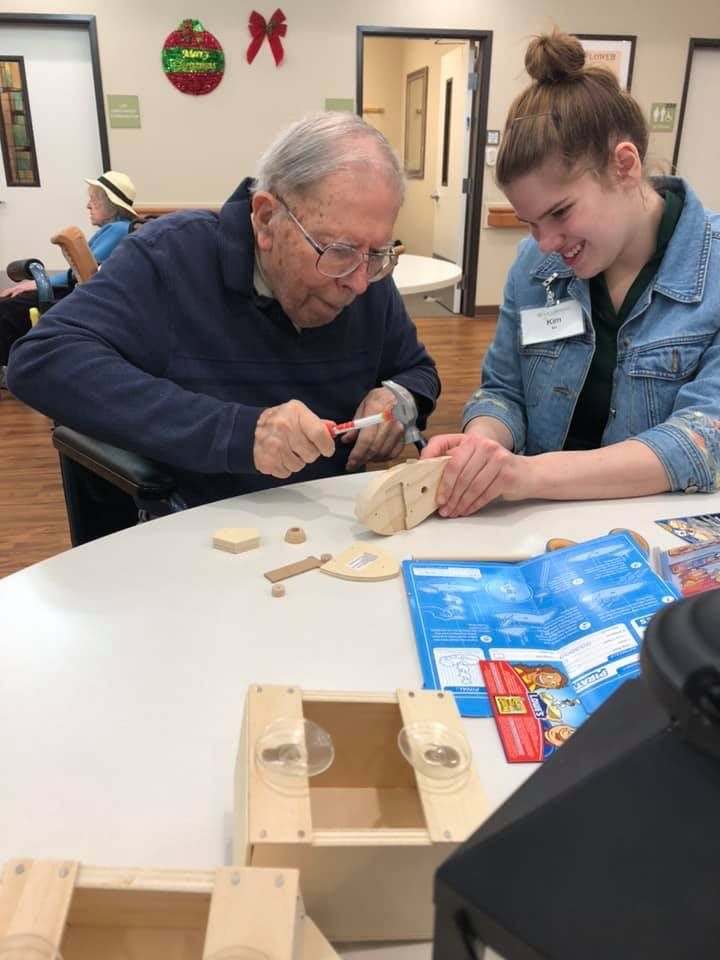
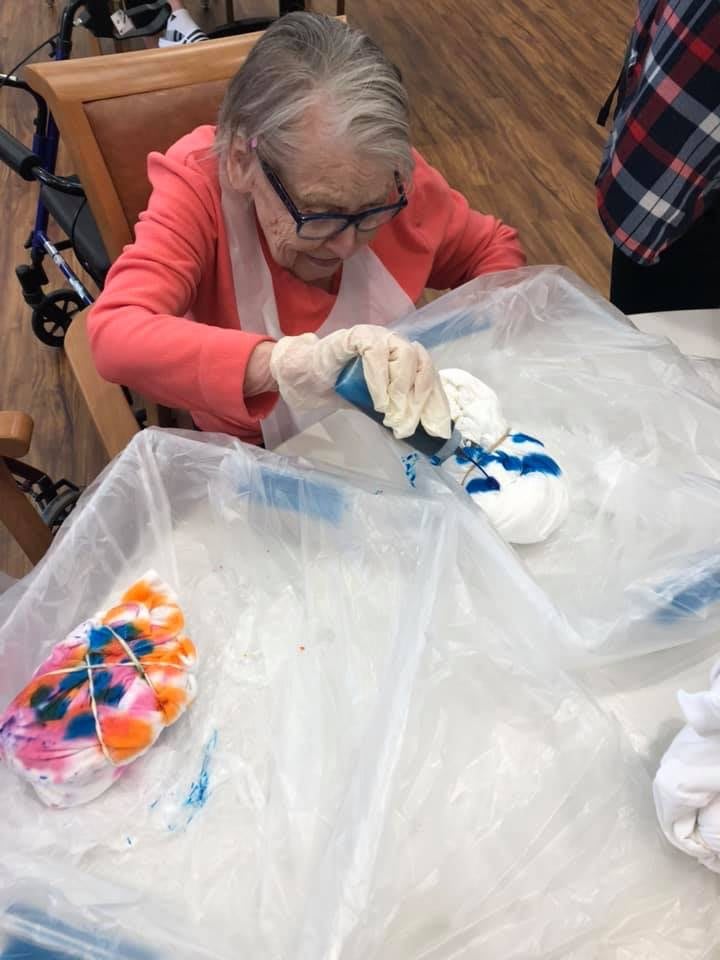
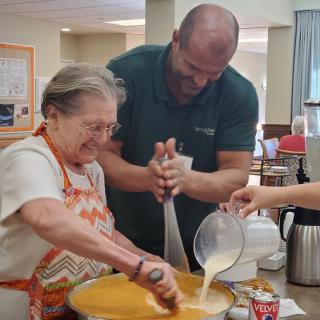
Families mention residents having friends again and enjoying life through ongoing socializing and group participation. Other reviews highlight arts and crafts, cooking or baking classes, gardening, and community events that involve residents rather than just watching TV. At the same time, a tour comment suggests staffing engagement can vary, with some residents not appearing as actively engaged during the visit.
caveat12 reviews mention this
Staffing and management concerns recur
Multiple reviews raise concerns about management and staffing readiness for memory care needs.
A number of reviews criticize management changes, communication, and staffing levels, including claims of short staffing and staff turnover. Several accounts also describe serious issues related to oversight and care follow-through, including falls, infection concerns, and unmet needs. There are also reviews that describe the care staff as trying their best, but being constrained by management.
caveat2 reviews mention this
Dining quality and diet support
Dining experiences are mixed, including concerns about food handling and meeting specific diet needs.
One review says the food was initially good but deteriorated after a cook left, and it also reports that a diabetic diet wasn’t followed for a resident. Another review specifically raises a food-handling concern involving expired food. While the dining options list includes multiple dietary preferences, these particular concerns focus on day-to-day execution rather than menu variety.
caveat3 reviews mention this
Cost is a sticking point
Pricing gets called out as a concern, including mentions of increases.
Family feedback includes worry about the overall expense, including comments made after touring. One review also reports the pricing increased multiple times without communication to the family. Other reviews suggest some families would have stayed if it weren’t for cost.
How we summarize
Counts show how many written reviews mention each theme; a review can touch several themes, and only frequently mentioned themes are displayed.
Features
Types of Care
Memory Care
Amenities
Activities off-site
Activities on-site
Air-conditioning
Bath tubs
Beautician on-site
Devotional services on-site
Garden view
Ground floor units
Handicap accessible
Indoor common areas
Outdoor common areas
Respite or short term stays offered
Wheelchair accessible showers
Wi-Fi/high-speed internet available
Transportation
Tri-Cities (4 miles away)
Care Services
Ambulatory care
Diabetic care
High acuity care
Incontinence care
Medication management
Dining
Anytime dining
Guest meals
International cuisine
Kosher
Low / no sodium
Meals provided
No Sugar
Professional chef
Restaurant style dining
Special dining programs
Vegan
Vegetarian
Activities
Art classes
Cooking classes
Day trips and outings
Devotional activities on-site
Educational speakers / life long learning
Happy hour
Karaoke
Live dance or theater performances
Live musical performances
Live well programs
Other religious services
Wine tasting
Nearby Places of Interest
This part of Kennewick, Washington, offers a variety of amenities that may be appealing to seniors looking to relocate. It is in close proximity to several healthcare facilities including physicians, hospitals, and pharmacies, providing easy access to medical care. There are also numerous dining options ranging from casual restaurants to cafes for socializing and enjoying meals. Additionally, the area boasts several parks for outdoor recreation and relaxation. Places of worship are nearby for spiritual fulfillment, and transportation options such as the Tri-Cities Airport make it convenient for visitors or residents who enjoy traveling. Overall, this neighborhood offers a well-rounded mix of services and attractions that could suit the needs and interests of seniors looking for a comfortable and convenient living environment.
Physicians
Benton-Franklin Health District (0.4 miles)
Blue Heron Naturopathic Care (0.8 miles)
Mid-Columbia Women's Health (1.2 miles)
Evergreen Pediatrics (1.2 miles)
Spalding Medical Building (1.3 miles)
Women's Health Center (1.3 miles)
Inland Cardiology Associates PS (1.3 miles)
Restaurants
El Fat Cat Grill (0.7 miles)
Ice Harbor Brewing Company (0.9 miles)
Players Sportsbar & Grill (0.9 miles)
Village Tavern (1 miles)
McDonald's (1 miles)
Taco Bell (1 miles)
Denny's (1 miles)
Parks
Playground of Dreams (0.7 miles)
Columbia Park (0.8 miles)
Eastgate Park (2.1 miles)
Lawrence Scott Park (3.2 miles)
Desert Dunes Park (3.4 miles)
Places of Worship
Kennewick First United Methodist Church (0.7 miles)
Kennewick Baptist Church (0.7 miles)
In Step Church (3.2 miles)
Hospitals
Kennewick Public Hospital District (1 miles)
Trios Health (1 miles)
Kennewick General Hospital (1.2 miles)
Family Birthing Center (1.2 miles)
Trios Health (1.2 miles)
Lourdes Health System (2.6 miles)
Trios Southridge Hospital (3.5 miles)
Cafes
Dutch Bros Coffee (1 miles)
Starbucks (2.6 miles)
Mocha Express (2.6 miles)
Dutch Bros Coffee (2.7 miles)
Roasters Coffee (2.9 miles)
Barracuda Coffee Company (3 miles)
Sun Willows Golf Club House Willows Cafe (3 miles)
Windsong at Southridge offers studio accommodations at a monthly rate of $7,000, which notably exceeds both the average costs in Benton County and across Washington state, where prices are approximately $4,174 and $4,126 respectively. This higher cost reflects not only the quality of care and services provided by Windsong but also its specialized environment tailored for residents seeking enhanced support. While it may represent a significant investment compared to local benchmarks, many families find value in the comprehensive amenities and personalized care that justify this premium pricing within the broader context of senior living options.
Windsong at Southridge's medication management system ensures that residents receive their prescribed medications accurately and on time, reducing the risk of adverse effects or missed doses. This is particularly critical for individuals with dementia or Alzheimer's, as cognitive impairments can make it difficult for them to remember their medication schedules. Additionally, incontinence care is an essential feature that addresses the often-overlooked emotional and physical needs of residents facing these challenges. By providing compassionate and discreet support, staff can help maintain dignity while addressing hygiene concerns, which can significantly enhance overall comfort and quality of life for those living with memory-related conditions. Together, these features create a nurturing environment that fosters well-being and stability amidst the complexities of memory impairment.
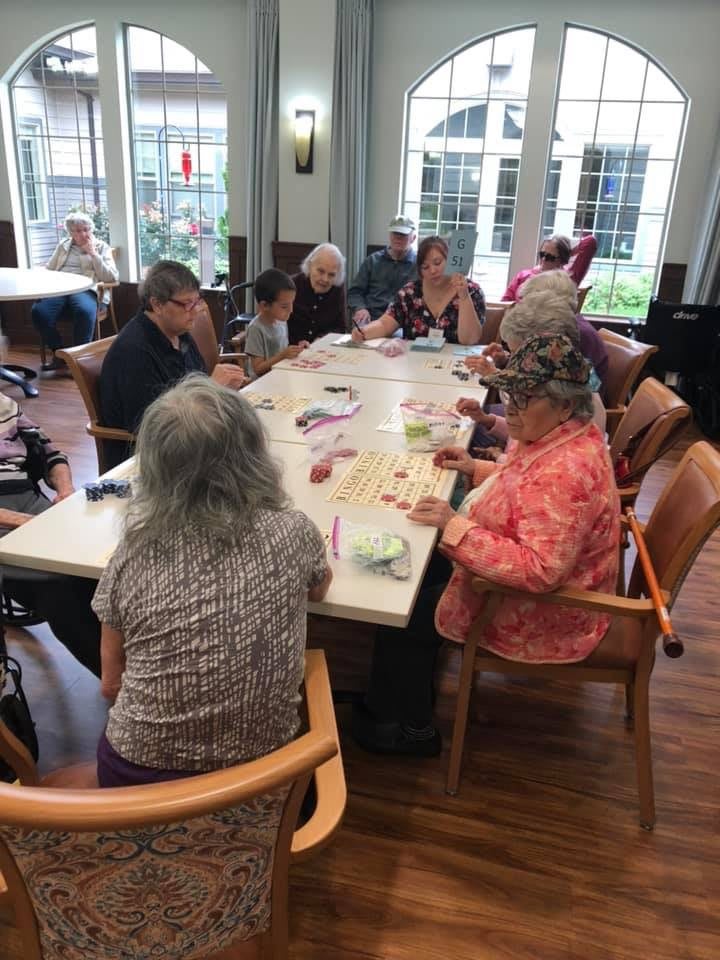
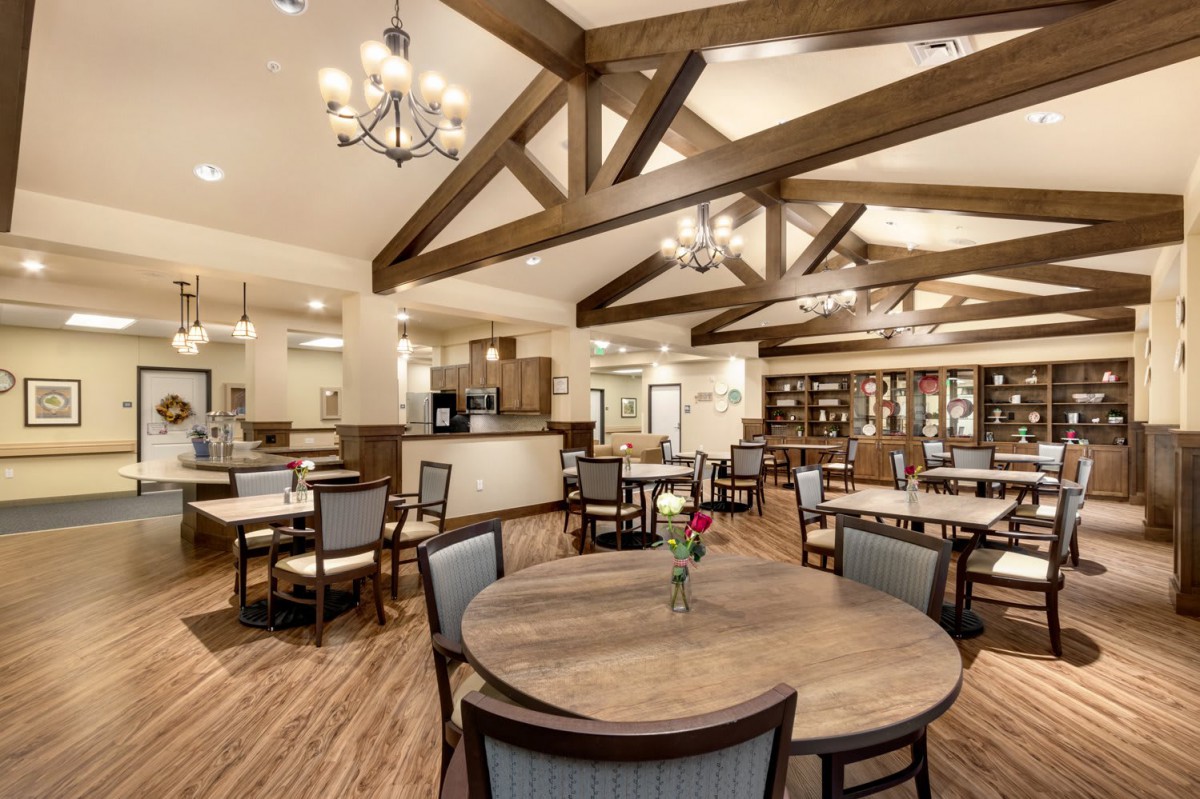
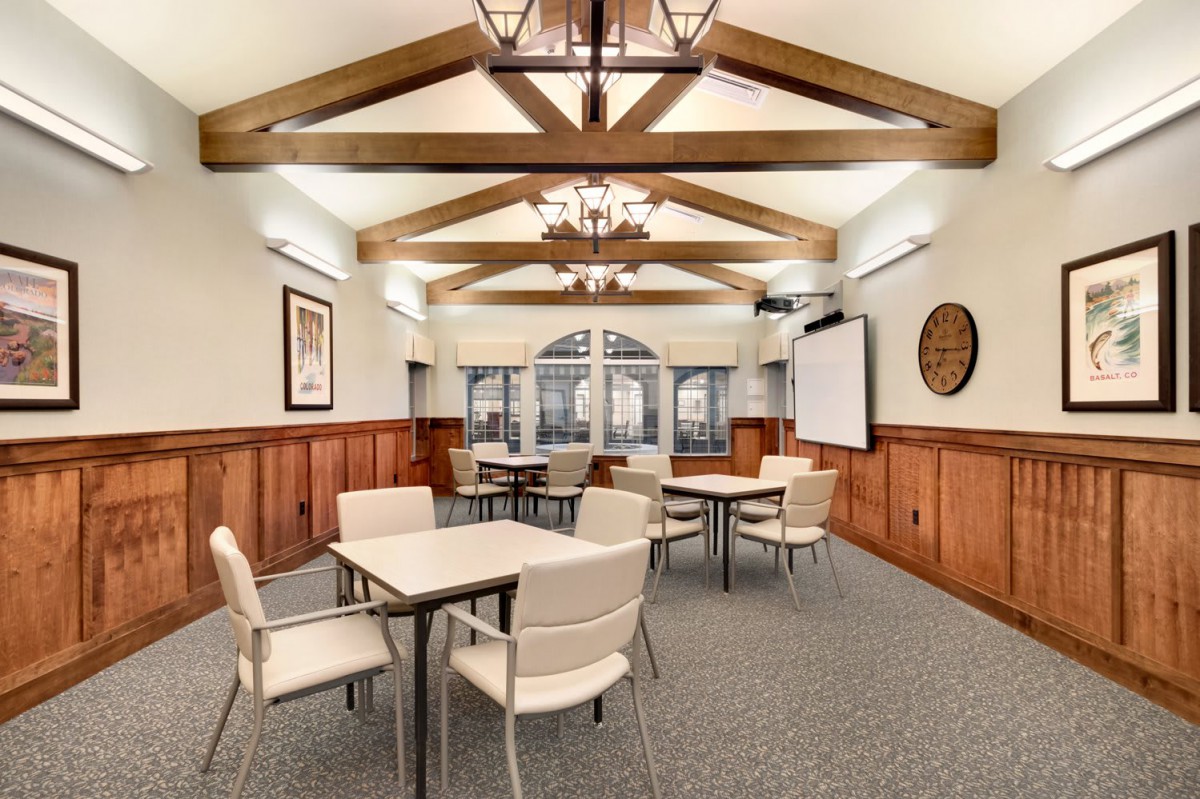
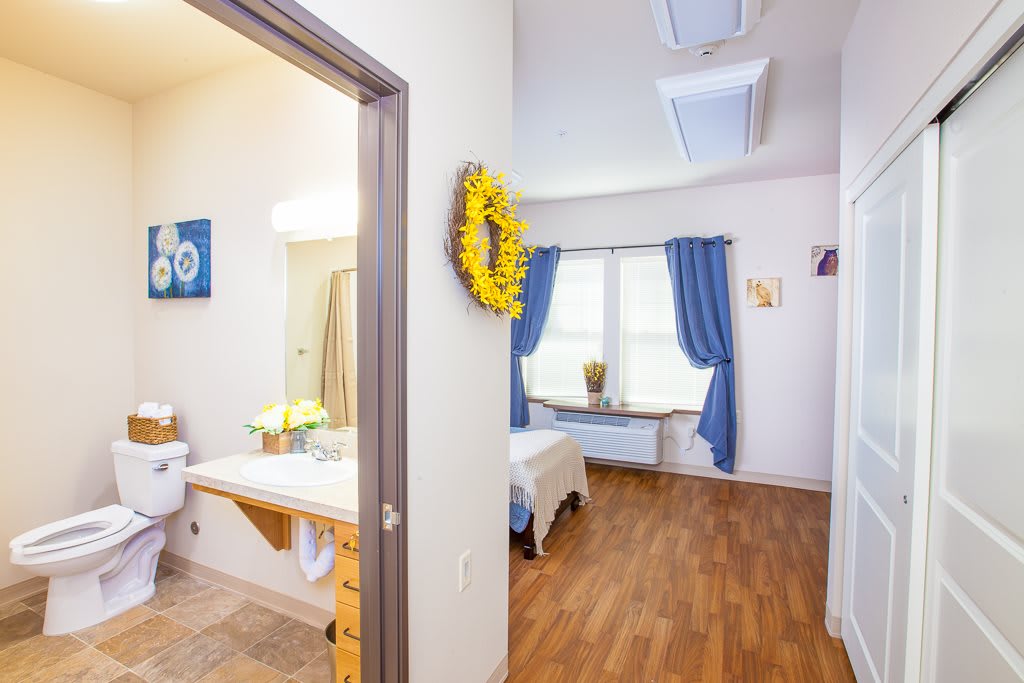
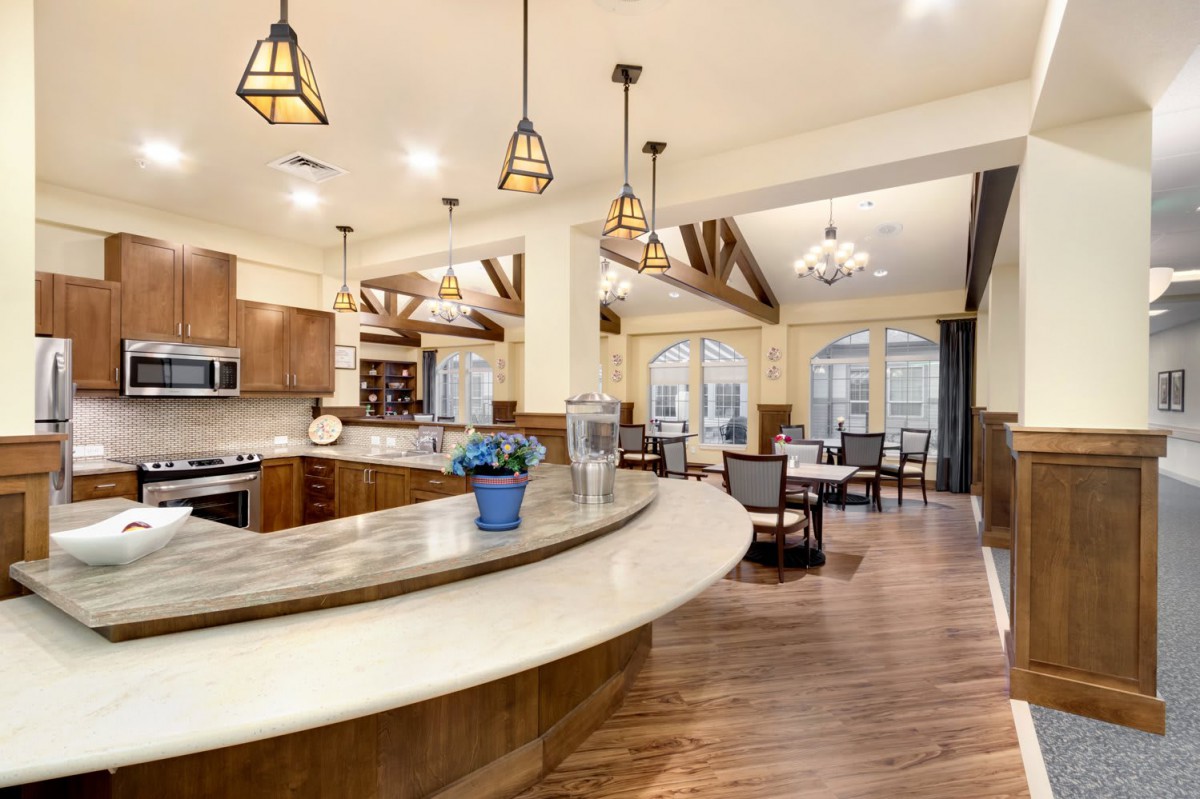
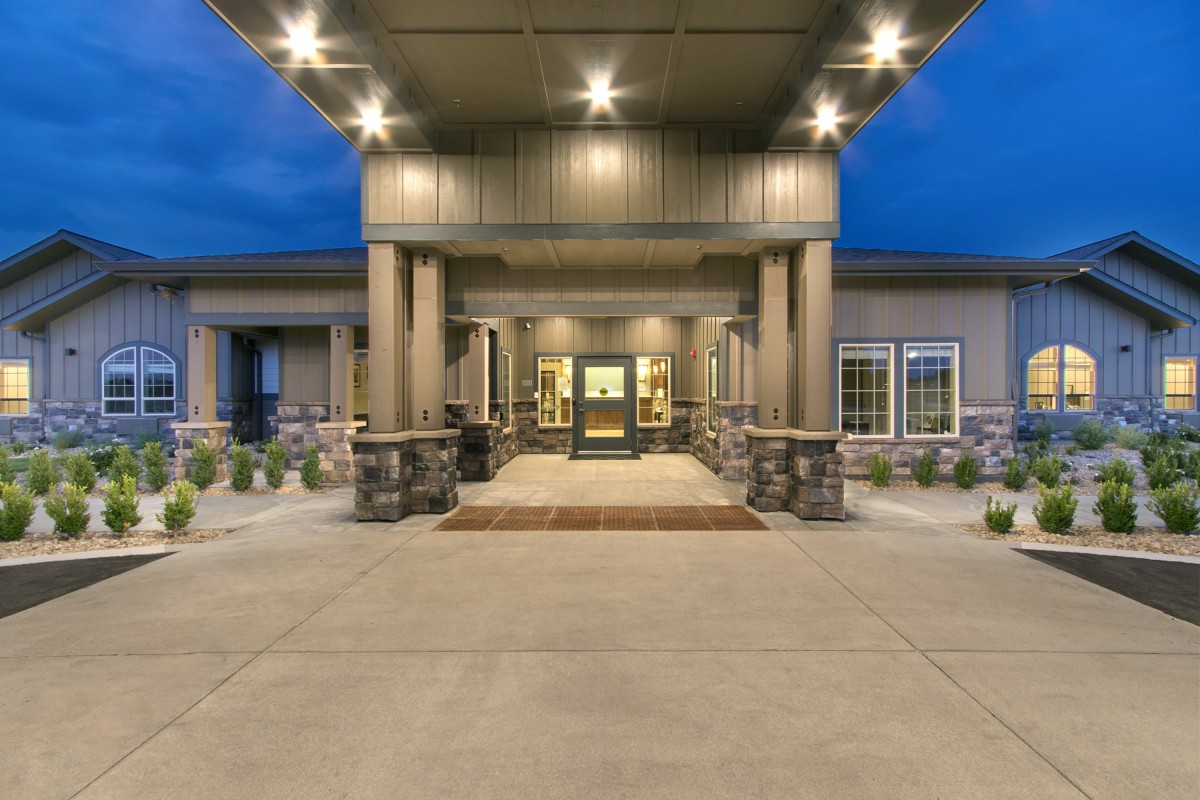
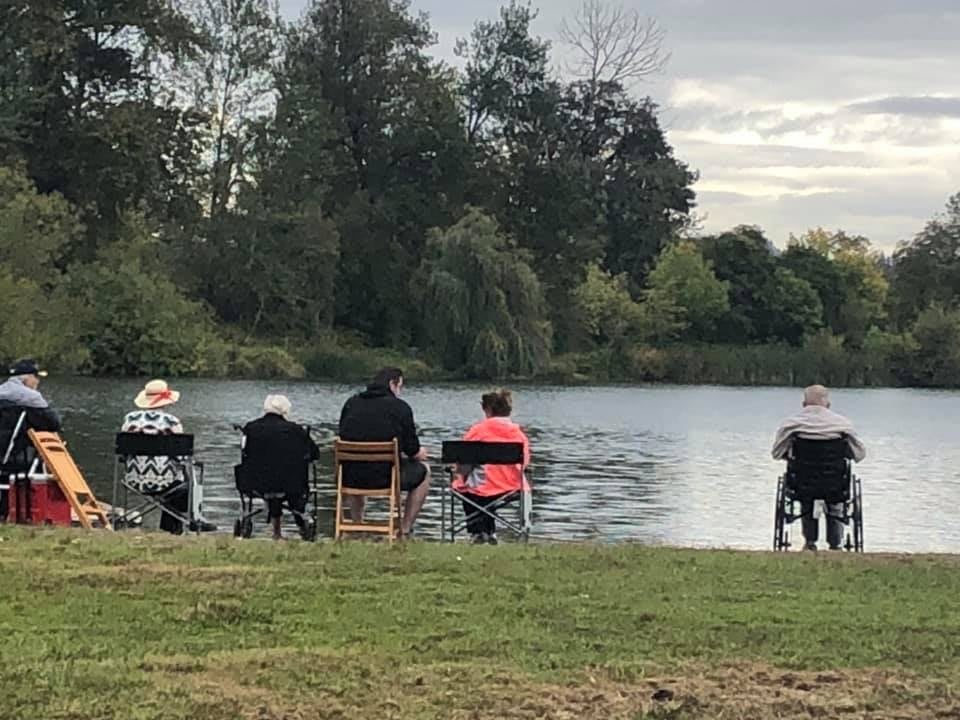
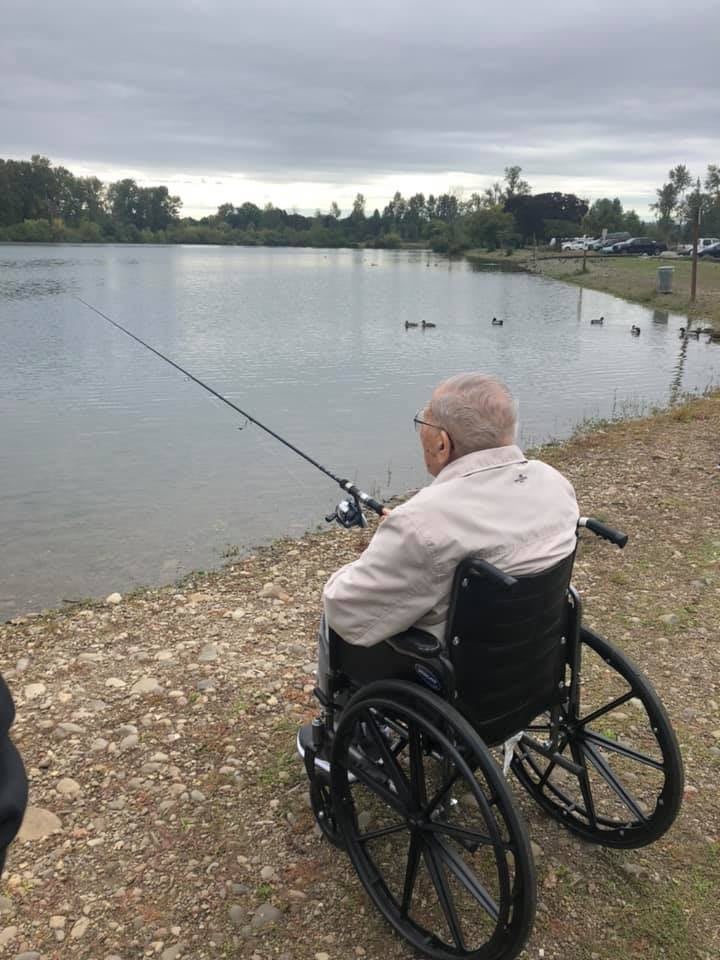
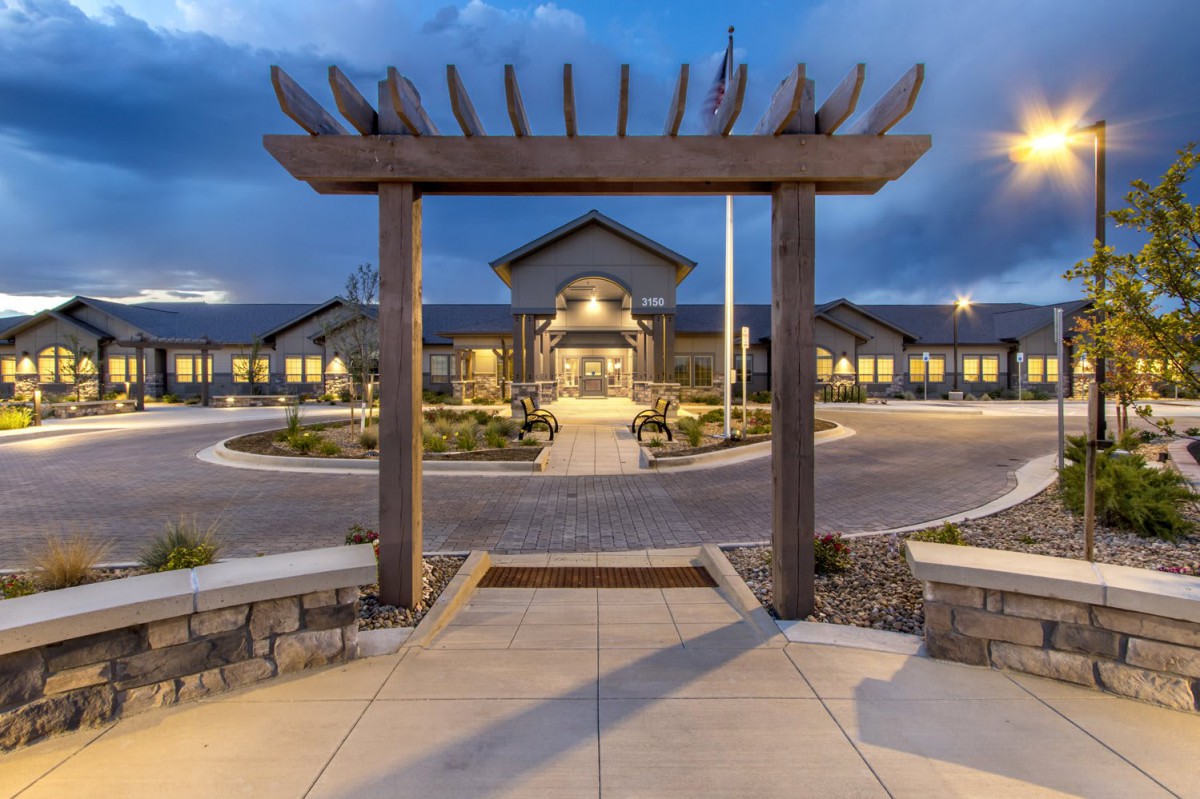
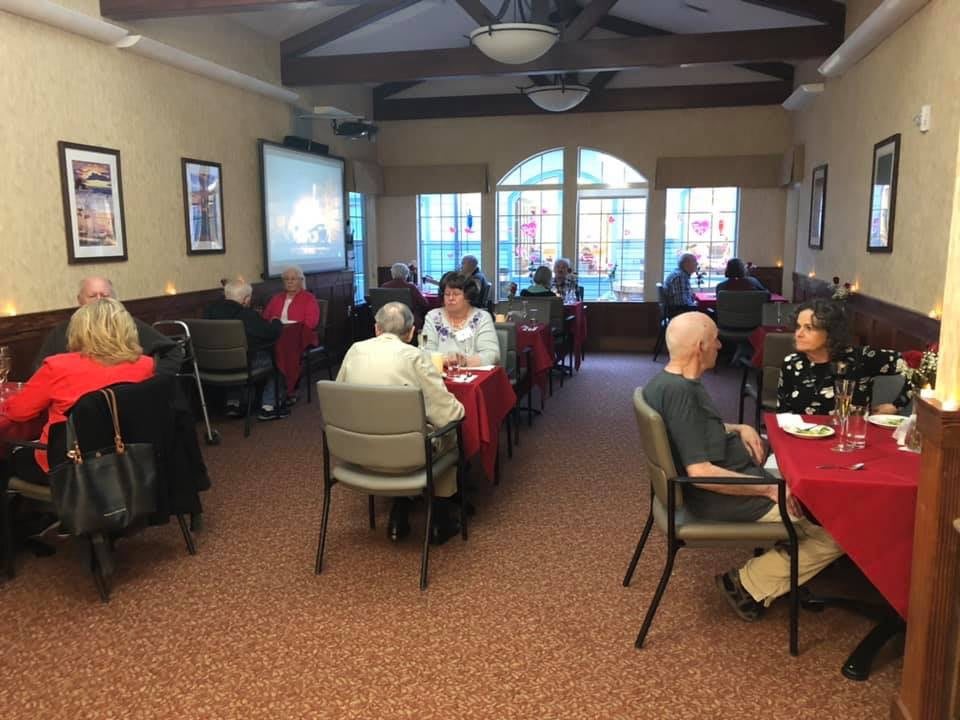
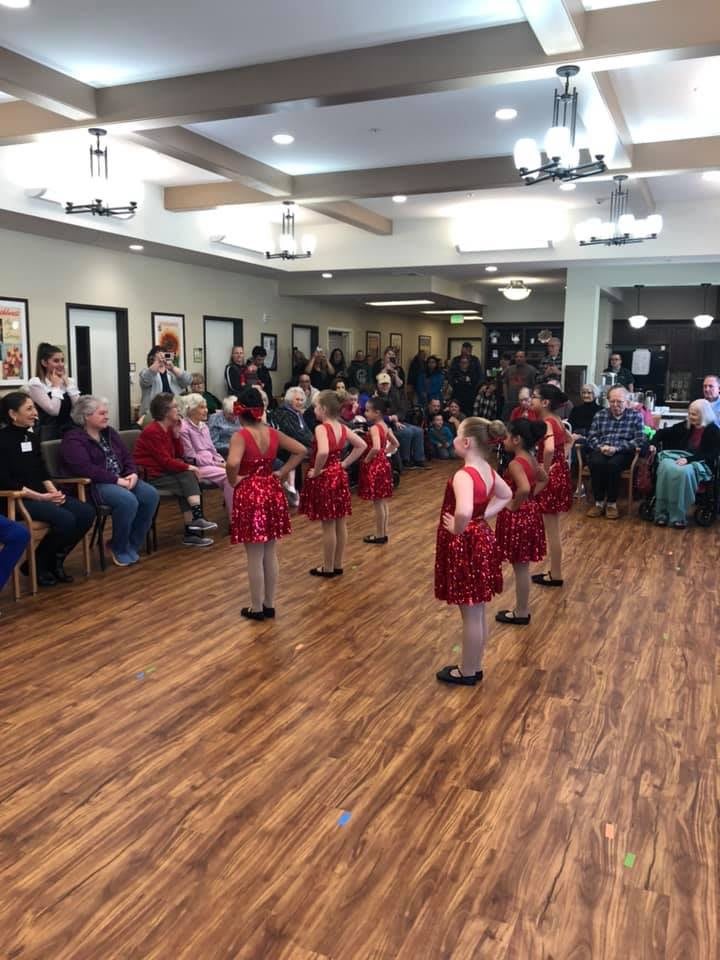
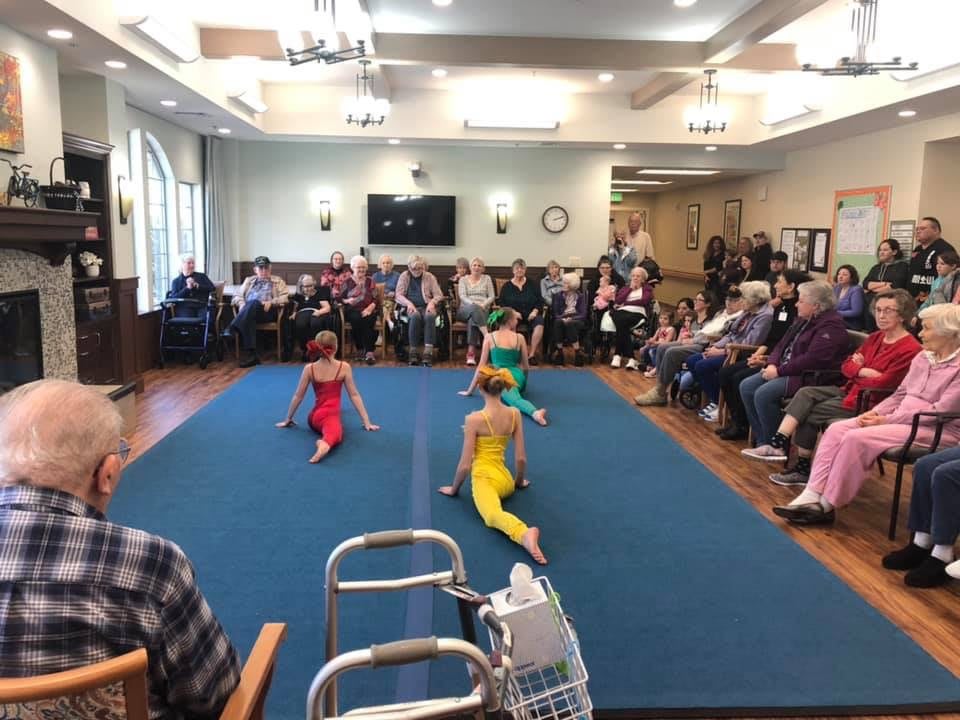
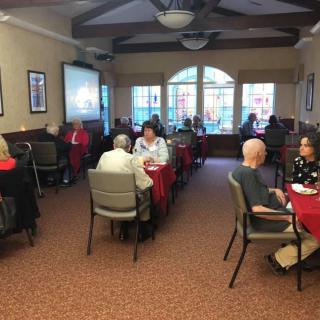
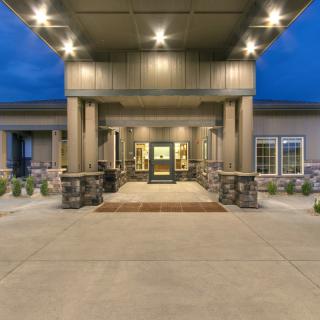
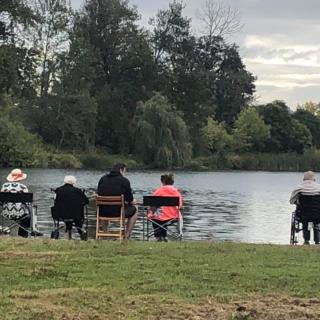
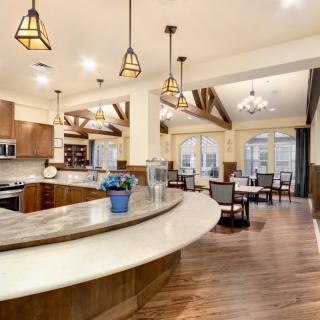
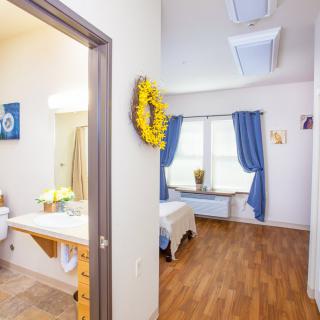
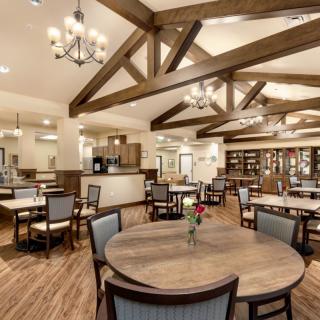
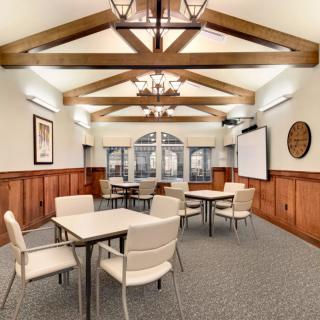
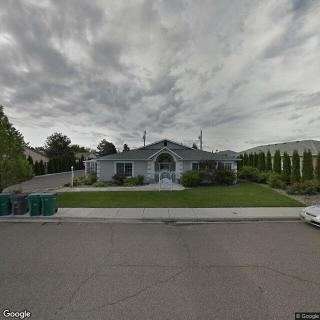
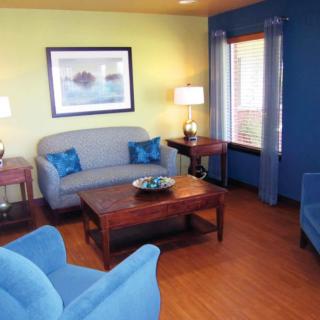
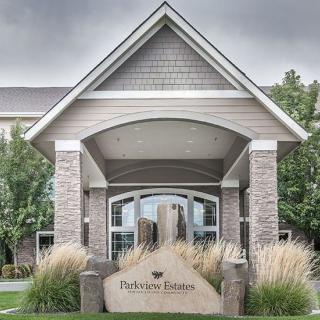
Windsong at Southridge on seniors.fyi includes 23 photos including images showing interior, dining, bathroom, outdoors, bedroom, wooden beams, chandelier, assistance, and more.
Nearby Communities
Three Rivers Place
Kennewick, WA
4.4 from 75 reviews
$3,250 to $5,595 / month
Caring staff, clean rooms, good dining.
Life Care Center Of Kennewick
Kennewick, WA
4.2 from 115 reviews
Comprehensive amenities and an engaged staff that supports recovery and daily living.
English Rose Manor
Kennewick, WA
5 from 1 review
$3,000 to $5,000 / month
Clean facility with caring staff, engaging activities, and good meals.
Legacy Cottage
Kennewick, WA
5 from 2 reviews
$3,400 / month
Home-like atmosphere with caring staff and strong management.
Desert Wind Gardens AFH
Kennewick, WA
4.8 from 46 reviews
Peaceful Kennewick location with broad access to nearby amenities and healthcare.
Tranquility Manor
Kennewick, WA
5 from 3 reviews
$3,800 / month
Budget-friendly memory care with private rooms and on-site amenities
Avalon Health & Rehabilitation Center Pasco
Pasco, WA
3.5 from 53 reviews
Extensive amenities and around-the-clock nursing care
Parkview Estates
Kennewick, WA
4.4 from 71 reviews
$3,000 to $4,500 / month
Caring staff with personalized attention in a welcoming, active community.
Affinity at Southridge
Kennewick, WA
4.5 from 66 reviews
$1,295 to $1,885 / month
Friendly staff, strong sense of community, and engaging amenities.
At-home dementia care expenses vary widely based on care levels, location, and caregiver expertise, with monthly costs for home health aides exceeding $4,500 and specialized care potentially surpassing $100,000 annually. While families favor in-home care for its comfort and personalized attention, they must consider financial planning and the challenges of caregiver fatigue.
The article discusses the late stages of dementia, detailing the progression from mild to severe impairment and highlighting key characteristics such as profound cognitive decline and dependency in daily activities. It emphasizes care strategies focused on comfort and dignity, the importance of advance directives, and the emotional support needed for family caregivers facing this challenging journey.
The article examines the link between certain medications and increased dementia risk, particularly in older adults, emphasizing that long-term or high-dose use of anticholinergics, benzodiazepines, and other drug classes can exacerbate cognitive impairment. It calls for careful medication evaluation and shared decision-making to mitigate these risks while managing treatment efficacy.
Get PricingAsk A QuestionSchedule A TourContact Senior Advisor
By clicking submit, you agree to our Partner's Terms of Use. You
also consent to receive calls and texts, which may be autodialed, from our Partner. Your consent is not a condition to
using our Partner's service. Please visit our Partner's Privacy Policy for information about their privacy practices.









 Memory Care
 Activities off-site
 Air-conditioning
 Bath tubs
 Beautician on-site
 Devotional services on-site
 Garden view
 Ground floor units
 Handicap accessible
 Indoor common areas
 Outdoor common areas
 Respite or short term stays offered
 Wheelchair accessible showers
 Wi-Fi/high-speed internet available
 Tri-Cities (4 miles away)
 Ambulatory care
 Diabetic care
 High acuity care
 Incontinence care
 Medication management
 Anytime dining
 Art classes
 Cooking classes
 Day trips and outings
 Educational speakers / life long learning
 Happy hour
 Karaoke
 Live dance or theater performances
 Live musical performances
 Live well programs
 Wine tasting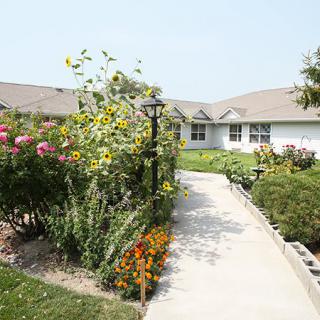
 Caring staff, clean rooms, good dining.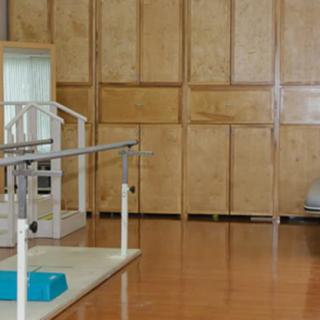

 Estimating the Expenses of At-Home Dementia Care: A Detailed Exploration
 Comprehensive Insights on the Late Stages of Dementia: What to Expect and How to Provide Care
 Medications Associated with Dementia Risk: A Comprehensive Overview