For more information about senior living options: (866) 208-4318
4.2 from 115 reviews
5 stars
76
4 stars
17
3 stars
4
2 stars
1
1 stars
17
Overall Review of Life Care Center Of Kennewick
common44 reviews mention this
Staff friendliness and attentiveness
Residents and families frequently describe staff as friendly, caring, and responsive.
Many reviewers say the staff was kind and easy to work with, including front desk teams, nurses, aides, and therapy staff. Several mention caregivers checking in, being attentive during visits, and helping residents feel safe and comfortable. A few reviews also describe communication being a key difference, with families feeling they were kept informed.
common30 reviews mention this
Facility cleanliness and comfort
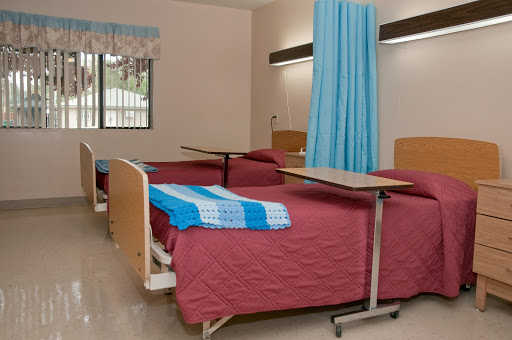
Cleanliness comes up often, with multiple reviewers calling the facility clean and well kept.
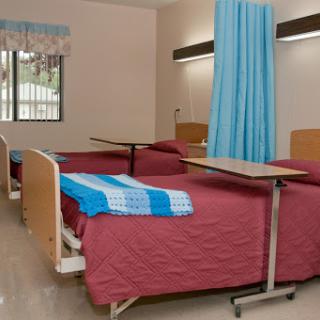
A recurring theme in the reviews is that the building and rooms are clean and orderly. Some reviewers also describe the facility as quiet or comfortable, and a few comment on pleasant-smelling interiors. There are also negative reviews describing unpleasant odors and unclean conditions, which suggests cleanliness experiences may vary by time or unit.
common26 reviews mention this
Food quality and accommodations
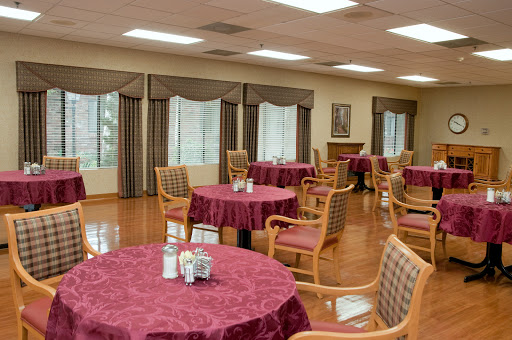
Food is a consistent topic, with many reviewers saying meals are good or accommodating special needs.
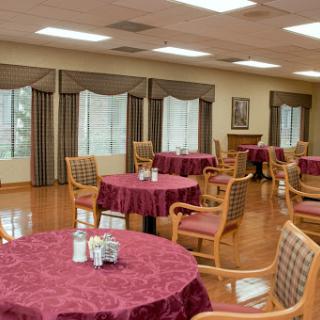
Several reviewers describe the food as good, with some noting residents seem happier with meals than at prior places. Others mention that the kitchen can accommodate special diets and preferences, and a few describe restaurant-style dining. At the same time, a smaller set of reviews criticize the food quality or timing, including complaints about meals being served cold or insufficiently handled when residents needed help eating.
caveat24 reviews mention this
Call-button response and supervision
Some reviews report missed or delayed assistance, including long waits after call buttons.
While many reviewers praise care teams, multiple negative reviews raise concerns about supervision and how quickly staff responds when residents need help. Complaints include call buttons not being answered for long periods, residents struggling without assistance, and incidents where families had to intervene themselves. This conflicts with the community’s emphasis on around-the-clock call and supervision features, which some reviewers say did not translate into consistent on-the-spot help.
common20 reviews mention this
Rehabilitation progress and therapy
Reviews often highlight rehab and therapy support as part of recovery.
Several reviewers describe physical and occupational therapy working with residents on mobility and daily goals, sometimes crediting that support for meaningful progress. Others mention therapy staff helping with tasks like transfers or getting settled so residents can comfortably engage in the day. A few reviews are less positive about delays in therapy evaluations or therapy starting quickly after admission, suggesting the rehab experience may depend on timing and staffing.
How we summarize
Counts show how many written reviews mention each theme; a review can touch several themes, and only frequently mentioned themes are displayed.
Features
Housing
136 resident community capacity
Types of Care
Skilled Nursing Facility
Amenities
Air-conditioning
Beauty salon
Cable or satellite TV
Computer center
Dining room
Fitness room
Fully furnished
Gaming room
Garden
Housekeeping services
Kitchenette
Move-in coordination
Outdoor space
Private bathrooms
Restaurant-style dining
Small library
Telephone
Wellness center
Wi-Fi/high-speed internet available
Transportation
Tri-Cities (4 miles away)
Community operated transportation
Transportation arrangement
Transportation arrangement (non-medical)
Transportation to doctors appointments
Care Services
12-16 hour nursing
24-hour call system
24-hour supervision
Activities of daily living assistance
Assistance with bathing
Assistance with dressing
Assistance with transfers
Diabetes diet
Meal preparation and service
Medication management
Mental wellness program
Special dietary restrictions
Dining
Diabetes diet
Special dietary restrictions
Activities
Community-sponsored activities
Concierge services
Fitness programs
Planned day trips
Resident-run activities
Scheduled daily activities
Nearby Places of Interest
Restaurants
El Fat Cat Grill (0.5 miles)
Jack In The Box (1 miles)
McDonald's (1 miles)
Taco Bell (1 miles)
Players Sportsbar & Grill (1.1 miles)
Denny's (1.1 miles)
Village Tavern (1.1 miles)
Physicians
Benton-Franklin Health District (0.8 miles)
Mid-Columbia Women's Health (0.8 miles)
Blue Heron Naturopathic Care (0.9 miles)
Inland Cardiology Associates PS (1 miles)
Spalding Medical Building (1 miles)
Kgh Physician Clinics (1 miles)
Women's Health Center (1 miles)
Places of Worship
Kennewick First United Methodist Church (0.9 miles)
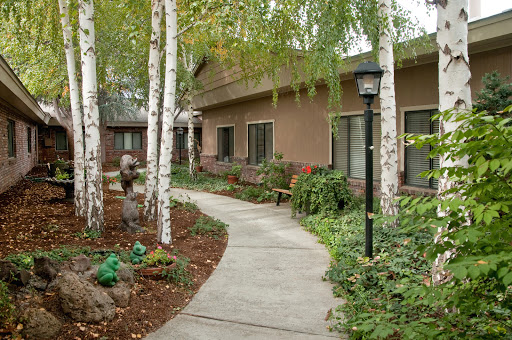
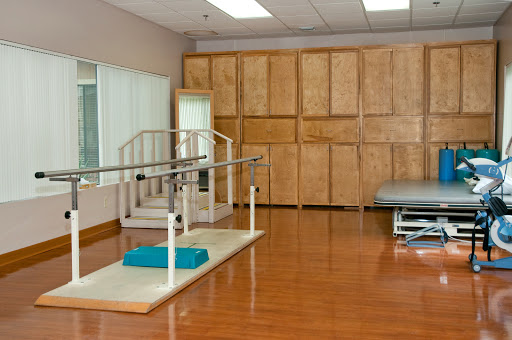
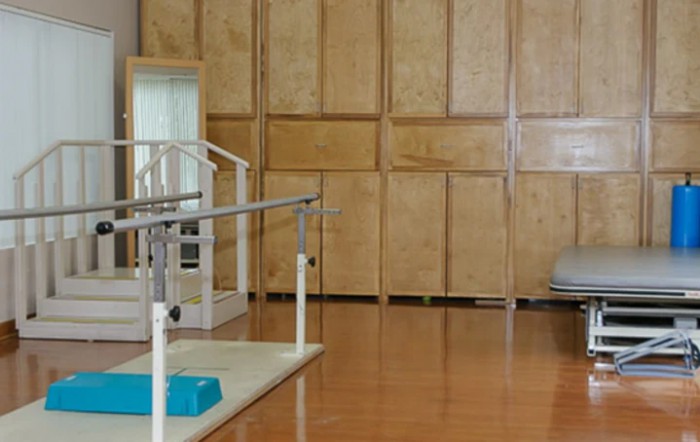
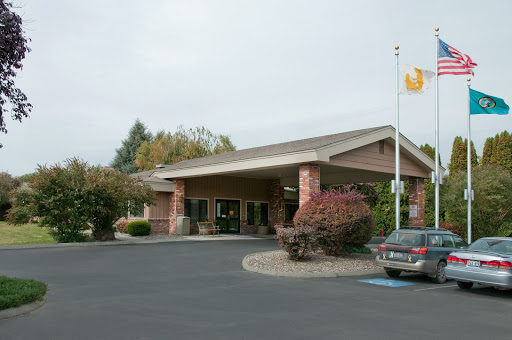
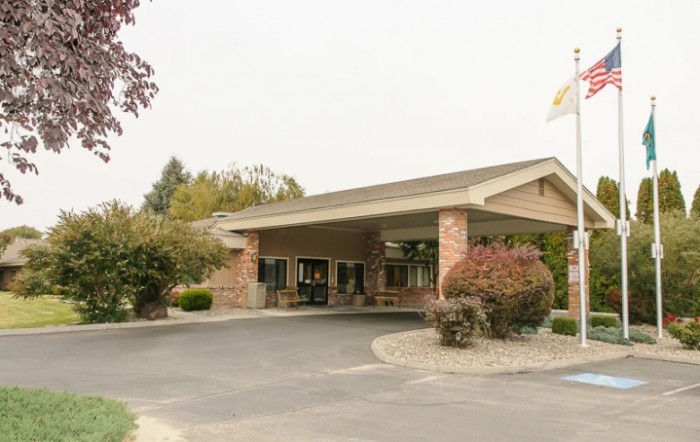
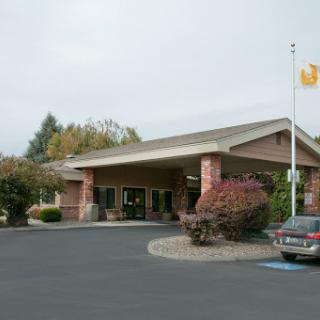
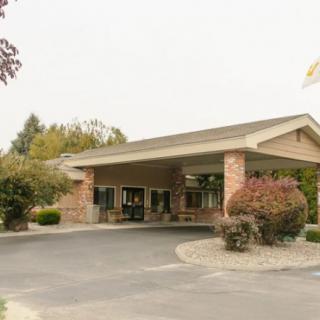
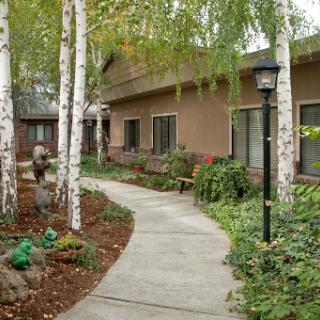
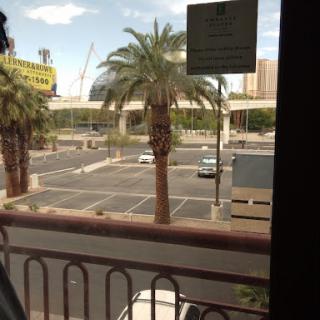
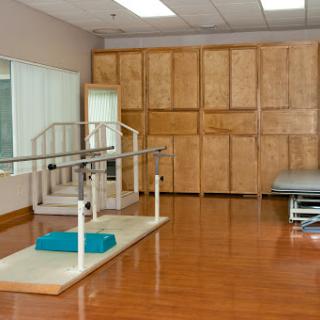
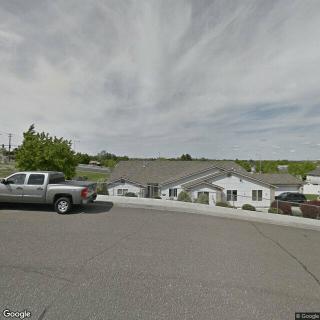
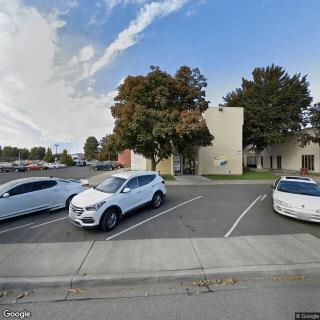
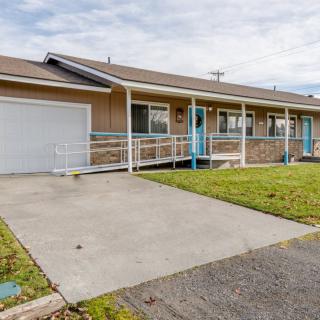
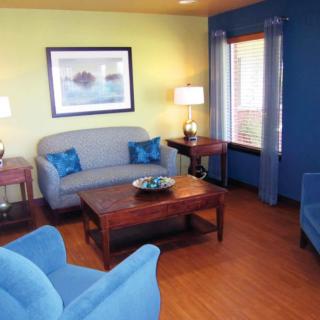
Life Care Center Of Kennewick on seniors.fyi includes 12 photos including images showing building, landscaping, trees, interior, exercise equipment, dining, parking, rehabilitation, and more.
Nearby Communities
English Rose Manor
Kennewick, WA
5 from 1 review
$3,000 to $5,000 / month
Clean facility with caring staff, engaging activities, and good meals.
Three Rivers Place
Kennewick, WA
4.4 from 75 reviews
$3,250 to $5,595 / month
Caring staff, clean rooms, good dining.
Rosetta Assisted Living Olympia
Kennewick, WA
4.6 from 10 reviews
$4,200 / month
Specialized memory care with 24/7 supervision and engaging activities
Gentle Hands
Kennewic, WA
4.7 from 3 reviews
Excellent access to health services, dining, parks, and social venues in a vibrant neighborhood.
Day-to-Day Home Care LLC
Kennewick, WA
4.6 from 19 reviews
Convenient, well-connected location with abundant nearby amenities.
A.J.A.N AFH
Kennewick, WA
5 from 2 reviews
$5,200 to $5,800 / month
Intimate, small-home setting with highly personable staff delivering individualized care.
Windsong at Southridge
Kennewick, WA
3.1 from 41 reviews
$7,000 / month
Personalized care with engaging, Montessori-inspired activities
Avalon Health & Rehabilitation Center Pasco
Pasco, WA
3.5 from 53 reviews
Extensive amenities and around-the-clock nursing care
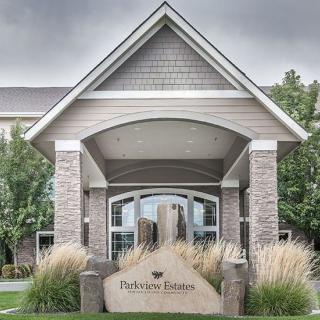
Parkview Estates
Kennewick, WA
4.4 from 71 reviews
$3,000 to $4,500 / month
Caring staff with personalized attention in a welcoming, active community.
Hospice care focuses on providing comfort and support for individuals nearing the end of life, with Medicare Part A covering services like nursing care and counseling for patients with a terminal illness and a life expectancy of six months or less. While most hospice services are low-cost for eligible patients, families should be aware that certain expenses, such as room and board, may not be covered.
Caregiver burnout is a common issue resulting from the intense physical, emotional, and mental demands of caregiving, leading to symptoms like fatigue and social withdrawal. To prevent burnout, caregivers should recognize early warning signs and implement self-care strategies, seek support, and prioritize their own well-being alongside that of those they care for.
Caregiver exhaustion, or burnout, stems from the relentless demands of caregiving, leading to emotional and physical depletion characterized by stress, frustration, and neglect of personal needs. Addressing this burden is essential to prevent long-term consequences, with early recognition and support being crucial for caregivers to maintain balance and implement self-care.
Exercise Equipment, Rehabilitation, and Physical Therapy
Exterior and Flag
Healthcare
Parking
Palm Trees and Urban
Therapy Room
Exercise Room
Nurse
Additional Photos
Get PricingAsk A QuestionSchedule A TourContact Senior Advisor
By clicking submit, you agree to our Partner's Terms of Use. You
also consent to receive calls and texts, which may be autodialed, from our Partner. Your consent is not a condition to
using our Partner's service. Please visit our Partner's Privacy Policy for information about their privacy practices.





 136 resident community capacity
 Skilled Nursing Facility
 Air-conditioning
 Beauty salon
 Cable or satellite TV
 Computer center
 Dining room
 Fitness room
 Fully furnished
 Gaming room
 Garden
 Housekeeping services
 Kitchenette
 Move-in coordination
 Outdoor space
 Private bathrooms
 Restaurant-style dining
 Small library
 Telephone
 Wellness center
 Wi-Fi/high-speed internet available
 Tri-Cities (4 miles away)
 Community operated transportation
 12-16 hour nursing
 24-hour call system
 Activities of daily living assistance
 Assistance with bathing
 Assistance with dressing
 Assistance with transfers
 Diabetes diet
 Medication management
 Mental wellness program
 Special dietary restrictions
 Concierge services
 Planned day trips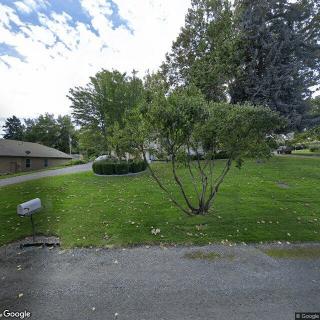
 Clean facility with caring staff, engaging activities, and good meals.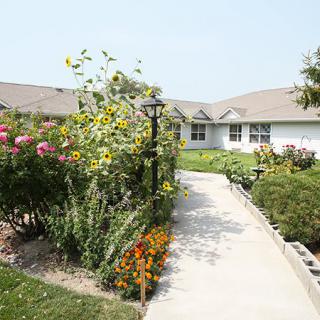

 Comprehensive Guide to Medicare Coverage for Hospice Care
 Caring for Those Who Care: Recognizing, Understanding, and Overcoming Caregiver Burnout
 Caregiver Exhaustion: Recognizing the Signs and Restoring Your Well-Being