
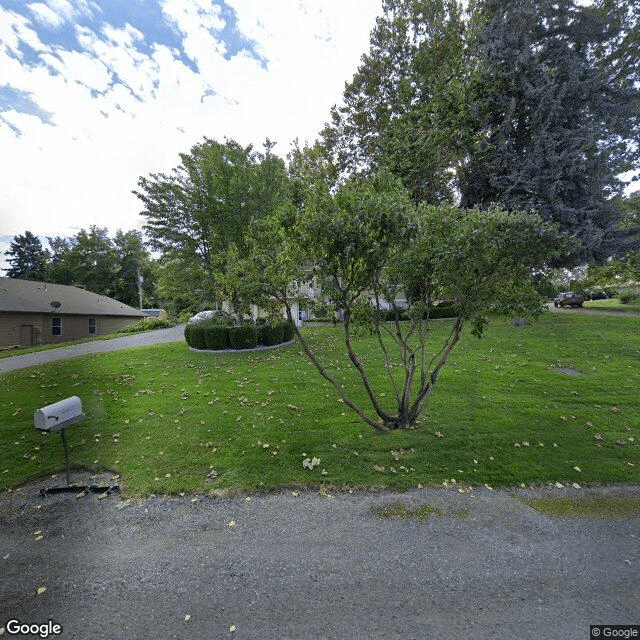
1611 W 7th Pl, Kennewick, WA 99336
To contact a resident: (509) 531-4766
For more information about senior living options: (866) 208-4318
English Rose Manor Costs & Pricing
English Rose Manor offers competitive pricing for its residents, with semi-private rooms available at $3,000 per month. This rate is notably lower than both the average monthly costs in Benton County ($3,824) and the state of Washington ($4,267). For those seeking more privacy, the facility provides private rooms ranging from $3,400 to $5,000 per month. While this price range is slightly above the county's average of $3,913 and significantly less than the state average of $4,772 for similar accommodations, English Rose Manor stands out as an appealing option for individuals looking for quality care without the financial strain often associated with assisted living facilities. Overall, residents can expect excellent value as they receive personalized care in a nurturing environment.
| Floor plans | English Rose Manor | Benton County | Washington |
|---|---|---|---|
| Semi-Private | $3,000 | $3,824 | $4,272 |
| Private | $3,400 to $5,000 | $3,913 | $4,774 |
Memory care communities with a similar price nearby
-
About the same
Abundance of Life AFH
$3,000 / month3.1 miles away -
from +$500 / mo
Careing Hands Adult Family Home
$3,500 to $5,000 / month4.7 miles away -
from -$500 / mo
Leslie Canyon AFH
$2,500 to $3,000 / month6.3 miles away -
from +$500 / mo
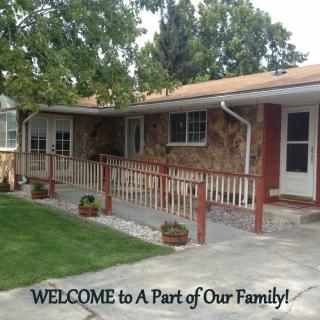
A Part of Our Family
$3,500 / month0.7 miles away -
About the same

Guardian Angel Homes
$3,075 to $3,675 / month9.1 miles away
Overall Review of English Rose Manor
Pros
 The community takes good care of residents and their needs.
- They are providing very good care.
- The community looks great and does a very good job with cleanliness.
- The staff are helpful and very informative.
- There are nice activities offered for residents.
- The meals are pretty good.
- The reviewer would recommend the community.
Review
English Rose Manor in Kennewick is best suited for families seeking a reliable, person-centered assisted living environment where daily care is consistent, staffing is responsive, and the resident experience emphasizes cleanliness, social engagement, and comfort. The community shows up as a practical fit for seniors who value a well-kept setting, courteous and informative staff, and a calendar of activities that keeps residents socially connected. For families prioritizing predictable routines, clear communication, and straightforward quality of life improvements, this option stands out as a sound, no-nonsense choice.
However, certain situations warrant considering alternatives. If a resident requires deeper clinical oversight, complex medical care, or specialized memory-support programs beyond what standard assisted living typically delivers, other communities with more expansive nursing capabilities may be a better match. Likewise, households watching every dollar or seeking lower-cost configurations should compare pricing structures and value propositions elsewhere, since budget constraints can shift the equation even when care quality is strong. In short, this community shines for general assisted living needs, but not for acute or highly specialized medical requirements.
The strongest pros center on genuinely good, attentive care and a staff that is helpful and informative. The sense is that caregivers actively address day-to-day needs and communicate clearly about the resident’s status and plans, which eases family decision-making and ongoing supervision. The environment itself reinforces confidence: a clean, orderly facility with a tidy appearance that reduces concerns about sanitation and overall comfort. Activities are a meaningful feature, offering opportunities for socialization, light recreation, and purposeful engagement, while the dining experience earns favorable notes with meals described as pretty good. Taken together, these elements create a reliable baseline of quality that many families seek in everyday life at this stage.
Those strengths offset potential downsides by delivering consistency where families often fear variability. When staff are both present and communicative, transitions, such as shifting routines or changing care needs, feel smoother, and families can trust that their loved one is being monitored without constant worry. A well-maintained environment reduces maintenance stress and concerns about safety hazards, while a robust activity schedule helps prevent isolation and decline in social skills. The absence of negative feedback in the review suggests that typical friction points, missed care tasks, poorly maintained spaces, or lackluster programming, are not prominent fears here, making the reported positives more convincing in practical terms.
Prospective residents should approach with practical evaluation steps. Tour the community and observe how staff interact with residents during routine tasks and mealtimes. Verify the cadence and clarity of communications from caregivers and administrators, especially around care plans and changes in condition. Sample menus and meal service timing reveal whether the nutrition side aligns with individual preferences and dietary needs. Consider speaking with current residents or families about any fluctuations in care quality or activity variety over time. These checks help families confirm that the observed strengths translate into long-term daily satisfaction and well-being.
In sum, English Rose Manor presents a compelling option for those whose priority is dependable care, clean surroundings, attentive staff, and an engaging social framework. It is particularly well-suited for seniors who thrive on routine, clear communication, and a steady level of daily support. For families whose loved ones demand advanced clinical services, memory-care specialization, or a tighter budget, alternatives may offer a closer fit. The prudent course is a structured evaluation: arrange an on-site visit, request specifics on staffing patterns, review sample menus and activity calendars, and confirm that the care philosophy aligns with the resident’s current and anticipated needs.
 Board and Care Home
 Memory Care
 Cats allowed
 Dogs allowed
 Activities on-site
 Bath tubs
 Beautician on-site
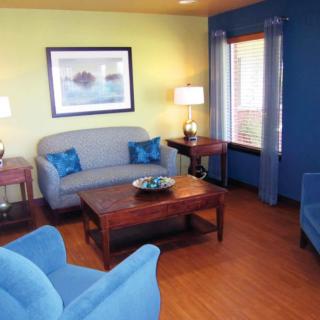
 Indoor common areas
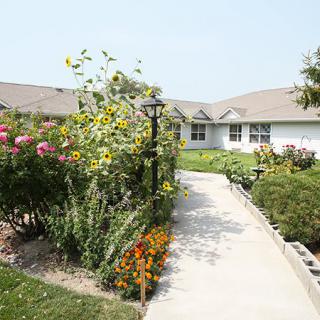
 Outdoor common areas
 Private
 Respite or short term stays offered
 Wheelchair accessible showers
 Tri-Cities (5 miles away)
 Diabetic care
 High acuity care
 Incontinence care
 Medication management
 Kosher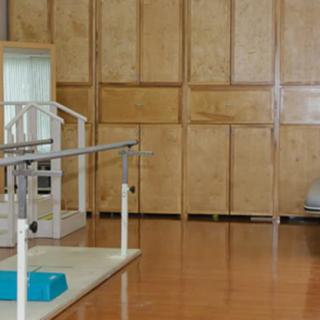
 Estimating the Expenses of At-Home Dementia Care: A Detailed Exploration
 Comprehensive Insights on the Late Stages of Dementia: What to Expect and How to Provide Care
 Medications Associated with Dementia Risk: A Comprehensive Overview