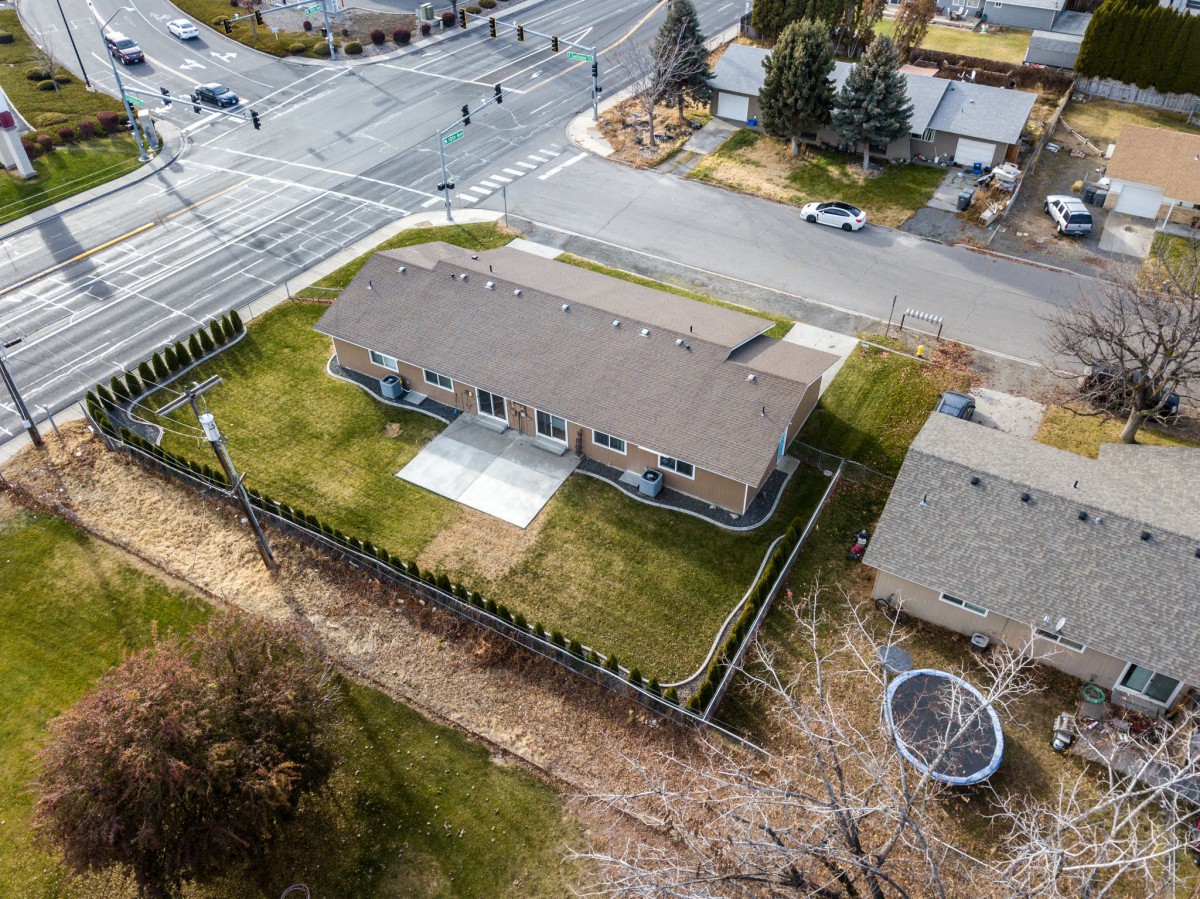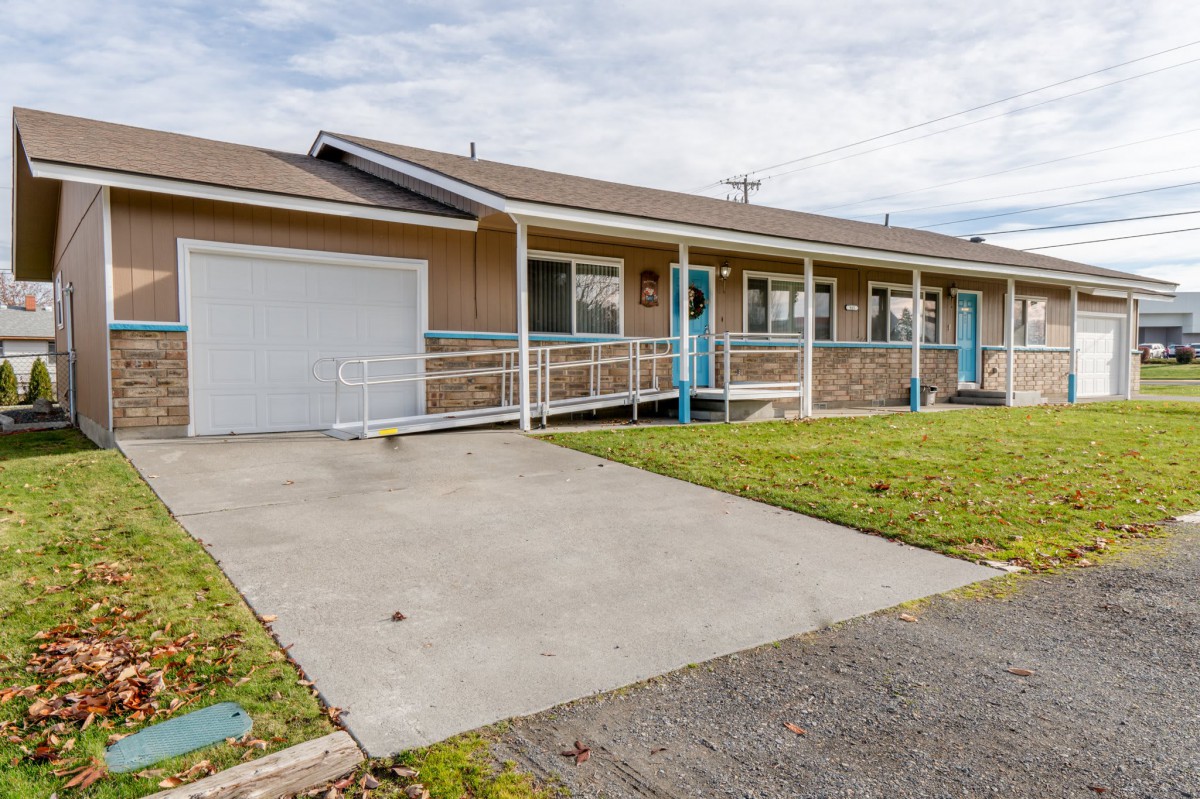
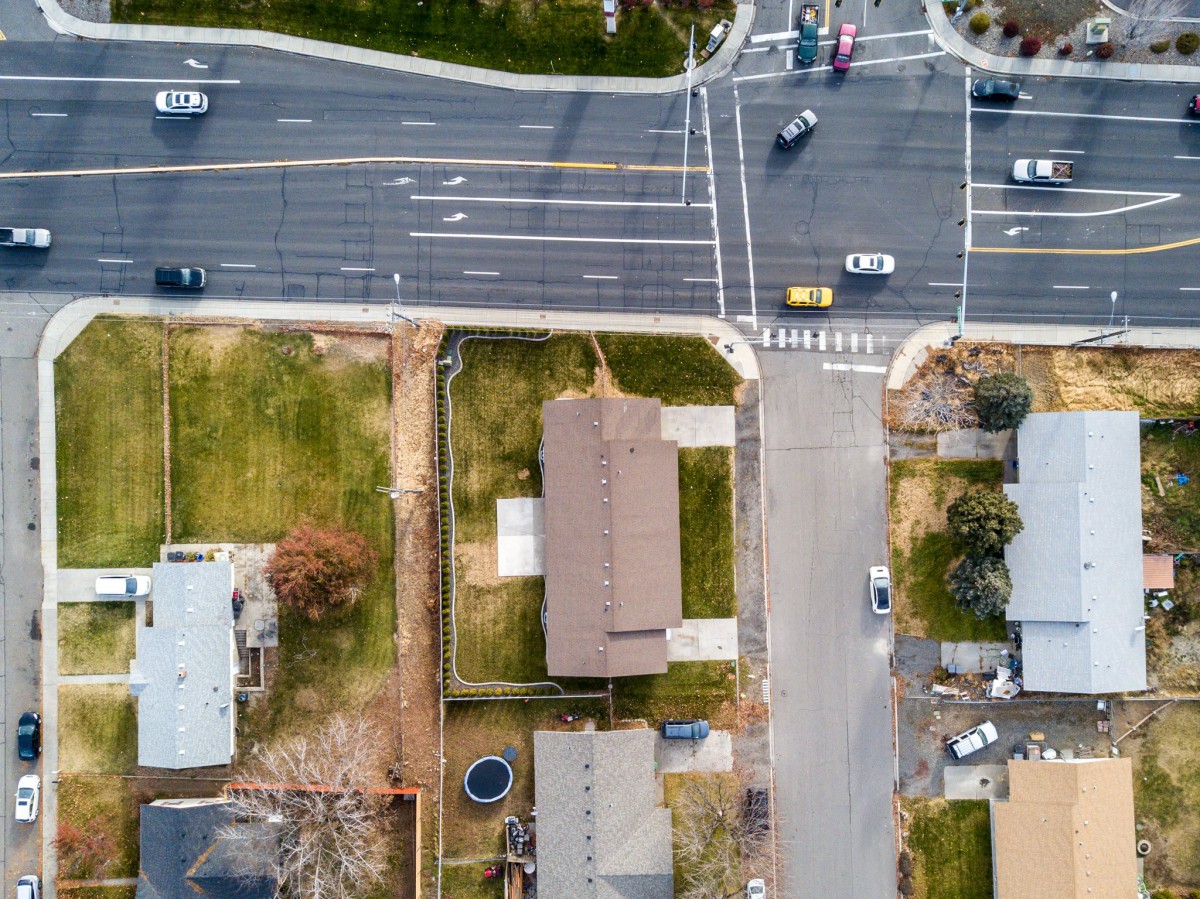
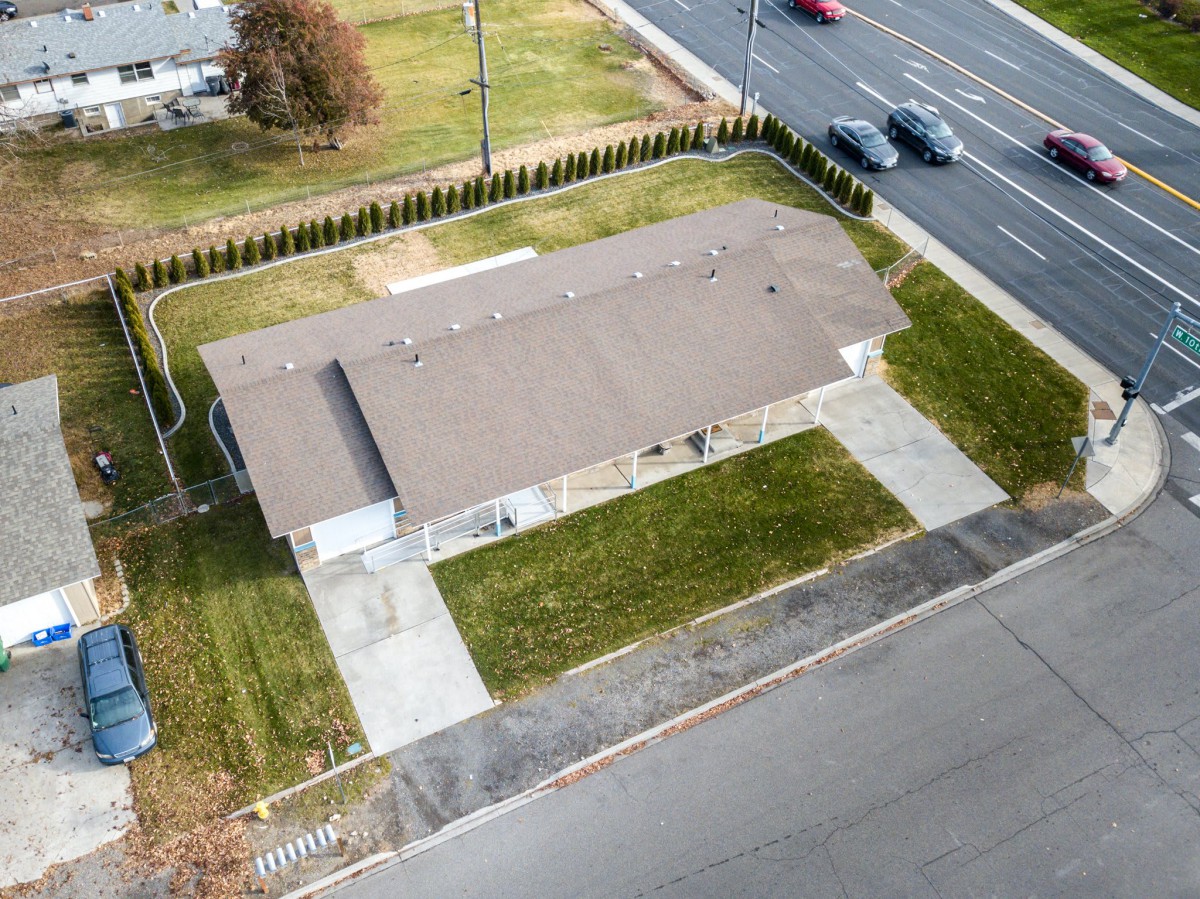
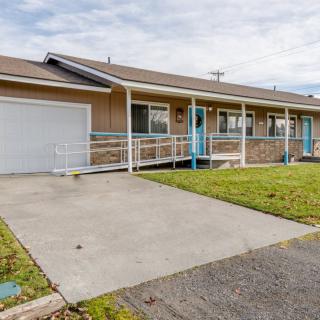
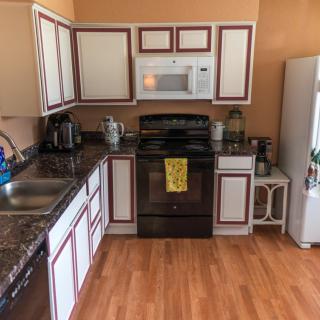
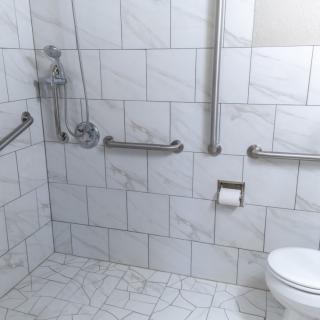
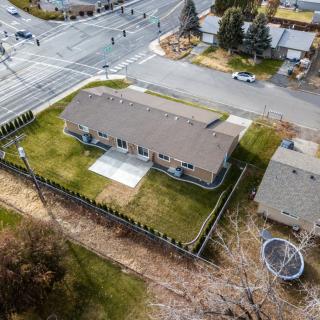
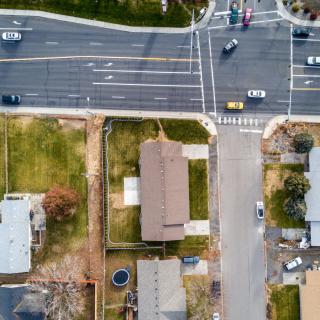
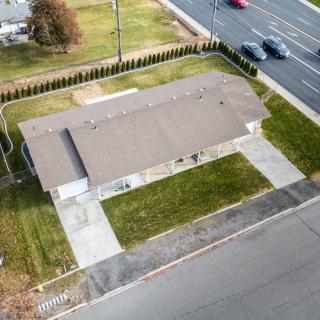
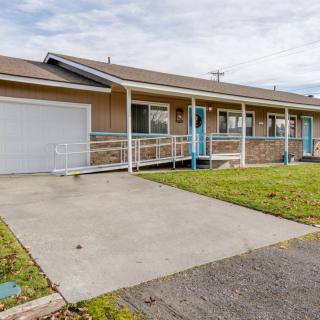
935 S Huntington St, Kennewick, WA 99336
To contact a resident: (509) 942-8341
For more information about senior living options: (866) 208-4318
A.J.A.N AFH Costs & Pricing
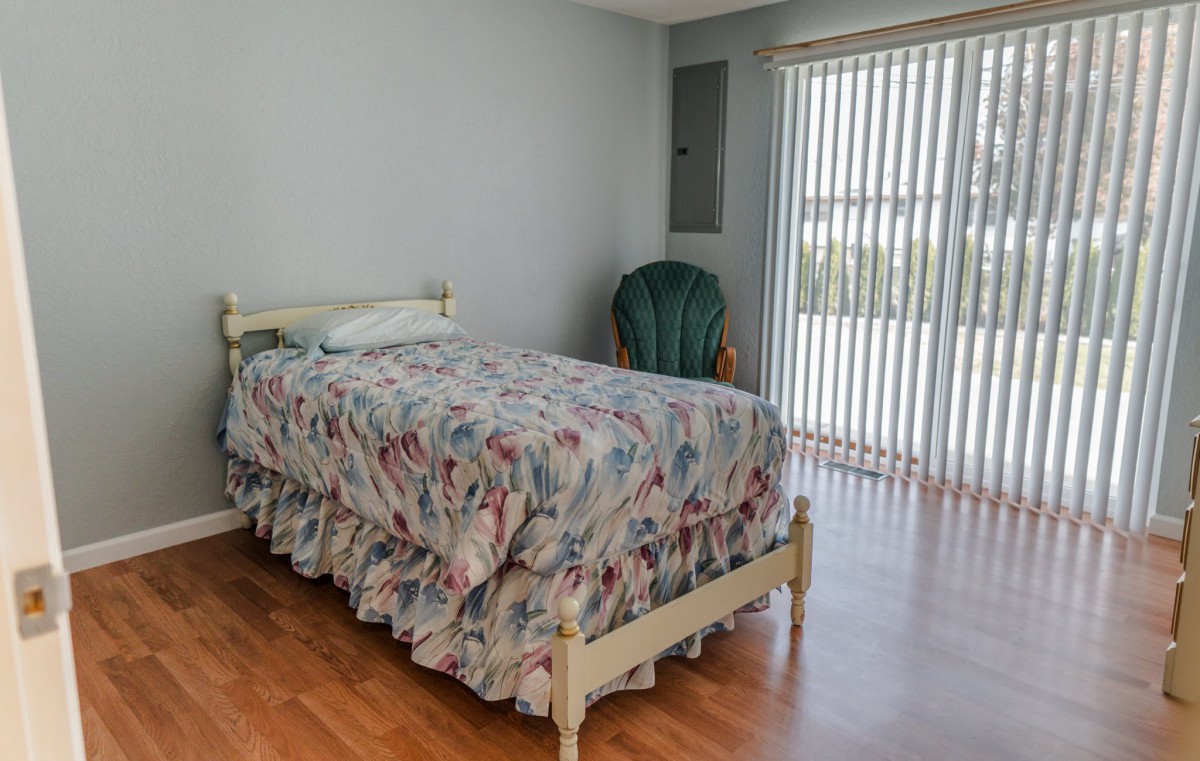
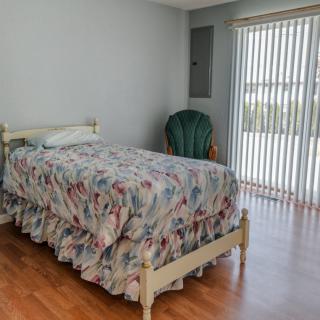
A.J.A.N Adult Family Home (AFH) offers competitive pricing for its services relative to both Benton County and the broader Washington state context. For a semi-private room, A.J.A.N AFH charges $5,200 per month, significantly higher than Benton County's average of $3,824 and the state average of $4,267. The costs are similarly positioned for private rooms, with A.J.A.N AFH at $5,800, again surpassing both local and state averages - Benton County at $3,913 and Washington state averaging $4,772. While the rates at A.J.A.N AFH may appear elevated compared to regional benchmarks, they likely reflect the quality of care and amenities provided.
| Floor plans | A.J.A.N AFH | Benton County | Washington |
|---|---|---|---|
| Semi-Private | $5,200 | $3,824 | $4,272 |
| Private | $5,800 | $3,913 | $4,774 |
Senior living communities with a similar price nearby
-
from +$875 / mo
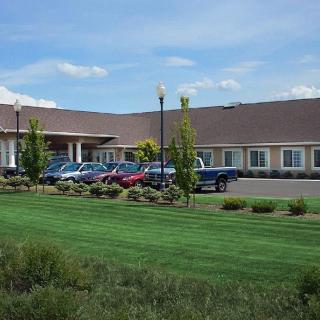
Callaway Gardens Alzheimer's Special Care Center
$6,075 to $7,575 / month3.6 miles away -
from -$1000 / mo
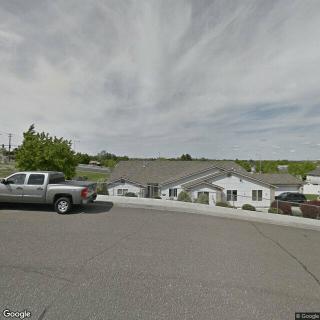
Rosetta Assisted Living Olympia
$4,200 / month0.3 miles away -
from +$300 / mo
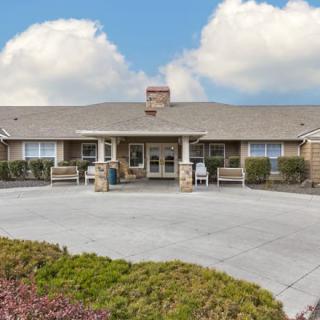
Brookdale Torbett
$5,500 to $5,925 / month9.6 miles away -
from -$891 / mo
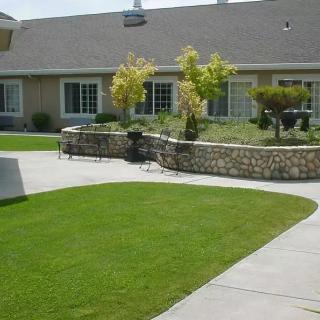
Callaway Gardens Alzheimer’s Special Care Center
$4,309 / month3.7 miles away -
from +$300 / mo
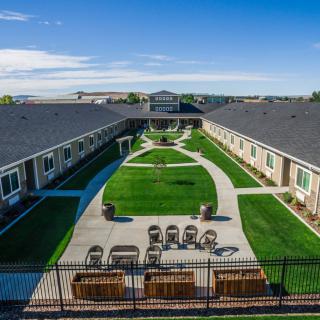
Columbia Crossing of Grandridge Memory Care
$5,500 to $8,375 / month4.4 miles away
Overall Review of A.J.A.N AFH
Pros
 The staff are really personable.
- It is a small home, so the care isn't divided up between a lot of people.
- Overall, the experience has been good.
- They would recommend A.J.A.N AFH to others.
Review
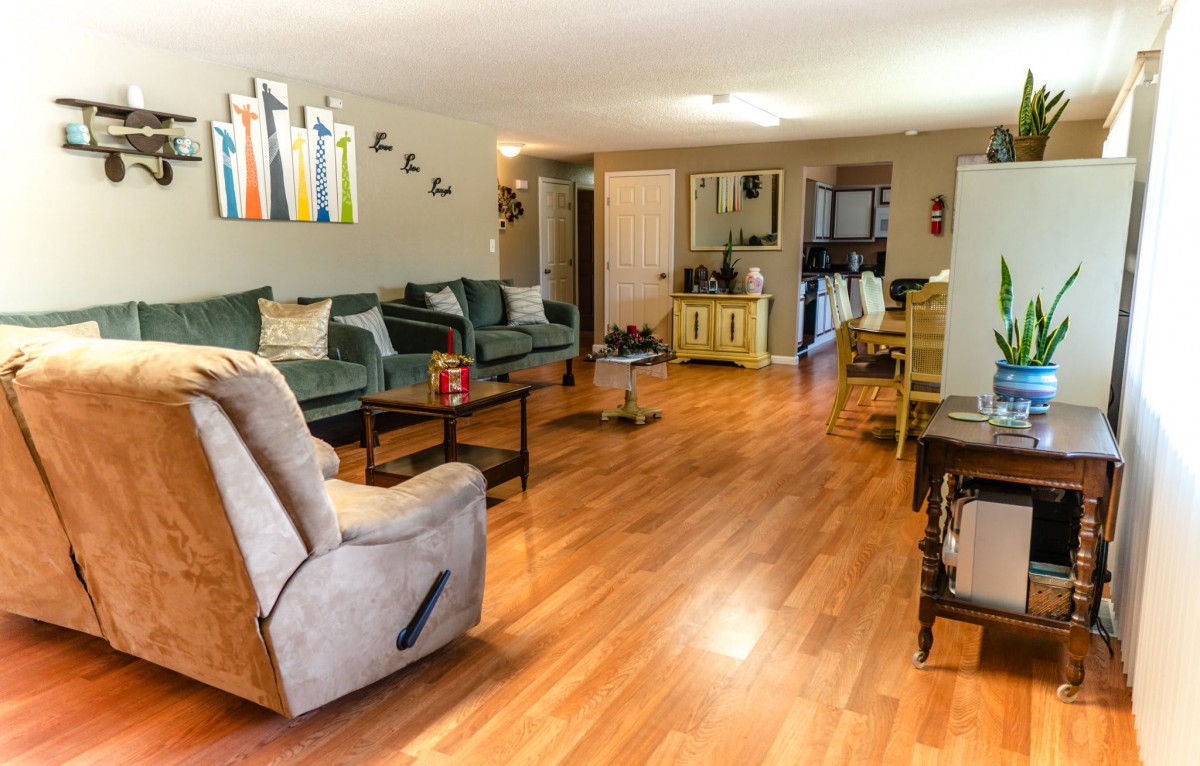
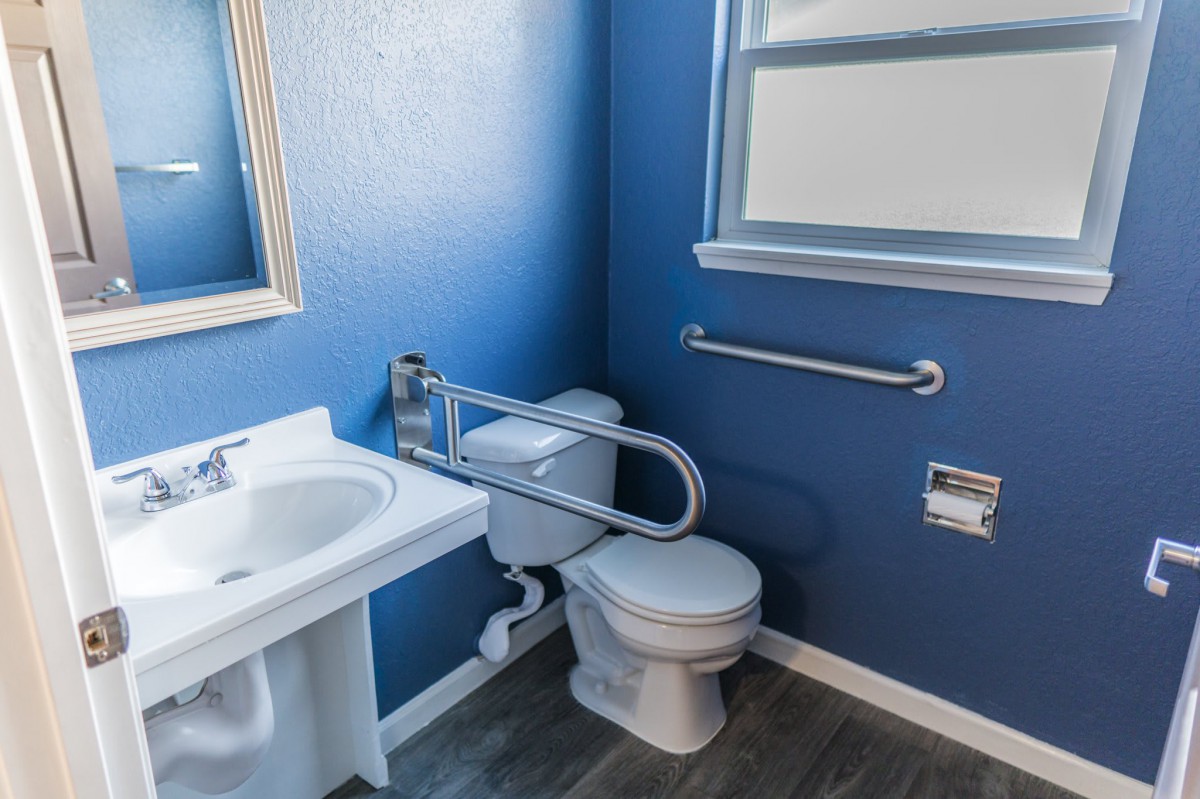
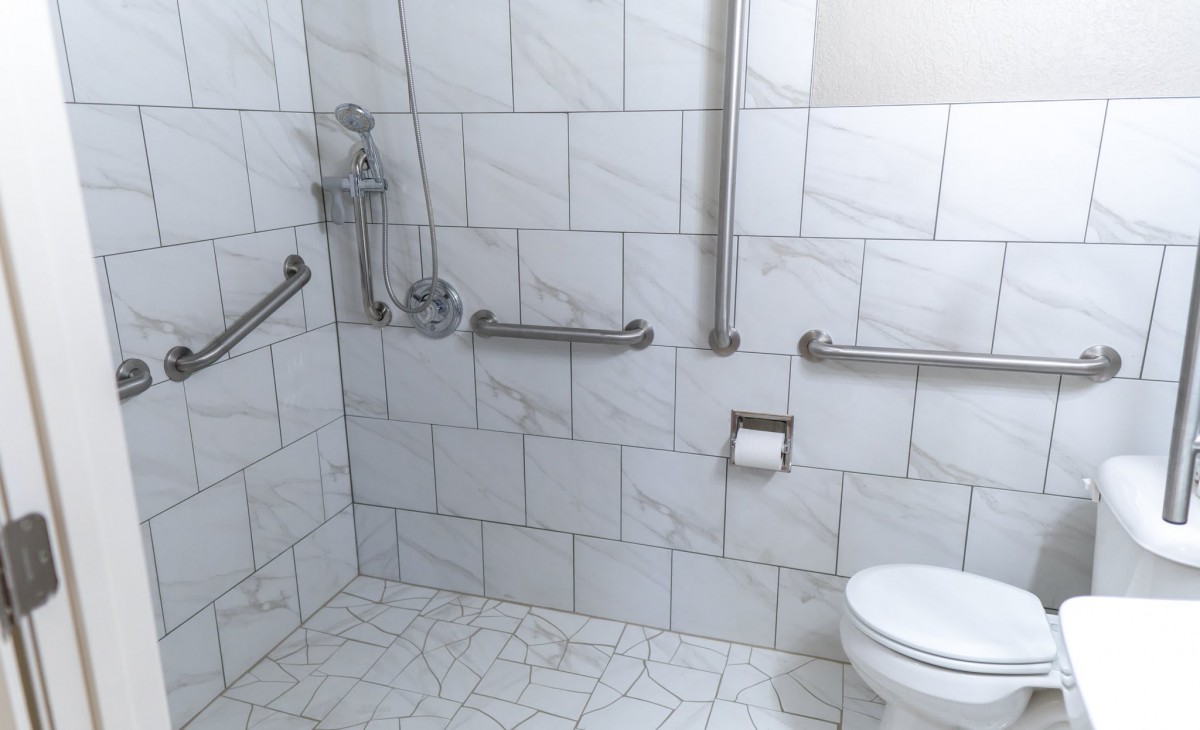
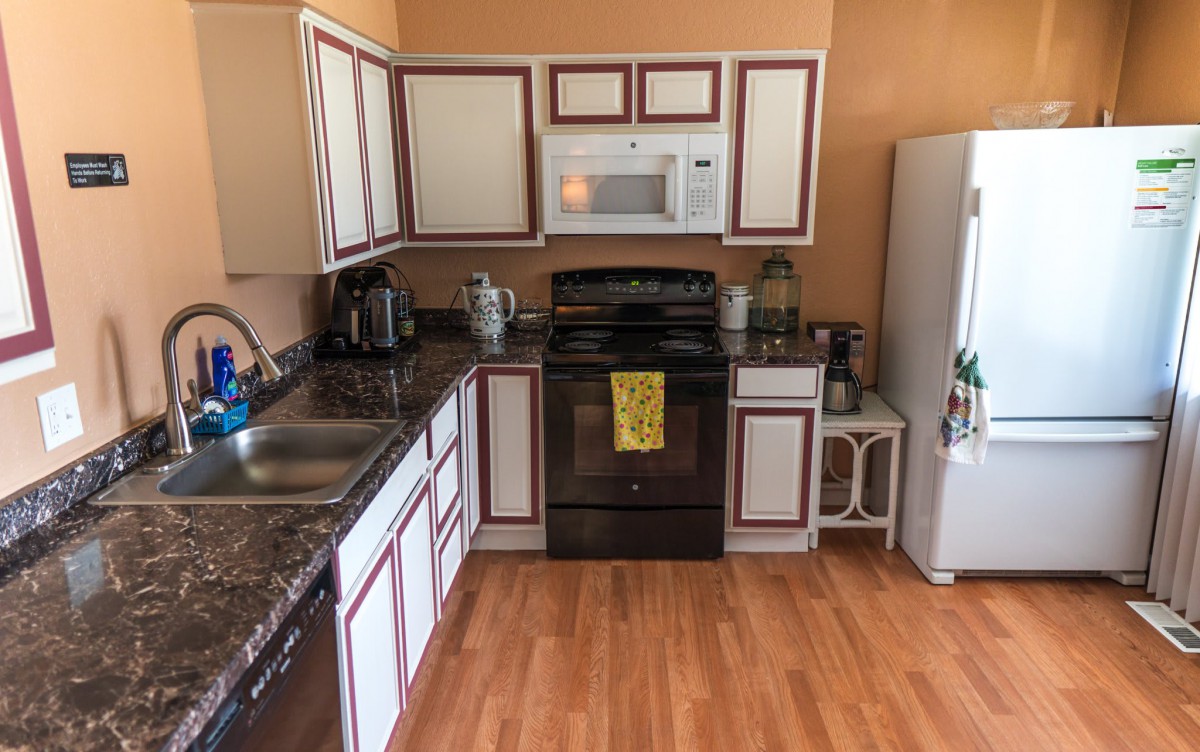
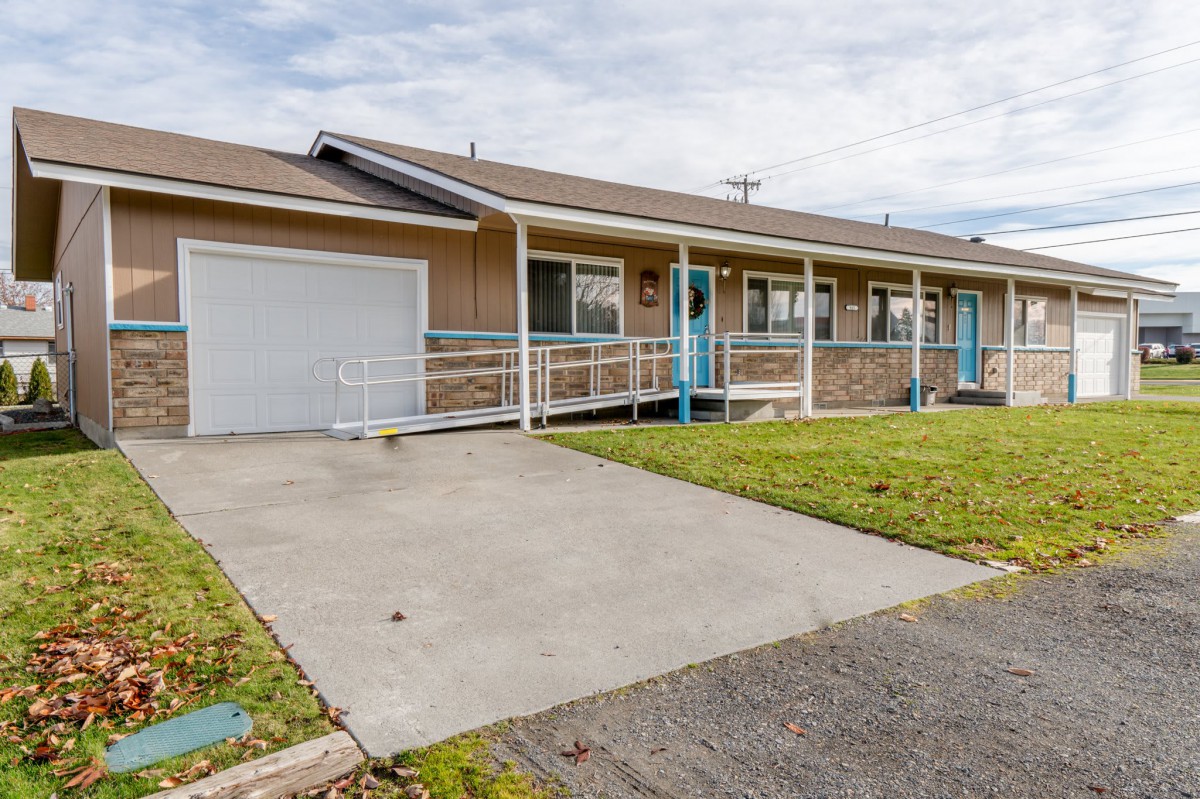
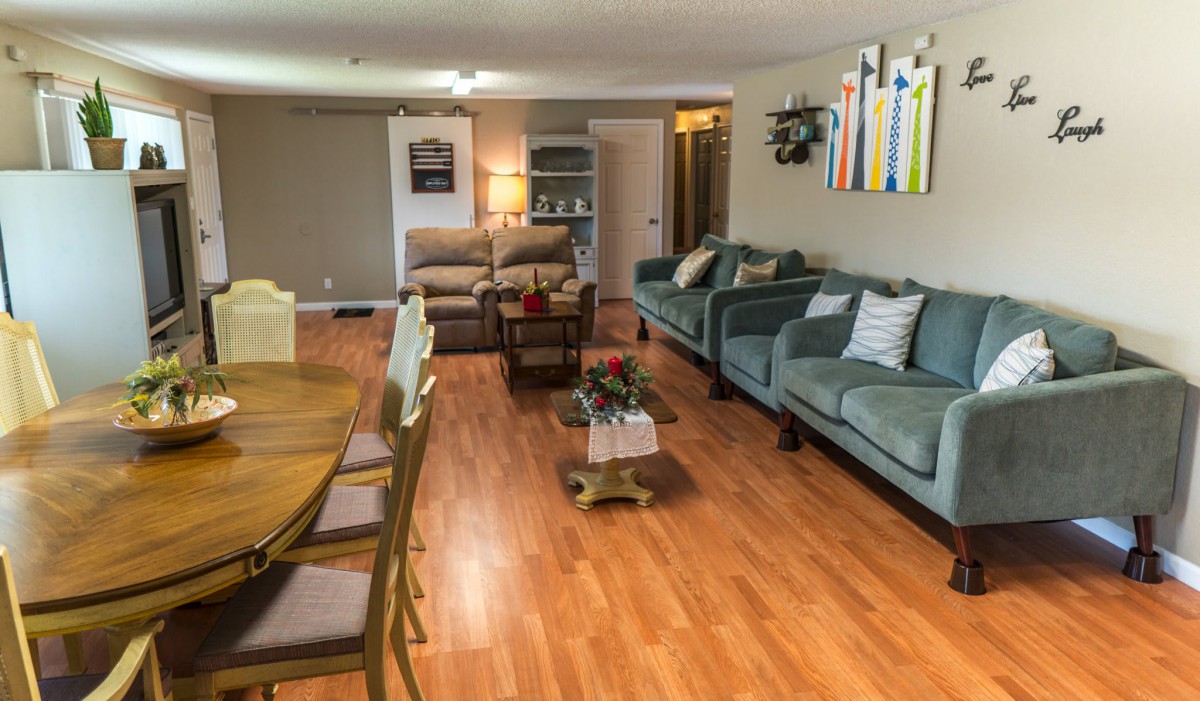
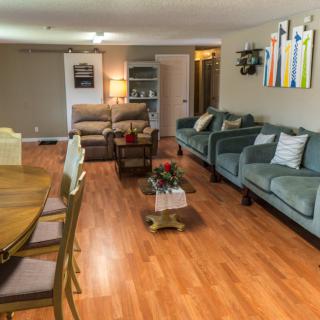
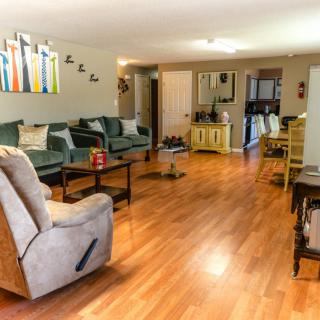
A.J.A.N AFH in Kennewick, WA is best suited for families seeking a small, home-like assisted living where care is deeply personal and staff-resident relationships drive daily life. This community shines for residents who thrive in an intimate setting where caregivers know individual routines, preferences, and histories. For families prioritizing warmth, consistency, and direct access to caregivers, the setting offers meaningful advantages that strongly support everyday well-being.
Those evaluating options should consider alternatives if the elder requires heavy medical supervision, a broad menu of on-site therapies, frequent specialized services, or a large community with a wide activity calendar. A larger campus with more staff and amenities may be preferable for residents with complex medical needs, a desire for extensive programming, or a need for ongoing, formal clinical oversight. If mobility, transportation, or a desire for extensive social opportunities across multiple daily activities are nonnegotiables, exploring other options will be prudent.
The most salient pros center on people. The staff are described as personable, accessible, and engaged, which translates into responsive care and a sense of being heard. The small home format means care isn’t diluted across many aides; instead, a tighter staff-resident ratio supports consistent routines, clearer communication, and a steadier sense of security. In practical terms, these factors often reduce confusion, speed up problem resolution, and foster genuine trust between residents and caregivers. The overall experience, at least from one account, is distinctly positive, and the care model earns a solid recommendation from families who value relationship-driven service.
Even with the positive emphasis on staff and setting, there are plausible trade-offs to weigh. A small, intimate home may inherently limit the breadth of on-site clinical resources, the variety of activities, and the scope of specialized services available under one roof. If future care needs escalate toward higher-level medical attention, or if a richer calendar of social and recreational programming is important, these limitations can become meaningful. Potentially fewer transportation options or less immediate access to specialized therapies could also matter to families with specific goals or schedules.
But the strong staff-proximity and homelike atmosphere can substantially offset these downsides for the right resident. When care priorities are daily consistency, quick communication, and a trusted team that feels like a family, the advantages of a small home often outweigh the downside of fewer on-site services. The intimate environment supports stable routines, which can preserve independence and mood, while a closely connected team is usually adept at coordinating external services when more help is needed. In short, the pros are not merely pleasant; they directly mitigate the typical friction points that arise in smaller facilities.
Bottom line: A.J.A.N AFH is a compelling choice for families seeking an intimate, relationship-focused setting where staff familiarity and resident comfort are paramount. It suits seniors who value routine, personalized attention, and a home-like atmosphere more than the breadth of amenities found in larger communities. For elders with substantial medical complexity, a desire for a wide array of on-site activities, or a need for extensive therapy programs, alternatives with more robust clinical infrastructure are worth exploring. The prudent path is to visit, observe staff interactions, inquire about caregiver coverage per shift, and understand how outside services would be coordinated if needs intensify. With those checks, A.J.A.N AFH can be a strong fit that delivers genuine daily quality of life.
 Board and Care Home
 Activities on-site
 Devotional services off-site
 Indoor common areas
 Outdoor common areas
 Private
 Respite or short term stays offered
 Wi-Fi/high-speed internet available
 Tri-Cities (5 miles away)
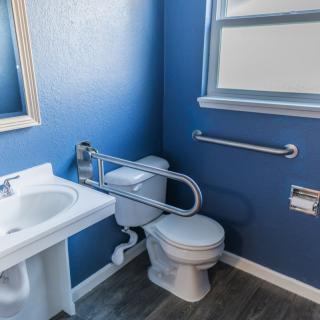
 Ambulatory care
 High acuity care
 Incontinence care
 Medication management
 Meals provided
 BBQs or picnics
 Birthday parties
 Happy hour
 Stretching classes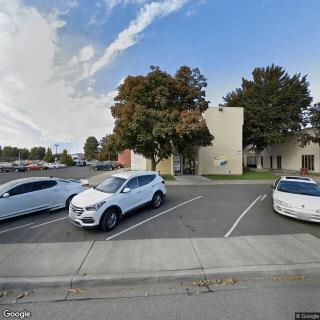

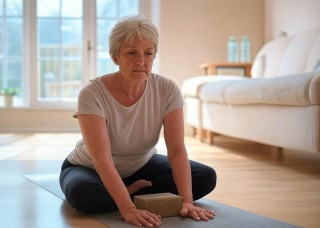 Highly Beneficial Low-Impact Exercises for Senior Living Residents
 Is In-Home Healthcare Tax Deductible? Your Comprehensive Guide
 Nurturing Well-Being Through Gardening: A Detailed Guide for Senior Enthusiasts