
302 St. Cloud Street, Rapid City, SD 57701
To contact a resident: (605) 343-4738
For more information about senior living options: (866) 208-4318
Golden LivingCenter - Bella Vista Costs & Pricing
Golden LivingCenter - Bella Vista offers studio accommodations at a monthly cost of $3,695, which is notably higher than the average rates in Pennington County ($2,925) and South Dakota as a whole ($3,381). This pricing reflects the center's commitment to providing quality care and a supportive environment for its residents. While it does exceed local and state averages, it may include additional amenities or services that justify the difference. Potential residents and their families should consider these factors when evaluating options for senior living in the area.
| Floor plans | Golden LivingCenter - Bella Vista | Pennington County | South Dakota |
|---|---|---|---|
| Studio | $3,695 | $2,925 | $3,381 |
Skilled Nursing Facilities with a similar price nearby
-
from -$515 / mo
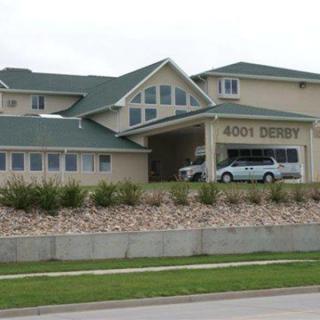
Edgewood Rapid City
$3,180 to $4,295 / month2.2 miles away
Overall Review of Golden LivingCenter - Bella Vista
Pros
 The CNAs are great and do their job well.
Cons
 The facility is described as an absolute disaster and not recommended.
- The equipment sometimes doesn’t work properly, such as a lift with missing buckles.
- Staff shrug off issues or promise to fix them but never follow through.
- Some nurses have bad attitudes, rolling their eyes when asked to help.
- A nurse reportedly said a resident would be fine after a fall, yet the next day the hip was found to be broken.
- Staff show indifference to family emergencies, deeming family less important.
- There are workers with hickies on their necks, which reflects poorly on the facility.
- A hall had multiple residents with scabies that were not treated, causing pain and itching.
Review
Golden LivingCenter - Bella Vista in Rapid City is best suited for families that prioritize hands-on daily care from front-line aides and are prepared to supervise and advocate for safety and consistency. The strongest positive note comes from the CNAs, who perform their duties with competence and warmth and handle routine tasks reliably. For residents who depend on steady daily assistance, this can translate into meaningful, tangible support. Yet this is not a setting for those seeking flawless management or hands-off oversight. The administrative side appears capable of lagging behind daily needs, so families should be prepared to stay closely involved to ensure care plans are followed and equipment remains functional.
Alternatives should be on the radar for anyone requiring robust medical oversight beyond what the CNAs provide, as well as consistently reliable nurse response and well-maintained equipment. Several reviews flag attitude and responsiveness issues among some nurses, slow or absent responses to call lights, and a culture that seems to deprioritize immediate safety. When equipment fails or is not maintained, such as lifts with missing buckles, the risk to residents escalates quickly. Reports of infection-control concerns, including references to scabies, amplify concerns about overall safety and hygiene. For families unwilling to tolerate these governance gaps, seeking a facility with stronger nursing leadership and a proven, proactive safety culture is prudent.
The core pro, dedicated frontline caregiving, offers real value, but it does not fully offset the most serious cons. A resident fell, and the subsequent response was reportedly insufficient, raising questions about fall-prevention discipline and timely intervention. Equipment reliability gaps, including malfunctioning devices and delayed maintenance, create continuous exposure to preventable hazards. Personal conduct concerns, such as staff behavior that seems unprofessional or unsympathetic, further erode trust in the facility’s ability to deliver consistently safe care. These dynamics illustrate a critical tension: exceptional day-to-day aide work can exist alongside deeper systemic issues that undermine overall resident safety and satisfaction.
Prospective residents should demand a candid, safety-focused tour that centers on maintenance routines, equipment inventories, and nurse staffing patterns. Ask for concrete proof of regular maintenance schedules, current sling and lift readiness, and a transparent plan for addressing any equipment gaps. Verify that call lights are monitored promptly and that staff are empowered and instructed to respond without delay. Inquire about fall-prevention protocols, incident-review processes, and how corrective actions are tracked over time. Investigate infection-control practices and any recent outcomes, and request a clear escalation path for concerns. A facility that can articulate a robust, actionable plan in these areas provides genuine reassurance that day-to-day care is matched by organizational accountability.
Compared with other options in Rapid City, the decision often boils down to tolerance for ongoing advocacy versus preference for stronger administrative discipline. For some families, the high quality of direct caregiving can compensate for a period of governance gaps, especially if transitions are anticipated and support structures are in place. For others, the safer choice is a community with more consistent nursing leadership, tighter safety protocols, and a demonstrated commitment to reliable equipment maintenance. If accessibility or cost constraints slow a move, layering in home-health services or short-term respite care while you evaluate options can be a reasonable interim strategy.
In the end, Golden LivingCenter - Bella Vista offers dependable frontline caregiving but is let down by management gaps and notable safety concerns. The decision hinges on how much weight is given to daily, hands-on aide quality versus the certainty of proactive clinical oversight and rigorous safety governance. For families who can maintain active oversight and insist on improvements, clear accountability, timely equipment maintenance, and stronger nurse responsiveness, the community can still serve as a viable option. For those prioritizing predictable governance and uncompromising safety, exploring alternatives with a demonstrable track record in these domains is the prudent course.
 Memory Care
 Skilled Nursing Facility
 Rapid City Regional (8 miles away)
 High acuity care

 Exploring the Power of Reminiscence Therapy for Individuals With Dementia
 An In-Depth Look at Reminiscence Therapy in Dementia Care
 Dementia-Related Hallucinations: Causes, Experiences, and Practical Approaches