
2303 Michigan Avenue, Rapid City, SD 57701
For more information about senior living options: (866) 208-4318
Overall Review of There's A Hart
Pros
 Families are pleased with mom’s care at There’s a Hart.
- There’s a Hart is a small, family-run assisted living facility that families appreciate.
- There is something special about smaller facilities.
- The reviewer highly recommends There’s a Hart.
Review
There’s A Hart is best suited for seniors who want a small, home-like, family-run atmosphere where staff know residents well and care feels personal. The model hinges on tight-knit routines, hands-on oversight by owners or operators, and ongoing family involvement, creating a sense of trust that several families have relied on for years. One resident’s life was rooted here for several years, with family members describing the care as reliable and the environment as genuinely special. Those who prize continuity, low staff turnover, visible dedication, and the comfort of a modest, quietly dignified setting, will likely find there’s a Hart aligns with their priorities. This is not a bustling campus; it is a neighborly option that rewards long-term attachment.
However, that same intimacy can be a limiting factor for residents who require aggressive medical supervision, advanced therapies, or a broad menu of on-site services. A community of this size typically cannot match the scale of larger operators when it comes to specialized memory-care programming, frequent rehabilitative offerings, or extensive transportation and activity calendars. For families seeking highly structured daily schedules, curated social calendars, or rapid access to a wide range of clinicians, alternatives may deliver more of what is needed. The single outlier 3-star rating also suggests that at least one family experienced a shortfall, an important reminder to probe care plans, responsiveness, and what happens when needs evolve.
On the plus side, the core strengths are tangible and repeatedly affirmed. The small, family-run model promotes consistent caregivers who know preferences, routines, and medical histories. Families report pleased outcomes over years of residency, and the warm, individualized approach often translates into smoother daily life for residents who dislike impersonal care or rote routines. The "special something" of smaller facilities, lower noise, easier communication with staff, and visible, affective care, appears to deliver peace of mind that is hard to match in larger settings. The high overall rating (4.8) across nine reviews, with the vast majority awarding top marks, reinforces that this is a trusted home for many aging in place.
Nevertheless, the trade-offs are real and worth weighing. Limited physical footprint means fewer on-site amenities, fewer available staff at any given moment, and less breadth in programming compared with bigger campuses. Prospective residents should confirm that medication management, assistance levels, and emergency response plans align with current needs, and should ask for concrete examples of how care adjustments are handled when a condition escalates. The presence of at least one moderately scored review signals that experiences can diverge, highlighting the importance of visiting with the care team, reviewing care plans, and speaking candidly with families who live nearby.
Despite those caveats, the advantages tend to carry substantial weight for families choosing a close-to-home, easily accessible setting. There is value in a community where caregivers know residents by name, combine affection with accountability, and invite family participation in care decisions. Continuity matters: when a resident has settled routines and trusted staff who remember preferences, days stay calmer, transitions remain predictable, and crises are navigated with less stress. In such a context, the advantages of personalized attention, long-tenured staff, and a heartfelt, family-led culture often offset the potential drawbacks of a smaller operation, especially for residents who prefer quiet dignity over a busier, more commercial setting.
For families evaluating There’s A Hart, the practical path is to schedule visits, observe interactions between residents and staff, and request a candid walk-through of daily schedules, meal options, and any ancillary services. Ask how care plans are created and updated, what happens if a health condition worsens, and whether memory-care or higher levels of supervision are available on-site or nearby. If the resident values a warm, low-key environment with reliable, personal attention, this community is a strong match. If the priority is expansive programming, rapid access to specialized clinicians, or aggressive medical oversight, another option may better meet those needs.
 13 resident community capacity
 Assisted Living
 Cable or satellite TV
 Dining room
 Fully furnished
 Garden
 Housekeeping services
 Move-in coordination
 Outdoor space
 Telephone
 Wi-Fi/high-speed internet available
 Rapid City Regional (8 miles away)
 24-hour supervision
 Activities of daily living assistance
 Assistance with bathing
 Assistance with dressing
 Assistance with transfers
 Diabetes diet
 Meal preparation and service
 Medication management
 Special dietary restrictions
 Transportation arrangement (medical)
 Transportation to doctors appointments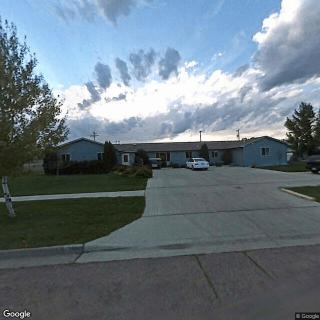




 When to Transition from Assisted Living to Memory Care: Key Indicators, Steps, and Finding the Right Community
 Assisted Living and Memory Care: Understanding Their Core Differences
 Beyond the Bingo Hall: 50+ Enriching Activities for Seniors in Assisted Living