
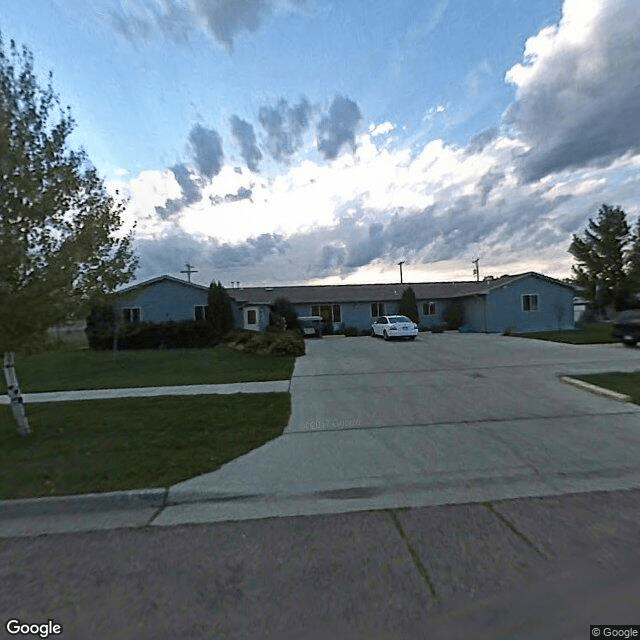
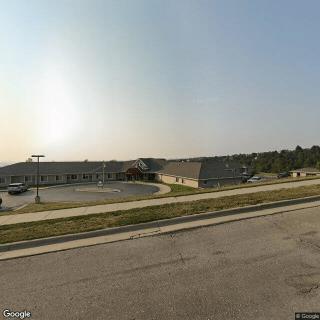
2303 Michigan Ave, Rapid City, SD 57701
To contact a resident: (605) 343-5563
For more information about senior living options: (866) 208-4318
There`s A Hart Costs & Pricing
At "There's A Hart," the monthly costs for accommodations reflect a competitive pricing structure within Pennington County and the broader context of South Dakota. For a one-bedroom unit, residents can expect to pay $3,105, which is slightly lower than the state average of $3,189 but higher than the county's median of $2,730. In terms of two-bedroom options, prices are set at $3,416, positioning "There's A Hart" as more affordable than the South Dakota average of $3,667 while remaining above Pennington County's average of $3,248. This pricing strategy highlights "There's A Hart" as a viable choice for those seeking quality living spaces that are well-aligned with local market trends.
| Floor plans | There`s A Hart | Pennington County | South Dakota |
|---|---|---|---|
| 1 Bedroom | $3,105 | $2,730 | $3,189 |
| 2 Bedrooms | $3,416 | $3,248 | $3,667 |
Senior living communities with a similar price nearby
-
from -$585 / mo
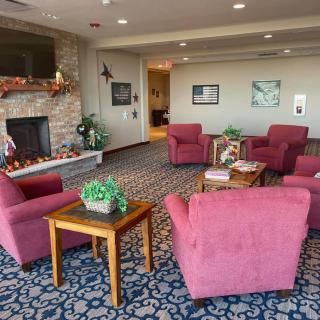
The Village at Skyline Pines
$2,520 to $5,050 / month1.2 miles away -
from +$360 / mo
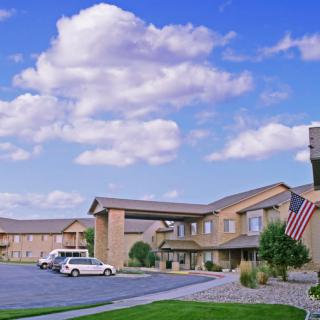
Arrowhead Lodge Senior Living
$3,465 to $3,730 / month1.2 miles away -
About the same
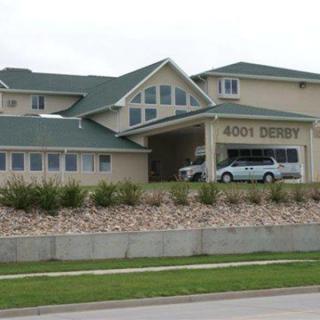
Edgewood Rapid City
$3,180 to $4,295 / month1.4 miles away -
from +$150 / mo
Fairmont Grand Senior Living
$3,255 to $3,990 / month0.6 miles away -
from -$105 / mo
Morningstar ALC
$3,000 / month1.3 miles away
Overall Review of There`s A Hart
Pros
 The facility is a small, family-run assisted living.
- The reviewers are pleased with their mother's care.
- There is something special about smaller facilities.
- The reviewers highly recommend the facility.
Review
There’s A Hart in Rapid City, SD, is best suited for families seeking an intimate, home‑like assisted living where caregivers know residents personally and care plans feel genuinely tailored. The setting favors a small, family‑run operation where routines are predictable and staff invest time to understand each resident’s preferences, history, and evolving needs. For seniors who value warmth, steady relationships, and a calm atmosphere over a bustling campus, this community delivers a reassuring sense of continuity. The tone here is distinctly personal: residents feel recognized, and families gain confidence from long‑standing caregivers who treat mom or dad as more than a chart number.
This is not the right choice for everyone. Alternatives should be on the table for anyone prioritizing a busy activity calendar, a wide array of on‑site amenities, or highly specialized medical oversight. Those who require intensive memory care, frequent clinical interventions, or rapid access to elevated levels of care may outgrow a smaller footprint. Families evaluating options should also consider whether a larger campus with broader programming and more structured therapies would better support evolving needs over time, or if a community with more extensive transportation and social options would align better with personal interests and social life.
The strongest positives center on the intimate, caregiving culture that comes with a smaller facility. Reviewers consistently cite genuine care, staff familiarity with residents, and a sense that there is “something special” about the environment. The consistency and longevity of relationships between residents and caregivers translate into fewer missed cues and smoother adjustments to changing routines. A high overall rating, supported by multiple five‑star reviews, speaks to reliability, steady leadership, and satisfaction with the everyday experience of living there. For families who want a setting where staff know names, preferences, and meal quirks, this is a meaningful advantage.
Where there is a clear trade‑off, the pros tend to offset most drawbacks. The intimate setting can limit the volume of activities and the breadth of onsite offerings, but this is counterbalanced by highly personalized attention, rapid communication, and a strong sense of safety and trust. Even the lone 3‑star review signals that no community is flawless; it often reflects a boundary case rather than a broad pattern. In a small operation, a single miss can stand out, yet the collective experience remains overwhelmingly positive, suggesting that the day‑to‑day living experience remains well aligned with resident and family expectations.
Operational considerations a family should address include how staff coverage works on weekends and evenings, the availability of on‑site professionals for urgent questions, and how care plans adapt as needs shift. The small scale makes visits straightforward and relationships transparent, which is a practical plus for families hoping to stay deeply involved. Prospective residents should request specifics on meal quality, assistance levels, medication management, and transportation options for appointments or social outings. Clarify how and when changes to care plans are communicated, and whether there is flexibility to adjust routines as priorities evolve.
Bottom line: There’s A Hart is a compelling choice for seniors who prize an intimate, warm, and personalized caregiving environment, where long‑tenured staff foster trust and continuity. It shines for families seeking stability, meaningful resident–caregiver connections, and a low‑strain daily rhythm. Those who require broader programming, extensive on‑site amenities, or advanced medical oversight should consider alternatives with larger teams and deeper service portfolios. In the Rapid City landscape, this community stands out as a practical, comfort‑driven option, best matched with residents who thrive on predictability, personal attention, and the reassurance that comes from a closely watched, family‑like setting.
 Board and Care Home
 Rapid City Regional (8 miles away)

 Fecal Incontinence in Older Adults: A Comprehensive Guide
 Recognizing the Journey: Understanding and Navigating Anticipatory Grief
 Encouraging Participation in Adult Day Care: A Guide to Supporting a Hesitant Parent