
413 East Fairlane Drive, Rapid City, SD 57701
For more information about senior living options: (866) 208-4318
Overall Review of Fairmont Grand Manor II
Pros
 Fairmont Grand accommodates residents' needs and makes them feel more at home.
- The facility feels more like a home than most places.
- The facility strives to improve despite changes in management.
- The dementia unit staff are wonderful and caring.
- The staff keep things running smoothly.
- The unit is kept clean and the laundry is always done.
- The staff are caring, considerate, positive, supportive and kind, and residents clearly love them.
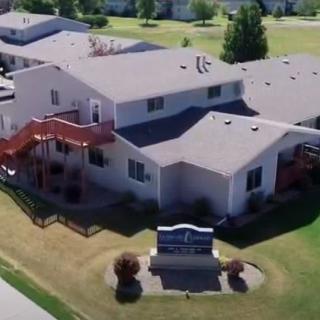
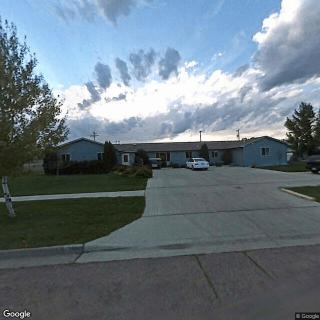
- The layout features four nicely upgraded and beautifully appointed cottages.
- The pricing is very reasonable.
Cons
 The facility is aggravating.
- They call his family about medications even though all meds were supposed to go through the facility’s program.
- They wait until the medications are almost gone, leaving the family unable to act because they live out of state.
- The payment process dragged on for months with long holds on the phone and unhelpful information.
- The facility does not take residents for walks or outings.
- There are more problems than the facility is worth.
- A deposit and a voided check were required for direct withdrawal without prior notice.
- They did not inform what items were needed to furnish the shared room.
- The facility manager does not know what she is doing; two med techs are rude and unprofessional.
- Residents are intimidated and treated unkindly, and staff silence those who try to report abuse.
Review
Fairmont Grand Manor II in Rapid City is best suited for families seeking a memory-care–forward setting with a distinctly home-like feel. The four-cottage layout and recently upgraded interiors create a neighborhood vibe that can ease transitions for residents with cognitive challenges. The biggest strength is a dementia-focused team that, when functioning at its best, delivers steady routines, genuine warmth, and attentive daily care in a setting that feels less institutional and more like a curated residence.
Those weighing alternatives should consider the realities surfaced in mixed reviews: inconsistent administrative processes, variable billing experiences, and onboarding gaps that can complicate moves for families already balancing out-of-state logistics. If a resident’s family needs impeccable, predictable financial terms, transparent deposits, and uniform communication across the entire campus, other communities with more stable leadership may be a safer match. For residents who require broad, campus-wide consistency beyond memory care, the risk of uneven experiences outside the dementia unit deserves careful scrutiny.
The strongest pros lie with the dementia unit itself. Reviewers consistently praise the memory-care staff for being caring, patient, and on top of daily routines, helping residents adjust to a new chapter with a compassionate touch. The layout, four cottages that feel like individual homes, supports personalized attention and easier observation, which translates into safer, more comfortable days for residents who thrive on familiarity. When management and staff are aligned, residents and families report a sense of home, belonging, and continuity that is hard to replicate in more generic setups, and pricing has been described as reasonable relative to peers.
On the downside, historical concerns touch the entire operation, not just the memory-care wing. Several reviews highlight past management turnover that created confusion about care priorities, delays around medications, and friction in financial arrangements, including deposits and the setup for direct withdrawals. Instances of onboarding miscommunications, furnishing needs for shared rooms, and uneven experiences outside the dementia unit further complicate the picture. Some families also reported tense staff dynamics and concerns about how caregivers speak up or advocate for residents, which underscores the importance of proactive, documented care plans and a responsive leadership presence.
The upside of those downsides is not trivial. The recent update suggests that management changes did spur improvement and a renewed focus on keeping residents comfortable and well-cared-for, which is precisely where memory-care scoring matters most. Families can leverage this momentum by insisting on a clear care director or primary point of contact, explicit med-management protocols, and a written, predictable budget that spells out what is included in the monthly rate. For prospective residents, bringing furnishings to personalize a shared room and confirming move-in timelines in writing can mitigate remaining friction and help the transition feel smoother than past experiences.
Bottom line: Fairmont Grand Manor II offers real value for families prioritizing memory care in a home-like setting, with a dementia-care team that can deliver meaningful, day-to-day quality of life. The community can outperform expectations when leadership is stable and staff in the dementia unit are consistently excellent. However, potential movers should be prepared for past and possible ongoing administrative bumps, and should actively verify current processes, request stable, direct contacts, and receive concrete assurances on billing, schedules, and med coordination. For families where memory-care excellence and a warm, residential atmosphere are the top priorities, and where diligent oversight and clear follow-through are feasible, this community is worth a serious audition. If those administrative guarantees, broad-based consistency, and seamless onboarding are non-negotiable, exploring alternatives with stronger campus-wide alignment may be the prudent path.
 16 resident community capacity
 Assisted Living
 Cable or satellite TV
 Dining room
 Fully furnished
 Garden
 Housekeeping services
 Move-in coordination
 Outdoor space
 Telephone
 Wi-Fi/high-speed internet available
 Rapid City Regional (8 miles away)
 24-hour supervision
 Activities of daily living assistance
 Assistance with bathing
 Assistance with dressing
 Assistance with transfers
 Diabetes diet
 Meal preparation and service
 Medication management
 Special dietary restrictions
 Transportation arrangement (medical)
 Transportation to doctors appointments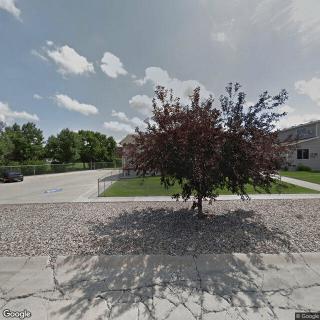

 Beyond the Bingo Hall: 50+ Enriching Activities for Seniors in Assisted Living
 Understanding the Distinctions: Assisted Living and Memory Care Explained
 Guiding Elderly Parents Who Refuse Assisted Living: 6 Practical Steps