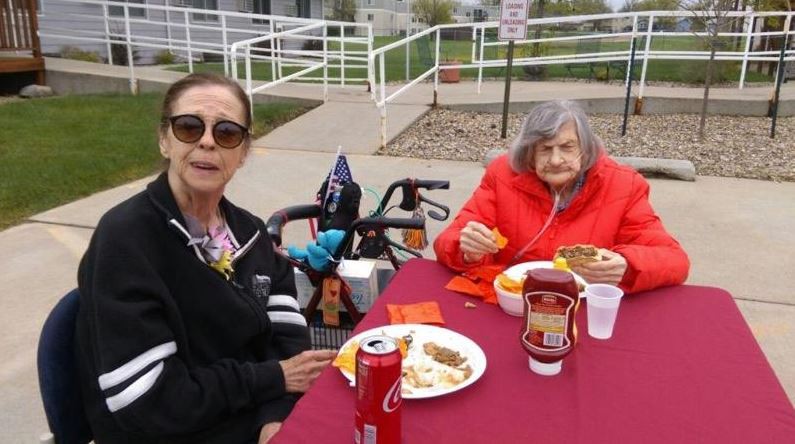
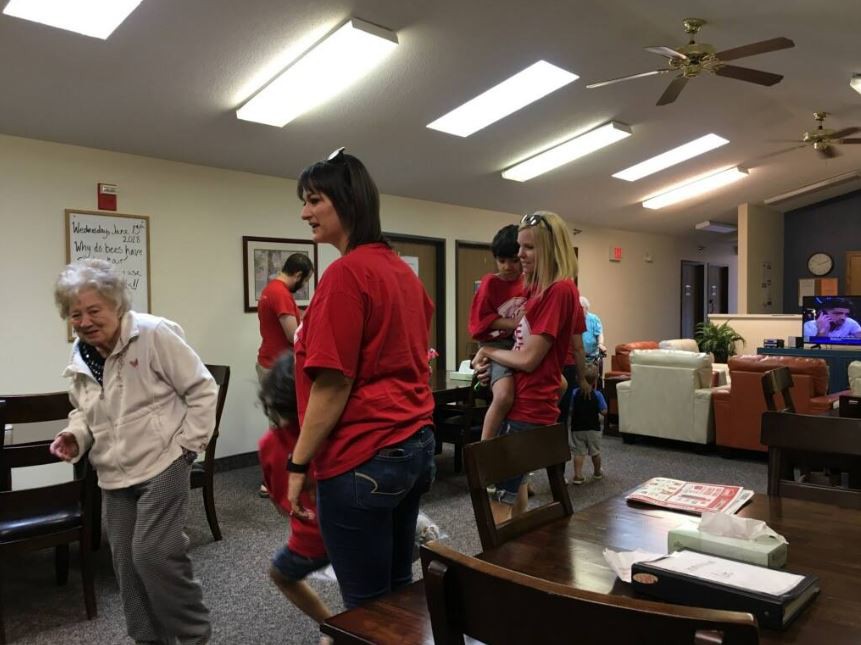
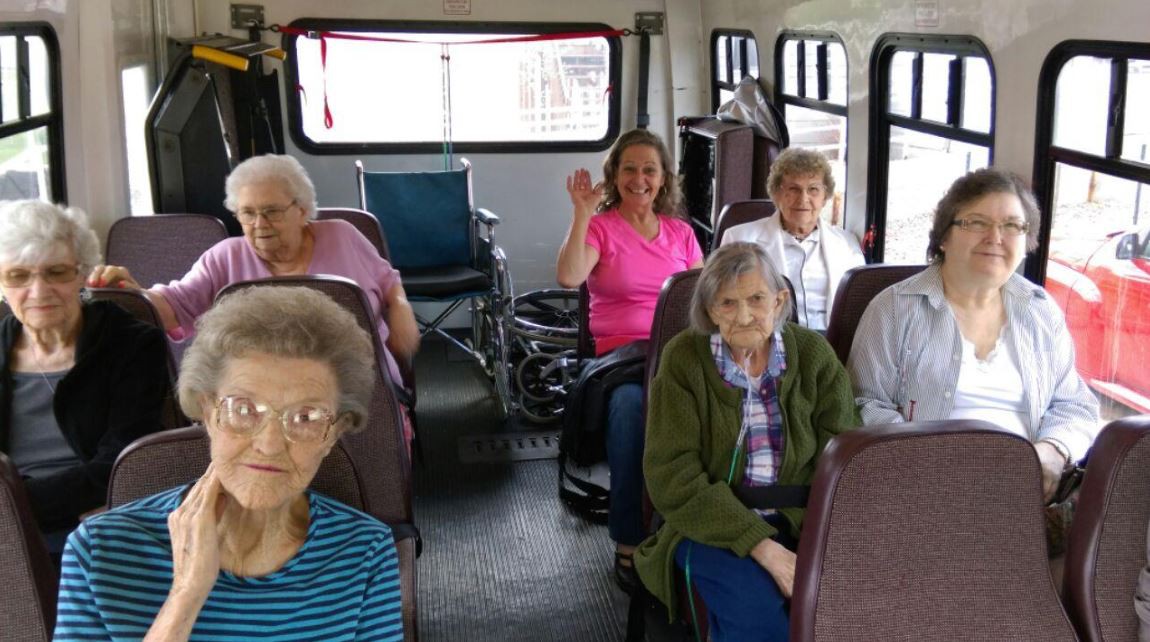
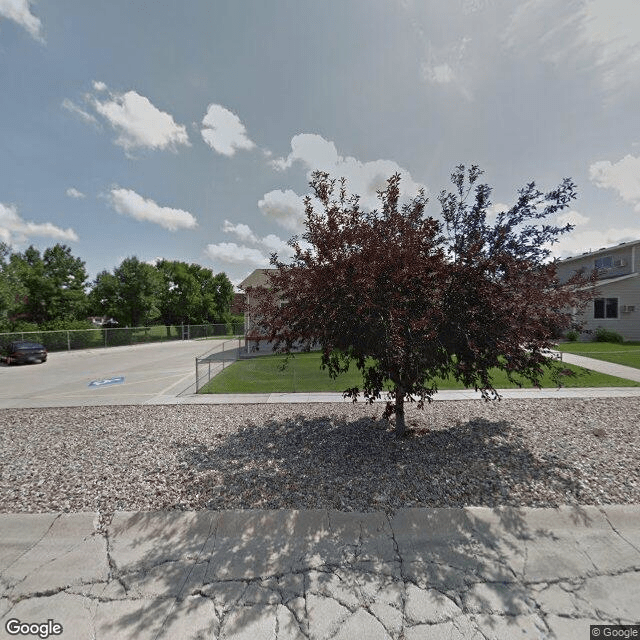
Fairmont Grand Manor in Rapid City, SD

Save

Fairmont Grand Manor in Rapid City, SD

417 East Fairlane Drive, Rapid City, SD 57701

For more information about senior living options: (844) 490-3973

3.6 from 11 reviews
5 stars
5
4 stars
2
3 stars
1
2 stars
1
1 stars
2

Assisted Living Independent Living

Overall Review of Fairmont Grand Manor

Pros

  • pro The facility strives to improve.
  • pro Fairmont Grand did a good job of accommodating his needs and making him feel more at home.
  • pro The facility is nice and feels more like a home than most places.
  • pro The dementia unit staff are wonderful, caring women who keep things running smoothly.
  • pro The unit is kept clean and the laundry is always done.

Cons

  • pro The place is aggravating and not worth the cost.
  • pro The staff mishandles medications, insisting all meds go through their program and contacting him at critical times.
  • pro They keep him on hold for long periods and provide misleading messages about his account.
  • pro They do not take residents for walks or outings.
  • pro Frequent management turnover creates confusion about the proper care.
  • pro The facility manager, Waysha W. F., does not seem to know what she is doing, and two med techs run the place rudely and unprofessionally.
  • pro Residents are pressured to say how much they love it, and they are intimidated and treated unkindly.
  • pro Staff silence concerns about abuse, with threats of termination for raising concerns.
  • pro The memory care staff are extremely rude and unprofessional.
  • pro For the price, the service is not worth it; the facility should be avoided.
  • pro The deposit and direct withdrawal requirements were not disclosed properly, causing further hassles.

Review

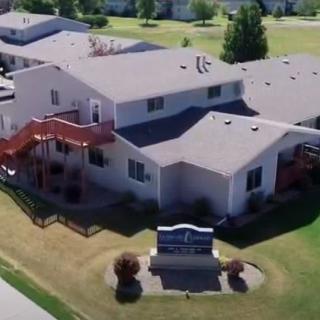
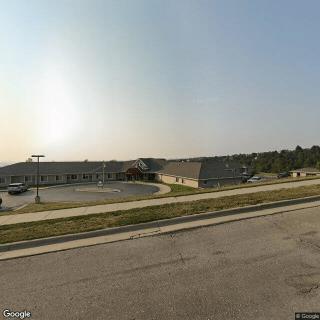
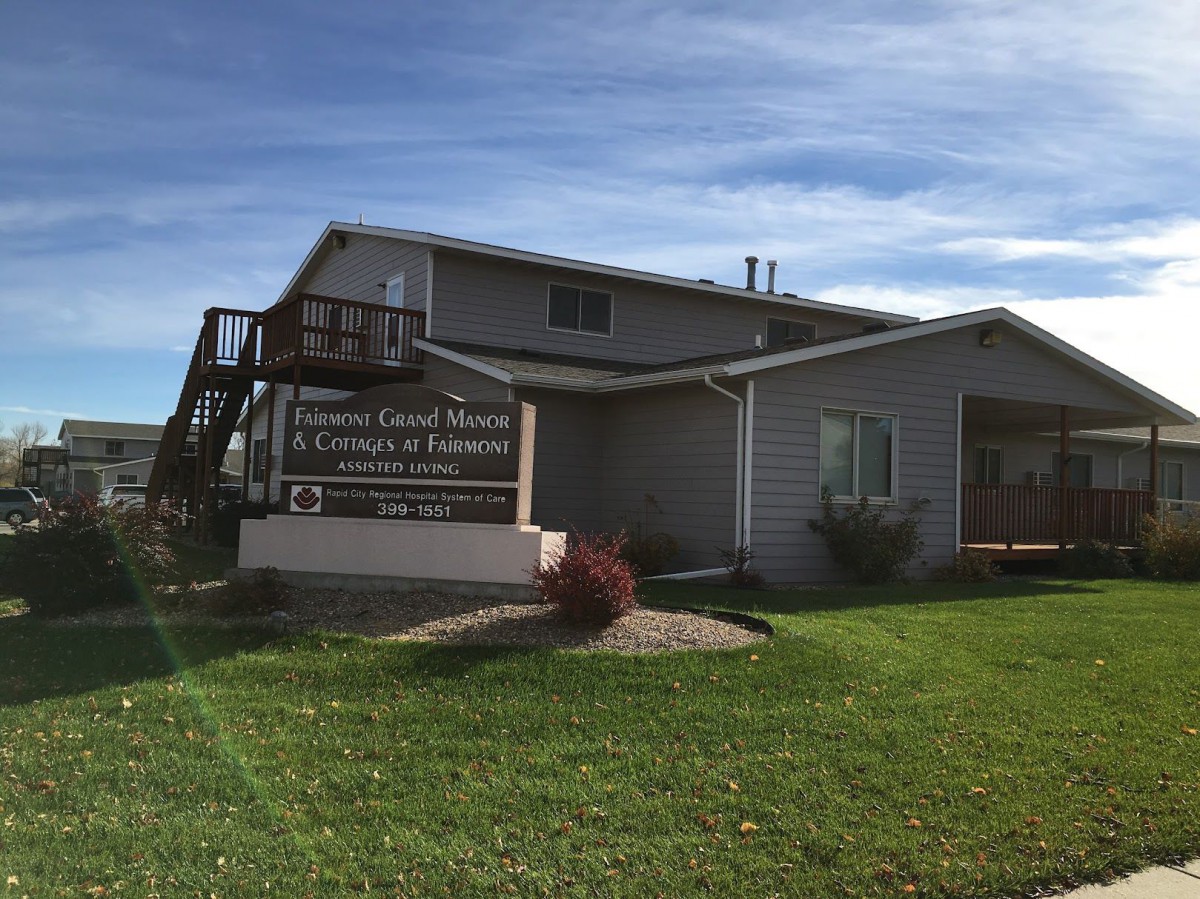
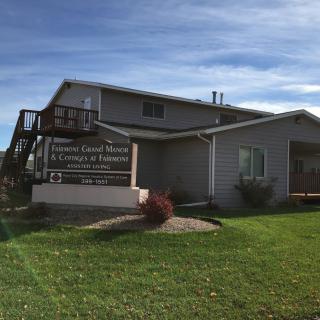
Fairmont Grand Manor in Rapid City is best suited for families seeking a warm, home?like setting with a cottage-style footprint and memory?care options. The property leans into a residential feel - four upgraded cottages that can feel more like a private home than a traditional facility. This appeals to families who want a calmer, less institutional atmosphere and who are willing to participate actively in care decisions and oversight. It can work well for a resident with cognitive challenges when the family can partner with staff to tailor routines and supports, especially during transitions when leadership has shifted and processes have been evolving.

Those who may want to consider alternatives include families prioritizing rock?solid, consistently executed operations - especially around medication management, billing, and admission logistics. If a seamless, predictable experience across all shifts is non?negotiable, or if a history of billing confusion and abrupt policy changes is a red flag, other communities with steadier track records may be better fits. Additionally, anyone seeking uniformly professional behavior across all levels of staff, with no risk of intimidation or uneven treatment, may want to widen their search to options with a longer stability certificate and more uniformly reinforced values.

The strongest positives here revolve around resident-centered caregiving in the dementia?care context and the tangible sense of home. The dementia unit is frequently praised for caring, attentive staff who keep routines, cleanliness, and laundry well managed, creating a reassuring backdrop for families navigating a loved one's memory?care needs. The overall layout supports privacy and autonomy, and when management has aligned with front?line teams, the facility can feel genuinely supportive and welcoming. In at least one recent period, management improvements helped clarify expectations and reduce churn, underscoring a capacity to respond to feedback and implement meaningful changes.

Yet the scale of the downsides matters. Chronic friction around medications - delays, miscommunications, or misrouting - can place families in stressful position, especially when a family is coordinating care from out of state. Administrative hurdles, unseen deposits, and last?minute furnish?and?move requirements have created real friction in the past and can delay a smooth transition. Antecedent concerns about staffing alignment and authority in the memory?care area - coupled with reports of rude behavior from some front-line staff and protective silences around abuse concerns - cannot be dismissed. These elements threaten reliability, even as the best dementia staff within the facility demonstrate what well?trained, compassionate care can look like when everyone is aligned.

To make a confident enrollment decision, prospective families should verify several specifics before committing. Request a current overview of who leads the facility and who is responsible for daily operations, plus direct contact to the operations or administrator who handles escalations. Ask for a current, written policy on medications and how it is implemented day to day, including who oversees refills and how quickly changes are communicated to families. Confirm the exact room configuration, what furnishings are included, and what needs to be supplied, particularly for shared rooms. Finally, insist on a transparent, written payment plan with clear timelines for deposits, withdrawals, and any ancillary fees, and seek recent references from families with loved ones in the dementia unit to gauge consistency.

In the end, Fairmont Grand Manor offers a compelling, home-like environment with a particularly strong dementia?care component and a pricing posture that can be reasonable for the right family. It earns merit for warmth, layout, and the ability of some staff to deliver steadier, affectionate care when leadership and frontline teams are in sync. However, the facility's history of administrative friction, mixed staff experiences, and episodic gaps in medication and billing reliability demand a cautious approach. For families prioritizing a consistently seamless administrative experience and unwavering front?line conduct, alternatives should be actively considered. For those who can stay engaged, monitor closely, and evaluate ongoing stability, a serious tour and multiple conversations with current residents and families are warranted.

Features

Housing

  • 16 resident community capacity 16 resident community capacity

Types of Care

  • Assisted Living Assisted LivingAssisted living facilities provide crucial support and care for seniors who may need help with daily tasks such as medication management, bathing, and meal preparation. These communities offer a safe and comfortable environment where seniors can maintain their independence while receiving the assistance they need to thrive in their golden years.
  • Independent Living Independent LivingIndependent living communities are important for seniors because they offer a safe and supportive environment where older adults can live independently while still having access to amenities and services that enhance their quality of life. These communities provide social opportunities, recreational activities, and assistance with daily tasks, promoting overall well-being and allowing seniors to maintain their independence for as long as possible.

Amenities

  • Activities on-site Activities on-siteActivities on-site are important for seniors because they provide opportunities for socialization, mental stimulation, physical activity, and overall well-being. Engaging in activities can help seniors stay active, maintain their independence, and improve their quality of life.
  • Cable or satellite TV Cable or satellite TVCable or satellite TV is important for seniors because it provides entertainment, news, and companionship, helping to combat loneliness and boredom. It also offers a wide range of programming options tailored to different interests and preferences.
  • Devotional services off-site Devotional services off-siteDevotional services off-site are important for seniors as they provide spiritual nourishment, social engagement, and a sense of community outside of the senior living facility. This can enhance overall well-being and help combat feelings of isolation and loneliness often experienced by older adults.
  • Dining room Dining roomDining rooms are important for seniors as they provide a space for socialization, connection, and nutritious meals. They offer opportunities for residents to bond over shared meals, foster a sense of community, and promote healthy eating habits. Dining rooms also ensure that seniors have access to well-balanced meals tailored to their dietary needs and preferences.
  • Fully furnished Fully furnishedFully furnished senior living communities are important for seniors because they provide convenience, comfort, and a hassle-free moving experience. Seniors can easily settle into their new living space without the stress of having to buy and move furniture. This allows them to focus on enjoying their new home and community.
  • Garden GardenGardens are important for seniors as they provide a peaceful and therapeutic environment for relaxation, physical activity, and socialization. Being in nature has been shown to reduce stress, improve mood, and promote overall well-being. Gardens also offer opportunities for seniors to engage in gardening activities, which can improve mobility, flexibility, and cognitive function. Additionally, gardens create a sense of community and connection with others who share a passion for plants and outdoor spaces.
  • Housekeeping services Housekeeping servicesHousekeeping services are important for seniors because they help maintain a clean and safe living environment, promote independence, and reduce the risk of accidents or illnesses. Additionally, having assistance with household chores can alleviate physical strain and allow seniors to focus on other aspects of their well-being.
  • Indoor common areas Indoor common areasIndoor common areas are crucial for seniors as they provide a space for socialization, recreation, and community engagement, promoting overall well-being and reducing feelings of isolation and loneliness.
  • Move-in coordination Move-in coordinationMove-in coordination is important for seniors because it helps ease the transition into their new living environment. It ensures that all logistics, such as packing, organizing movers, and setting up utilities are taken care of, allowing seniors to focus on settling in and adjusting to their new home. Having a smooth move-in process can alleviate stress and anxiety, making the transition smoother and more enjoyable for seniors.
  • Outdoor space Outdoor spaceOutdoor spaces are important for seniors as they provide opportunities for physical activity, social interaction, exposure to natural light and fresh air, and a sense of connection to nature. Having access to outdoor spaces can improve overall well-being and quality of life for older adults living in senior communities.
  • Telephone TelephoneTelephones are important for seniors as they provide a lifeline for communication with loved ones, emergency services, and healthcare providers. They offer a sense of security and independence, enabling seniors to stay connected and access assistance when needed.
  • Wi-Fi/high-speed internet available Wi-Fi/high-speed internet availableWi-Fi/high-speed internet is important for seniors to stay connected with loved ones, access online resources, and participate in virtual activities to combat feelings of loneliness and isolation. It also allows them to easily manage healthcare needs, access entertainment, and engage in lifelong learning opportunities.

Transportation

  • Rapid City Regional (8 miles away) Rapid City Regional (8 miles away)

Care Services

  • 24-hour supervision 24-hour supervision24-hour supervision is important for seniors to ensure their safety, well-being, and access to immediate assistance in case of emergencies or health issues. This constant support provides peace of mind for both seniors and their loved ones, allowing them to age in place with dignity and security.
  • Activities of daily living assistance Activities of daily living assistanceActivities of daily living assistance are important for seniors because they provide essential support with tasks such as eating, bathing, dressing, and mobility. This assistance helps seniors maintain their independence, dignity, and overall quality of life as they age.
  • Ambulatory care Ambulatory care"Ambulatory care services provide essential medical support and treatment to seniors without requiring hospitalization, allowing them to maintain their independence and quality of life while managing chronic conditions or receiving routine medical care."
  • Assistance with bathing Assistance with bathingAssistance with bathing is crucial for seniors as it helps maintain personal hygiene, prevents infections, and ensures their overall well-being and comfort. It also provides a sense of dignity and independence for seniors who may struggle with this task on their own.
  • Assistance with dressing Assistance with dressingAssistance with dressing is important for seniors because it helps maintain their independence, promotes personal hygiene, prevents accidents and injuries, and improves overall quality of life. This service ensures that seniors can continue to dress comfortably and confidently, despite any physical limitations they may have.
  • Assistance with transfers Assistance with transfersAssistance with transfers is crucial for seniors as it helps prevent falls and injuries, maintains their independence, and ensures they can safely navigate their living environment. It also provides peace of mind for both seniors and their loved ones.
  • Coordination with health care providers Coordination with health care providersCoordination with health care providers is crucial for seniors to ensure proper medical care, medication management, and overall well-being. This collaboration helps prevent overlapping treatments, track progress more effectively, and provide comprehensive support tailored to individual needs.
  • Diabetes diet Diabetes dietA diabetes diet is crucial for seniors as it helps manage blood sugar levels, reduce risks of complications, and improve overall health and well-being. By following a balanced and nutritious diet tailored to their specific needs, seniors can better control their diabetes and enhance their quality of life.
  • Diabetic care Diabetic careDiabetic care is crucial for seniors as they are more susceptible to developing diabetes due to aging and other health conditions. Proper management of diabetes can help prevent complications such as heart disease, vision loss, and nerve damage, improving the overall quality of life for seniors in senior living communities.
  • Meal preparation and service Meal preparation and serviceMeal preparation and service are crucial for seniors as they may have limited mobility or energy to cook nutritious meals. Having access to healthy and convenient food options can ensure they are getting the proper nutrition needed to maintain their overall health and well-being.
  • Medication management Medication managementMedication management is crucial for seniors to ensure they are taking the right medications at the correct dosages and times. This helps prevent adverse drug interactions, reduces the risk of medication errors, and promotes overall health and well-being. Proactive management also allows for adjustments as needed based on changing health conditions or new prescriptions.
  • Special dietary restrictions Special dietary restrictionsSpecial dietary restrictions are important for seniors because age-related changes in metabolism and health conditions can make it difficult for their bodies to process certain foods. By following a diet tailored to their specific needs, seniors can maintain their overall health and well-being, manage chronic conditions, and reduce the risk of complications such as malnutrition or food interactions with medications.
  • Transportation arrangement (medical) Transportation arrangement (medical)Transportation arrangements for medical purposes are essential for seniors as they may have difficulty driving themselves to appointments or accessing public transportation. Having reliable and safe transportation options ensures that seniors can receive timely medical care and maintain their health and well-being.
  • Transportation to doctors appointments Transportation to doctors appointmentsTransportation to doctors' appointments is crucial for seniors as it ensures they have access to necessary medical care and support for their health needs. Without reliable transportation, seniors may struggle to attend important appointments, leading to potential delays in treatment and health complications. Providing transportation services helps seniors maintain their overall well-being and quality of life.

Dining

  • Diabetes diet Diabetes dietA diabetes diet is crucial for seniors as it helps manage blood sugar levels, reduce risks of complications, and improve overall health and well-being. By following a balanced and nutritious diet tailored to their specific needs, seniors can better control their diabetes and enhance their quality of life.
  • Meals provided Meals provided"Meals provided" are crucial for seniors in assisted living communities as it ensures they have access to nutritious, balanced meals without the stress of meal planning and preparation. This can help promote overall health and well-being for seniors who may have limited mobility or cognitive abilities.
  • Special dietary restrictions Special dietary restrictionsSpecial dietary restrictions are important for seniors because age-related changes in metabolism and health conditions can make it difficult for their bodies to process certain foods. By following a diet tailored to their specific needs, seniors can maintain their overall health and well-being, manage chronic conditions, and reduce the risk of complications such as malnutrition or food interactions with medications.

Activities

  • Activities on-site Activities on-siteActivities on-site are important for seniors because they provide opportunities for socialization, mental stimulation, physical activity, and overall well-being. Engaging in activities can help seniors stay active, maintain their independence, and improve their quality of life.
  • Community-sponsored activities Community-sponsored activitiesCommunity-sponsored activities are important for seniors as they provide opportunities for social interaction, mental stimulation, and physical activity. These activities can help improve overall well-being, combat loneliness and isolation, and promote a sense of belonging and purpose among older adults.
  • Devotional activities offsite Devotional activities offsiteDevotional activities offsite are important for seniors because they provide social engagement, spiritual growth, and a sense of community outside of their living environment. This can improve overall well-being, mental health, and combat feelings of isolation or loneliness.
  • Scheduled daily activities Scheduled daily activitiesScheduled daily activities are important for seniors because they provide structure, socialization, mental stimulation, and physical activity. Engaging in regular activities can improve overall well-being and quality of life for seniors living in a community setting.

Description

Fairmont Grand Manor in Rapid City, SD is an assisted living community that offers residents a comfortable and independent lifestyle. With a range of amenities and care services available, residents can enjoy their golden years in a supportive and nurturing environment.

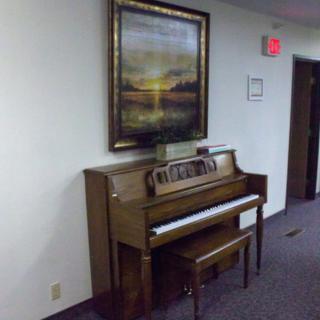
Residents at Fairmont Grand Manor have access to a variety of amenities to enhance their daily lives. They can relax and unwind in the indoor common areas or take advantage of the beautiful outdoor space and garden. The community also provides cable or satellite TV, Wi-Fi/high-speed internet, and telephone services for entertainment and communication needs. Housekeeping services ensure that residents can focus on enjoying their time rather than worrying about chores.

The community offers various types of care to meet individual needs, including assistance with activities of daily living such as bathing, dressing, and transfers. Trained staff are available to coordinate with healthcare providers and assist with medication management. Residents with diabetes benefit from specialized care and diabetic diets.

Meals are provided on-site, taking into account any special dietary restrictions residents may have. In addition to this, there are plenty of dining options nearby for those who prefer dining out.

To keep residents engaged and active, Fairmont Grand Manor organizes community-sponsored activities and scheduled daily activities. Devotional activities off-site provide spiritual nurturing for those who desire it. Transportation arrangements are available for medical appointments, ensuring that residents can easily access healthcare services when needed.

Fairmont Grand Manor boasts a convenient location close to various amenities in the surrounding area. There are several cafes, parks, pharmacies, physicians' offices, restaurants, places of worship, and hospitals nearby. This allows residents easy access to essential services as well as opportunities for recreation and socializing.

Overall, Fairmont Grand Manor offers a supportive assisted living community where seniors can maintain their independence while receiving the care they need. With its range of amenities and convenient location, it is an ideal choice for seniors seeking an enriching retirement experience in Rapid City, SD.

Nearby Places of Interest

Located in Rapid City, South Dakota, this area boasts a variety of amenities that cater to senior living. With multiple physicians and hospitals within close proximity, residents can easily access healthcare services. Additionally, there are several pharmacies nearby for convenient medication management. For those looking to stay active, the area offers several parks for leisurely walks or outdoor activities. Places of worship are also within reach for spiritual fulfillment. When it comes to dining options, there is a range of restaurants and cafes for socializing and enjoying meals. Overall, this neighborhood provides a well-rounded community suitable for seniors seeking convenience and comfort in their daily lives.

Physicians

  • Ferrier (0.1 miles)
  • Black Hills Regional Eye Institute (0.7 miles)
  • Laser Vision Center (0.7 miles)
  • Monument Health Cancer Care Institute (0.8 miles)
  • Black Hills Oral & Maxillofacial Surgery (0.9 miles)
  • Monument Health Heart and Vascular Institute (0.9 miles)
  • Black Hills Plastic Surgery (0.9 miles)

Parks

  • Robbinsdale Park (0.3 miles)
  • Wilson Park (1.5 miles)
  • Dinosaur Park (2.3 miles)
  • Memorial Park (2.4 miles)

Pharmacies

  • Boyds Drug Mart (0.8 miles)
  • Boyd's Drug Rx Express (1.2 miles)
  • Family Fare Pharmacy 3253 (1.3 miles)
  • Monument Health Home+ Specialty Pharmacy (1.4 miles)
  • Walgreens (1.4 miles)
  • Medicine Shoppe (1.7 miles)
  • Rushmore Compounding (1.7 miles)

Hospitals

  • Rapid City Regional Hospital (0.9 miles)
  • Labor and Delivery (0.9 miles)
  • Black Hills Surgical Hospital (1 miles)
  • Black Hills Imaging Center (1 miles)
  • Rapid City Regional Hospital (1 miles)
  • Black Hills Imaging Center (1.4 miles)
  • Monument Health Dialysis Center (2.3 miles)

Places of Worship

  • Cathedral of Our Lady of Perpetual Help (1 miles)
  • Open Bible Christian Center (1.7 miles)
  • First United Methodist Church (1.9 miles)

Restaurants

  • Blue Lantern Lounge (1 miles)
  • McDonald's (1.2 miles)
  • Sonic Drive-In (1.3 miles)
  • Colonial House Restaurant (1.3 miles)
  • Culver's (1.3 miles)
  • Taco John's (1.3 miles)
  • Joe's Place Bar & Grill (1.3 miles)

Cafes

  • Scotters Coffee (1.2 miles)
  • Starbucks (1.5 miles)
  • Pure Bean (1.7 miles)
  • Cambell Street Cafe (2.1 miles)
  • Essence Of Coffee (2.2 miles)

Frequently Asked Questions

Where is Fairmont Grand Manor?
What photos are available for Fairmont Grand Manor in Rapid City, South Dakota?

Nearby Communities

  • Fairmont Grand Manor II

    Fairmont Grand Manor II

    Rapid City, SD

    3.6 from 11 reviews
     

    pro Intimate 16-bed community with comprehensive assisted living, on-site dining/housekeeping, and coordinated medical transport.

  • Fairmont Grand Manor I

    Fairmont Grand Manor I

    Rapid City, SD

    3.6 from 11 reviews
     

    pro Luxurious setting with comprehensive care

  • Fairmont Grand Senior Living

    Fairmont Grand Senior Living

    Rapid City, SD

    4 from 24 reviews
    $3,255 to $3,990 / month

    pro Smaller, homey setting with friendly staff and well-sized rooms.

  • Fairmont Grand Regional Senior Care

    Fairmont Grand Regional Senior Care

    Rapid City, SD

    3.6 from 11 reviews
     

    pro Small, intimate community (16 residents) with comprehensive care and amenities (24/7 supervision, ADL assistance, meals with dietary options, medication management, and healthcare coordination).

  • There`s A Hart

    There`s A Hart

    Rapid City, SD

    4.8 from 9 reviews
    $3,105 to $3,416 / month

    pro Convenient access to numerous nearby amenities (cafes, parks, pharmacies, restaurants, places of worship, physicians, hospitals).

  • There's A Hart

    There's A Hart

    Rapid City, SD

    4.8 from 9 reviews
     

    pro All-in-one living: 24/7 care, ADL support, housekeeping, furnished apartments, dining, and activities.

  • Edgewood Rapid City

    Edgewood Rapid City

    Rapid City, SD

    4.3 from 29 reviews
    $3,180 to $4,295 / month

    pro Spacious, welcoming apartments with attentive staff and restaurant-style dining.

  • Good Samaritan Society - Echo Ridge

    Good Samaritan Society - Echo Ridge

    Rapid City, SD

    4.6 from 15 reviews
     

    pro Spacious, well-designed apartments with attentive staff and convenient on-site amenities.

  • Home Instead - Rapid City,  SD

    Home Instead - Rapid City, SD

    Rapid City, SD

    4.6 from 62 reviews
     

    pro Excellent caregiver matching with compassionate, personalized in-home care and flexible scheduling.

Assisted Living in Nearby Cities

Related Resources

  • assisted living for seniors on social securitySocial Security Benefits and Assisted Living: Navigating Options Across the U.S.

    Assisted living costs often exceed Social Security benefits, necessitating a combination of funding sources like state aid and Medicaid. Understanding the interaction between Social Security programs and available financial support is essential for affording such care.

  • aid and attendance vaAn Extensive Exploration of the VA Aid and Attendance Benefit

    The VA Aid and Attendance benefit provides financial support to veterans needing assistance with daily living due to medical conditions or disabilities, augmenting standard VA pensions for services like in-home care. Eligibility is based on service duration, wartime status, income, and medical needs, with a detailed application process required to access funds for caregiving and home modifications.

  • senior move managementSenior Transition Services: Understanding Their Role, Cost, and Importance
    Senior move management services assist older adults in the relocation process by providing emotional support and organizational help, addressing unique challenges like downsizing and moving from long-term homes. These specialists collaborate with real estate agents and manage logistics, making the transition smoother for seniors and their families.