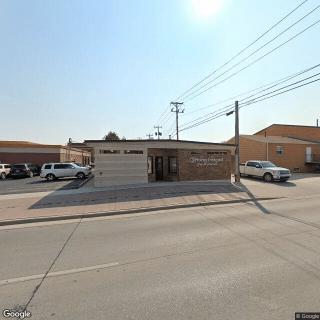
409 East Fairlane Drive, Rapid City, SD 57701
For more information about senior living options: (866) 208-4318
Overall Review of Fairmont Grand Manor I
Pros
 The dementia unit staff are wonderful, caring women who keep things running smoothly.
- The unit is kept clean and the laundry is always done.
- The staff were caring, considerate, positive, supportive and kind to residents, and the residents clearly love them.
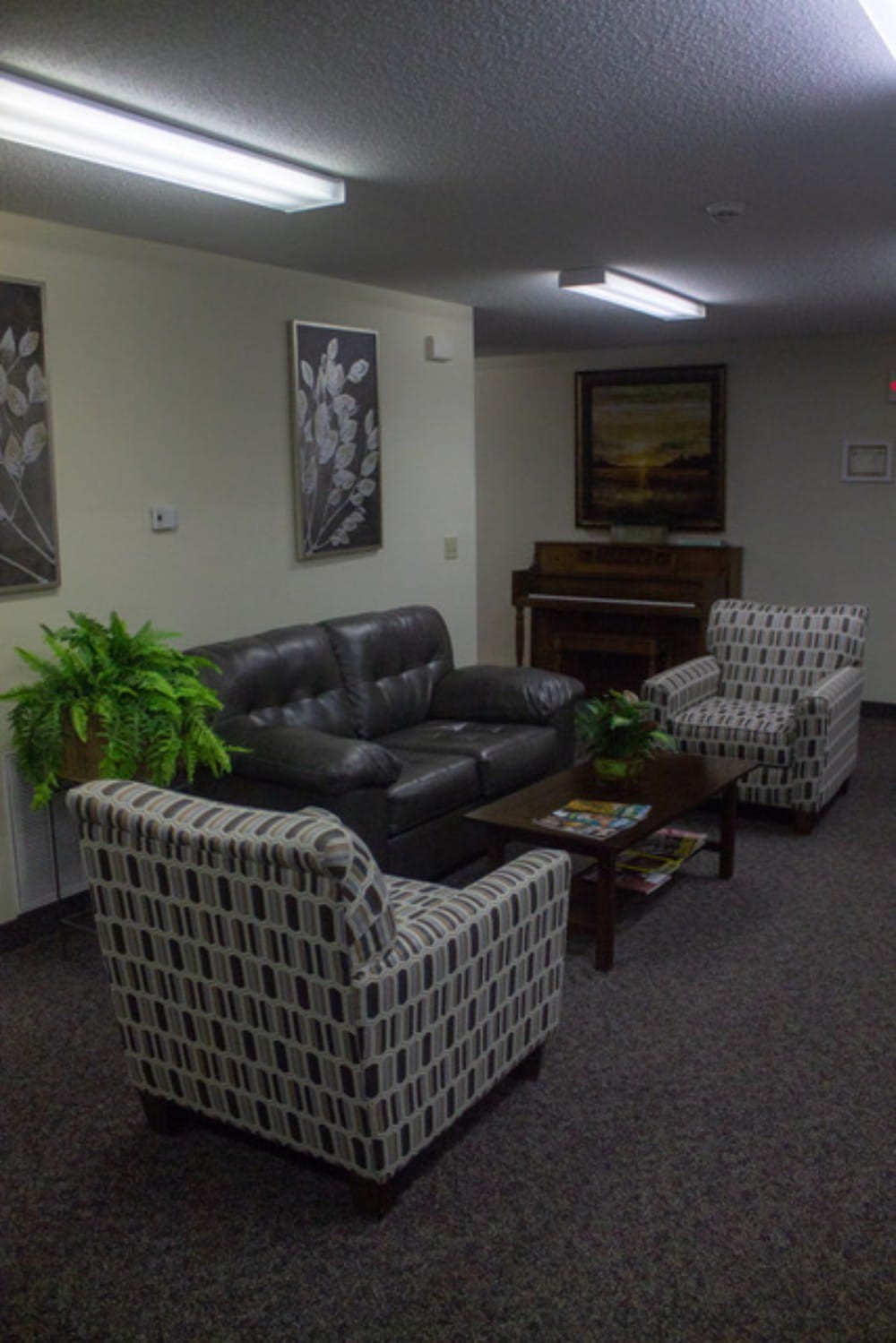
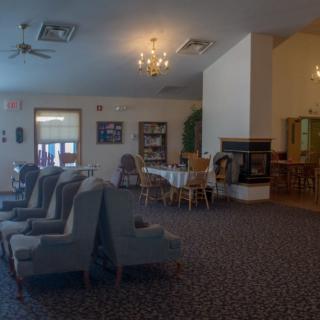
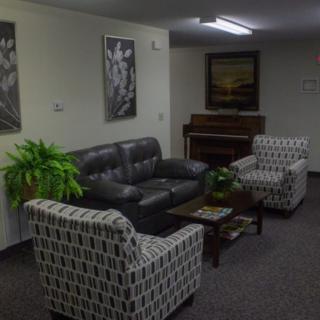
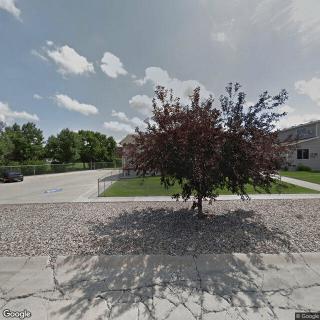
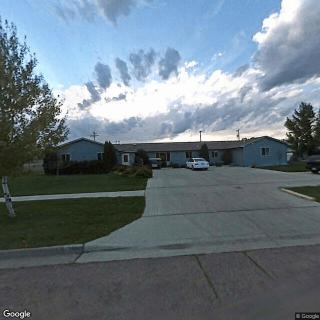
- The layout features four nicely upgraded and beautifully appointed cottages.
- Pricing is very reasonable.
- Residents love the staff.
- Fairmont Grand did a good job of accommodating his needs and making him feel more at home.
Cons
 The facility is more than aggravating.
- The facility does not take him for walks and has yet to take him on an outing.
- They wait until his medications are almost gone, preventing intervention from out-of-state family.
- There were many changes of management that caused confusion and issues with ensuring proper care.
- The facility manager does not know what she is doing.
- Two med techs run the place rudely and unprofessionally.
- Residents are intimidated and treated unkindly.
- Staff who try to report abuse are silenced.
- Potential residents should avoid this facility at all costs.
Review
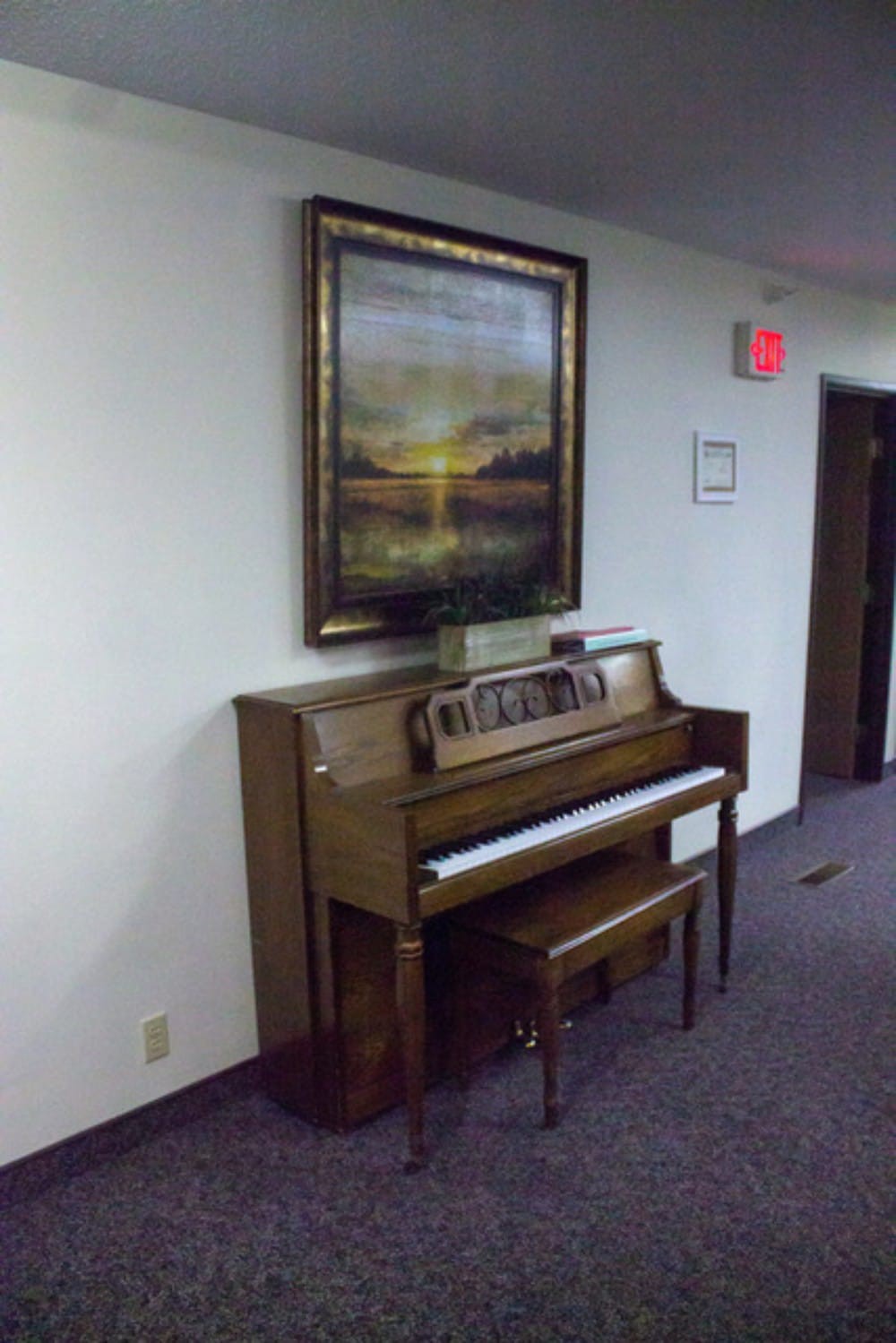
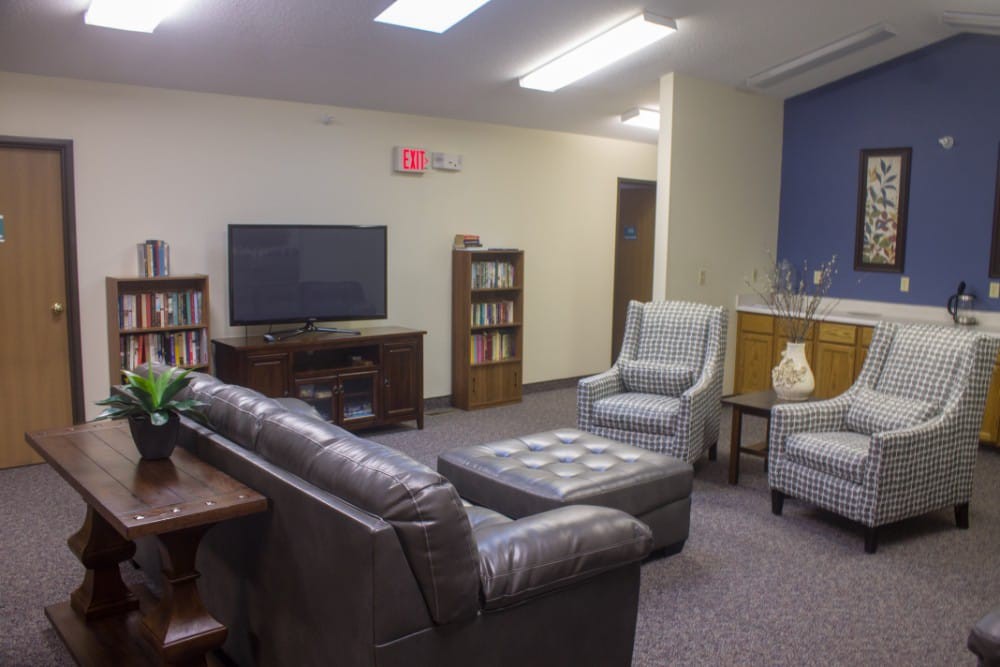
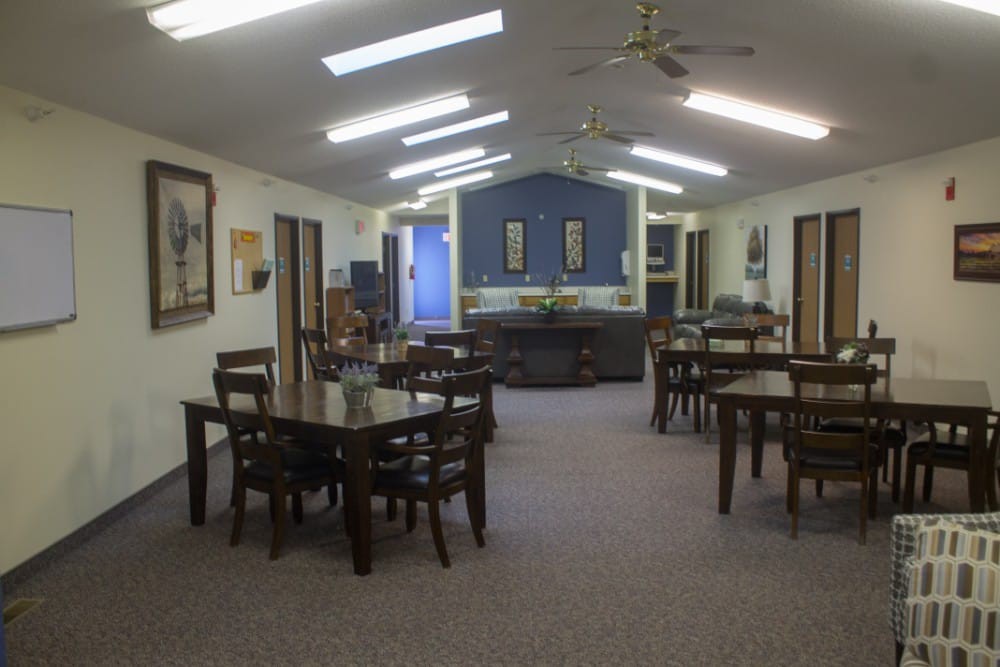
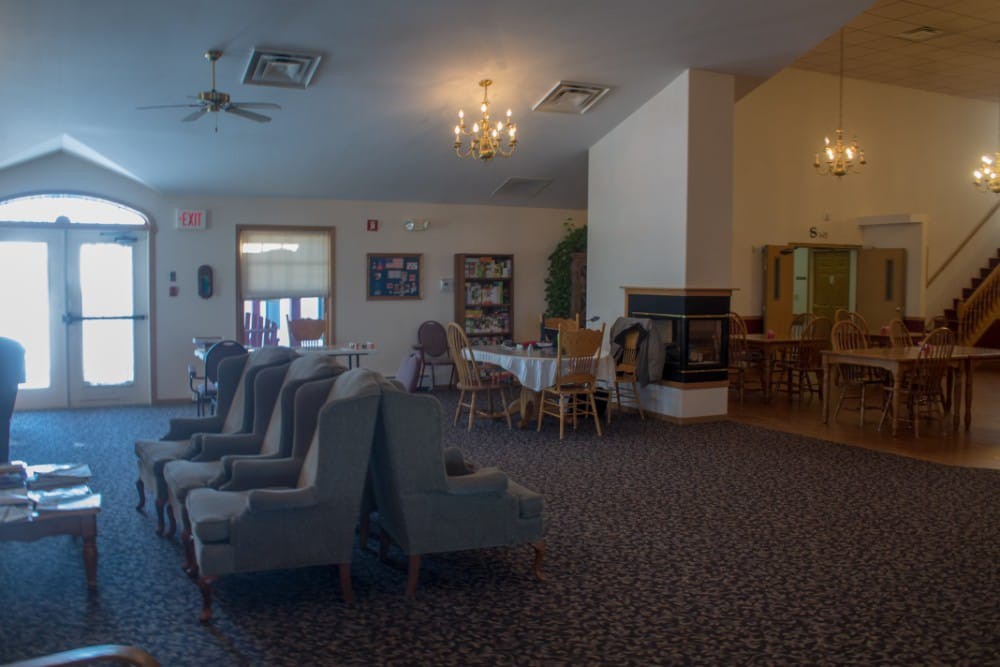
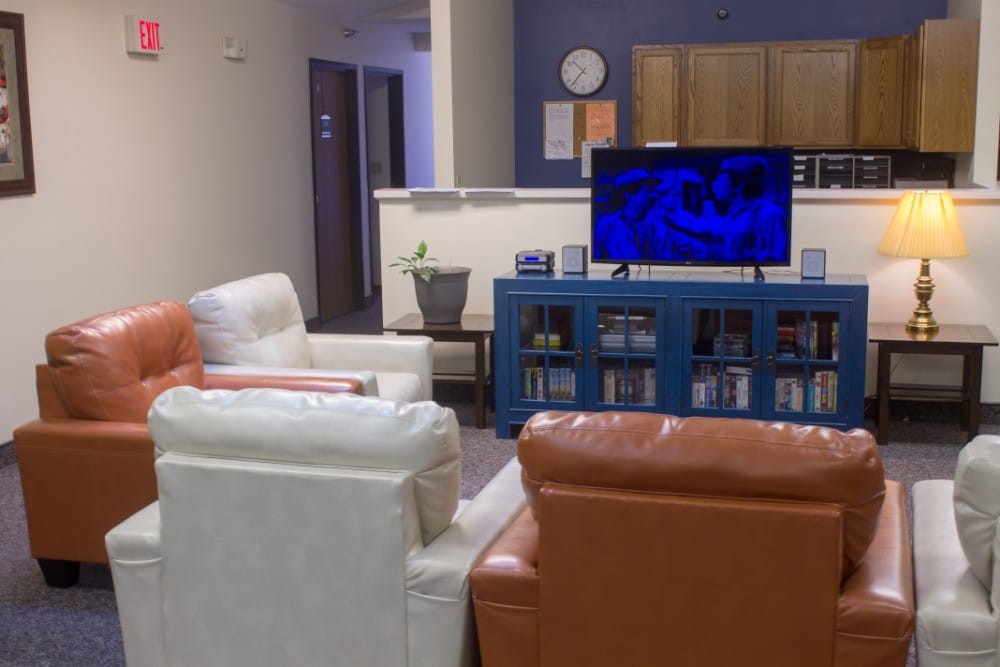
Fairmont Grand Manor I in Rapid City is best suited for a family seeking a home-like, cottage-style environment with a clearly defined memory-care option, and for residents who can thrive under a structured routine and attentive dementia-unit staff. The property is arranged into four upgraded cottages that foster a sense of belonging and privacy, which helps residents feel more at home than in some traditional, institutional settings. For families prioritizing a warm ambience and a specialized unit that concentrates on cognitive care, this community presents tangible advantages that can support daily life and emotional comfort.
Those who should explicitly consider alternatives are families who require highly predictable operations across every day, with flawless medication management, billing transparency, and rock-solid administrator oversight. If a resident’s needs include near-perfect consistency in communication, meticulous financial handling, or unwavering professional conduct from front-line staff, the variability to date could be a red flag. Also, households that demand robust, regular outings and highly proactive engagement from upper management may find other options that emphasize administrative reliability and activity programming more compelling.
On the plus side, the four-cottage layout creates a homey footprint that appeals to residents and families alike, reducing the institutional feel that can accompany assisted living. The dementia/unit care is repeatedly cited as a real strength, with caregivers who are patient, supportive, and consistently present within the unit, which helps residents adjust and feel secure. Pricing is described as reasonable for the level of care, and recent management changes have started to shift operations in a more responsive direction, with families noting improvements in care coordination and overall atmosphere. Taken together, these elements deliver real daily value that can offset some operational rough edges when a resident is in the dementia unit or when a family can partner closely with staff.
The most significant concerns revolve around administration and staff conduct outside the dementia unit. Historical issues include confusion stemming from management turnover, inconsistent medication workflows, and delays in addressing financial and transfer logistics that left families frustrated, particularly for those living out of state. Prospective residents should verify current practices around med administration, billing, deposits, and the process for furnishing shared rooms, as these areas have been reported to create avoidable stress. Reports of rude behavior from some non-dementia unit staff, and memories of past tensions between families and management, further complicate decision-making for those who prize steady, respectful communication as a non-negotiable standard.
Despite these challenges, the strongest positives do carry meaningful weight when weighed against the drawbacks. The dementia unit’s care quality, complemented by a genuine home-like environment and thoughtful cottage design, can substantially offset concerns for families who prioritize daily quality of life and staff attentiveness in memory-focused care. The observed improvements under newer leadership demonstrate a capacity for continuity and better alignment between resident needs and care delivery. In other words, the facility’s core strengths are real and actionable, but they require ongoing stability and transparent operations to fully translate into reliable confidence for families.
Bottom-line guidance: Fairmont Grand Manor I is a compelling option for families that value a homelike setting and strong dementia care, and for residents who can benefit from a clearly defined memory-care pathway and a staff culture that improves with stable leadership. Before deciding, families should insist on current, written confirmations of medication management processes, billing practices, and the exact roles of the on-site administrator and dementia-unit supervisors. Tour the memory-care area with questions about daily schedules, outings, and staff-to-resident ratios, then probe recent changes in management and how those changes have impacted day-to-day operations. For those who require near-total administrative predictability or who cannot invest in active family liaison time to bridge gaps, exploring alternatives with more consistent leadership and documented processes is prudent. In the right hands, Fairmont Grand Manor I can provide a warm, nurturing home for a cognitively challenged loved one; in other hands, it risks the stress of unresolved administrative questions and uneven daily experiences.
 16 resident community capacity
 Assisted Living
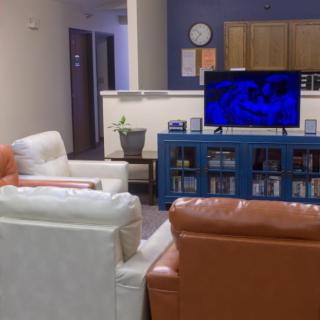
 Cable or satellite TV
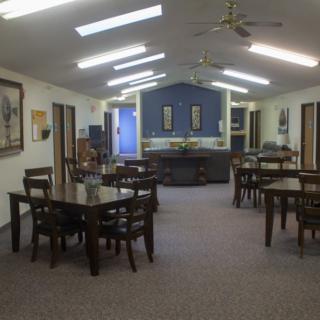
 Dining room
 Fully furnished
 Garden
 Housekeeping services
 Move-in coordination
 Outdoor space
 Telephone
 Wi-Fi/high-speed internet available
 Rapid City Regional (8 miles away)
 24-hour supervision
 Activities of daily living assistance
 Assistance with bathing
 Assistance with dressing
 Assistance with transfers
 Diabetes diet
 Meal preparation and service
 Medication management
 Special dietary restrictions
 Transportation arrangement (medical)
 Transportation to doctors appointments

 Senior Transition Services: Understanding Their Role, Cost, and Importance
 Exploring the Path to Senior Living: A Comprehensive Look at Independent Living and Assisted Living
 Is Assisted Living Deductible on Your Taxes? Understanding the Complexities of Assisted Living Expenses and Deductions