
133 Texas Street, Rapid City, SD 57701
For more information about senior living options: (866) 208-4318
Overall Review of The Courtyard Westhills Village
Pros
 A family member feels safe, cared for, and protected at the Courtyard.
- The Courtyard is a beautiful community whose employees strive to provide the best possible life experience for its residents.
- The family is grateful and relieved knowing their loved one is living at the Courtyard.
- The staff are kind and responsive, and residents are well cared for.
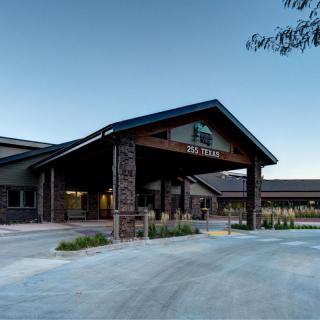
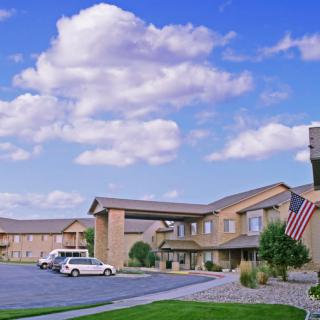
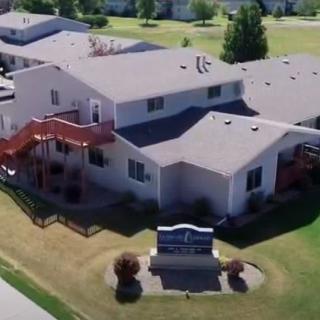
- The facility is beautiful, with attentive care for its residents.
Review
This community is best suited for families seeking a safe, well-staffed, and aesthetically pleasing assisted living environment for an elderly loved one who prioritizes steady, personalized care over medical intensity. The resident testimonials describe a setting where safety and security are evident daily, and where caregivers actively work to create a meaningful life experience. A loved one who values consistent supervision, approachable staff, and a pleasant, well-maintained living space will likely flourish here. The Courtyard Westhills Village stands out for families that want peace of mind from a team that treats daily care as a core mission, not an afterthought.
Those considering alternatives should note that this is not framed as a high-acuity medical campus. For residents who require around-the-clock skilled nursing, complex wound care, intensive rehabilitation, or highly specialized memory-care programming, other communities with dedicated memory-care wings or hospital-adjacent resources may be a better fit. If the priority is a deeper clinical footprint, or if mobility or behavioral needs demand a more therapeutic environment, it makes sense to explore options that market those capabilities more explicitly. Additionally, families outside Rapid City or with tighter budget constraints may find other locales or models offer closer alignment with their financial and logistical needs.
The strongest selling points here are the safety, the level of care, and the warmth of the environment. The facility’s beauty isn’t merely cosmetic; it reinforces a sense of dignity and belonging that reduces agitation and loneliness, a common pitfall in senior living. The staff’s responsiveness and kindness are repeatedly highlighted, translating into more reliable assistance with activities of daily living, timely reminders for medications, and engaged, respectful treatment of residents. In practical terms, these elements translate into fewer care gaps, more social interaction, and a daily rhythm that feels both purposeful and secure for residents who value predictability and personal attention.
Another significant pro is the perceived continuity and consistency in care. One family notes their loved one has lived there for years and continues to feel safe, cared for, and protected. That kind of longevity among staff and residents often correlates with a stable community culture, fewer turnover shocks, more familiar faces, and stronger relationships between residents and caregivers. The positive tone of the testimonials also signals that the environment supports meaningful daily activity and a lifestyle that respects residents’ routines, preferences, and dignity. For families, that translates into tangible relief and certainty about their loved one’s day-to-day experience.
When weighing pros against potential drawbacks, the main offset is clear: excellent day-to-day care and a beautiful, supportive setting can compensate for a lack of clinical intensity. For families prioritizing warmth, attentiveness, and a home-like atmosphere, the Courtyard Westhills Village delivers results that reduce anxiety about neglect or neglectful oversight. Yet it remains prudent to acknowledge the possible gaps for residents who need aggressive medical oversight, complex memory-care programming, or highly specialized rehabilitative services. Those needs often require a facility with dedicated medical staff, more structured cognitive-stimulation programming, or on-site therapy services that go beyond what this community typically provides. In such cases, the most prudent path is a candid comparison of care levels, staffing ratios, and the availability of advanced services before committing.
In practical terms, families evaluating The Courtyard Westhills Village should approach a visit with specific questions: what is the actual staff-to-resident ratio during peak hours; how are medication administrations verified; what daily activities are offered, and how personalized can plans be? What is the policy on long-term stability of caregiving teams, and how are transitions handled if a resident’s needs evolve? It is wise to request a tour at different times of day to observe responsiveness and warmth in real life, and to review resident contracts for any hidden costs or changes in services. The aim is to verify that the anecdotal strength, safety, care, beauty, and responsive staff, translates into an experience that aligns with the resident’s priorities and the family’s expectations.
For families whose priority is dependable safety, compassionate care, and a welcoming environment, The Courtyard Westhills Village represents a compelling option. It delivers very tangible benefits that alleviate common concerns about aging in place: a secure setting, attentive caregivers, and a living space that enhances well-being. Those who require more intensive medical support or structured memory-care programs should keep alternatives in clear view and proceed with a careful, needs-based comparison. When alignment exists between the resident’s needs and the community’s strengths, this is a recommendation that tends to yield not just comfort, but genuine confidence for the road ahead.
 60 resident community capacity
 Skilled Nursing Facility
 Air-conditioning
 Beauty salon
 Cable or satellite TV
 Computer center
 Dining room
 Fitness room
 Fully furnished
 Gaming room
 Garden
 Housekeeping services
 Kitchenette
 Move-in coordination
 Outdoor space
 Private bathrooms
 Restaurant-style dining
 Small library
 Telephone
 Wellness center
 Wi-Fi/high-speed internet available
 Rapid City Regional (8 miles away)
 Community operated transportation
 24-hour call system
 Activities of daily living assistance
 Assistance with bathing
 Assistance with dressing
 Assistance with transfers
 Diabetes diet
 Medication management
 Special dietary restrictions
 Concierge services
 Planned day trips

 Weight Training for Seniors: Building Strength and Vitality
 Understanding the Sandwich Generation: Stress and Responsibilities for Multigenerational Caregivers
 8 Essential Assistive Devices for Older Adults