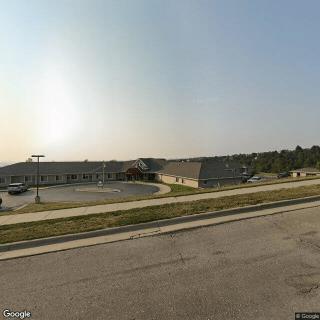
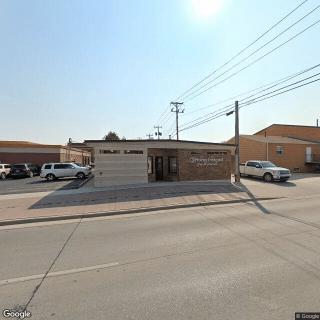
Fairmont Grand Regional Senior Care

405 East Fairlane Drive, Rapid City, SD 57701

For more information about senior living options: (844) 490-3973

3.6 from 11 reviews
5 stars
5
4 stars
2
3 stars
1
2 stars
1
1 stars
2

Assisted Living

Overall Review of Fairmont Grand Regional Senior Care

Pros

  • pro The facility is described as nice and feels more like a home than most places.
  • pro Fairmont Grand did a good job of accommodating his needs and making him feel more at home.
  • pro The dementia unit staff are wonderful, caring women who keep things running smoothly.
  • pro The unit is kept clean and the laundry is always done.
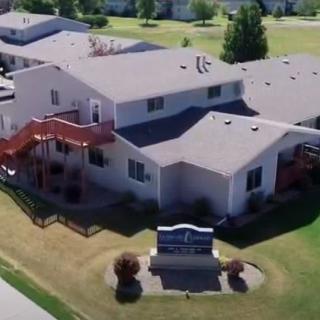
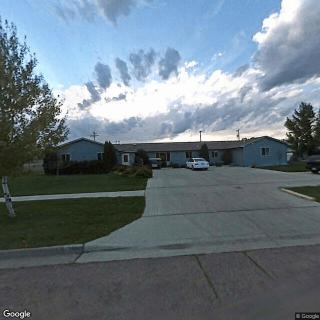
  • pro The layout features four nicely upgraded cottages that are beautifully appointed.
  • pro Pricing was described as very reasonable.

Cons

  • pro The reviewer described the facility as "more than aggravating" and said there were more problems than it was worth.
  • pro They claimed medication management was mishandled, with meds supposed to go through the facility's program and staff delaying action when the resident was almost out.
  • pro They reported lengthy payment issues, including long phone holds and misleading messages.
  • pro They stated the facility did not take residents for walks or outings.
  • pro They criticized deposit requirements and lack of notice about direct withdrawal and room furnishings, causing planning problems.
  • pro They described the facility manager as ineffective and the med techs as rude and unprofessional, with staff unable to maintain control.
  • pro They alleged residents were intimidated and treated poorly, and concerns or abuse reports were silenced.
  • pro They advised others to avoid the place altogether.

Review

Fairmont Grand elicits a broad spectrum of feelings from families and caregivers. On the one hand, there is a recent update from a family member who says the facility has indeed strived to improve, with management changes that brought confusion and disruption in the past gradually giving way to a calmer, more home-like environment. The updater emphasizes that his uncle, who has a cognitive disability, has received accommodations that help him feel more at home, and that the place, overall, feels more like a home than many other options. This view acknowledges the hard work of staff to adjust to changing leadership while recognizing that improvements have been meaningful and noticeable.

Yet the older, more critical accounts paint a very different picture of the day-to-day experience. The earlier reviews describe ongoing frustration with how medications are handled. Family members recount being contacted about medications even though a program was supposed to oversee them, and they felt left powerless as the team appeared to wait until supplies were nearly exhausted before taking action. The writer notes a multi-month battle to straighten out payment processes, laboring under repeated phone holds and long wait times that made coordination nearly impossible, especially since they lived out of state and could not be present to intervene in real time.

Another major thread in the older feedback concerns logistics, communication gaps, and basic preparatory details for moving a loved one in. There was a sense that a required medical eval from the local doctor was duplicated or not fully aligned with what the prior facility had documented, leading to duplication of effort and confusion about who actually knew the uncle's medical needs. The family also describes not being told about deposits, direct withdrawal arrangements, and the items needed to furnish a shared room. The timing of the move-in was mishandled, forcing a delay, and the shared-room setup themselves were criticized as challenging because roommates often crowd space and differ in their belongings, making it feel more like a dorm than a private arrangement.

Financial and value concerns pervaded the negative narrative as well. The reviewer questions whether the cost of care was commensurate with the service, describing a sense of ongoing effort to relocate the uncle to a different facility. Involvement with state departments (DSS and DHS) is mentioned, underscoring the sense of systemic struggle and the urge to seek alternatives. The cautionary closing is blunt: "Save yourself the hassle and avoid this place at all costs."

The role of staff and leadership is a prominent theme in the old reviews. The facility manager identified is Waysha W. F., with the critique that she doesn't seem to have solid control over the day-to-day operations. The review alleges two med techs run the place with rudeness and unprofessional behavior, and that some staff members allegedly smile to a family's face but speak unfavorably behind their backs. There are claims that staff who try to advocate for residents or raise concerns about abuse encounter pushback or termination, suggesting a culture that discourages speaking up. These concerns paint a troubling picture of an environment where residents' voices and family concerns could be silenced rather than addressed.

Even within the same set of criticisms, there are sharp contrasts between units. The memory care area is described as extremely rude and unprofessional during a visit by one reviewer, including a younger blonde staff member who was singled out for manners. In contrast, the dementia unit is praised for its wonderful, caring staff who keep things running smoothly. Those positive notes describe a clean unit, with consistent attention to laundry and overall upkeep, and staff who help residents adjust to the new chapter of life with kindness and reliability. Such divergences suggest that experiences at Fairmont Grand can vary dramatically depending on which unit a resident is in and who happens to be on shift.

In a final synthesis, the two sets of reviews reveal a complex picture. There are clear signs of progress and an effort to provide a warmer, more home-like atmosphere, as noted in the update. At the same time, persistent concerns about communication, financial transparency, the logistics of moving and furnishing a shared room, and the treatment of staff and residents in certain wings reveal that significant challenges remain. The dementia unit appears to be a bright spot, with commendable staff and a sense of steadiness and care, while other areas of the facility are described as having serious room for improvement. Overall, the place seems capable of offering genuine warmth and decent care in some circumstances, but the experiences are highly variable and depend heavily on management stability, unit assignment, and the individuals providing day-to-day support.

Features

Housing

  • 16 resident community capacity 16 resident community capacity

Types of Care

  • Assisted Living Assisted LivingAssisted living facilities provide crucial support and care for seniors who may need help with daily tasks such as medication management, bathing, and meal preparation. These communities offer a safe and comfortable environment where seniors can maintain their independence while receiving the assistance they need to thrive in their golden years.

Amenities

  • Cable or satellite TV Cable or satellite TVCable or satellite TV is important for seniors because it provides entertainment, news, and companionship, helping to combat loneliness and boredom. It also offers a wide range of programming options tailored to different interests and preferences.
  • Dining room Dining roomDining rooms are important for seniors as they provide a space for socialization, connection, and nutritious meals. They offer opportunities for residents to bond over shared meals, foster a sense of community, and promote healthy eating habits. Dining rooms also ensure that seniors have access to well-balanced meals tailored to their dietary needs and preferences.
  • Fully furnished Fully furnishedFully furnished senior living communities are important for seniors because they provide convenience, comfort, and a hassle-free moving experience. Seniors can easily settle into their new living space without the stress of having to buy and move furniture. This allows them to focus on enjoying their new home and community.
  • Garden GardenGardens are important for seniors as they provide a peaceful and therapeutic environment for relaxation, physical activity, and socialization. Being in nature has been shown to reduce stress, improve mood, and promote overall well-being. Gardens also offer opportunities for seniors to engage in gardening activities, which can improve mobility, flexibility, and cognitive function. Additionally, gardens create a sense of community and connection with others who share a passion for plants and outdoor spaces.
  • Housekeeping services Housekeeping servicesHousekeeping services are important for seniors because they help maintain a clean and safe living environment, promote independence, and reduce the risk of accidents or illnesses. Additionally, having assistance with household chores can alleviate physical strain and allow seniors to focus on other aspects of their well-being.
  • Move-in coordination Move-in coordinationMove-in coordination is important for seniors because it helps ease the transition into their new living environment. It ensures that all logistics, such as packing, organizing movers, and setting up utilities are taken care of, allowing seniors to focus on settling in and adjusting to their new home. Having a smooth move-in process can alleviate stress and anxiety, making the transition smoother and more enjoyable for seniors.
  • Outdoor space Outdoor spaceOutdoor spaces are important for seniors as they provide opportunities for physical activity, social interaction, exposure to natural light and fresh air, and a sense of connection to nature. Having access to outdoor spaces can improve overall well-being and quality of life for older adults living in senior communities.
  • Telephone TelephoneTelephones are important for seniors as they provide a lifeline for communication with loved ones, emergency services, and healthcare providers. They offer a sense of security and independence, enabling seniors to stay connected and access assistance when needed.
  • Wi-Fi/high-speed internet available Wi-Fi/high-speed internet availableWi-Fi/high-speed internet is important for seniors to stay connected with loved ones, access online resources, and participate in virtual activities to combat feelings of loneliness and isolation. It also allows them to easily manage healthcare needs, access entertainment, and engage in lifelong learning opportunities.

Transportation

  • Rapid City Regional (8 miles away) Rapid City Regional (8 miles away)

Care Services

  • 24-hour supervision 24-hour supervision24-hour supervision is important for seniors to ensure their safety, well-being, and access to immediate assistance in case of emergencies or health issues. This constant support provides peace of mind for both seniors and their loved ones, allowing them to age in place with dignity and security.
  • Activities of daily living assistance Activities of daily living assistanceActivities of daily living assistance are important for seniors because they provide essential support with tasks such as eating, bathing, dressing, and mobility. This assistance helps seniors maintain their independence, dignity, and overall quality of life as they age.
  • Assistance with bathing Assistance with bathingAssistance with bathing is crucial for seniors as it helps maintain personal hygiene, prevents infections, and ensures their overall well-being and comfort. It also provides a sense of dignity and independence for seniors who may struggle with this task on their own.
  • Assistance with dressing Assistance with dressingAssistance with dressing is important for seniors because it helps maintain their independence, promotes personal hygiene, prevents accidents and injuries, and improves overall quality of life. This service ensures that seniors can continue to dress comfortably and confidently, despite any physical limitations they may have.
  • Assistance with transfers Assistance with transfersAssistance with transfers is crucial for seniors as it helps prevent falls and injuries, maintains their independence, and ensures they can safely navigate their living environment. It also provides peace of mind for both seniors and their loved ones.
  • Coordination with health care providers Coordination with health care providersCoordination with health care providers is crucial for seniors to ensure proper medical care, medication management, and overall well-being. This collaboration helps prevent overlapping treatments, track progress more effectively, and provide comprehensive support tailored to individual needs.
  • Diabetes diet Diabetes dietA diabetes diet is crucial for seniors as it helps manage blood sugar levels, reduce risks of complications, and improve overall health and well-being. By following a balanced and nutritious diet tailored to their specific needs, seniors can better control their diabetes and enhance their quality of life.
  • Meal preparation and service Meal preparation and serviceMeal preparation and service are crucial for seniors as they may have limited mobility or energy to cook nutritious meals. Having access to healthy and convenient food options can ensure they are getting the proper nutrition needed to maintain their overall health and well-being.
  • Medication management Medication managementMedication management is crucial for seniors to ensure they are taking the right medications at the correct dosages and times. This helps prevent adverse drug interactions, reduces the risk of medication errors, and promotes overall health and well-being. Proactive management also allows for adjustments as needed based on changing health conditions or new prescriptions.
  • Special dietary restrictions Special dietary restrictionsSpecial dietary restrictions are important for seniors because age-related changes in metabolism and health conditions can make it difficult for their bodies to process certain foods. By following a diet tailored to their specific needs, seniors can maintain their overall health and well-being, manage chronic conditions, and reduce the risk of complications such as malnutrition or food interactions with medications.
  • Transportation arrangement (medical) Transportation arrangement (medical)Transportation arrangements for medical purposes are essential for seniors as they may have difficulty driving themselves to appointments or accessing public transportation. Having reliable and safe transportation options ensures that seniors can receive timely medical care and maintain their health and well-being.
  • Transportation to doctors appointments Transportation to doctors appointmentsTransportation to doctors' appointments is crucial for seniors as it ensures they have access to necessary medical care and support for their health needs. Without reliable transportation, seniors may struggle to attend important appointments, leading to potential delays in treatment and health complications. Providing transportation services helps seniors maintain their overall well-being and quality of life.
Dining

  • Diabetes diet Diabetes dietA diabetes diet is crucial for seniors as it helps manage blood sugar levels, reduce risks of complications, and improve overall health and well-being. By following a balanced and nutritious diet tailored to their specific needs, seniors can better control their diabetes and enhance their quality of life.
  • Special dietary restrictions Special dietary restrictionsSpecial dietary restrictions are important for seniors because age-related changes in metabolism and health conditions can make it difficult for their bodies to process certain foods. By following a diet tailored to their specific needs, seniors can maintain their overall health and well-being, manage chronic conditions, and reduce the risk of complications such as malnutrition or food interactions with medications.

Activities

  • Community-sponsored activities Community-sponsored activitiesCommunity-sponsored activities are important for seniors as they provide opportunities for social interaction, mental stimulation, and physical activity. These activities can help improve overall well-being, combat loneliness and isolation, and promote a sense of belonging and purpose among older adults.
  • Scheduled daily activities Scheduled daily activitiesScheduled daily activities are important for seniors because they provide structure, socialization, mental stimulation, and physical activity. Engaging in regular activities can improve overall well-being and quality of life for seniors living in a community setting.

Description

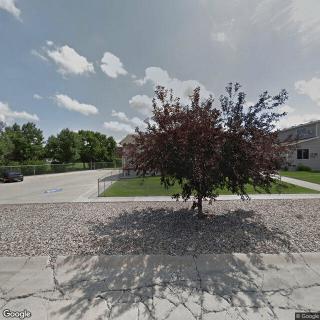
Fairmont Grand Regional Senior Care in Rapid City, SD offers a comfortable and supportive environment for seniors in need of assistance with daily living activities. Our community is fully furnished and residents can enjoy the beautiful outdoor space and garden area.

We provide all necessary services to ensure our residents' comfort and well-being. This includes housekeeping services, move-in coordination, and access to telephone and Wi-Fi/high-speed internet. Our dedicated staff is available to assist with activities of daily living such as bathing, dressing, and transfers. We also coordinate with healthcare providers to ensure proper care for our residents.

Our dining room offers delicious meals prepared with special dietary restrictions in mind, ensuring that each resident's nutritional needs are met. We also provide medication management services for those who require it.

At Fairmont Grand Regional Senior Care, we believe in keeping our residents active and engaged. We offer scheduled daily activities to keep them entertained and socializing with fellow residents.

Located in Rapid City, our community is surrounded by various amenities that cater to the needs of our residents. There are five cafes nearby for social gatherings or outings with friends or family, four parks for outdoor recreation opportunities, seven pharmacies for convenient access to medications, and 44 physicians available in close proximity.

Additionally, there are various restaurants offering a variety of cuisines near our community for those looking to dine out occasionally. Residents can also find places of worship within the vicinity should they wish to attend religious services.

For any medical needs or emergencies, there are seven hospitals nearby providing quick access to healthcare facilities.

At Fairmont Grand Regional Senior Care, we strive to provide a safe and caring environment where seniors can thrive while receiving the assistance they need.

Nearby Places of Interest

Physicians

  • Ferrier (0.1 miles)
  • Black Hills Regional Eye Institute (0.6 miles)
  • Laser Vision Center (0.6 miles)
  • Monument Health Cancer Care Institute (0.8 miles)
  • Black Hills Oral & Maxillofacial Surgery (0.8 miles)
  • Black Hills Plastic Surgery (0.8 miles)
  • Plastic Surgical Center of Rapid City (0.8 miles)

Parks

  • Robbinsdale Park (0.3 miles)
  • Wilson Park (1.5 miles)
  • Dinosaur Park (2.3 miles)
  • Memorial Park (2.4 miles)

Hospitals

  • Rapid City Regional Hospital (0.8 miles)
  • Labor and Delivery (0.8 miles)
  • Black Hills Surgical Hospital (0.9 miles)
  • Black Hills Imaging Center (0.9 miles)
  • Rapid City Regional Hospital (1 miles)
  • Black Hills Imaging Center (1.5 miles)
  • Monument Health Dialysis Center (2.3 miles)

Pharmacies

  • Boyds Drug Mart (0.9 miles)
  • Boyd's Drug Rx Express (1.1 miles)
  • Family Fare Pharmacy 3253 (1.3 miles)
  • Monument Health Home+ Specialty Pharmacy (1.3 miles)
  • Walgreens (1.4 miles)
  • Medicine Shoppe (1.6 miles)
  • Rushmore Compounding (1.7 miles)

Places of Worship

  • Cathedral of Our Lady of Perpetual Help (0.9 miles)
  • Open Bible Christian Center (1.8 miles)
  • First United Methodist Church (1.9 miles)

Restaurants

  • Blue Lantern Lounge (1.1 miles)
  • McDonald's (1.1 miles)
  • Colonial House Restaurant (1.2 miles)
  • Sonic Drive-In (1.2 miles)
  • Culver's (1.2 miles)
  • Perkins Restaurant and Bakery (1.3 miles)
  • Joe's Place Bar & Grill (1.3 miles)

Cafes

  • Scotters Coffee (1.2 miles)
  • Starbucks (1.4 miles)
  • Pure Bean (1.7 miles)
  • Cambell Street Cafe (2.2 miles)
  • Essence Of Coffee (2.2 miles)

Frequently Asked Questions

Where is Fairmont Grand Regional Senior Care?

Nearby Communities

Assisted Living in Nearby Cities

Related Resources

  • active senior livingVibrant Senior Living: A Comprehensive Guide for Active Older Adults

    Vibrant Senior Living emphasizes active senior living communities that promote independence and engagement through diverse amenities and activities, fostering wellness and social interaction among older adults. These communities range from independent to assisted living, with a focus on personal growth, family involvement, financial planning, and leveraging technology to enhance residents' experiences.

  • when to move from assisted living to memory careWhen to Transition from Assisted Living to Memory Care: Key Indicators, Steps, and Finding the Right Community

    Transitioning from assisted living to memory care is driven by an individual's cognitive decline and specific needs, requiring careful evaluation of indicators like increased confusion and wandering. The process involves consulting medical professionals, researching suitable communities, considering financial and legal aspects, and ensuring effective communication for personalized care plans.

  • assisted living vs memory careAssisted Living and Memory Care: Understanding Their Core Differences

    Assisted living provides moderate support for seniors seeking independence, while memory care offers specialized support for individuals with dementia or cognitive impairments through structured routines and trained staff. Key differences include care approaches, environment security measures, staff training levels, activity types, and cost considerations.