
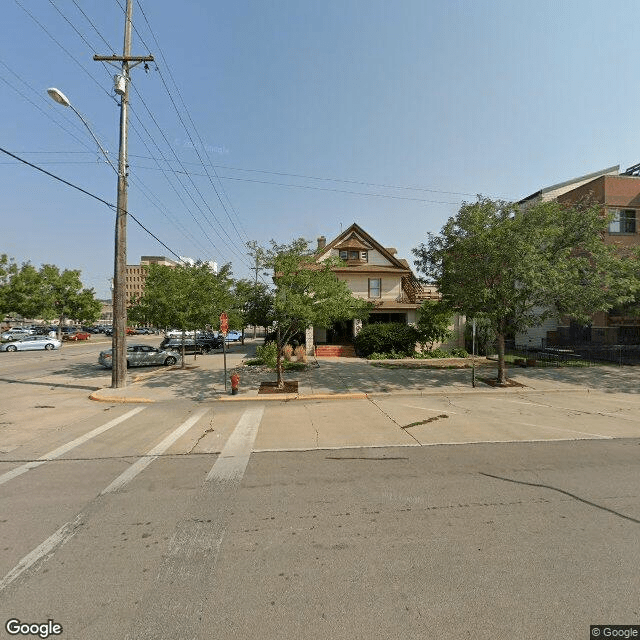
830 Quincy St, Rapid City, SD 57701
To contact a resident: (605) 342-1790
For more information about senior living options: (866) 208-4318
Overall Review of Guest Home
Pros
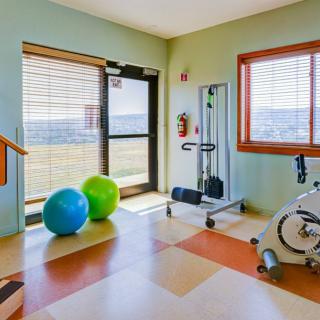
 The staff provided PT and helped her regain strength, and they were kind.
- He loves the facility, and the staff are the best.
- Westhills cared for his mom across independent living, assisted living, and nursing care for ten years, and the staff are amazing.
- The staff are always caring, friendly, and welcoming.
- Westhills Village is fantastic, with great facilities and people.
- The staff held a prayer vigil and shared memories, which warmed the family and showed they were in good hands.
Cons
 The reviewer described Westhills as creepy and disrespectful to staff, felt unwanted, and said residents were treated like second-class citizens, vowing never to return.
- Another reviewer called it the worst place to leave a loved one, criticizing the food as terrible, the staff as money-driven, and the care as terrible, with belongings lost and 911 called for help.
- The cost was criticized as around $5,000 per month, with access to the landscaping limited to paying tenants.
- There was a suggestion that daytime care was lacking, implied by the claim that the night staff did better.
Review
Westhills Village Guest Home in Rapid City is best suited for seniors who want a true continuum of care under one roof and who value rehab with a personal touch. The community has a long-standing presence, with families reporting care spanning independent living, assisted living, and skilled nursing, which yields a seamless progression as needs change. Reviewers consistently note compassionate, engaged staff and a welcoming atmosphere, where therapy services and regular rehabilitation help residents regain strength. One family even highlights that a grandparent long-term resident moved within the campus, underscoring internal options like the Courtyard. For families prioritizing stability, enduring caregiver relationships, and tangible rehabilitation outcomes, this setting stands out as a practical, purpose-driven choice.
Alternatives deserve consideration for those where cost is a primary constraint or where dining quality and consistently respectful treatment are non-negotiables. A few reviews surface concerns about perceived emphasis on money, uneven dining experiences, and occasional lapses in staff attentiveness, including isolated incidents such as lost belongings or unsettling moments. While these reports appear against a backdrop of high praise, they reveal variability that can matter in daily living. Families with tight budgets, or those who insist on gourmet dining and uniformly seamless service, may prefer a facility with clearer pricing, stronger routine in dining, or a reputation for consistently attentive hospitality.
On balance, the robust rehab track record and the continuum of care offset most concerns about cost or occasional service gaps. Rehab-focused attention with physical therapy and nursing support has repeatedly produced tangible improvements, and families applaud kindness and professionalism from aides, nurses, and therapists. The ability to move a loved one from independent living through assisted living and skilled nursing without relocating offers real value, reducing stress for families and preserving relationships with caregivers. The long-tenured staff and the sense of community, evidenced by heartfelt gestures, prayer vigils, and lasting bonds, add a layer of emotional security that can counterbalance criticisms about price or occasional glitches.
Where criticism surfaces, perceived prioritization of finances, inconsistent dining quality, and the occasional mishap, the strength of the staff’s empathy and the care continuum still matters. In several reviews, families recount staff going above and beyond, handling tough moments with support and transparent communication, which mitigates fears about neglect or disconnection. The campus culture, established routines, familiar staff, and accessible therapy, helps residents settle more quickly than in facilities with frequent relocations. While negative anecdotes exist, they tend to be isolated rather than systemic, and they should be weighed against the many affirmations of attentive, personalized care that mark the majority experience.
Prospective families should approach with a concrete plan: tour and observe staff-resident interactions, review a sample care plan, and request conversations with current families about rehab outcomes. Clarify the full pricing structure, including any ancillary fees, and understand what is included in meals, housekeeping, and transportation. Confirm the facility’s ability to manage evolving needs if a move from independent living to assisted living or skilled nursing becomes necessary, and ask about memory care options if relevant. Demand transparency on incident handling, privacy protections, and how staff communicate changes in a loved one’s condition. A thorough due diligence process will reveal how well Westhills Village aligns with the family’s priorities and expectations.
Westhills Village Guest Home excels for families seeking a nurturing, continuum-of-care environment with proven rehab capabilities and deeply attentive staff. It is well-suited for residents who value stable relationships with caregivers and a home-like setting that supports recovery and gradual aging in place. But it is not the default choice for budgets sensitive to monthly costs or for those who demand flawless dining experiences and unwavering, consistent service across all shifts. With careful due diligence, families can confirm that the strengths in rehabilitation, continuity, and community outweigh the identified drawbacks, making Westhills Village a compelling option for the right senior and family situation.
 Board and Care Home
 Rapid City Regional (9 miles away)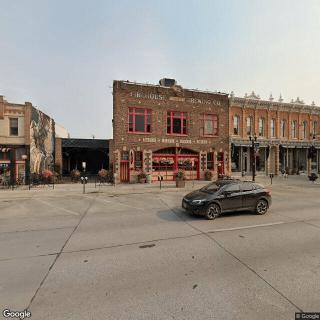


 In-Depth Look at the VA Aid and Attendance Program
 Nurturing Our Loved Ones: A Daughter's Journey in Caring for Her Mother
 Nurturing Our Elders: Linda's Journey of Supporting Her Mother