

to come, Rapid City, SD 57701
For more information about senior living options: (866) 208-4318
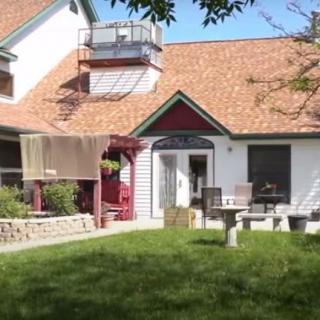
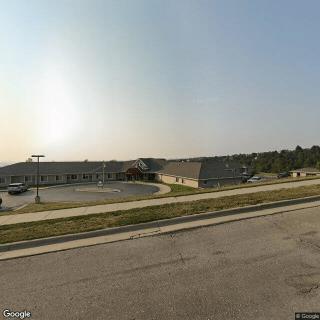
Overall Review of Good Samaritan Society-St Martin Village
Pros
 The independent part of this community was affordable.
- The community was nice, and the people in it were friendly.
Cons
 The independent part of this community only offers one meal a day.
- The facility encourages residents to eat the full meal in the dining room and not take any leftovers to their rooms.
- The community does not offer home health care on site.
- The community seemed quiet, and many residents were not seen out of their rooms.
Review
Best suited for budget-conscious seniors who want to age in place within a trusted, independent-living environment in Rapid City. The independent option at Good Samaritan Society-St Martin Village offers a cost-conscious entry point for those with limited care needs who still value a reliable brand and a calm, predictable routine. It fits residents who prioritize autonomy and a friendly, approachable staff over high-energy programming. For families seeking a safe place to start the transition before more intensive care is needed, this campus provides a practical, low-pressure path. The combination of affordable pricing, a solid reputation, and a quiet environment makes it a strong match for dignified, low-stress aging in place.
On the plus side, affordability stands out and can ease long-term planning. The dining arrangement centers on one daily meal in the dining room, with expectations that meals are consumed there and leftovers arenā€™t sent back to rooms. The setting tends to be quiet, and the people encountered are described as friendly, which supports a sense of community without the bustle of a more active campus. Residents can enjoy the comfort of a well-regarded provider behind them, even if care needs evolve and require external coordination.
Still, notable drawbacks shape the decision. The absence of on-site home health care means that any needed assistance or medical support must be arranged off-campus, which adds scheduling friction and potential cost. The single-meal model can feel restrictive for those with fluctuating appetites or preferences for snacks and additional meals, and the dining-room emphasis can curb flexibility in daily routines. The apparent scarcity of residents in common areas points to a slower social pace, which may leave more socially inclined seniors feeling under-stimulated or isolated.
Those considering alternatives should evaluate whether ongoing on-site services and richer dining options are essential. If regular assistance, more meals per day, or a livelier social calendar matters, this community may fall short compared with other options that provide integrated care and robust programming. It is wise to assess whether the base rent is truly all-inclusive or if add-ons for care, dining variety, or transportation will be needed later. Understanding the trajectory of care needs and how easily a move to a higher level of support can be made is critical in this decision.
To compare effectively, prospective residents should ask targeted questions before enrolling. Can meals be tailored to accommodate dietary needs or expanded to include additional daily servings? Is there an affiliated home-health partner that can operate on-site or with minimal travel to existing residents? What social activities exist, and how active is the community on a day-to-day basis? What is the process for transitioning to assisted living if care needs increase? Clarify transportation options, caregiver coordination, and staff consistency to gauge how well the community can sustain quality of life over time.
Bottom line: the community delivers stable value for a very specific subset of residents, those who want affordable, independent living in a friendly, reputable setting and do not anticipate needing on-site care soon. The strongest appeal lies in predictable costs and a calm atmosphere. The main caveat is that the one-meal-per-day model and the lack of on-site home health services can be significant barriers as needs shift. For families prioritizing a richer social life, more meal options, or ready access to in-house care, exploring other options is prudent. When aligned with personal care needs and meal preferences, this is a practical, low-stress starting point in Rapid City.
 Assisted Living
 Independent Living
 Activities on-site
 Devotional services off-site
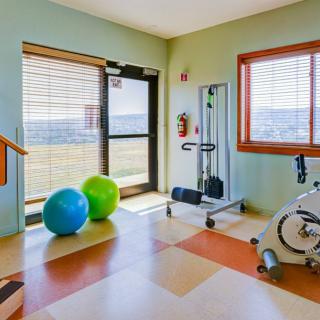
 Indoor common areas
 Rapid City Regional (9 miles away)
 Ambulatory care
 Diabetic care
 Meals provided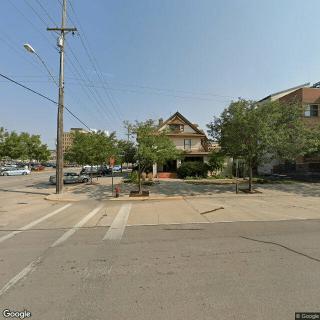




 A Detailed Exploration of Assisted Living Medicaid Waivers Across the United States
 Comprehensive Residential Support and Assisted Living Solutions for Individuals with Disabilities
 Comprehensive Supportive Living Arrangements for Adults with Disabilities