
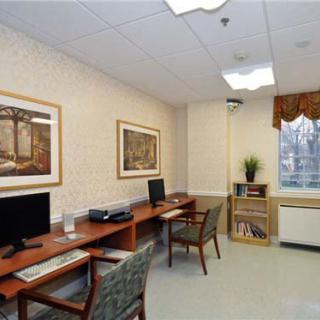




378 Syosset Woodbury Rd, Woodbury, NY 11797
To contact a resident: (516) 622-7765
For more information about senior living options: (866) 208-4318
Cold Spring Hills Costs & Pricing
Cold Spring Hills presents a significant investment in monthly costs for its studio accommodations, priced at $10,560. This figure stands in stark contrast to the averages seen in Nassau County, where the monthly cost for similar housing is approximately $6,045, and even more so when compared to the New York state average of $4,532. Such disparity suggests that Cold Spring Hills may offer specialized services or premium amenities that justify this higher price point. It's essential for potential residents to weigh these costs against the level of care and lifestyle benefits provided by the facility, ensuring alignment with their personal or family needs.
| Floor plans | Cold Spring Hills | Nassau County | New York |
|---|---|---|---|
| Studio | $10,560 | $6,045 | $4,532 |
Skilled Nursing Facilities with a similar price nearby
-
from +$540 / mo
Sunharbor Manor
$11,100 to $11,760 / month9.5 miles away -
from -$2010 / mo
Westchester Center for Rehab & Nursing
$8,550 to $9,150 / month19.6 miles away -
from +$715 / mo
Workmen's Circle Multi Care Center
$11,275 / month19.6 miles away -
from -$660 / mo
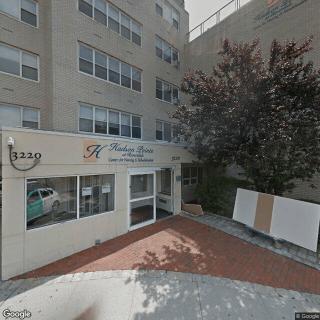
Hudson Pointe At Riverdale Center For Nursing & Rehab
$9,900 / month23.6 miles away -
from +$1980 / mo
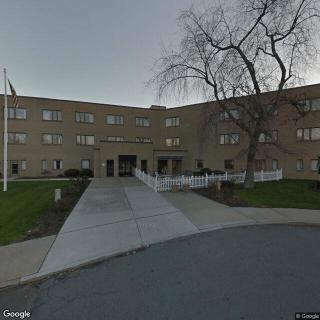
St Camillus Care and Rehabilitation Center
$12,540 to $14,040 / month15.8 miles away
Overall Review of Cold Spring Hills
Pros
 The staff were warm and welcoming.
- They were impressed by the attention and respect shown to residents.
- The facility was clean, pleasant, with no odors.
- The Norwich 3rd floor staff were professional, helpful, and safety-minded.
- The staff members were friendly and courteous.
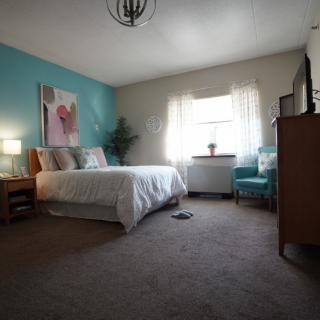
- The living space was spacious, safe, and clean.
- This location was the first choice after visiting three locations.
Cons
 The care during the two-week stay is described as disgraceful, with no updates on blood work and no nursing care during adverse reactions to medication.
- The staff’s attitude is characterized as horrific, and the nurses are said to be untrained and lacking compassion.
- The facility is alleged to have not tested for COVID at discharge, leading to a subsequent hospitalization for COVID-19.
- Information about medication dosages was not properly shared with private health care providers.
- The disregard for patient care is described as beyond comprehension, with a clear lack of cleanliness and support.
- CNAs are labeled abominable, with instances of insulting patients and a general lack of patience and professionalism.
- The premises are portrayed as dilapidated: holes in walls, peeling molding, old and dirty beds, unpleasant odors, and carpet never vacuumed.
- The administration is criticized as far worse than the nursing staff, with doctors often ignoring patients.
- Personal items and money are reported as stolen from patients’ rooms, with minimal compensation offered.
- Reviewers strongly urge others to stay far away from the facility.
Review
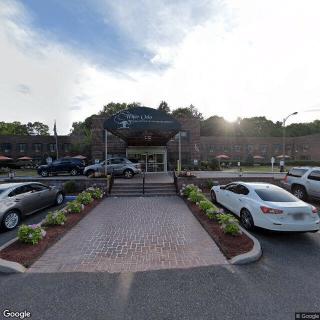
Cold Spring Hills in Woodbury is best suited for families seeking a budget-conscious option where oversight from relatives can supplement care, and for residents who are mostly independent or lightly assisted rather than those with high medical needs. It can work as a short-term rehab choice for someone who does not require intense physician follow-up or complex medication management. In short, this is a facility that may meet basic daily living needs, but only when there is strong family involvement and clear, proactive care coordination onsite.
Those who should seriously consider alternatives include anyone whose loved one requires reliable nursing oversight, timely doctor visits, and meticulous medication administration. The most troubling patterns across multiple accounts center on inconsistent nursing care, delayed or absent physician input, and medications mishandled via IV pumps. Several families report gaps in monitoring and updates, with discharge information that is incomplete or poorly communicated to private clinicians. For residents with significant mobility, memory, or medical complexity, the risk of preventable complications appears substantial, making a switch to a facility with stronger clinical accountability prudent.
On the plus side, there are glimpses of competence and care. A portion of staff has been described as professional, courteous, and attentive on specific floors, and some reviewers praise clean, adequately sized living spaces with a calm, orderly environment. When care teams are engaged, residents appear to receive the basics well enough to maintain comfort and safety in the short term. These bright spots suggest that the facility can perform adequately under the right conditions and with vigilant oversight from families and supervisors.
Yet the scale of the drawbacks overwhelms these narrow positives. The most persistent and concerning themes involve low staffing reliability, inconsistent nursing judgment, and limited doctor visitation. Reports describe medication administration errors, inadequate responses to adverse reactions, and a lack of timely blood work or updates to treatment plans. The disconnect between families, floor staff, and administration, where concerns are dismissed or not escalated, further undermines trust. Add to that repeated observations of cleanliness and maintenance being uneven, with some care environments described as dilapidated or poorly maintained, and the picture becomes hard to reconcile with a facility aiming for high-quality post-acute or long-term care.
Pros do not meaningfully offset the primary cons for a substantial portion of residents. The risk of avoidable complications, delayed care, and uneven quality across shifts means that the “save a little” value proposition falls short for anyone who cannot continually oversee care personally. For families weighing options, Cold Spring Hills should be judged against facilities with demonstrably stronger nursing staffing ratios, more consistent physician engagement, standardized medication protocols, and transparent discharge planning. The variability, from floor to floor, also means a visit to assess current conditions and staffing on the specific unit where a loved one would reside is essential.
If choosing this community, a disciplined, proactive approach is non-negotiable. Demand daily physician rounds or a clear, written plan for physician follow-up; insist on specific medication-management protocols and IV pump competency; require real-time updates on blood work and drug reactions; and request visibility into care plans during all shifts. Ask to tour the floor that would house the loved one (not just common areas) and speak with direct caregivers about schedules, training, and patient concerns. Given the mixed track record, families should also keep a backup plan in mind and compare alternatives that showcase stronger evidence of consistent clinical oversight, better communication, and a proven commitment to patient safety.
 Memory Care
 Skilled Nursing Facility
 Private
 Long Island - MacArthur (19 miles away)
 High acuity care


 Comprehending Evening Confusion in Dementia: Causes, Manifestations, and Support
 Delirium and Dementia: Unraveling the Key Differences
 Are Dementia and Alzheimer's Disease Lethal? A Comprehensive Exploration