For more information about senior living options: (866) 208-4318
4.1 from 96 reviews
5 stars
62
4 stars
13
3 stars
3
2 stars
7
1 stars
11
Overall Review of Canterbury Woods
common16 reviews mention this
Caring staff is a common thread
Residents and families repeatedly describe staff who show up, listen, and care.
Many reviews emphasize kind, attentive staff and nurses who help residents feel supported day to day. Several reviewers describe the staff as available for questions and responsive when concerns come up. Even reviews that raise serious issues elsewhere still acknowledge staff members as well-meaning in certain situations.
common7 reviews mention this
Dining gets strong praise
Meal service is repeatedly described as enjoyable and restaurant-like.
Multiple reviews highlight the dining room experience and call the food excellent or delicious. Residents who can no longer prepare meals themselves describe relying on the dining room for daily eating, with menus they enjoy. The community also specifies meal-prep and service support for special dietary restrictions, aligning with what residents mention about food.
caveat4 reviews mention this
Activities feel limited for some
Some residents describe too few activities on certain days and limited programming variety.
While some reviewers describe the community as active with lots of activities and programs, at least one review argues the schedule lacks basics like crafts, cooking classes, and consistent entertainment. That same review also questions day-trip options and notes the Sunday experience as especially thin. Another review says activities were enjoyable for a period, which suggests the experience may vary depending on residents’ needs and timing.
caveat6 reviews mention this
Care quality concerns in nursing
Several reviews raise concerns about skilled nursing responsiveness and basic care.
A recurring negative theme is poor end-of-life and skilled nursing experiences, including reports of neglect, lack of compassion, and inadequate attention to basic needs. Other reviews describe gaps such as delays with call buttons, insufficient pain management, and understaffing concerns. Some residents do mention supportive care as they transition within the community, but the strongest nursing-related criticisms focus on responsiveness and care delivery.
caveat4 reviews mention this
Pricing is repeatedly called out
Reviewers frequently describe the community as expensive, even while calling it well appointed.
Several reviews directly comment on cost, including statements that it is pricey and out of reach for many people. One review also describes the community as the most expensive senior living option in the region while saying activities are lacking for the price. At the same time, some reviewers who discuss costs also note strong facilities and service, which makes the overall impression more mixed than purely negative.
How we summarize
Counts show how many written reviews mention each theme; a review can touch several themes, and only frequently mentioned themes are displayed.
Features
Housing
32 resident community capacity
Types of Care
Continuing Care Retirement Community (CCRC)
Memory Care
Amenities
Beauty salon
Cable or satellite TV
Fully furnished
Garden
Housekeeping services
Move-in coordination
Outdoor space
Private bathrooms
Transportation
Buffalo Niagara International (4 miles away)
Transportation arrangement
Transportation arrangement (non-medical)
Care Services
24-hour call system
24-hour supervision
Activities of daily living assistance
Assistance with bathing
Assistance with dressing
Assistance with transfers
Diabetes diet
Meal preparation and service
Medication management
Special dietary restrictions
Dining
Diabetes diet
Special dietary restrictions
Activities
Community-sponsored activities
Scheduled daily activities
Nearby Places of Interest
Hospitals
Millard Fillmore Suburban NICU (0.5 miles)
Millard Fillmore Suburban Hospital (0.5 miles)
Restaurants
Libation Station (1.1 miles)
Tavern at Windsor Park (1.2 miles)
The Oak Stave Drinkery & Eatery (1.6 miles)
Pizza Plant Italian Pub (1.8 miles)
Dandelions Restaurant (2 miles)
Pautlers Drive In Of Clarence (2 miles)
Pie O Mine Greens (2.3 miles)
Pharmacies
Wegmans (1.2 miles)
Rite Aid (1.2 miles)
Walgreens (1.4 miles)
Wegmans (1.7 miles)
Rite Aid (1.7 miles)
Rite Aid (2 miles)
CVS Pharmacy (2.1 miles)
Cafes
Panera Bread (1.3 miles)
Starbucks (1.4 miles)
Starbucks (1.5 miles)
Tim Hortons (1.6 miles)
Starbucks (2.7 miles)
Tim Hortons (2.7 miles)
Starbucks (3.2 miles)
Physicians
Brain and Spine Center (1.6 miles)
Town & Village Pediatrics (2.2 miles)
Windsong Radiology Group (2.3 miles)
Dr David J. Altman, MD (2.5 miles)
Western New York Dermatology (2.8 miles)
Dr. Nagy & Dr. Pizzuto (3 miles)
Northtowns Cardiology (3 miles)
Parks
Glen Park (2.6 miles)
Island Park (2.7 miles)
Meadowlakes (2.8 miles)
South Long Park (3.1 miles)
Ellicott Creek Park (5.5 miles)
Theaters
Regal Transit Center & IMAX (3.3 miles)
AMC Maple Ridge 8 (4.2 miles)
Regal Walden Galleria 4Dx & RPX (6.1 miles)
Places of Worship
The Chapel (3.5 miles)
Newman Center at UB (3.7 miles)
Transportation
Buffalo Niagara International Airport (BUF) (4.4 miles)
TSA Pre-️Lane (4.4 miles)
Southwest Airlines Co. (4.4 miles)
Amtrak - Buffalo, NY Depew Station (BUF) (6.3 miles)
The features offered at Canterbury Woods, such as assistance with dressing and bathing, are integral to ensuring that residents maintain their dignity while receiving the personalized care they need. Medication management is crucial for individuals with dementia or Alzheimer's, as it helps prevent confusion and ensures adherence to prescribed treatments. Meal preparation and service not only satisfy nutritional needs but also create a comforting routine that can alleviate anxiety around eating. Support with activities of daily living fosters independence and enhances quality of life by promoting engagement in familiar tasks. Assistance with transfers ensures safety and mobility, reducing the risk of falls and encouraging physical activity. Finally, 24-hour supervision provides a continual safety net, allowing residents to feel secure while promoting social interaction and a sense of community among peers. Each feature is thoughtfully designed to support both the physical well-being and emotional health of those living with cognitive impairments.
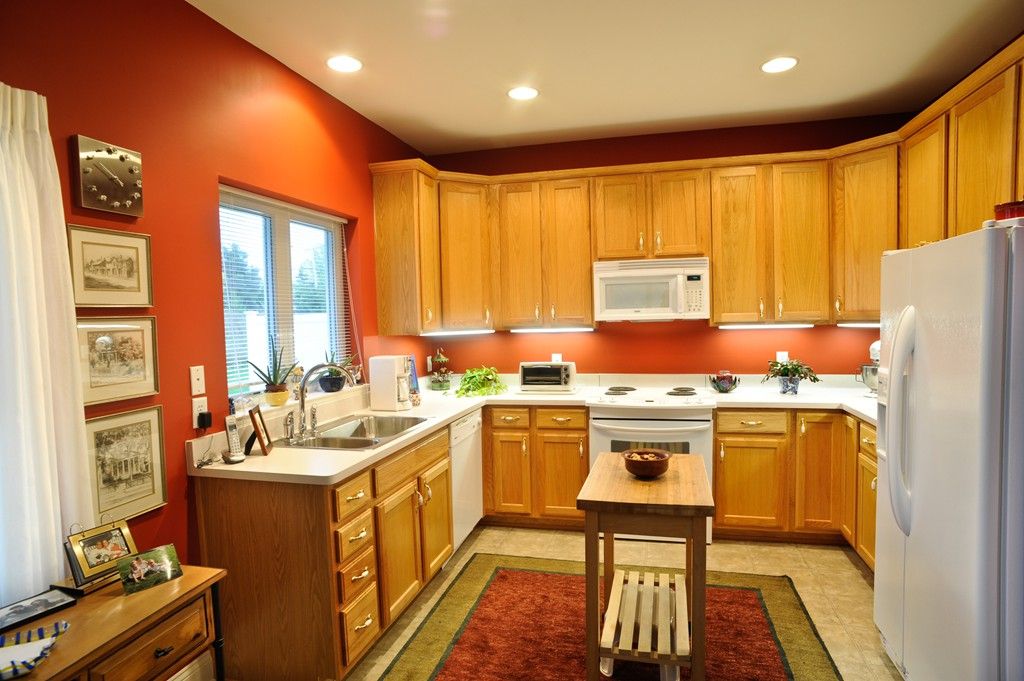
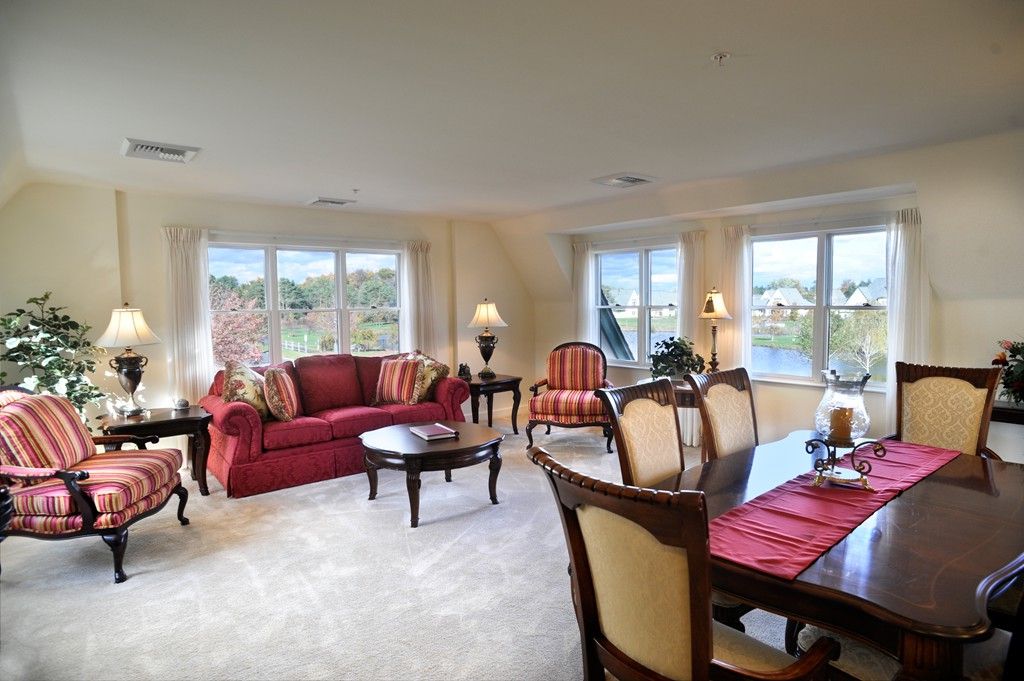
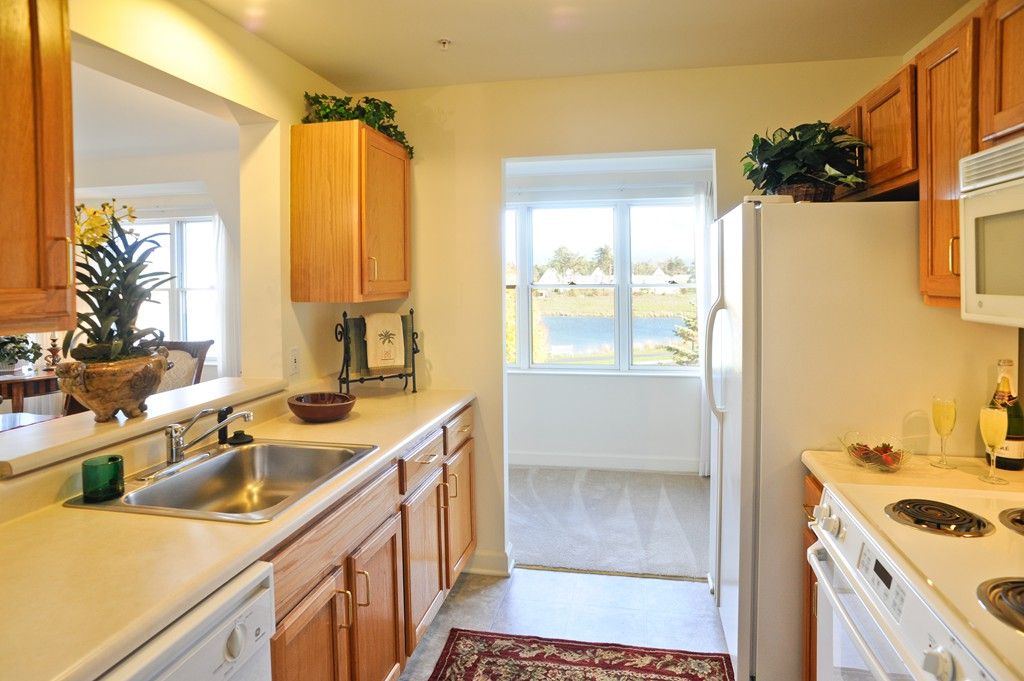
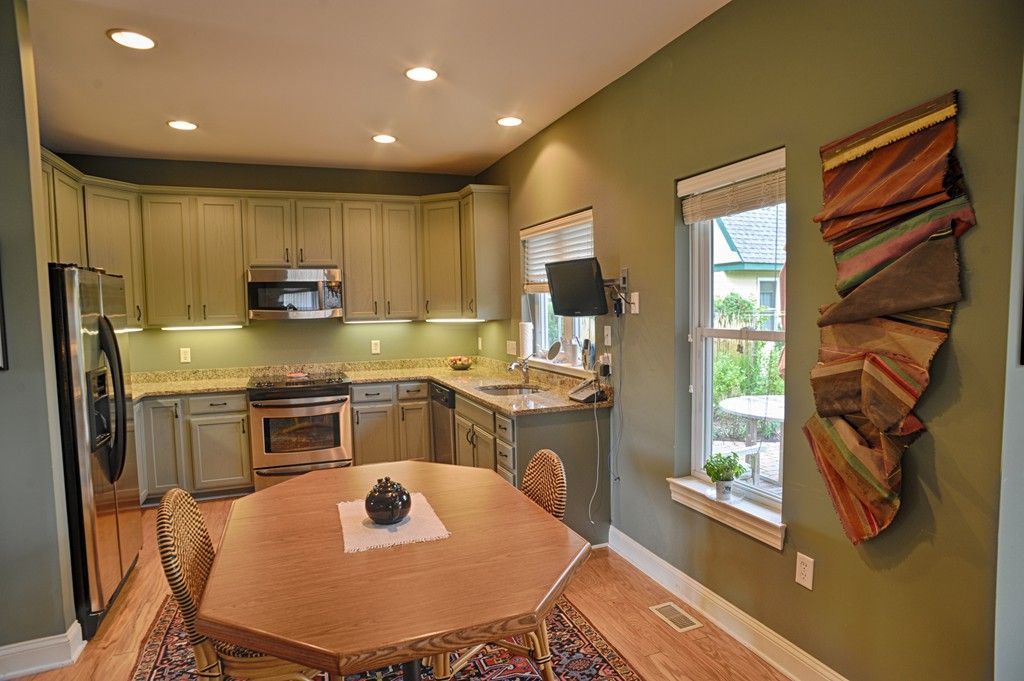
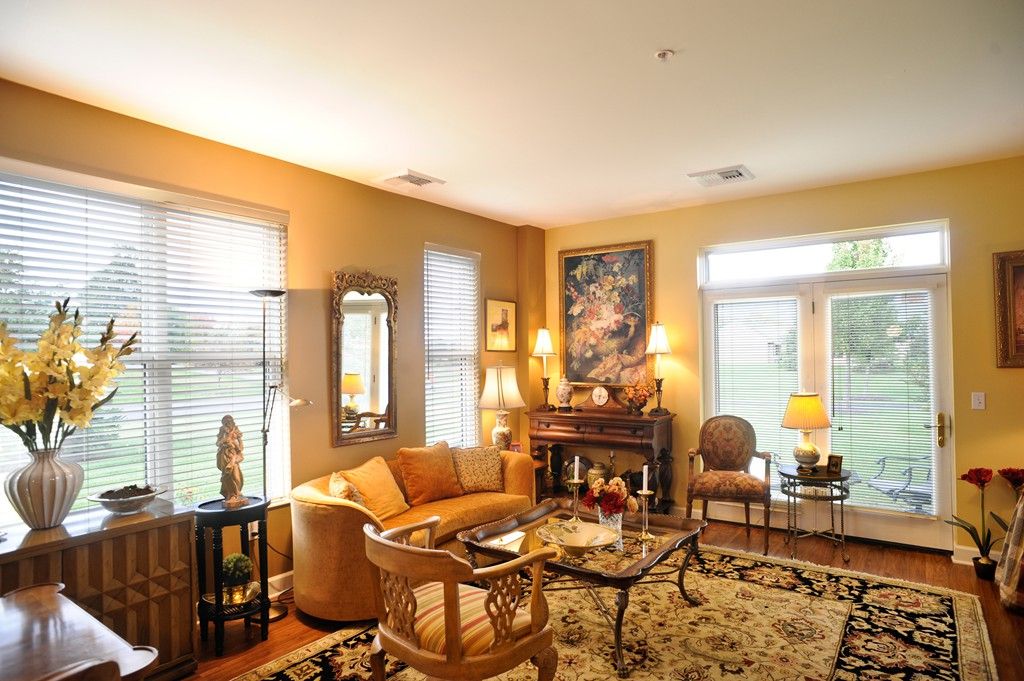
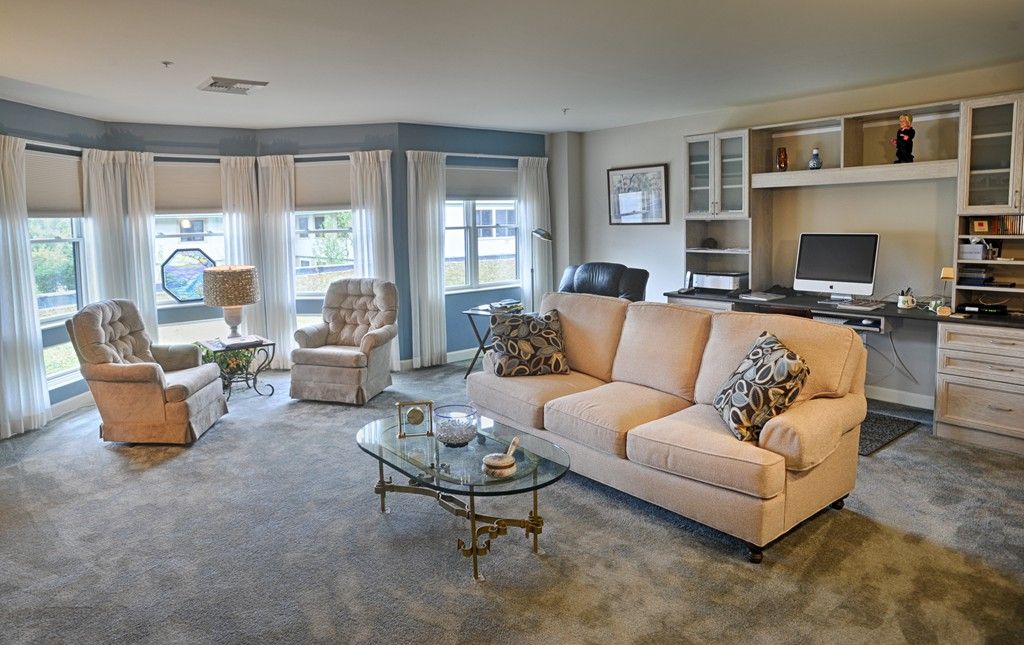
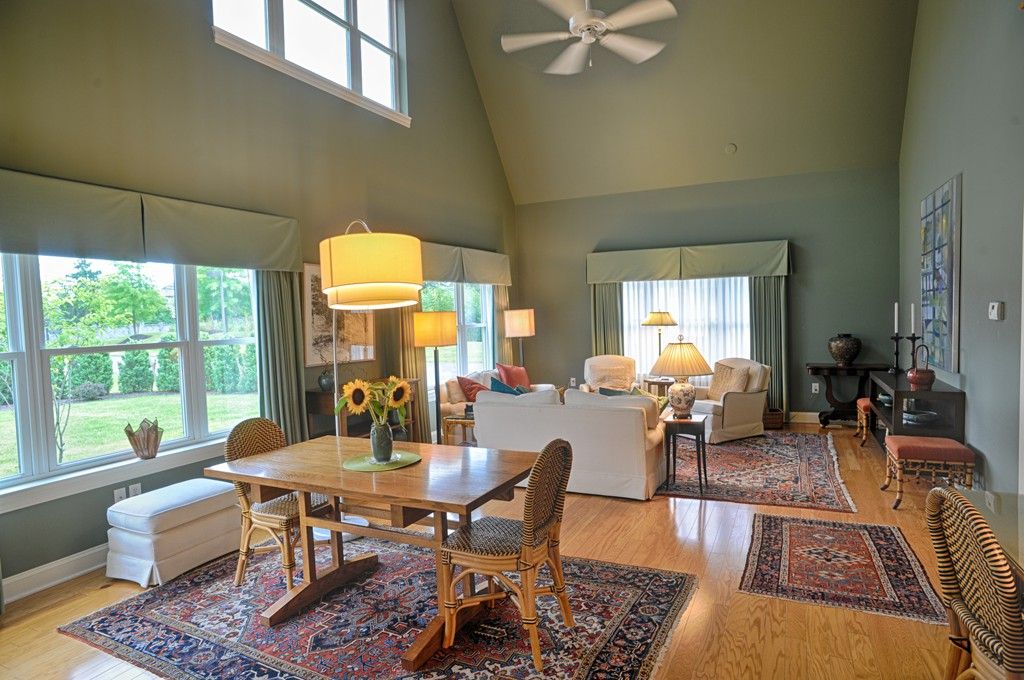
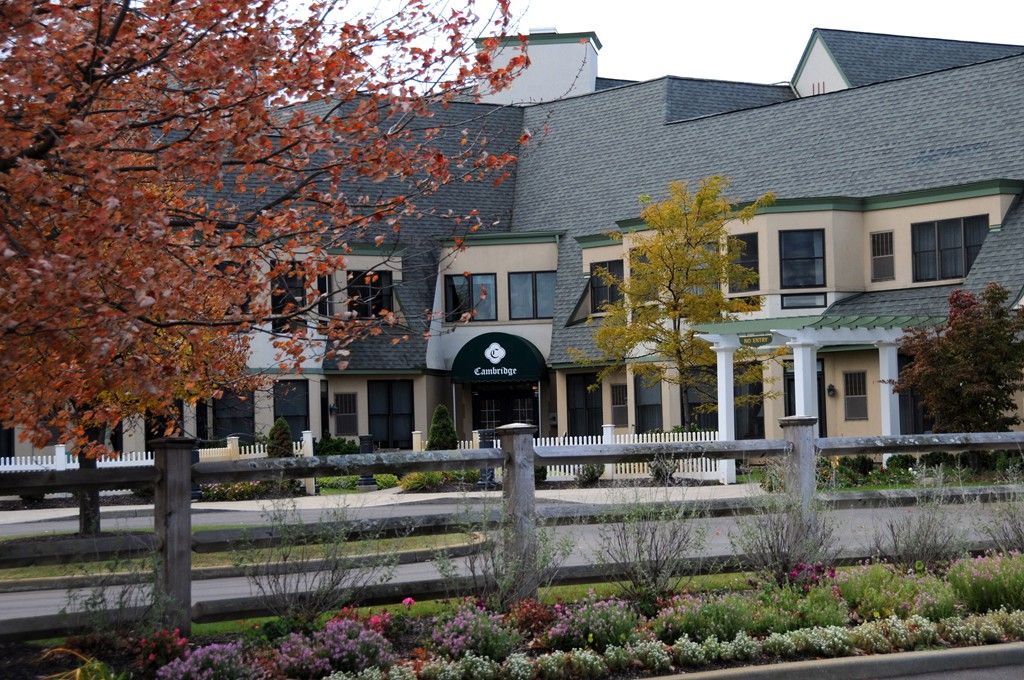
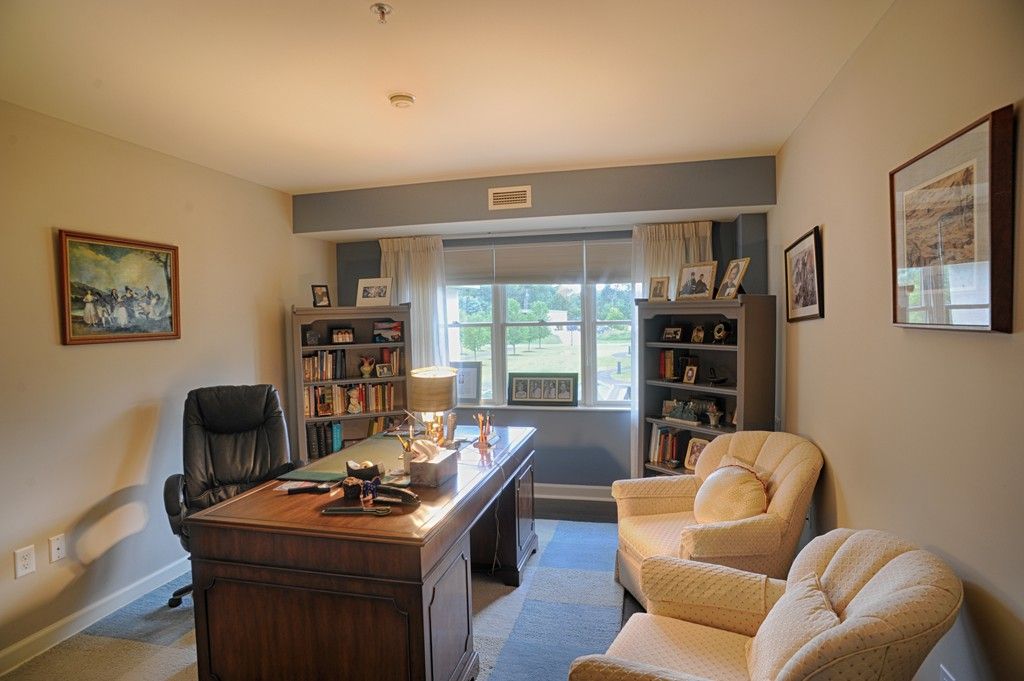
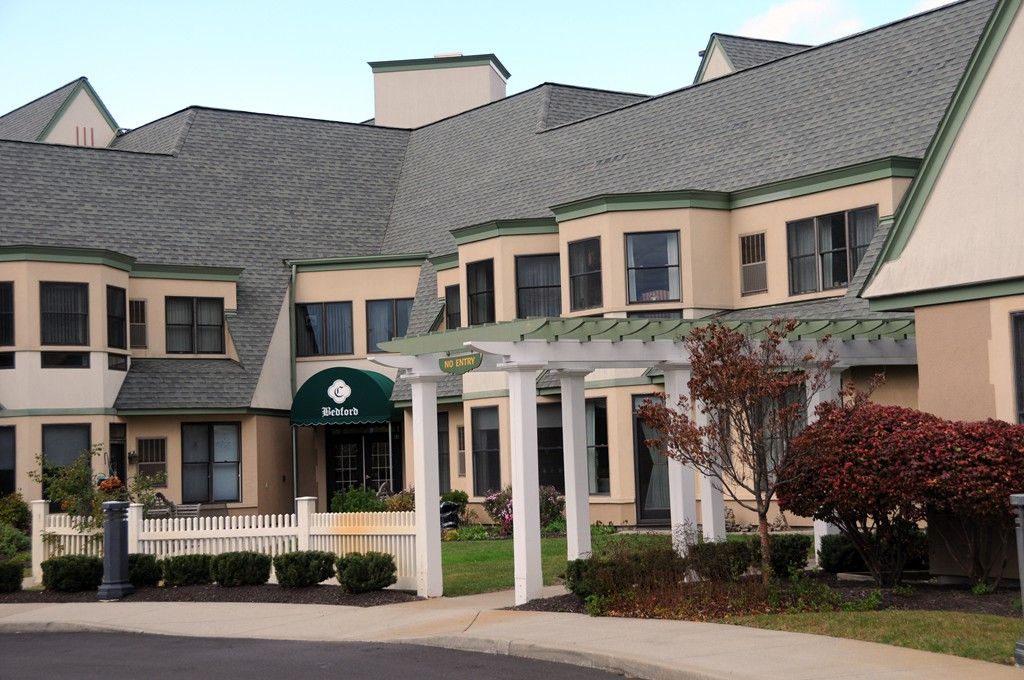
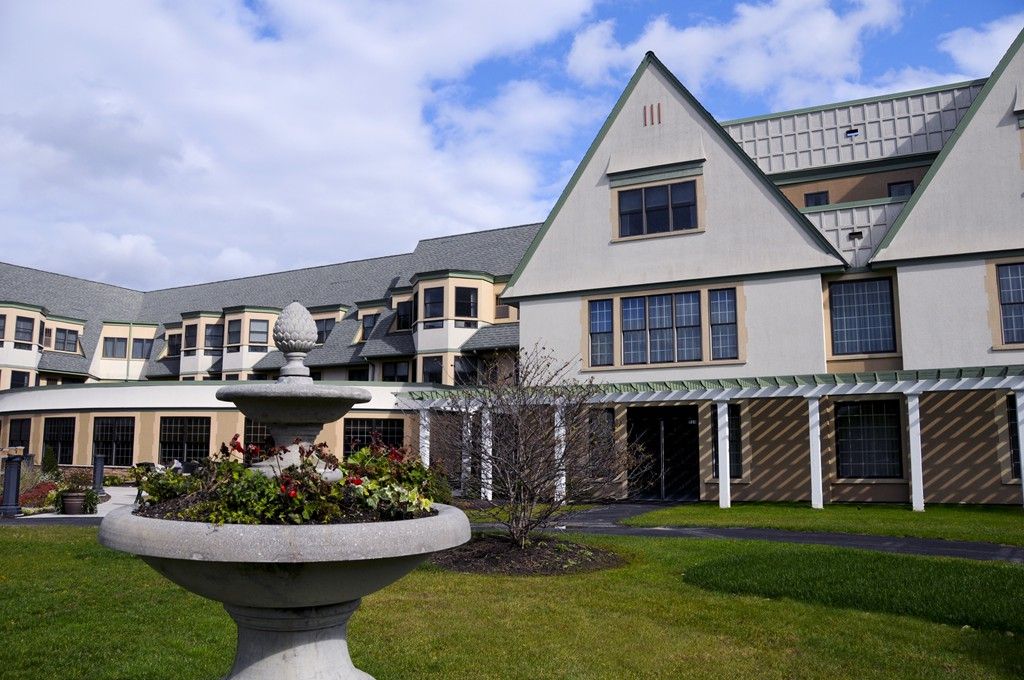
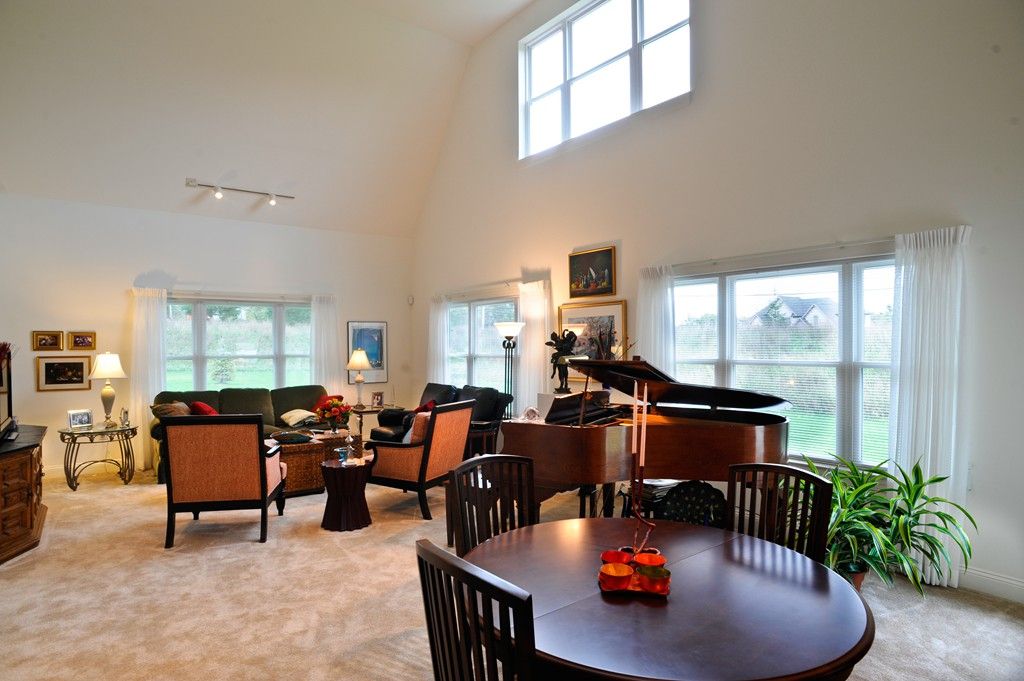
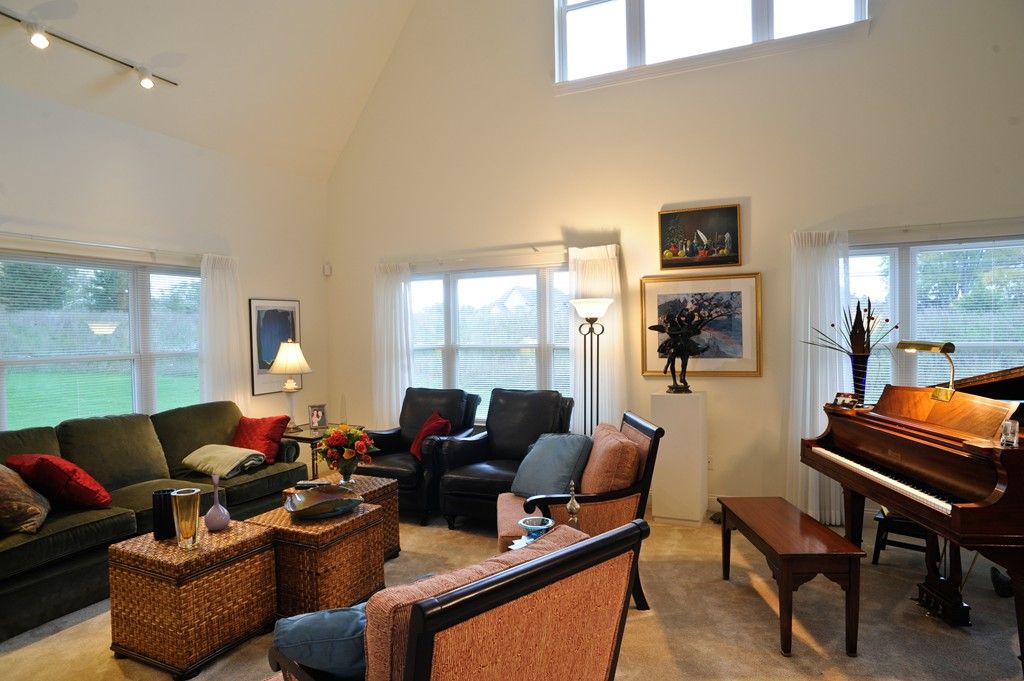
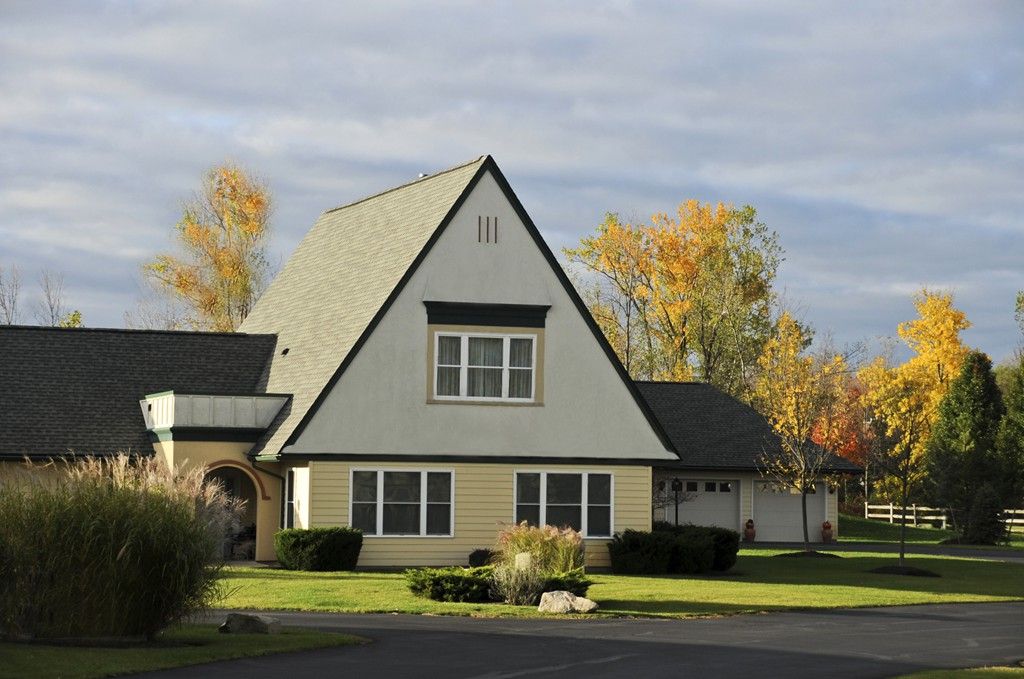
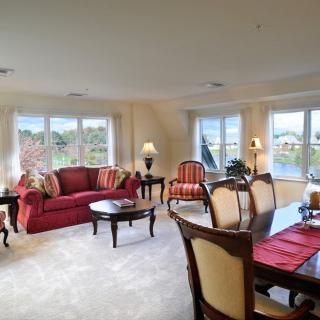
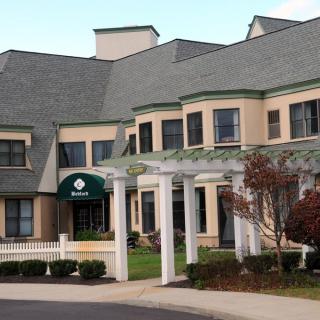
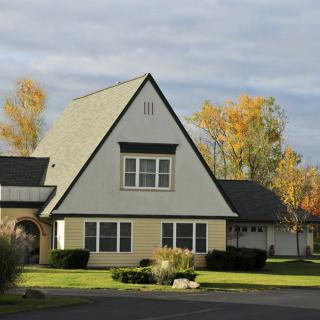
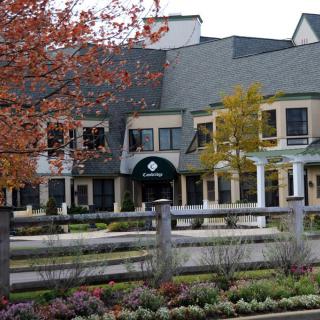
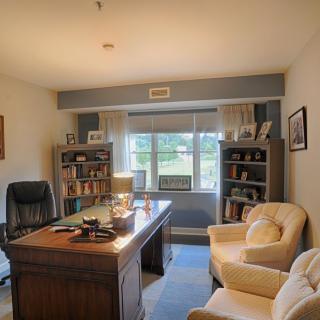
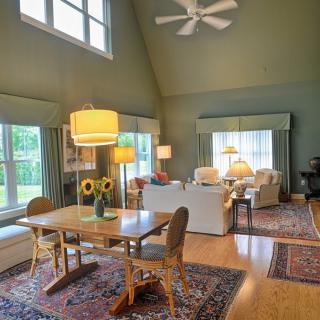
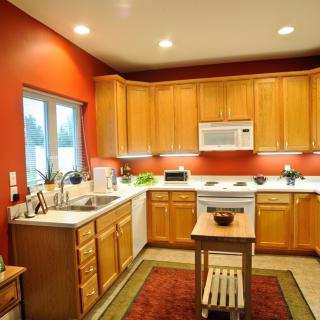
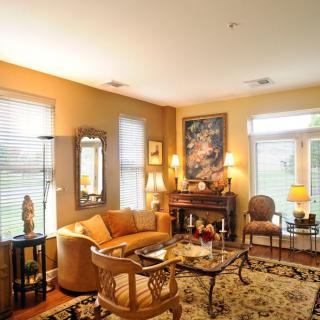
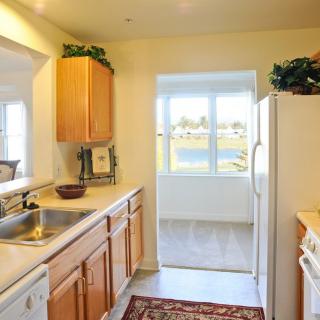
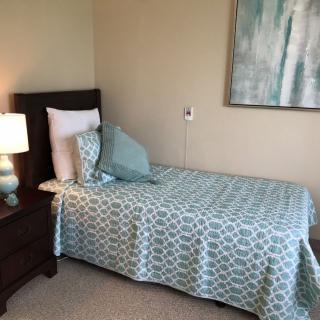
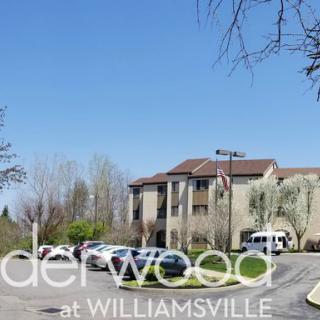
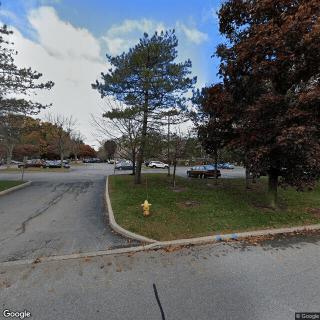
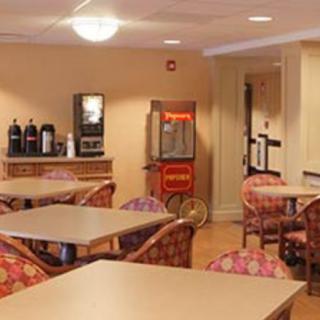
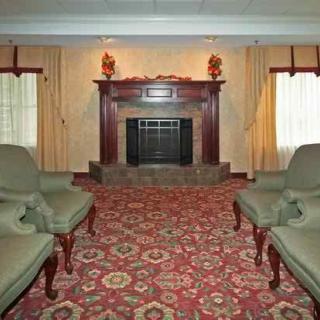
Canterbury Woods on seniors.fyi includes 14 photos including images showing windows, interior, living room, appliances, building, architecture, decor, kitchen, and more.
Nearby Communities
Canterbury Woods
Williamsville, NY
4.1 from 88 reviews
Luxurious community with broad care options (CCRC, independent, memory care, skilled nursing) and extensive on-site amenities.
Elderwood Village at St. Gregory Court
Williamsville, NY
3.9 from 12 reviews
$3,315 to $5,165 / month
Clean, well-maintained environment with tasty dining and attentive staff.
Elderwood Village at Bassett Park
Williamsville, NY
4.2 from 76 reviews
$3,000 / month
Caring, attentive staff; clean, welcoming environment with engaging activities
Elderwood At Williamsville
Williamsville, NY
2.4 from 45 reviews
Compassionate staff, clean facility, and engaging activities.
Elderwood Skilled Nursing at Williamsville
Buffalo, NY
2.2 from 45 reviews
Some staff show commitment to safety and rehab planning (fall risk awareness and PT referral).
Heathwood Assisted Living At Williamsville
Buffalo, NY
4.2 from 38 reviews
Engaging activities, friendly staff, and clean, comfortable spaces, with Medicare coverage easing funding.
The Amberleigh
Williamsville, NY
4.4 from 253 reviews
$2,450 to $4,750 / month
Friendly staff, engaging activities, and clean, spacious apartments.
Heathwood Assisted Living & Memory Care
Williamsville, NY
4.2 from 43 reviews
$4,450 to $6,500 / month
Friendly staff, excellent dining, and a welcoming, home-like environment.
Brompton Heights
Buffalo, NY
3.7 from 89 reviews
$1,775 to $4,800 / month
Compassionate staff with broad care options and extensive on-site amenities.
Dementia, including Alzheimer’s disease, is often mischaracterized in terms of lethality as it leads to complications that can be fatal rather than being a direct cause of death; it causes a progressive decline in cognitive and physical health, making patients vulnerable to infections and other health crises. Effective management of nutrition, hydration, and communication is crucial in patient care, with palliative care becoming vital in advanced stages to enhance comfort and quality of life while caregivers play a key role amidst the challenges posed by the disease.
Reminiscence therapy helps individuals with dementia recall past memories through structured discussions and meaningful objects, enhancing mood, relationships, and sense of identity while celebrating their lives. It can be practiced in formal settings or at home, requiring sensitivity to personal histories and cultural backgrounds.
Reminiscence therapy is a structured method for older adults, especially those with dementia, to share life stories using prompts and sensory cues, fostering emotional well-being, social engagement, and self-identity. It aims to improve quality of life by enhancing interpersonal connections and cognitive stimulation while requiring careful facilitation to avoid distressing memories.
Get PricingAsk A QuestionSchedule A TourContact Senior Advisor
By clicking submit, you agree to our Partner's Terms of Use. You
also consent to receive calls and texts, which may be autodialed, from our Partner. Your consent is not a condition to
using our Partner's service. Please visit our Partner's Privacy Policy for information about their privacy practices.


 32 resident community capacity
 Continuing Care Retirement Community (CCRC)
 Memory Care
 Beauty salon
 Cable or satellite TV
 Fully furnished
 Garden
 Housekeeping services
 Move-in coordination
 Outdoor space
 Private bathrooms
 Buffalo Niagara International (4 miles away)
 Transportation arrangement
 24-hour call system
 Activities of daily living assistance
 Assistance with bathing
 Assistance with dressing
 Assistance with transfers
 Diabetes diet
 Meal preparation and service
 Medication management
 Special dietary restrictions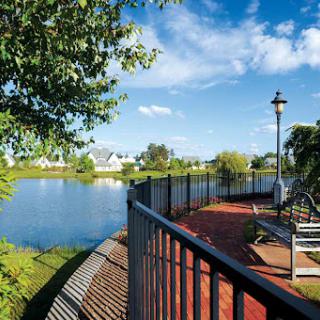
 Luxurious community with broad care options (CCRC, independent, memory care, skilled nursing) and extensive on-site amenities.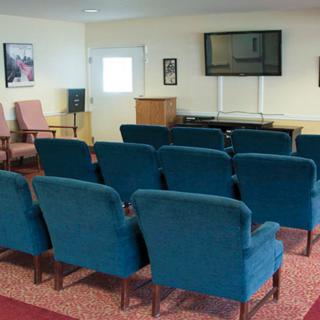


 Are Dementia and Alzheimer's Disease Lethal? A Comprehensive Exploration
 Exploring the Power of Reminiscence Therapy for Individuals With Dementia
 An In-Depth Look at Reminiscence Therapy in Dementia Care