Elderwood Skilled Nursing at Williamsville

Save
Elderwood Skilled Nursing at Williamsville

Elderwood Skilled Nursing at Williamsville

200 Bassett Rd, Buffalo, NY 14221

For more information about senior living options: (844) 490-3973

2.1 from 40 reviews
5 stars
8
4 stars
3
3 stars
0
2 stars
3
1 stars
26

Skilled Nursing Facility

Overall Review of Elderwood Skilled Nursing at Williamsville

Pros

  • pro The therapists were fantastic.
  • pro This facility is truly a wonderful place and highly recommended.
  • pro The staff provide outstanding medical care with a caring approach.
  • pro Delaney in PT is talented.
  • pro Stephanie is a great resource helping with numerous aspects of function.
  • pro The aides are on point and kind, including Danielle.
  • pro Jim in maintenance fixed the TV beautifully after a request.
  • pro The chefs provide a variety of delicious, well-prepared, nourishing food.
  • pro Chris, Patty, and Claudia are very professional at checking in.
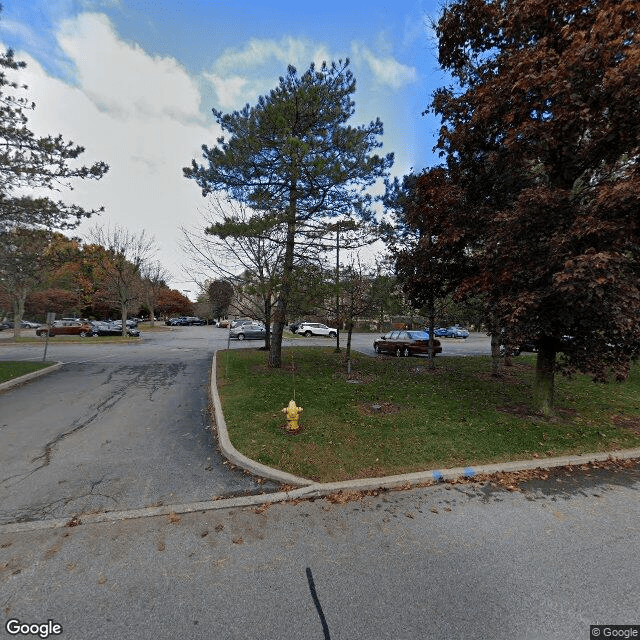
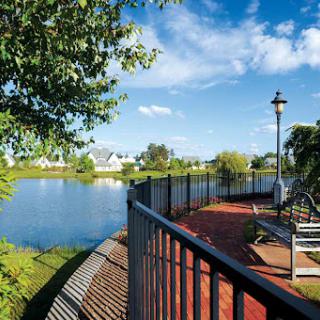
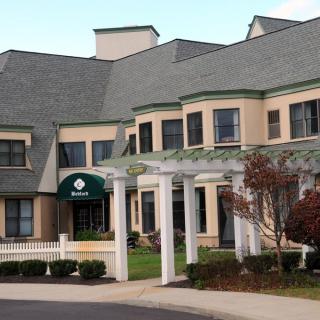
  • pro The park-like setting creates a welcoming, high-quality environment.

Cons

  • pro The food tasted awful, was often cold, and portions were small.
  • pro Residents were repeatedly served someone else's meals.
  • pro The facility was severely understaffed and frequently lacked supervision.
  • pro The call button was hard to reach and responses were extremely slow.
  • pro The bathrooms were dirty, with fixtures damaged or unsafe.
  • pro The place should be shut down due to the reported conditions.
  • pro Staff allegedly refused medical care for sick residents and blocked family access during emergencies.
  • pro Residents were left in soiled conditions and deprived of basic dignity.
  • pro Management was unresponsive, with inconsistent information and rude attitudes.
  • pro Residents with dementia faced unsafe conditions, indifferent staff, and environmental neglect (dirty carpets, no air conditioning).

Review

The reviews paint a wide spectrum of experiences at this care facility, revealing a place where moments of genuine care can coexist with days of frustration, fear, and disappointment. On one end, families repeatedly praise the therapy and rehabilitation teams, describing therapists who are "fantastic," patient, and capable of making progress feel possible. In several accounts, therapists and certain staff members are singled out for their professionalism and kindness, with notes of appreciation for the compassion shown during difficult recoveries and the steady guidance offered by physical therapy, occupational therapy, and related professionals.

Yet at the same time, the same facility appears to have become a focal point for a chorus of troubling complaints. Families recount food that "tasted awful," was "always cold," and arrived in too-small portions, with gripes about meals being misdelivered to other residents as if the kitchen and dining routines were disorganized or careless. In several reviews, the physical environment is described as unacceptable: dirty bathrooms, a toilet paper holder hanging off the wall, and a call button that seems to move or disappear from reach. In one account, someone notes that the bathroom call button cord is not even connected, a detail that underscores the perception of lax maintenance and safety oversight.

The human cost of staffing challenges dominates many narratives. The facility is repeatedly described as severely understaffed, with call buttons that take twenty minutes or more to elicit a response and often require staff to fetch others to address basic needs. Families speak of persistent delays, excuses about breaks or shift changes, and a sense that staff may be overwhelmed or overstretched. Several reviewers describe aides or attendants who appear distracted or unavailable, and there are alarming affidavits about residents going without basic necessities, being left sitting in soiled conditions, or not receiving timely assistance with hygiene and daily care. The emotional weight of watching a loved one suffer neglect or discomfort under these conditions is palpable in multiple testimonies.

Safety and medical integrity emerge as particularly contentious themes, especially in the context of older or vulnerable residents. Some reviewers allege that medical care was delayed or refused when urgent help was needed, including accounts of family members calling 911 and being blocked from access, or claims that a resident's deteriorating condition went unaddressed. There are distressing anecdotes about a resident's bladder dropping under care, a bed sore developing after admission, dehydration and weight loss, and other distressing health events that family members feel were not promptly or adequately managed. These stories contribute to a broader climate of fear and concern about oversight, communication with families, and the facility's willingness to place patient well-being above administrative or procedural concerns.

There are also pointed, highly specific accusations about leadership and professional conduct. One reviewer alleges inappropriate behavior by a facility administrator, describing flirtatious language and unprofessional conduct, and another asserts suspicions about insincerity and poor organizational presence on the floor during certain shifts. The cadence of these claims - paired with observations about a lack of accountability, poor follow-through with family inquiries, and general disengagement from management - helps illuminate why some families feel there is a meaningful gap between what is promised in marketing or word-of-mouth and what they experience in person.

Amidst the negative, positives persist in parallel threads. A subset of reviewers recount a markedly different reality: a "wonderful facility" with staff who are attentive, caring, and competent. They highlight specific individuals by name who have made a positive impression in daily routines, such as front-desk staff who welcome families, and care teams who communicate updates, coordinate care, and respond to concerns with empathy. Some families describe a sense of continuity, companionship, and respect during visits, along with evidence of clean, well-meaning caregiving teams who strive to maintain dignity and comfort for residents. There are appreciative messages about maintenance workers who resolve issues promptly and cooks who provide nourishing meals, contributing to a perception that the facility can function as a genuinely healing environment when at full strength.

The narratives also reflect a mix of long-term impressions and episodic experiences. A number of families express gratitude for the care that helped their loved ones during dementia progression or recovery from illness, noting that staff who were consistently attentive offered meaningful, ongoing updates and a feeling of partnership in care. In other families, however, the overall experience remains defined by negative episodes - open bed sores found upon pickup, dehydration and weight loss in short-term respite stays, and concerns about basic safety and daily living standards - that undermine confidence in the facility's ability to safeguard vulnerable residents.

Taken together, these reviews create a portrait of a facility that is deeply uneven in its execution. For some families, it is a place where skilled therapists and compassionate care teams deliver real value, where patients' dignity is upheld and progress is possible, and where daily interactions with thoughtful staff make a meaningful difference. For others, the same building represents a troubling mismatch between expectations and lived reality: persistent concerns about food quality, cleanliness, and safety, coupled with reports of delayed responses, insufficient supervision, and troubling accounts of medical care and administrative accountability. The stories underscore a core truth: care for the elderly and ill is profoundly personal and high-stakes, and experiences can vary dramatically from one day to the next, one shift to the next, and one caregiver to another. As families weigh their options, they describe a place that demands careful scrutiny, open dialogue with administrators, and a clear demonstration that dignity, safety, and consistent, respectful care are the facility's top priorities.

Features

Types of Care

  • Skilled Nursing Facility Skilled Nursing FacilitySkilled Nursing Facilities are crucial for seniors as they provide round-the-clock medical care, rehabilitation services, and assistance with daily activities. These facilities ensure that seniors receive the specialized care they need to maintain their health and well-being as they age.

Transportation

  • Buffalo Niagara International (4 miles away) Buffalo Niagara International (4 miles away)
Description

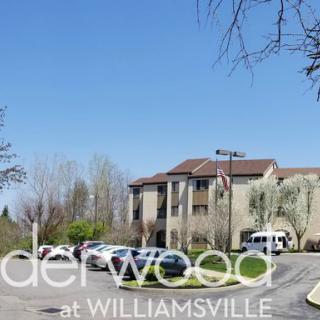
Elderwood Skilled Nursing at Williamsville in Buffalo, NY is a thriving assisted living community located in a vibrant and convenient neighborhood. With 12 cafes nearby, residents have plenty of options for socializing or enjoying a cup of coffee with friends. Additionally, there are 4 parks nearby where residents can take leisurely walks or engage in outdoor activities surrounded by nature.

Ensuring easy access to healthcare services, the community boasts 20 pharmacies and 14 physicians in close proximity. This allows residents to have their medical needs taken care of efficiently and conveniently. Furthermore, there are 17 restaurants nearby where residents can enjoy a variety of cuisines, making dining out or ordering delivery an enjoyable experience.

Transportation options are readily available with 3 transportation services nearby, providing convenient means for residents to travel or run errands in the surrounding area. For spiritual solace and connection, there are also 2 places of worship within reach for those seeking religious observance.

To cater to cultural and entertainment preferences, Elderwood Skilled Nursing at Williamsville is situated near 2 theaters where residents can indulge in live performances or enjoy the latest movies. Furthermore, having 2 hospitals in close proximity ensures that residents have immediate access to quality healthcare services if needed.

Overall, Elderwood Skilled Nursing at Williamsville offers a comfortable and enriching assisted living experience with numerous amenities and resources within reach, creating an environment where residents can thrive physically, socially, and spiritually.

Nearby Places of Interest

Located in the suburban area of Buffalo, New York, this neighborhood offers a range of amenities and services that cater to senior living. With close proximity to hospitals like Millard Fillmore Suburban Hospital and various physicians' offices, residents have access to medical care within a short distance. Additionally, there are numerous dining options ranging from casual cafes like Starbucks and Panera Bread to upscale restaurants like The Oak Stave Drinkery & Eatery. Pharmacies such as Wegmans and Rite Aid are also conveniently located nearby for any medication needs. For recreational activities, there are several parks in the vicinity where residents can enjoy nature walks or picnics. Transportation options are easily accessible with Buffalo Niagara International Airport just a short drive away, making it convenient for travel. Overall, this area provides a comfortable and convenient living environment for seniors in Buffalo, NY.

Hospitals

  • Millard Fillmore Suburban NICU (0.2 miles)
  • Millard Fillmore Suburban Hospital (0.3 miles)

Restaurants

  • Libation Station (0.6 miles)
  • Dandelions Restaurant (1.5 miles)
  • Tavern at Windsor Park (1.7 miles)
  • The Oak Stave Drinkery & Eatery (1.9 miles)
  • Pizza Plant Italian Pub (2.1 miles)
  • Elmo's (2.2 miles)
  • Pautlers Drive In Of Clarence (2.3 miles)

Cafes

  • Starbucks (1.4 miles)
  • Panera Bread (1.7 miles)
  • Starbucks (1.8 miles)
  • Tim Hortons (1.9 miles)
  • Tim Hortons (2.3 miles)
  • Starbucks (2.8 miles)
  • Starbucks (2.9 miles)

Pharmacies

  • Wegmans (1.5 miles)
  • Rite Aid (1.5 miles)
  • Wegmans (1.6 miles)
  • Rite Aid (1.6 miles)
  • Walgreens (1.8 miles)
  • Rite Aid (1.9 miles)
  • CVS Pharmacy (2.4 miles)

Physicians

  • Brain and Spine Center (1.6 miles)
  • Town & Village Pediatrics (2.2 miles)
  • Windsong Radiology Group (2.4 miles)
  • Northtowns Cardiology (2.6 miles)
  • Western New York Dermatology (2.8 miles)
  • Gastroenterology Associates (2.8 miles)
  • Dr David J. Altman, MD (2.9 miles)

Parks

  • Glen Park (2.4 miles)
  • Island Park (2.6 miles)
  • South Long Park (2.9 miles)
  • Meadowlakes (3.2 miles)
  • Ellicott Creek Park (5.1 miles)

Places of Worship

  • Newman Center at UB (3.3 miles)
  • The Chapel (3.4 miles)

Theaters

  • Regal Transit Center & IMAX (3.5 miles)
  • AMC Maple Ridge 8 (3.8 miles)
  • Regal Walden Galleria 4Dx & RPX (5.9 miles)

Transportation

  • Buffalo Niagara International Airport (BUF) (4.4 miles)
  • TSA Pre-️Lane (4.4 miles)
  • Southwest Airlines Co. (4.4 miles)
  • Amtrak - Buffalo, NY Depew Station (BUF) (6.3 miles)

Frequently Asked Questions

Where is Elderwood Skilled Nursing at Williamsville?

Nearby Communities

Related Resources

  • uber for seniorsSeniors and Modern Transportation: Exploring Uber, Lyft, and Other Ride-Hailing Options
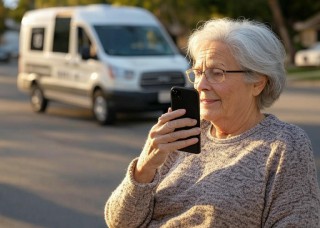
    Seniors benefit from ride-hailing services like Uber and Lyft, which provide convenient and accessible transportation options that promote independence and social engagement, while addressing mobility challenges. These platforms have adapted to meet senior needs with user-friendly features and safety measures, although costs can be a concern; community programs may help subsidize rides for older adults.

  • who qualifies for home health care servicesComprehensive Guide to Qualifying for Home Health Care Services
    The guide outlines the eligibility criteria for home health care services, emphasizing clinical requirements, insurance options, and application processes. It distinguishes between Medicare's strict and Medicaid's flexible qualifications while addressing challenges families may face in securing necessary care at home.

  • what is elder abusePowerful Realities of Elder Abuse and the Most Effective Ways to Report It

    Elder abuse affects many older adults worldwide and includes physical, emotional, neglectful, and financial harm, with about one in six individuals over 60 experiencing abuse annually. Prevention and intervention strategies focus on awareness, support for caregivers, and mandatory reporting, while recovery necessitates comprehensive support for both physical and emotional needs.