For more information about senior living options: (866) 208-4318
4.4 from 75 reviews
5 stars
52
4 stars
11
3 stars
6
2 stars
1
1 stars
5
Brookdale Westampton Costs & Pricing
Brookdale Westampton offers a range of living options with monthly costs that reflect its premium services and amenities. For a semi-private room, residents can expect to pay $7,105, which is notably higher than the averages in Burlington County at $5,329 and across New Jersey at $5,068. Similarly, the studio option is priced at $7,850, surpassing the county's average of $5,790 and the state's $5,286. For those seeking a bit more space, the one-bedroom units are available for $8,160, compared to Burlington County's average of $5,362 and New Jersey's statewide average of $5,994. These figures suggest that while Brookdale Westampton may be positioned at a premium price point compared to its regional counterparts, it likely offers added value through enhanced care services and community features that appeal to many individuals seeking quality senior living.
Floor plans
Brookdale Westampton
Burlington County
New Jersey
Semi-Private
$7,105
$5,329
$5,068
Studio
$7,850
$5,790
$5,286
1 Bedroom
$8,160
$5,362
$5,994
Memory care communities with a similar price nearby
Memory care is a central fit for residents with dementia.
Multiple reviews discuss the community as a memory-care setting for Alzheimer’s or dementia, describing it as specialized for behavior and engagement needs. Some families say it matched well, while others felt it wasn’t the right social fit for their loved one’s stage or progression. Residents and families also reference structured support tied to memory changes rather than a general assisted-living experience.
common9 reviews mention this
Activities keep residents engaged
Activities are frequently mentioned as keeping residents involved.
Residents and families repeatedly point to a steady stream of activities, outings, and entertainment happening throughout the day. Several reviewers highlight programs as a way to reduce isolation and help residents stay active and interactive. A few comments also note that activity programming can fluctuate depending on staffing or management changes, so it may be worth asking what the current schedule looks like.
common22 reviews mention this
Staff care is a major factor
Reviews heavily focus on how staff support residents daily.
Many reviews describe staff members as friendly, attentive, patient, and responsive, including during transitions and day-to-day routines. Families also mention staff involvement with communication and activities, and describe the community as warm and supportive for both residents and visitors. At the same time, a smaller set of reviews raises serious concerns about disengagement and inadequate supervision, so it’s important to factor both experiences into your decision.
common4 reviews mention this
Nursing support and medication issues
On-site nursing is an important part of the care picture.
Several reviews specifically mention nursing presence, including 24-hour nursing, and families connect that to feeling reassured about safety and care. Others describe day-to-day support like medication being handled as part of resident needs. A few reviews, however, include complaints about medication-related problems or concerns about care responsiveness, so nursing processes may be worth clarifying during a visit.
caveat3 reviews mention this
Costs and billing raise concerns
Billing and contract charges are a recurring worry.
Some families praise care and cleanliness, but at least a few reviews focus on billing administration and unexpected charges. One reviewer details concerns with contract terms around charges after a resident dies and additional days being assessed, as well as community-fee handling for turnover. Another review calls out billing department organization and corporate billing issues, which suggests it may be smart to review documentation carefully and ask questions upfront.
caveat3 reviews mention this
Cleanliness praised, odors criticized
Cleanliness is praised, but odors are also criticized.
Several reviewers say the facility is spotless, including comments about no odors and a well-kept environment. Others, including a reviewer describing frequent visits, mention a persistent smell and link it to their concerns about care quality. One additional review raises unpleasant odor concerns connected to incontinence support, which may be a cue to ask how often hygiene needs are addressed.
How we summarize
Counts show how many written reviews mention each theme; a review can touch several themes, and only frequently mentioned themes are displayed.
Features
Housing
Studio apartments
Types of Care
Memory Care
Pets
Cats allowed
Dogs allowed
Amenities
Activities on-site
Air-conditioning
Beautician on-site
Cable or satellite TV
Devotional services on-site
Garden
Garden view
Ground floor units
Handicap accessible
Indoor common areas
Kitchenette
Outdoor common areas
Wheelchair accessible showers
Wi-Fi/high-speed internet available
Transportation
Trenton-Mercer County (18 miles away)
Philadelphia International (23 miles away)
Transportation & parking
Care Services
Ambulatory care
Diabetic care
High acuity care
Incontinence care
Medication management
Dining
Guest meals
Low / no sodium
Meals provided
No Sugar
Room service
Special dining programs
Vegetarian
Activities
Brain fitness
Cooking classes
Day trips and outings
Forever fit
Gardening club
Happy hour
Light therapy programs
Live musical performances
Live well programs
Stretching classes
Trivia games
Walking club
Yoga / chair yoga
Nearby Places of Interest
Westampton, New Jersey offers a convenient location with easy access to various pharmacies, physicians, restaurants, cafes, parks, hospitals, and a nearby theater for entertainment. With several pharmacies like Walgreens and CVS Pharmacy within a short distance, seniors can easily access their medication needs. Cooper Hematology/Oncology and other medical facilities provide quality healthcare options. There are plenty of dining options including Crown Fried Chicken, Chick-Fil-A, and Cracker Barrel for enjoyable meals out. Parks like Hainesport Township Park offer opportunities for outdoor recreation and relaxation. Additionally, hospitals such as Jefferson Torresdale Hospital and Jefferson Cherry Hill Hospital are available for any medical emergencies. Overall, Westampton provides a well-rounded community with amenities that cater to senior living needs.
Pharmacies
Walgreens (0.2 miles)
Rite Aid (2.1 miles)
CVS Pharmacy (2.7 miles)
Walgreens (2.8 miles)
Walgreens (3.3 miles)
ACME Markets Pharmacy (3.6 miles)
CVS Pharmacy (3.6 miles)
Physicians
Cooper Hematology/Oncology (1.8 miles)
Cooper University Physicians (1.9 miles)
Dr.'s Eyecare Center (2.8 miles)
Clermont Nadine N Md Virtua Memorial Hospital Mt Holly (4.3 miles)
Gastroenterology Consultants of South Jersey (4.4 miles)
South Jersey Eye Physicians (6.2 miles)
Capital Health Primary Care - Columbus (6.9 miles)
Brookdale Westampton offers a range of living options with monthly costs that reflect its premium services and amenities. For a semi-private room, residents can expect to pay $7,105, which is notably higher than the averages in Burlington County at $5,329 and across New Jersey at $5,068. Similarly, the studio option is priced at $7,850, surpassing the county's average of $5,790 and the state's $5,286. For those seeking a bit more space, the one-bedroom units are available for $8,160, compared to Burlington County's average of $5,362 and New Jersey's statewide average of $5,994. These figures suggest that while Brookdale Westampton may be positioned at a premium price point compared to its regional counterparts, it likely offers added value through enhanced care services and community features that appeal to many individuals seeking quality senior living.
Brookdale Westampton's medication management ensures that residents receive their prescriptions on time and in the correct dosages, reducing the risk of medication errors that can exacerbate cognitive decline. Incontinence care is tailored to maintain dignity and comfort for individuals with dementia or Alzheimer's, thereby minimizing stress and anxiety associated with these challenges, which can further impact cognitive function. The focus on brain fitness through various engaging activities helps stimulate mental engagement and encourage social interactions, fostering a sense of purpose and community while promoting cognitive health and slowing progression of memory-related conditions.
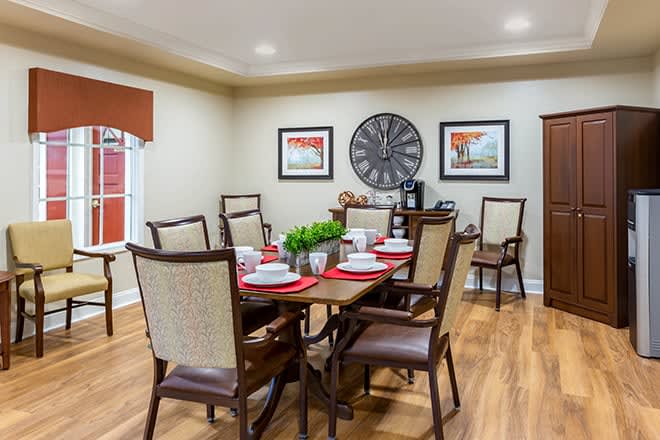
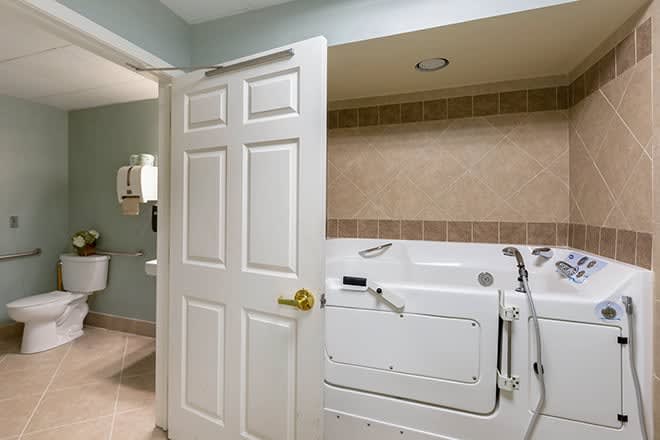
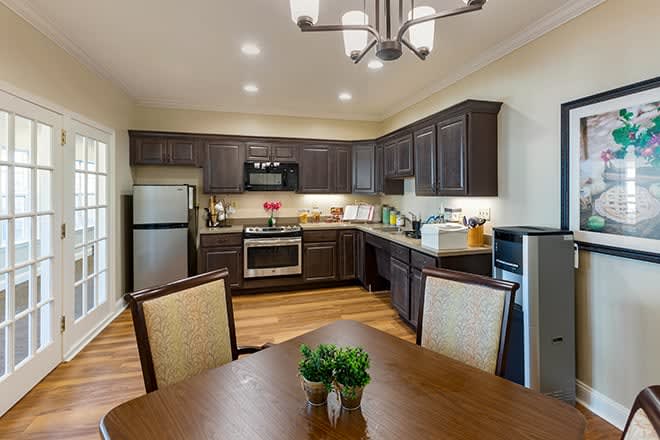
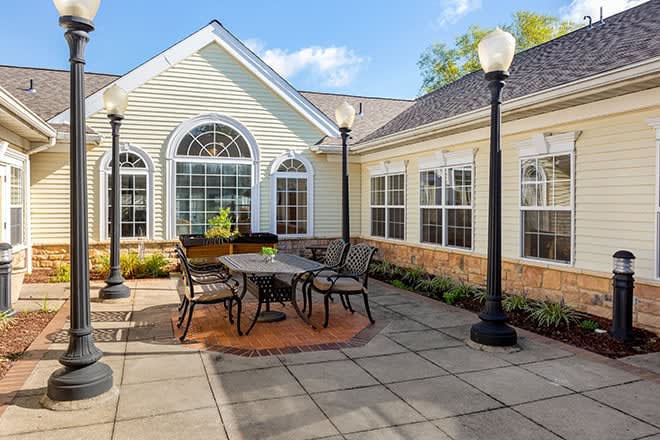
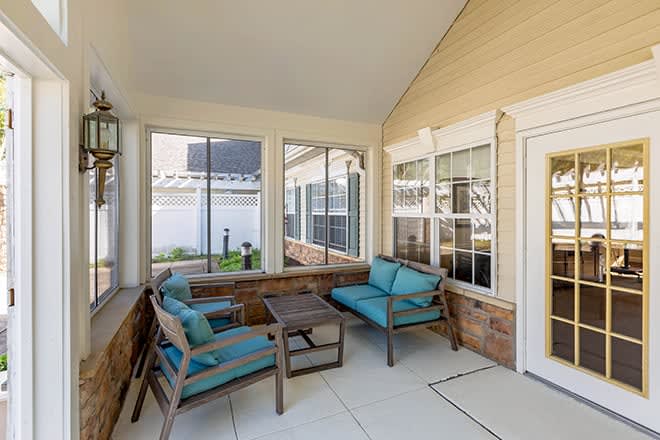
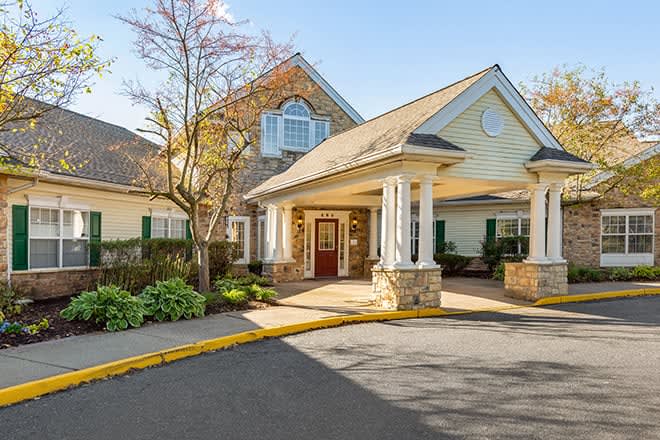
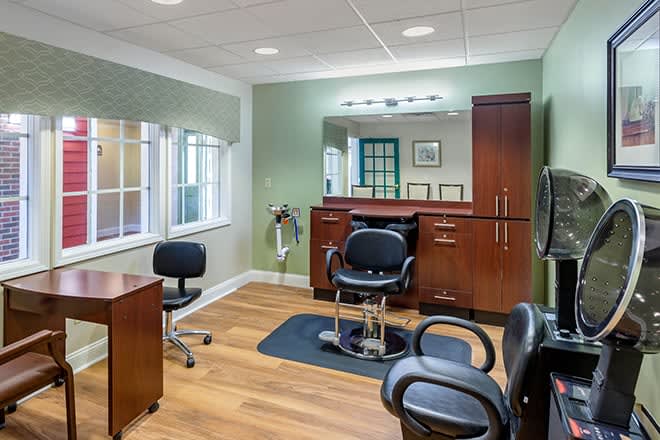
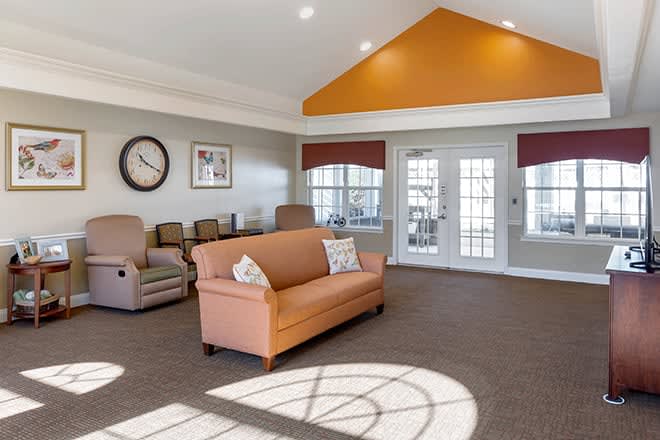
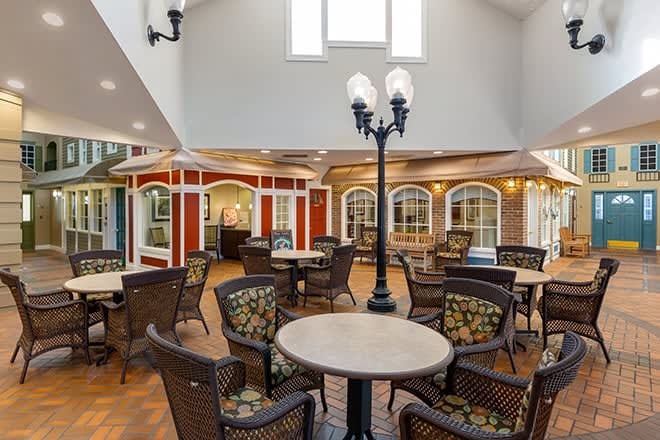
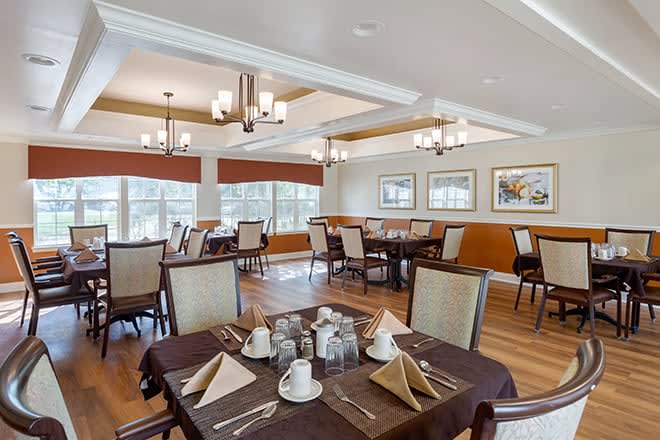
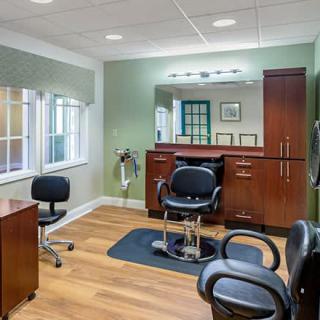
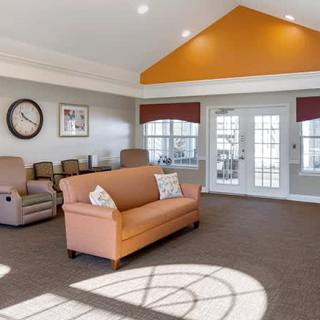
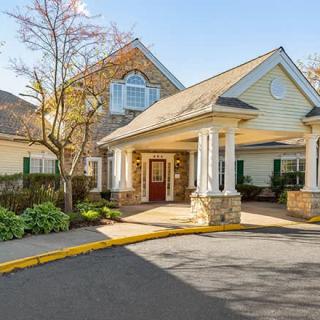
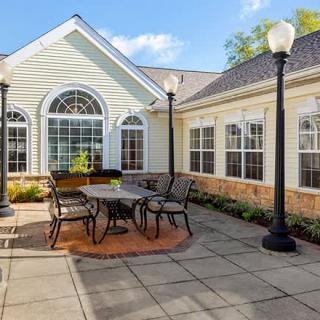
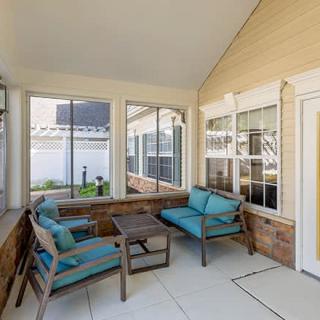
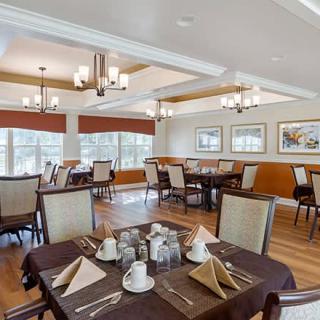
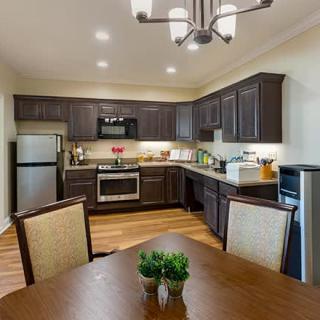
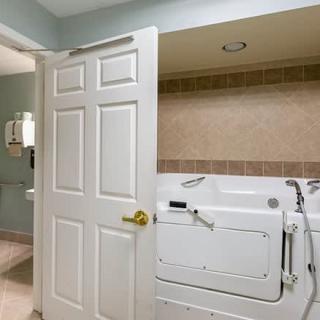
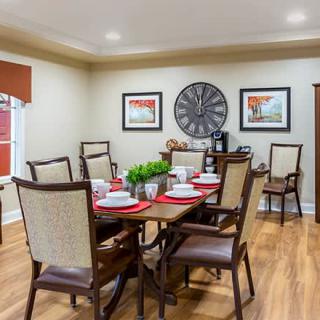
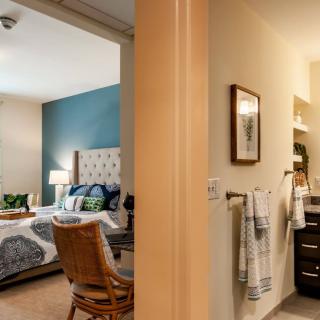
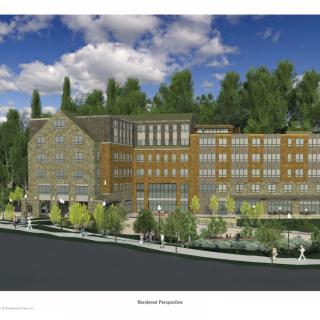
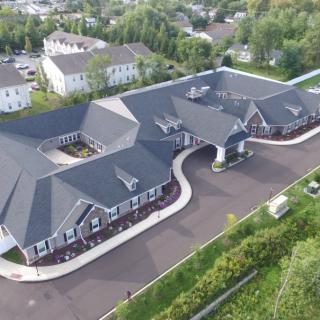
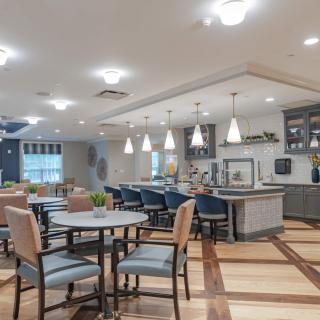
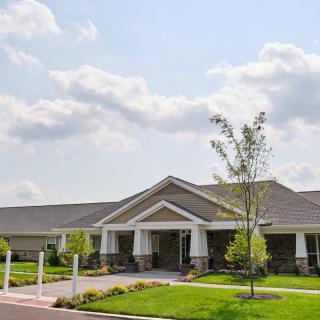
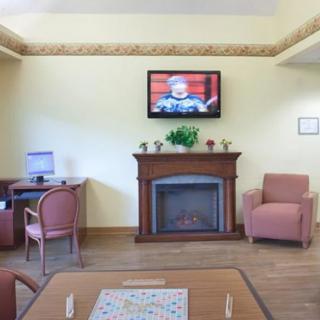
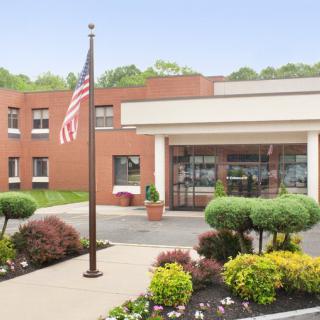
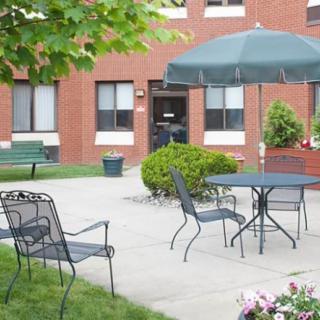
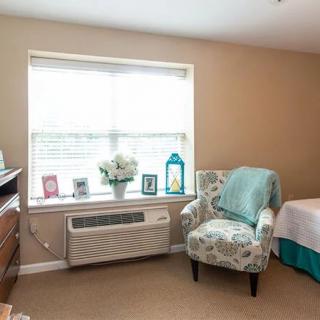
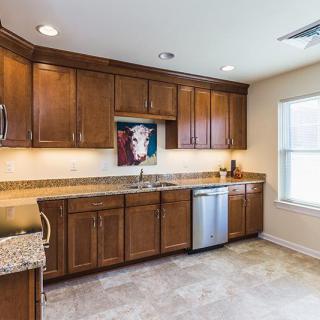
Brookdale Westampton on seniors.fyi includes 10 photos including images showing interior, dining, windows, decor, chandelier, building, architecture, patio, and more.
Nearby Communities
Brookdale Westampton
Westampton, NJ
4 from 17 reviews
Memory-care focus with 24-hour supervision and engaging activities.
Marcella Center
Burlington, NJ
4.1 from 121 reviews
Private studio apartments with comprehensive services (meals, housekeeping, transportation, physical therapy) and on-site amenities.
Complete Care at Marcella
Burlington, NJ
4.2 from 103 reviews
Caring staff and pleasant environment; strong memory care options and extensive on-site amenities.
Burlington Woods
Burlington, NJ
4.2 from 119 reviews
$7,710 to $8,460 / month
Strong daytime staff and rehab services; recent renovations.
Complete Care Burlington Woods
Burlington, NJ
4.6 from 119 reviews
24/7 supervision with memory care and coordinated healthcare.
Granville Place
Burlington, NJ
4.6 from 104 reviews
$3,865 to $6,506 / month
Welcoming, home-like environment with friendly staff and engaging activities.
Arbor Terrace Mount Laurel
Mount Laurel Township, NJ
4.9 from 137 reviews
$5,760 to $8,930 / month
Caring staff and a beautiful, welcoming environment with a flexible Bridges memory care program and engaging activities.
Masonic Village at Burlington
Burlington, NJ
4.6 from 167 reviews
$2,802 to $9,450 / month
Friendly staff and a resort-like, spacious setting with strong dining and community activities.
ProMedica Total Rehab+ (Moorestown)
Moorestown, NJ
4.5 from 122 reviews
Compassionate, attentive staff with a premium, hotel-like setting and accessible leadership.
Reminiscence therapy helps individuals with dementia recall past memories through structured discussions and meaningful objects, enhancing mood, relationships, and sense of identity while celebrating their lives. It can be practiced in formal settings or at home, requiring sensitivity to personal histories and cultural backgrounds.
Reminiscence therapy is a structured method for older adults, especially those with dementia, to share life stories using prompts and sensory cues, fostering emotional well-being, social engagement, and self-identity. It aims to improve quality of life by enhancing interpersonal connections and cognitive stimulation while requiring careful facilitation to avoid distressing memories.
Dementia, particularly Lewy body dementia, often involves hallucinations that can significantly distress both patients and caregivers due to disruptions in sensory processing and neurotransmitter imbalances. Effective management includes compassionate communication, environmental adjustments, and a multidisciplinary approach to care while addressing the emotional needs of caregivers.
Kitchen, Appliances, Hardwood Floor, and Table And Chairs
Lighting, Salon, and Mirrors
Chandelier
Seating Area
Outdoor
Entrance and Porch
Patio
Natural Light
Wall Art
Outdoor Furniture
Get PricingAsk A QuestionSchedule A TourContact Senior Advisor
By clicking submit, you agree to our Partner's Terms of Use. You
also consent to receive calls and texts, which may be autodialed, from our Partner. Your consent is not a condition to
using our Partner's service. Please visit our Partner's Privacy Policy for information about their privacy practices.

 Studio apartments
 Memory Care
 Cats allowed
 Dogs allowed
 Activities on-site
 Air-conditioning
 Beautician on-site
 Cable or satellite TV
 Devotional services on-site
 Garden
 Ground floor units
 Handicap accessible
 Indoor common areas
 Kitchenette
 Outdoor common areas
 Wheelchair accessible showers
 Wi-Fi/high-speed internet available
 Trenton-Mercer County (18 miles away)
 Transportation & parking
 Ambulatory care
 Diabetic care
 High acuity care
 Incontinence care
 Medication management
 Guest meals
 Brain fitness
 Cooking classes
 Day trips and outings
 Forever fit
 Happy hour
 Light therapy programs
 Live musical performances
 Live well programs
 Trivia games
 Walking club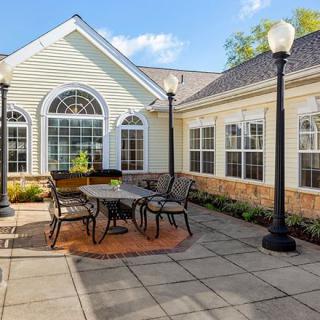
 Memory-care focus with 24-hour supervision and engaging activities.

 Exploring the Power of Reminiscence Therapy for Individuals With Dementia
 An In-Depth Look at Reminiscence Therapy in Dementia Care
 Dementia-Related Hallucinations: Causes, Experiences, and Practical Approaches