The Atrium At Drum Hill offers competitive pricing for its residents, particularly in comparison to the broader market in Middlesex County and throughout Massachusetts. For those considering a semi-private room, the monthly fee at The Atrium is set at $5,000, which is significantly lower than the county average of $6,395 and slightly below the state average of $5,805. Similarly, for studio accommodations, The Atrium's rate of $6,350 stands in contrast to both Middlesex County's average of $5,867 and Massachusetts' statewide average of $5,312. This pricing structure positions The Atrium At Drum Hill as an attractive option for individuals seeking quality care without straying far from reasonable financial expectations within their region.
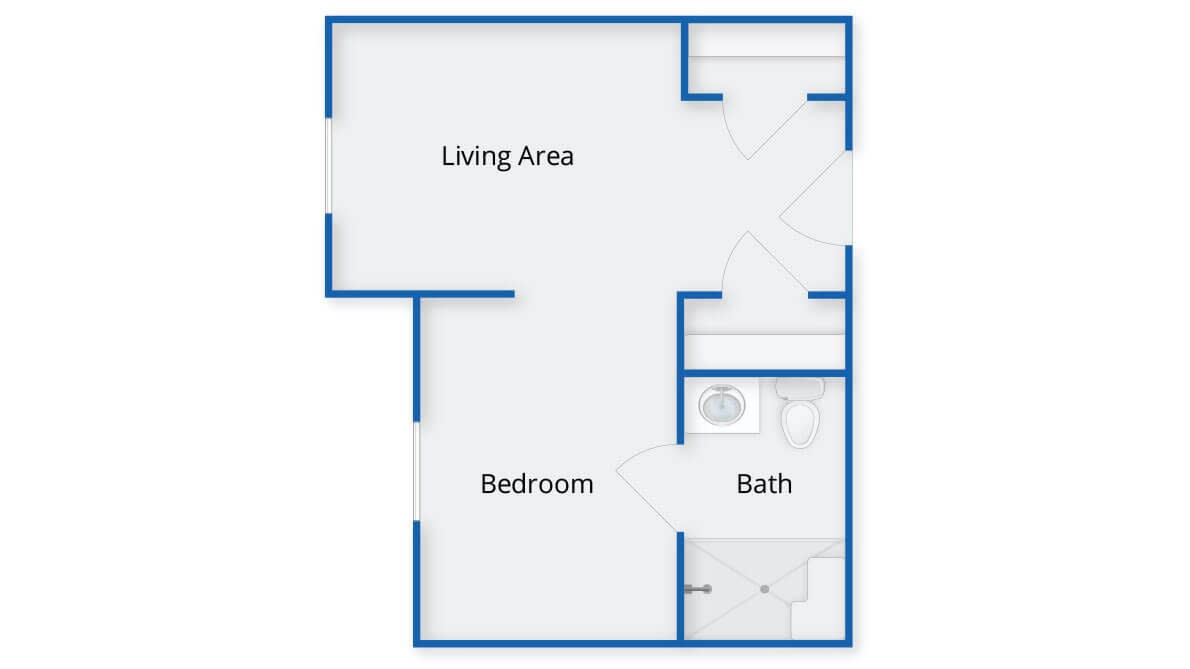
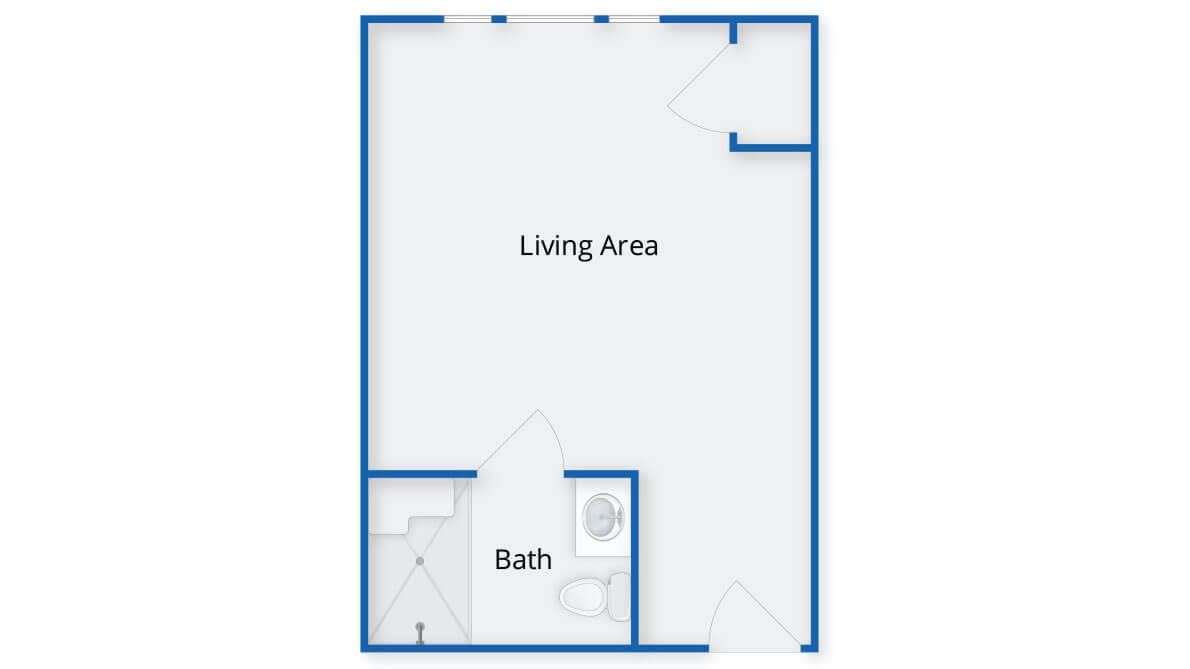
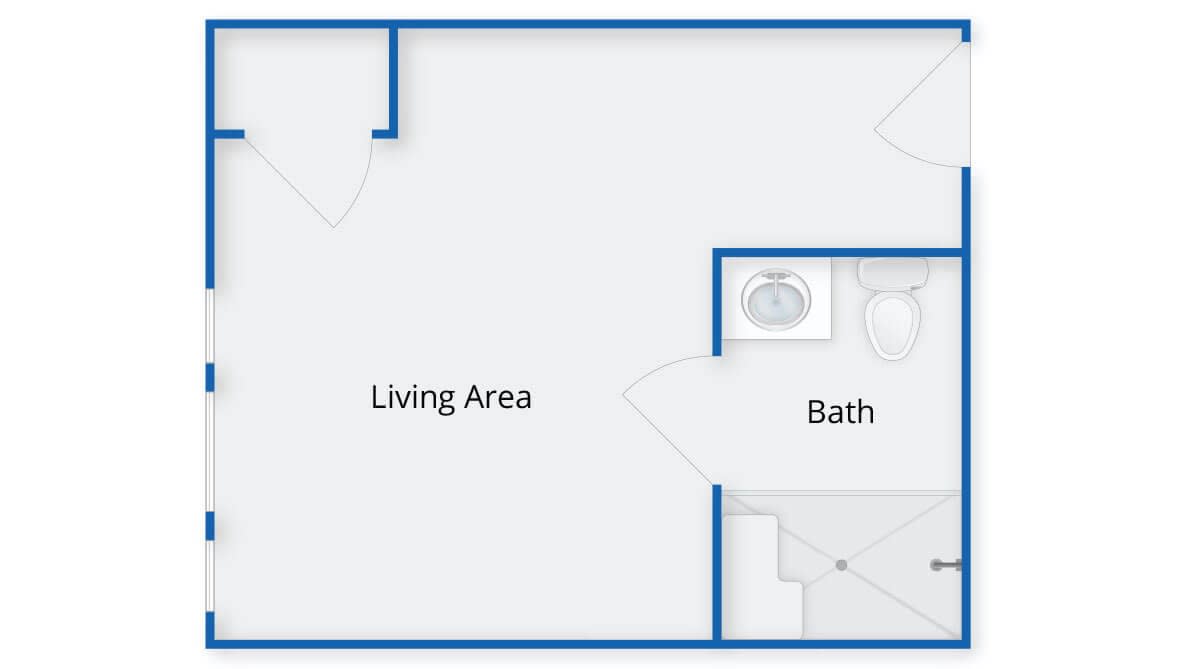
Floor plans
The Atrium At Drum Hill
Middlesex County
Massachusetts
Semi-Private
$5,000
$6,395
$5,805
Studio
$6,350
$5,867
$5,312
Memory care communities with a similar price nearby
from -$740 / mo
Langdon Place of Nashua , A Senior Living Community
Residents and families describe staffing knowledge that supports more advanced memory needs.
Multiple reviews highlight that the community feels aligned for dementia beyond early stages, with families saying staff were trained for more advanced needs. Several reviewers also connect the experience to end-of-life or hospice involvement, describing a smoother path when conditions worsen. A few comments note the community is geared specifically toward memory care rather than general assisted living, which helped set expectations for the right fit.
common9 reviews mention this
Activities keep residents engaged
Families frequently mention structured days that keep residents meaningfully busy.
Reviews repeatedly describe residents staying active through the day, including group activities like games, music, and outings. Some families describe watching improved engagement and functional progress after moving in, with staff encouraging participation. Even in reviews that focused on tours or shorter stays, the activity schedule and resident involvement come through as a consistent strength.
common10 reviews mention this
Food quality and flexibility stand out
Dining earns steady praise, including variety and willingness to accommodate preferences.
Several reviewers describe the food as tasty or enjoyable, with mentions of variety rather than the same meals daily. Others reference practical dining support, including meal preparation for residents with specific preferences or picky eating. A smaller number of comments describe food as merely okay or limited by resident needs, but even then residents are generally portrayed as getting fed reliably.
common40 reviews mention this
Care and communication feel consistent
Families describe attentive, responsive care with clear communication for day-to-day needs.
Across many reviews, residents are described as being well cared for, safe, and treated with kindness and respect. Multiple families mention frequent check-ins, open communication, and being kept informed about how their loved one is doing. A few reviews also describe supportive coordination around difficult moments, including working with hospice so comfort was prioritized.
caveat4 reviews mention this
Cost is the main recurring concern
Several reviewers say the community is expensive compared with alternatives.
Some families explicitly call out the community’s pricing as a downside, describing it as pricey or a cost factor during decision-making. At least one review ties the higher cost to more advanced staffing training and care levels, framing it as a tradeoff rather than surprise. Overall, affordability comes up consistently enough to be a primary consideration for prospective residents.
How we summarize
Counts show how many written reviews mention each theme; a review can touch several themes, and only frequently mentioned themes are displayed.
Features
Housing
44 resident community capacity
Studio apartments
Types of Care
Day Program
Memory Care
Pets
Cats allowed
Dogs allowed
Amenities
Activities off-site
Activities on-site
Air-conditioning
Beautician on-site
Beauty salon
Cable or satellite TV
Computer center
Devotional services off-site
Devotional services on-site
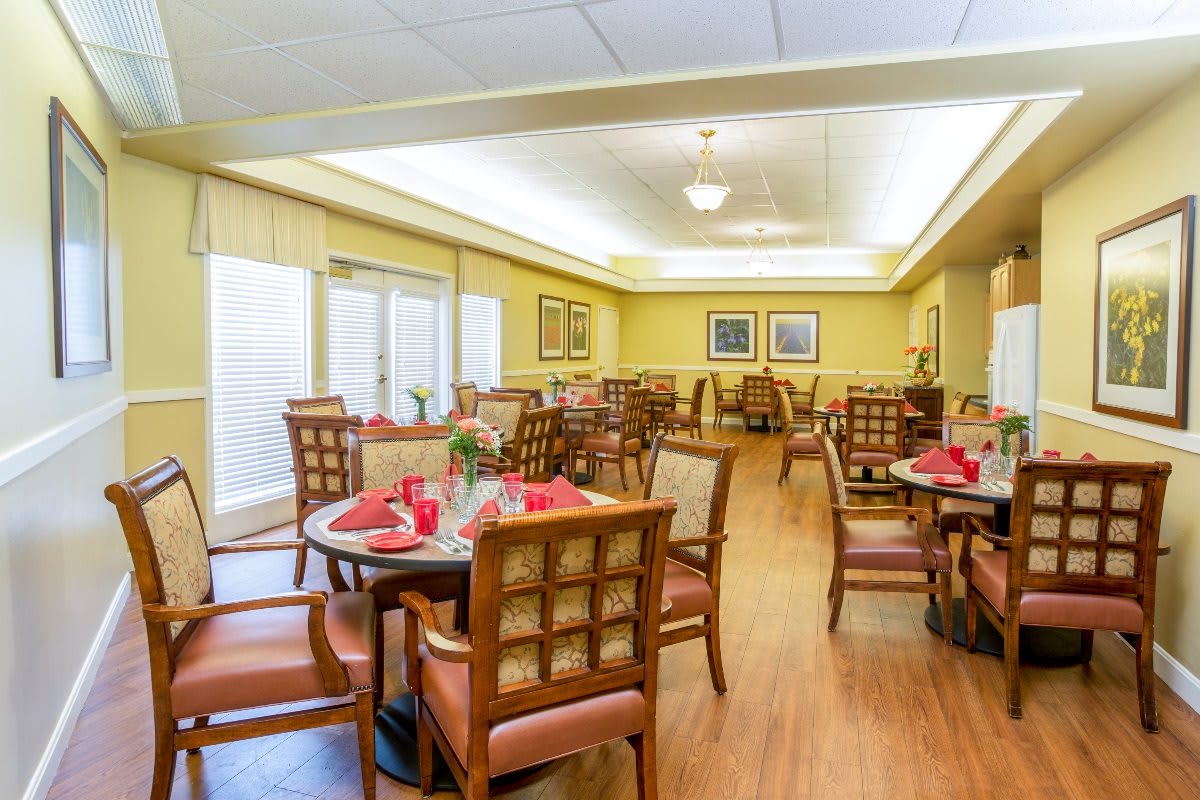
Dining room
Financing advice
Fitness room
Fully furnished
Garden
Ground floor units
Guasts at mealtime
Guest parking
Handicap accessible
Housekeeping services
Indoor common areas
Kitchenette
Laundry
Move-in coordination
Outdoor common areas
Outdoor patio
Outdoor space
Overnight guests
Party space
Private bathrooms
Resident parking
Respite or short term stays offered
Restaurant-style dining
Security gate
Small library
TV room
Telephone
VA Benefits Consultation
Wellness center
Wheelchair accessible showers
Wi-Fi/high-speed internet available
Transportation
Manchester (21 miles away)
Transportation & parking
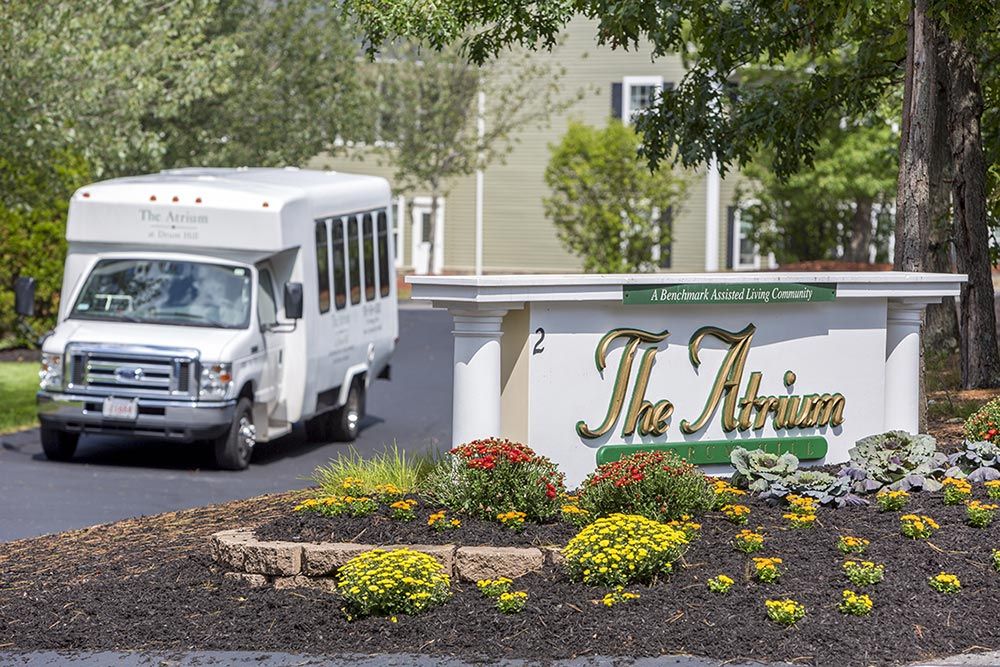
Transportation arrangement (non-medical)
Transportation to doctors appointments
Care Services
12-16 hour nursing
24-hour call system
24-hour supervision
Activities of daily living assistance
Assistance with bathing
Assistance with dressing
Assistance with transfers
Coordination with health care providers
Dementia waiver
Diabetes diet
Diabetic care
High acuity care
Hospice care
Hospice waiver
Incontinence care
Meal preparation and service
Medication management
Mental wellness program
Mild cognitive impairment
Physical therapy
Special dietary restrictions
Specialized memory care programming
Transportation arrangement (medical)
Transportation to doctors appointments
Dining
Anytime dining
Diabetes diet
Guest meals
International cuisine
Kosher
Low / no sodium
Low fat
Meals provided
No Sugar
Professional chef
Restaurant style dining
Special dietary restrictions
Special dining programs
Vegetarian
Activities
Activities off-site
Art classes
Arts and crafts
Book club
Catholic services
Community-sponsored activities
Cooking classes
Cooking club
Devotional activities offsite
Devotional activities on-site
Educational speakers / life long learning
Fitness programs
Games
Gardening club
Jewish services
Live musical performances
Live well programs
Other religious services
Protestant services
Religious services
Resident-run activities
Scheduled daily activities
Stories
Visiting chaplain or priest
Yoga / chair yoga
Nearby Places of Interest
This part of North Chelmsford, Massachusetts offers a variety of dining options including fast food chains such as Burger King and McDonald's, as well as local favorites like Sully's Ice Cream Stand and Zesty's Pizza. For those looking for a caffeine fix, there are nearby cafes like Starbucks and Triangle Store And Deli. The area also provides easy access to pharmacies such as CVS and Walgreens, as well as various medical facilities including physicians' offices and hospitals. Seniors in this area can enjoy outdoor activities at Friendship Park or catch a movie at the nearby AMC Tyngsboro 12 theater. Additionally, there are places of worship for spiritual support within a short distance. Overall, this neighborhood offers convenient amenities and services for seniors looking to settle in North Chelmsford.
Restaurants
Burger King (0.4 miles)
McDonald's (0.4 miles)
Sully's Ice Cream Stand (0.7 miles)
China Star (0.9 miles)
Zesty's Pizza (2.1 miles)
Tavern in the Square (2.3 miles)
McDonald's (2.4 miles)
Cafes
Starbucks (0.4 miles)
Triangle Store And Deli (1.6 miles)
Whole Foods Market (4.9 miles)
Heav'nly Donuts (5.8 miles)
Aroma Joe's (6.5 miles)
Panera Bread (6.9 miles)
Pressed Cafe (7.2 miles)
Pharmacies
CVS Pharmacy (0.8 miles)
Walgreens (0.9 miles)
Walgreens (2.1 miles)
Walgreens (2.4 miles)
CVS Pharmacy (2.4 miles)
Alexander's Pharmacy (3.6 miles)
CVS Pharmacy (3.9 miles)
Physicians
Chelmsford Family Practice (1.1 miles)
Global Care Group MD (1.1 miles)
Mark Gilchrist, MD (2 miles)
Allergy & Asthma Specialists, PC (2.2 miles)
Chelmsford Dermatology (2.2 miles)
Massachusetts Eye Associates (2.2 miles)
Harvard Vanguard Medical Associates (3 miles)
Parks
Friendship Park (1.9 miles)
Castle in the Trees (8.5 miles)
Places of Worship
First Baptist Church (3.9 miles)
La Iglesia De Jesucristo De Los Santos De Los Últimos Días (9.5 miles)
The Atrium At Drum Hill offers competitive pricing for its residents, particularly in comparison to the broader market in Middlesex County and throughout Massachusetts. For those considering a semi-private room, the monthly fee at The Atrium is set at $5,000, which is significantly lower than the county average of $6,395 and slightly below the state average of $5,805. Similarly, for studio accommodations, The Atrium's rate of $6,350 stands in contrast to both Middlesex County's average of $5,867 and Massachusetts' statewide average of $5,312. This pricing structure positions The Atrium At Drum Hill as an attractive option for individuals seeking quality care without straying far from reasonable financial expectations within their region.
The Atrium At Drum Hill enhances the quality of life for residents with dementia or Alzheimer's disease through a comprehensive array of supportive features tailored to their specific needs. The 24-hour supervision ensures safety and immediate assistance, while help with activities of daily living, such as bathing, dressing, and transfers, fosters independence and dignity. Coordination with healthcare providers promotes continuous medical oversight, particularly beneficial for those under a dementia waiver. Specialized memory care programming and mental wellness initiatives create an engaging environment that supports cognitive function. Incontinence care and meal preparation ensure comfort and nutrition, while medication management helps to maintain health stability. Additionally, physical therapy can aid in mobility and strength retention, while transportation arrangements facilitate access to essential medical appointments. Collectively, these services address both the physical and emotional well-being of residents, helping them navigate the challenges posed by their conditions effectively.
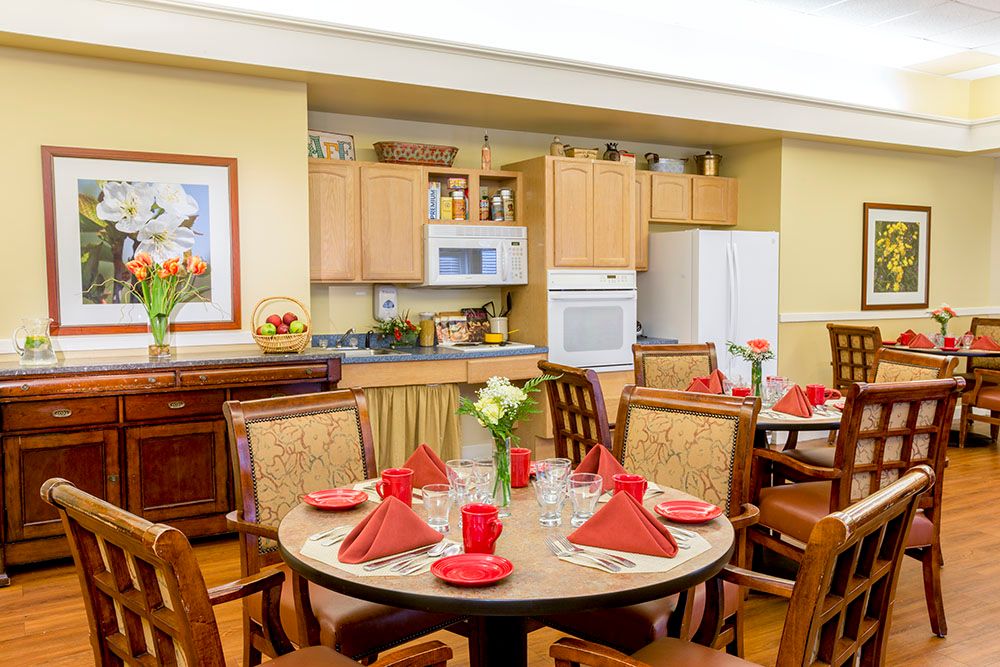
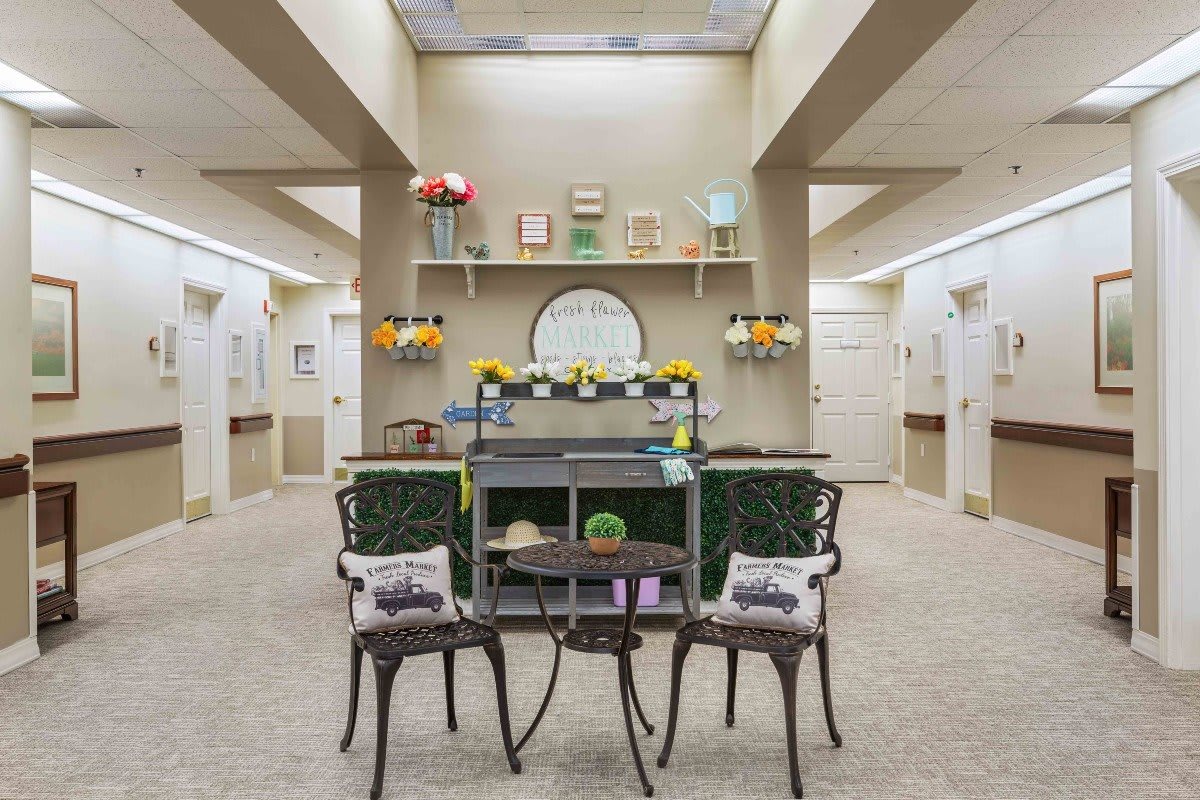
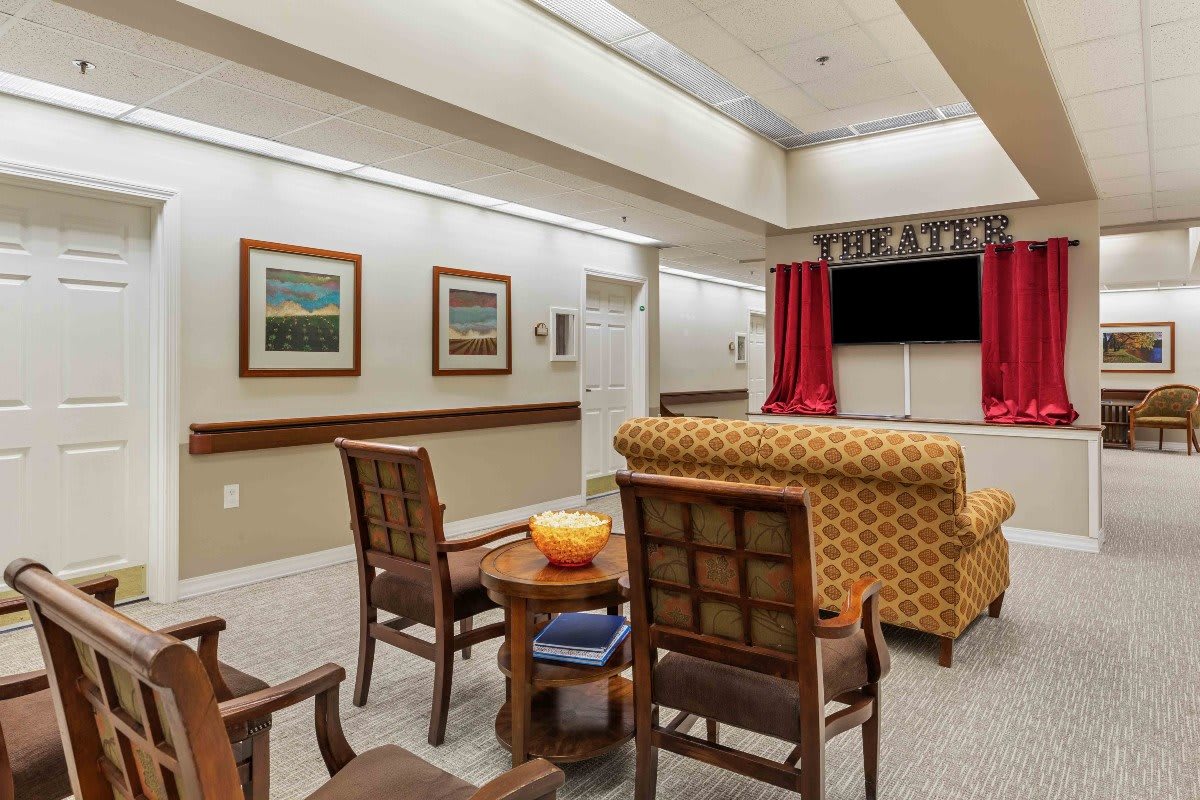
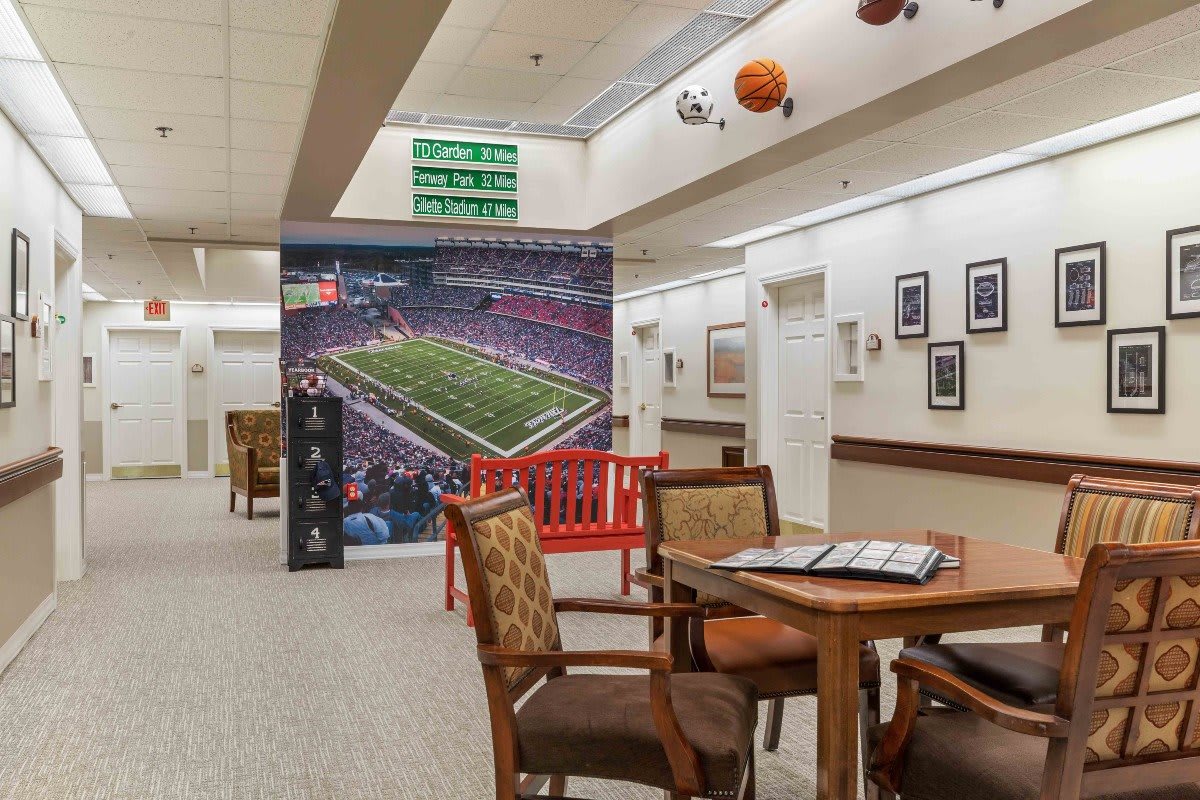
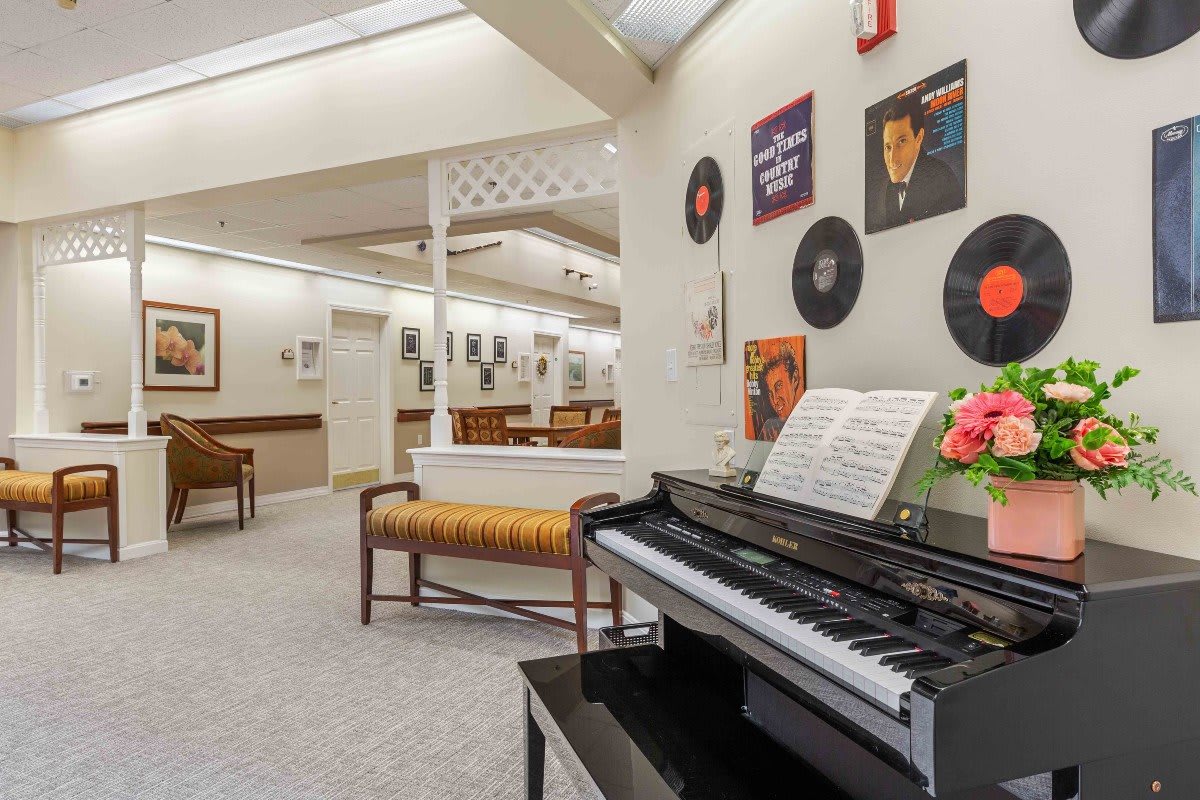
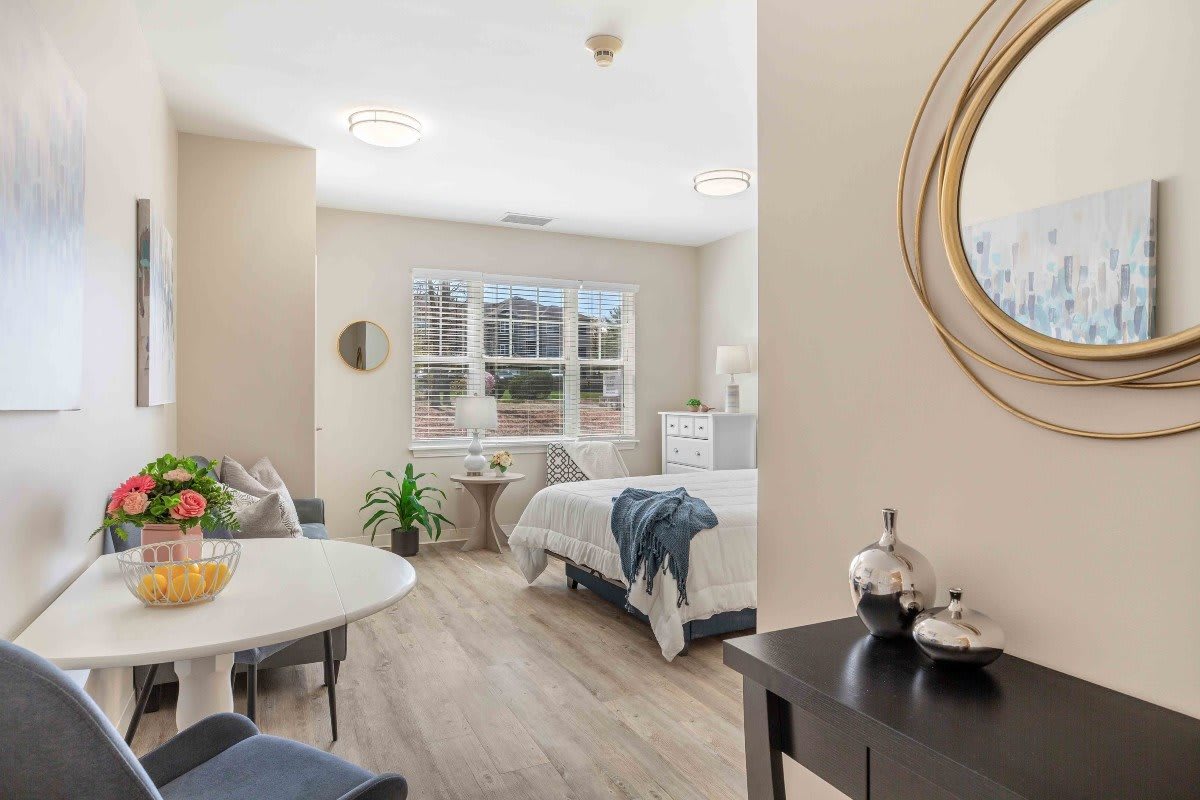
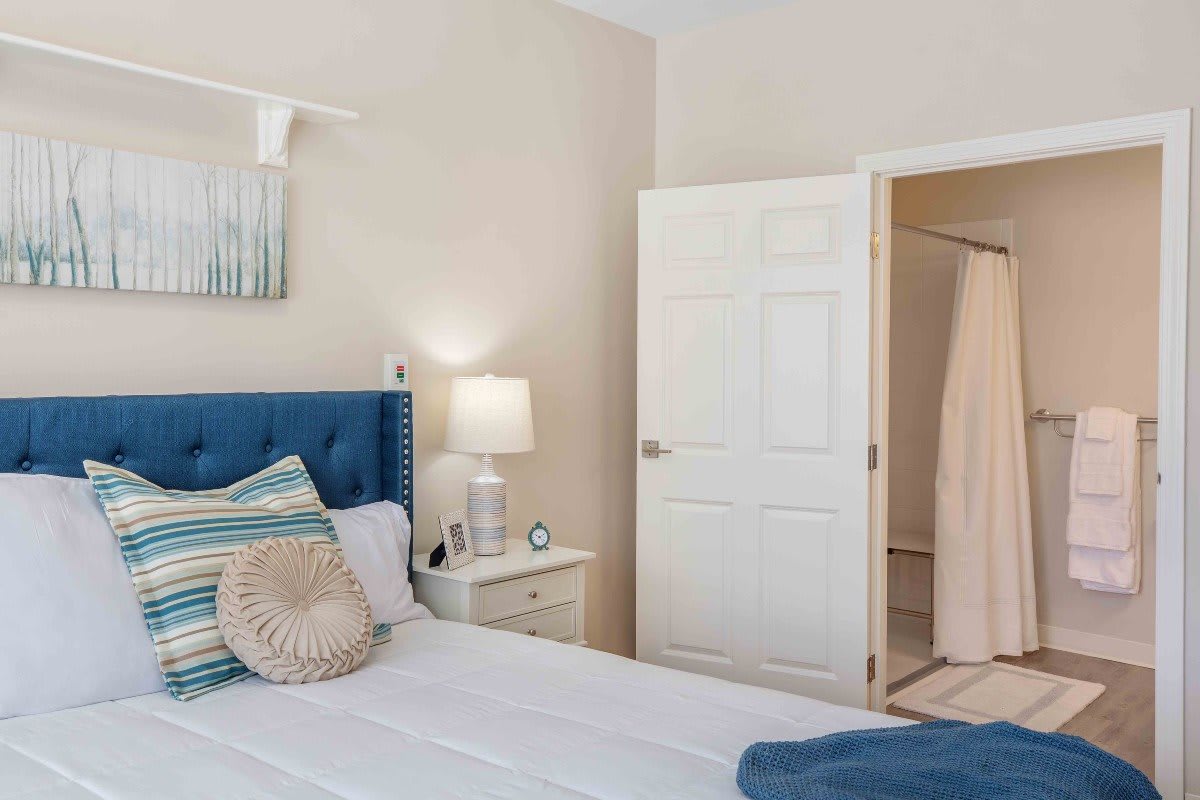
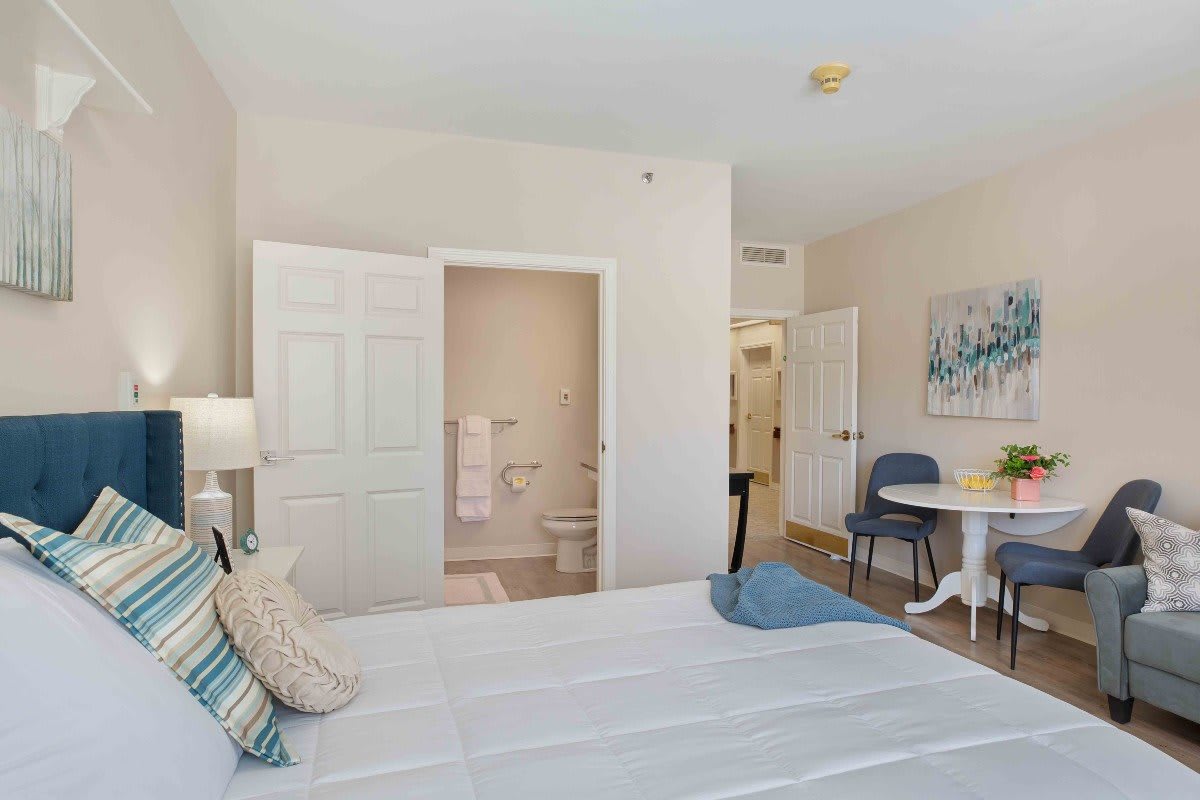
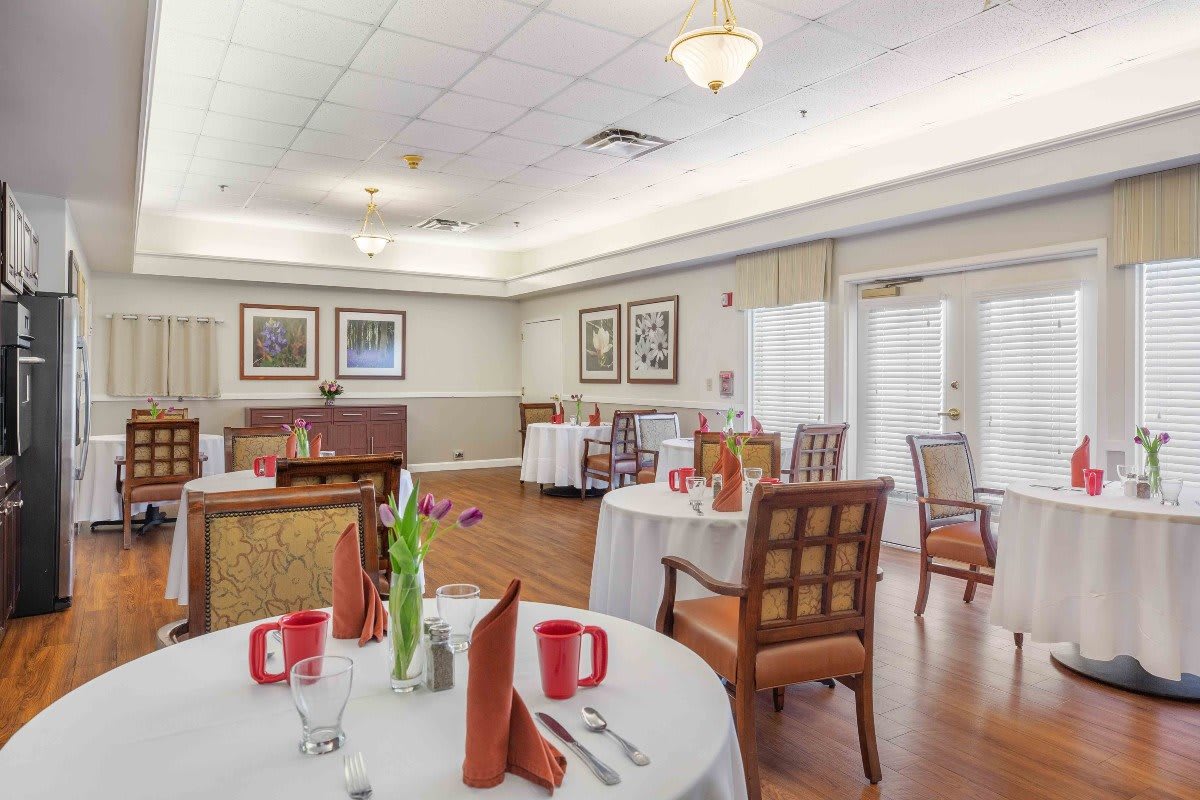
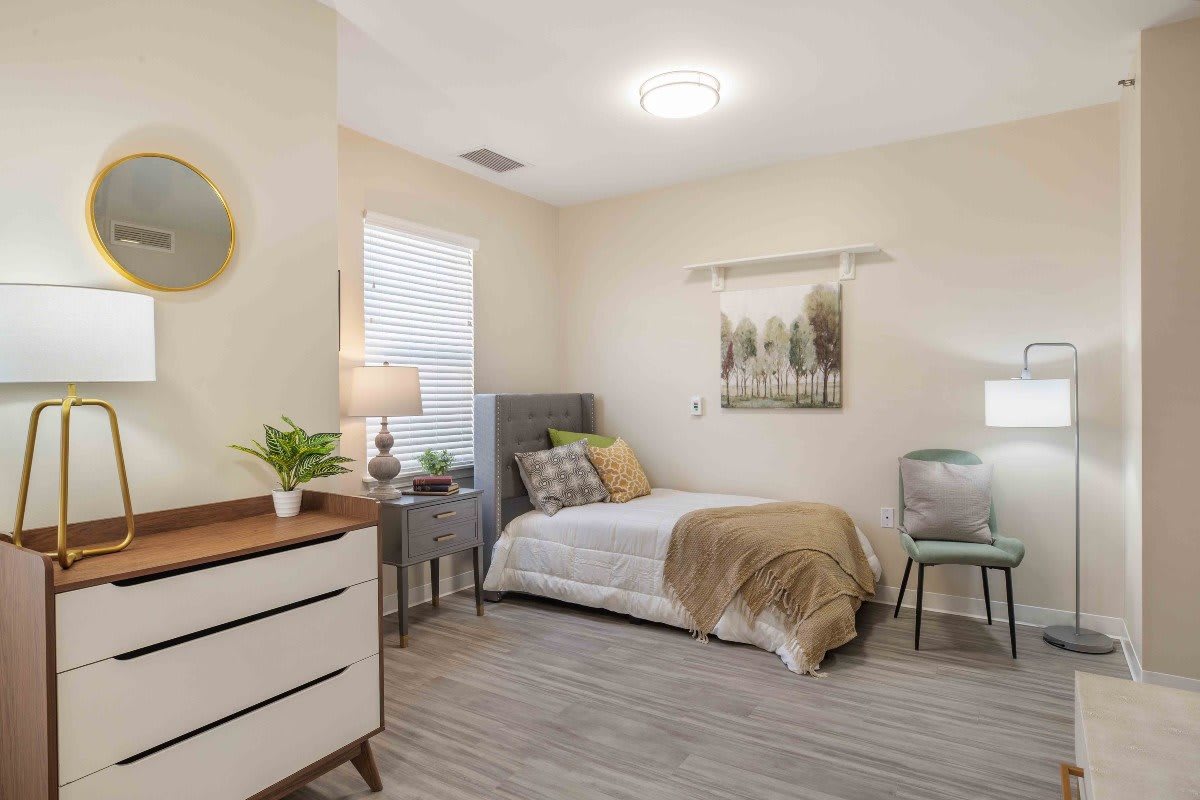
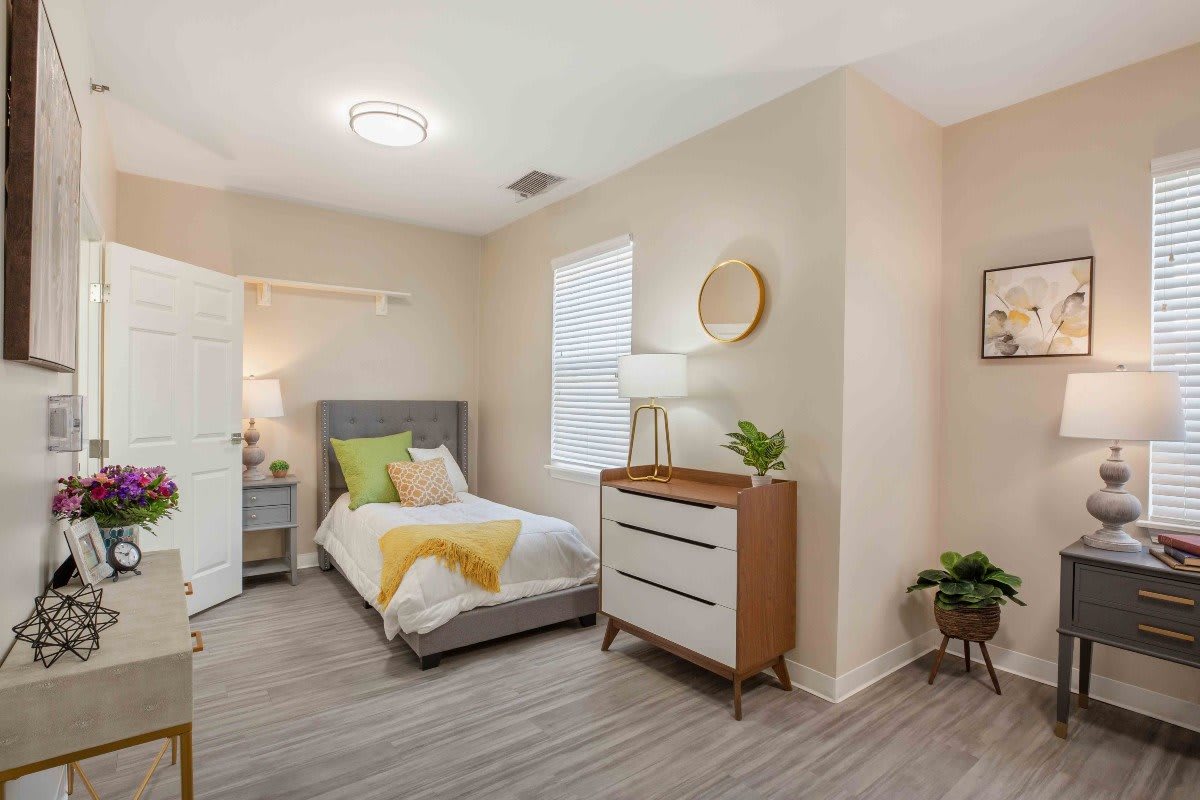
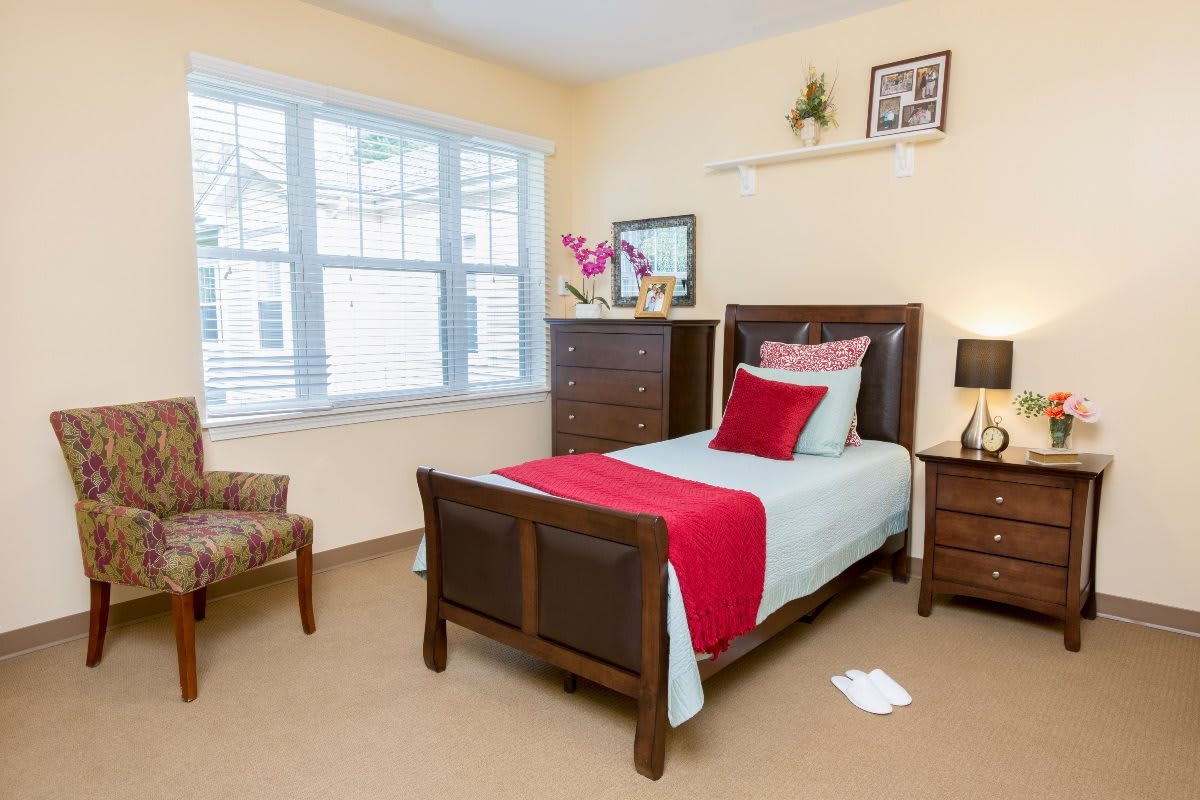
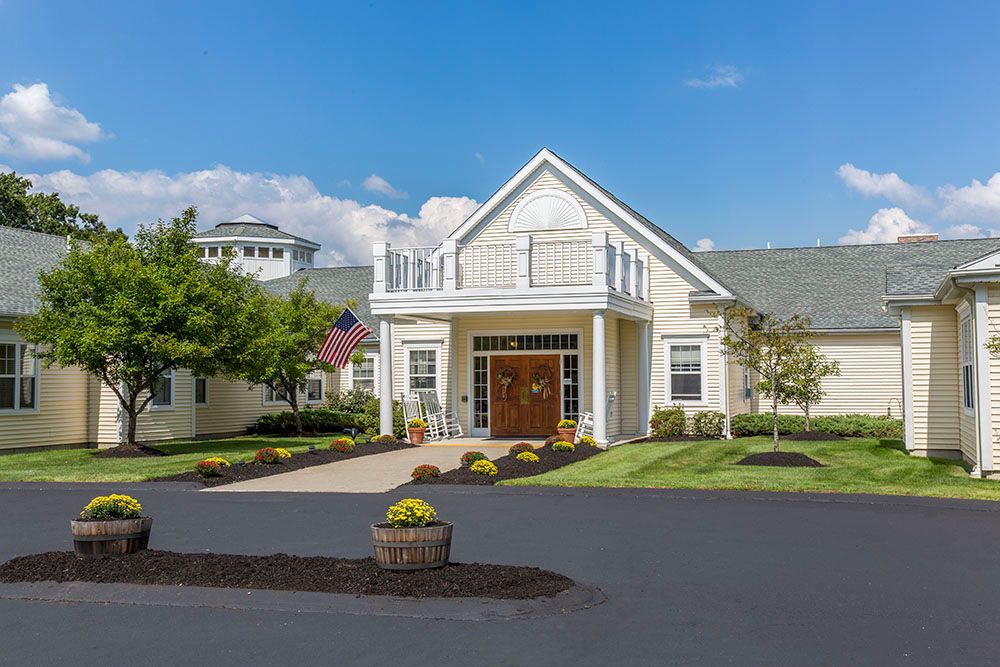
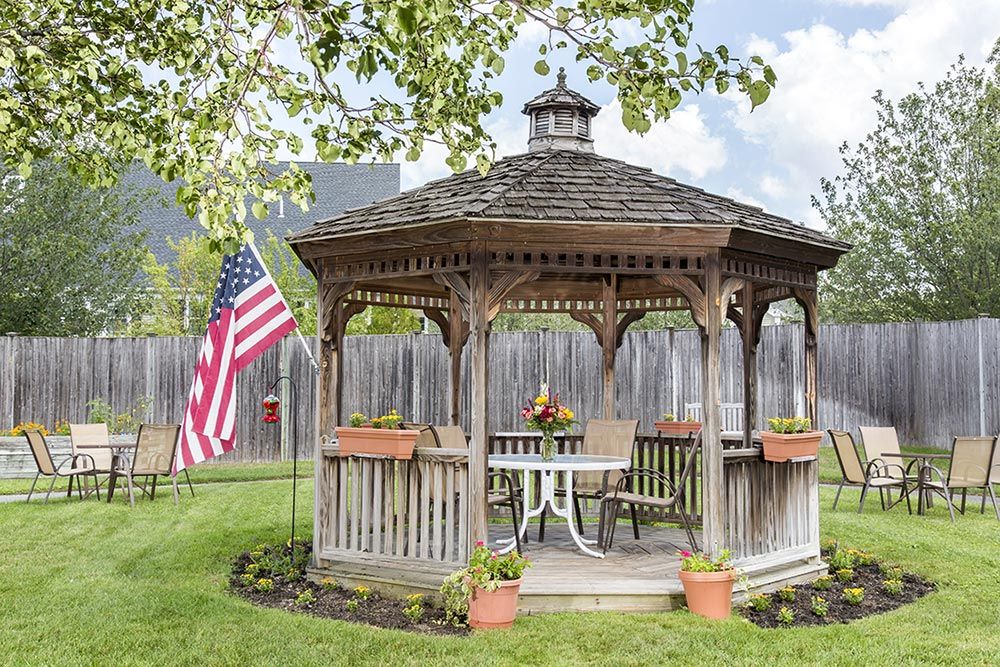
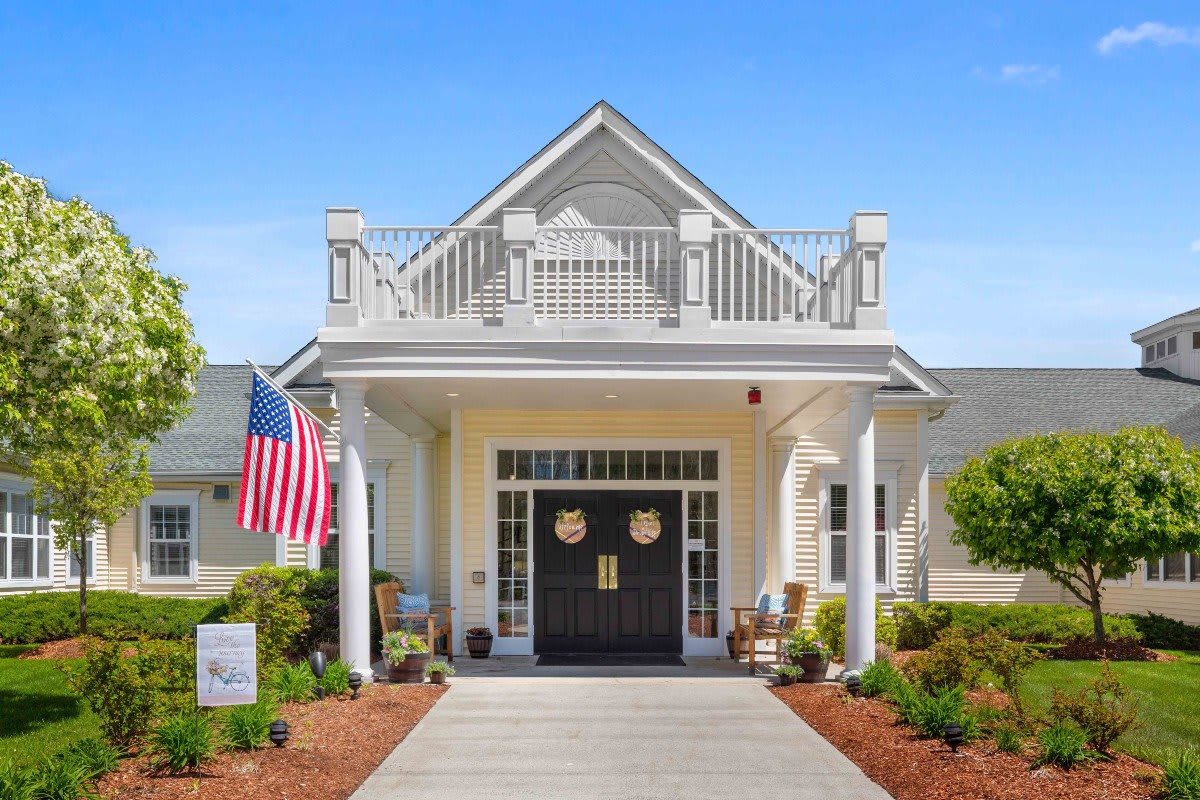
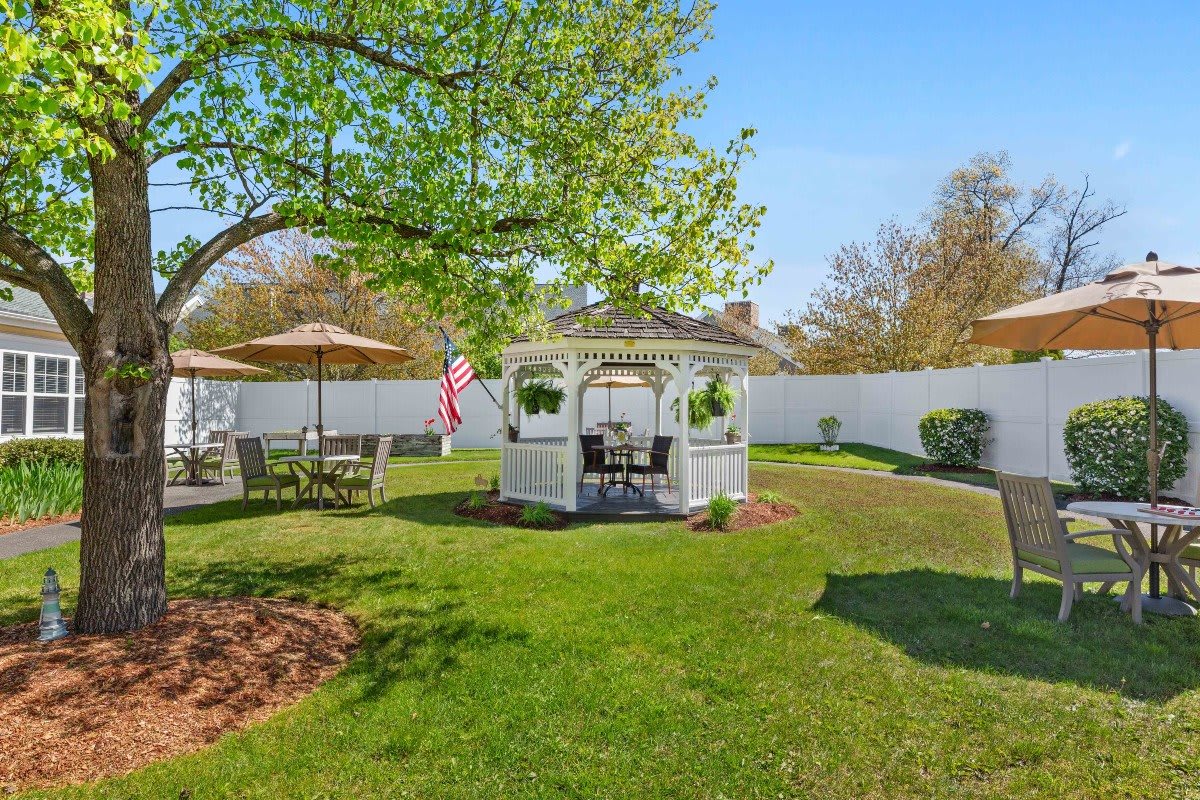
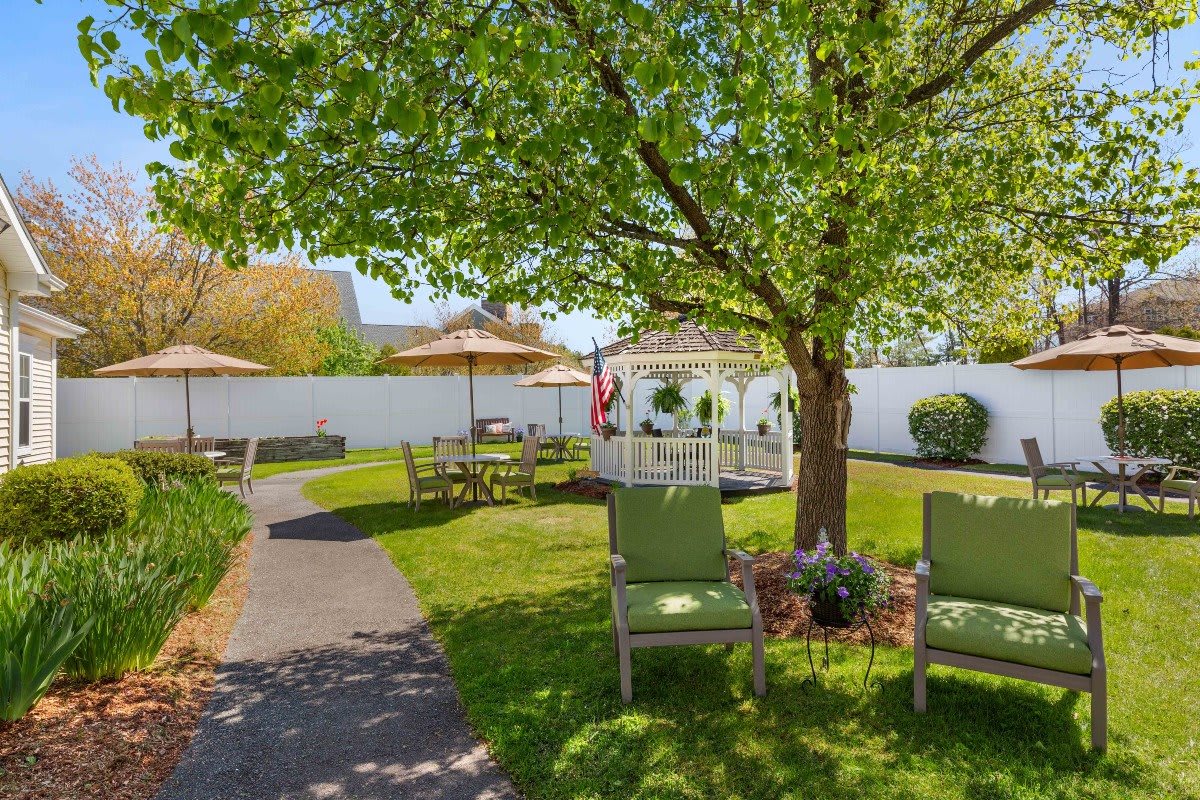
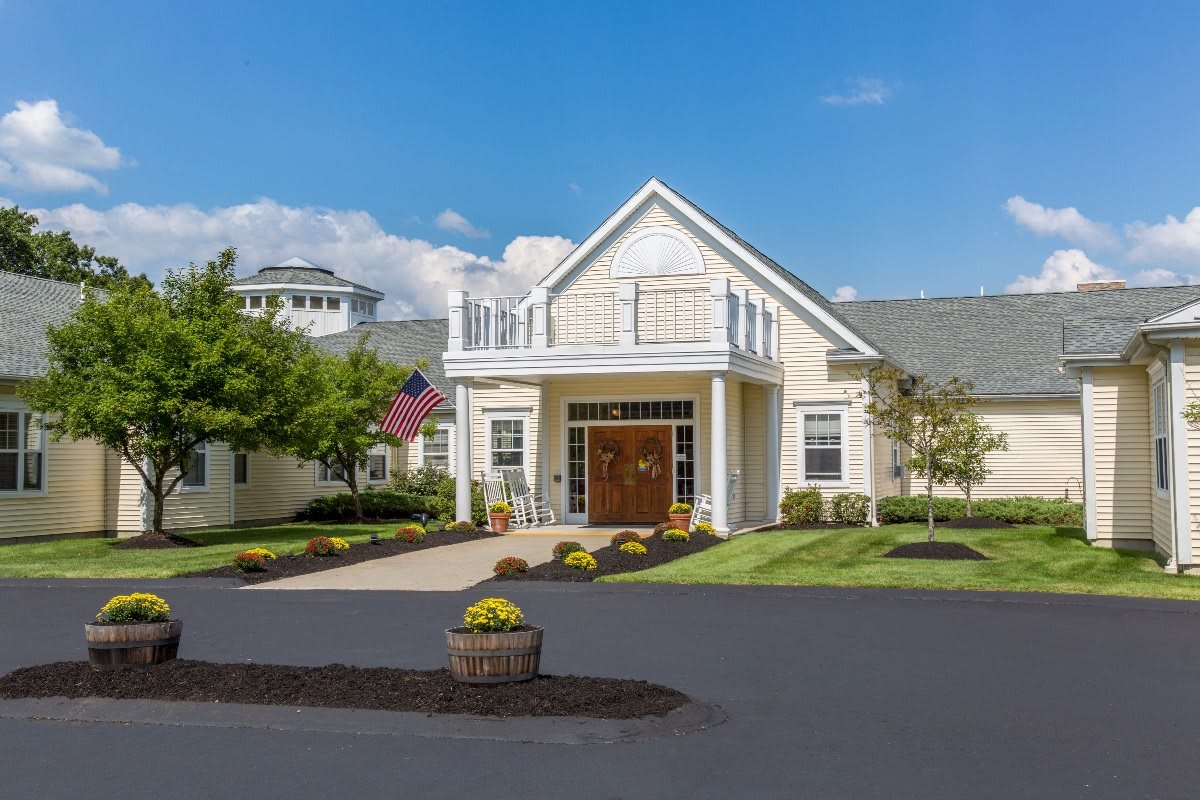
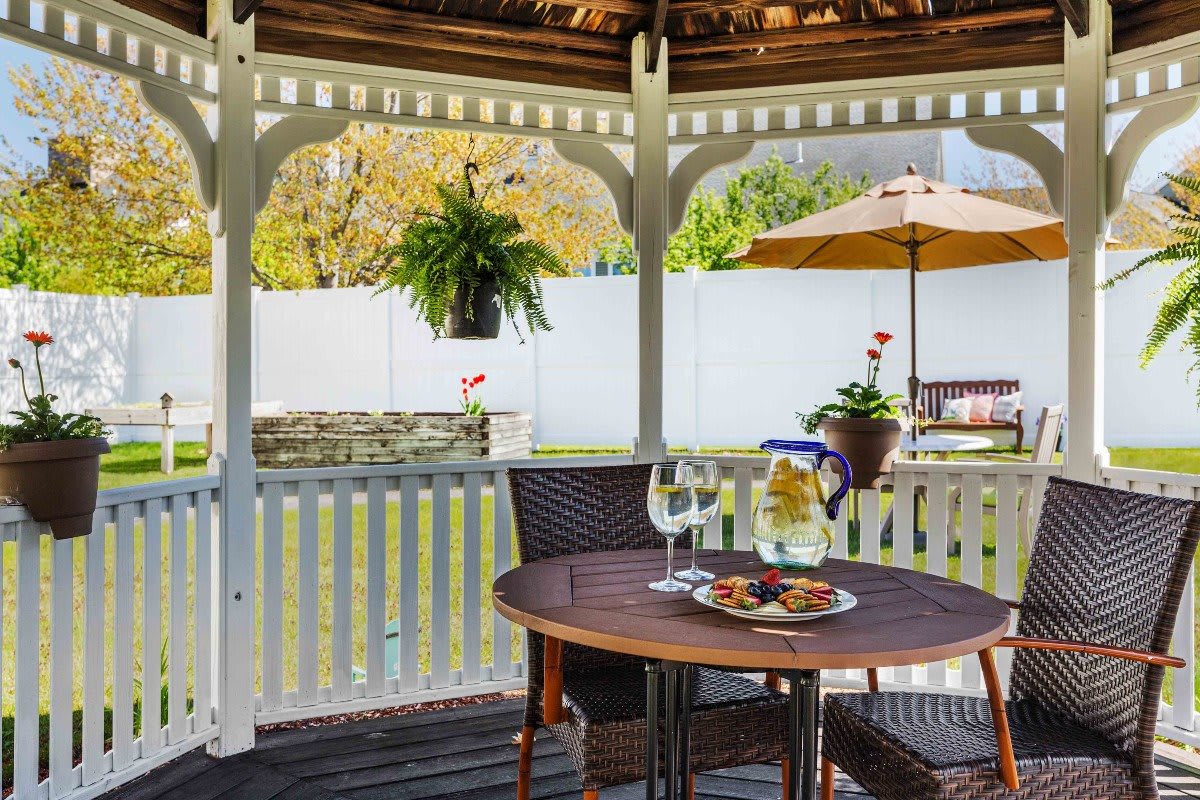
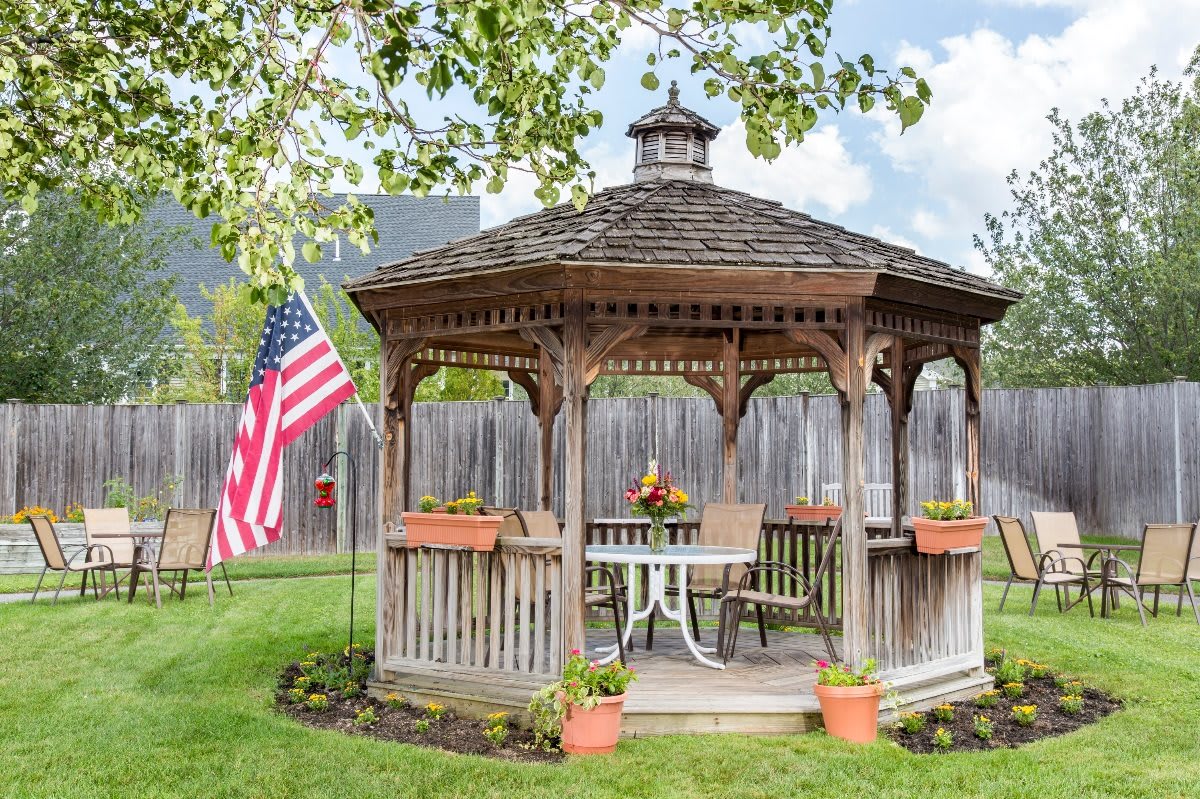
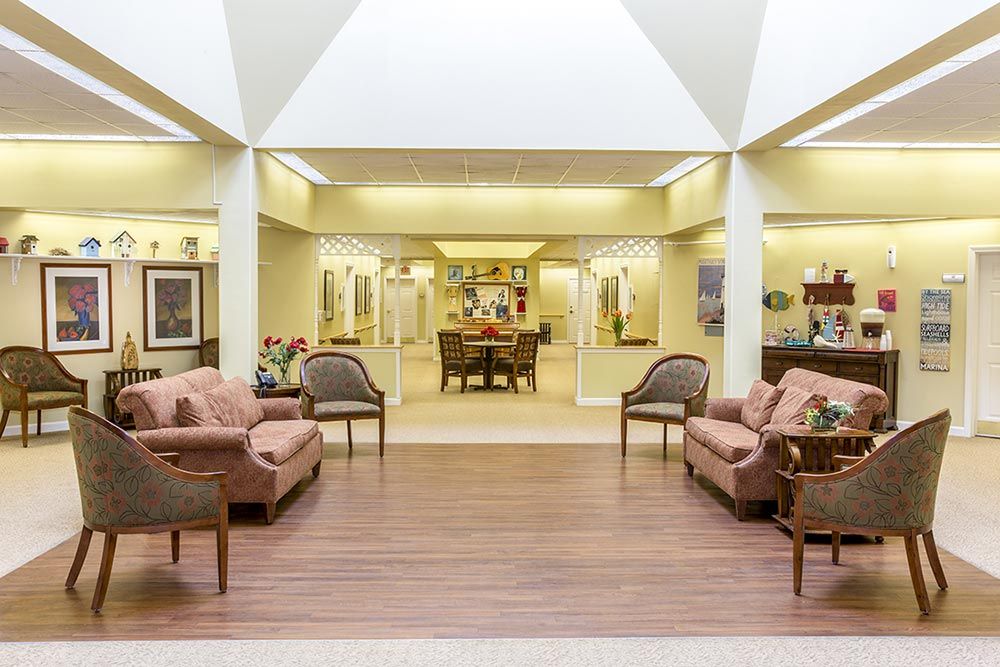
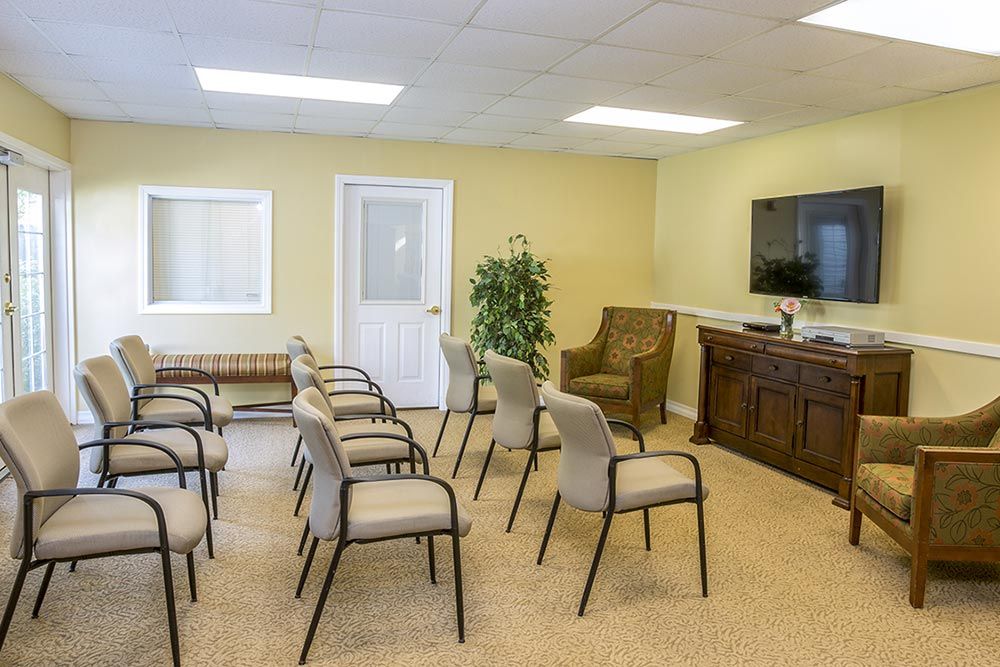
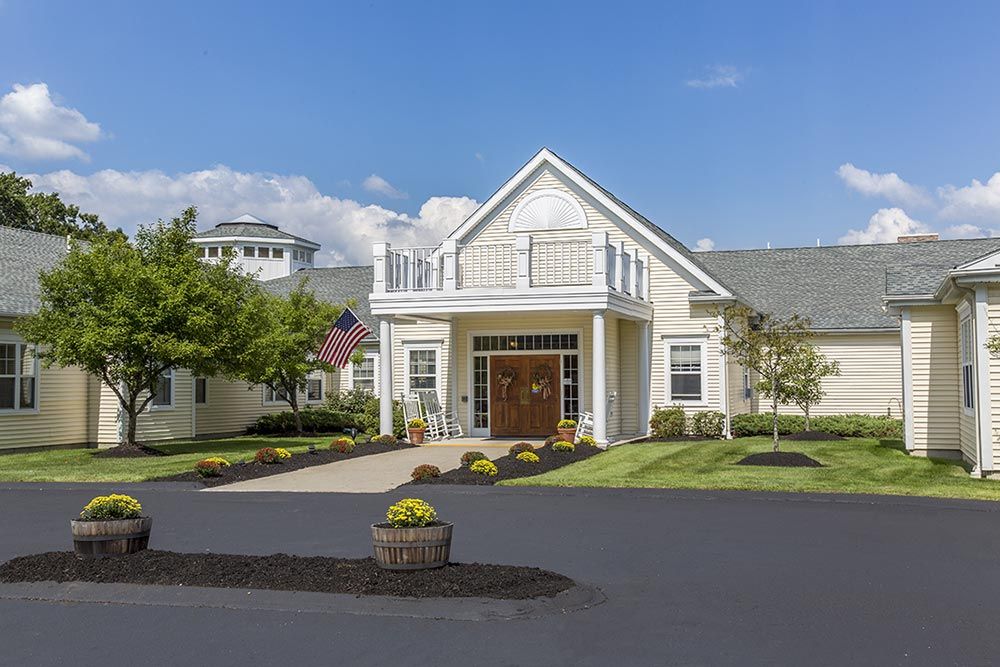
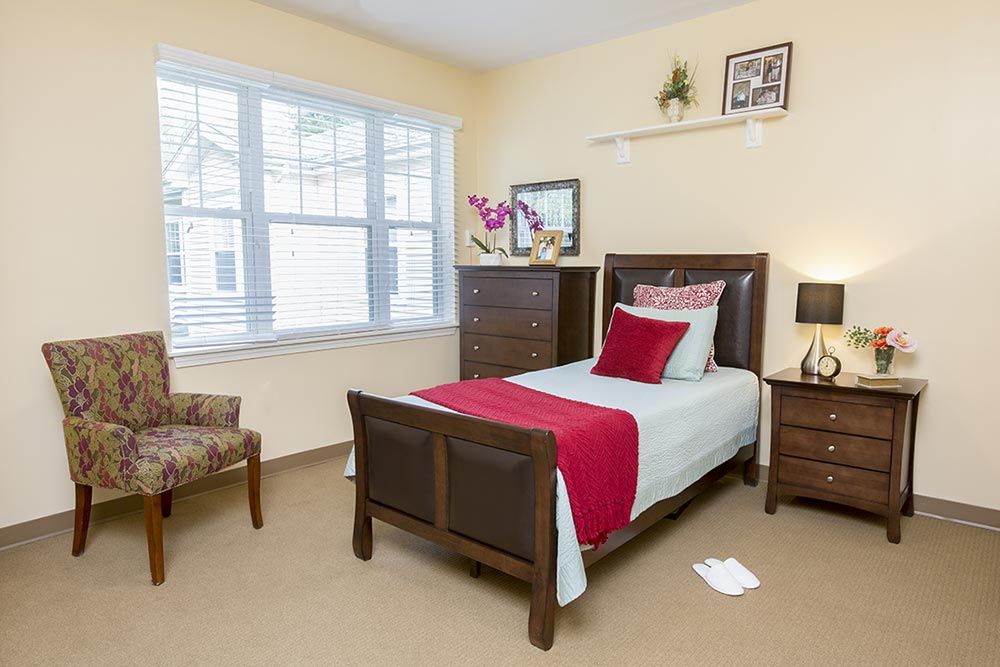
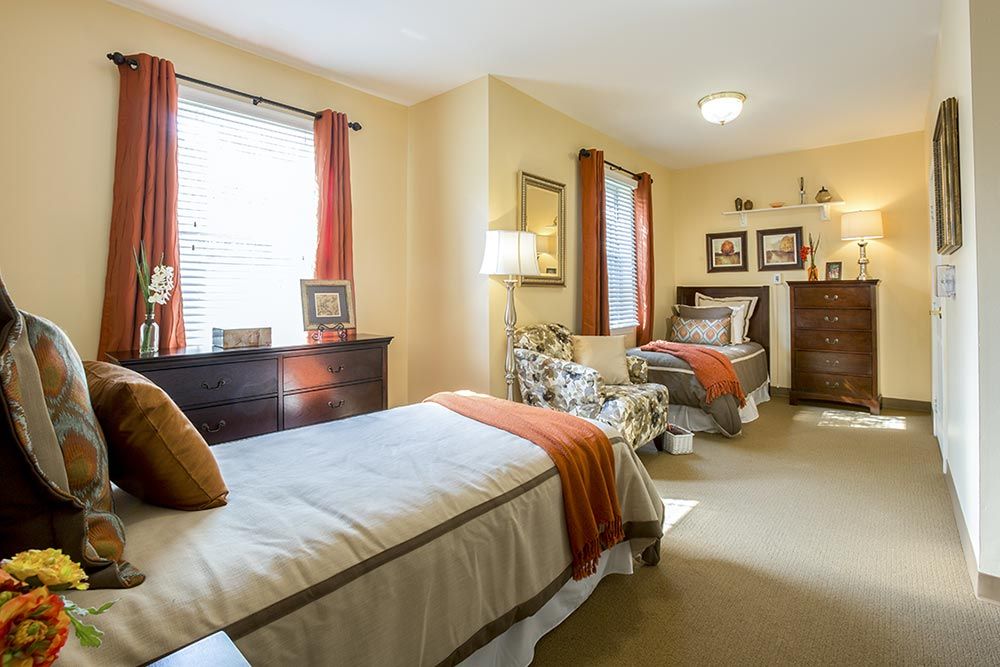
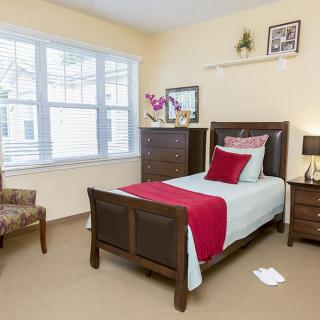
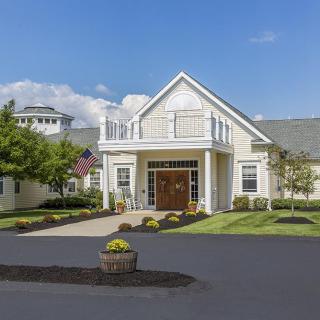
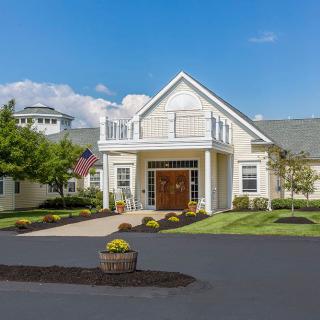
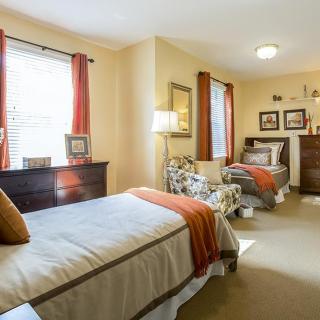
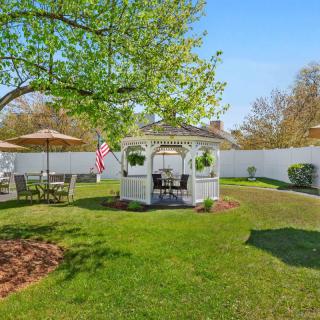
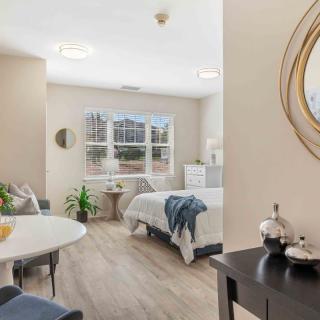
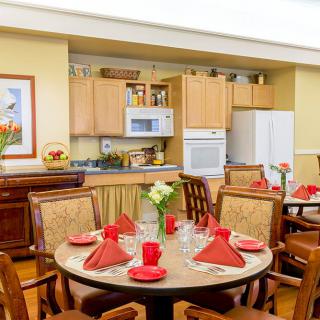
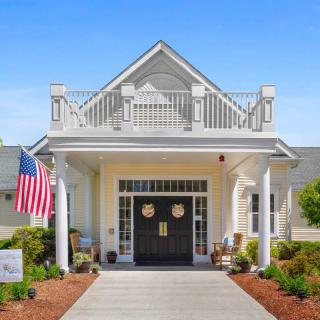
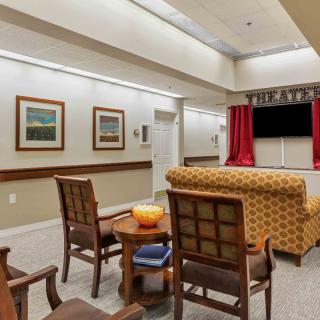
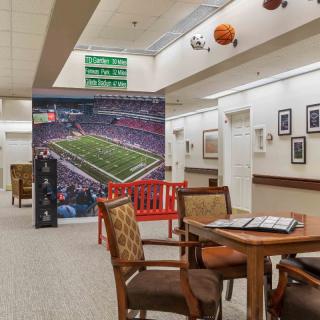
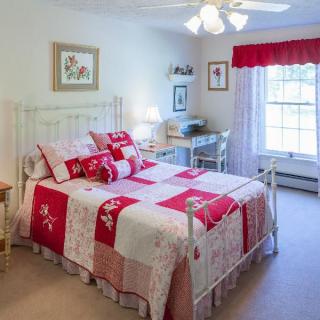
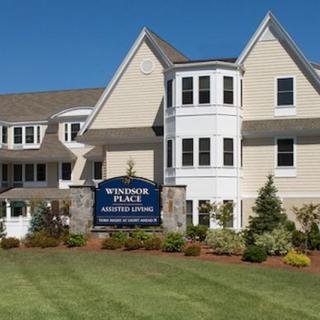
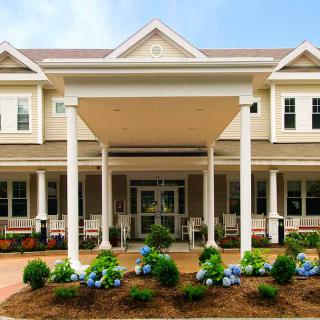
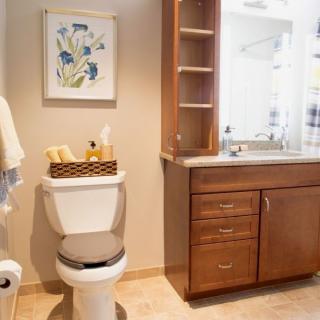
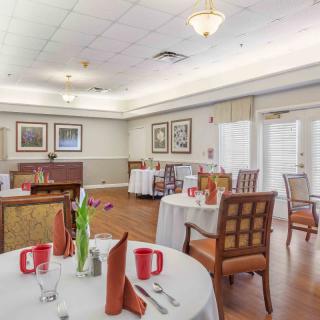
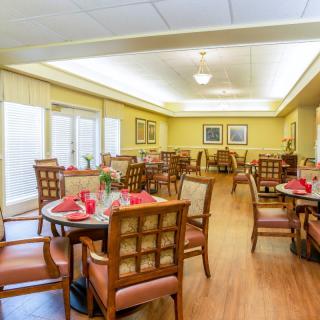
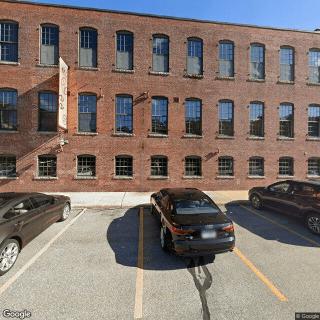
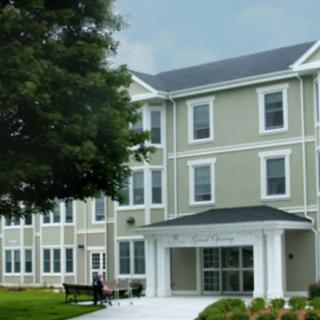
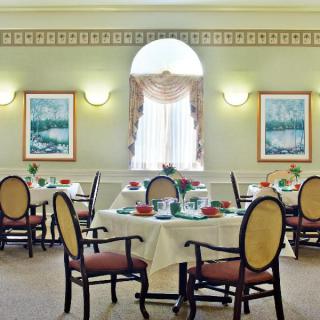
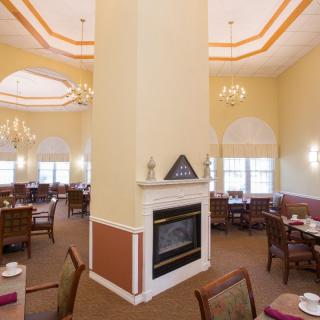
The Atrium At Drum Hill on seniors.fyi includes 31 photos including images showing interior, bedroom, decor, landscaping, floor plan, dining, garden, architecture, and more.
Nearby Communities
The Residence at Freeman Lake
North Chelmsford, MA
4.4 from 175 reviews
$4,995 to $6,400 / month
Attentive, compassionate staff with engaging activities and high-quality meals in a clean, well-maintained environment.
Palm Center
Chelmsford, MA
3.8 from 107 reviews
Caring, skilled staff with strong rehabilitation services.
Palm Manor
Chelmsford, MA
4.4 from 53 reviews
$7,920 to $8,250 / month
Friendly staff, clean rooms, and an effective rehab program.
A Place at Home - Merrimack Valley
North Chelmsford, MA
5 from 31 reviews
Caring, attentive staff with strong communication and flexible scheduling.
Northwood Rehabilitation & Healthcare Center
Lowell, MA
3.8 from 83 reviews
Caring staff and engaging activities in a light, airy environment.
Town And Country Health Care Center
Lowell, MA
2 from 9 reviews
Modern, well-equipped facility with extensive amenities and personalized care.
D'Youville Senior Care
Lowell, MA
4.1 from 55 reviews
Well-maintained memory center with attentive staff and engaging activities.
Regal Care at Lowell
Lowell, MA
3.8 from 43 reviews
$1,850 to $2,700 / month
Lower-than-average pricing with 24-hour supervision and furnished units.
Benchmark Senior Living at Chelmsford Crossings
Chelmsford, MA
4.5 from 113 reviews
$3,350 to $4,550 / month
Friendly staff with engaging activities and well-regarded dining.
The transition from assisted living to skilled nursing care is often prompted by complex medical needs that assisted living cannot meet, with key indicators including frequent health declines, increased falls, severe memory issues, and caregiver burnout. Families should recognize these signs early to discuss options with healthcare providers and prepare for the emotional and logistical aspects of moving to a facility that offers comprehensive medical support.
Dementia is characterized by cognitive decline, with nutrition playing a vital role in brain health; while no specific diet can prevent or reverse it, a nutrient-dense diet rich in antioxidants and healthy fats may support cognitive function. The MIND diet, which emphasizes beneficial foods and limits processed items, along with proper hydration and individualized meal strategies, can enhance the well-being of dementia patients.
Dementia affects memory and cognitive function in older adults, presenting challenges for caregivers due to behavioral changes such as confusion and mood swings. Compassionate, person-centered care that considers individual history and preferences, along with effective communication and environmental modifications, is essential for supporting both patients and their caregivers.
Get PricingAsk A QuestionSchedule A TourContact Senior Advisor
By clicking submit, you agree to our Partner's Terms of Use. You
also consent to receive calls and texts, which may be autodialed, from our Partner. Your consent is not a condition to
using our Partner's service. Please visit our Partner's Privacy Policy for information about their privacy practices.






 44 resident community capacity
 Studio apartments
 Day Program
 Memory Care
 Cats allowed
 Dogs allowed
 Air-conditioning
 Beautician on-site
 Cable or satellite TV
 Computer center
 Devotional services off-site
 Dining room
 Financing advice
 Fitness room
 Fully furnished
 Garden
 Ground floor units
 Guest parking
 Handicap accessible
 Housekeeping services
 Indoor common areas
 Kitchenette
 Laundry
 Move-in coordination
 Outdoor common areas
 Outdoor patio
 Overnight guests
 Party space
 Private bathrooms
 Respite or short term stays offered
 Restaurant-style dining
 Security gate
 Small library
 Telephone
 Wellness center
 Wheelchair accessible showers
 Wi-Fi/high-speed internet available
 Manchester (21 miles away)
 Transportation & parking
 12-16 hour nursing
 24-hour call system
 Assistance with bathing
 Assistance with dressing
 Assistance with transfers
 Diabetes diet
 Diabetic care
 High acuity care
 Hospice care
 Incontinence care
 Medication management
 Mental wellness program
 Physical therapy
 Special dietary restrictions
 Transportation arrangement (medical)
 Art classes
 Book club
 Catholic services
 Cooking classes
 Educational speakers / life long learning
 Games
Games Jewish services
 Live musical performances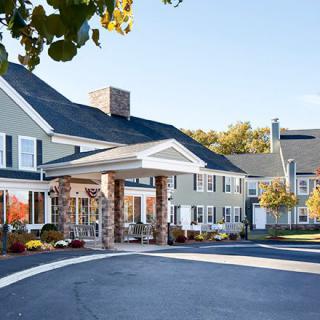
 Attentive, compassionate staff with engaging activities and high-quality meals in a clean, well-maintained environment.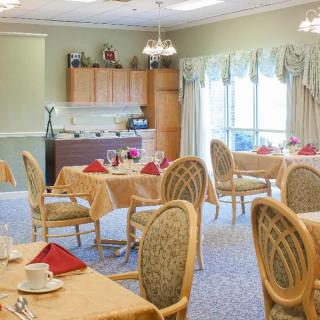


 8 Key Indicators That Suggest It May Be Time to Transition from Assisted Living to Skilled Nursing Care
 Nourishing the Mind: Essential Dietary Approaches for Dementia
 Understanding Dementia Behaviors: Practical Insights and Strategies for Caregivers