The Atrium at Cardinal Drive offers competitive pricing for its services, particularly when compared to the broader market in Hampden County and across Massachusetts. For a semi-private room, residents can expect a monthly cost of $6,200, which is notably higher than the county average of $4,955 and the state average of $5,805. Similarly, studio accommodations are priced at $7,250, exceeding both the Hampden County average of $4,052 and the Massachusetts average of $5,312. While The Atrium's costs may be on the higher end of the spectrum, they often reflect a commitment to quality care and comprehensive amenities that can significantly enhance the resident experience.
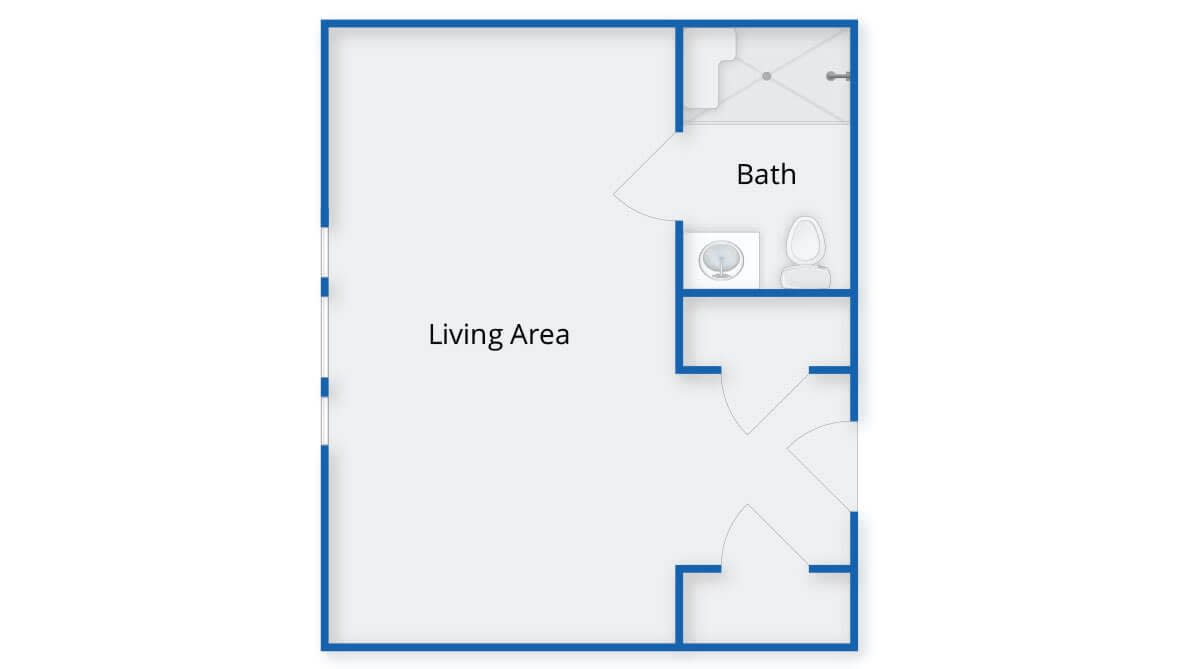
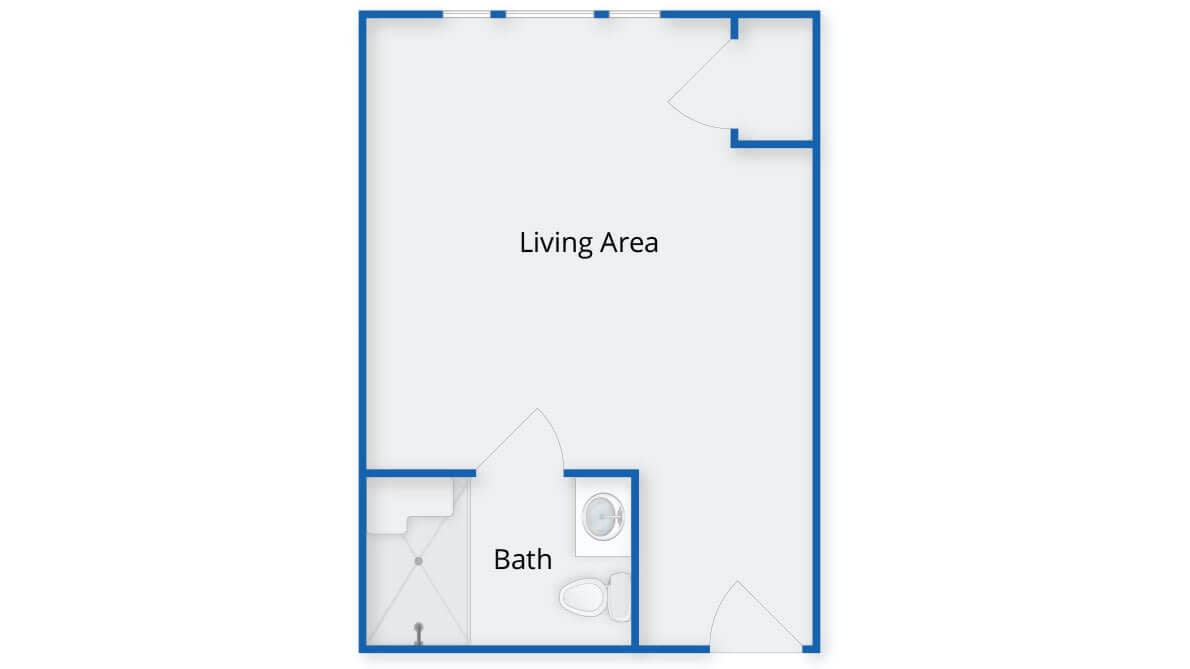
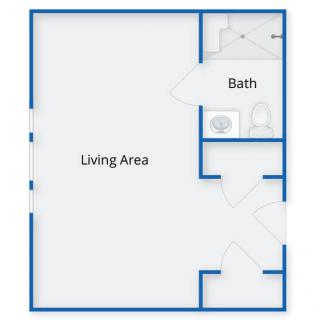
Floor plans
The Atrium at Cardinal Drive
Hampden County
Massachusetts
Semi-Private
$6,200
$4,955
$5,805
Studio
$7,250
$4,052
$5,312
Memory care communities with a similar price nearby
Residents’ dementia-focused care is consistently described as the community’s specialty.
Multiple reviews say the community is designed for dementia and memory care, with staff able to meet residents where they are. Several families describe meaningful improvements after moving in, including less agitation and better participation in daily routines. Reviewers also highlight a memory-care neighborhood feel, including shared spaces that make it easier for residents to stay engaged without long confusing hallways.
common22 reviews mention this
Staff communication and responsiveness
Care teams are repeatedly described as responsive, respectful, and easy to reach.
Across reviews, families describe frequent availability and good communication, including updates on medical issues and quick responses to questions. Many mention that staff treat residents with dignity and kindness, and that aides and nurses take time to understand individual preferences. A few reviews also describe family reassurance through consistent check-ins and clear coordination during challenging periods.
common10 reviews mention this
Food and dining stand out
Dining is frequently praised for quality and variety.
Residents and families describe the food as excellent and appetizing, with meals that include multiple choices for at least some days. Several reviews connect dining to daily comfort, and mention that meals are provided as part of the overall monthly offering. The menu flexibility—such as accommodating a resident who doesn’t want what’s served—is also noted in feedback.
caveat6 reviews mention this
Cost feels out of reach
Pricing is a recurring reason some families choose not to proceed.
Several reviewers call the community expensive and say it was out of their budget, even when they liked other aspects of the setting. One review also mentions a limitation around accepting Medicaid, framing it as an out-of-pocket concern. Even with positive care feedback, cost comes up often enough to be a meaningful tradeoff for prospective families.
common7 reviews mention this
Clean, with few odor concerns
Reviews commonly mention a clean environment without noticeable odors.
Multiple families describe the facility as very clean and well maintained, often adding that there is no unpleasant smell. Some reviews pair this with observations of a bright, home-like setting and neat conditions in resident areas. A minority of feedback focuses less on cleanliness and more on other issues, but the cleanliness theme stays consistent across many visits and timeframes.
caveat2 reviews mention this
Medication coverage can be limited
At least a couple reviews raise concerns about medication timing or coverage.
One reviewer visiting the community describes a staffing coverage gap for medication administration outside a stated on-site window, suggesting problems for residents who need emergency medications. Another reviewer reports a serious medication error that contributed to a fall and fracture, while noting it was being worked on. These comments contrast with broader praise for care teams, but they remain notable cautions in the reviews.
How we summarize
Counts show how many written reviews mention each theme; a review can touch several themes, and only frequently mentioned themes are displayed.
Features
Housing
44 resident community capacity
Studio apartments
Types of Care
Day Program
Memory Care
Pets
Cats allowed
Dogs allowed
Amenities
Activities off-site
Activities on-site
Air-conditioning
Bath tubs
Beautician on-site
Beauty salon
Cable or satellite TV
Computer center
Devotional services on-site
Dining room
Financing advice
Fitness room
Fully furnished
Garden
Ground floor units
Guasts at mealtime
Guest parking
Handicap accessible
Housekeeping services
Indoor common areas
Kitchenette
Laundry
Move-in coordination
Outdoor common areas
Outdoor patio
Outdoor space
Party space
Private bathrooms
Respite or short term stays offered
Security gate
TV room
Telephone
VA Benefits Consultation
Wellness center
Wheelchair accessible showers
Wi-Fi/high-speed internet available
Transportation
Bradley International (10 miles away)
Transportation & parking
Transportation arrangement
Transportation arrangement (non-medical)
Care Services
24-hour call system
24-hour supervision
Activities of daily living assistance
Assistance with bathing
Assistance with dressing
Assistance with transfers
Coordination with health care providers
Dementia waiver
Diabetes diet
Diabetic care
High acuity care
Hospice waiver
Incontinence care
Meal preparation and service
Medication management
Mental wellness program
Mild cognitive impairment
Special dietary restrictions
Specialized memory care programming
Transportation arrangement (medical)
Transportation to doctors appointments
Dining
Diabetes diet
Guest meals
Low / no sodium
Low fat
Meals provided
No Sugar
Professional chef
Restaurant style dining
Special dietary restrictions
Special dining programs
Vegetarian
Activities
Activities off-site
Art classes
Arts and crafts
Community-sponsored activities
Cooking classes
Cooking club
Day trips and outings
Devotional activities on-site
Educational speakers / life long learning
Fitness programs
Games
Gardening club
Karaoke
Live musical performances
Live well programs
Other religious services
Religious services
Resident-run activities
Scheduled daily activities
Stories
Stretching classes
Tai Chi
Visiting chaplain or priest
Wii bowling
Nearby Places of Interest
This part of Agawam, Massachusetts offers a convenient location with easy access to a variety of medical facilities, including physicians, pharmacies, and hospitals within a few miles radius. There are several restaurants nearby offering a range of dining options, as well as cafes for a quick bite or coffee. The area also has several parks where you can enjoy outdoor activities and nature walks. Transportation is easily accessible with Springfield Union Station just 2.6 miles away. Overall, this part of Agawam provides a combination of healthcare resources, dining options, recreational opportunities, and transportation convenience for seniors looking to settle in the area.
Physicians
Riverbend Medical Group (0.6 miles)
Madonna M. Santos OD (0.6 miles)
Hampden County Physician Associates (1.4 miles)
Pediatric Associates of Hampden County of West Springfield (1.5 miles)
The Atrium at Cardinal Drive offers competitive pricing for its services, particularly when compared to the broader market in Hampden County and across Massachusetts. For a semi-private room, residents can expect a monthly cost of $6,200, which is notably higher than the county average of $4,955 and the state average of $5,805. Similarly, studio accommodations are priced at $7,250, exceeding both the Hampden County average of $4,052 and the Massachusetts average of $5,312. While The Atrium's costs may be on the higher end of the spectrum, they often reflect a commitment to quality care and comprehensive amenities that can significantly enhance the resident experience.
The Atrium at Cardinal Drive enhances the quality of life for residents with dementia and Alzheimer's disease through a comprehensive suite of features tailored to their unique needs. Continuous 24-hour supervision ensures that individuals are always monitored, providing safety and immediate assistance when required. Personalized support with activities of daily living--including bathing, dressing, and transfers--helps maintain dignity while promoting independence. Coordination with healthcare providers and effective medication management fosters optimal health outcomes, while specialized memory care programming engages residents in cognitive-enhancing activities that stimulate mental wellness. The meal preparation service addresses nutritional needs, ensuring balanced diets are maintained, while incontinence care offers comfort without embarrassment. Additionally, arranged transportation for medical appointments supports continuity of care, creating an environment where residents feel secure and valued as they navigate the challenges posed by their conditions.
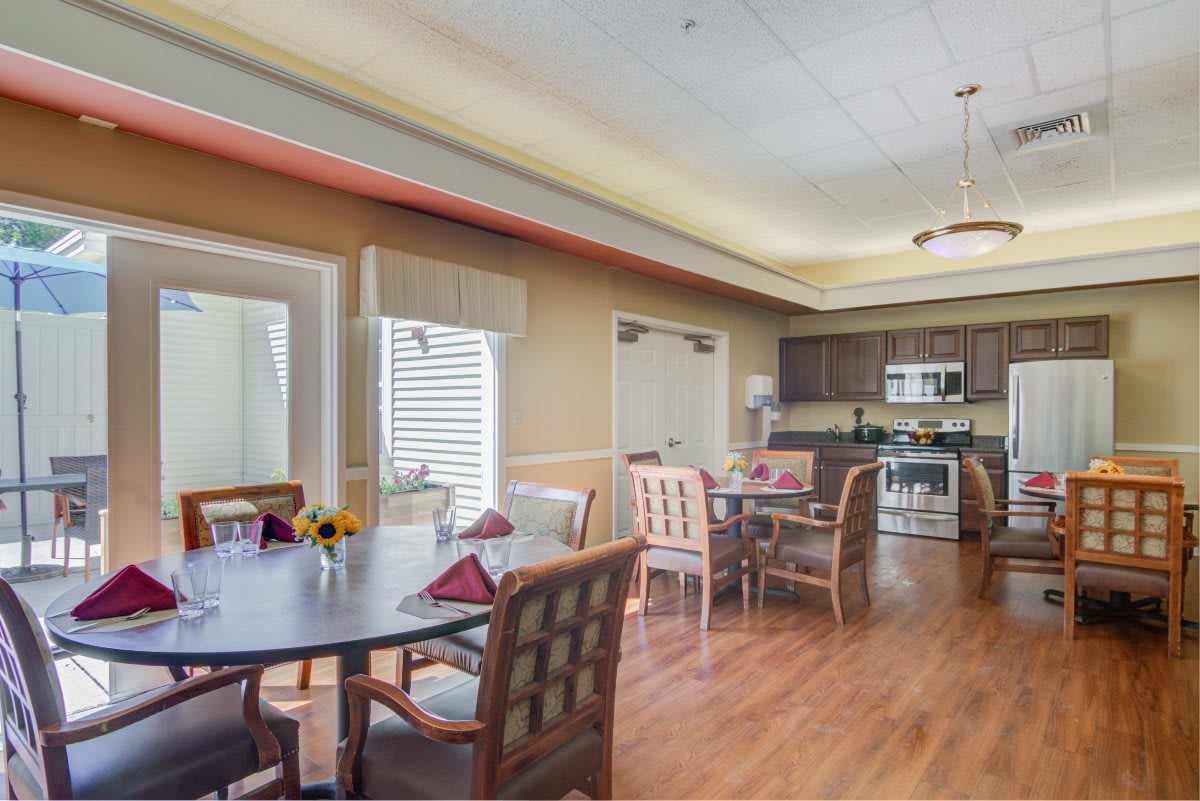
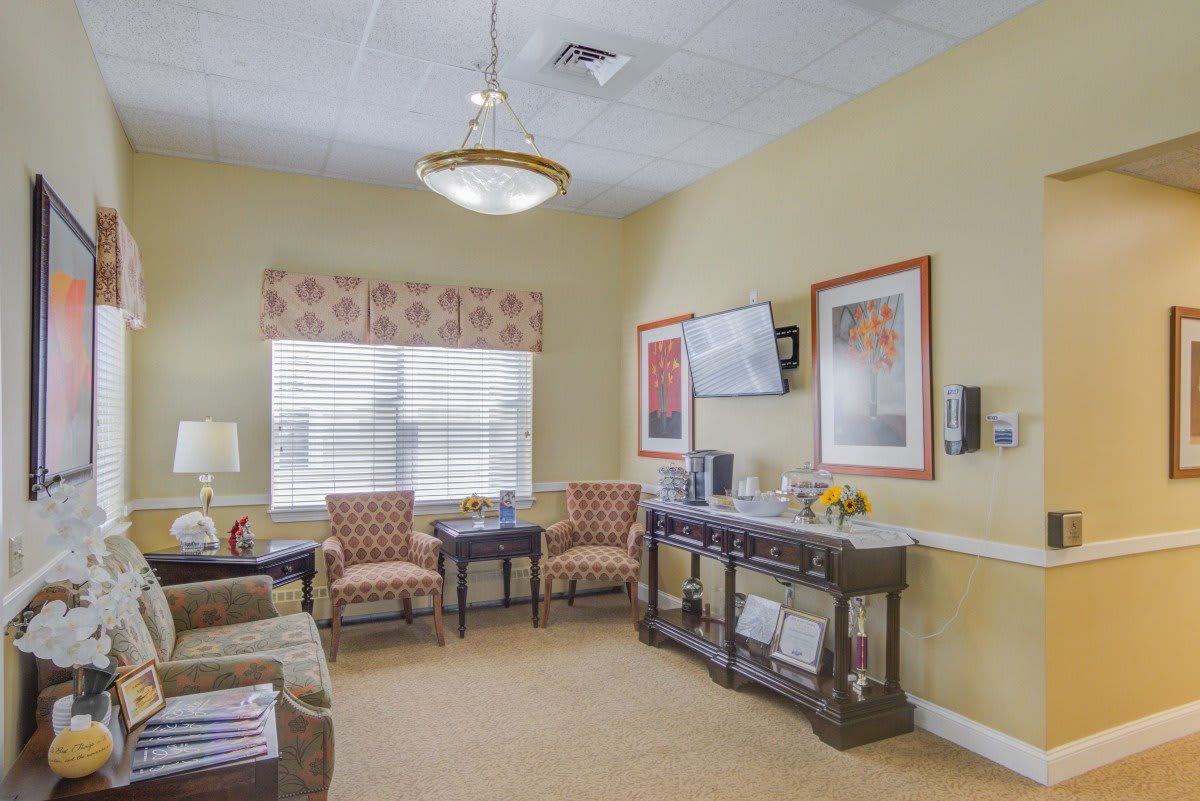
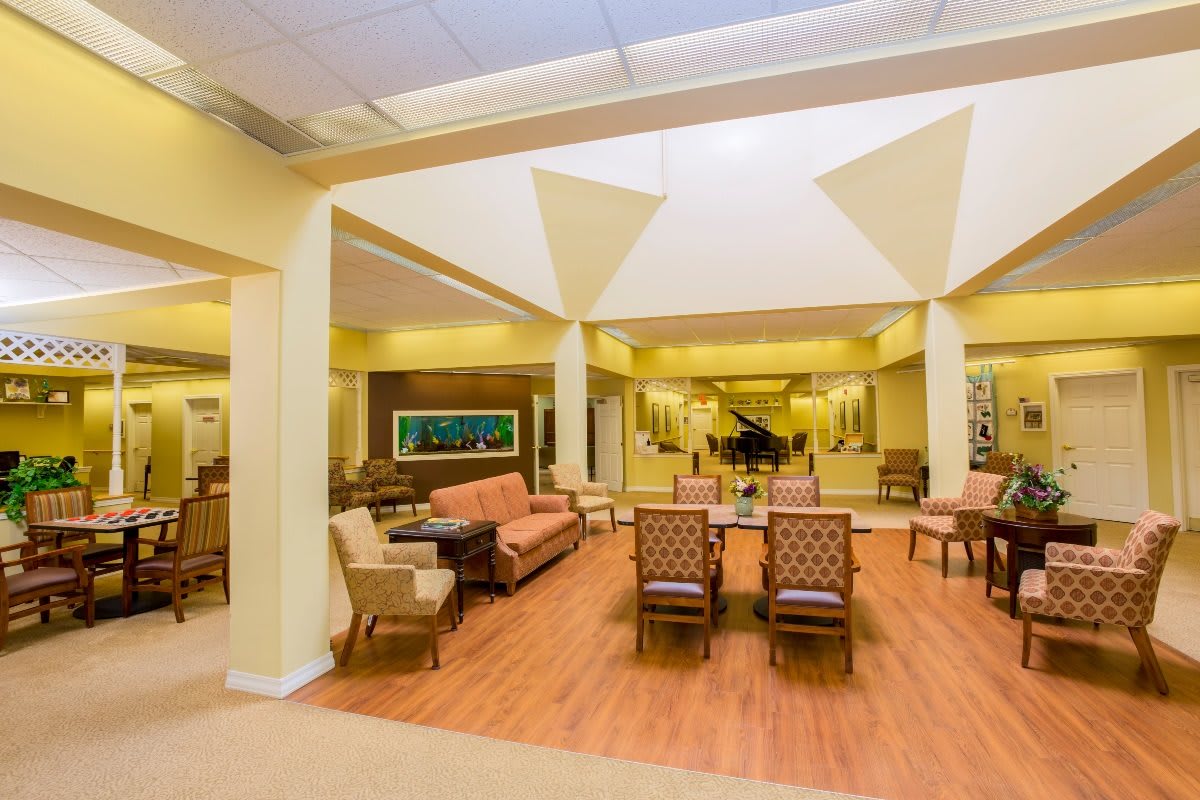
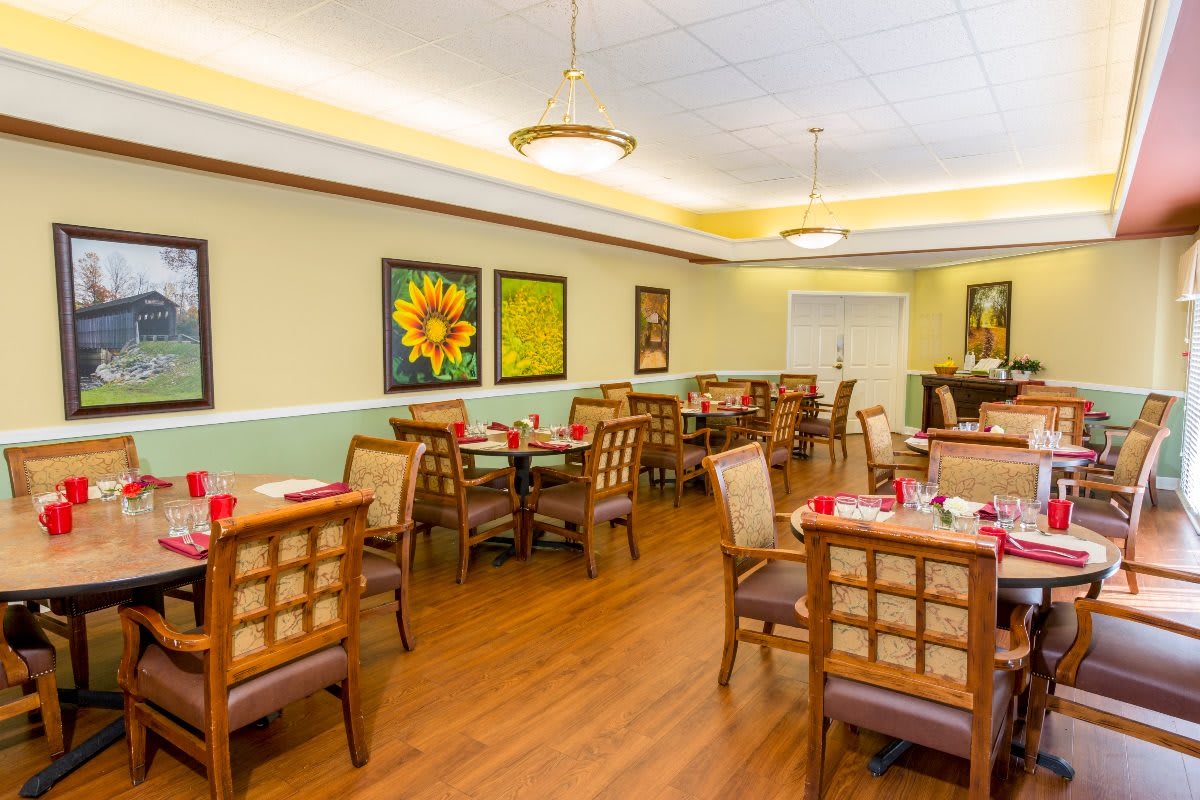
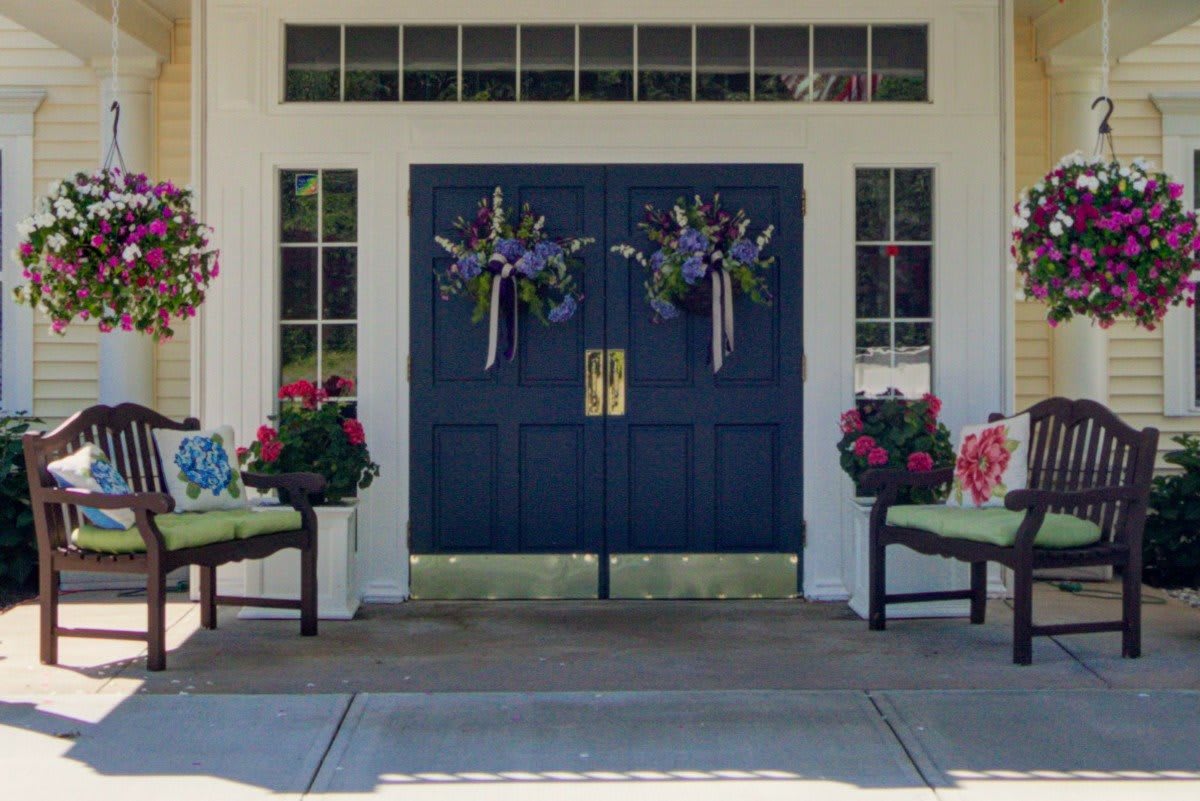
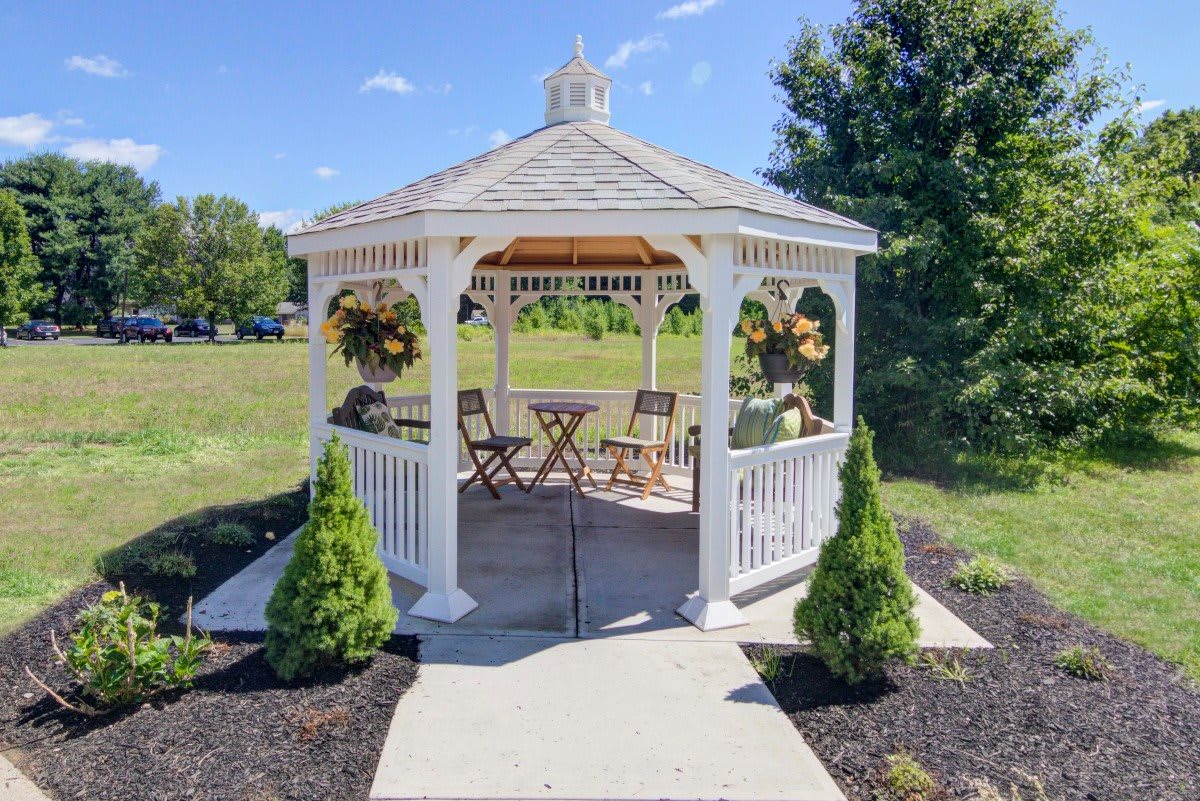
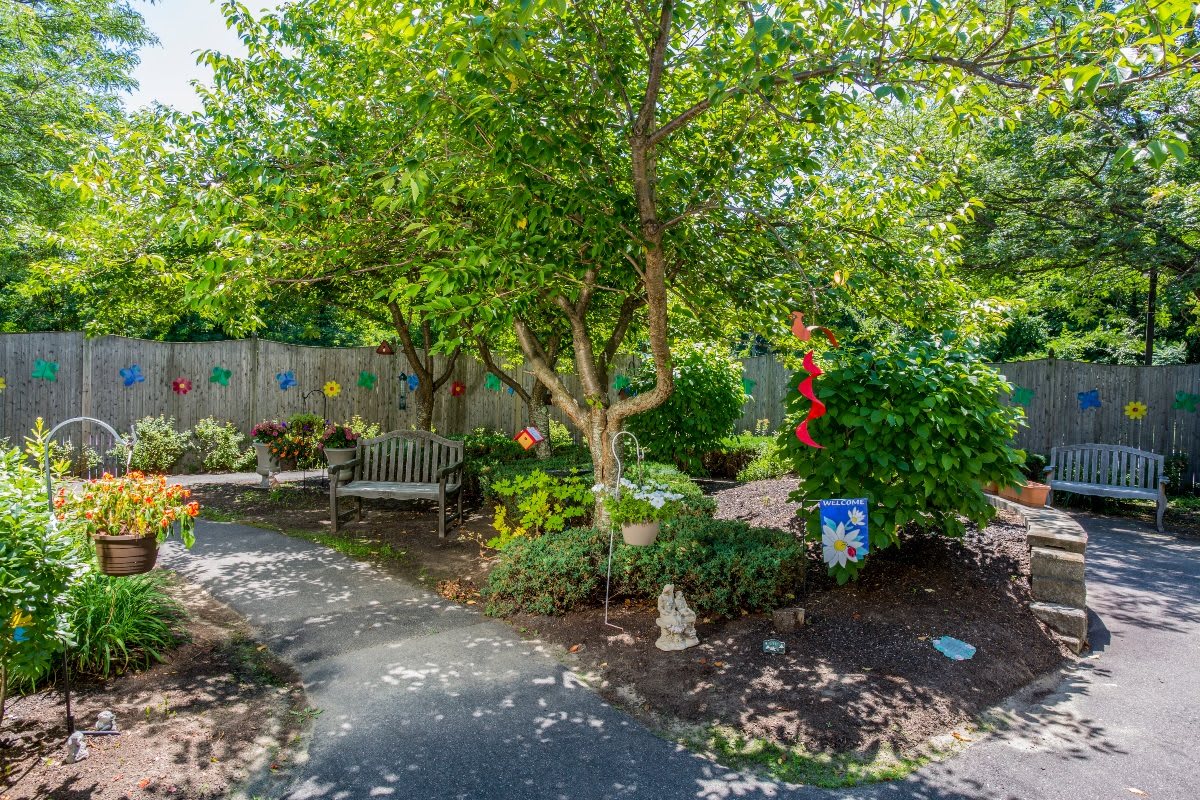
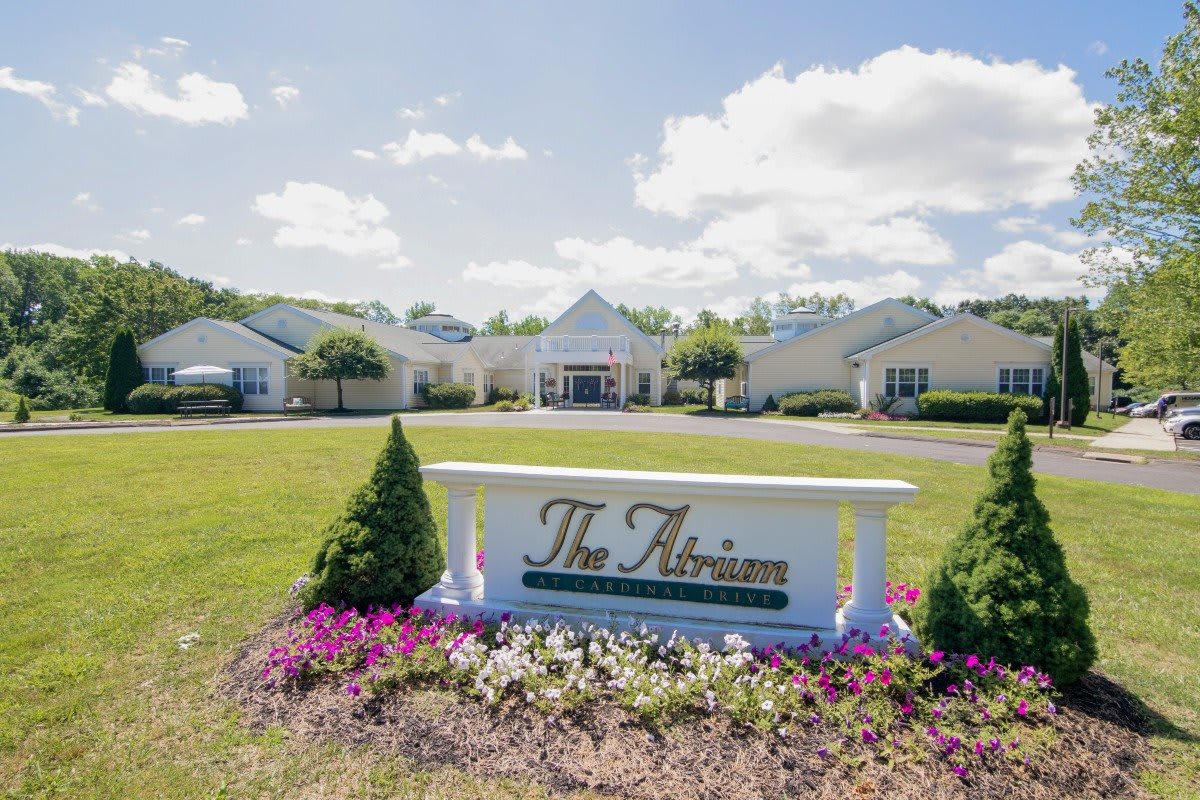
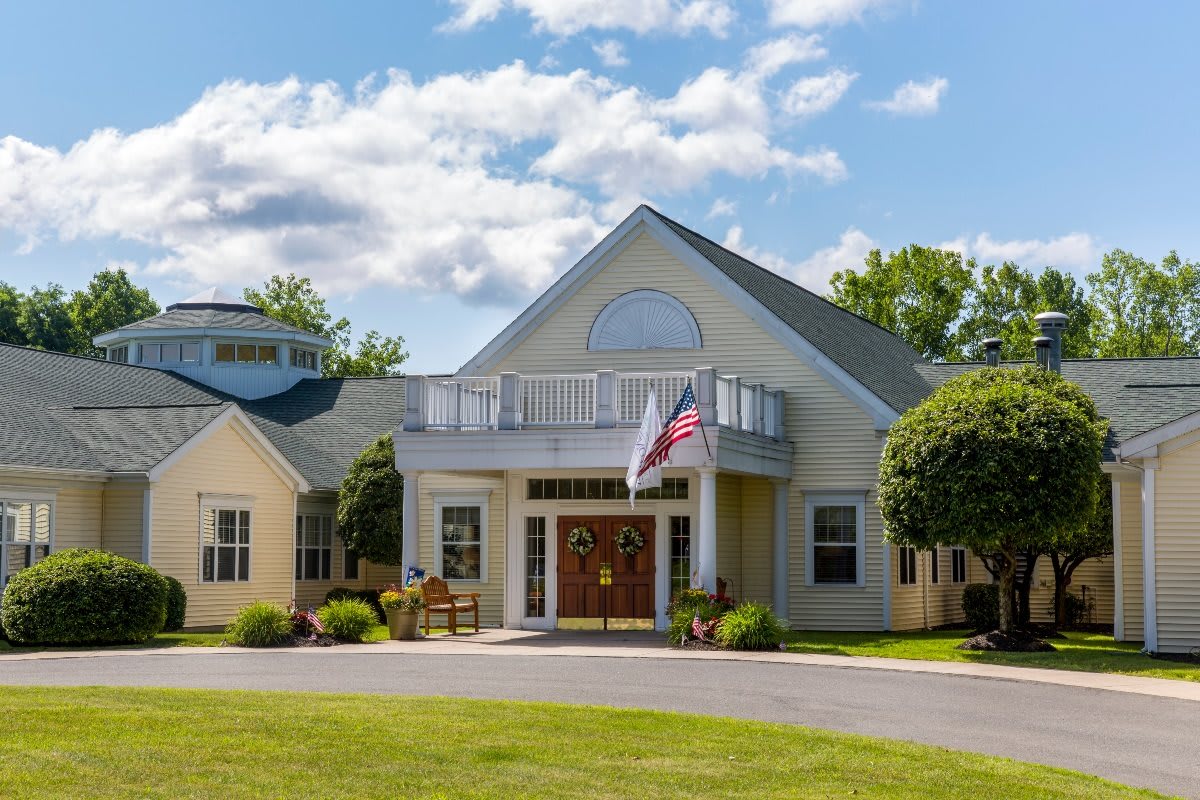
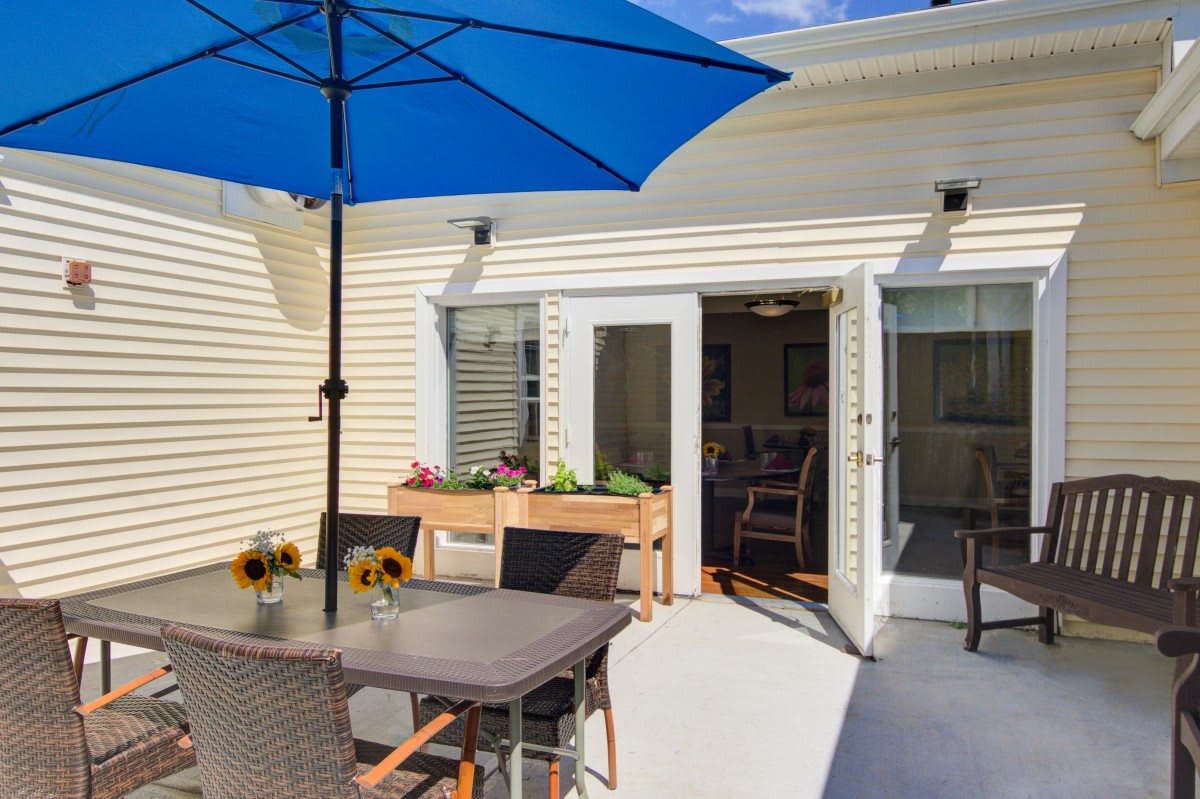
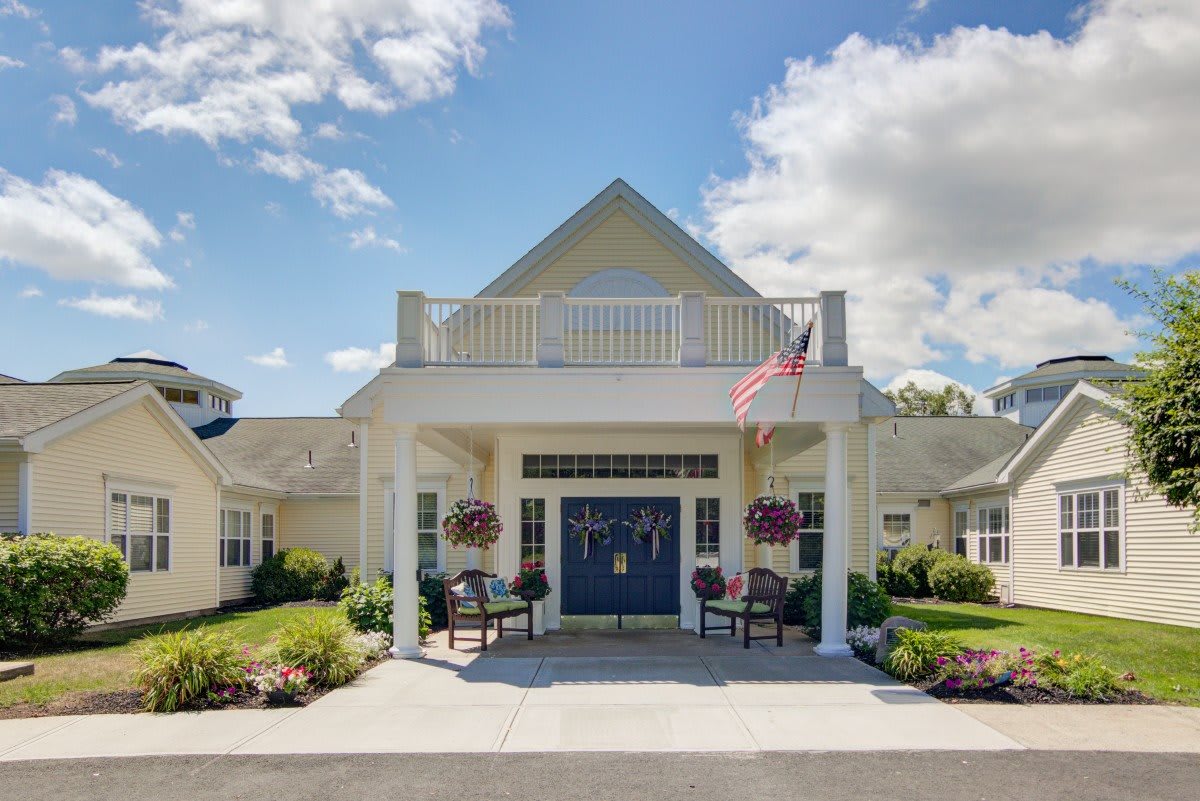
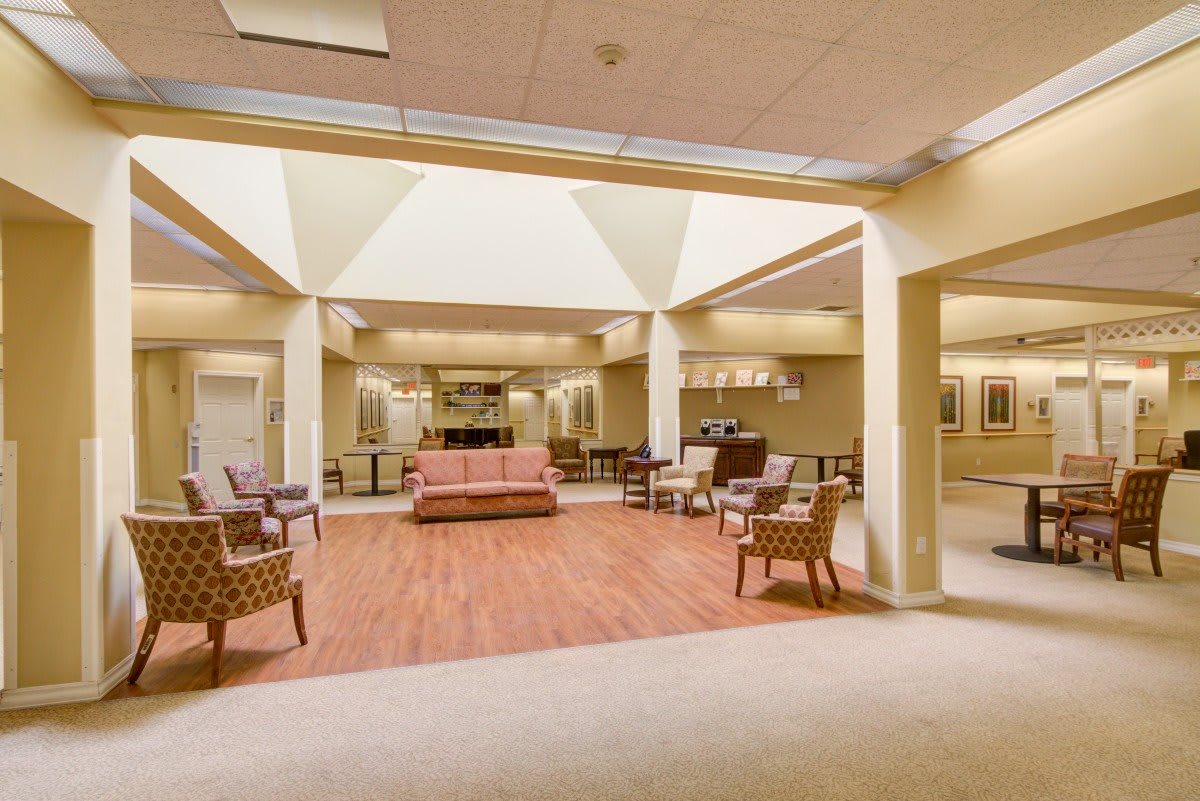
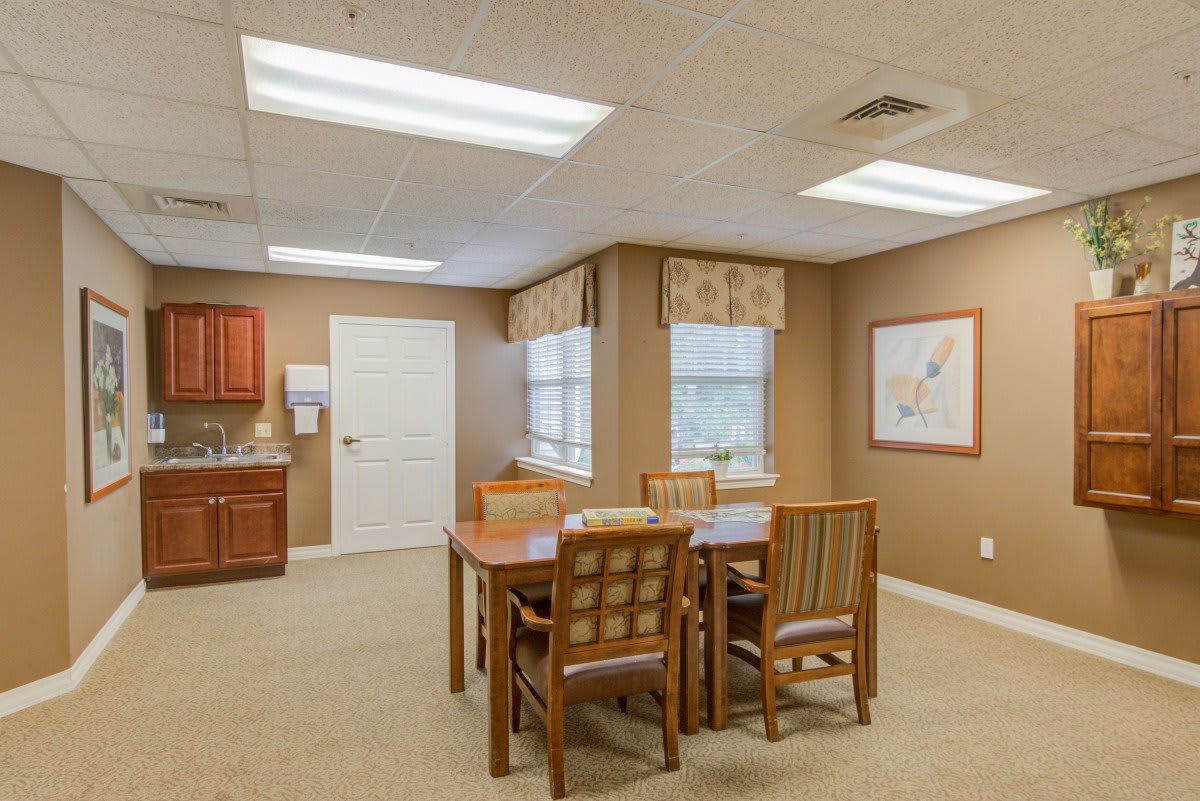
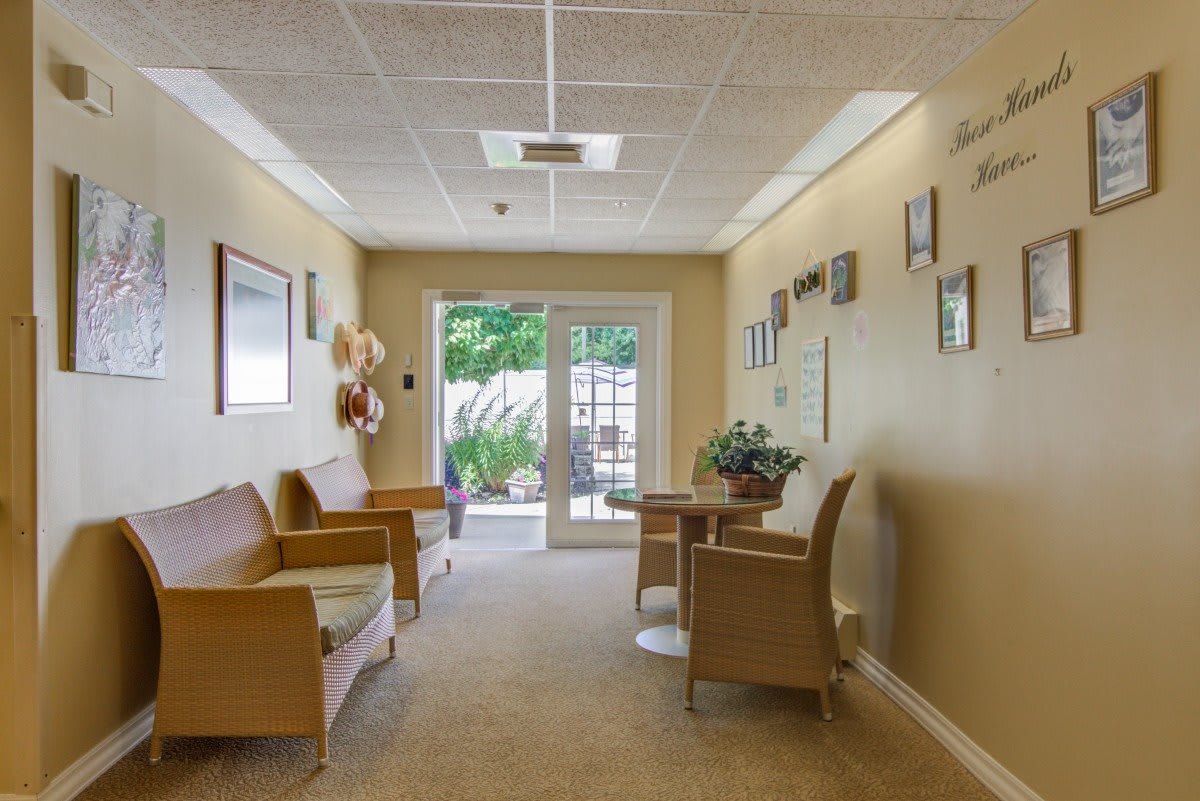
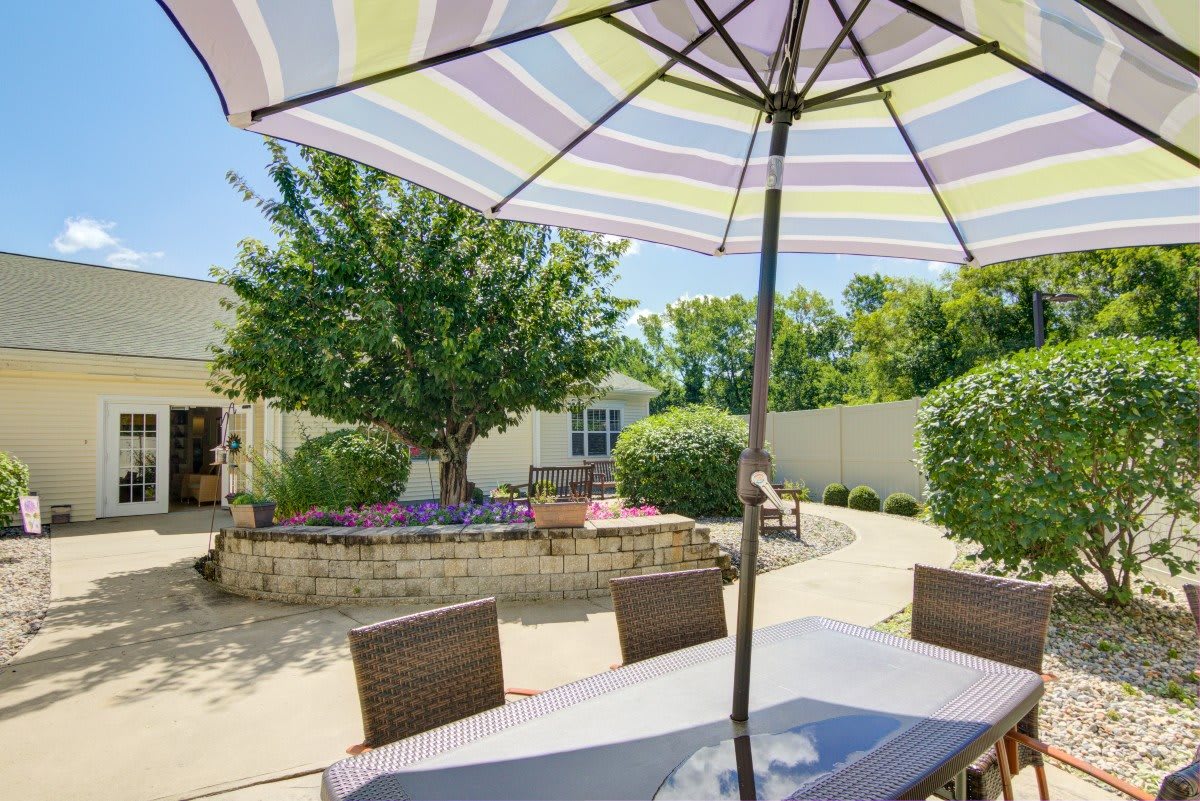
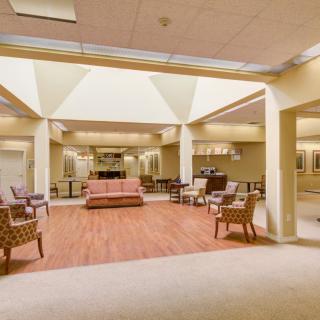
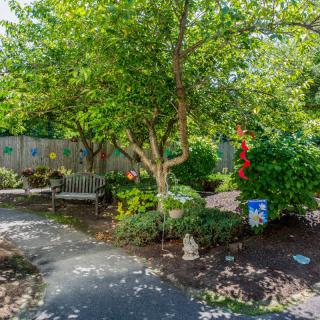
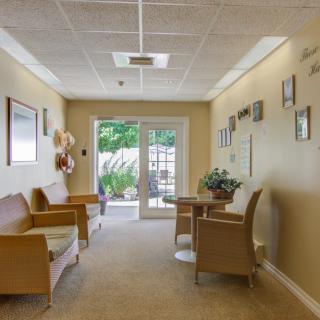
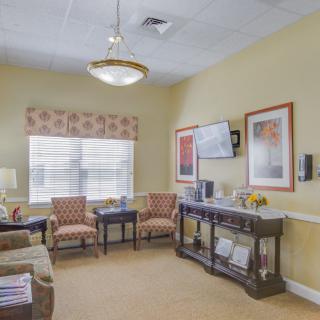
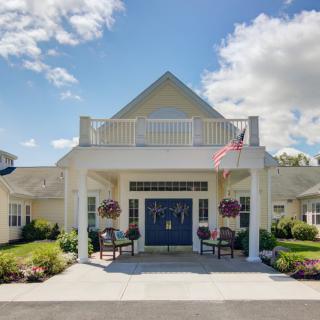
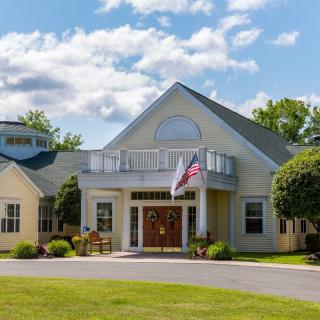
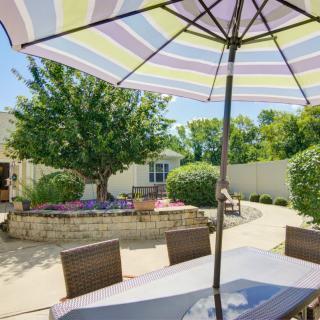
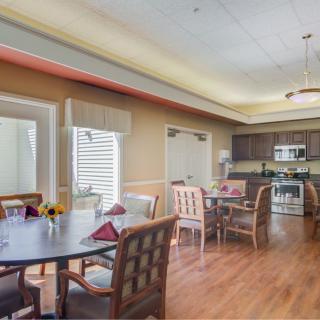
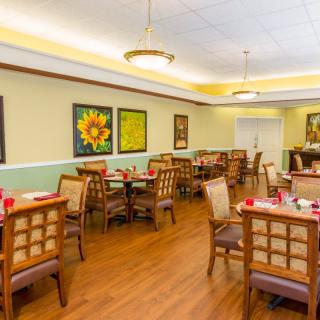
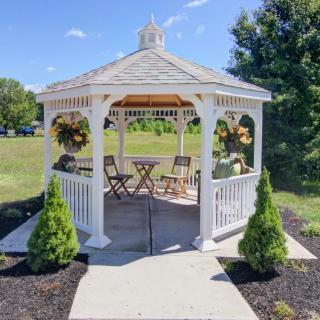
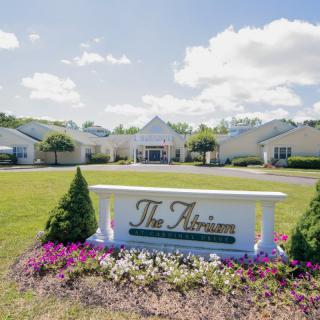
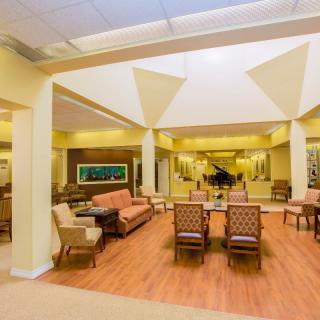
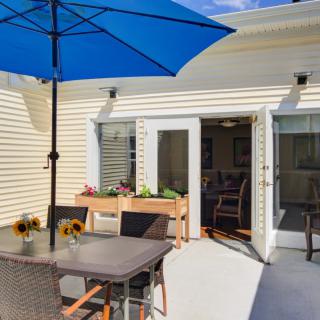
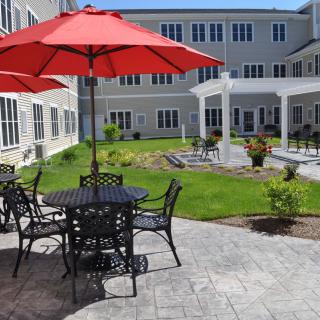
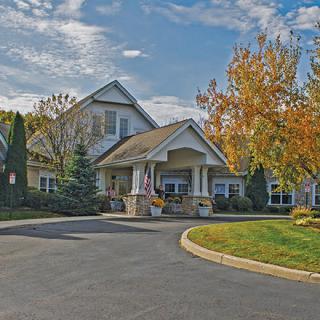
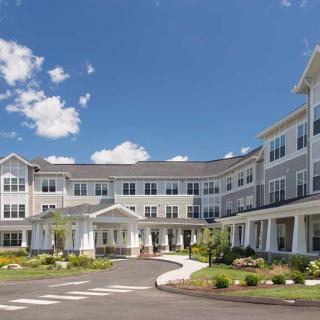
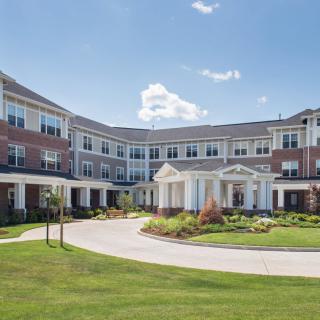
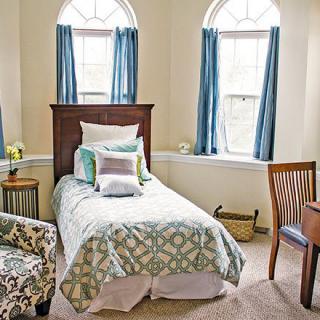
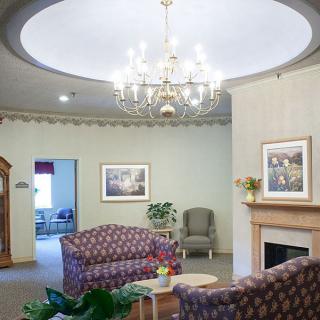
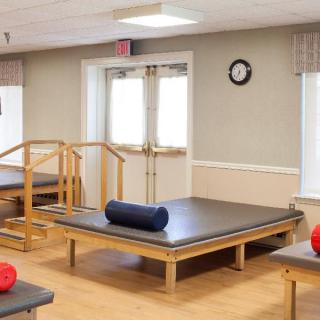
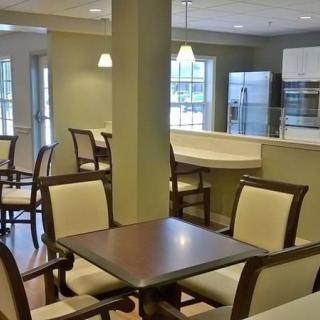
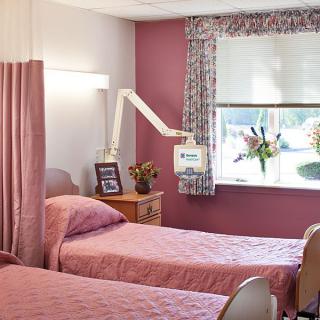
The Atrium at Cardinal Drive on seniors.fyi includes 18 photos including images showing landscaping, interior, decor, garden, architecture, dining, seating area, trees, and more.
Nearby Communities
Holiday Quail Run Estates
Agawam, MA
4.5 from 112 reviews
$2,619 to $4,295 / month
Spacious, recently remodeled apartments with friendly staff and engaging activities.
Heritage Hall South
Agawam, MA
3.8 from 48 reviews
$8,130 to $8,970 / month
Attentive staff delivering personalized care and engaging activities.
Heritage Hall West
Agawam, MA
3.8 from 96 reviews
$4,695 to $5,495 / month
Clean facility with attentive care and solid therapies.
Heritage Hall North
Agawam, MA
4 from 65 reviews
$8,130 to $8,970 / month
Fully furnished apartments with 24/7 supervision and a mental wellness program.
Heritage Woods
Agawam, MA
4.8 from 133 reviews
$2,300 to $5,270 / month
Caring staff, engaging activities, and a clean, welcoming environment.
Memory Support of Heritage Hall
Agawam, MA
4.3 from 61 reviews
Specialized memory care with 24/7 supervision and personalized care plans.
Armbrook Village
Westfield, MA
4.7 from 39 reviews
$3,995 to $7,525 / month
Friendly staff and engaging activities with memory-care programming.
Glenmeadow, a CCRC
Longmeadow, MA
4.3 from 38 reviews
$2,562 to $3,536 / month
Vibrant, welcoming community with engaging activities, strong staff, and beautiful amenities.
Caregiver support groups are crucial for providing emotional and practical assistance to those caring for loved ones, offering resources, coping strategies, and a sense of community through various organizations and platforms. These groups help alleviate isolation and burnout while addressing the unique challenges faced by caregivers of individuals with specific conditions.
The guide outlines the complexities of Medicaid coverage for assisted living, highlighting significant state-to-state variations, limited coverage often restricted to personal care services, and the existence of specialized waivers for certain needs like memory care. It advises families to consult local Medicaid offices for options while emphasizing the importance of understanding state-specific regulations and facility policies.
Medicaid coverage for assisted living varies by state and is primarily available to low-income individuals, with eligibility dependent on strict income and asset limits. Some states offer HCBS waivers for specific services in assisted living, but families must generally cover room and board costs, and should verify facility acceptance of Medicaid while considering potential waiting lists.
Get PricingAsk A QuestionSchedule A TourContact Senior Advisor
By clicking submit, you agree to our Partner's Terms of Use. You
also consent to receive calls and texts, which may be autodialed, from our Partner. Your consent is not a condition to
using our Partner's service. Please visit our Partner's Privacy Policy for information about their privacy practices.


 44 resident community capacity
 Studio apartments
 Day Program
 Memory Care
 Cats allowed
 Dogs allowed
 Air-conditioning
 Bath tubs
 Beautician on-site
 Cable or satellite TV
 Computer center
 Devotional services on-site
 Dining room
 Financing advice
 Fitness room
 Fully furnished
 Garden
 Ground floor units
 Guest parking
 Handicap accessible
 Housekeeping services
 Indoor common areas
 Kitchenette
 Laundry
 Move-in coordination
 Outdoor common areas
 Outdoor patio
 Party space
 Private bathrooms
 Respite or short term stays offered
 Security gate
 Telephone
 Wellness center
 Wheelchair accessible showers
 Wi-Fi/high-speed internet available
 Bradley International (10 miles away)
 Transportation & parking
 24-hour call system
 Assistance with bathing
 Assistance with dressing
 Assistance with transfers
 Diabetes diet
 Diabetic care
 High acuity care
 Hospice waiver
 Incontinence care
 Meal preparation and service
 Medication management
 Mental wellness program
 Special dietary restrictions
 Transportation arrangement (medical)
 Art classes
 Cooking classes
 Day trips and outings
 Educational speakers / life long learning
 Games
Games Karaoke
 Live musical performances
 Stories
 Visiting chaplain or priest
 Wii bowling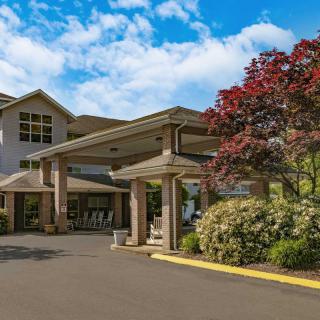
 Spacious, recently remodeled apartments with friendly staff and engaging activities.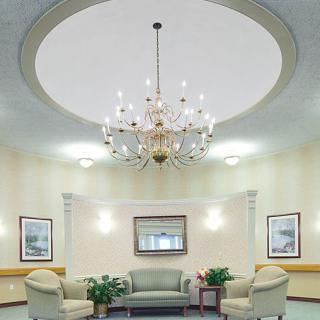



 22 Remarkable Caregiver Support Groups Available Online and In-Person
 Understanding Medicaid Coverage for Assisted Living: A Comprehensive Guide
 How and When Medicaid May Cover Assisted Living Costs