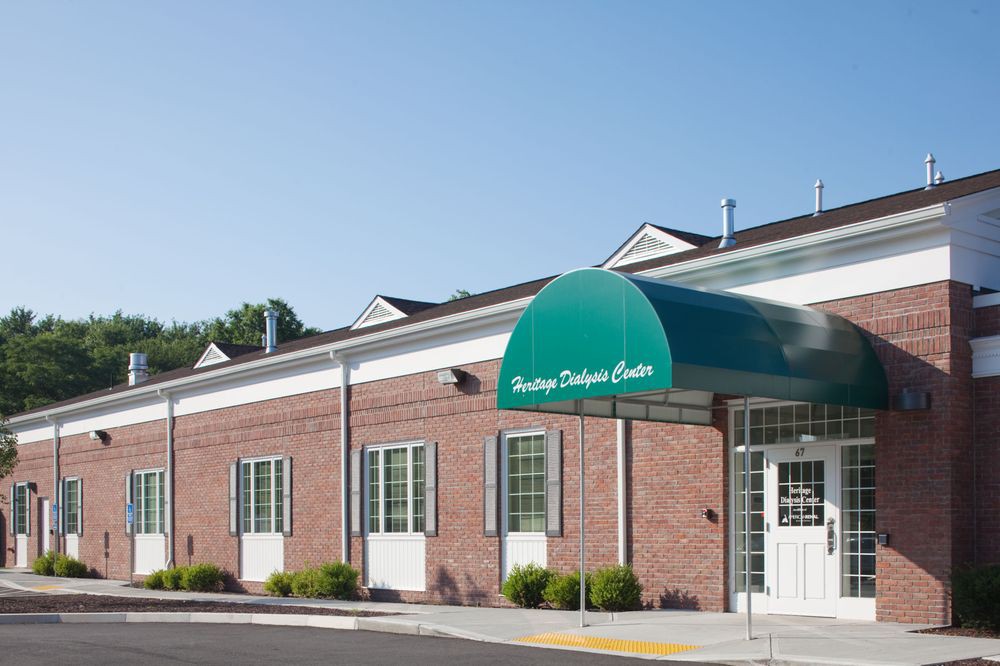
Heritage Hall South presents a compelling option for those seeking long-term care, though its monthly costs are notably higher than both Hampden County and the overall state averages. For semi-private rooms, residents can expect to pay $8,130 per month, which significantly exceeds the county's average of $4,955 and the state's average of $5,805. Similarly, for private rooms at Heritage Hall South, the cost is $8,970 - substantially above Hampden County's average of $6,202 and Massachusetts' overall average of $6,090. While these figures suggest a premium pricing structure, it's essential to consider the quality of care and services provided at Heritage Hall South when evaluating its value in comparison to other facilities.
Floor plans
Heritage Hall South
Hampden County
Massachusetts
Semi-Private
$8,130
$4,955
$5,805
Private
$8,970
$6,202
$6,090
Skilled Nursing Facilities with a similar price nearby
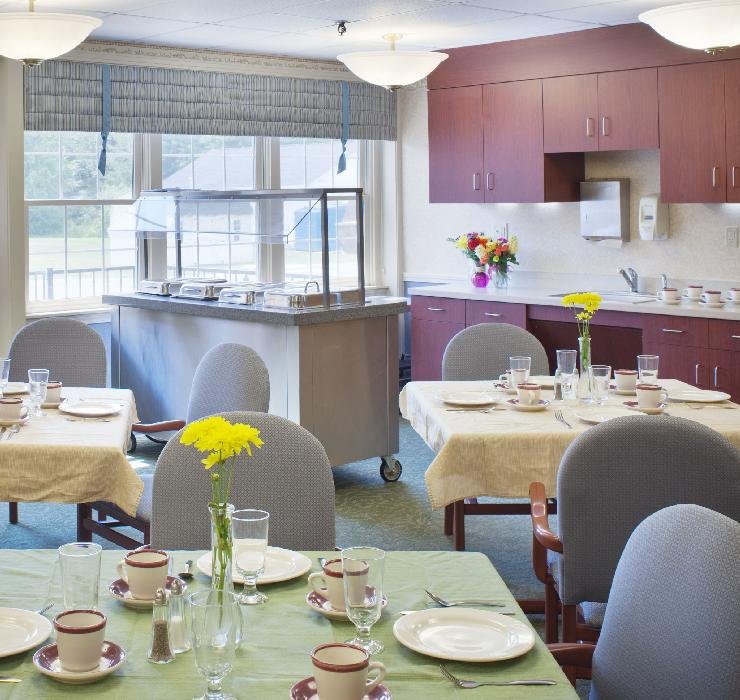
Food quality is a recurring point in both praise and complaints.
Several residents and families describe the meals as poor, including comments about processed or cold food and limited options. Other reviews counter that the food is tasty or even “great,” with specific praise for dining staff. Because the dining experience is mixed, families often mention supplementing meals from home or being cautious about dietary restrictions.
caveat12 reviews mention this
Staffing and communication feel inconsistent
Residents and families describe uneven staffing and hard-to-reach communication.
Some reviews report delays in getting help with care needs, including trouble reaching nurses after hours or not being answered promptly. A number of families also describe gaps in follow-through during rehab, like therapy not arriving as expected or needed items taking days. While a subset of reviews praise staff responsiveness and professionalism, the recurring criticism is that care can feel slow when calls or requests come in.
common11 reviews mention this
Care support for daily needs
The community provides skilled nursing and support with daily care tasks.
Many reviews focus on day-to-day caregiving, including help with recovery in rehab and assistance with personal needs. The community is set up to provide skilled nursing, with care services that include assistance with bathing, dressing, transfers, and medication management. In the reviews, that care support is described both positively and negatively—some families feel updates and help are there, while others say they had to push to get what was needed.
caveat8 reviews mention this
Cleanliness and building comfort vary
Reviews mention cleanliness and condition of rooms with mixed results.
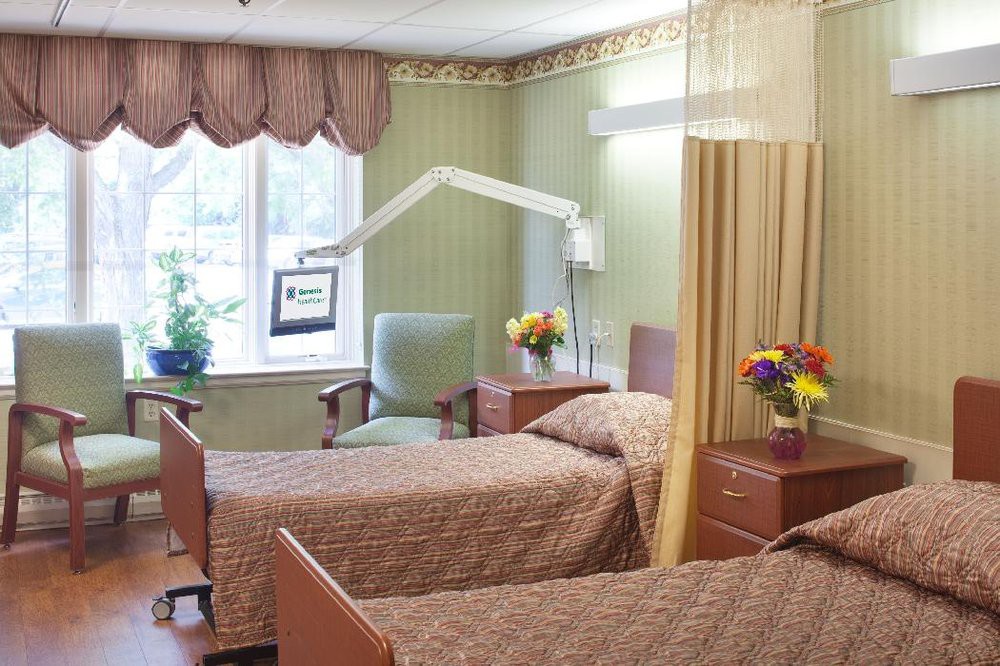
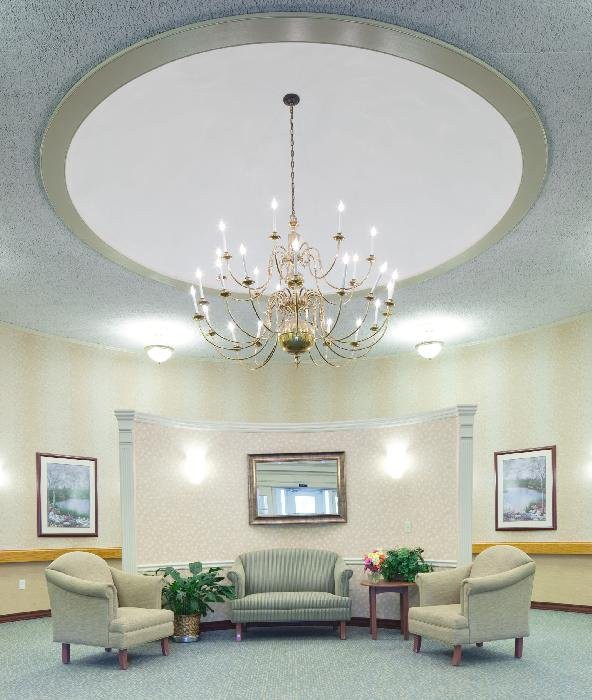
A number of residents and visitors say the building is clean and the staff keeps areas well maintained. Other reviews describe dirty rooms, dated bathrooms, and maintenance issues, including chipping paint and rusted fixtures. A separate theme also appears around visitor navigation, with one review calling the layout confusing for visitors.
common7 reviews mention this
Activities and therapy help residents engage
Residents describe activities and therapy as part of daily life.
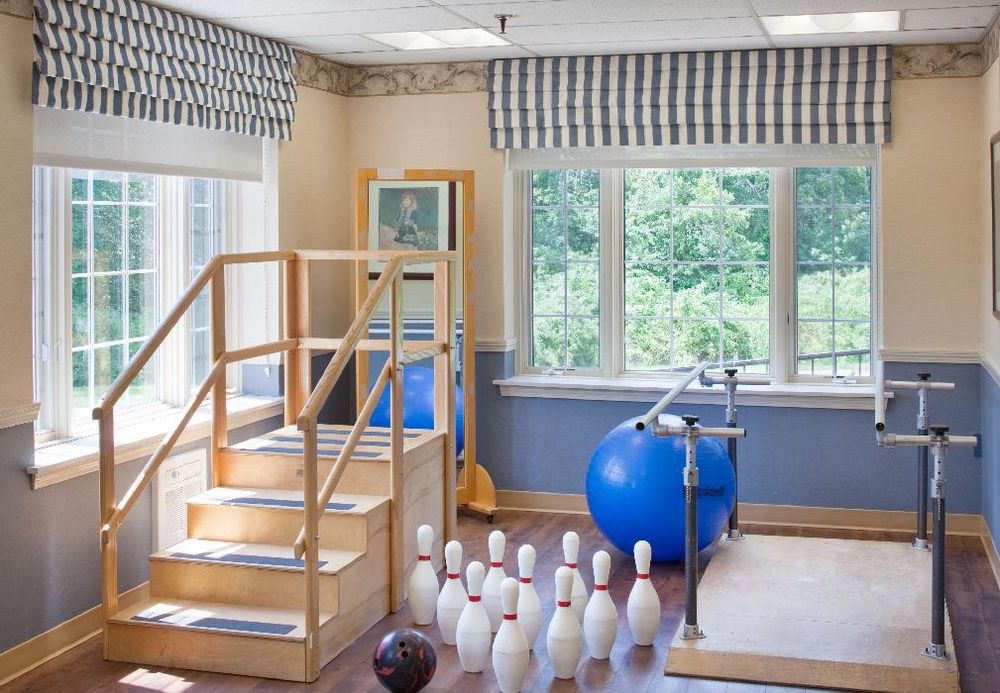
Several reviews mention organized activities like bingo, entertainers, and religious services, and some describe residents getting involved and feeling welcome. Rehab-focused reviews also highlight therapy support as a key reason they felt care was effective. In other reviews, therapy is credited by name, while broader care complaints sometimes come alongside criticism of the overall rehab environment.
caveat2 reviews mention this
Pricing runs well above benchmarks
Pricing is positioned far above typical local and state levels.
The listed pricing range is substantially higher than county and state benchmarks for both semi-private and private arrangements. Reviews themselves don’t consistently provide dollar comparisons, but the repeated negative comments about staffing and food make value feel uneven for some families. If you’re comparing options, this pricing level may be a major consideration alongside care quality concerns mentioned in reviews.
How we summarize
Counts show how many written reviews mention each theme; a review can touch several themes, and only frequently mentioned themes are displayed.
Features
Housing
21 resident community capacity
Types of Care
Skilled Nursing Facility
Amenities
Beauty salon
Cable or satellite TV
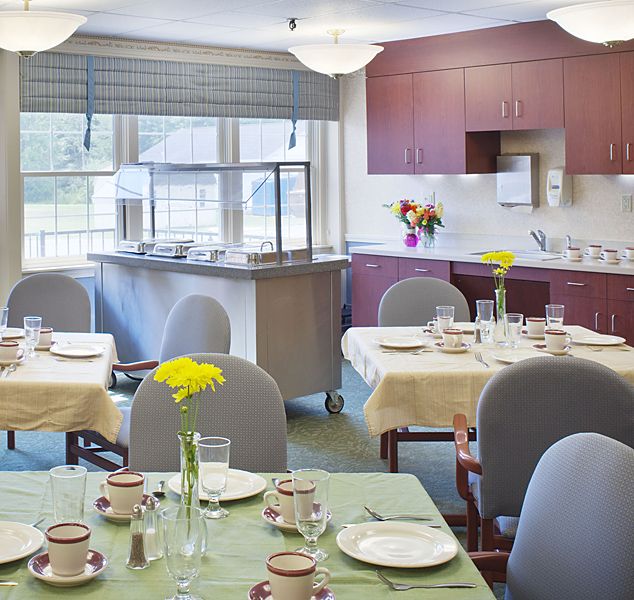
Dining room
Fully furnished
Garden
Housekeeping services
Kitchenette
Move-in coordination
Outdoor space
Private
Respite or short term stays offered
Telephone
Wi-Fi/high-speed internet available
Transportation
Bradley International (10 miles away)
Care Services
24-hour call system
24-hour supervision
Activities of daily living assistance
Assistance with bathing
Assistance with dressing
Assistance with transfers
Coordination with health care providers
Diabetes diet
Hospice care
Meal preparation and service
Medication management
Mental wellness program
Special dietary restrictions
Transportation arrangement (medical)
Transportation to doctors appointments
Dining
Diabetes diet
Special dietary restrictions
Activities
Community-sponsored activities
Scheduled daily activities
Nearby Places of Interest
This part of Agawam, Massachusetts, offers a convenient and vibrant community for senior living. With a variety of healthcare options nearby including Riverbend Medical Group and several pharmacies such as Walgreens and CVS, residents have easy access to medical services and prescriptions. There are also several delicious dining options in the area, ranging from local grinders at Richard's Giant Grinders to international cuisine at Taste of Lebanon. For leisure and outdoor activities, parks like School Street Park and Robinson State Park provide beautiful green spaces for relaxation and exercise. Transportation is easily accessible with Springfield Union Station nearby for convenient travel options. Additionally, top-rated hospitals such as Mercy Medical Center and Baystate Medical Center ensure quality healthcare is readily available. Overall, this area offers a well-rounded environment with excellent amenities for seniors looking to settle in Agawam.
Physicians
Riverbend Medical Group (0.4 miles)
Madonna M. Santos OD (0.4 miles)
Hampden County Physician Associates (1.2 miles)
Pediatric Associates of Hampden County of West Springfield (1.6 miles)
Heritage Hall South presents a compelling option for those seeking long-term care, though its monthly costs are notably higher than both Hampden County and the overall state averages. For semi-private rooms, residents can expect to pay $8,130 per month, which significantly exceeds the county's average of $4,955 and the state's average of $5,805. Similarly, for private rooms at Heritage Hall South, the cost is $8,970 - substantially above Hampden County's average of $6,202 and Massachusetts' overall average of $6,090. While these figures suggest a premium pricing structure, it's essential to consider the quality of care and services provided at Heritage Hall South when evaluating its value in comparison to other facilities.
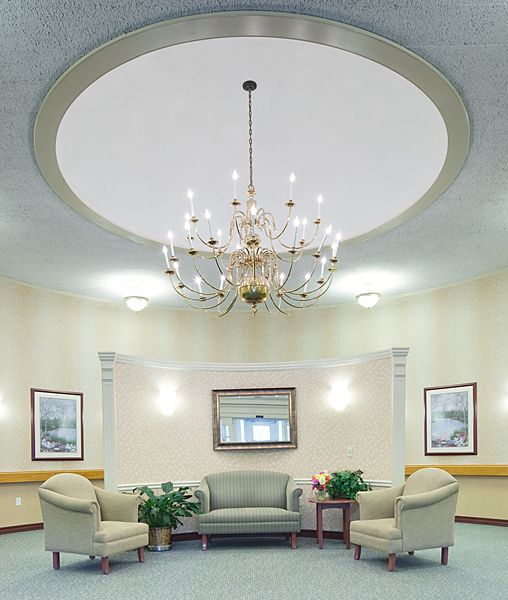
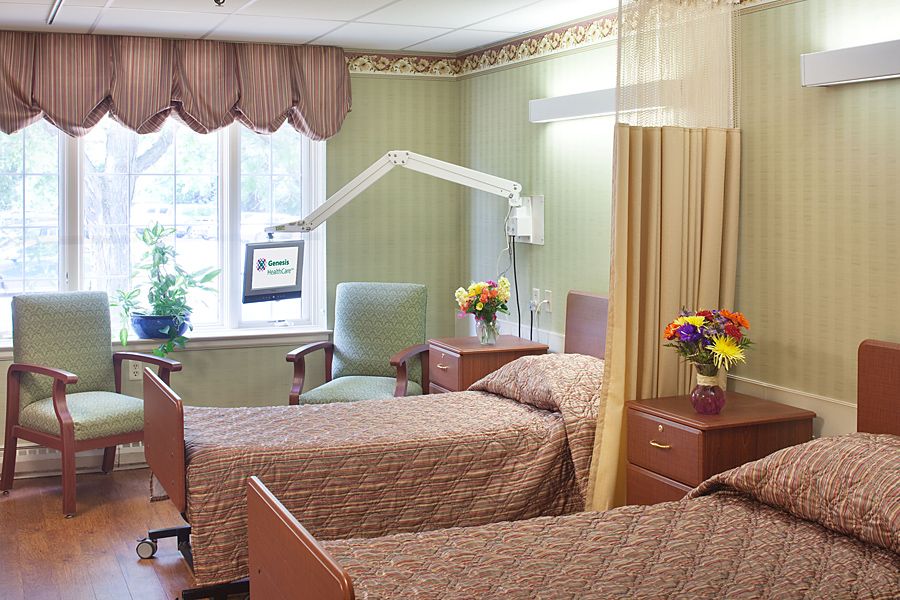
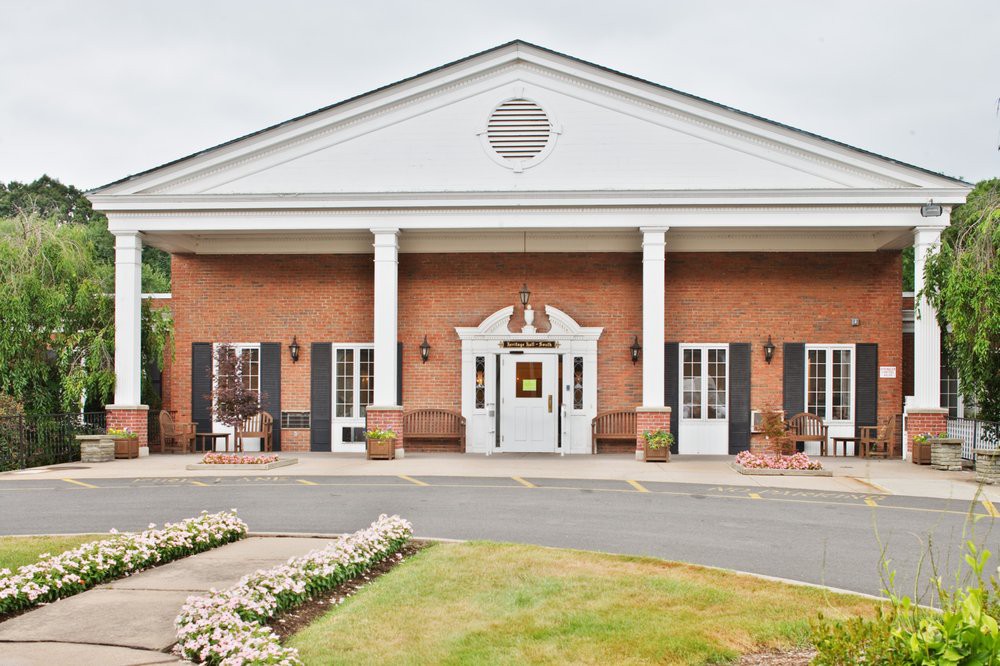
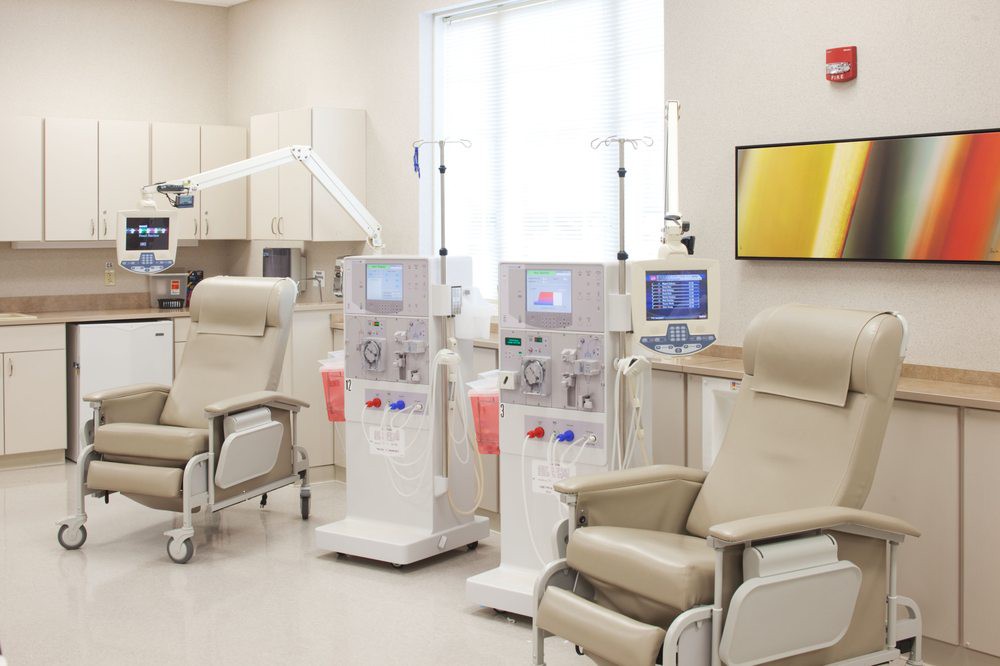
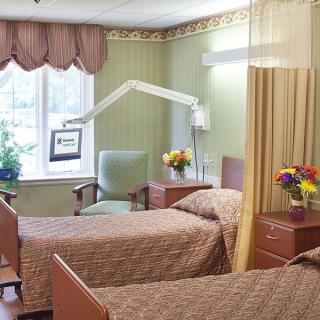
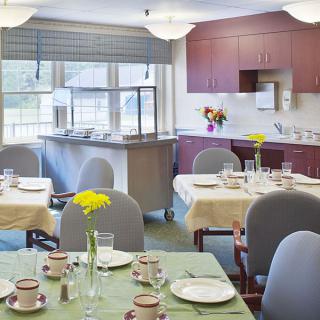
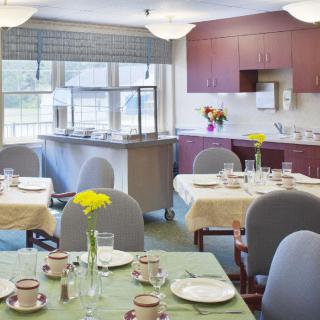
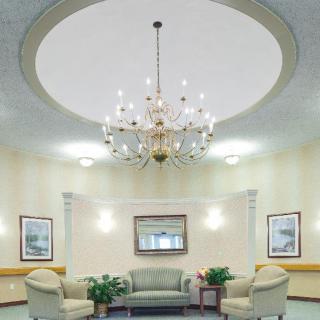
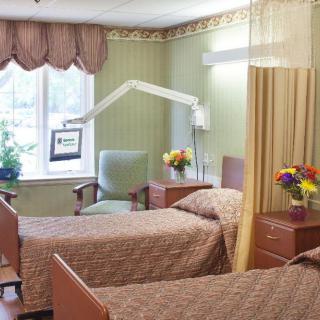
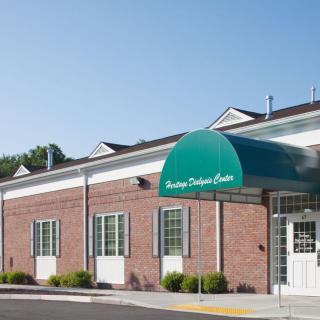
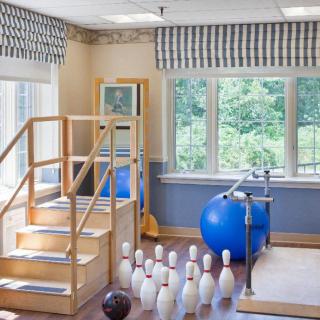
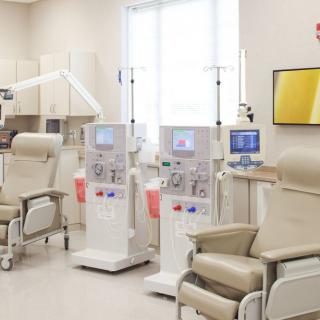
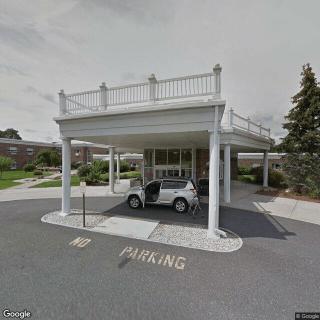
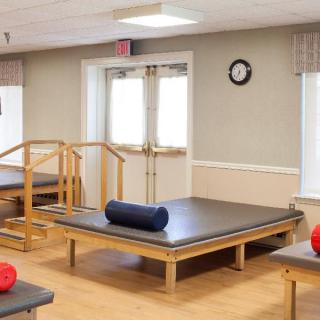
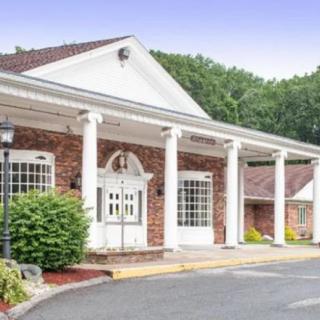
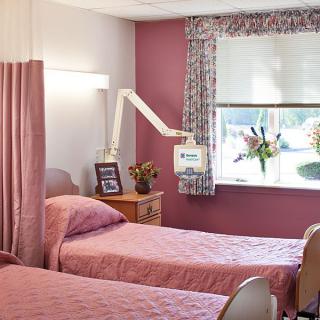
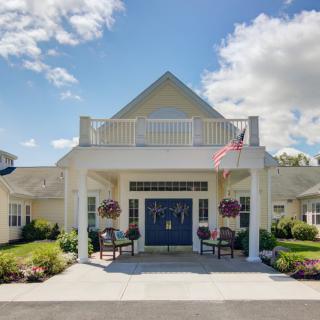
Heritage Hall South on seniors.fyi includes 11 photos including images showing interior, windows, dining, building, lobby, chandelier, kitchen, healthcare, and more.
Nearby Communities
Heritage Hall West
Agawam, MA
3.8 from 96 reviews
$4,695 to $5,495 / month
Clean facility with attentive care and solid therapies.
Heritage Hall North
Agawam, MA
4 from 65 reviews
$8,130 to $8,970 / month
Fully furnished apartments with 24/7 supervision and a mental wellness program.
Heritage Woods
Agawam, MA
4.8 from 133 reviews
$2,300 to $5,270 / month
Caring staff, engaging activities, and a clean, welcoming environment.
Holiday Quail Run Estates
Agawam, MA
4.5 from 112 reviews
$2,619 to $4,295 / month
Spacious, recently remodeled apartments with friendly staff and engaging activities.
Memory Support of Heritage Hall
Agawam, MA
4.3 from 61 reviews
Specialized memory care with 24/7 supervision and personalized care plans.
The Atrium at Cardinal Drive
Agawam, MA
4.6 from 86 reviews
$6,200 to $7,250 / month
Armbrook Village
Westfield, MA
4.7 from 39 reviews
$3,995 to $7,525 / month
Friendly staff and engaging activities with memory-care programming.
Glenmeadow, a CCRC
Longmeadow, MA
4.3 from 38 reviews
$2,562 to $3,536 / month
Vibrant, welcoming community with engaging activities, strong staff, and beautiful amenities.
The guide on blood pressure charts for older adults stresses the importance of understanding normal and high blood pressure readings influenced by age, genetics, and lifestyle, while emphasizing regular monitoring and lifestyle modifications to prevent serious health issues. It provides insights into blood pressure categories, dietary recommendations, medication considerations, and the role of caregivers in supporting healthy habits.
The article explores the complexities of using Social Security to finance long-term nursing home care in the U.S., detailing eligibility requirements and misconceptions, while emphasizing that these benefits often do not cover full costs and highlighting the need for strategic financial planning and professional guidance.
Pneumonia significantly affects older adults due to weakened immune systems and atypical symptoms that complicate diagnosis, necessitating early detection and tailored treatment. Risk factors include chronic diseases and cognitive impairments, with preventive measures like vaccinations and healthy lifestyles being crucial for reducing risk.
Get PricingAsk A QuestionSchedule A TourContact Senior Advisor
By clicking submit, you agree to our Partner's Terms of Use. You
also consent to receive calls and texts, which may be autodialed, from our Partner. Your consent is not a condition to
using our Partner's service. Please visit our Partner's Privacy Policy for information about their privacy practices.


 21 resident community capacity
 Skilled Nursing Facility
 Beauty salon
 Cable or satellite TV
 Dining room
 Fully furnished
 Garden
 Housekeeping services
 Kitchenette
 Move-in coordination
 Outdoor space
 Private
 Respite or short term stays offered
 Telephone
 Wi-Fi/high-speed internet available
 Bradley International (10 miles away)
 24-hour call system
 Activities of daily living assistance
 Assistance with bathing
 Assistance with dressing
 Assistance with transfers
 Diabetes diet
 Hospice care
 Meal preparation and service
 Medication management
 Mental wellness program
 Special dietary restrictions
 Transportation arrangement (medical)
 Transportation to doctors appointments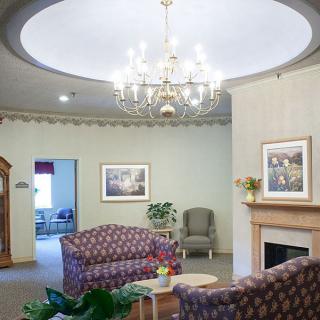
 Clean facility with attentive care and solid therapies.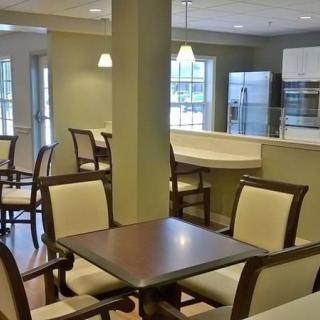




 Comprehensive Guide to Blood Pressure Charts for Older Adults: Understanding Normal and High Readings by Age
 Financing Long-Term Nursing Home Care Through Social Security: A Thorough Exploration
 Essential Knowledge on Pneumonia in Older Adults