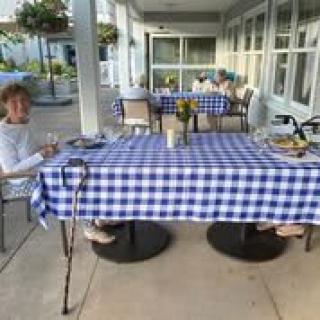
Glenmeadow, a CCRC in Longmeadow, MA

Save

Glenmeadow, a CCRC in Longmeadow, MA

24 Tabor Crossing, Longmeadow, MA 01106

For more information about senior living options: (844) 490-3973

4.3 from 38 reviews
5 stars
23
4 stars
10
3 stars
1
2 stars
0
1 stars
4

Assisted Living Independent Living

Glenmeadow, a CCRC Costs & Pricing

Glenmeadow, a Continuing Care Retirement Community (CCRC), offers competitive pricing for its residents compared to both Hampden County and the broader Massachusetts area. For instance, a one-bedroom unit at Glenmeadow costs $2,562 per month, significantly lower than the county average of $4,085 and the state average of $5,349. Similarly, two-bedroom apartments are priced at $3,536 monthly, which is more affordable than Hampden County's average of $4,672 and Massachusetts' overall average of $6,151. This favorable pricing structure not only reflects Glenmeadow's commitment to providing quality care but also makes it an attractive option for those seeking a vibrant community with essential services at a more accessible cost.

Floor plansGlenmeadow, a CCRCHampden CountyMassachusetts
1 Bedroom$2,562$4,085$5,349
2 Bedrooms$3,536$4,672$6,151

Overall Review of Glenmeadow, a CCRC

Pros

  • pro Glenmeadow is a great place for retirement and a wonderful home for families.
  • pro The staff are caring, well-trained, and go above and beyond during times of special need.
  • pro The arts program, led by Debbie, is incredible and passionately inventive.
  • pro The community has a welcoming culture with friendly greetings from residents and staff.
  • pro Residents feel safe, engaged, and able to make new friends late in life.
  • pro Families feel relief knowing their loved ones receive excellent care.
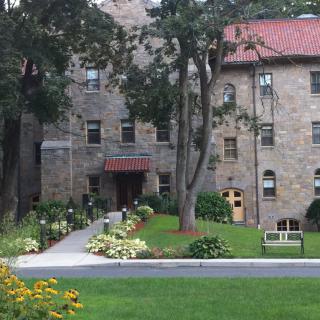
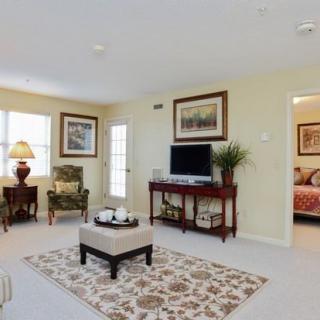
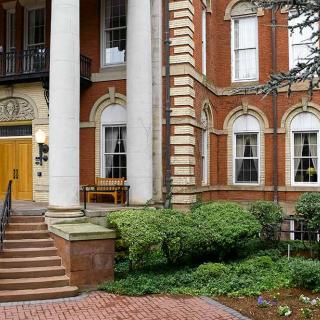
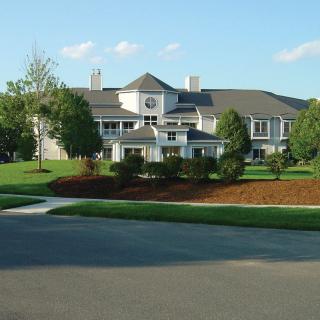
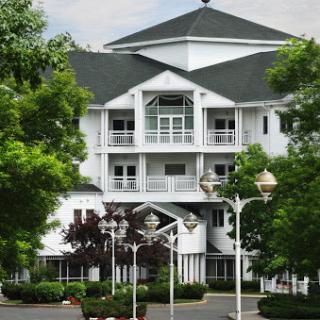
  • pro The campus features beautiful apartments and gardens with contemporary design.
  • pro A comprehensive range of services is provided, including housekeeping, maintenance, meals, activities, and transportation.
  • pro Glenmeadow at Home offers compassionate, personalized in-home services that support independence.
  • pro Glenmeadow is highly recommended for seniors seeking retirement living or exceptional in-home services.

Cons

  • pro The facility is racist and does not treat employees with respect.
  • pro The staff did not give the resident her medication and did not communicate about it.
  • pro Some staff arrived late for shifts, and there were allegations that they steal from residents.
  • pro The employer let a worker go after limited shifts, did not pay, and delayed the final paycheck.
  • pro The management is horrible and appears to prioritize profits over residents' well-being.
  • pro Reviewers warned that you should not place a loved one there due to racist conduct.

Review

Glenmeadow is best suited for active, socially oriented seniors who want a vibrant, community-centered campus that can grow with their needs. It fits couples and individuals who value a rich calendar of activities, robust cultural programming, and the reassurance that a full continuum of care is available on site. The blend of independent living, ongoing programming, and Glenmeadow at Home creates a practical path for those who prize engagement, familiarity, and a sense of safety within a single campus. This is not a sterile, forgettable retirement setting; it is a thoughtfully designed environment where residents can pursue purpose, friendship, and artistic exploration while knowing support can scale up when necessary.

Those prioritizing leaner budgets, ultra-minimalist living, or immediate high-acuity medical care should consider alternatives. The buy-in model plus ongoing costs can be a meaningful commitment, and the price tag may not suit every family's financial plan. Reports of uneven staffing experiences or concerns about management practices also merit careful scrutiny for buyers seeking flawless execution across every department. For residents who require a highly clinical environment from day one, or who prefer a setting with less emphasis on campus life and more on siloed healthcare, Glenmeadow may not be the optimal fit.

Pros widely cited here anchor the decision: a welcoming culture and personable, attentive staff that residents describe as genuinely caring. The atmosphere radiates friendliness - staff, residents, and even servers routinely acknowledge one another - creating a sense of belonging that many CCRCs struggle to sustain. The arts program, especially led and energized by Debbie, stands out as a standout resource that keeps the mind engaged and nurtures creative expression. A strong range of activities, exercise options, garden engagement, and convenient transportation options to appointments and outings reinforce daily quality of life. The combination of supportive care coordination through Glenmeadow at Home, a forward-looking leadership team, and a campus designed for social connection translates into tangible relief for families.

Yet the community does confront meaningful concerns. Some reviews describe discriminatory behavior and inconsistent human resources practices, and there are accounts of medication or service delays that cannot be dismissed. Variability in how well staff and management perform day to day can color the overall experience, and a number of voices question whether costs align with every resident's expectations for flawless operations. Room sizes - perceived as smaller by some prospective residents - and the overall price point are legitimate considerations for families weighing value against upscale amenities. These factors don't erase the strengths, but they demand due diligence and candid conversations with leadership.

The strongest defense for Glenmeadow lies in how its advantages address or eclipse the drawbacks. A lively, inclusive culture and a reliable support network reduce isolation and safeguard wellbeing, while programming that ranges from arts to garden activities keeps companionship and purpose front and center. The continuum of care is a practical advantage: residents can transition to enhanced assistance or in-home support within the same community, avoiding disruptive relocations as needs evolve. Integrated services - housekeeping, maintenance, transportation, and meals - deliver real daily relief to families managing caregiving, delivering peace of mind that extends beyond the resident's day-to-day happiness.

Bottom line: Glenmeadow represents a compelling choice for older adults who want more than a place to live - they want a community that feels like home, with ready access to a broad spectrum of services and a culture of engagement. Families should consider alternatives if a tighter budget, a stricter clinical focus, or a spotless operations track record is non-negotiable. For those who can invest in a premium living experience, the proven strengths - vibrant programming, a welcoming atmosphere, and flexible care options - make Glenmeadow a prudent, practical pick. Prospective residents should tour with targeted questions about staff training, incident histories, and the exact terms of the buy-in, and should speak with multiple residents to gauge whether the daily rhythm and social energy align with personal preferences and expectations.

Features

Types of Care

  • Assisted Living Assisted LivingAssisted living facilities provide crucial support and care for seniors who may need help with daily tasks such as medication management, bathing, and meal preparation. These communities offer a safe and comfortable environment where seniors can maintain their independence while receiving the assistance they need to thrive in their golden years.
  • Independent Living Independent LivingIndependent living communities are important for seniors because they offer a safe and supportive environment where older adults can live independently while still having access to amenities and services that enhance their quality of life. These communities provide social opportunities, recreational activities, and assistance with daily tasks, promoting overall well-being and allowing seniors to maintain their independence for as long as possible.

Pets

  • Cats allowed Cats allowed"Pet friendly" senior living communities are important for seniors because pets provide companionship, reduce feelings of loneliness and depression, promote physical activity and mental stimulation, and offer a sense of purpose and responsibility. Pets can improve overall well-being and quality of life for seniors in many ways.
  • Dogs allowed Dogs allowed"Pet friendly" senior living communities are important for seniors because pets provide companionship, reduce feelings of loneliness and depression, promote physical activity and mental stimulation, and offer a sense of purpose and responsibility. Pets can improve overall well-being and quality of life for seniors in many ways.

Amenities

  • Activities off-site Activities off-siteEngaging in off-site activities is crucial for seniors to maintain social connections, stay active, and stimulate their minds. It promotes overall well-being and helps combat feelings of isolation and loneliness.
  • Activities on-site Activities on-siteActivities on-site are important for seniors because they provide opportunities for socialization, mental stimulation, physical activity, and overall well-being. Engaging in activities can help seniors stay active, maintain their independence, and improve their quality of life.
  • Air-conditioning Air-conditioningAir conditioning is important for seniors as they are more vulnerable to heat-related illnesses and may have underlying health conditions that make it difficult for them to regulate their body temperature. It helps to keep them comfortable, safe, and healthy in hot weather.
  • Bath tubs Bath tubsBath tubs are important for seniors because they provide a safe and relaxing way to bathe, helping to prevent slips and falls while promoting independence and overall well-being.
  • Beautician on-site Beautician on-siteHaving a beautician on-site at a senior living community is important for seniors as it allows them to easily access grooming and personal care services, boosting their self-esteem and overall well-being. It also provides convenience and helps seniors maintain their sense of independence and personal style.
  • Cable or satellite TV Cable or satellite TVCable or satellite TV is important for seniors because it provides entertainment, news, and companionship, helping to combat loneliness and boredom. It also offers a wide range of programming options tailored to different interests and preferences.
  • Devotional services off-site Devotional services off-siteDevotional services off-site are important for seniors as they provide spiritual nourishment, social engagement, and a sense of community outside of the senior living facility. This can enhance overall well-being and help combat feelings of isolation and loneliness often experienced by older adults.
  • Devotional services on-site Devotional services on-siteDevotional services on-site provide seniors with spiritual support and a sense of community, as well as an opportunity for reflection and guidance during their senior living experience. This can promote emotional well-being and connection to others, leading to a more fulfilling and enriching lifestyle in their later years.
  • Full kitchen Full kitchenHaving a full kitchen in a senior living facility is important for seniors because it allows them to maintain their independence and prepare their own meals. This promotes healthy eating habits, saves money on dining out, and provides a sense of familiarity and comfort for residents.
  • Ground floor units Ground floor unitsGround floor units are important for seniors because they provide easy accessibility, reduced risk of falls and injuries, and convenience for those with mobility issues. Seniors can avoid climbing stairs or using elevators, making daily tasks and activities more manageable and enjoyable.
  • Handicap accessible Handicap accessible"Handicap accessible" amenities are crucial for seniors to ensure they can easily navigate and access facilities, services, and activities without barriers or limitations due to physical impairments. This promotes independence, safety, and inclusivity for seniors in senior living communities.
  • Indoor common areas Indoor common areasIndoor common areas are crucial for seniors as they provide a space for socialization, recreation, and community engagement, promoting overall well-being and reducing feelings of isolation and loneliness.
  • Kitchenette KitchenetteKitchenettes are important for seniors living in senior living communities because they provide the convenience and independence of being able to prepare simple meals and snacks in the comfort of their own living space. This can help promote a sense of autonomy and well-being for seniors, allowing them to maintain some level of control over their dietary choices and daily routines.
  • Outdoor common areas Outdoor common areasOutdoor common areas are important for seniors as they provide a space for socialization, physical activity, and relaxation. Being outside in nature can improve mood and overall well-being, while also encouraging movement and engagement with others. These spaces can help combat feelings of isolation and promote a sense of community among residents.
  • Private bathrooms Private bathroomsPrivate bathrooms are important for seniors in senior living communities because they provide independence, dignity, and comfort. Having a private bathroom allows seniors to maintain their personal hygiene routines without the need for assistance, promoting a sense of autonomy and privacy. Additionally, private bathrooms help prevent the spread of infections and provide a safe and clean environment for seniors to navigate safely.
  • Respite or short term stays offered Respite or short term stays offeredRespite or short term stays provide seniors with a temporary solution when their regular caregiver is unavailable, offering them the opportunity to receive additional care and support during times of need, while also giving caregivers a chance to rest and recharge.
  • Swimming pool / hot tub Swimming pool / hot tubSwimming pools and hot tubs are important for seniors as they provide a safe and enjoyable way to stay active, improve mobility, reduce joint pain, and promote relaxation. Regular use of these amenities can contribute to overall well-being and quality of life for older adults living in senior communities.
  • Wheelchair accessible showers Wheelchair accessible showersWheelchair accessible showers are crucial for seniors as they provide a safe and independent bathing option for those with mobility challenges. These showers help prevent falls and allow seniors to maintain their dignity and autonomy while ensuring they can bathe comfortably.
  • Wi-Fi/high-speed internet available Wi-Fi/high-speed internet availableWi-Fi/high-speed internet is important for seniors to stay connected with loved ones, access online resources, and participate in virtual activities to combat feelings of loneliness and isolation. It also allows them to easily manage healthcare needs, access entertainment, and engage in lifelong learning opportunities.

Transportation

  • Bradley International (11 miles away) Bradley International (11 miles away)

Care Services

  • Ambulatory care Ambulatory care"Ambulatory care services provide essential medical support and treatment to seniors without requiring hospitalization, allowing them to maintain their independence and quality of life while managing chronic conditions or receiving routine medical care."
  • Diabetic care Diabetic careDiabetic care is crucial for seniors as they are more susceptible to developing diabetes due to aging and other health conditions. Proper management of diabetes can help prevent complications such as heart disease, vision loss, and nerve damage, improving the overall quality of life for seniors in senior living communities.
  • Incontinence care Incontinence careIncontinence care is essential for seniors to maintain their dignity, hygiene, and overall quality of life. By addressing incontinence issues promptly and effectively, seniors can enjoy a sense of independence and comfort in their daily activities.
  • Medication management Medication managementMedication management is crucial for seniors to ensure they are taking the right medications at the correct dosages and times. This helps prevent adverse drug interactions, reduces the risk of medication errors, and promotes overall health and well-being. Proactive management also allows for adjustments as needed based on changing health conditions or new prescriptions.

Dining

  • Anytime dining Anytime diningAnytime dining is important for seniors because it allows them the flexibility to eat when they are hungry, rather than being restricted to set meal times. This can be especially beneficial for those with medical conditions or medications that affect their appetite, as well as those who may have difficulty adhering to a strict dining schedule. Overall, anytime dining promotes independence and overall well-being for seniors in senior living communities.
  • Gluten-free Gluten-freeGluten-free options are important for seniors as they are more prone to digestive issues and dietary sensitivities. Offering gluten-free meal choices in senior living communities can help improve their overall health and well-being.
  • Guest meals Guest mealsGuest meals are important for seniors living in senior living communities because they provide an opportunity for socialization and companionship. Sharing a meal with friends, family, or new acquaintances can help combat feelings of loneliness and isolation, promote a sense of community, and enhance overall well-being. Additionally, guest meals allow seniors to enjoy delicious food in a comfortable setting without the hassle of cooking or cleaning up, making dining a pleasurable and stress-free experience.
  • International cuisine International cuisineInternational cuisine is important for seniors because it offers a variety of flavors, ingredients, and cultural experiences that can help keep their meals interesting and enjoyable. Trying new dishes can also stimulate the senses and provide different nutrients that contribute to overall health and well-being. Additionally, exploring international cuisine can bring back fond memories of travels or childhood experiences, making mealtime more nostalgic and fulfilling for seniors.
  • Low / no sodium Low / no sodiumLow/no sodium options are important for seniors because excessive sodium intake can lead to high blood pressure, heart disease, and other health issues commonly experienced by older adults. By choosing low/no sodium foods, seniors can better manage their health and reduce their risk of developing these conditions.
  • Meals provided Meals provided"Meals provided" are crucial for seniors in assisted living communities as it ensures they have access to nutritious, balanced meals without the stress of meal planning and preparation. This can help promote overall health and well-being for seniors who may have limited mobility or cognitive abilities.
  • No Sugar No SugarNo sugar diets are important for seniors because they can help prevent or manage chronic conditions such as diabetes, heart disease, and obesity. Sugar can also contribute to cognitive decline and inflammation in the body, so reducing sugar intake can lead to overall improved health and well-being in older adults.
  • Professional chef Professional chefProfessional chefs are important for seniors living in senior living communities because they provide nutritious and delicious meals that cater to their dietary needs and preferences. A professional chef can ensure that seniors are receiving balanced, flavorful meals that support their overall health and well-being.
  • Restaurant style dining Restaurant style diningRestaurant style dining is important for seniors as it offers them a social and enjoyable dining experience, promotes healthy eating habits, and provides personalized menu options to cater to their dietary needs and preferences. This type of dining setting can enhance their overall quality of life and create a sense of community within the senior living facility.
  • Room service Room serviceRoom service is important for seniors in a senior living community because it provides convenience and allows them to have their meals delivered directly to their room. This can be especially beneficial for seniors who may have mobility issues or difficulty accessing the dining area. Room service ensures that seniors are able to receive nutritious meals without having to navigate through the facility, allowing them to maintain their independence and overall well-being.
  • Vegan VeganVegan diets can provide numerous health benefits for seniors, including lower risk of chronic diseases, improved digestion, and increased energy levels. Additionally, plant-based diets are often rich in essential nutrients that can support overall well-being and longevity in older adults.
  • Vegetarian VegetarianA vegetarian diet is important for seniors because it can help lower the risk of chronic diseases, maintain a healthy weight, and provide essential nutrients needed for aging bodies. Additionally, plant-based diets are often easier on digestive systems and can contribute to overall well-being in older adults.

Activities

  • Art classes Art classesArt classes are important for seniors because they provide a creative outlet, improve cognitive function, reduce stress and anxiety, promote socialization, and enhance overall well-being and quality of life.
  • Catholic services Catholic servicesCatholic services are important for seniors because they provide spiritual support, a sense of community, and opportunities for social interaction that can enhance overall well-being and quality of life in their later years.
  • Cooking classes Cooking classesCooking classes are important for seniors as they provide opportunities for social interaction, enhance cognitive skills, promote healthy eating habits, and boost confidence in the kitchen.
  • Devotional activities offsite Devotional activities offsiteDevotional activities offsite are important for seniors because they provide social engagement, spiritual growth, and a sense of community outside of their living environment. This can improve overall well-being, mental health, and combat feelings of isolation or loneliness.
  • Devotional activities on-site Devotional activities on-siteDevotional activities on-site provide seniors with a sense of community, spiritual fulfillment, and emotional support, promoting overall well-being and a positive sense of purpose in their lives.
  • Educational speakers / life long learning Educational speakers / life long learningEducational speakers and lifelong learning opportunities are crucial for seniors as they provide mental stimulation, promote social engagement, and contribute to overall well-being. Continuous learning helps seniors stay mentally sharp, build new skills, and maintain a sense of purpose and fulfillment in their lives. It also allows them to stay connected to the world around them and fosters a sense of community within senior living facilities.
  • Jewish services Jewish servicesJewish services are important for seniors as they provide a sense of community, spiritual support, and connection to their heritage and traditions. These services help enhance overall well-being and quality of life for older adults in senior living settings.
  • Karaoke KaraokeKaraoke provides seniors with a fun and social activity that can boost mood, confidence, and cognitive function. It encourages social interaction, physical movement, and creative expression, making it an important form of entertainment for senior living communities.
  • Live well programs Live well programs"Live well programs are essential for seniors as they provide opportunities for physical activity, social engagement, and mental stimulation, ultimately promoting overall health and well-being in later years."
  • Protestant services Protestant servicesProtestant services are important for seniors because they provide spiritual nourishment, community support, and a sense of belonging. These services can help seniors connect with others who share their faith, find comfort and guidance in times of need, and maintain a sense of purpose and fulfillment in their later years.
  • Visiting Rabbi Visiting Rabbi"Visiting rabbis provide spiritual and emotional support to seniors in assisted living communities, helping them connect with their faith, find comfort in times of need, and maintain a sense of community and belonging."
  • Visiting chaplain or priest Visiting chaplain or priestHaving a visiting chaplain or priest at a senior living community is important for seniors because it provides spiritual support, comfort, and guidance during a time of life that can be challenging and uncertain. Their presence can help seniors feel connected to their faith, find peace of mind, and cope with the emotional and mental struggles they may face in their later years.

Description

Glenmeadow is a Continuing Care Retirement Community (CCRC) located in Longmeadow, MA. We offer various types of care, with a focus on Independent Living. Our community provides a wide range of amenities to enhance the quality of life for our residents.

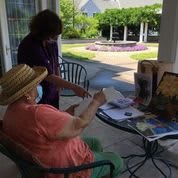
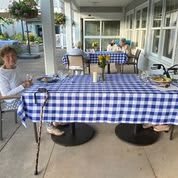
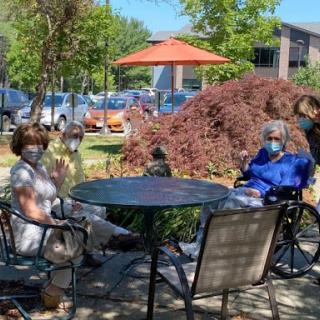
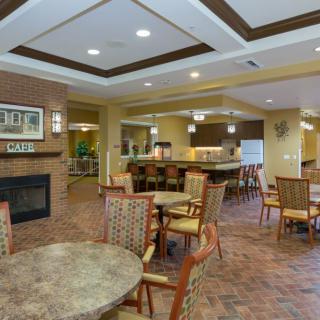
Residents can enjoy engaging activities and social events right on-site. Stay active with swimming in our pool or relaxing in the hot tub. Our beautiful indoor and outdoor common areas are perfect for socializing and spending time with friends and family. Stay connected with our Wi-Fi/high-speed internet service throughout the community.

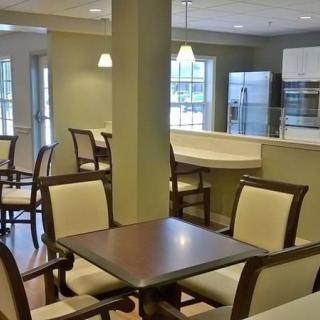
Our spacious units are designed to be accessible for individuals with disabilities, including wheelchair accessible showers and ground floor options. Each unit has private bathrooms and is equipped with air-conditioning to ensure comfort year-round. Residents also have the option of cooking their own meals in their full kitchen or kitchenette.

We provide different care services to meet individual needs, including diabetic care, incontinence care, and medication management. Our professional staff is available to assist residents as needed while promoting independence and self-sufficiency.

Dining at Glenmeadow is a delightful experience with our professional chef preparing delicious meals daily. We offer a variety of dietary options such as gluten-free, low/no sodium, vegan, vegetarian, and no sugar options. Enjoy restaurant-style dining or have meals delivered to your room through room service. Guests are also welcome to join residents for meals.

In addition to our amenities and types of care offered, Glenmeadow provides a diverse range of activities for residents' enjoyment. Engage in educational speakers/lifelong learning programs or participate in devotional activities both on-site and offsite. We offer Catholic services, Jewish services, Protestant services, and have visiting chaplains/priests available.

Our location offers easy access to nearby cafes, parks, pharmacies, physicians' offices, restaurants, transportation options, theaters, and hospitals for convenience.

At Glenmeadow, we strive to provide a vibrant and supportive assisted living community where residents can live comfortably and enjoy an enriching lifestyle.

Nearby Places of Interest

This part of Longmeadow, Massachusetts, offers a convenient and diverse range of amenities for those considering senior living. With multiple physicians' offices nearby such as Pioneer Valley Pediatrics and Pioneer Spine and Sports Physicians, residents have easy access to medical care. There are also several pharmacies within a short distance, including CVS Pharmacy and Walgreens, ensuring that medications can be easily obtained. For dining options, there are popular restaurants like Max Burger and Manhattan Bagel nearby. The area also boasts beautiful parks such as Forest Park Zoo for leisurely walks and relaxation. In terms of entertainment, Enfield 12 - Cinemark Theatres is just a short drive away for movie enthusiasts. Overall, this neighborhood provides a comfortable and well-rounded environment for seniors looking to settle down.

Physicians

  • Ungar Jay M MD (0.3 miles)
  • Pioneer Valley Pediatrics (0.5 miles)
  • Pioneer Spine and Sports Physicians (1.6 miles)
  • Forest Park Eye Care (1.8 miles)
  • Team Rehab (2.9 miles)
  • Memory Wellness (3.1 miles)
  • Child Guidance Clinic (3.2 miles)

Restaurants

  • Max Burger (0.5 miles)
  • Manhattan Bagel (1.8 miles)
  • McDonald's (2.7 miles)
  • Buonavita Restaurant (2.8 miles)
  • Max's Tavern (3 miles)
  • Hanger Bar and Grill (3 miles)
  • McDonald's (3.2 miles)

Pharmacies

  • CVS Pharmacy (0.5 miles)
  • CVS Pharmacy (1.7 miles)
  • Walgreens (1.7 miles)
  • CVS Pharmacy (1.7 miles)
  • CVS Pharmacy (1.7 miles)
  • Big Y (3.4 miles)
  • Walgreens (3.5 miles)

Parks

  • Forest Park Zoo (1.4 miles)
  • Treetop Park (2.2 miles)
  • School Street Park (2.5 miles)
  • Van Horn Park Path (5 miles)

Cafes

  • Panera Bread (1.5 miles)
  • Starbucks (3.1 miles)
  • Starbucks (4.7 miles)

Transportation

  • Springfield Union Station (ZSF) (3.9 miles)

Hospitals

  • Mercy Medical Center (4.4 miles)
  • Shriners Hospitals for Children (4.7 miles)
  • Baystate Hospital Dailey Building (5 miles)
  • Baystate Medical Center (5.1 miles)
  • Baystate Pain Management Center (5.4 miles)

Theaters

  • Enfield 12 - Cinemark Theatres (4.9 miles)

Frequently Asked Questions

How much does it cost to live at Glenmeadow, a CCRC in Longmeadow, MA?
Where is Glenmeadow, a CCRC?
Does Glenmeadow, a CCRC allow residents to have pets?
What photos are available for Glenmeadow, a CCRC in Longmeadow, Massachusetts?

Nearby Communities

  • Glenmeadow

    Glenmeadow

    Longmeadow, MA

    3.9 from 20 reviews
     

    pro Upscale amenities and attentive staff create a vibrant, welcoming community.


  • Chestnut Knoll At Glenmeadow

    Chestnut Knoll At Glenmeadow

    Longmeadow, MA

    3.9 from 16 reviews
    $2,900 / month

    pro Lower monthly rate for private rooms compared with regional averages.

  • Wernick Adult Day Health Care Center

    Wernick Adult Day Health Care Center

    Longmeadow, MA


    pro Vibrant, well-connected setting with ample nearby amenities.

  • Julian J Levitt Family Nursing Home

    Julian J Levitt Family Nursing Home

    Longmeadow, MA

    4 from 9 reviews
     

    pro Caring, attentive staff in a bright, clean facility with engaging activities.

  • Spectrum Home Care

    Spectrum Home Care

    Longmeadow, MA

    3 from 2 reviews
     

    pro Constructive resident feedback indicates potential for care improvements.

  • Ruth's House

    Ruth's House

    Longmeadow, MA

    4.3 from 54 reviews
    $3,571 to $5,750 / month

    pro Friendly, attentive staff; clean environment with engaging activities.

  • Redstone Rehabilitation & Nursing Center

    Redstone Rehabilitation & Nursing Center

    East Longmeadow, MA

    3.4 from 101 reviews
     

    pro Prompt EMT response and regulatory oversight.

  • The Reserve at East Longmeadow

    The Reserve at East Longmeadow

    East Longmeadow, MA

    4.3 from 96 reviews
     

    pro Clean, well-kept environment with friendly staff and diverse activities.

  • Reeds Landing

    Reeds Landing

    Springfield, MA

    4 from 1 review
    $1,920 to $2,670 / month

    pro Friendly, well-maintained community with spacious apartments and convenient meals and transport.

Related Resources

  • aid and attendance vaAn Extensive Exploration of the VA Aid and Attendance Benefit

    The VA Aid and Attendance benefit provides financial support to veterans needing assistance with daily living due to medical conditions or disabilities, augmenting standard VA pensions for services like in-home care. Eligibility is based on service duration, wartime status, income, and medical needs, with a detailed application process required to access funds for caregiving and home modifications.

  • senior move managementSenior Transition Services: Understanding Their Role, Cost, and Importance

    Senior move management services assist older adults in the relocation process by providing emotional support and organizational help, addressing unique challenges like downsizing and moving from long-term homes. These specialists collaborate with real estate agents and manage logistics, making the transition smoother for seniors and their families.

  • independent living vs assisted livingExploring the Path to Senior Living: A Comprehensive Look at Independent Living and Assisted Living


    The article examines senior housing options, detailing the distinctions between independent living and assisted living, along with the emerging "independent assisted living" model that blends both approaches. It highlights the importance of assessing individual needs, preferences, and financial factors in making informed decisions about suitable living arrangements for seniors.