Cedarhurst Memory Care Of Moline

Save

  • Interior

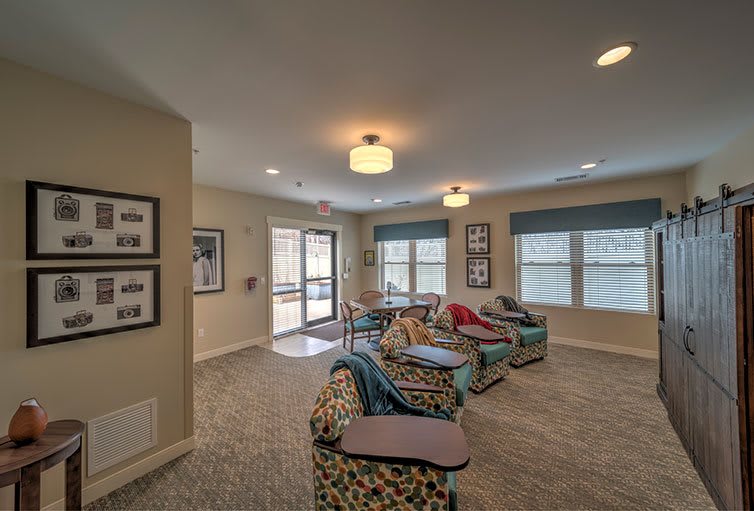
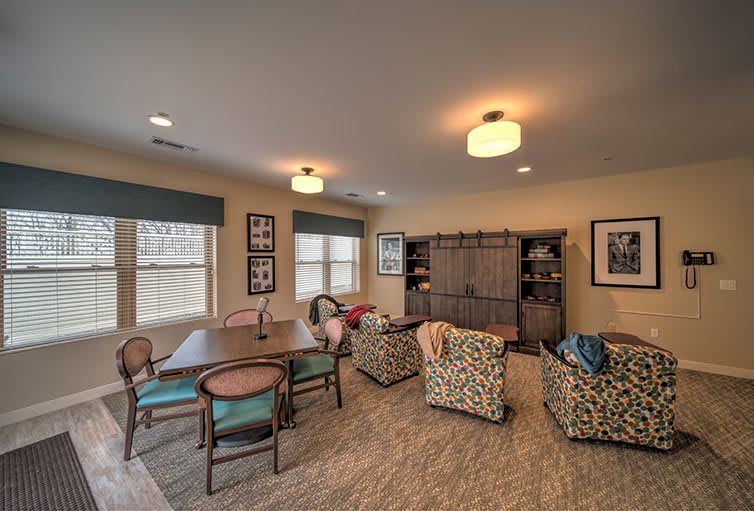
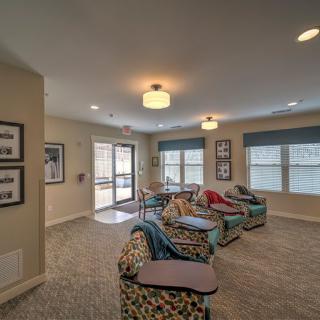
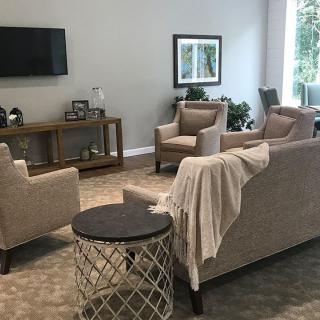
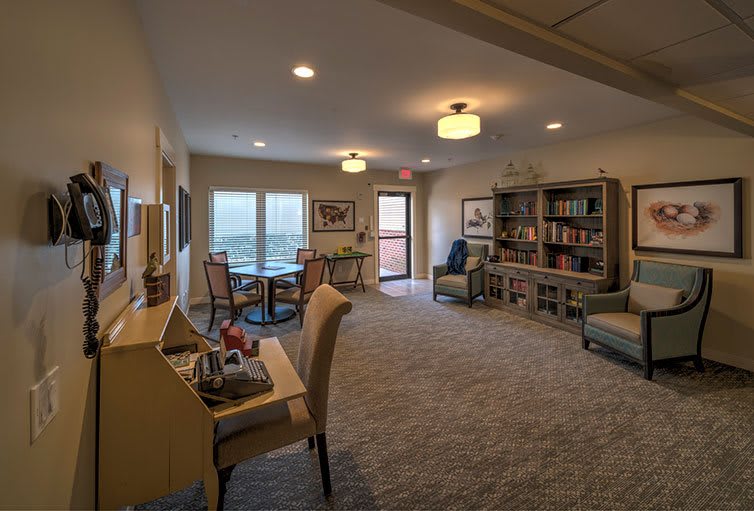
    A cozy living room with colorful seating and large windows providing natural light.
  • Decor

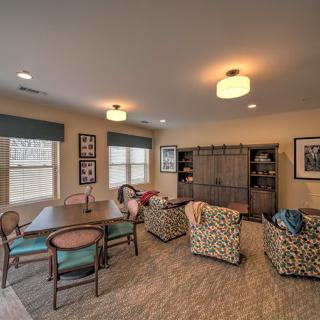
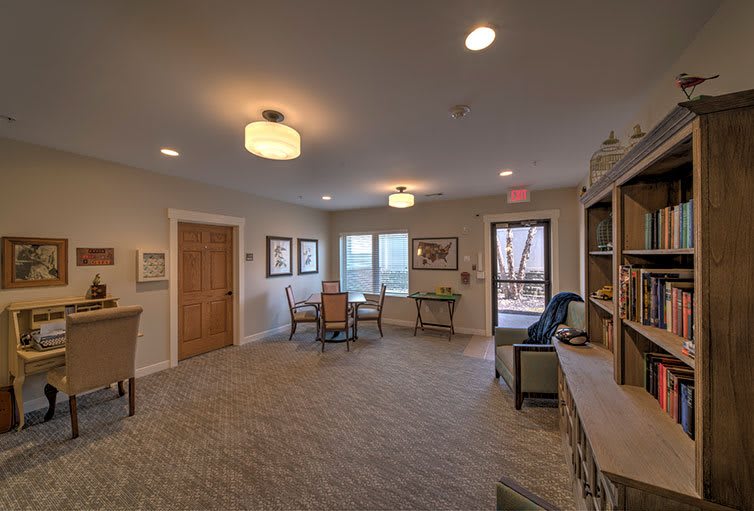
    A cozy living room with comfortable seating and a table, featuring warm decor and ambient lighting.
  • Living Room

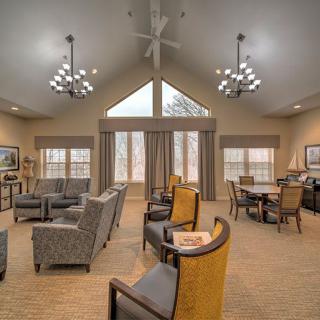
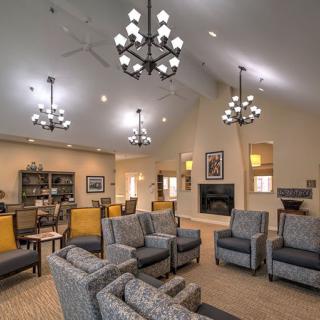
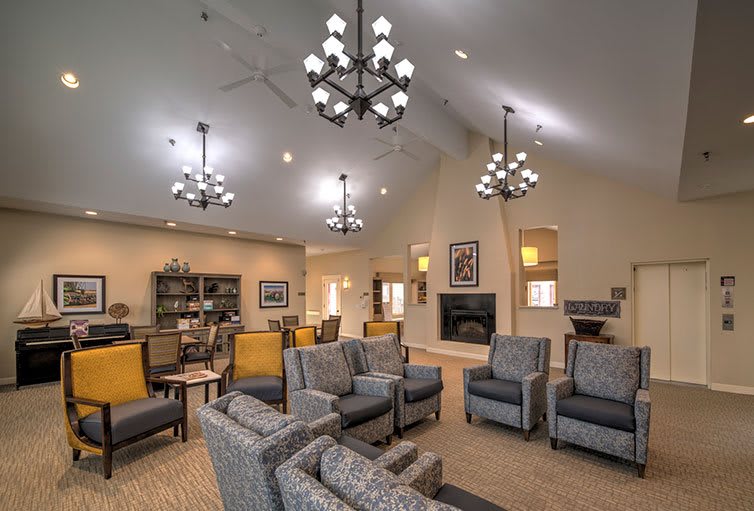
    A spacious and elegant living room with cozy seating, chandeliers, and a fireplace.
  • Building

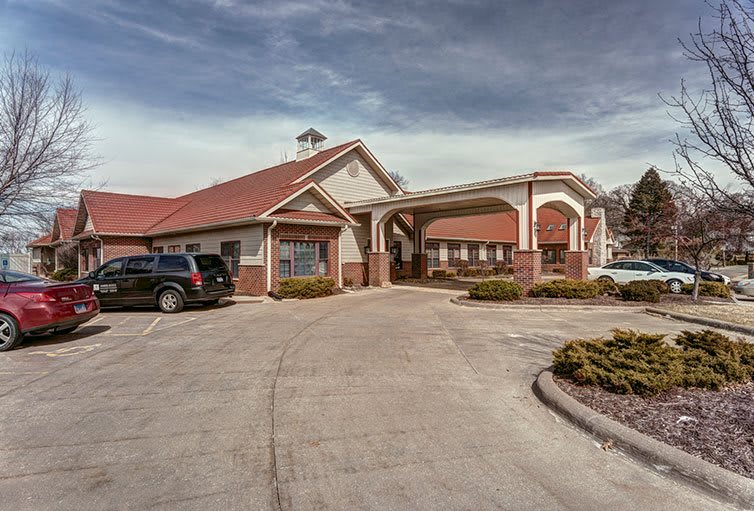
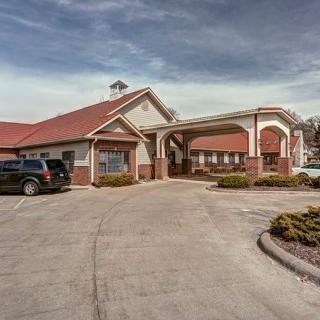
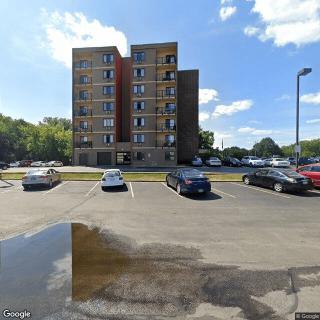
    A single-story hotel with a red roof and vehicles parked in front.
  • Architecture

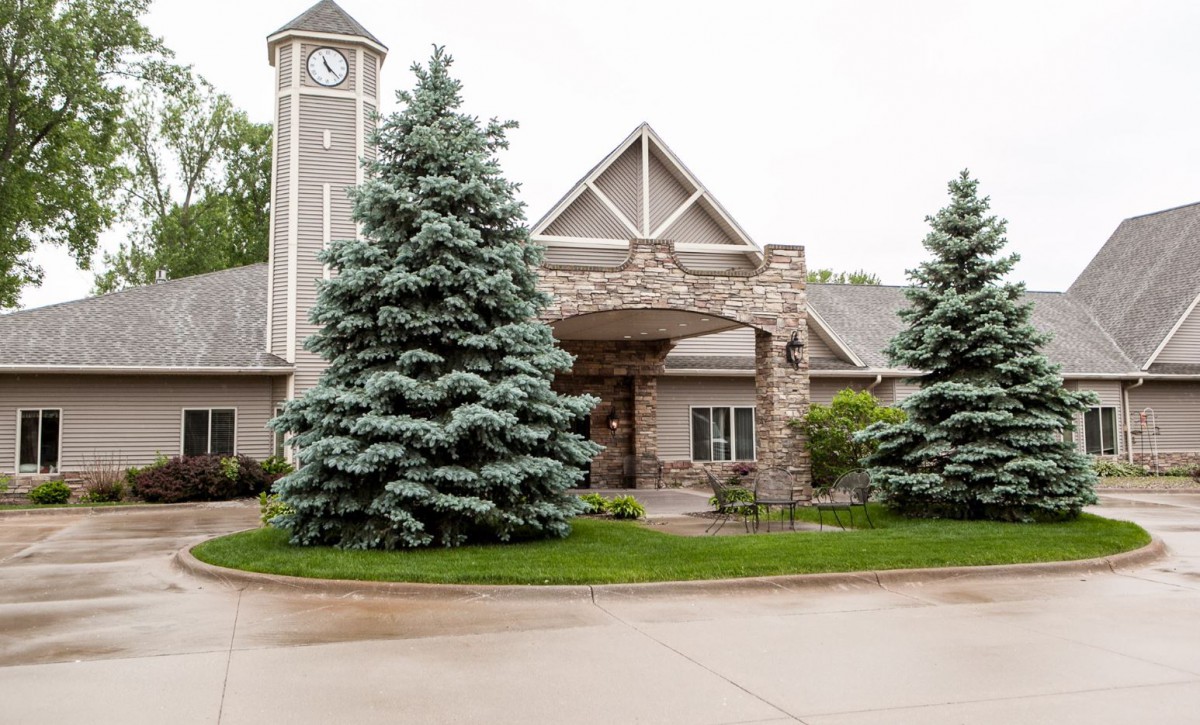
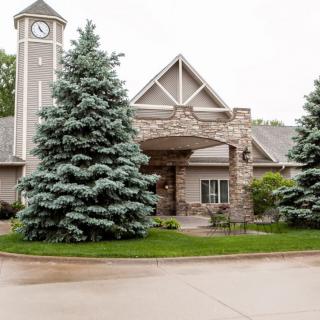
    A building with a clock tower and stone facade surrounded by trees.
  • Bedroom

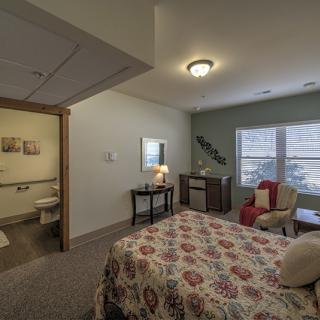
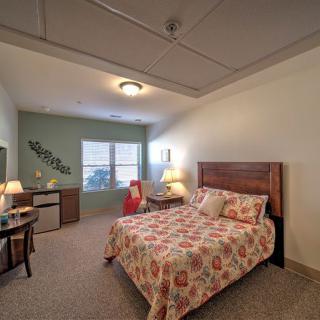
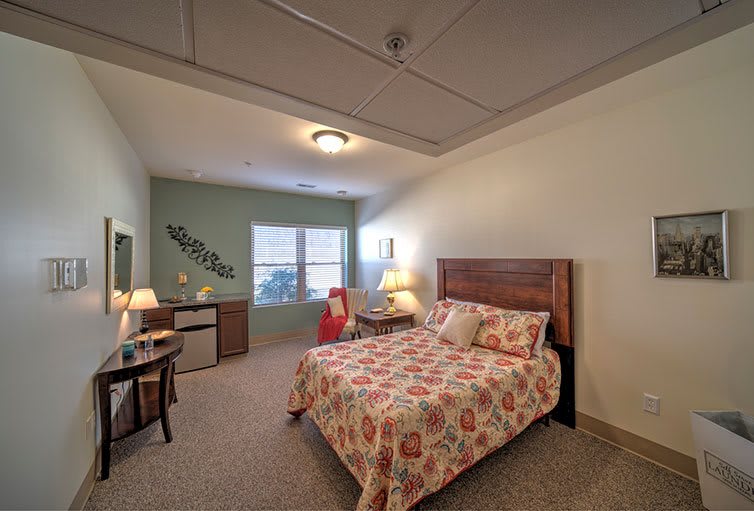
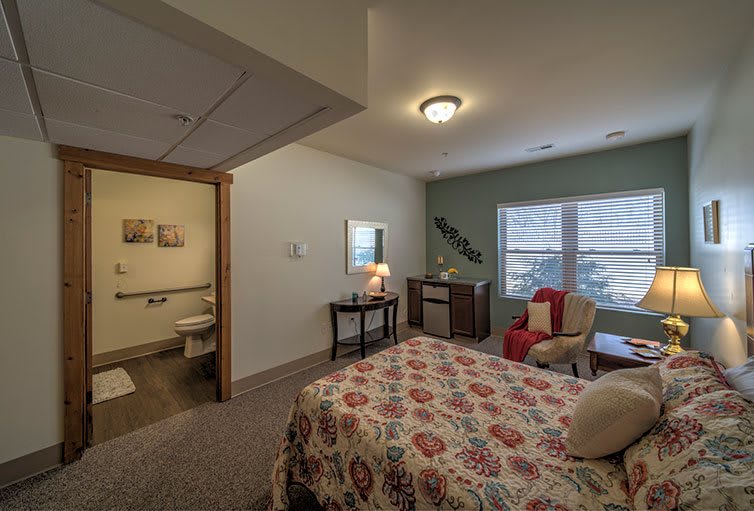
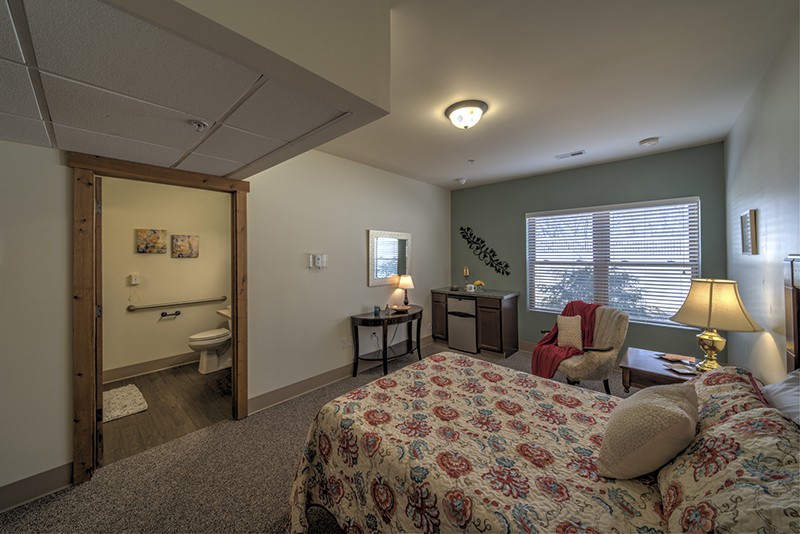
    A cozy bedroom with a bed, armchair, and lamp near a window.
  • Trees

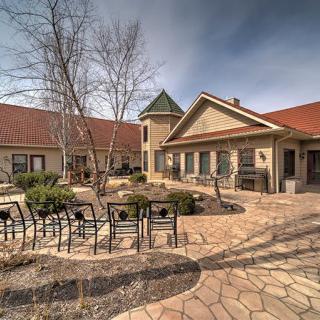
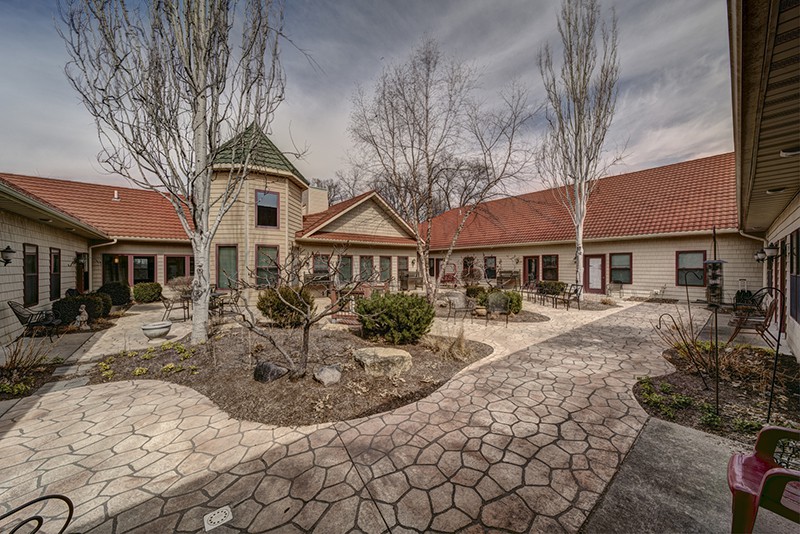
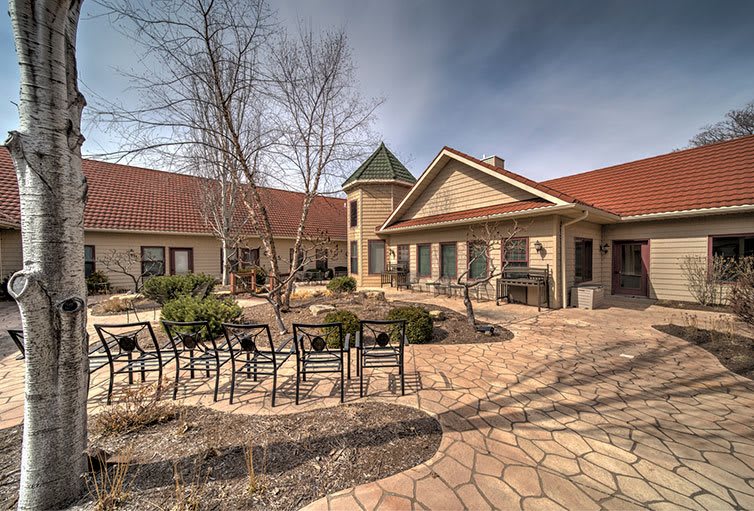
    A serene courtyard with a stone pathway and red-roofed buildings under a cloudy sky.
  • Windows

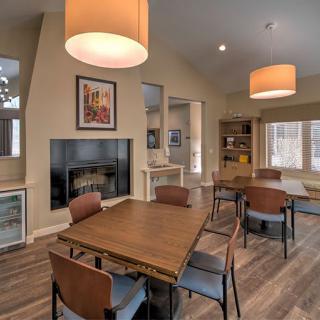
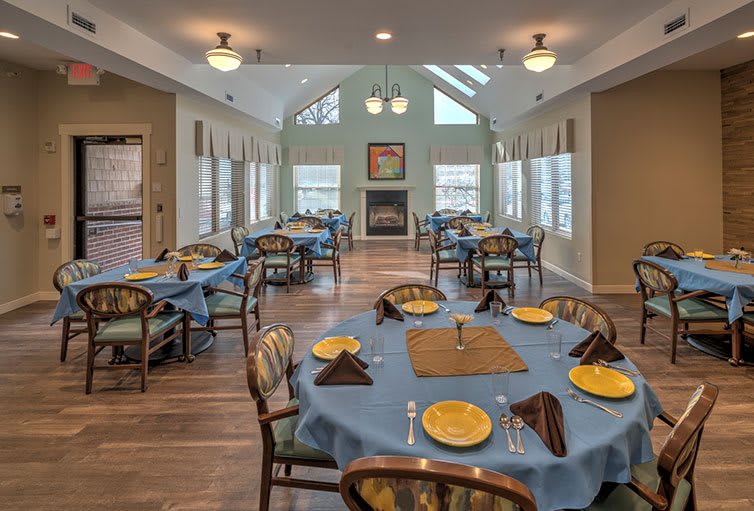
    A spacious dining area with modern furniture and large windows providing ample natural light.
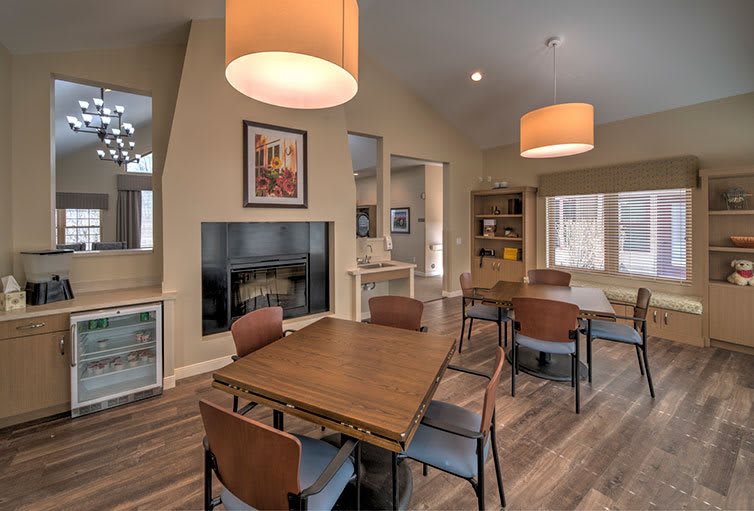
  • Dining

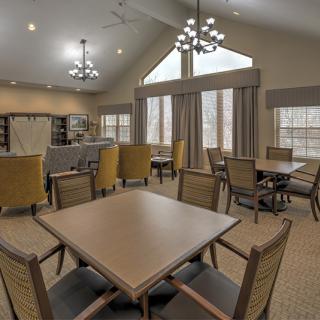
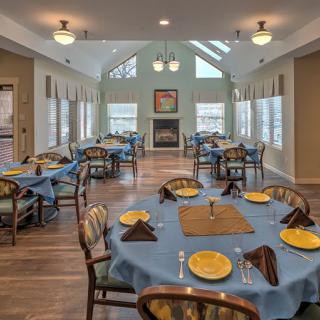
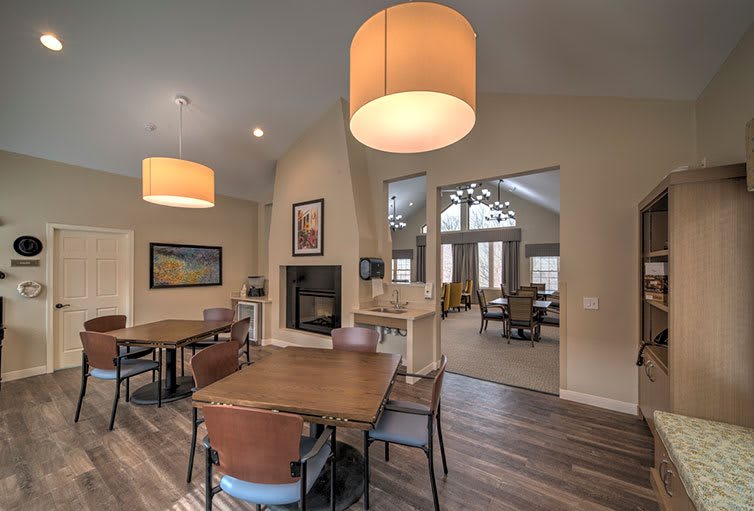
    A modern dining area featuring wooden furniture, pendant lights, and a cozy fireplace.
  • Landscaping

    A serene courtyard featuring outdoor seating and landscaping, surrounded by a rustic building.
  • Lighting

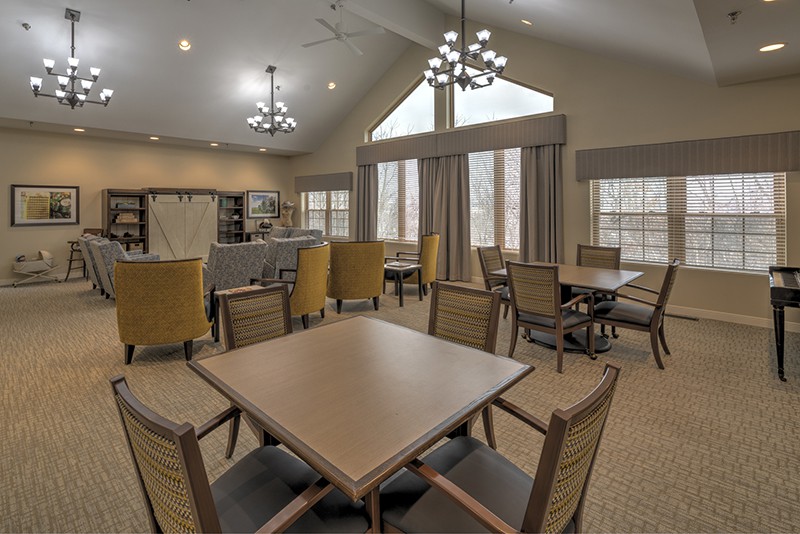
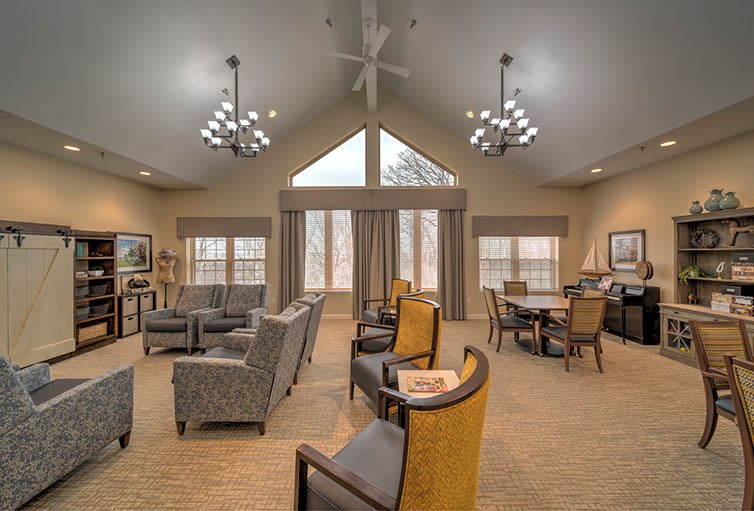
    A spacious lounge area with elegant furniture and large windows, featuring contemporary lighting fixtures.
  • Artwork

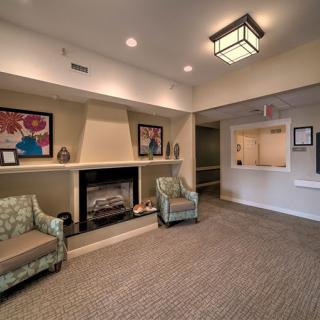
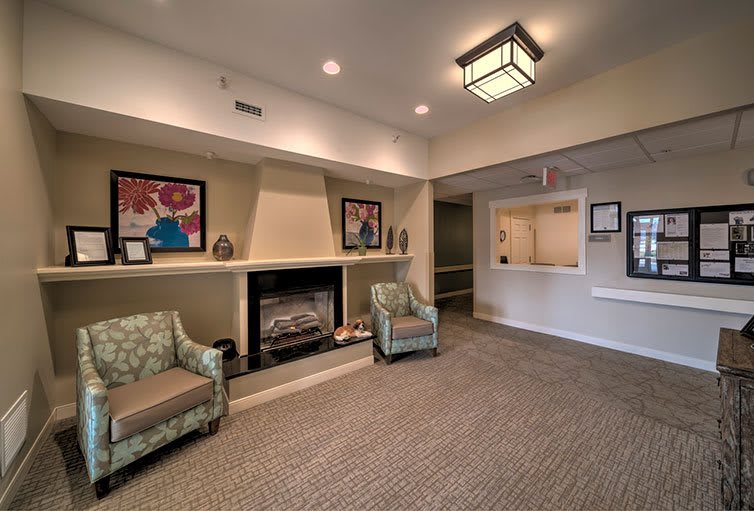
    A cozy lobby with a fireplace, seating area, and artwork on the walls.
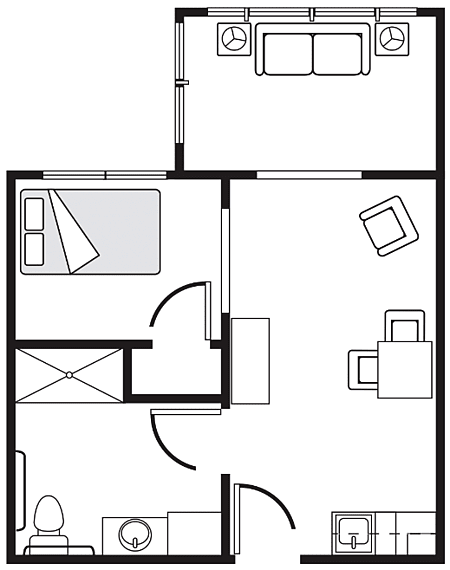
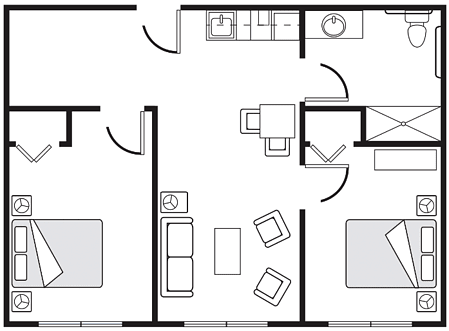
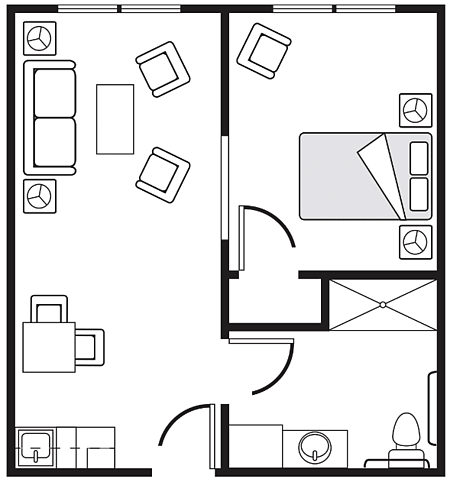
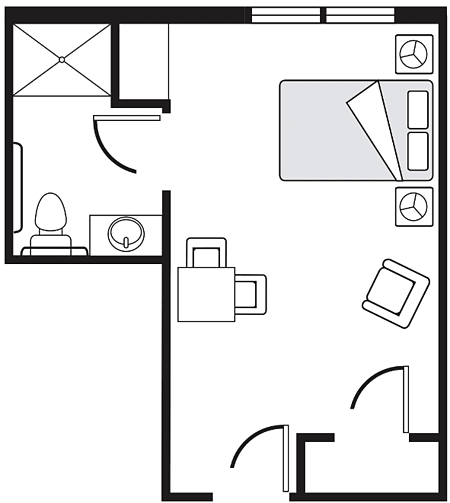
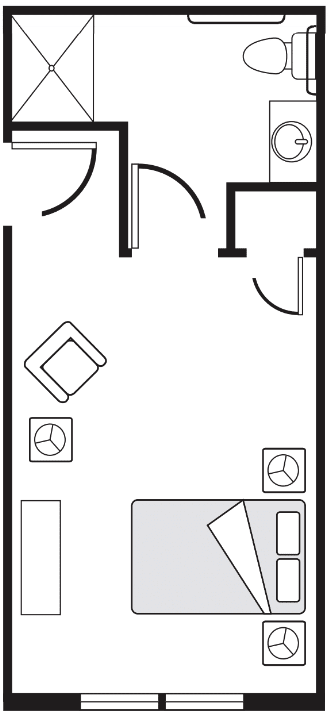
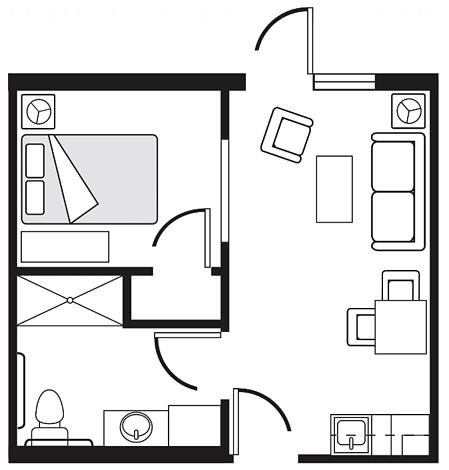
  • Floor Plan

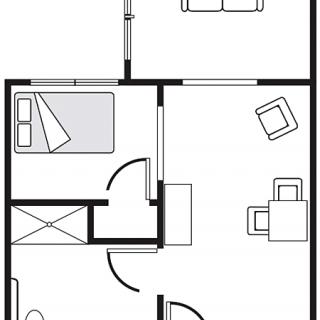
    A simple floor plan of an apartment showing a bedroom, living room, and entrance.
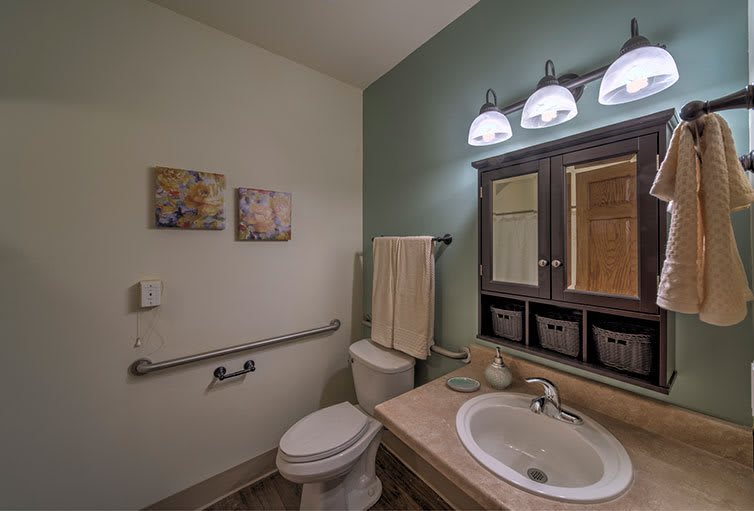
  • Bathroom

    A clean and well-organized bathroom featuring a sink, mirror, and toilet with modern lighting and decor.

Cedarhurst Memory Care Of Moline

221 11th Avenue, Moline, IL 61265

For more information about senior living options: (844) 490-3973

4.7 from 32 reviews
5 stars
25
4 stars
5
3 stars
2
2 stars
0
1 stars
0

Memory Care

Cedarhurst Memory Care Of Moline Costs & Pricing

Cedarhurst Memory Care of Moline offers competitive pricing for its residents, particularly when compared to the broader regional and state averages. For semi-private accommodations, the monthly cost aligns with Rock Island County at $3,950, significantly lower than the Illinois average of $5,146. In terms of studio apartments, Cedarhurst charges $4,650, which exceeds both county and state averages - $3,184 in Rock Island County and $4,028 statewide. The one-bedroom option is priced at $5,500; while it is above county ($3,570) and state ($3,527) rates, it reflects the specialized care and amenities provided in this memory care facility. Overall, Cedarhurst balances quality care with thoughtful pricing strategies that cater to diverse needs within a competitive market.

Floor plansCedarhurst Memory Care Of MolineRock Island CountyIllinois
Semi-Private$3,950$3,950$5,146
Studio$4,650$3,184$4,028
1 Bedroom$5,500$3,570$3,527

Overall Review of Cedarhurst Memory Care Of Moline

Pros

  • pro The Charter team is passionate about providing a safe and homey environment for residents.
  • pro The leadership is kind and dedicated to exceptional care.
  • pro Residents feel safe and well cared for, with staff who keep them active and well looked after.
  • pro The facility is clean and inviting.
  • pro The staff are friendly, outgoing, and explain things clearly.
  • pro Amber Ridge Memory Care offers strong communication and a great overall experience.
  • pro The staff are kind, caring, and treat residents with dignity, forming caring relationships.
  • pro Amber Ridge provides a safe, secure environment with well-trained staff and engaging activities.
  • pro The meals are varied, home-cooked, and residents are offered choices.

Cons

  • pro They did not feel it was as good a quality facility as another one they were looking into.
  • pro The reviewer felt the lower level was not a good fit for their father because he was too sick to be that far away from the nursing staff.
  • pro There was only one nurse on duty and three to five aides.
  • pro On Sundays there wasn't any management available at the facility or activities going on.
  • pro The lower level was not staffed and residents were brought upstairs during the day.

Review

Cedarhurst Memory Care Of Moline is best suited for families seeking an intimate, memory-care?focused environment where safety, routine, and a warm, home-like atmosphere drive daily life. The most compelling case is made for residents who require structured activities, consistent supervision, and a culture that treats residents with dignity and genuine kindness. In practice, this means residents are in a setting designed around dementia care, with attention to mealtime routines, social engagement, and supervised outings or programs. The community's atmosphere should feel welcoming and familial, with staff who can build relationships, keep residents engaged, and respond promptly to changing needs.

Those who may want to consider alternatives include families prioritizing higher levels of medical oversight from a larger or more clinical operation, or those seeking very structured care on an around-the-clock medical model. Some reviews caution about shifts or days when management coverage is lighter, and one note underscores the importance of verifying staff availability on weekends or in lower-level units. For loved ones with intensive nursing needs, or for families concerned about around-the-clock supervision, it is wise to compare staffing models, nurse-to-resident ratios, and access to on-site clinicians before committing.

The strongest points in favor of Cedarhurst - based on the broader review landscape - center on safety, a clean, well-maintained environment, and a culture of friendliness and respect. Families consistently report staff who are attentive, communicative, and willing to involve residents in activities, meals, and daily decisions. The sense of "being cared for like family" translates into lower anxiety for family members and a higher degree of reassurance about daily well-being. When staff are experienced in dementia care and leadership remains engaged, small daily interactions accumulate into meaningful quality-of-life gains for residents, partially offsetting any logistical gaps in coverage.

Programming and life enrichment are a clear differentiator in these communities. The most convincing experiences describe varied, person-centered activities, healthy, appealing meals, and opportunities for socialization that feel genuine rather than perfunctory. Outdoor spaces or gardens, crafts, music, and community events contribute to a sense of normalcy and purpose. Families evaluating Cedarhurst should ask for a current activity calendar, sample menus, and tours of typical daily routines to assess whether programming aligns with the resident's interests, pace, and cognitive needs. A strong activity program often compensates for smaller size or quieter days by providing predictable engagement.

Safety features and staff competence are the backbone of a confident choice. Expect secure entrances and memory-care?specific design elements that reduce exit-seeking behavior, paired with staff trained to redirect, calm, and redirect residents as needed. Leadership visibility matters; facilities that showcase hands-on administration and reliable on-site management tend to sustain consistent care and rapid problem resolution. While the overall tone from reviewers is highly favorable, the prudent evaluator will verify shift coverage, especially on weekends or in specific units, and will seek assurances that the level of medical attention matches the resident's needs at all hours.

In the end, Cedarhurst Memory Care Of Moline emerges as a practical, solid option for families prioritizing warmth, personalized attention, and a dedicated memory-care framework. The best-fit families are those who value a home-like setting with strong staff relationships, meaningful daily activities, and a reliable culture of dignity and respect. Before deciding, walk through a thorough tour, meet the administrator, review staffing patterns by shift, and examine the calendar of programming and dining options. If these align with the loved one's needs and preferences, Cedarhurst offers a compelling balance of safety, engagement, and comfort that can translate into real peace of mind for families navigating memory-care decisions.

Features

Housing

  • 41 resident community capacity 41 resident community capacity
  • 1-bedroom apartments 1-bedroom apartments1-bedroom apartments are important for seniors because they provide a sense of independence, privacy, and autonomy while still offering the necessary space for comfortable living. These apartments allow seniors to maintain their own personal space and lifestyle preferences in a supportive community setting.
  • 2-bedroom apartments 2-bedroom apartments2-bedroom apartments are important for seniors because they provide extra space for guests, hobbies, and caregivers, as well as potential for additional income through roommates or rental.
  • Studio apartments Studio apartmentsStudio apartments are important for seniors because they offer a smaller, more manageable living space that is easier to navigate and maintain as physical abilities decline. Additionally, studio apartments provide seniors with independence and privacy while still being part of a community that offers support and social opportunities.

Types of Care

  • Memory Care Memory CareMemory care is crucial for seniors as it provides specialized support and services for individuals with dementia or Alzheimer's disease. These programs offer a safe and secure environment where residents receive personalized care, cognitive stimulation, and help with daily activities. Memory care helps seniors maintain their independence, quality of life, and dignity while also providing peace of mind for their families.

Amenities

  • Activities off-site Activities off-siteEngaging in off-site activities is crucial for seniors to maintain social connections, stay active, and stimulate their minds. It promotes overall well-being and helps combat feelings of isolation and loneliness.
  • Activities on-site Activities on-siteActivities on-site are important for seniors because they provide opportunities for socialization, mental stimulation, physical activity, and overall well-being. Engaging in activities can help seniors stay active, maintain their independence, and improve their quality of life.
  • Air-conditioning Air-conditioningAir conditioning is important for seniors as they are more vulnerable to heat-related illnesses and may have underlying health conditions that make it difficult for them to regulate their body temperature. It helps to keep them comfortable, safe, and healthy in hot weather.
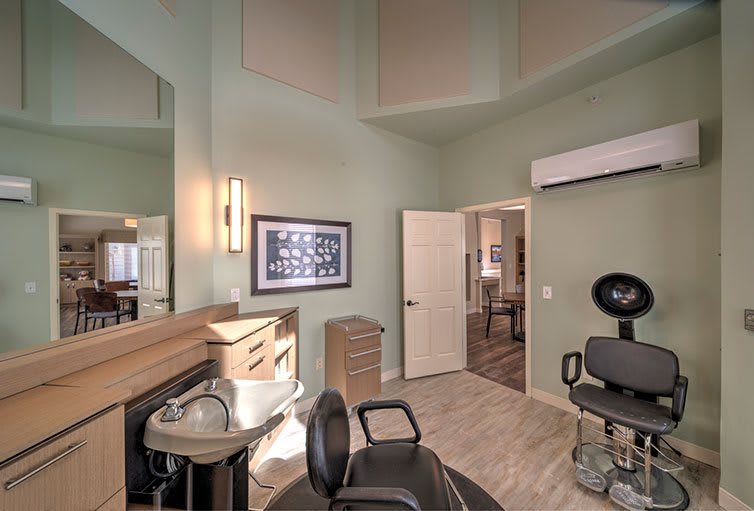
  • Beautician on-site Beautician on-siteHaving a beautician on-site at a senior living community is important for seniors as it allows them to easily access grooming and personal care services, boosting their self-esteem and overall well-being. It also provides convenience and helps seniors maintain their sense of independence and personal style.
  • Beauty salon Beauty salonBeauty salons are important for seniors because they provide a space for them to feel pampered, socialize, and maintain their personal grooming and hygiene. Regular visits to a beauty salon can help boost seniors' self-esteem and overall well-being.
  • Cable or satellite TV Cable or satellite TVCable or satellite TV is important for seniors because it provides entertainment, news, and companionship, helping to combat loneliness and boredom. It also offers a wide range of programming options tailored to different interests and preferences.
  • Dining room Dining roomDining rooms are important for seniors as they provide a space for socialization, connection, and nutritious meals. They offer opportunities for residents to bond over shared meals, foster a sense of community, and promote healthy eating habits. Dining rooms also ensure that seniors have access to well-balanced meals tailored to their dietary needs and preferences.
  • Fully furnished Fully furnishedFully furnished senior living communities are important for seniors because they provide convenience, comfort, and a hassle-free moving experience. Seniors can easily settle into their new living space without the stress of having to buy and move furniture. This allows them to focus on enjoying their new home and community.
  • Garden GardenGardens are important for seniors as they provide a peaceful and therapeutic environment for relaxation, physical activity, and socialization. Being in nature has been shown to reduce stress, improve mood, and promote overall well-being. Gardens also offer opportunities for seniors to engage in gardening activities, which can improve mobility, flexibility, and cognitive function. Additionally, gardens create a sense of community and connection with others who share a passion for plants and outdoor spaces.
  • Guest parking Guest parkingGuest parking is important for seniors because it allows their friends and family members to visit them easily and safely. Having convenient parking options can help combat feelings of isolation and loneliness, promote regular social interaction, and improve overall mental and emotional well-being for seniors in senior living communities.
  • Housekeeping services Housekeeping servicesHousekeeping services are important for seniors because they help maintain a clean and safe living environment, promote independence, and reduce the risk of accidents or illnesses. Additionally, having assistance with household chores can alleviate physical strain and allow seniors to focus on other aspects of their well-being.
  • Indoor common areas Indoor common areasIndoor common areas are crucial for seniors as they provide a space for socialization, recreation, and community engagement, promoting overall well-being and reducing feelings of isolation and loneliness.
  • Kitchenette KitchenetteKitchenettes are important for seniors living in senior living communities because they provide the convenience and independence of being able to prepare simple meals and snacks in the comfort of their own living space. This can help promote a sense of autonomy and well-being for seniors, allowing them to maintain some level of control over their dietary choices and daily routines.
  • Laundry LaundryLaundry services are important for seniors as they may have difficulty with physical tasks such as bending, lifting, or carrying heavy loads. Having access to laundry services can help seniors maintain personal hygiene, cleanliness, and independence in their daily lives.
  • Move-in coordination Move-in coordinationMove-in coordination is important for seniors because it helps ease the transition into their new living environment. It ensures that all logistics, such as packing, organizing movers, and setting up utilities are taken care of, allowing seniors to focus on settling in and adjusting to their new home. Having a smooth move-in process can alleviate stress and anxiety, making the transition smoother and more enjoyable for seniors.
  • Outdoor common areas Outdoor common areasOutdoor common areas are important for seniors as they provide a space for socialization, physical activity, and relaxation. Being outside in nature can improve mood and overall well-being, while also encouraging movement and engagement with others. These spaces can help combat feelings of isolation and promote a sense of community among residents.
  • Outdoor space Outdoor spaceOutdoor spaces are important for seniors as they provide opportunities for physical activity, social interaction, exposure to natural light and fresh air, and a sense of connection to nature. Having access to outdoor spaces can improve overall well-being and quality of life for older adults living in senior communities.
  • Private bathrooms Private bathroomsPrivate bathrooms are important for seniors in senior living communities because they provide independence, dignity, and comfort. Having a private bathroom allows seniors to maintain their personal hygiene routines without the need for assistance, promoting a sense of autonomy and privacy. Additionally, private bathrooms help prevent the spread of infections and provide a safe and clean environment for seniors to navigate safely.
  • Respite or short term stays offered Respite or short term stays offeredRespite or short term stays provide seniors with a temporary solution when their regular caregiver is unavailable, offering them the opportunity to receive additional care and support during times of need, while also giving caregivers a chance to rest and recharge.
  • Spa SpaSpas are important for seniors because they provide relaxation, stress relief, and therapeutic benefits which can improve their overall well-being and quality of life. Additionally, spa treatments such as massages, hydrotherapy, and aromatherapy can help alleviate common age-related ailments such as arthritis, joint pain, and circulation issues. Seniors deserve to enjoy a pampering experience that promotes physical and emotional wellness.
  • Telephone TelephoneTelephones are important for seniors as they provide a lifeline for communication with loved ones, emergency services, and healthcare providers. They offer a sense of security and independence, enabling seniors to stay connected and access assistance when needed.
  • Wheelchair accessible showers Wheelchair accessible showersWheelchair accessible showers are crucial for seniors as they provide a safe and independent bathing option for those with mobility challenges. These showers help prevent falls and allow seniors to maintain their dignity and autonomy while ensuring they can bathe comfortably.
  • Wi-Fi/high-speed internet available Wi-Fi/high-speed internet availableWi-Fi/high-speed internet is important for seniors to stay connected with loved ones, access online resources, and participate in virtual activities to combat feelings of loneliness and isolation. It also allows them to easily manage healthcare needs, access entertainment, and engage in lifelong learning opportunities.

Transportation

  • Quad City (4 miles away) Quad City (4 miles away)
  • Transportation & parking Transportation & parkingTransportation and parking are vital for seniors as they offer access to essential services, activities, and social interactions. Reliable transportation options can help seniors maintain independence, stay connected within their community, and enjoy a higher quality of life. Additionally, convenient parking facilities ensure that seniors can easily access necessary resources and amenities without added stress or difficulty.
  • Transportation arrangement Transportation arrangementTransportation arrangements are crucial for seniors as they may face challenges with driving, mobility, or access to public transportation. Having reliable transportation services ensures that seniors can easily attend appointments, social activities, and maintain their independence and quality of life.
  • Transportation arrangement (non-medical) Transportation arrangement (non-medical)Transportation arrangements are essential for seniors as they provide access to essential services, activities, and social interactions outside the home. This service helps maintain independence, mobility, and overall well-being for seniors who may have limited transportation options.

Care Services

  • 24-hour call system 24-hour call system24-hour call systems are important for seniors because they provide peace of mind and immediate assistance in case of emergencies. This technology ensures that help is always available, promoting safety and security for elderly individuals living alone or in assisted living facilities.
  • 24-hour supervision 24-hour supervision24-hour supervision is important for seniors to ensure their safety, well-being, and access to immediate assistance in case of emergencies or health issues. This constant support provides peace of mind for both seniors and their loved ones, allowing them to age in place with dignity and security.
  • Activities of daily living assistance Activities of daily living assistanceActivities of daily living assistance are important for seniors because they provide essential support with tasks such as eating, bathing, dressing, and mobility. This assistance helps seniors maintain their independence, dignity, and overall quality of life as they age.
  • Ambulatory care Ambulatory care"Ambulatory care services provide essential medical support and treatment to seniors without requiring hospitalization, allowing them to maintain their independence and quality of life while managing chronic conditions or receiving routine medical care."
  • Assistance with bathing Assistance with bathingAssistance with bathing is crucial for seniors as it helps maintain personal hygiene, prevents infections, and ensures their overall well-being and comfort. It also provides a sense of dignity and independence for seniors who may struggle with this task on their own.
  • Assistance with dressing Assistance with dressingAssistance with dressing is important for seniors because it helps maintain their independence, promotes personal hygiene, prevents accidents and injuries, and improves overall quality of life. This service ensures that seniors can continue to dress comfortably and confidently, despite any physical limitations they may have.
  • Assistance with transfers Assistance with transfersAssistance with transfers is crucial for seniors as it helps prevent falls and injuries, maintains their independence, and ensures they can safely navigate their living environment. It also provides peace of mind for both seniors and their loved ones.
  • Coordination with health care providers Coordination with health care providersCoordination with health care providers is crucial for seniors to ensure proper medical care, medication management, and overall well-being. This collaboration helps prevent overlapping treatments, track progress more effectively, and provide comprehensive support tailored to individual needs.
  • Dementia waiver Dementia waiverDementia waivers are essential for seniors as they provide critical protections and accommodations for those experiencing cognitive decline. These waivers ensure individuals with dementia receive appropriate care, support, and resources to maintain their quality of life and dignity as they navigate the challenges of this progressive condition.
  • Diabetes diet Diabetes dietA diabetes diet is crucial for seniors as it helps manage blood sugar levels, reduce risks of complications, and improve overall health and well-being. By following a balanced and nutritious diet tailored to their specific needs, seniors can better control their diabetes and enhance their quality of life.
  • Diabetic care Diabetic careDiabetic care is crucial for seniors as they are more susceptible to developing diabetes due to aging and other health conditions. Proper management of diabetes can help prevent complications such as heart disease, vision loss, and nerve damage, improving the overall quality of life for seniors in senior living communities.
  • Hospice waiver Hospice waiverHospice waivers are important for seniors because they allow individuals to receive specialized end-of-life care and support at home or in a hospice facility. This waiver ensures that seniors can access the necessary resources and services to maintain comfort and dignity during their final days.
  • Incontinence care Incontinence careIncontinence care is essential for seniors to maintain their dignity, hygiene, and overall quality of life. By addressing incontinence issues promptly and effectively, seniors can enjoy a sense of independence and comfort in their daily activities.
  • Meal preparation and service Meal preparation and serviceMeal preparation and service are crucial for seniors as they may have limited mobility or energy to cook nutritious meals. Having access to healthy and convenient food options can ensure they are getting the proper nutrition needed to maintain their overall health and well-being.
  • Medication management Medication managementMedication management is crucial for seniors to ensure they are taking the right medications at the correct dosages and times. This helps prevent adverse drug interactions, reduces the risk of medication errors, and promotes overall health and well-being. Proactive management also allows for adjustments as needed based on changing health conditions or new prescriptions.
  • Mental wellness program Mental wellness programMental wellness programs are essential for seniors as they promote cognitive stimulation, emotional support, and social engagement. These programs help prevent isolation, depression, and cognitive decline, ultimately enhancing the overall quality of life for older adults.
  • Mild cognitive impairment Mild cognitive impairment"Mild cognitive impairment" is important for seniors because it is an early stage of cognitive decline that can potentially progress to more severe conditions such as dementia. Recognizing and addressing mild cognitive impairment can help seniors receive appropriate care and support to maintain their quality of life and independence for as long as possible.
  • Special dietary restrictions Special dietary restrictionsSpecial dietary restrictions are important for seniors because age-related changes in metabolism and health conditions can make it difficult for their bodies to process certain foods. By following a diet tailored to their specific needs, seniors can maintain their overall health and well-being, manage chronic conditions, and reduce the risk of complications such as malnutrition or food interactions with medications.
  • Specialized memory care programming Specialized memory care programmingSpecialized memory care programming is crucial for seniors with cognitive impairments such as dementia or Alzheimer's disease. These programs provide a safe and supportive environment tailored to the unique needs of individuals with memory loss, helping them maintain their independence, dignity, and quality of life.
  • Transportation arrangement (medical) Transportation arrangement (medical)Transportation arrangements for medical purposes are essential for seniors as they may have difficulty driving themselves to appointments or accessing public transportation. Having reliable and safe transportation options ensures that seniors can receive timely medical care and maintain their health and well-being.
  • Transportation to doctors appointments Transportation to doctors appointmentsTransportation to doctors' appointments is crucial for seniors as it ensures they have access to necessary medical care and support for their health needs. Without reliable transportation, seniors may struggle to attend important appointments, leading to potential delays in treatment and health complications. Providing transportation services helps seniors maintain their overall well-being and quality of life.

Dining

  • Diabetes diet Diabetes dietA diabetes diet is crucial for seniors as it helps manage blood sugar levels, reduce risks of complications, and improve overall health and well-being. By following a balanced and nutritious diet tailored to their specific needs, seniors can better control their diabetes and enhance their quality of life.
  • Meals provided Meals provided"Meals provided" are crucial for seniors in assisted living communities as it ensures they have access to nutritious, balanced meals without the stress of meal planning and preparation. This can help promote overall health and well-being for seniors who may have limited mobility or cognitive abilities.
  • Restaurant style dining Restaurant style diningRestaurant style dining is important for seniors as it offers them a social and enjoyable dining experience, promotes healthy eating habits, and provides personalized menu options to cater to their dietary needs and preferences. This type of dining setting can enhance their overall quality of life and create a sense of community within the senior living facility.
  • Special dietary restrictions Special dietary restrictionsSpecial dietary restrictions are important for seniors because age-related changes in metabolism and health conditions can make it difficult for their bodies to process certain foods. By following a diet tailored to their specific needs, seniors can maintain their overall health and well-being, manage chronic conditions, and reduce the risk of complications such as malnutrition or food interactions with medications.
  • Special dining programs Special dining programsSpecial dining programs are important for seniors because they provide nutritious meals tailored to their dietary needs and preferences. These programs also offer socialization opportunities, promote overall health and well-being, and can help prevent malnutrition.

Activities

  • Activities off-site Activities off-siteEngaging in off-site activities is crucial for seniors to maintain social connections, stay active, and stimulate their minds. It promotes overall well-being and helps combat feelings of isolation and loneliness.
  • Activities on-site Activities on-siteActivities on-site are important for seniors because they provide opportunities for socialization, mental stimulation, physical activity, and overall well-being. Engaging in activities can help seniors stay active, maintain their independence, and improve their quality of life.
  • Art classes Art classesArt classes are important for seniors because they provide a creative outlet, improve cognitive function, reduce stress and anxiety, promote socialization, and enhance overall well-being and quality of life.
  • BBQs or picnics BBQs or picnicsBBQs or picnics provide seniors with social interaction, enjoyment of the outdoors, and a sense of community, contributing to their overall well-being and quality of life.
  • Birthday parties Birthday partiesBirthday parties are important for seniors as they provide an opportunity for celebration, socialization, and joy. They allow seniors to feel special and appreciated, boosting their mood and overall well-being. Additionally, birthday parties can help combat feelings of isolation and loneliness by fostering connections with friends, family, and community members.
  • Community-sponsored activities Community-sponsored activitiesCommunity-sponsored activities are important for seniors as they provide opportunities for social interaction, mental stimulation, and physical activity. These activities can help improve overall well-being, combat loneliness and isolation, and promote a sense of belonging and purpose among older adults.
  • Gardening club Gardening clubGardening clubs are important for seniors because they provide a sense of community, promote physical activity and mental well-being, and offer opportunities for socialization and connection with nature. Gardening can also improve cognitive function and overall quality of life for seniors.
  • Holiday parties Holiday partiesHoliday parties are important for seniors because they provide opportunities for socialization, community involvement, and mental stimulation. These festive events offer a sense of belonging and connection during a time that can be lonely for many older adults. Additionally, participating in holiday celebrations can boost mood and overall well-being for seniors living in senior living communities.
  • Live musical performances Live musical performancesLive musical performances can provide seniors with a sense of joy, nostalgia, and connection. Music has the power to evoke emotions and memories, improve mood and cognitive function, and foster social interaction among seniors. It can also serve as a form of therapy and stress relief for older adults, making it an important activity to include in senior living communities.
  • Live well programs Live well programs"Live well programs are essential for seniors as they provide opportunities for physical activity, social engagement, and mental stimulation, ultimately promoting overall health and well-being in later years."
  • Montessori programs Montessori programsMontessori programs are important for seniors because they promote a sense of independence, dignity, and purpose through engaging activities and personalized care. These programs help seniors maintain cognitive abilities, physical health, and emotional well-being, ultimately enhancing their overall quality of life in a supportive and stimulating environment.
  • Religious services Religious servicesReligious services provide seniors with a sense of community, support, and spiritual fulfillment, which can improve their overall well-being and mental health. It also offers them opportunities for socialization and connection with others who share their beliefs.
  • Resident-run activities Resident-run activitiesResident-run activities are important for seniors as they encourage social interaction, creativity, and a sense of autonomy. These activities empower seniors to stay engaged and active in their community while fostering meaningful connections with their peers.
  • Scheduled daily activities Scheduled daily activitiesScheduled daily activities are important for seniors because they provide structure, socialization, mental stimulation, and physical activity. Engaging in regular activities can improve overall well-being and quality of life for seniors living in a community setting.
  • Stories StoriesStories are important for seniors because they provide a sense of connection, stimulate memory and cognitive function, and offer entertainment and emotional engagement. Sharing stories can foster social interaction and create a sense of community among seniors, enhancing their overall well-being and quality of life.

Description

Cedarhurst Memory Care of Moline in Moline, IL is an assisted living community that offers a variety of housing options including 2-bedroom apartments and studio apartments. The community provides a range of amenities to enhance the residents' quality of life, such as a beauty salon, cable or satellite TV, a dining room, fully furnished accommodations, a garden, guest parking, housekeeping services, kitchenettes in each apartment for added convenience, laundry facilities, move-in coordination assistance, outdoor space for relaxation and recreation purposes, private bathrooms for personal comfort and privacy, a spa for relaxation and rejuvenation treatments, telephone services for easy communication with loved ones and staff members, transportation and parking options to facilitate mobility within the community and for personal errands or outings, non-medical transportation arrangement services to help residents reach their desired destinations comfortably and promptly (such as running errands or going shopping), as well as Wi-Fi/high-speed internet access to stay connected with family and friends online.

To ensure the well-being of residents at Cedarhurst Memory Care of Moline, professional caregivers offer 24-hour supervision and assistance with activities of daily living such as bathing, dressing, and transfers. The staff also coordinates with health care providers to ensure that residents receive appropriate medical attention when needed. Specialized care services are provided for individuals with dementia or mild cognitive impairment through memory care programming that includes activities tailored to their unique needs. The community also offers medication management services to help residents maintain their health.

The dining experience at Cedarhurst Memory Care of Moline is designed to accommodate special dietary restrictions to meet individual needs. Residents can enjoy delicious meals prepared by the community's skilled culinary team.

In terms of activities and entertainment options available in the community's surroundings, there are numerous cafes, parks, pharmacies nearby making it easy for residents to explore their local area. Additionally, several physicians' offices are conveniently located close by providing accessible healthcare options. With numerous restaurants located nearby, residents have a variety of dining choices for outings with friends and family. Places of worship are also within proximity, allowing residents to attend religious services. For further medical convenience, multiple hospitals are located nearby, ensuring that residents have easy access to medical care if needed.

With its comfortable housing options, comprehensive care services, and convenient amenities, Cedarhurst Memory Care of Moline offers a secure and supportive community environment for seniors in need of memory care and assistance with daily living activities.

Videos

Nearby Places of Interest

Physicians

  • Quad Cities Pathologists Group (0.5 miles)
  • Pediatric Group Associates (1.4 miles)
  • Dr Anseeuw (1.9 miles)
  • Dr Purighalla, MD Neurosurgeon (1.9 miles)
  • Quad City Neurology and Spine (1.9 miles)
  • Gastroenterology Consultants (2 miles)
  • Forefront Dermatology Moline, IL (2 miles)

Pharmacies

  • Walgreens (0.6 miles)
  • Uptown Drug (1.1 miles)
  • Walgreens (1.3 miles)
  • CVS Pharmacy (1.4 miles)
  • Walgreens (2.2 miles)
  • Trinity Retail Pharmacy (2.3 miles)
  • Walgreens (2.7 miles)

Parks

  • Velie Park (0.7 miles)
  • Prospect Park (2 miles)
  • Lindsey Park (2 miles)
  • Schwiebert Riverfront Park (2.2 miles)
  • Modern Woodmen Park (2.7 miles)
  • Centennial Park (3 miles)
  • Veteran's Memorial Park (3.2 miles)

Restaurants

  • Hardee's (0.7 miles)
  • Wendy's (0.8 miles)
  • O'Keefe's Sports Pub & Grub (0.9 miles)
  • Bier Stube (1 miles)
  • Rebellion Brew Haus (1.1 miles)
  • Pub 1848 (1.1 miles)
  • McDonald's (1.3 miles)

Hospitals

  • Genesis Medical Center (1.9 miles)
  • Community Health Care (2.7 miles)
  • Kahl Home For The Aged (3.3 miles)
  • Edgerton Women's Health Center (3.5 miles)

Cafes

  • Starbucks (2.2 miles)
  • Coya's Cafe (3.1 miles)
  • Starbucks (3.6 miles)
  • Panera Bread (3.7 miles)
  • QC Fuel (3.7 miles)

Places of Worship

  • Heritage Wesleyan Church (2.5 miles)
  • St Paul The Apostle School (3.1 miles)

Frequently Asked Questions

How much does it cost to live at Cedarhurst Memory Care Of Moline in Moline, IL?
What floor plans and room types does Cedarhurst Memory Care Of Moline offer?
Where is Cedarhurst Memory Care Of Moline?
Does Cedarhurst Memory Care Of Moline provide care for residents with dementia or Alzheimer's disease?
What photos are available for Cedarhurst Memory Care Of Moline in Moline, Illinois?

Nearby Communities

  • Overlook Village

    Overlook Village

    Moline, IL

    4.8 from 103 reviews
    $3,098 to $4,490 / month

    pro Delicious meals, attentive staff, and engaging activities.

  • Heartland Of Moline

    Heartland Of Moline

    Moline, IL

    3.2 from 33 reviews
     

    pro Dedicated therapy and activities staff delivering engaging programs.

  • Heartland Health Care Center Moline

    Heartland Health Care Center Moline

    Moline, IL

    3 from 4 reviews
     

    pro Responsive care and supportive rehab teams.

  • Trinity Home Care

    Trinity Home Care

    Rock Island, IL


    pro Robust access to healthcare, dining, and parks nearby.

  • Westwood Terrace

    Westwood Terrace

    Moline, IL

     
    $652 / month

    pro Affordable studio rate with convenient access to cafes, parks, pharmacies, physicians, restaurants, and hospitals nearby.

  • Forsberg Christian Retirement

    Forsberg Christian Retirement

    Moline, IL


    pro Peaceful, supportive environment with specialized diabetic care and on-site activities.

  • Generations At Rock Island

    Generations At Rock Island

    Rock Island, IL

    2.7 from 38 reviews
     

    pro Consistent, individualized attention from friendly staff and engaging activities.

  • Cedarhurst Assisted Living of Moline

    Cedarhurst Assisted Living of Moline

    Moline, IL

    4.6 from 46 reviews
    $3,300 to $3,550 / month

    pro Attentive staff in a clean, welcoming small community with engaging activities.

  • Friendship Manor

    Friendship Manor

    Rock Island, IL

    3.9 from 32 reviews
    $3,672 to $5,382 / month

    pro Clean facility with friendly staff and strong rehabilitation services.

Related Resources

  • does my mom have dementia quiz5 Early Indicators of Dementia and What You Can Do

    The content outlines five key early indicators of dementia, including significant memory loss and confusion about time and place, while emphasizing the need for professional evaluation and emotional support for both individuals showing symptoms and their caregivers. It encourages family members to monitor these signs closely and use online quizzes for initial awareness.

  • when should someone with dementia go into a care home8 Important Indicators That Memory Care May Be Necessary

    The article highlights eight indicators that a loved one with dementia may require specialized memory care, emphasizing the emotional and logistical challenges families encounter in this decision. It discusses signs such as difficulties with daily tasks, safety concerns, and caregiver burnout, suggesting that memory care facilities can provide the necessary support and structured environments for those experiencing cognitive decline.

  • what do dementia patients think aboutDelving into the Inner World of Dementia: Insights into Thoughts and Awareness
    Dementia, primarily caused by Alzheimer's disease but also linked to other conditions, leads to cognitive decline impacting memory and daily functioning, with individuals experiencing varied awareness of their impairments. Despite memory loss, emotional connections persist, enabling responses to familiar stimuli, highlighting the need for caregivers to provide compassionate support that recognizes both limitations and retained emotional depth.