
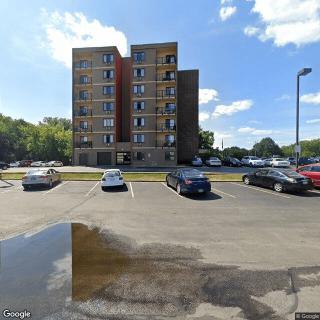
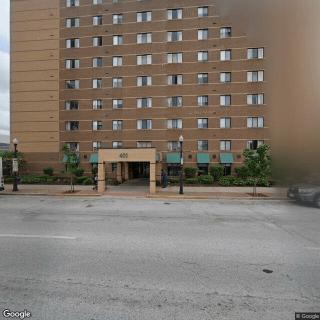
500 42nd St # 8, Rock Island, IL 61201
To contact a resident: (309) 779-7400
For more information about senior living options: (866) 208-4318
Overall Review of Trinity Home Care
Pros
 They had a great time taking driving lessons for their Iowa state license and passed on the first attempt.
- The facility is honest, professional, and devoted to caring for loved ones, with a clean environment and caring staff.
- They are wonderful and show loving kindness with gratitude; working with them brings no regrets.
- They highly recommend this place.
- They do wonderful work.
- The aides provide great service and are very professional.
- The place is nice and safe, and they care about their clients.
- The staff is wonderful and cares about their clients.
Review
Trinity Home Care in Rock Island, IL is best suited for families seeking a small, home-like caregiving environment where a resident-first approach is the norm and staff are consistently described as caring, professional, and loyal to those they serve. This community shines for households that value reliability, warm daily interactions, and a safe, clean setting where aides are readily available and focused on the person in front of them. The prevailing sentiment in the reviews emphasizes a culture of genuine kindness, steady attention, and a commitment to serving loved ones with patience and respect. For families who want to feel confident that the daily routine will unfold with compassion and steadiness, Trinity presents a compelling fit.
Carefully consider alternatives if medical complexity or specialized programming is a priority. The landscape of care in a small, intimate home setting can be excellent for routine assistance, social engagement, and dignity-centered support, but it may not deliver the breadth of medical oversight or dementia-specific programming that larger skilled nursing facilities or memory-care communities offer. For residents requiring 24/7 nursing on-site, advanced wound care, infusion therapy, or highly structured memory-care curricula, a bigger campus with dedicated clinical teams might be a more suitable match. Families should weigh the desire for a homelike atmosphere against the need for more intensive clinical resources and specialized services.
The strongest pros in Trinity’s favor are evident in the testimonials: a clean, safe environment paired with consistently professional aides who are described as loving, kind, and genuinely engaged. The staff’s honesty and loyalty to residents come through clearly, suggesting dependable day-to-day reliability, transparent communication, and a predictable routine that residents and families can trust. The overall sentiment is that the team does “wonderful work,” and that the home-like setting reinforces a sense of warmth and belonging. When daily life hinges on consistent, respectful care, these attributes often translate into measurable quality-of-life benefits for residents.
There are no explicit drawbacks named in the feedback, but prudent families will approach with practical questions to fill gaps not captured by praise. In particular, it’s wise to confirm the level of medical and rehabilitative services available on-site, the cadence and quality of care planning, and how care coordination is handled if a resident’s needs change. Inquiries about staffing ratios, the presence of a registered nurse on site, access to therapies, and the availability of dementia-specific programming can illuminate how Trinity would scale care if health or cognitive needs evolve. A tour should also verify how emergency protocols are executed and how quickly staff respond to changes in a resident’s condition.
The strong, person-centered advantages offered by Trinity help offset the potential gaps inherent in a smaller operation. A home that is described as safe and well-maintained reduces risk and reassures families about day-to-day stability. Aides who are perceived as highly capable and caring increase the likelihood that routines, bathing, dressing, meal support, social interaction, are performed with dignity and attentiveness. The combination of a respectful atmosphere, dependable staff, and a love-for-work ethos creates trust, lowers anxiety for families, and can lead to fewer hospitalizations or crises driven by neglect or miscommunication. In decision-making terms, the trade-off often favors this setting for households prioritizing companionship, reassurance, and consistent, humane care over extensive clinical specialization.
For families weighing options, Trinity Home Care represents a compelling choice when warmth, safety, and steady caregiving are the top criteria. It is particularly well-suited for seniors who thrive on personal connections, who value a clean, orderly environment, and who want to minimize transitions while maintaining daily routines that feel familiar and dignified. Those who anticipate escalating medical needs or who require dementia-specific therapy programs should not presume this setting will automatically satisfy all such requirements; instead, pursue a targeted visit with a clear checklist: ask about on-site medical staffing, care planning processes, memory-care offerings, and the ability to scale services. A candid tour will reveal whether Trinity’s strengths align with the resident’s evolving needs and the family’s expectations.
 Quad City (4 miles away)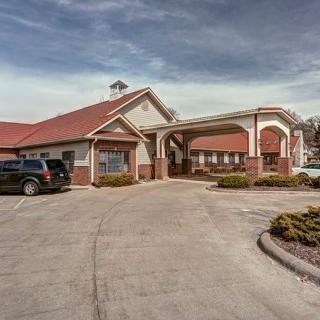



 Navigating the Tax Landscape of Caregiving: Credits, Deductions, and Beyond
 Highly Beneficial Low-Impact Exercises for Senior Living Residents
 Is In-Home Healthcare Tax Deductible? Your Comprehensive Guide